Our readers keep the lights on and my smoothie glass nicely filled. As an Amazon Associate, I earn from qualifying purchases.
A film of grease, a water ring on the coffee table, or a dull, thirsty cutting board — the wrong approach to cleaning can strip natural oils and leave wood parched. The right cleaning oil, however, doesn’t just remove grime; it nourishes the surface, repels moisture, and restores the warm glow that made you buy that piece in the first place. Finding a formula that cleans effectively without harming the material is the central challenge of wood and surface care.
I’m Mohammad Maruf — the founder and writer behind WellFizz. I’ve spent hundreds of hours analyzing ingredient lists, customer performance data, and real-world use cases across the cleaning oil market to separate the true protectors from the mere wetting agents.
This guide cuts through the marketing to deliver the facts you need. By the end, you’ll know exactly which best cleaning oil matches your specific surfaces and cleaning habits.
How To Choose The Best Cleaning Oil
Choosing a cleaning oil means first deciding what you are cleaning: porous unfinished wood, sealed furniture, or non-porous countertops. Each surface requires a different oil chemistry — the wrong pick can leave residue, fail to clean, or even damage the finish. Here are the three factors that matter most.
Surface Porosity & Finish
Unfinished butcher block and wooden utensils absorb oil readily, requiring a food-safe, non-drying oil like mineral oil or a beeswax blend that penetrates deep. Sealed or varnished furniture, on the other hand, needs a light conditioning oil that cleans the surface without soaking in and potentially clouding the topcoat. Non-porous surfaces like stainless steel or granite benefit from a degreasing citrus oil that cuts through residue without leaving a slippery film.
Ingredient Safety & Food Contact
If the oil touches a cutting board, salad bowl, or countertop where food is prepped, it must be labeled food-safe and free from synthetic preservatives, petroleum distillates, and artificial colors. Look for simple ingredient lists — food-grade mineral oil, beeswax, flaxseed oil, or cold-pressed citrus oil. Avoid products that contain silicone or mineral spirits if they will contact food.
Concentration & Dilution Ratio
Ready-to-use sprays offer convenience for quick dusting and light cleaning. Concentrated oils, such as pure orange oil, require mixing with water but deliver far more cleaning power per ounce and are often more economical for heavy degreasing and odor elimination. Check whether the concentrate is meant to be used undiluted for spot treatments or diluted for all-purpose cleaning.
Quick Comparison
On smaller screens, swipe sideways to see the full table.
| Model | Category | Best For | Key Spec | Amazon |
|---|---|---|---|---|
| Howard Butcher Block Oil 3‑Pack | Food‑Safe Oil | Daily seasoning of cutting boards & counters | 12‑oz bottles, 3‑pack | Amazon |
| Ziruma Natural Wood Wax | Conditioning Wax | Restoring dry kitchen utensils & bowls | 7 oz paste, beeswax/flaxseed | Amazon |
| Cold Pressed Orange Oil Concentrate | Concentrated Degreaser | Heavy grease, pet odors, outdoor pests | 12‑oz concentrate, dilutes to 6 gallons | Amazon |
| Howard Lemon Oil Furniture Polish | Furniture Polish | Cleaning & shining finished wood furniture | 16‑oz spray, silicone‑free | Amazon |
| Mrs. Meyer’s All-Purpose Spray | Multi‑Surface Spray | Everyday cleaning of non‑porous surfaces | 16 fl oz, pack of 3 | Amazon |
In‑Depth Reviews
1. Howard Products BBB012 Butcher Block and Cutting Board Oil (3-Pack)
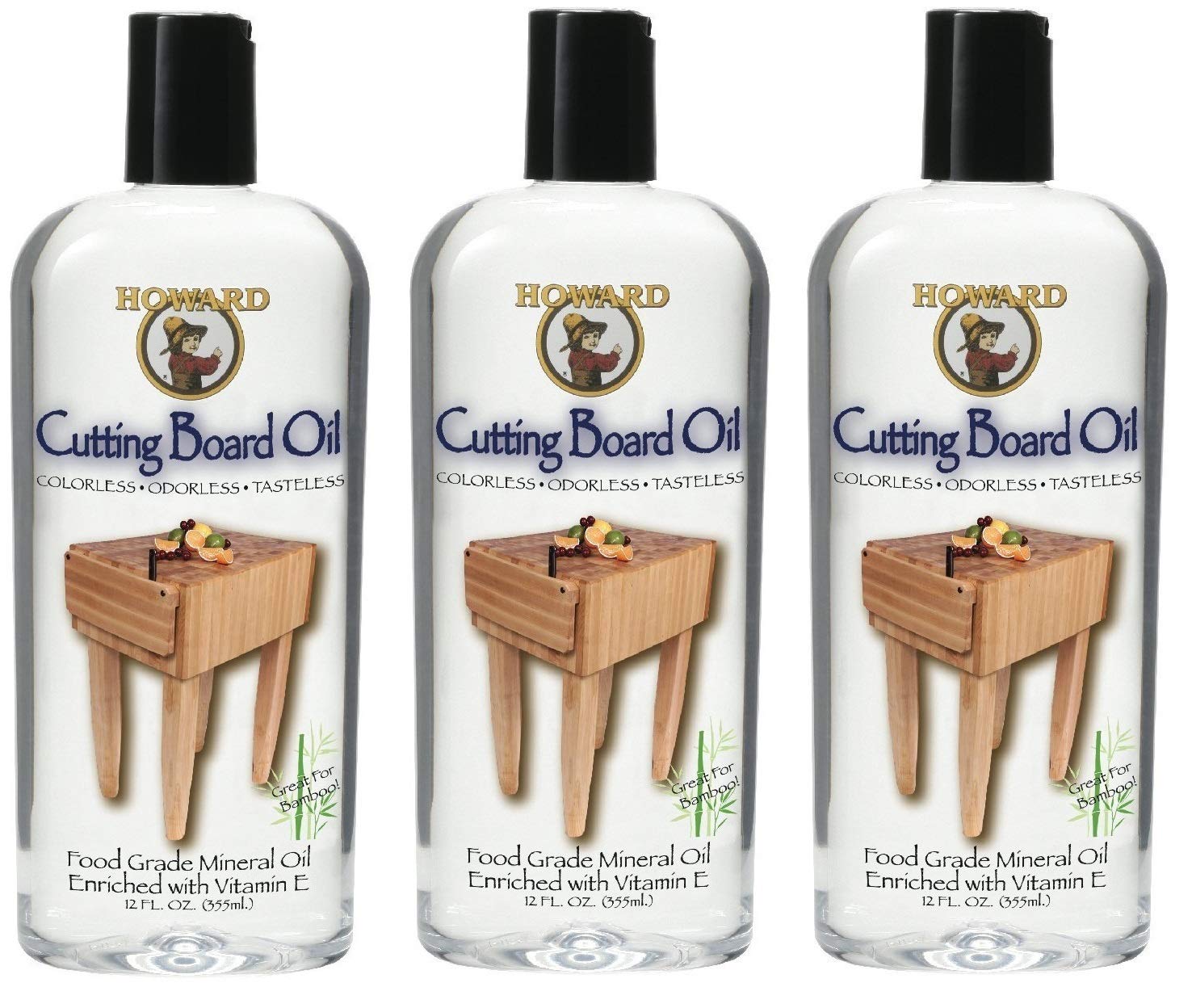
This three‑bottle set of food‑grade mineral oil is widely regarded as the gold standard for wooden kitchenware. The formula is colorless, odorless, and tasteless, making it completely neutral on any surface. Enriched with Vitamin E, it penetrates deeply into the wood grain to prevent drying, cracking, and warping — critical for high‑use cutting boards and butcher block countertops.
Users report that a single coat extends the life of dry wood significantly, while regular weekly application keeps the board smooth and cuts down on visible knife marks. The oil will not go rancid over time, a key advantage over natural oils like olive or coconut that can spoil and create off‑odors. Because it is non‑drying, it remains effective as a moisture barrier without ever becoming sticky.
The three‑pack delivers strong value for anyone maintaining multiple boards, a large butcher block island, or a set of wooden utensils. A small amount goes a long way — many customers report the bottles lasting well over a year even with frequent use. It also works beautifully on wooden rolling pins, salad bowls, and bamboo surfaces.
Why it’s great
- 100% food-safe and completely odorless
- Prevents cracking and warping on porous wood
- Excellent value in the three-pack format
Good to know
- Requires reapplication weekly for heavy-use boards
- Not suitable for finished or sealed furniture surfaces
2. Ziruma Non-Toxic Wood Wax

Ziruma’s paste wax combines beeswax, flaxseed oil, and lemon oil into a thick conditioning treatment that goes beyond simple oiling. Its restorative properties are especially effective on older wood that has lost its luster — the wax fills fine cracks and scratches, returning a smooth, satin finish to cutting boards, utensils, and even wooden countertops. The formula contains no mineral oil or petroleum derivatives.
The application process is straightforward: use a microfiber cloth to rub the paste into the wood, allow it to absorb, and buff away any excess. Users report that wooden items look brand new after just one or two treatments. The light lemon scent is pleasant and fades quickly, leaving no artificial fragrance behind. The wax also creates a moisture‑repellent barrier that resists stains from beet juice, wine, and coffee.
This is a superb choice for anyone who wants a single product that both cleans and protects wooden kitchen tools without the need for separate oil and wax steps. It is also an excellent option for restoring thrifted or neglected wooden pieces. The 7‑ounce tin lasts through many applications, and a monthly treatment keeps surfaces in peak condition.
Why it’s great
- Fills small scratches and rejuvenates old wood
- Food-safe, biodegradable, and eco-friendly
- Creates a protective moisture barrier
Good to know
- Wax requires a few minutes of buffing for best results
- Not intended for heavy degreasing of non-porous surfaces
3. Cold Pressed Orange Oil Concentrate (12 oz)

This professional‑grade concentrate uses D‑Limonene, the active solvent in orange peels, as its primary cleaning agent. It contains just three ingredients — D‑Limonene, surfactant, and cold‑pressed orange oil — with no bleach, ammonia, or chlorine. At a dilution of 2 ounces per gallon of water, one 12‑ounce bottle produces six gallons of ready‑to‑use cleaner, making it extremely economical for large households.
Users consistently praise its ability to cut through baked‑on grease, soap scum, and sticky residues that leave multi‑surface sprays struggling. The orange scent is strong and authentic during application but fades to a pleasant freshness once dry. Beyond cleaning, it is also effective as a pet odor eliminator and has been used to repel carpenter bees and mosquitoes when applied diluted to outdoor surfaces.
This oil is best suited for non‑porous surfaces: kitchen counters, stovetops, stainless steel sinks, bathroom tiles, and floors. It is not intended for unfinished wood, as the D‑Limonene can strip natural oils. For anyone who tackles heavy grease or wants an all‑natural degreaser that outperforms mainstream sprays, this concentrate is a clear winner.
Why it’s great
- Extremely concentrated — 6 gallons from one bottle
- Powerful degreaser without harsh synthetic chemicals
- Also works as pet odor eliminator and pest deterrent
Good to know
- Should not be used on unsealed wood surfaces
- Requires dilution and mixing before each use
4. Howard Products Lemon Oil Furniture Polish (16 oz)

This spray polish is formulated specifically for finished wood furniture — cabinets, tables, chairs, and paneling. The lemon oil formula cleans away dust and light grime while enhancing the wood grain with a natural, non‑greasy shine. It is silicone‑free, which means it will not build up a waxy layer that attracts dust over time or interfere with future refinishing.
In practice, users find it effective for routine dust removal and giving furniture a quick polish. The fresh lemon scent is bright but not overwhelming, making it pleasant for indoor use. A key application tip from experienced users: spray the polish onto a cloth rather than directly onto the furniture, because the mist can splatter onto nearby walls and leave oil stains that require repainting.
One caveat is that the shine does not last as long as some thicker wax polishes, so it is best used as part of a regular maintenance routine rather than as a deep conditioning treatment. It works well on stainless steel sinks too — a versatile trick that many customers have discovered. For everyday dusting and light cleaning of sealed wood, this is a reliable, easy‑to‑use option.
Why it’s great
- Enhances wood grain without harsh chemicals
- Silicone‑free formula prevents buildup
- Pleasant, fresh lemon scent
Good to know
- Spray onto cloth first to avoid wall splatter
- Shine durability is moderate, not long‑lasting
5. Mrs. Meyer’s Clean Day All-Purpose Cleaner Spray (Pack of 3)
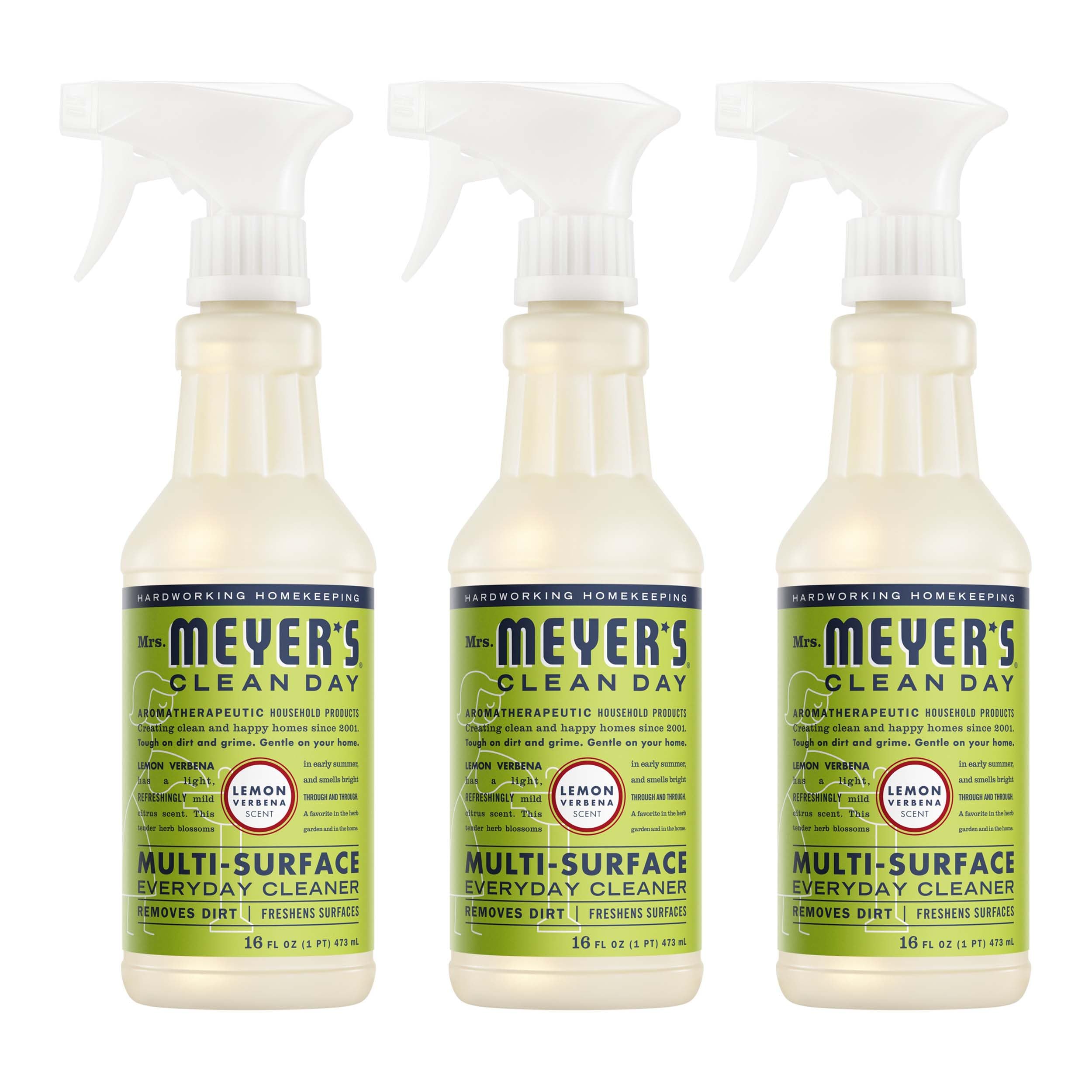
Mrs. Meyer’s Lemon Verbena spray is the go‑to for light, everyday cleaning of non‑porous surfaces. Formulated with essential oils and plant‑derived ingredients, it is Leaping Bunny certified cruelty‑free and free from parabens, phthalates, and artificial colors. The scent profile — bergamot, lemon, geranium, and cedarwood — leaves a garden‑fresh aroma that users consistently describe as uplifting.
This spray is effective on countertops, appliances, glass, and sealed stone. It cuts through light grease and fresh spills without requiring a rinse, and it dries streak‑free on glass. Users with children and pets appreciate the mild formula, noting it feels safer than bleach‑based alternatives. The three‑pack provides good value for stocking the kitchen, bathroom, and a car detailing kit.
It is important to note that this is a maintenance cleaner, not a degreasing workhorse. Dried‑on food, sticky buildup, and heavy soap scum will require a stronger product or more soaking time. For its intended role — safe, pleasant daily wiping — it performs admirably and has a large loyal following.
Why it’s great
- Mild, natural formula safe for kids and pets
- Dries quickly with no streaks or residue
- Uplifting lemon verbena scent
Good to know
- Not effective on dried‑on or heavy grease
- Best for maintenance cleaning, not deep degreasing
FAQ
Can I use lemon oil furniture polish on my cutting board?
How often should I oil my butcher block countertop?
Will orange oil damage my sealed wood floors?
Is mineral oil or beeswax better for wooden utensils?
Final Thoughts: The Verdict
For most users, the best cleaning oil winner is the Howard Butcher Block Oil 3‑Pack because it is the safest, most versatile food‑grade mineral oil for wooden kitchen surfaces, and the three‑bottle set ensures you never run out mid‑treatment. If you want to restore dry, scratched wood and add a protective wax barrier in one step, grab the Ziruma Natural Wood Wax. And for heavy degreasing of non‑porous surfaces and stubborn odors, nothing beats the Cold Pressed Orange Oil Concentrate.

Mo Maruf
I created WellFizz to bridge the gap between vague wellness advice and actionable solutions. My mission is simple: to decode the research and give you practical tools you can actually use.
Beyond the data, I am a passionate traveler. I believe that stepping away from the screen to explore new environments is essential for mental clarity and physical vitality.