Our readers keep the lights on and my smoothie glass nicely filled. As an Amazon Associate, I earn from qualifying purchases.
Specs are compiled from manufacturer listings and verified buyer reviews and can change over time — please confirm the key details on the product page before buying.
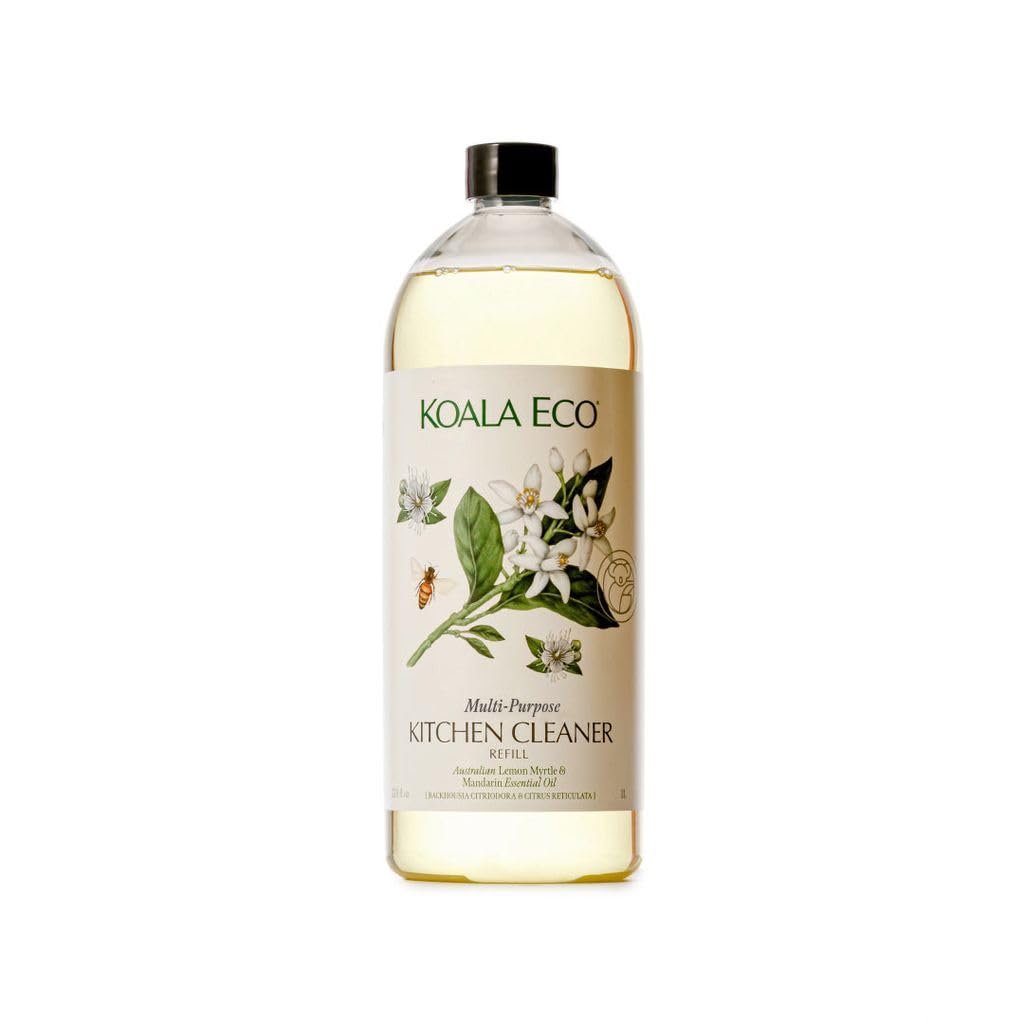
You open your fridge to find a sticky spill or an odd smell, and grabbing the wrong cleaner can leave a chemical taste near your food or fail to cut the grease. This guide compares three cleaners that remove tough grime inside your refrigerator without risking your family’s safety. The Koala Eco Multi-Purpose Kitchen Cleaner is the best all-rounder: it uses natural ingredients, comes in a 34-ounce spray bottle, and leaves shelves streak-free so you wipe once and move on.
I’m Mohammad Maruf — the founder and writer behind WellFizz. This guide is built by comparing the manufacturers’ published specifications and the patterns across verified customer reviews, so you get each pick’s real strengths and trade-offs instead of marketing spin.
We looked at cleaning power, ingredients, scent, and ease of use to find the best cleaner for inside refrigerator for your needs — if you want a natural formula, a streak-free finish, or deep stain removal.
Our Picks at a Glance
How To Choose The Best Cleaner For Inside Refrigerator
Choosing the right fridge cleaner is simpler than it seems once you know what matters. You want a product that cuts through food residue and grease without leaving its own residue — especially on surfaces where you store fresh produce and leftovers.
Check the ingredients list first
Anything going near your food should be non-toxic and free of harsh bleach or ammonia fumes. Plant-based essential oils and hypochlorous acid (HOCl — a natural sanitizer your body produces to fight germs) are safer choices that still provide strong cleaning power.
Consider the application method
Spray cleaners are great for a quick weekly wipe-down — you spray, wipe, and you are done. Gel cleaners need a longer dwell time (up to 10 hours) but are far more effective on set-in stains and mold around rubber seals. Your cleaning habit decides the winner here.
Think about smell
Your fridge is enclosed, so a strong or unpleasant odor can linger each time you open the door. A natural citrus or unscented formula keeps things pleasant, while heavily perfumed options may clash with food aromas.
Quick Comparison
| Model | Best For | Volume | Type | Key Ingredient | Amazon |
|---|---|---|---|---|---|
| Koala Eco Kitchen Cleaner★ Best Overall | Natural daily cleaning | 34 oz | Spray | Lemon Myrtle Oil | Amazon |
| Earth Power HOCl | Unsceneted streak-free | 32 oz | Spray | Hypochlorous Acid | Amazon |
| Leopong Cleaner Gel | Deep stain & mold removal | 20 fl oz | Gel | Gel formula | Amazon |
In‑Depth Reviews
1. Koala Eco Multi-Purpose Kitchen Cleaner – with Australian Lemon Myrtle & Mandarin Essential Oil
Our pick — over 4.5★ from 300+ verified ratings; the strongest balance of quality and price.
The natural spray that cuts grease without the chemical cloud.
This is the easiest pick for anyone who wants one cleaner for the whole kitchen — fridge shelves, countertops, microwave, and dishwasher included. The 34-ounce bottle is the largest in this lineup, so you refill less often. Buyers report it is an “effective natural cleaner with bright lemon myrtle and mandarin scent” that leaves surfaces streak-free on a single swipe.
What wins people over is the fragrance — nearly 100 owners mention the natural citrus smell specifically, calling it the opposite of the fake perfume so many kitchen sprays rely on. The ingredients use Australian essential oils rather than harsh chemicals, making it safe for households with kids and pets. The one common hesitation is the price; several owners note it is not the budget option, though many say refilling the bottle makes it more reasonable over time.
At 4.8 stars across 300+ ratings, this is the crowd favorite for a reason. If you want a cleaner that works without worrying about lingering chemical smell near your food, this is it. The recurring trade-off? It is for the daily wipe-down buyer who wants a pleasant citrus aroma, not for someone who needs a heavy-duty gel for mold or set-in stains.
Why It Wins
- Large 34 oz bottle means less frequent buying
- Natural essential oils — safe around food, kids, and pets
- Streak-free on glass, marble, and stainless steel
Who Should Think Twice
- Buyers looking for the cheapest option may find it steep
- Scent, while natural, is distinctly citrus — not for those who prefer an unscented cleaner
A great match if: you want one multipurpose spray that leaves a fresh lemon-myrtle scent and handles daily fridge messes without toxic chemicals.
Look elsewhere if: you need a heavy-duty gel for mold or set-in stains — this is a daily wipe, not a soak-and-scrub solution.
2. Earth Power Hypochlorous Acid 500 PPM Multipurpose Cleaner
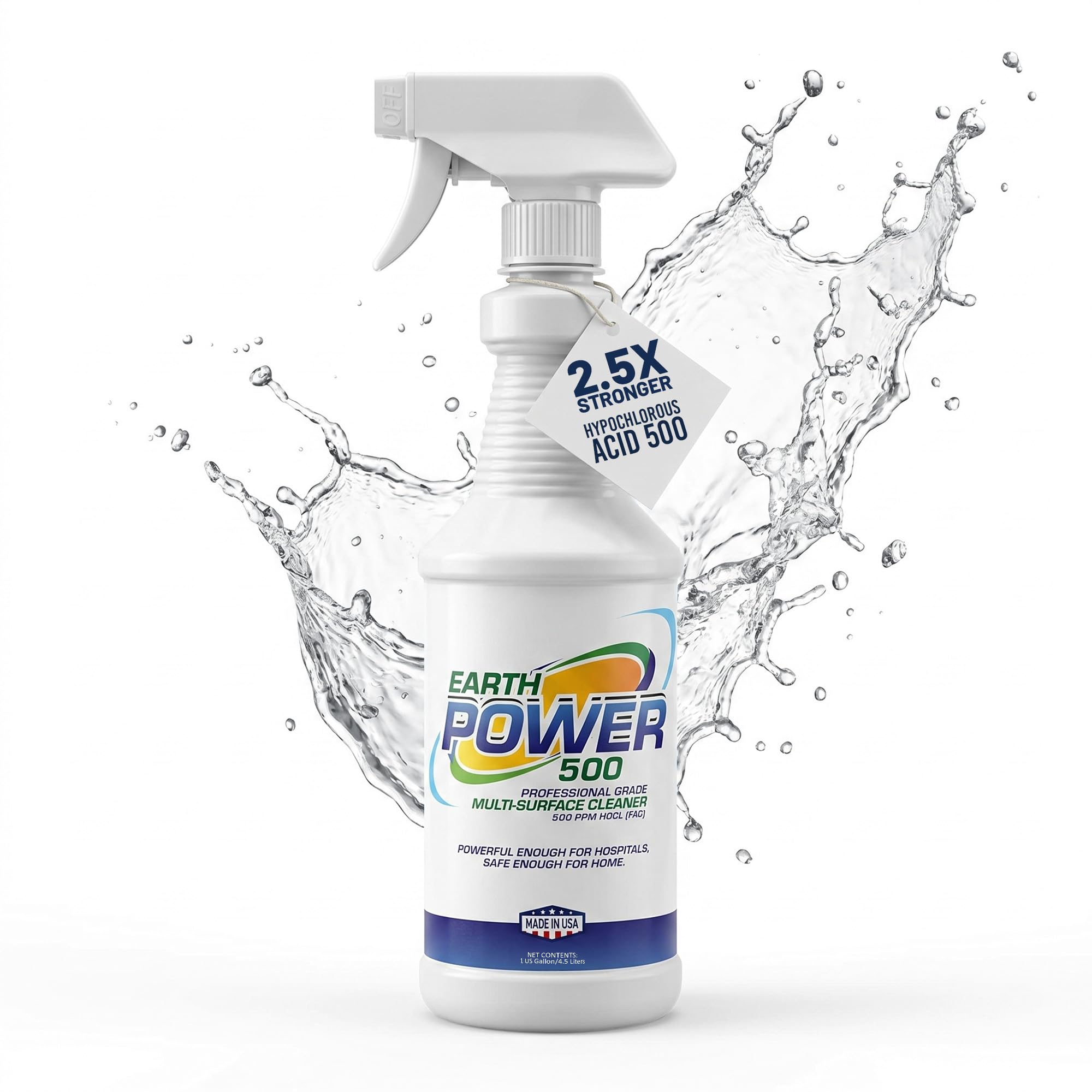
The unscented powerhouse that cleans like bleach without the harshness.
Unlike the citrus-heavy Koala Eco, this formula is unscented. Owners describe the aroma as similar to diluted bleach at first, but it fades to nothing once dry. That makes it a favorite for anyone who finds essential-oil cleaners too strong or who wants a neutral base for their fridge. It works on multiple surfaces — tile, countertops, glass, and floors — so it can live under the sink for every room. The main point mentioned is the initial scent during application: it does smell slightly like bleach, even though it is not bleach.
At 4.8 stars, performance is not the concern. The real question is whether you mind a mild chlorine-like smell during use that vanishes quickly. For an unscented, non-toxic cleaner that genuinely sanitizes, this is the pick.
Where It Excels
- Non-toxic and food-safe — uses HOCl, a natural sanitizer
- Leaves no film on glass, granite, or stainless steel
- Versatile — works on floors, showers, countertops, and fridge
What To Know
- Initial aroma is similar to bleach during application (fades quickly)
- Does not have a pleasant fragrance — strictly unscented after drying
Reach for this if: you want a non-toxic, unscented cleaner that sanitizes and leaves zero residue — ideal for sensitive noses or allergy households.
skip it if: you want a fresh citrus smell or a thick gel for soaking tough stains.
3. Leopong Home Cleaner Gel
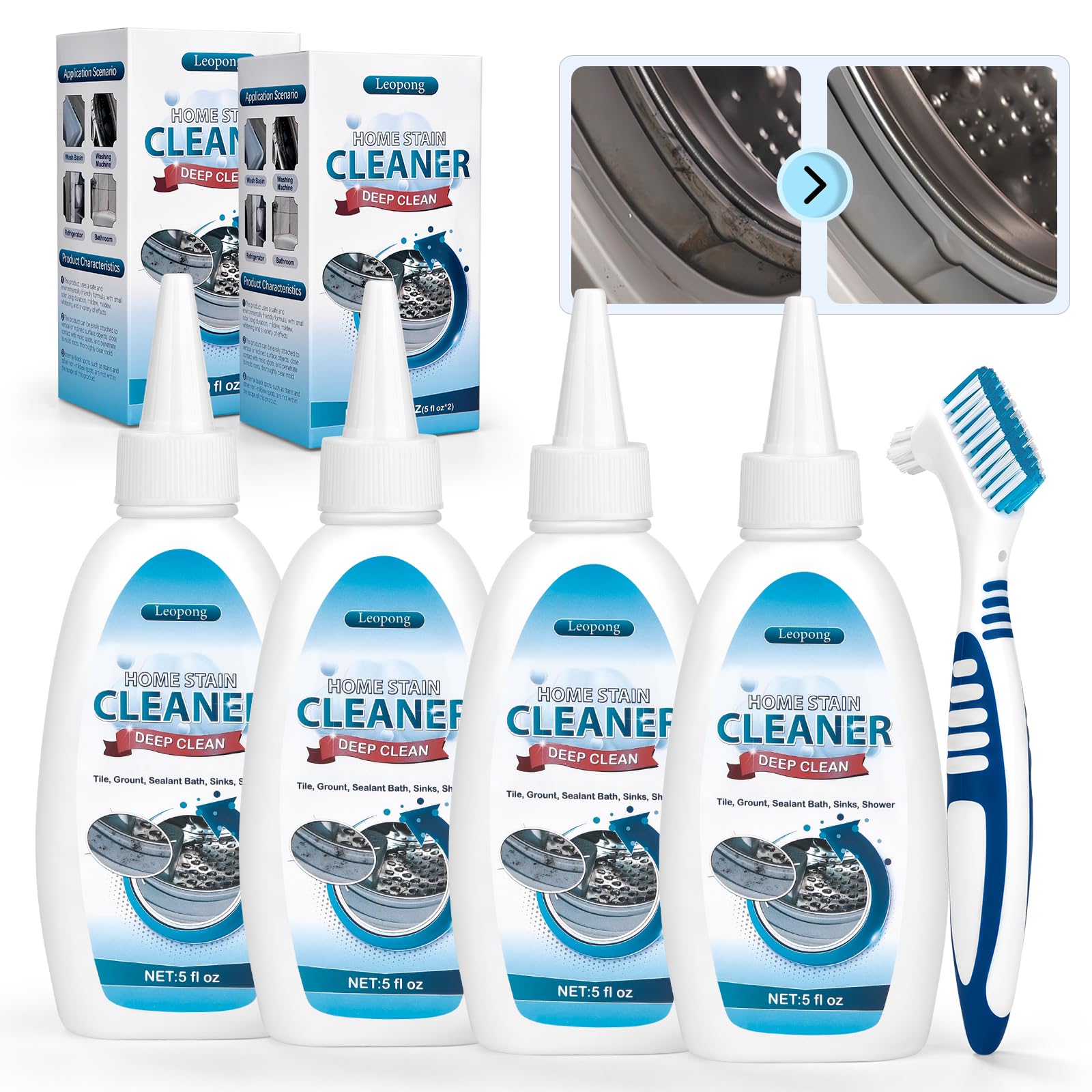
The thick gel that clings to vertical surfaces and dissolves years of grime.
This is a completely different approach — a gel you apply, leave for 5 to 10 hours, then wipe away. It is designed for the toughest jobs: black mold on washing machine gaskets, rubber seals around fridge drawers, and stubborn stains on silicone caulk. As owners put it: “This product worked amazingly well! I used it to clean mold stains on my washing machine gasket, and I didn’t even have to scrub.” The gel clings to vertical and angled surfaces without dripping, which is why it outperforms sprays like the Koala Eco on tight crevices.
The trade-off is the dwell time — you plan ahead, apply a layer at least 1 cm thick, and leave the room while it works. Several owners mention the smell is noticeable during application, strong enough that you will want to keep the door closed. But the results speak for themselves: years-old mold that bleach could not touch disappeared after a single overnight treatment. The kit includes a brush, and one owner used three-quarters of a bottle to clear a large mold patch completely. It is the most labor-intensive pick here, but also the most effective for deep stains.
With over 900 ratings, it has the largest base of feedback — most of it positive — though the star rating (4.4) is slightly lower than the sprays due to the strong odor and the planning required. For routine fridge wiping, this is overkill. For the rust stain or mold spot that nothing else will budge, it is exactly what you need. It is for the project cleaner who schedules a deep clean, not the grab-and-go shopper.
Best for projects, not daily use: this gel is a specialist tool. It removes mold and deep stains from rubber seals, silicone, and grout that sprays simply cannot reach.
The honest downside: the strong smell and the 5-to-10-hour wait mean you schedule this cleaning rather than grab it and go. Not a weekly wipe — a targeted strike.
Get this when: you have black mold on a fridge gasket, rubber seal, or silicone caulk that spraying alone hasn’t fixed.
pass on it if: you just want a quick wipe-down of shelves — the spray cleaners above are faster and more pleasant for routine use.
Understanding the Specs
Type — Spray vs Gel
Sprays are your go-to for quick daily cleaning — you mist the surface, wipe, and move on. Gels are thick and cling to vertical surfaces like fridge door seals, but they need hours to work (sometimes overnight) and a rinse step. Choosing between them depends on your cleaning habit: weekly wipes or deep-stain projects.
Key Ingredient — Essential Oils vs Hypochlorous Acid vs Gel base
Essential oils (like lemon myrtle) provide natural grease-cutting power and a fresh scent but do not sanitize the way a disinfectant does. Hypochlorous acid (HOCl) is a gentle but effective sanitizer used by hospitals, safe around food. Gel cleaners often use a thicker carrier to hold active ingredients against surfaces for hours, which is why they are better on set-in mold.
FAQ
Can I use a regular kitchen cleaner inside my refrigerator?
Should I worry about a cleaner leaving a smell inside my fridge?
How do I remove mold from my refrigerator’s rubber door seal?
Is an essential-oil cleaner strong enough for greasy fridge shelves?
Do I need to rinse after using a refrigerator cleaner?
What is hypochlorous acid and is it safe near food?
Will a spray cleaner damage the plastic shelves inside my fridge?
How often should I deep-clean the inside of my refrigerator?
Final Thoughts: The Verdict
For most people, the cleaner for inside refrigerator winner is the Koala Eco Multi-Purpose Kitchen Cleaner because it combines a generous 34-ounce spray, natural ingredients safe around food, and a fresh lemon-myrtle scent that owners consistently praise — all while leaving zero streaks. If you want an unscented sanitizer that works on every surface in the house, grab the Earth Power Hypochlorous Acid Cleaner. And for a deep stain or mold that sprays cannot handle, the Leopong Home Cleaner Gel is the one to reach for — just plan for an overnight soak.
How We Picked
We do not accept paid placement. Every pick is matched to a real buyer and a real use-case; we do not hands-on test units.
Sources & Methodology
Specifications: manufacturer listings and product documentation. Review insights: verified customer reviews, as of July 2026. Pricing: not shown on this page (it changes often); check the current price via the retailer link.
As an Amazon Associate, WellFizz earns from qualifying purchases. This does not affect which products we feature.
Related Guides

Mo Maruf
I created WellFizz to bridge the gap between vague wellness advice and actionable solutions. My mission is simple: to decode the research and give you practical tools you can actually use.
Beyond the data, I am a passionate traveler. I believe that stepping away from the screen to explore new environments is essential for mental clarity and physical vitality.