Our readers keep the lights on and my smoothie glass nicely filled. As an Amazon Associate, I earn from qualifying purchases.
Indoor air can feel stale, and those little toxins from furniture, paint, and cleaning products build up without you noticing. The right houseplant quietly pulls those pollutants out of the air while brightening your room — no expensive filter needed. This guide compares five live plants that are proven to purify indoor air, are easy to keep alive, and fit into any home.
I’m Mohammad Maruf — the co-founder and writer behind WellFizz. This guide is built by comparing the manufacturers’ published specifications and the patterns across verified customer reviews, so you get each pick’s real strengths and trade-offs instead of marketing spin.
Whether you are a beginner looking for a low-maintenance green companion or a seasoned plant lover wanting the most effective natural filter, this guide to the best clean air plants breaks down what each variety actually delivers for your home and your health.
How To Choose The Best Clean Air Plants
Picking the right air-purifying plant comes down to three things: how much light your home gets, how often you want to water, and whether you have pets that nibble. Ignore the marketing hype about “super plants” — focus on what will actually survive in your space.
Light Levels Matter Most
A plant that needs full sun will drop leaves and stop filtering air in a dim corner. For low-light rooms, look for a Parlor Palm. For brighter windowsills, a Philodendron or Maranta prayer plant will thrive. Match the plant to your room’s light, not the other way around.
Watering Frequency & Your Lifestyle
If you forget to water for a week, a Spider Plant or a Philodendron will forgive you. Prayer plants need a more consistent schedule — water every 1 to 2 weeks when the top half of the soil feels dry. Choose a plant that fits your actual routine, not the one you wish you had.
Pet Safety is Non-Negotiable
Many popular air-purifying plants like lilies are toxic to cats and dogs. If you share your home with pets, pick a plant that is explicitly recognized as non-toxic by the ASPCA. The Maranta and Parlor Palm in this guide are both pet-safe choices.
Quick Comparison
On smaller screens, swipe sideways to see the full table.
| Model | Category | Best For | Key Spec | Amazon |
|---|---|---|---|---|
| Spider Plant Variety Pack | Variety Pack | Best overall air quality | 4 distinct varieties in one pack | Amazon |
| Maranta Prayer Plant (Thorsen’s) | Premium Pick | Gift-worthy & pet-safe | 5-8 inch tall in 4″ pot | Amazon |
| Parlor Palm | Top Performer | Low-light corners | 5-8 inch tall, compact growth | Amazon |
| Maranta Prayer Plant (Hopewind) | Best Value | Largest size at budget price | 12-16 inch tall plant | Amazon |
| Philodendron Heartleaf Brasil | Budget Champion | Entry-level air purifier | Single plant, 4″ pot | Amazon |
In‑Depth Reviews
1. Spider Plant Variety Pack
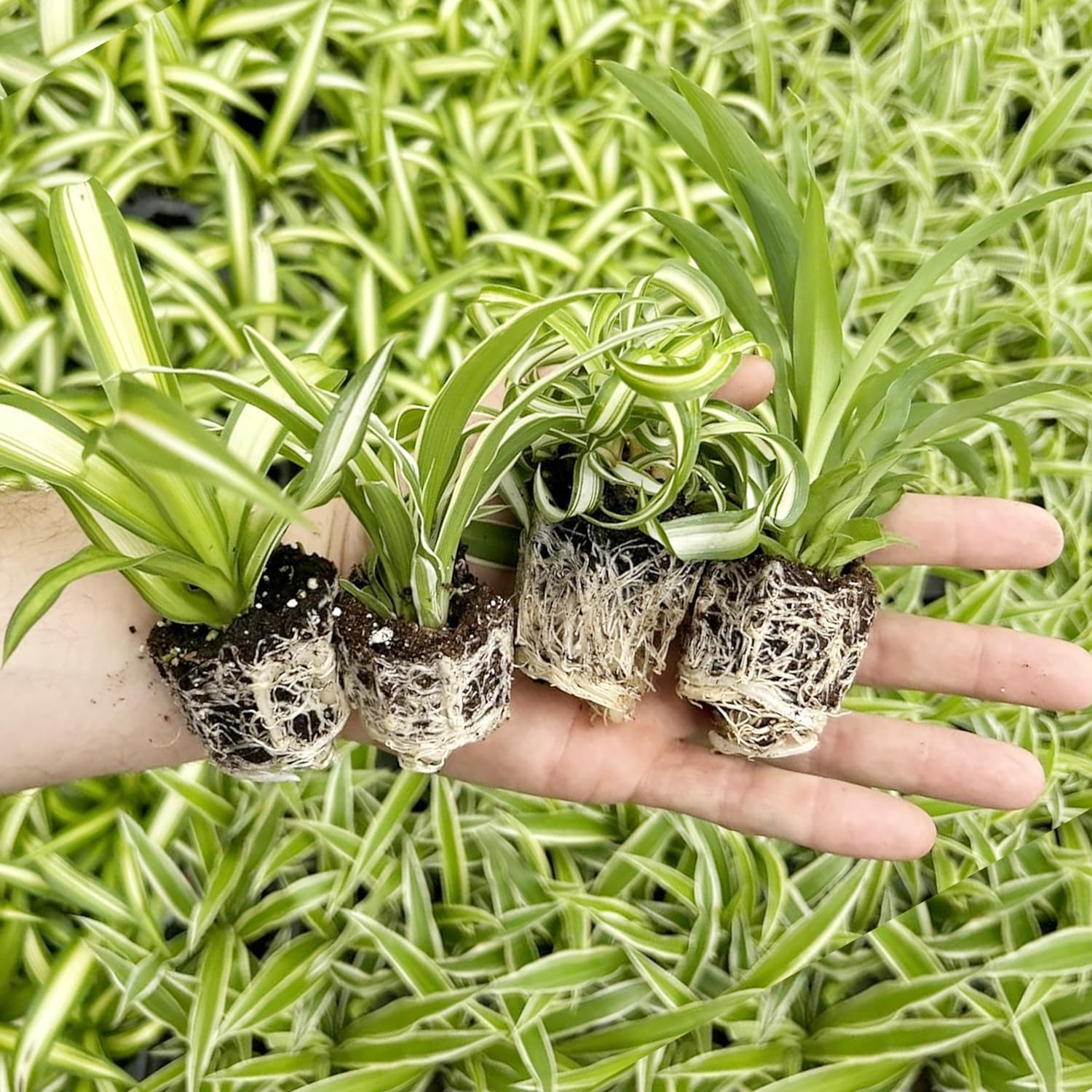
28 inches tall per plant — the tallest in this guide — makes the Spider Plant Variety Pack the top pick for anyone who wants the biggest leaf-surface-area-to-order ratio from a single purchase. This pack delivers four distinct varieties (Ocean, Hawaiian, Green, and Bonnie Curly) that together cover more square footage of air purification, with each plant reaching double the height of the Maranta Prayer Plant options listed here, meaning more surface area to filter formaldehyde and benzene.
Buyers report these arrived in 3 days with extensive, healthy root systems that needed larger pots immediately — a sign of vigorous plants ready to grow. The Bonnie Curly variety’s twisted leaves and the Ocean’s upright form give you visual variety while the entire set works year-round as a natural air filter, and the GMO-free cultivation means no synthetic chemicals in your home.
The honest catch: these are bare-root starter plants, so you will need to pot them yourself right away, and the indoor/outdoor designation means they prefer full sun to really thrive — an east- or west-facing window is ideal. For the broadest air-purifying coverage in one box, this is the confident choice.
Why it’s great
- Four distinct varieties maximize air purification coverage
- 28-inch mature height for significant leaf surface area
- Drought-tolerant and beginner-friendly
Good to know
- Bare-root plants require immediate potting
- Needs full sun for best growth
2. Thorsen’s Lemon Lime Prayer Plant
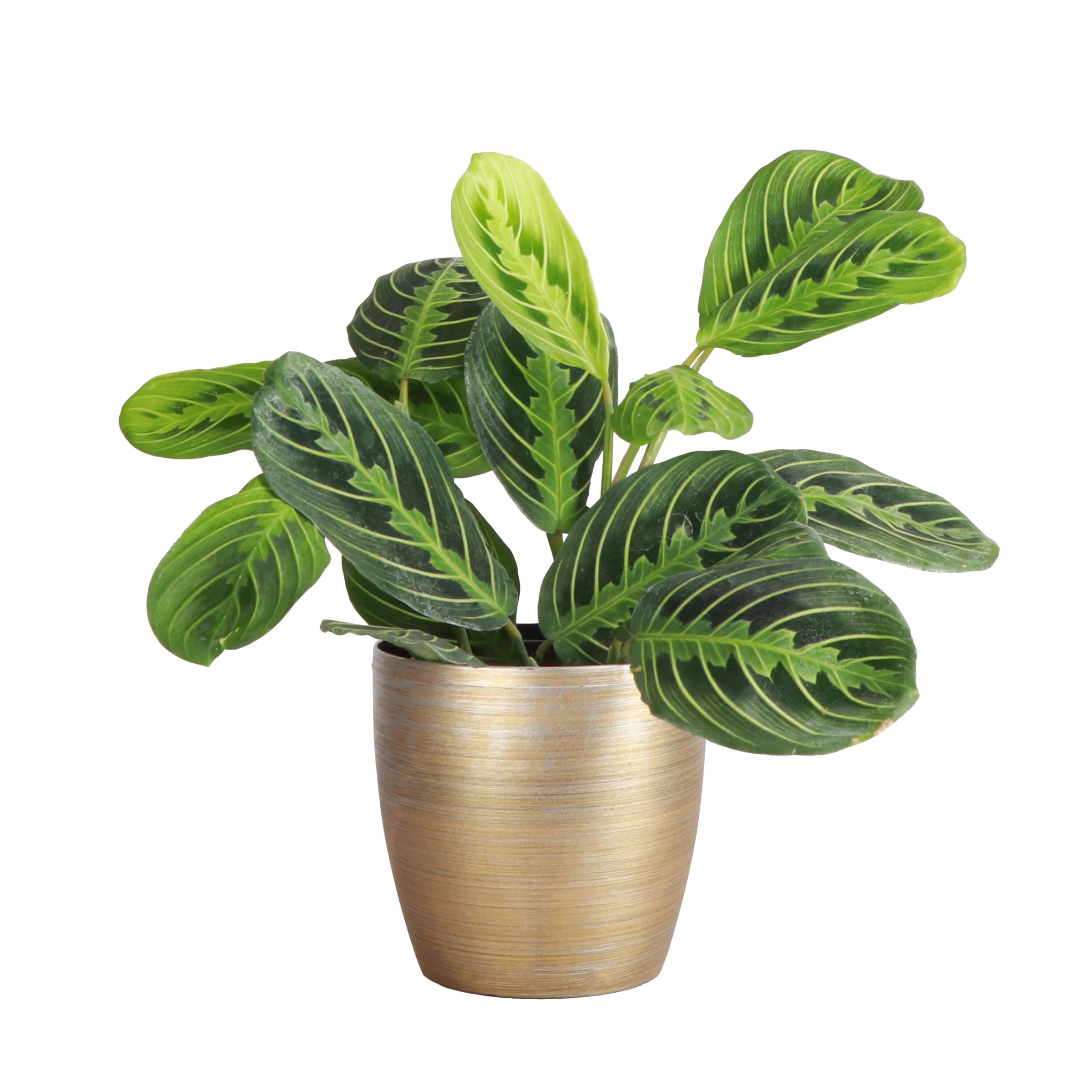
Compared to the top-pick Hopewind Maranta, this Thorsen’s Prayer Plant arrives in a decorative gold pot that looks gift-ready on arrival — but it is smaller, coming in at 5-8 inches tall compared to the Hopewind’s 12-16 inches. That compact size makes it a better fit for a shelf or desk rather than a floor plant, yet it still delivers the same air-purifying benefits recognized by NASA’s clean air study.
What sets this plant apart is its lively daily movement — the leaves fold upward at night and lower during the day to follow sunlight, which owners mention doubled the plant’s size within a few weeks of proper care. Its partial sun and moderate watering needs are straightforward, and the ASPCA-approved non-toxic status means you can place it on a low table without worrying about pets nibbling the bright green leaves.
If you want an attractive, pet-safe plant that arrives in a ready-to-display pot and will quickly fill out a small space, choose this over the larger Hopewind Maranta — it is the premium pick for aesthetics and immediate gifting.
Where it shines
- Comes in a decorative gold pot for immediate display
- Leaves move daily — engaging to watch
- Pet-safe and non-toxic
Worth noting
- Smaller size (5-8 inches) at shipping
- Needs consistent weekly watering
3. Thorsen’s Parlor Palm
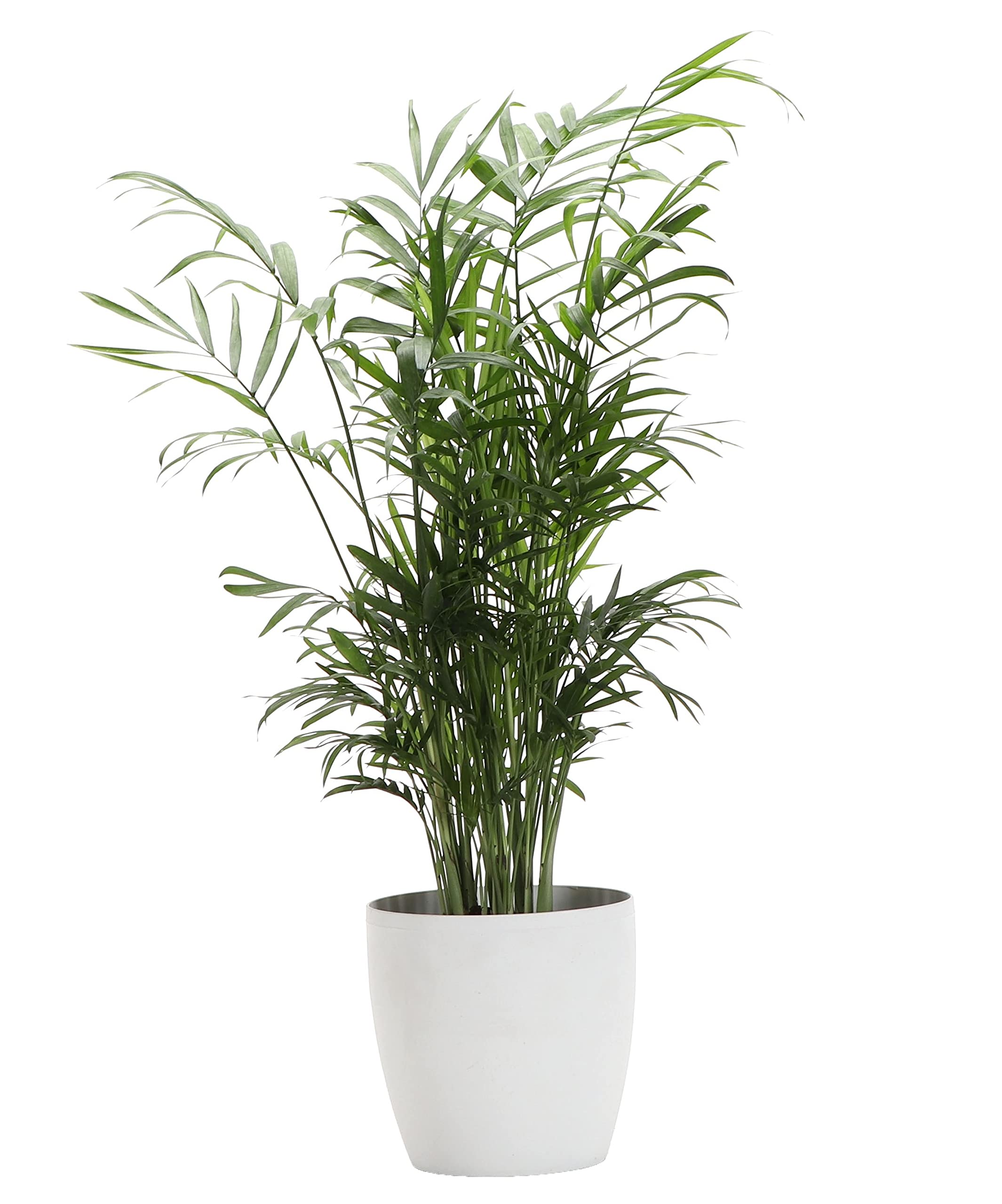
For that dim corner where nothing else thrives, the Parlor Palm is your answer — it grows happily in low to moderate light, unlike the Philodendron and Spider Plants that need indirect or full sun. NASA’s clean air study identified palms like this one as effective at filtering indoor toxins such as benzene and trichloroethylene, so even in a shadowy living room, it is quietly scrubbing your air.
The catch you accept is growth speed — this is a slow, compact plant that tops out around 10 inches, so it will not fill a large pot quickly or tower over furniture. Customers note it arrived healthy and green despite the box being left on its side during shipping, a testament to Thorsen’s careful packaging, though a few reviewers mention it is smaller than they expected from the photos.
At a 4-inch pot size, this is a desktop or windowsill companion that asks for very little — moderate watering, drought tolerance, and no pet toxicity concerns — making it the best value if you need an air purifier for a low-light spot that tops out at just 10 inches tall.
What stands out
- Thrives in low light where other plants struggle
- Drought-tolerant for forgetful waterers
- Pet-safe and non-toxic
The trade-offs
- Slow-growing and stays compact (10 inches)
- May arrive smaller than expected
4. Hopewind Maranta Prayer Plant

The single number that matters most in this category is height, and the Hopewind Maranta Prayer Plant scores a 12-16 inch range — the largest plant for the money in this guide, arriving noticeably taller than the Thorsen’s Prayer Plant’s 5-8 inches, and costing only a small premium over the entry-level Philodendron. That extra height means more leaves filtering your indoor air right from day one, and the vivid green foliage with yellow veining is immediately striking.
Buyers consistently call these the healthiest plants they have ever ordered online, with one reviewer noting they bought eight plants from Hopewind and found every single one thriving. The plant’s natural nighttime leaf-folding habit is a charming daily reminder it is alive and working, and the ASPCA pet-safe certification means it can sit on low furniture without risk.
The one caveat: it prefers bright, indirect light and regular watering, so it is not ideal for a dark corner or for someone who travels frequently. For the plant lover on a budget who wants maximum size and immediate visual impact, this is the clear pick — delivering the best price-to-value in the guide.
The upsides
- Largest plant at this price range (12-16 inches)
- Pet-safe and non-toxic for homes with animals
- Nightly leaf-folding is visually engaging
Keep in mind
- Needs bright, indirect light
- Requires consistent weekly watering
5. Philodendron Heartleaf Brasil

For a first-time plant owner who just wants something alive and healthy in the room, this Philodendron is what you actually get at the entry-level price point — a single 4-inch pot with a 12-ounce plant that requires almost no attention beyond watering every 1-2 weeks when the soil dries halfway down. It is the lightest and smallest plant here, but its heart-shaped leaves are proven to filter indoor air pollutants like formaldehyde.
What you give up is variety and size — you get one plant, not four, and it stays compact in a pot versus the towering 28-inch Spider Plant pack. Reviewers point out the plant arrived well-packaged and was thriving a month later with minimal care, and one reviewer noted it restored their trust in ordering live plants online after a bad experience elsewhere.
This is the perfect fit for a dorm room, a small apartment desk, or anyone who has killed plants before and wants a forgiving species that bounces back from neglect — the budget champion for a reason.
Why we’d pick it
- Extremely forgiving for beginner plant owners
- Lightweight at 12 ounces — easy to move and place
- Proven air-purifying qualities
A few caveats
- Single plant, not a variety pack
- Stays compact; limited leaf surface area
Understanding the Specs
Air Purification
Many houseplants, including those in this guide, are known for their natural ability to filter common indoor toxins. NASA’s famous Clean Air Study identified plants like Spider Plants and Philodendrons as effective at removing formaldehyde, benzene, and trichloroethylene from the air. The key spec to look for is the plant’s total leaf surface area — more leaves mean more filtration power.
Light Requirements
This tells you how much direct or indirect sunlight the plant needs to stay healthy. “Low light” means a plant can survive in a room without direct sun, like a Parlor Palm. “Bright, indirect light” means the plant needs to be near a window but not in direct rays, which is the case for most Maranta and Philodendron varieties. Matching this spec to your room is the single biggest factor in whether the plant lives or dies.
Pet Safety (ASPCA Certification)
This spec indicates whether a plant is recognized as non-toxic to cats and dogs by the American Society for the Prevention of Cruelty to Animals. All Prayer Plants and Parlor Palms in this guide carry this certification. If a product does not explicitly state it is pet-safe, assume it is toxic and place it out of reach.
Watering Needs
This describes how often and how much water the plant requires. “Moderate Watering” usually means once every 1-2 weeks when the top inch of soil feels dry. “Regular Watering” means the soil should stay slightly moist but not soggy. Overwatering is the most common way houseplants die — always check the soil moisture before adding more water.
FAQ
Do these plants actually clean the air enough to replace an air purifier?
How many plants do I need for a typical 10×10 room?
Will these plants survive if I only have a north-facing window?
How do I know if a plant is truly pet-safe or just marketed that way?
Should I remove the nursery pot immediately after arrival?
Final Thoughts: The Verdict
Across the board, the best clean air plants winner is the Spider Plant Variety Pack because it gives you four different air-purifying plants in one order, maximizing the total leaf surface area that filters your indoor air. If you want a pet-safe plant that arrives gift-ready in a beautiful pot, grab the Thorsen’s Lemon Lime Prayer Plant. And for a dim corner that needs a forgiving, low-maintenance filter, the standout is the Parlor Palm.

Mo Maruf
I created WellFizz to bridge the gap between vague wellness advice and actionable solutions. My mission is simple: to decode the research and give you practical tools you can actually use.
Beyond the data, I am a passionate traveler. I believe that stepping away from the screen to explore new environments is essential for mental clarity and physical vitality.