Our readers keep the lights on and my smoothie glass nicely filled. As an Amazon Associate, I earn from qualifying purchases.
Growing your own citrus on a patio, balcony, or sunny windowsill is less about sprawling groves and more about choosing a tree that thrives in a confined root space. The wrong variety quickly becomes leggy, rootbound, or drops fruit, while the right compact variety rewards you with fragrant blooms and homegrown lemons or limes within months.
I’m Mohammad Maruf — the founder and writer behind WellFizz. I’ve spent countless hours analyzing grower specifications, container adaptability, shipping protocols, and customer outcomes to separate the trees that actually flourish in pots from those that struggle.
Whether you want tangy key limes for pies or sweet Meyer lemons for tea, choosing the right plant is critical — this guide to the best citrus trees for containers breaks down the top performers based on real specs and verified buyer experiences.
How To Choose The Best Citrus Trees For Containers
Container citrus requires a tree that tolerates restricted root volume, adapts to indoor light fluctuations, and matures at a manageable size. Selecting a standard orchard tree for a pot leads to slow growth, poor fruiting, and eventual decline. Focus on three factors that separate container-worthy trees from their full-size cousins.
Rootstock and Mature Height
Dwarf or semi-dwarf rootstocks keep the tree compact, typically reaching 6 to 10 feet at maturity rather than 20-plus feet. A tree advertised as 1–2 feet at shipping may eventually triple in height, so check the expected mature height. For standard patio pots (12 to 18 inches diameter), a tree that tops out under 10 feet is ideal. Varieties like Meyer Lemon and Calamondin Orange naturally stay smaller and are grafted onto dwarfing rootstocks.
Self-Pollination and Fruit Set
Most container citrus grown indoors or on sheltered patios lacks access to bees and wind. Self-pollinating varieties — those that set fruit with their own pollen — eliminate the need for a second tree. Meyer Lemon, Key Lime, and Calamondin Orange are all self-fertile, meaning a single tree can produce harvestable fruit. Avoid citrus that requires cross-pollination unless you have outdoor access to pollinators.
Hardiness Zone and Overwintering
Citrus trees are tropical and subtropical plants. Hardy to zone 8 at best, they cannot survive freezing temperatures. For growers outside zones 9–11, the tree must spend winter indoors near a bright window or under grow lights. Confirm the tree’s USDA hardiness zone rating and whether the seller ships to your state — many nurseries restrict shipping to citrus-producing states to prevent disease spread.
Quick Comparison
On smaller screens, swipe sideways to see the full table.
| Model | Category | Best For | Key Spec | Amazon |
|---|---|---|---|---|
| Meyer Lemon (Brighter Blooms) | Dwarf Lemon | Sweet-tart fruit in a compact form | Expected mature height 2 ft (container-sized) | Amazon |
| Meyer Lemon (Magnolia Company) | Dwarf Lemon | High-end gift or long-term patio specimen | Expected mature height 15 ft (gifted pot) | Amazon |
| Ponderosa Lemon (Via Citrus) | Large-Fruited Lemon | Massive lemons for cooking and baking | Multiple blooming seasons per year | Amazon |
| Key Lime (Via Citrus) | Compact Lime | Tart limes for drinks and pies | Height 13″–22″ in grower pot | Amazon |
| Meyer Lemon (Via Citrus) | Dwarf Lemon | Reliable indoor/outdoor performance | Hardiness zone 9-11 patio ready | Amazon |
| Meyer Lemon (Garden State Bulb) | Value Lemon | Budget-friendly entry into container citrus | 1-gallon pot, height 10 ft mature | Amazon |
| Calamondin Orange (Brighter Blooms) | Mini Orange | Small tart fruit for tangy flavor | Expected mature height 2 ft | Amazon |
In‑Depth Reviews
1. Brighter Blooms Meyer Lemon Tree

The Brighter Blooms Meyer Lemon hits the sweet spot between size, vigor, and flavor. Shipped at 1–2 feet tall, it arrives with a well-developed root system and deep green leaves, often already showing signs of growth within a week. Buyers consistently report a healthy, well-packaged tree that transitions smoothly into a container with minimal leaf drop — a sign the plant was properly hardened before shipping.
Meyer lemons are naturally more cold-tolerant than true lemons and produce sweeter, less acidic fruit. This variety is grafted onto dwarfing rootstock, keeping its mature height manageable for a 12- to 16-inch pot. The tree flowers in spring with intensely fragrant white blossoms, and its self-pollinating nature means a single tree yields fruit without a partner.
One caveat: a small number of buyers experienced sudden dieback after a few months, often linked to overwatering or insufficient light. Meyer lemons demand at least 6 hours of direct sun or strong grow light indoors. Up-pot immediately upon arrival to prevent early root binding, and ensure the container has drainage holes.
Why it’s great
- Shipped 1–2 ft with robust foliage and minimal transit stress
- Dwarf rootstock keeps mature size container-friendly
- Self-pollinating with fragrant blooms and sweet-tart fruit
Good to know
- Cannot ship to AK, AL, AZ, CA, FL, GA, HI, LA, MS, OR, TX
- Needs strong direct light indoors to avoid sudden dieback
2. The Magnolia Company Meyer Lemon Gift Tree
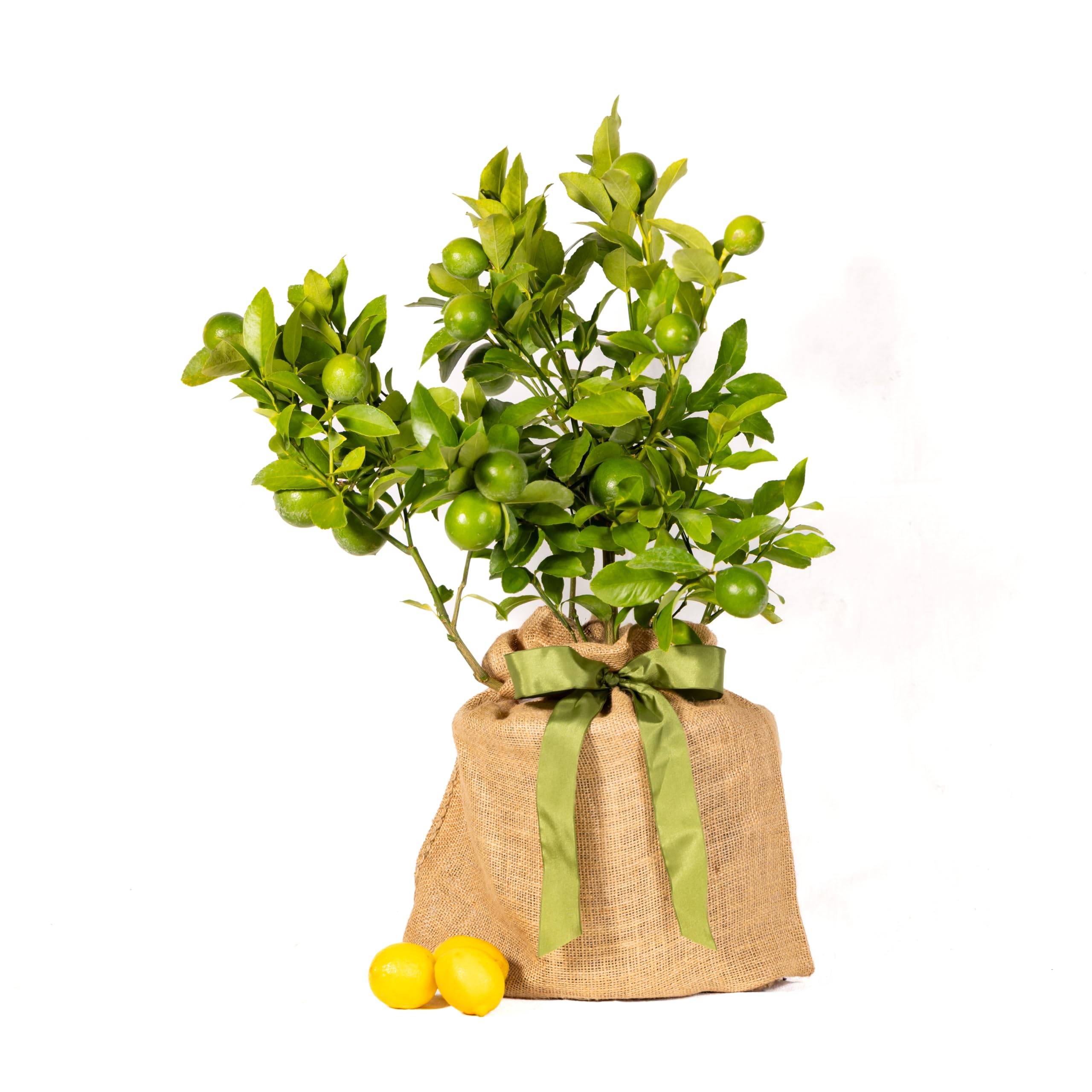
Positioned as a housewarming gift, this Meyer Lemon from The Magnolia Company arrives in a heavier 22-pound package with premium packaging that includes a plastic and burlap container. It is shipped from a Florida family farm and has a higher initial investment, but the tree often arrives with buds or small lemons already forming. Multiple buyers noted flowers and baby fruit appearing within 6 to 7 months of planting.
With an expected mature height of 15 feet, this tree will outgrow a standard patio pot over several years unless you periodically root-prune or repot into larger containers. That height makes it better suited for a spacious sunroom or a large half-barrel planter than a small apartment balcony. The tree is self-pollinating and produces sweet, juicy lemons with thin skins ideal for juicing.
Shipping can be inconsistent — some trees arrived in dented boxes in cold climates with dead or shriveled leaves. If you order during winter, request insulated shipping or a heat pack. The seller charges a restocking fee on returns, so inspect the tree immediately upon arrival and photograph any damage.
Why it’s great
- Arrives well-packaged with buds or small fruit forming
- Produces sweet, thin-skinned Meyer lemons ideal for juice
- Premium gift presentation with burlap and plastic pot
Good to know
- Mature height of 15 ft requires large container over time
- Restocking fee on returns; winter shipping risk
3. Via Citrus Ponderosa Lemon Tree
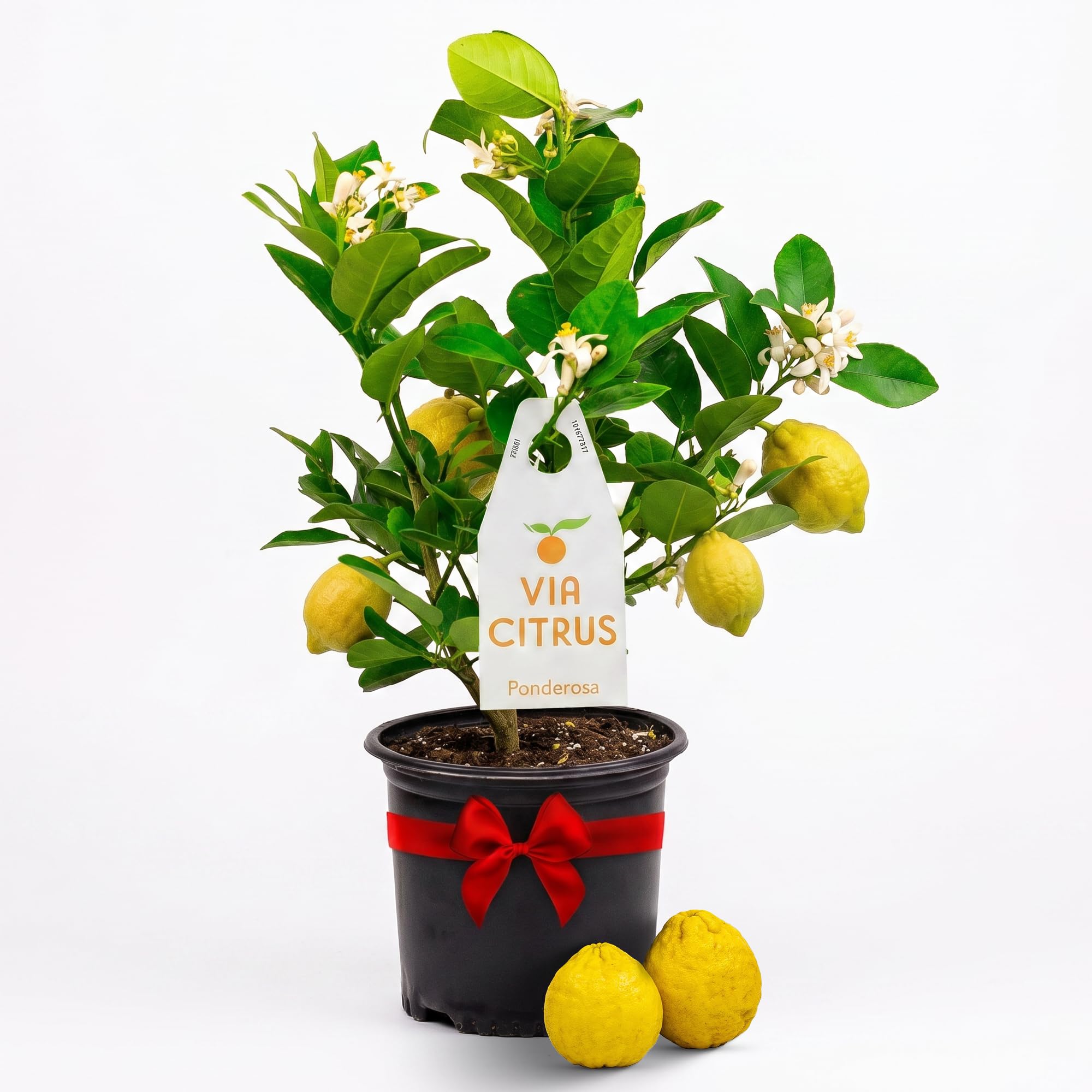
The Ponderosa lemon is a lemon-citron hybrid, and its defining characteristic is fruit size — individual lemons can reach the size of a small grapefruit. Shipped at 13–22 inches tall in a one-gallon pot, this tree is compact at arrival but has the genetic potential to produce lemons weighing over a pound. Buyers report healthy, well-shaped trees with new leaf growth, though initial blooms may take a few months to appear.
Unlike many citrus varieties that fruit in a single season, the Ponderosa blooms in spring, summer, and winter, giving you a longer harvest window. This multi-season production is a major advantage for container growers who want a steady supply of lemons for cooking and baking. The tree is self-pollinating and low-maintenance, requiring only full sun and moderate watering.
Up-pot into a larger container immediately — the one-gallon grower pot is too small for sustained root development. The Ponderosa is less common than Meyer lemons, which means fewer online resources for troubleshooting, but its care requirements are identical to other container citrus: bright light, well-drained soil, and protection from frost.
Why it’s great
- Produces unusually large lemons up to grapefruit size
- Blooms spring, summer, and winter for extended harvest
- Self-pollinating and low-maintenance for container growers
Good to know
- 1-gallon pot is undersized; needs immediate repotting
- Less widely documented than Meyer or Key Lime varieties
4. Via Citrus Key Lime Tree
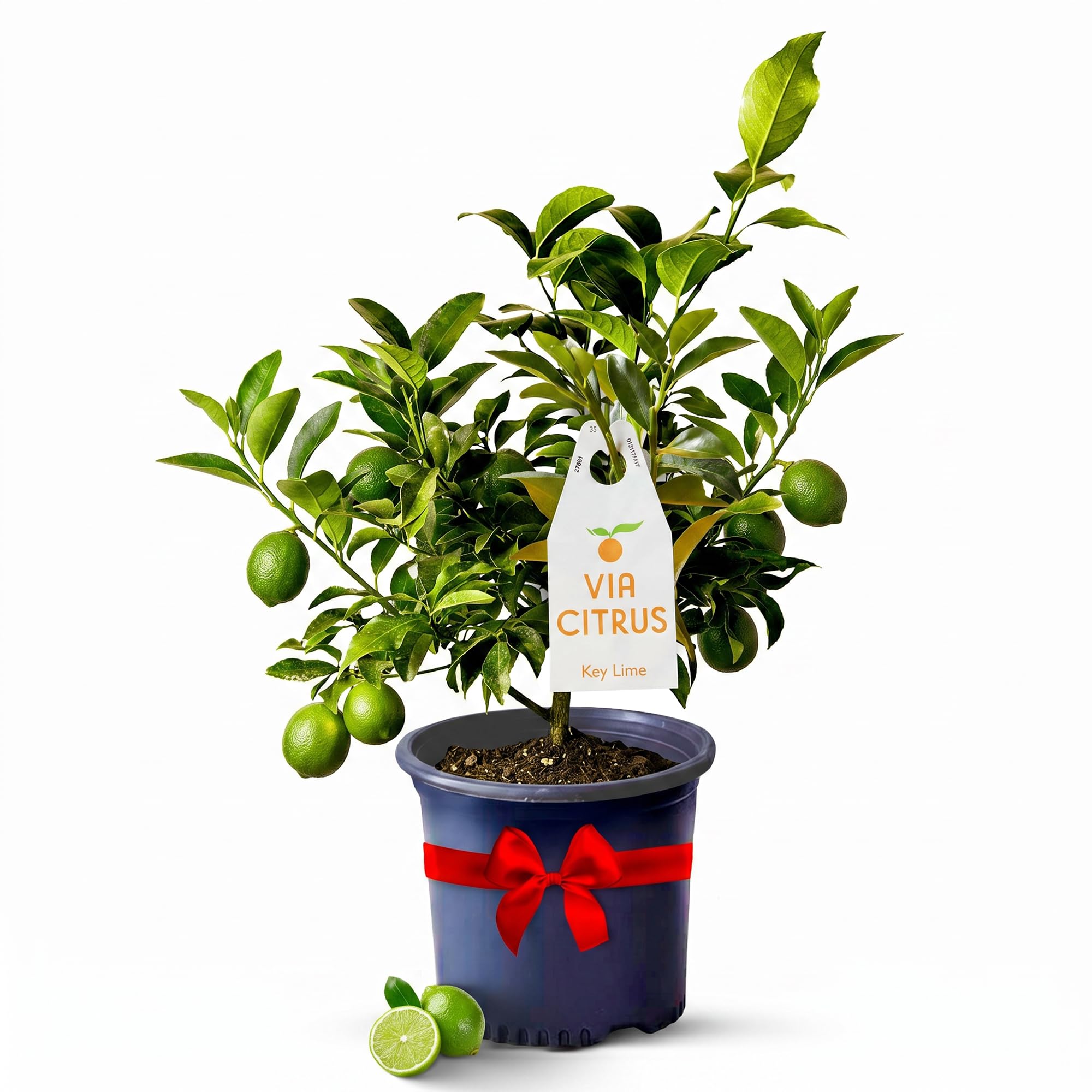
Key limes — the small, tart fruit essential for authentic lime pie and cocktails — come from a tree perfectly sized for containers. The Via Citrus Key Lime arrives at 13–22 inches tall in a one-gallon pot, and its mature height stays under 10 feet with proper pruning. Buyers consistently praise the tree’s health upon arrival, with many noting blossoms already present and mature fruit developing within months of planting.
The tree produces fragrant white blooms throughout the year, not just in spring, which adds continuous aromatic value even when fruit is not setting. It is self-pollinating, so a single tree on a sunny patio or windowsill will produce limes. The fruit is noticeably more tart and aromatic than Persian limes, making it a favorite for fresh culinary use.
This is a Florida-grown tree, and the state’s warm climate means it shipped in a durable pot with well-established soil. Buyers in colder zones report successful indoor overwintering. The tree needs full sun and moderate watering — avoid letting the soil dry out completely between waterings, as Key Limes are less drought-tolerant than some lemon varieties.
Why it’s great
- Compact size perfect for patios, balconies, and small spaces
- Fragrant blooms appear year-round, not just seasonally
- Produces tart Key Limes ideal for cooking and drinks
Good to know
- Cannot ship to CA, AL, AZ, TX, LA or military addresses
- More sensitive to dry soil than lemon varieties
5. Via Citrus Meyer Lemon Tree

This Via Citrus Meyer Lemon offers a similar value to the Brighter Blooms version with a slightly different shipping profile and hardiness rating. Rated for USDA zones 9 through 11, it is marginally less cold-hardy than some Meyer varieties, meaning northern growers should plan for indoor placement during winter. The tree arrives at 13–22 inches in a one-gallon pot, with buyers frequently reporting healthy foliage, vigorous new growth, and even small lemons starting to form.
The tree’s compact growth habit suits container life well, and its self-pollinating flowers fill a room with a sweet citrus fragrance during bloom season. Meyer lemons from Via Citrus are grown in Florida and shipped with temperature-controlled packaging. Several buyers noted the heavy-duty carton justified the shipping cost, with the tree arriving in excellent condition even on longer routes.
A few buyers reported that the 1-gallon pot was too small upon arrival, with the tree already beginning to show root stress. Up-pot to a 3-gallon container within the first week, and flush the soil to remove any hard water mineral buildup that can cause leaf spotting. The tree’s loam-soil preference means mixing sand or perlite into standard potting mix improves drainage.
Why it’s great
- Healthy 13–22 in. tree with vigorous new growth upon arrival
- Self-pollinating with intensely fragrant white blooms
- Florida-grown with temperature-controlled shipping
Good to know
- Hardiness zone 9-11 less cold-tolerant than some varieties
- Immediate repotting required to avoid root binding
6. Garden State Bulb Meyer Lemon Tree

Garden State Bulb offers a budget-friendly gateway into container citrus without sacrificing plant quality. The Meyer Lemon ships in a 1-gallon growers pot at a height of 5–10 feet at maturity, but arrives as a compact starter tree that fits easily on a windowsill. Buyers report exceptionally well-packaged trees with deep green leaves, moist soil, and — surprisingly — lemons already growing on the branches. Several verified reviews mention two or more well-developed lemons present upon arrival.
The tree is GMO free, disease resistant, and self-pollinating, which reduces early maintenance. Its hardiness zone rating of 8 to 11 makes it one of the more forgiving options for outdoor container use in warmer southern climates, while northern growers can bring it indoors during frost. The tree attracts butterflies and birds when placed outside, adding ecological value to its fruit production.
Shipping can cause stem snapping or minor branch damage, as noted in some reviews. The tree’s 1-gallon pot is adequate for the first 3 to 6 months, but upgrading to a 3- or 5-gallon container after the first season supports healthy root expansion. Garden State Bulb offers a 1-year limited growth guarantee, which provides peace of mind for new growers.
Why it’s great
- Often arrives with lemons already growing on the tree
- Disease-resistant and self-pollinating for easy care
- Backed by a 1-year limited growth guarantee
Good to know
- Shipping can snap stems or damage branches
- Will need a larger pot within the first year for root health
7. Brighter Blooms Calamondin Orange Tree
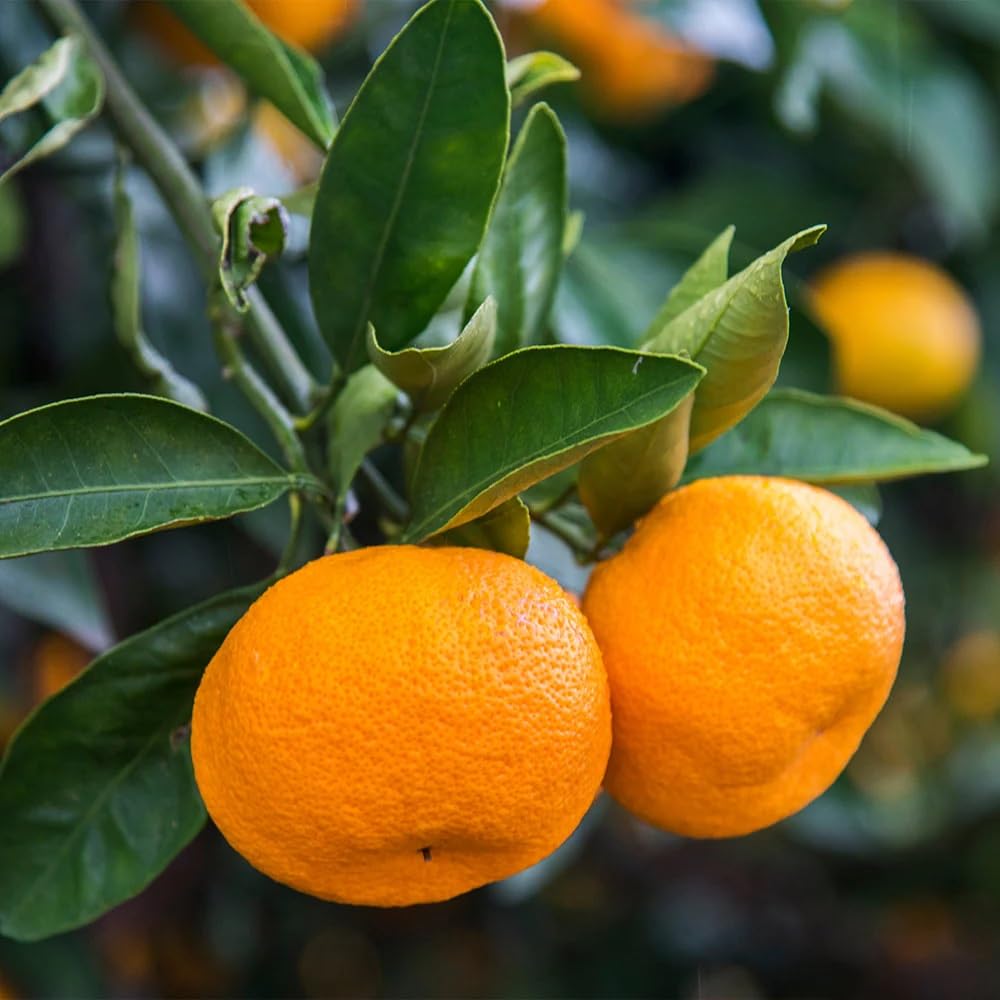
The Calamondin Orange is a cross between a tangerine and a kumquat, producing small, tart oranges that resemble tangerines but with a more acidic bite. Shipped at 1–2 feet tall, it is one of the most compact citrus options available, making it ideal for tight windowsill spaces or small apartment balconies. Buyers consistently describe the tree as beautiful, healthy, and often larger than expected, with vibrant green foliage and no visible transit stress.
This tree is self-pollinating and flowers in winter, which is unusual for citrus — most bloom in spring. That winter bloom period means fruit develops in the cooler months when other plants are dormant, giving you a fresh citrus harvest when store-bought fruit is at its priciest. The tree is versatile enough for indoor-only growing or outdoor container placement in warmer months.
The Calamondin’s fruit is too sour for fresh eating but excellent for marmalades, sauces, and marinades. The tree is slightly more shade-tolerant than lemons or limes, though it still needs a bright location. Shipping restrictions apply to multiple states, and one buyer noted the initial tree arrived small and required a replacement, though the seller honored the warranty and sent a healthier specimen.
Why it’s great
- Compact 1–2 ft size perfect for very small containers
- Unique winter bloom period for off-season harvest
- More shade-tolerant than lemons or limes
Good to know
- Fruit is tart and best used for cooking, not fresh eating
- Cannot ship to AK, AL, AZ, CA, FL, GA, HI, LA, MS, OR, TX
FAQ
Can I grow a citrus tree indoors year-round?
How often should I repot a container citrus tree?
Why are my container citrus leaves turning yellow?
Final Thoughts: The Verdict
For most users, the best citrus trees for containers winner is the Brighter Blooms Meyer Lemon Tree because it balances compact mature size, fragrant self-pollinating blooms, and sweet-tart fruit that suits both beginners and experienced growers. If you want unusually large lemons for cooking, grab the Via Citrus Ponderosa Lemon. And for a small-space, winter-blooming option that produces tart fruit for marmalades, nothing beats the Brighter Blooms Calamondin Orange.

Mo Maruf
I created WellFizz to bridge the gap between vague wellness advice and actionable solutions. My mission is simple: to decode the research and give you practical tools you can actually use.
Beyond the data, I am a passionate traveler. I believe that stepping away from the screen to explore new environments is essential for mental clarity and physical vitality.