Our readers keep the lights on and my smoothie glass nicely filled. As an Amazon Associate, I earn from qualifying purchases.
Specs are compiled from manufacturer listings and verified buyer reviews and can change over time — please confirm the key details on the product page before buying.
You want to fade dark spots, melasma, or post-acne marks without damaging your skin barrier. The trick is picking the right acid type and strength for your specific concern — and the choices range from gentle daily toners to strong weekly treatments. This guide breaks down six top-rated peels by their active ingredients, concentration, and patterns from buyer reviews so you can match one to your skin without guesswork.
I’m Mohammad Maruf — the founder and writer behind WellFizz. This guide is built by comparing the manufacturers’ published specifications and the patterns across verified customer reviews, so you get each pick’s real strengths and trade-offs instead of marketing spin.
You will find a clearly explained chemical peel for pigmentation that fits your skin type and routine below.
Quick Picks
- Prequel Skin Multi-Acid Milk Peel, Professional Exfoliating Solution — Best Overall
- Voibella Glycolic Acid Peel – Chemical Peel For Face — Best Value
- Dermalure Mandelic Acid 30% AHA Alpha Hydroxy Peel — Melasma Specialist
- Lancer Skincare Caviar Lime Acid & Retinol Peel — Weekly Treatment
- M-61 PowerGlow Peel Extra Strength 20% — Overnight Power
- Dr. Dennis Gross Alpha Beta Ultra Gentle Daily Peel — Sensitive Skin Hero
How To Choose The Best Chemical Peel For Pigmentation
Pigmentation responds differently to different acid families. Focus on three things: which acid type targets your kind of spot, the concentration you can tolerate, and whether the formula supports hydration alongside exfoliation.
Match the Acid to Your Pigmentation Type
Glycolic acid (a small molecule that penetrates deeply) works well for sun spots and uneven texture but can be harsh on sensitive skin. Mandelic acid (a larger molecule that works more gently on the surface) suits melasma and inflammatory hyperpigmentation. Lactic acid hydrates while exfoliating, which helps acne-prone skin that also has dark marks.
Concentration Is the Dose
Over-the-counter peels range from 7.5% (good for beginners and sensitive skin) up to 30% (professional strength for experienced users only). Higher percentages deliver faster results but raise the risk of burns or post-inflammatory hyperpigmentation (PIH — dark marks caused by inflammation) if you go too fast. Start low.
Leave-on vs. Rinse-off Matters for Your Routine
Some peels are leave-on serums you layer under moisturizer; others are rinse-off masks you use once or twice a week. Rinse-off peels are generally stronger and need careful scheduling, while leave-on options fit easily into a nightly routine.
Quick Comparison
| Model | Best For | Active Acids | Strength | Size | Amazon |
|---|---|---|---|---|---|
| Prequel Skin Multi-Acid Milk Peel | Daily leave-on exfoliation | Glycolic, Lactic, Mandelic, Phytic, Malic + Enzymes | 15% Glycolic | 7.6 oz | Amazon |
| Voibella Glycolic Acid Peel | Sensitive skin beginners | Glycolic, Lactic, Pyruvic | 7.5% Total AHA | 2.4 oz | Amazon |
| Dermalure Mandelic Acid 30% | Stubborn melasma / rosacea | Mandelic | 30% | 1.0 fl oz | Amazon |
| Lancer Caviar Lime Acid & Retinol Peel | Weekly resurfacing + anti-aging | Glycolic + Retinol + Enzymes | 10% Glycolic | 0.5 fl oz | Amazon |
| M-61 PowerGlow Peel Extra Strength 20% | Quick overnight transformation | Glycolic + Salicylic | 20% Glycolic | 8 pads (1.45 oz) | Amazon |
| Dr. Dennis Gross Alpha Beta Ultra Gentle Daily Peel | Sensitive / dehydrated skin daily use | 3 AHA/BHA blend + Antioxidants | Gentle (proprietary) | 30 treatments (5 oz) | Amazon |
In‑Depth Reviews
1. Prequel Skin Multi-Acid Milk Peel, Professional Exfoliating Solution

The hydrating leave-on that tackles dark spots without stripping your skin.
This peel delivers pigment-fading power from 15% glycolic acid (a small-molecule acid used in many in-office peels) but pairs it with a nourishing milk base, so you avoid the tight, irritated feeling that often comes with high-strength acids. Buyers report seeing improvement in dark spots, pore size, and skin radiance in just 4 weeks of consistent use. The texture is milky and lightweight — you shake it, apply a few drops to your face, and do not rinse.
At 7.6 oz and 10.23 ounces total package weight, this bottle is substantially larger than the Voibella option (2.4 ounces), making it a better value for treating your face, neck, or body. The formula also includes lactic, mandelic, malic, phytic acids and enzymes — a multi-acid approach that goes beyond simple glycolic exfoliation.
One limitation: at 15% glycolic, this is not for beginners. The instructions recommend starting with 1-2 times per week and always patch testing first. Reviewers with sensitive skin noted a tingling sensation that subsided after a few uses.
Standout Strengths
- 15% glycolic is clinical-strength yet the milk base keeps skin hydrated
- Massive 7.6 oz bottle — lasts far longer than most peels
- Multi-acid blend targets pigmentation, texture, and pore size in one step
Honest Trade-Offs
- Too strong for total beginners or those with very sensitive skin
- Requires slow introduction and a simple hydrating routine to avoid overuse
Best for: Experienced peel users who want an effective leave-on that handles pigmentation, texture, and pores all at once.
Consider a different pick if: You have never used an acid peel before — start with a lower concentration first.
2. Voibella Glycolic Acid Peel – Chemical Peel For Face
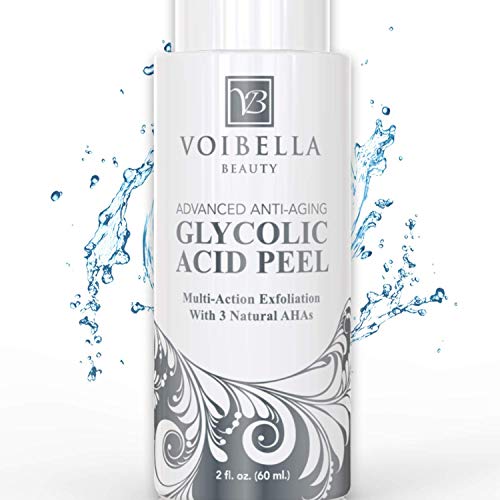
The gentle entry point that fades spots without a scary peel reaction.
Many people worry that a chemical peel will make their skin visibly flake off — this formula avoids that by using a lower 7.5% concentration of glycolic, lactic, and pyruvic acids. These acids exfoliate in microscopic particles you do not see. The brand recommends a rinse-off approach: start with just 30 seconds, rinse with cool water, and slowly increase to 3-4 minutes as your skin builds tolerance.
One buyer wrote: “I have daily used it in the night time before going to bed” and reported fading of dark spots and wrinkles after consistent use. Another reviewer with very sensitive and dry skin — who normally breaks out from new products — had no irritation and noticed brighter skin the next morning. At 2.4 ounces, the bottle is compact, but users say a little goes a long way because the formula is watery.
The trade-off is speed: at 7.5% this is milder than the 15% Prequel option and the 30% Dermalure mandelic peel. Results take a few weeks to show on deeper pigmentation.
Why It Works for Beginners
- Low 7.5% AHA is forgiving on sensitive skin — micro-peeling, no visible flakes
- Simple 3-ingredient acid list means less chance of a reaction
- Received positive feedback from users with sensitive, dry, and oily skin types
Where Patience Is Needed
- Small 2.4 oz bottle may run out faster for daily users
- Lower concentration means slower results on stubborn melasma
A great starter peel if: You have sensitive skin or have never used an acid before and want a safe introduction.
skip it if: You already tolerate stronger acids and need faster pigment fading.
3. Dermalure Mandelic Acid 30% AHA Alpha Hydroxy Peel
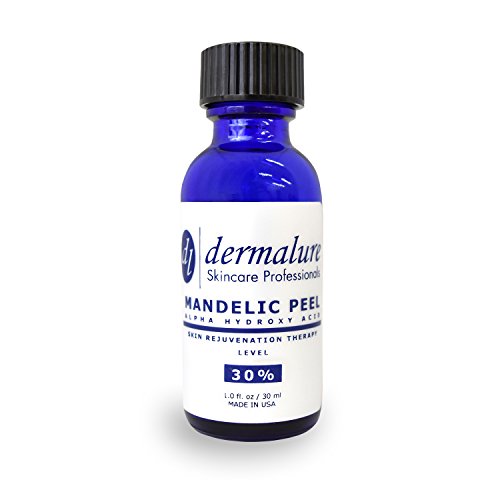
The medical-strength mandelic that targets melasma and rosacea in one go.
Mandelic acid has a larger molecular structure than glycolic, so it penetrates more slowly and is less likely to cause irritation. At 30%, this peel is considered “medical strength” — not for daily use — and you rinse it off after a short contact time. One reviewer noted a 70% reduction in forehead bumps and facial redness after a single use, and another noted clearer skin and reduced hyperpigmentation from folliculitis marks.
The formula specifically targets melasma, age spots, and cystic acne, which separates it from broader glycolic peels like the Prequel. This is a stronger but more focused treatment: you use it periodically rather than every night.
The catch is that this bottle is only 1.0 fl oz (30 ml). Some reviewers mentioned they had yet to see results after a few uses, which highlights that even at 30%, mandelic works more gradually than glycolic on deep pigmentation.
Specialized Power
- 30% mandelic is one of the highest at-home concentrations for this acid
- Particularly effective for rosacea-related redness and melasma
- Stimulates new skin cells while exfoliating dead ones
Handled with Care
- Strong — must be used as a rinse-off mask, never as a leave-on
- Small bottle; not ideal for body use or daily application
Best for: Anyone struggling with melasma or rosacea who has tried glycolic peels without success and needs a targeted alternative.
Not for: Beginners or those wanting a gentle all-over daily exfoliant.
4. Lancer Skincare Caviar Lime Acid & Retinol Peel
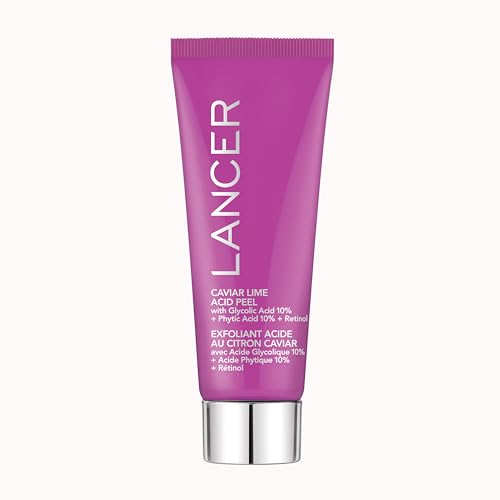
The dermatologist-developed weekly peel that brings an in-office feel home.
If you want a once- or twice-a-week rinse-off treatment that combines an acid peel with retinol (a vitamin A compound that speeds skin renewal) for anti-aging, this Lancer formula fits. It contains 10% glycolic acid, stabilized retinol, caviar lime extract, and fruit enzymes — you leave it on for 10 to 15 minutes, then rinse. Reviewers described the results as “immediate” after one use, with glowing, firm skin that rivals the feel of a professional facial.
At just 0.5 fl oz, this is a travel-size product. One buyer mentioned that the bottle still lasted at least six applications, meaning each session is intentional rather than daily. The brand also recommends using it as part of a broader routine, not a standalone peel.
Unlike the 30% Dermalure mandelic, this is formulated for sensitive skin — several reviewers with reactive skin said it was well tolerated with no burning. The price reflects the prestige brand and the specific blend of retinol plus enzymes, not the volume of product.
What Stands Out
- Blends retinol with glycolic for anti-aging and pigment fading in one step
- Easy to tolerate on sensitive skin — no burning reported
- Noticeable glow after a single 15-minute session
Limitations
- Very small bottle (0.5 fl oz) — expensive per application
- Weekly-only use means slower cumulative results on dark spots
Perfect for: Someone who wants a standalone weekly power-up that combines exfoliation with retinol from a trusted dermatology brand.
Look elsewhere if: You need a daily leave-on peel or a larger volume at a lower per-use cost.
5. M-61 PowerGlow Peel Extra Strength 20%

The one-minute pad that retexturizes your face overnight.
With 20% glycolic acid plus salicylic acid (a beta hydroxy acid that unclogs pores), this is an intense resurfacing treatment. The brand claims it can transform skin in a single minute — and reviewers agree it works. One user described waking up to smoother skin the next morning, while another said it completely prevented breakouts with once-weekly use over several months. In a clinical study cited by the brand, 100% of participants said their skin felt smoother and 97% saw improved texture.
The product comes as 8 pre-soaked pads that you can cut in half to stretch further — one half covers your face, neck, and hands according to reviewers. Unlike the Prequel leave-on, this is a rinse-off treatment: you wipe the pad across clean skin, let it sit for a minute, and then wash it off.
The catch is that the 20% concentration causes a temporary sting and some light peeling for 2-3 days before the glow appears. For deep pigmentation, the peeling phase is part of the process — but it requires planning around social events.
Fast-Acting Formula
- 20% glycolic with salicylic gives professional-level resurfacing speed
- Pads are easy to use and can be cut in half for more treatments
- In brand-cited clinical testing, 100% saw smoother skin
Not Subtle
- Causes visible light peeling for 2-3 days — not a “no-downtime” product
- Only 8 pads per box; price per treatment adds up
Best for: Experienced users who want dramatic overnight results and are okay with a few days of light peeling.
Avoid if: You have sensitive skin, want a daily routine, or cannot tolerate any visible flaking.
6. Dr. Dennis Gross Alpha Beta Ultra Gentle Daily Peel
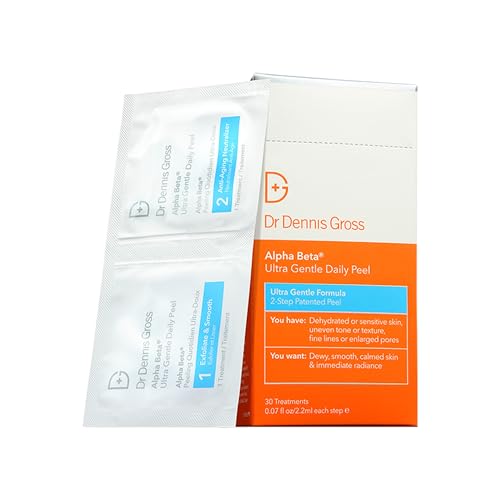
The two-step daily system that exfoliates pigmentation without ever stinging.
This is the only product on the list designed as a two-step treatment: step one is an exfoliating pad with three gentle AHAs (alpha hydroxy acids) and BHAs (beta hydroxy acids), step two is a neutralizing, moisturizing pad. The whole process takes 2 minutes and fits into a daily routine for even the most reactive skin. One reviewer with sensitive skin and a history of post-inflammatory hyperpigmentation (PIH — dark marks from inflammation) from breakouts reported that the peel cleared up dark marks and made their skin glow without irritation.
Unlike the 20% M-61 pad or the 15% Prequel, this formula is intentionally gentle — a reviewer who also tried the brand’s Extra Strength version noted that the Ultra Gentle is more moisturizing and has no tingle, making it ideal for consistent exfoliation without any downtime. The box contains 30 treatments (60 pads total), and several users mentioned cutting the large wipes in half to stretch the supply.
The trade-off here is pace: gentle formulas show results gradually, not overnight. For deep pigmentation, you need patience and consistent every-other-day use. A few reviews noted that it was less effective on hormonal acne than the Extra Strength version, so it is best for maintenance and light pigmentation rather than aggressive corrections.
Gentle Daily Workhorse
- Two-step system neutralizes acids, making it safe for daily use on sensitive skin
- 30 treatments per box — strong value for the price per peel
- Dermatologist-founded brand with pharmaceutical-grade ingredients
Gentle Pace Matters
- Less effective on deep or hormonal pigmentation than stronger options
- Small pad size requires bigger faces to use two pads per session
Ideal for: Anyone with dehydrated, sensitive, or reactive skin who wants a consistent peel routine without any stinging.
Pass on it if: You need a heavy-duty peel for stubborn melasma or want dramatic overnight results.
Understanding the Specs
Acid Concentration
This is the percentage of active acid in the formula. Higher percentages (15-30%) work faster on pigmentation but raise the risk of irritation or barrier damage. Lower percentages (7.5-10%) are safer for daily use but take more weeks to show visible fading. Always start with the lowest percentage that matches your concern and scale up.
Acid Type and Molecular Size
Glycolic acid is the smallest molecule, so it penetrates deepest — effective but potentially irritating. Mandelic acid has a larger molecule, so it works more gently on the surface, making it ideal for melasma and darker skin tones. Lactic acid is somewhere in the middle: it exfoliates and hydrates at the same time.
FAQ
Will a chemical peel make my dark spots worse before they get better?
Can I use a chemical peel if I have melasma?
How often should I use a chemical peel for pigmentation?
What is the difference between a leave-on peel and a rinse-off peel?
Can I use a chemical peel if I have sensitive skin?
Should I use a chemical peel alongside retinol?
How long does it take to see results on dark spots?
Can I use a chemical peel during pregnancy or breastfeeding?
What should I do if my skin peels too much after a peel?
Do I need to wear sunscreen after a chemical peel?
Final Thoughts: The Verdict
For most people, the chemical peel for pigmentation winner is the Prequel Skin Multi-Acid Milk Peel because its 15% glycolic acid blend is effective enough to visibly fade spots yet hydrating enough to use as a leave-on serum, all in a generous 7.6 oz bottle. If you have sensitive skin and want a gentle daily option that fits into any routine, grab the Dr. Dennis Gross Alpha Beta Ultra Gentle Daily Peel. And for stubborn melasma that does not respond to glycolic, the standout is the targeted strength of the Dermalure Mandelic Acid 30% Peel.
How We Picked
We do not accept paid placement. Every pick is matched to a real buyer and a real use-case; we do not hands-on test units.
Sources & Methodology
Specifications: manufacturer listings and product documentation. Review insights: verified customer reviews, as of July 2026. Pricing: not shown on this page (it changes often); check the current price via the retailer link.
As an Amazon Associate, WellFizz earns from qualifying purchases. This does not affect which products we feature.

Mo Maruf
I created WellFizz to bridge the gap between vague wellness advice and actionable solutions. My mission is simple: to decode the research and give you practical tools you can actually use.
Beyond the data, I am a passionate traveler. I believe that stepping away from the screen to explore new environments is essential for mental clarity and physical vitality.