Our readers keep the lights on and my smoothie glass nicely filled. As an Amazon Associate, I earn from qualifying purchases.
Milia—those stubborn, tiny white cysts that refuse to budge under physical scrubbing or squeezing—require a specific chemical approach. Unlike common acne breakouts, these keratin-filled bumps sit beneath a thin layer of skin, making surface-level exfoliants entirely ineffective. The right chemical peel for milia uses precise acid concentrations to dissolve the protein bonds trapping those pearls, allowing new cell turnover to push them out rather than rip them to the surface.
I’m Mohammad Maruf — the founder and writer behind WellFizz. I’ve spent countless hours analyzing acid formulations, pH levels, and real user feedback across dozens of chemical peels to isolate which compositions actually break down the milia structure without causing barrier damage.
What follows is a tightly curated comparison of formulas built to address the specific structural challenge of milia. Whether you are fighting recurrent bumps around the eyes or a cluster along the cheekbone, the best chemical peel for milia combines the correct acid type, concentration, and leave-on strategy to dissolve those stubborn capsules safely.
How To Choose The Best Chemical Peel For Milia
Milia are not blackheads. They are not whiteheads. They are sub-surface keratin pearls sealed under a thin layer of stratum corneum. The wrong acid will sit on top and do nothing. The right formula will penetrate, loosen the protein plug, and allow the skin to naturally shed the capsule. Here is what matters when selecting a peel specifically for milia.
Acid Type and Penetration Depth
Salicylic acid (BHA) is oil-soluble and travels into pore linings, making it excellent for blackheads but poor for milia, which are not sebum-based. Glycolic acid has the smallest molecular weight of the AHAs and penetrates deepest into the epidermis, which is why it appears in the most effective milia protocols. Mandelic acid offers a larger molecular structure that works more slowly and is safer for sensitive skin, but requires more frequent application. Lactic acid bridges the two—adding hydration while dissolving surface bonds. The best milia peels blend at least two of these to attack the keratin from different angles.
Concentration Versus pH
A 30% glycolic peel at a high pH (above 3.5) can be less effective than a 10% glycolic serum at a low pH (2.8-3.2). The acid must be in its free-acid form to actually exfoliate. Many commercial peels advertise high percentages but buffer the pH so high that the solution barely peels. For milia, a lower pH with a mid-range concentration delivers better dissolution of the keratin capsule than a high-concentration, high-pH product that just tingles without action.
Leave-On Time and Frequency
Milia require repeated, consistent acid contact over weeks, not a single strong peel. A wash-off mask used once a week will take months to show milia reduction. A leave-on formula applied two to three times per week (or even nightly at lower concentrations) keeps the enzyme activity continuous. The products that work best for milia are those that can stay on the skin for minutes rather than seconds, or are formulated as serums that are left on overnight for sustained chemical contact with the keratin plug.
Quick Comparison
On smaller screens, swipe sideways to see the full table.
| Model | Category | Best For | Key Spec | Amazon |
|---|---|---|---|---|
| Ebanel 30% AHA + 2% Salicylic | Glycolic Blend Peel | Deep milia dissolution | 30% AHA glycolic/lactic/mandelic + 2% SA | Amazon |
| Voibella 7.5% AHA Fruit Acid | Gentle AHA Peel | Milia on sensitive or thin skin | 7.5% glycolic/lactic/pyruvic acid | Amazon |
| Paula’s Choice 2% BHA Liquid | Salicylic Leave-On | Milia with concurrent blackheads | 2% salicylic acid leave-on liquid | Amazon |
| Paula’s Choice 6% Mandelic + 2% Lactic | AHA Exfoliant Serum | Maintenance after milia extraction | 6% mandelic + 2% time-released lactic | Amazon |
| Mad Hippie AHA Exfoliating Peel | Multi-Acid Serum | First-time milia peel users | Glycolic + lactic with peptides and niacinamide | Amazon |
In‑Depth Reviews
1. Ebanel Chemical Peel for Face

This is the formula that actual milia sufferers in the reviews call a “must buy for milia.” The blend of 30% AHA (glycolic, lactic, and mandelic acids) with 2% salicylic acid delivers the molecular variety needed to penetrate the keratin capsule from multiple pathways. The gel format allows direct application without dripping, which matters when you are targeting specific bumps rather than treating the entire face.
Real users report that consistent twice-weekly application for three weeks brings milia debris to the surface without the need for extraction. The formula is potent enough that 5 minutes is the recommended maximum for first-timers. Multiple reviews warn about burning between the eyes and chin, which confirms the acid is active enough to dissolve protein—but demands careful placement and timing.
The mandelic acid in this blend adds a larger molecule that works more slowly than glycolic, providing a sustained exfoliation window. This layered acid approach is precisely what makes this product effective against milia: the small glycolic molecules dive deep while the mandelic works on the upper capsule shell. The green tea and chamomile help buffer irritation, though the burn risk remains real.
Why it’s great
- Triple-acid blend targets milia from top and bottom layers
- Confirmed by multiple user reviews as effective on milia
- Gel format stays exactly where you place it
Good to know
- Leaving on over 5 minutes can cause chemical burns
- Not suitable for daily use; requires careful timing
- Strong tingling and redness expected after application
2. Voibella 7.5% AHA Fruit Acid Peel
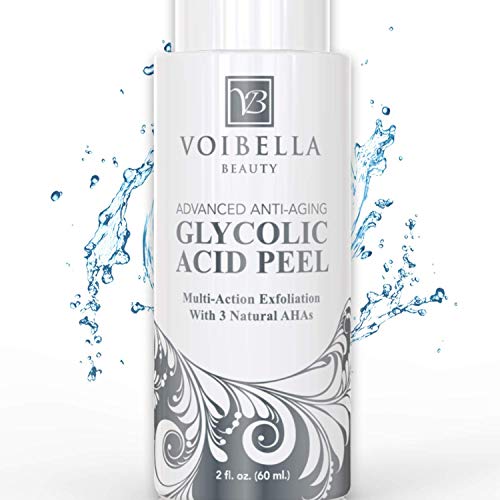
If your milia sit on thin eyelid skin, post-menopausal skin, or areas that flush easily, a 30% peel is too aggressive. The Voibella 7.5% AHA formula uses glycolic, lactic, and pyruvic acids at a concentration low enough to allow daily or near-daily use without barrier collapse. The exfoliation happens in microscopic particles that are not visible when rinsing, unlike the dramatic skin-shedding many associate with peels.
A 52-year-old reviewer with mature skin noted no difference after two weeks of every-other-day use, but a 45-year-old cosmetologist reported smoother, cleaner skin after a few days. This tells you the Voibella is a slow build: it will not dissolve a large milia in one week, but over three to four weeks of consistent use, the cumulative acid exposure weakens the keratin seal enough for natural shedding. This is the product for people who want milia reduction without visible peeling downtime.
The pyruvic acid component is rare in at-home peels and provides antimicrobial and oil-control properties that the glycolic and lactic do not cover. This makes the formula useful for milia that form in areas with concurrent congestion, like the chin or nose bridge. The watery consistency means it spreads quickly and a 2.4-ounce bottle lasts surprisingly long given the small amount needed per application.
Why it’s great
- Gentle enough for daily use on sensitive or thin skin
- Pyruvic acid adds antimicrobial action against secondary breakouts
- No neutralizer needed and rinses easily
Good to know
- Results on milia take three to four weeks of consistent use
- Watery texture can drip if applied too liberally
- Low concentration may be insufficient for deep or large milia cysts
3. Paula’s Choice 2% BHA Liquid Exfoliant
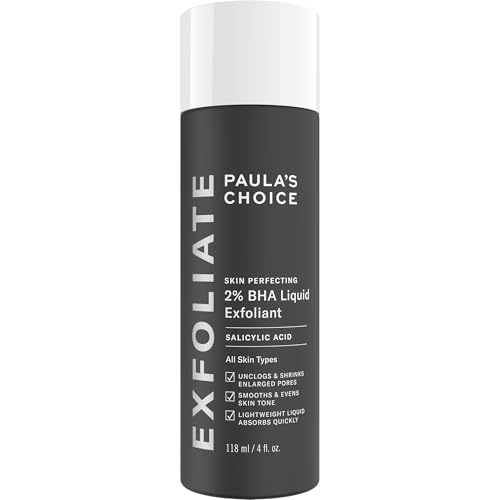
This is the product you grab when your milia are mixed with actual blackheads, clogged pores, and sebaceous filaments. BHA is oil-soluble, meaning it travels down into the follicle lining, which is useless for pure milia (which are not oil-based) but invaluable when milia form in areas already congested with oxidized sebum. The 2% concentration is the highest non-prescription BHA available and works as a leave-on treatment applied like a toner.
Reviews from users on prescription retinoids report that this BHA cleared closed comedones in three to four days, which suggests it accelerates cell turnover in the pore lining faster than AHAs. For milia, BHA alone will not dissolve the keratin pearl, but it can prevent the formation of new milia by keeping pores clear and reducing the chance that keratin gets trapped beneath a blocked opening. This is a complementary product, not a standalone milia treatment.
The texture is a clear, lightweight liquid that absorbs quickly with zero greasy residue. Multiple reviewers note the dispenser is messy and wastes product, so consider transferring to a smaller bottle if precision application matters. Use this on the entire T-zone and reserve the stronger AHA peels for spot-treating existing milia.
Why it’s great
- Prevents milia formation by keeping pores clear of debris
- Leave-on formula works continuously through the day
- Fragrance-free and non-irritating for daily AM/PM use
Good to know
- BHA does not dissolve milia capsules effectively alone
- Packaging dispenses product unevenly and can leak
- Requires pairing with an AHA for existing milia
4. Paula’s Choice 6% Mandelic + 2% Lactic Exfoliant
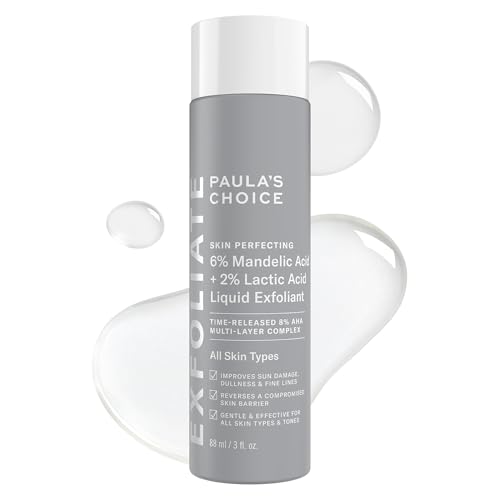
Mandelic acid is the underrated weapon against milia because its larger molecular weight means it works slower and stays closer to the surface, precisely where the milia capsule sits. This Paula’s Choice formula combines 6% mandelic with 2% time-released lactic acid, creating a sustained exfoliation window that weakens the keratin cap gradually without the deep inflammation that glycolic can provoke.
User reviews are striking: one reviewer said pores looked “almost gone” after a single use, while another with sensitive skin reported a painless transformation over two weeks. The time-released lactic acid is tested to be as gentle as water, which means this formula can be used up to daily without burning—critical when you need to keep acid contact consistent to soften milia over weeks.
The antioxidant blend of yarrow, cherry blossom, and yumberry supports the microbiome while the acids exfoliate, reducing the risk of post-peel breakouts. This is the best option for milia-prone skin that also needs barrier support. The watery texture absorbs quickly without residue, making it easy to layer under moisturizer and sunscreen in the same routine.
Why it’s great
- Mandelic acid targets surface keratin where milia form
- Time-released lactic provides sustained exfoliation without burn
- Barrier-supporting ingredients prevent irritation during daily use
Good to know
- More expensive per ounce than basic glycolic peels
- Results require patience with daily application over weeks
- Not effective on deep-set or long-standing milia
5. Mad Hippie AHA Exfoliating Peel

The Mad Hippie AHA peel is a serum-style formula that pairs glycolic and lactic acids with peptides, hyaluronic acid, and niacinamide. This blend reduces the risk of over-drying, making it an excellent entry point for anyone who has never used a chemical peel but has milia they want to address. The glycolic acid is listed as the second ingredient, confirming its concentration is high enough to exfoliate without being the primary component that would dominate the formula.
A 47-year-old reviewer with oily, clogged skin reported that this peel cleared breakouts and left skin glowing without any stinging or redness. Another user with acne-prone skin saw immediate smoothing overnight. The inclusion of Matrixyl Synthe’6 peptide means this formula also supports collagen production, which is a bonus for milia sufferers over 40 whose skin turnover has slowed.
The sticky residue is the main downside—multiple users note it requires a 10-minute wait before applying moisturizer. This is not a wash-off peel; it is a leave-on serum, so the acids remain active on the skin overnight, providing sustained contact with milia capsules. The 1-ounce bottle is small, but a few drops cover the entire face, and the gentle formula allows nightly use.
Why it’s great
- Gentle enough for nightly use with zero burning for most users
- Peptides and niacinamide support skin barrier while exfoliating
- Glycolic acid as second ingredient confirms active concentration
Good to know
- Sticky texture requires wait time before layering products
- Small bottle at 1 ounce for the price point
- May not be potent enough for dense or stubborn milia clusters
FAQ
Can a chemical peel alone remove existing milia?
Should I use a wash-off peel or a leave-on serum for milia?
Will salicylic acid alone get rid of milia?
Final Thoughts: The Verdict
For most users, the best chemical peel for milia winner is the Ebanel 30% AHA + Salicylic Peel because its triple-acid molecular blend (glycolic, lactic, mandelic) attacks the keratin capsule from different penetration depths, and real user reviews confirm milia-specific results. If you want a daily, low-irritation formula that strengthens the barrier while slowly dissolving milia, grab the Paula’s Choice 6% Mandelic + Lactic. And for first-time peel users with mild milia, nothing beats the Mad Hippie AHA Exfoliating Peel for safety and smooth texture improvement.

Mo Maruf
I created WellFizz to bridge the gap between vague wellness advice and actionable solutions. My mission is simple: to decode the research and give you practical tools you can actually use.
Beyond the data, I am a passionate traveler. I believe that stepping away from the screen to explore new environments is essential for mental clarity and physical vitality.