Our readers keep the lights on and my smoothie glass nicely filled. As an Amazon Associate, I earn from qualifying purchases.
Specs are compiled from manufacturer listings and verified buyer reviews and can change over time — please confirm the key details on the product page before buying.
Age spots—those flat, brown patches from years of sun exposure—are stubborn, but you do not need a clinical laser or a fancy spa visit to fade them. The right chemical peel, applied at home, resurfaces the top layer of your skin to reveal a more even, brighter complexion underneath, and the key is picking a formula strong enough to work yet gentle enough to avoid irritation.
I’m Mohammad Maruf — the founder and writer behind WellFizz. This guide is built by comparing the manufacturers’ published specifications and the patterns across verified customer reviews, so you get each pick’s real strengths and trade-offs instead of marketing spin.
Finding the best chemical peel for age spots means matching the right acid type and concentration to your skin’s tolerance and your specific discoloration pattern. You are dealing with sun spots, melasma, or the first signs of hyperpigmentation, and the correct peel makes the difference.
Our Picks at a Glance

How To Choose The Best Chemical Peel For Age Spots
Age spots sit deeper in the skin than surface-level sunburn or a light tan. A peel that works on dead skin cells alone will not touch them. You need an alpha-hydroxy acid (AHA — a type of acid that exfoliates by dissolving the glue between dead skin cells) that penetrates the upper dermis (the layer of skin below the surface), speeds cell turnover, and blocks the enzyme that produces excess pigment. Here is what to look for.
Match the Acid Type to Your Spot Pattern
Glycolic acid, with the smallest molecular size of any AHA, penetrates deepest and is the standard choice for stubborn brown spots and sun damage. Lactic acid is slightly larger and gentler—better for first-time users or sensitive skin that still wants to fade discoloration. Mandelic acid is another large-molecule option ideal for darker skin tones since it is less likely to cause post-inflammatory hyperpigmentation (dark spots that form after an injury or breakout). For very stubborn melasma (a type of brown patch usually triggered by hormones), a multi-acid blend (like glycolic plus lactic) tackles the spot from multiple angles.
Read the Concentration, Not the Marketing
Over-the-counter peels typically range from 5% to 30% AHA. For age spots, 7.5% glycolic or 30% mandelic both count as medical-strength options—strong enough to lighten pigment without requiring a professional. Beginners should start at the lower end (7–10%) to gauge skin reaction; experienced users can move to 15–30% for faster results. A pH of 3–4 is the balance: acidic enough to exfoliate but not so low that it burns.
Quick Comparison
| Model | Best For | Active Acid | Volume | Weight | Amazon |
|---|---|---|---|---|---|
| Prequel Skin Multi-Acid Milk Peel★ Best Overall | Daily multi-acid resurfacing | 15% Glycolic + 4 others | 7.6 oz | 10.23 oz | Amazon |
| Voibella Glycolic Acid PeelSensitive Skin Pick | Sensitive skin & beginners | 7.5% Glycolic | 2.4 oz | 2.4 oz | Amazon |
| Dermalure Mandelic Acid 30% | Rosacea & cystic acne spots | 30% Mandelic | 1.0 fl oz | — | Amazon |
| Olay Regenerist Overnight Peel | Overnight peptide + AHA renewal | Lactic Acid + Hexa-Repair Peptide | 1.0 oz | 1 oz | Amazon |
| Caudalie Vinoperfect Glycolic Peel Mask | 10-minute brightening mask | Glycolic + Viniferine | 75 mL | — | Amazon |
In‑Depth Reviews
1. Prequel Skin Multi-Acid Milk Peel
Our pick — over 4.5★ from 950+ verified ratings; the strongest balance of quality and price.
A leave-on clinical-strength multi-acid solution that hydrates while resurfacing stubborn spots.
This pick delivers professional-level ingredients without a complicated routine. It blends five acids—15% glycolic (the most penetrating AHA), phytic, malic, mandelic, and lactic—plus enzymes, all in a milk-based formula so skin stays moisturized rather than stripped. You do not rinse it off; you shake the bottle, apply a few drops to your face and neck, and follow with a serum and moisturizer. The brand reports that consistent use over four weeks improves radiance, brightness, pore size, texture, and dark spots. This makes it a 15% concentration versus the Voibella’s 7.5% concentration for faster spot-lightening.
Buyers report that this peel layers well with other actives like tretinoin (a vitamin A derivative for anti-aging) and azelaic acid (a redness-reducing acid), and that it treats keratosis pilaris (rough bumps on the back of the arms) effectively. At 7.6 oz, the bottle is 7.6 oz versus the Olay option at 1.0 oz, giving you far more product for roughly the same price tier. The single trade-off: the 15% glycolic concentration is strong, so beginners should patch test first and start with just 1–2 uses per week.
What makes it the top pick
- Five-acid blend targets spots from multiple angles in one step.
- Large 7.6 oz bottle offers strong value compared to smaller peels.
- Leave-on formula fits into a regular evening routine without extra rinsing.
The main caution
- 15% glycolic is not beginner-friendly; patch test required.
- Not recommended for sensitive skin or those under 18.
Who this is for: Anyone with stubborn sun spots or hyperpigmentation who already tolerates AHAs and wants a potent daily exfoliant that does not require rinsing.
When to look elsewhere: If you have never used a chemical peel before, start with a lower concentration like the Voibella option below.
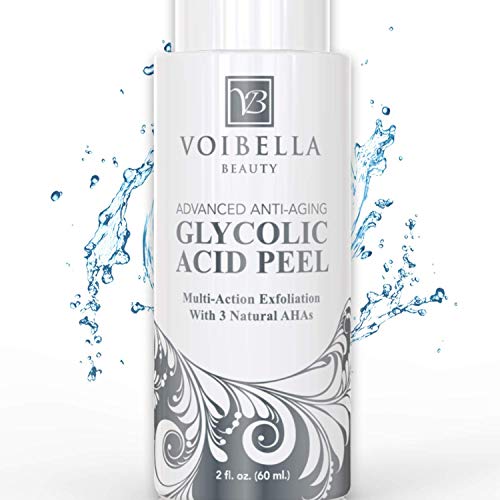
2. Voibella Glycolic Acid Peel
A gentle 7.5% glycolic peel that makes professional-level resurfacing safe for first-timers.
Unlike the high-concentration peels that can burn or peel in obvious sheets, this formula uses a natural blend of three alpha-hydroxy acids (AHAs—glycolic, lactic, and pyruvic) at a relatively low 7.5% strength so you can test your skin’s tolerance. The peeling happens in microscopic particles you never see, not dramatic flaking. Owners mention it is effective for large pores, acne, freckles, and sensitive skin without overwhelming redness. A buyer with 30 years of cosmetology experience said it performs comparably to professional spa peels. It is a much gentler ramp than jumping straight to the Prequel’s 15% glycolic, which means less risk of over-exfoliation and barrier damage.
At 2.4 oz, the bottle is 2.4 oz versus the Prequel’s 7.6 oz, but the lower concentration makes it a smarter starting point for someone who has never touched an acid peel. The application is straightforward: apply to clean skin, leave on for 30 seconds or longer as tolerated, then rinse. The manufacturer recommends increasing the leave-on time gradually with each use.
Why it wins for beginners
- 7.5% concentration is gentle enough for first-time users and sensitive skin.
- Made in the USA in GMP-certified (Good Manufacturing Practices) facilities, vegan and cruelty-free.
- Can be left on longer as skin builds tolerance—you control the intensity.
Where it falls short
- One reviewer noted it did not lighten melasma compared to deeper peels.
- Smaller 2.4 oz bottle may need replacing sooner if used regularly.
Reach for this if: You are new to chemical exfoliation and want a low-risk entry that still uses real AHAs to fade spots.
Look elsewhere if: Your age spots are very dark or deep—you will likely need the higher concentration of the Prequel or a mandelic acid formula.
3. Dermalure Mandelic Acid 30% AHA Peel
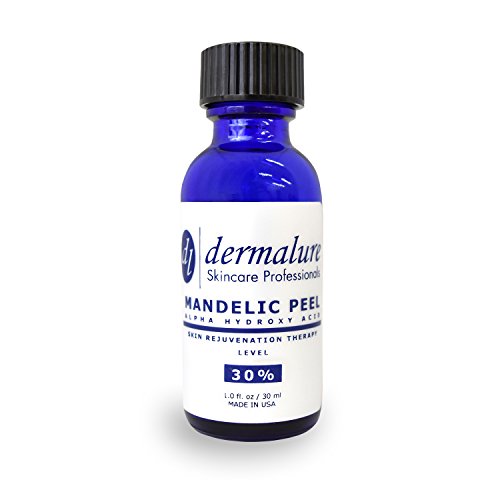
A medical-strength mandelic peel that tackles redness and spots without the sting of glycolic.
Mandelic acid has a larger molecular structure than glycolic acid (the smallest AHA), which means it penetrates more slowly and evenly—an advantage for sensitive skin types or conditions like rosacea (chronic facial redness) and melasma. This 30% solution is considered medical strength, yet customers note it is remarkably tolerable. One buyer mentioned a 70% reduction in forehead bumps and facial redness after a single peel, and said it cleared rosacea overnight. Another said it left their skin smoother, brighter, and more even-toned without excessive dryness. It is a rinse-off peel, so you apply a thin layer, leave it on for a short time based on your tolerance, and wash it off. The bottle is small at just 1.0 fl oz (30 ml), but because you use a thin layer once or twice a week, a single bottle lasts much longer than you would expect. The main trade-off is slower spot-fading compared to glycolic acid—mandelic works, but you may need more weeks of consistent use to see the same lightening on dark sun spots as you would from the Prequel multi-acid blend.
Standout strengths
- Large molecular size makes it safer for darker skin tones and rosacea.
- 30% concentration is strong but well-tolerated according to user reviews.
- Stimulates new skin cells and improves elasticity over time.
What to consider
- Slower visible results on age spots compared to glycolic acid peels.
- Small bottle volume; not ideal if you want a multi-use daily product.
This one fits: Anyone with rosacea, redness, or sensitive skin who still wants a strong AHA peel to fade hyperpigmentation and dark spots.
skip it if: You want the fastest possible lightening of stubborn sun spots—you would be better served by the glycolic multi-acid approach of the Prequel peel.
4. Olay Regenerist Chemical Peel for Face
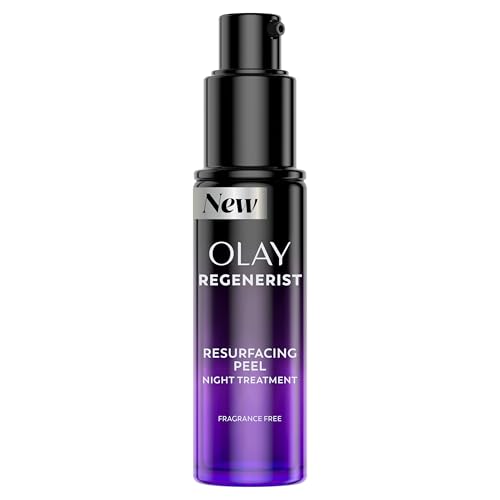
A lightweight overnight serum that combines peptide repair with AHA exfoliation for clockwork results.
This is an overnight peel mask that works while you sleep—you apply it after cleansing, let the lactic acid exfoliate and resurface, and wake up to smoother skin. The formula pairs AHA exfoliation with hexa-repair peptide (a protein fragment designed to support collagen) and niacinamide (a form of vitamin B3 that brightens), so you get spot-lightening plus collagen support in one step. The brand reports noticeable texture improvement in one week, more even tone by week two, and visible correction of fine lines and wrinkles by week four. At 1.0 oz, the bottle is much smaller than the Prequel’s 7.6 oz, reflecting its serum-like concentration. Buyers verify that it visibly improves the look of dark spots, hyperpigmentation, and uneven skin tone, and An 83-year-old user said it made her skin look noticeably better. Because it is a leave-on overnight treatment, you do not need to time a rinse-off application. The catch is that the lactic acid concentration is gentler than glycolic (as in the Prequel), so it may take longer to fade deeply set age spots. If your primary concern is a few dark patches rather than fine lines, the lactic-peptide combo is a worthwhile multi-tasker, but you might see faster spot-lightening with a dedicated glycolic formula.
The daily-does-it appeal
- Overnight application is convenient—apply and forget until morning.
- Peptides and niacinamide add anti-aging and brightness beyond simple exfoliation.
- Fragrance-free formula suits most skin types including sensitive.
The slower track
- Lactic acid is milder; dark spots fade more gradually than with glycolic.
- Small 1.0 oz bottle at a premium price per ounce compared to multi-acid competitors.
Best suited for: Someone who wants a simple overnight routine that handles both age spots and fine line prevention without the need for a rinse-off step.
Consider another pick if: Your age spots are the single priority—you will get faster pigment lightening from a higher glycolic concentration like the Prequel multi-acid peel.
5. Caudalie Vinoperfect Glycolic Acid Peel Mask
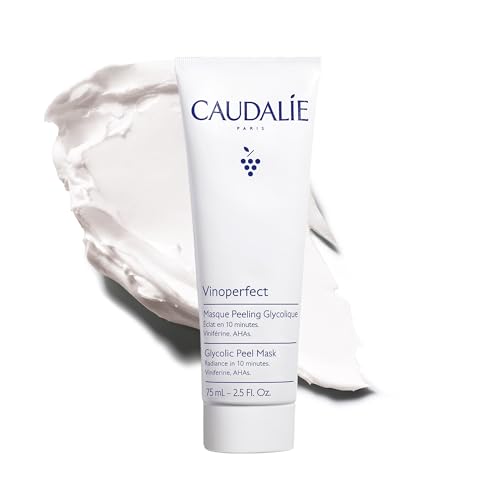
A 10-minute glycolic mask that brightens instantly and targets spots from sun, acne, and pregnancy.
This is a rinse-off mask designed for a quick weekly treatment—apply a thick layer to dry skin, wait ten minutes, rinse off. The key ingredient is glycolic acid (the smallest AHA for deepest penetration) paired with patented Viniferine, The mask targets all types of dark spots caused by sun exposure, aging, acne, pregnancy, and blue light. The brand cites a self-evaluation study in which 100% of participants observed instant and lasting radiance. Reviewers with severe sun damage and medication-induced dark spots report that the mask transformed their face and décolletage (the area of the upper chest) without burning or irritation, even on extremely sensitive skin. Another buyer says it effectively prevents occasional pimples when used twice weekly. The creamy texture applies easily with a brush and does not drip. The trade-off is that this is a luxury-priced option for a 75 mL tube, and because it is a mask rather than a leave-on serum, you are limited to twice-weekly usage—so spot-lightening is a slower, more gradual process than using a daily leave-on peel like the Prequel.
What stands out
- 10-minute application is fast and fits easily into a weekly self-care routine.
- Viniferine adds a brightening effect that most glycolic peels lack.
- Safe for extremely sensitive skin according to user reports.
The downsides
- Twice-weekly max usage means slower spot-fading than daily leave-on peels.
- Premium price for the volume compared to the Prequel multi-acid option.
Pick this if: You want a luxurious, spa-like mask experience that still delivers glycolic acid exfoliation and brightening without daily commitment.
Look elsewhere for: The fastest possible age-spot fading—a daily leave-on formula like the Prequel peel will lighten pigment much more quickly with consistent use.
Understanding the Specs
Alpha-Hydroxy Acid (AHA) Concentration
The percentage listed on the bottle tells you how much active acid is in the formula. Higher percentages (15–30%) penetrate deeper and work faster on dark spots, so they can lighten a patch in weeks instead of months, but they also raise the risk of redness, peeling, and irritation if your skin is not accustomed. Lower percentages (5–10%) are safer for beginners but need more weeks of consistent use to show visible lightening. Always start low and increase concentration gradually.
Leave-On vs Rinse-Off Format
Leave-on peels (like the Prequel and Olay options) stay on your skin after application, usually as part of your evening routine. They deliver continuous exfoliation overnight or between washes, which means more consistent acid contact for fading spots. Rinse-off peels (like the Voibella and Caudalie options) are applied, left on for a set time (30 seconds to 10 minutes), then washed off. Rinse-off peels give you more control over exposure time, making them a safer choice for beginners.
FAQ
How often should I use a chemical peel for age spots?
Can I use a chemical peel if I have sensitive skin?
What is the difference between glycolic acid and lactic acid for age spots?
Will a chemical peel remove melasma?
Do I need to use sunscreen after a chemical peel?
Can I use a chemical peel with retinol or tretinoin?
How long until I see results on age spots?
Can I use a chemical peel on my hands or chest for age spots?
Final Thoughts: The Verdict
For most people, the best chemical peel for age spots overall is the Prequel Skin Multi-Acid Milk Peel because it packs a 15% glycolic blend plus four other acids in a large 7.6 oz leave-on bottle that fits perfectly into a nightly routine. If you are new to peels or have sensitive skin, start with the Voibella Glycolic Acid Peel for a gentle entry. And for those tackling both dark spots and rosacea or redness, the Dermalure Mandelic Acid 30% is a targeted solution that minimizes irritation while still fading hyperpigmentation.
How We Picked
We do not accept paid placement. Every pick is matched to a real buyer and a real use-case; we do not hands-on test units.
Sources & Methodology
Specifications: manufacturer listings and product documentation. Review insights: verified customer reviews, as of July 2026. Pricing: not shown on this page (it changes often); check the current price via the retailer link.
As an Amazon Associate, WellFizz earns from qualifying purchases. This does not affect which products we feature.
Related Guides

Mo Maruf
I created WellFizz to bridge the gap between vague wellness advice and actionable solutions. My mission is simple: to decode the research and give you practical tools you can actually use.
Beyond the data, I am a passionate traveler. I believe that stepping away from the screen to explore new environments is essential for mental clarity and physical vitality.