Our readers keep the lights on and my smoothie glass nicely filled. As an Amazon Associate, I earn from qualifying purchases.
Lifting in thick-soled running shoes is like squatting on two mattresses — it kills your stability, absorbs your power, and makes hitting depth a guessing game dedicated weightlifting shoes fix that with a solid, non-compressible platform. The dilemma is that most purpose-built models cost well over a hundred dollars, leaving budget-minded lifters wondering if they have to compromise on safety or performance. You don’t, but you do need to know where to draw the line between a genuine lifting shoe and a cross-trainer that just looks the part.
I’m Mohammad Maruf — the founder and writer behind WellFizz. I’ve spent hundreds of hours comparing sole rigidity, heel height, strap geometry, and outsole grip across dozens of models to separate real value from marketing fluff in this under- space.
This guide compiles seven options that deliver the flat, stable base you need for heavy squats, deadlifts, and overhead presses without forcing you into triple-digit pricing to find the best cheap weightlifting shoes that actually hold up under load.
How To Choose The Best Cheap Weightlifting Shoes
A flat, non-compressible sole and a secure heel are non-negotiable for any shoe that calls itself a lifting shoe. Beyond that, the differences come down to heel height, strap configuration, and how the shoe handles lateral movements like those in CrossFit. Understanding these three specs will keep you from buying a sneaker that just has the word “lifting” on the box.
Sole Rigidity and Heel Height
Running shoes have soft foam that compresses under load — that compressibility robs you of force transfer and introduces wobble during heavy squats. A proper lifting shoe uses a hard, non-compressible material (often wood, TPU, or dense rubber) that keeps your foot planted. The heel is elevated between 0.6 and 1.2 inches to offset limited ankle dorsiflexion, allowing you to hit parallel depth without your heels peeling off the floor. Budget models in this guide range from a subtle 0.4-inch lift in cross-trainers up to a 1.06-inch dedicated heel in purpose-built lifting shoes.
Strap Systems and Upper Materials
A single Velcro strap across the midfoot locks your foot into the heel pocket and prevents your toes from sliding forward during the eccentric phase of a squat. Budget-friendly dedicated lifting shoes usually include one strap, while cross-trainers rely on a tighter lacing system. Materials like TPU mesh, synthetic leather, and suede affect how well the upper conforms to your foot and how quickly it stretches over repeated sessions. A shoe that stretches out after four workouts will lose its locked-in feel, so look for reviews that mention durability over the first few months.
Versatility vs. Specialization
If you only squat and deadlift, a purpose-built lifting shoe with a raised heel and rigid sole is ideal. If your training includes box jumps, rope climbs, or short runs, a flat-soled cross-trainer with a slightly lower heel will handle dynamic work better while still providing enough stability for moderate loads. The trade-off is that cross-trainers never match the raw stability of a dedicated lifting shoe under max-effort squats, but they offer more comfort for the rest of your gym session.
Quick Comparison
On smaller screens, swipe sideways to see the full table.
| Model | Category | Best For | Key Spec | Amazon |
|---|---|---|---|---|
| Nordic Lifting VENJA | Premium | Dedicated Squat Shoe | 1.06″ Raised Heel | Amazon |
| Under Armour TriBase Reign 6 | Premium | CrossFit & Lifting | TriBase Ground Contact | Amazon |
| Adidas Powerlift 5 | Mid-Range | Entry-Level Squat Shoe | 0.6″ Heel, Single Strap | Amazon |
| New Balance 608 V5 | Mid-Range | All-Day Stability | ABZORB Heel Crash Pad | Amazon |
| Under Armour Project Rock 5 | Mid-Range | Light Lifting & Walk | Cushioned, Lightweight | Amazon |
| Nike Mens Sneaker | Budget | Casual Gym Wear | Lightweight, Cushioned | Amazon |
| Castiron Weightlifting Shoes | Budget | Squat & Deadlift | 1.0″ Heel, Dual Straps | Amazon |
In‑Depth Reviews
1. Nordic Lifting VENJA Weightlifting Shoes

The VENJA sits at the top of this list because it delivers the three things a dedicated lifting shoe needs — a 1.06-inch raised heel, a rigid non-compressible rubber outsole, and a Velcro strap that locks the midfoot — without crossing into triple-digit pricing. The raised heel improves dorsiflexion for deep squats, and the flat sole provides the stability you need under heavy loads on deadlifts and overhead presses. Multiple user reports confirm that the forefoot has a bit more flex than hyper-rigid wooden-soled shoes, which makes walking between sets and doing lunges far less awkward.
The upper runs true to size for most users, but the toe box is notably wide, which is a major plus for lifters who have struggled with cramped forefeet in brands like Adidas. A few buyer reviews note that the shoe stretches slightly after several squat sessions, but not enough to compromise the heel lock. The strap system is simple — one wide band over the midfoot — and it’s effective at preventing forward slide during the descent. If you do CrossFit-style box jumps or rope climbs, the firm sole still works, though you’ll miss the forefoot cushion of a dedicated trainer.
For consistent lifters who want a shoe that performs at the same level as models costing twice as much, the VENJA is the clear winner. It’s specialized enough for serious squat work but forgiving enough for general strength training. The only real question is whether you need the extra heel height — if you prefer a more minimalist drop, the lower-heel options below might suit you better.
Why it’s great
- Excellent 1.06-inch heel for deep squat depth
- Wide toe box accommodates flat feet comfortably
- Rigid rubber sole provides stable force transfer
Good to know
- Forefoot is slightly flexible, not hyper-rigid
- May need sizing up for very wide feet
2. Under Armour Men’s TriBase Reign 6 Trainer Shoes
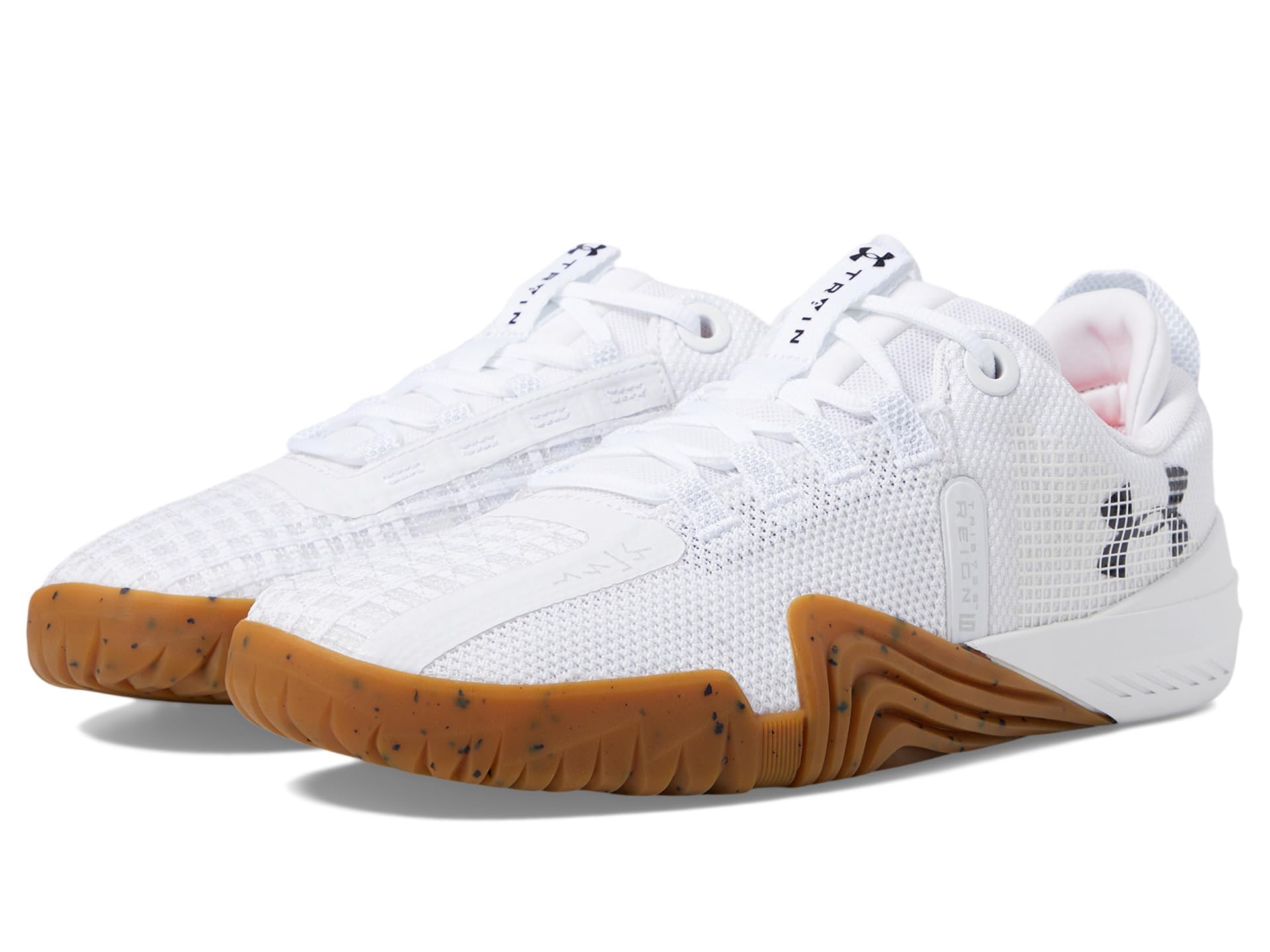
The Reign 6 is the best option for lifters who spend as much time on dynamic work — sprints, box jumps, lunges, rope climbs — as they do on the squat rack. The updated TriBase outsole maximizes ground contact by distributing pressure across three points, which delivers a planted feel during deadlifts while still allowing enough forefoot flex for explosive movements. The dual-density midsole is softer in the forefoot for comfort on short runs and firmer in the heel for support under load, bridging the gap between a pure trainer and a lifting shoe better than most competitors in this range.
The UA WARP upper uses a TPU mesh that’s highly breathable and resists stretching, so the shoe retains its shape through repeated sessions. The external heel clip adds stability for lateral cuts and heavy squats. Multiple reviewers with flat feet report that the low arch support is a relief compared to aggressively arched trainers, and that the wide toe box eliminates toe cramping. It runs slightly long for a minimalist design, so going half a size down is a common recommendation.
If you only squat and deadlift, a rigid dedicated lifting shoe like the VENJA will offer more stability under maximal loads. But for CrossFit athletes, functional fitness enthusiasts, or anyone who hates changing shoes between lifting and conditioning, the Reign 6 provides the best blend of stability and versatility in this guide.
Why it’s great
- TriBase sole delivers excellent ground contact for lifts
- Breathable TPU mesh upper resists stretching
- Low arch suits flat-footed lifters perfectly
Good to know
- Not as stable as dedicated lifting shoes for max squats
- Lighter colors are difficult to keep clean
3. Adidas Unisex-Adult Powerlift 5 Weightlifting Shoes
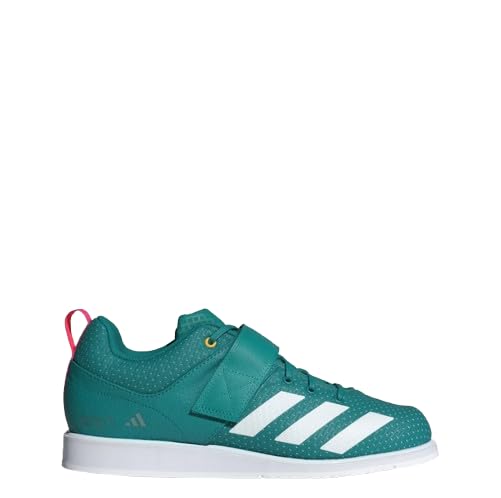
The Powerlift 5 is a classic entry-level weightlifting shoe that balances a moderate 0.6-inch heel with a stable, non-compressible sole. The heel lift is lower than the 1.0-inch-plus standard found in premium Olympic lifting shoes, which makes it ideal for lifters who want better squat depth but aren’t ready for the extreme angle of a full heel. The single Velcro strap across the midfoot does an adequate job of locking the foot in place, though it lacks the dual-strap security of more expensive models.
The upper is constructed from a synthetic material that is comfortable and durable, but several users with wider feet report that the midfoot feels slightly tight even after sizing up. The outsole uses a grippy rubber tread that delivers good traction on gym flooring, and the shoe holds up well over a year of consistent training — the only wear reported is on the laces, which are easy to replace. Reviewers consistently note that the shoe transforms squat form compared to running shoes, reducing knee strain and improving depth.
It is not designed for walking or dynamic work — the sole is too stiff for any type of running, and the raised heel feels awkward on flat ground. If you want a dedicated squat shoe that helps you fix form without paying for features you won’t use, the Powerlift 5 is a proven starting point.
Why it’s great
- Stable, non-compressible sole ideal for squats
- Moderate heel improves depth without exaggeration
- Durable construction with good traction
Good to know
- Midfoot may feel tight for wider feet
- Not suitable for walking or dynamic movements
4. New Balance Men’s 608 V5 Casual Comfort Cross Trainer

The 608 V5 is a cross-trainer first and a lifting shoe second, but it earns a spot on this list because its stable platform and ABZORB heel crash pad make it an excellent option for lifters who need a do-everything gym shoe that can also handle eight-hour shifts on concrete. The full-length EVA foam midsole offers more cushion than a dedicated lifting shoe, but the internal midsole shank provides enough rigidity for moderate weight training. The suede upper is genuinely durable — multiple reviews confirm the shoe holds shape and comfort after months of heavy daily use, which is rare at this tier.
The fit leans slightly wide, which benefits lifters with broader feet who find dedicated lifting shoes constrictive. The relaxed fit last accommodates normal to slightly wide feet without slipping. The molded PU insert adds arch support that feels supportive without being aggressive.
The main drawback is that the outsole can separate from the midsole when it eventually fails, usually after about a year of heavy use. That’s a reasonable lifespan at this price point, and the everyday comfort between gym sessions outweighs the long-term durability limitation for most buyers.
Why it’s great
- Exceptional all-day comfort for gym and daily wear
- Durable suede upper holds shape well over time
- Good stability for moderate lifting loads
Good to know
- Outsole may separate from midsole after extended use
- Not rigid enough for max-effort squat sessions
5. Under Armour Men’s Project Rock Blood Sweat Respect 5

The Project Rock 5 is the most lifestyle-oriented shoe in this guide, offering a cushioned, lightweight experience that works for light to moderate gym work and everyday wear. The TriBase outsole gives decent ground contact for bodyweight squats, lunges, and machine work, but the thick foam midsole compresses noticeably under heavy barbell loads, which makes it a poor choice for dedicated powerlifting or snatch/clean workouts. However, for circuit training, stationary biking, and casual weightlifting, the Project Rock 5 delivers a level of comfort that rigid lifting shoes cannot match.
The upper is extremely breathable and the shoe runs true to size, with most reviewers praising the perfect fit straight out of the box. The styling is a strong point — multiple reviews mention receiving compliments on the design, which is a nice bonus for a shoe that also functions in the gym. The Phylon midsole provides a responsive, bouncy feel during walking, which makes the Project Rock 5 a solid option for lifters who walk or commute in their gym shoes.
If your training consists of moderate loads, bodyweight movements, and short cardio, the Project Rock 5 is a versatile option that won’t leave you fighting against a stiff sole. If you are squatting near your one-rep max, the lack of a rigid platform means you should look at the dedicated lifting shoes higher in this list.
Why it’s great
- Lightweight and extremely comfortable for all-day wear
- Stylish design suitable for casual and gym use
- Good fit and breathability right out of the box
Good to know
- Foam midsole compresses under heavy loads
- Not suitable for max-effort squatting or Olympic lifting
6. Nike Mens Sneaker

This Nike sneaker is a general gym shoe that prioritizes lightweight comfort and style over the rigid stability required for serious weightlifting. The sole features standard cushioning without a dedicated heel lift or non-compressible platform, which means it handles walking, light machine work, and bodyweight training well but will compress noticeably under a loaded barbell. Buyers consistently praise the shoe for its sleek appearance and true-to-size fit, making it a good option for lifters who want a single shoe for casual gym sessions and everyday wear.
Reviewers note that after a couple of months of active use, the shoe begins to show visible wear — scuffs on the upper and compression lines in the sole. This is expected at this entry-level price point, though it does mean the shoe is not built for heavy-duty training over many years. The forefoot cushioning is minimal enough that some users find it uncomfortable for running, but adequate for walking, lunges, and light cardio. The ample toe room is a plus for anyone who finds narrow training shoes restrictive.
If you are just starting at the gym and need one shoe that looks good and covers basic movement patterns without breaking your budget, this Nike model works. If your training already includes barbell squats, deadlifts, or Olympic lifts, the lack of a stiff sole and raised heel will hold you back.
Why it’s great
- Sleek, versatile style fits casual and gym settings
- Lightweight design with a comfortable true-to-size fit
- Ample toe room for a non-restrictive feel
Good to know
- Shows wear quickly under regular active use
- No rigid sole or heel lift for proper lifting
7. Castiron Weightlifting Shoes
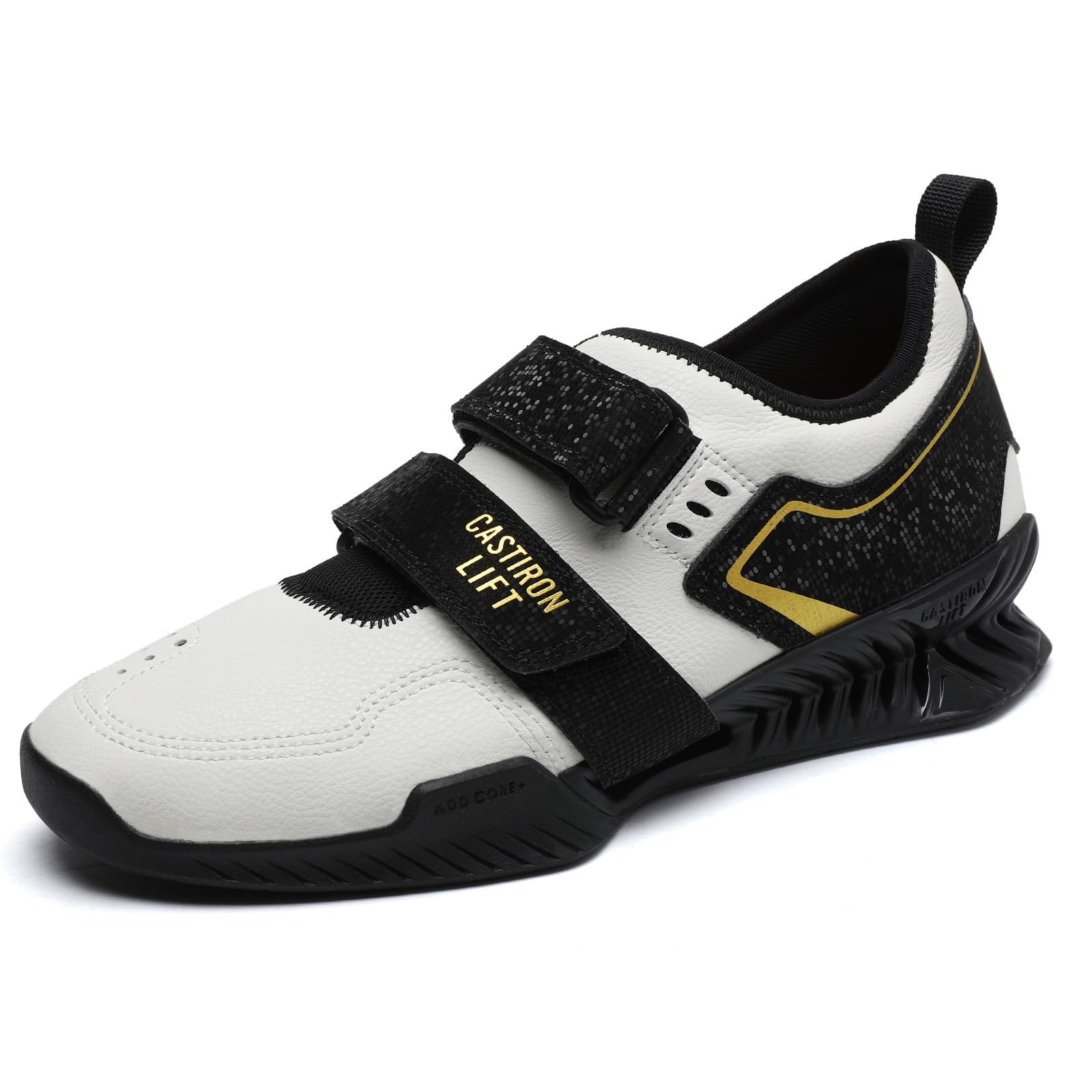
The Castiron lifting shoe is the most affordable dedicated lifting shoe in this guide, featuring a 1.0-inch raised heel and dual Velcro straps — features normally reserved for models in a higher price tier. The angled rubber sole provides a solid, flat platform for foot planting during squats, deadlifts, and standing overhead presses. The dual straps lock the midfoot more effectively than a single-strap design, which is a meaningful advantage for lifters who struggle with heel lift during the squat descent.
The fit runs slightly wide, which benefits lifters with broader feet, but the synthetic upper material stretches and conforms to the foot over approximately four sessions, so buyers should expect the shoe to loosen slightly from the initial snug fit. User reviews highlight that the shoe enhances stability during leg exercises and improves muscle focus, particularly for quad isolation. For the price, the material quality and construction are respectable, though the shoe uses a softer rubber than the premium Nordic Lifting option, meaning the outsole may wear down faster on rough gym flooring.
This shoe is the best entry point for anyone who wants to try a dedicated lifting shoe without committing to a higher price. It delivers the critical features — elevated heel, non-compressible sole, secure straps — that make a genuine difference in squat form and power transfer. The primary trade-off is in material longevity and a slightly less refined fit compared to the models above it.
Why it’s great
- Dual Velcro straps provide a secure midfoot lock
- Elevated heel improves squat depth and stability
- Most affordable dedicated lifting shoe in this guide
Good to know
- Upper stretches after a few sessions, loosens fit
- Outsole rubber wears faster than premium models
FAQ
Can I use cheap weightlifting shoes for running or jumping?
Are budget weightlifting shoes durable enough for heavy squatting?
What is the best heel height for a beginner weightlifter?
Should I size up or down for weightlifting shoes?
Final Thoughts: The Verdict
For most users, the best cheap weightlifting shoes winner is the Nordic Lifting VENJA because it delivers the 1.06-inch raised heel, rigid sole, and secure strap system that define a proper lifting shoe while staying accessible. If you want a versatile trainer that handles CrossFit workouts and short runs, grab the Under Armour TriBase Reign 6. And for the absolute lowest-cost entry into dedicated footwear, nothing beats the Castiron Weightlifting Shoes.

Mo Maruf
I created WellFizz to bridge the gap between vague wellness advice and actionable solutions. My mission is simple: to decode the research and give you practical tools you can actually use.
Beyond the data, I am a passionate traveler. I believe that stepping away from the screen to explore new environments is essential for mental clarity and physical vitality.