Our readers keep the lights on and my smoothie glass nicely filled. As an Amazon Associate, I earn from qualifying purchases.
The smart ring market has exploded, but most budget-friendly options leave buyers stuck between poor battery life and inaccurate sensors. Finding a truly capable cheap smart ring means navigating a minefield of hollow promises and disposable hardware, making it essential to separate genuine value from marketing noise.
I’m Mohammad Maruf — the founder and writer behind WellFizz. I’ve spent hundreds of hours analyzing wearable sensor accuracy, battery chemistry, and companion app ecosystems for this guide, focusing on which budget-tier smart rings actually deliver reliable data without forcing hidden subscription fees.
After combing through verified customer feedback, technical specifications, and real-world performance data, these eight models represent the strongest contenders for anyone searching for a cheap smart ring that balances cost with genuine health tracking capability.
How To Choose The Best Cheap Smart Ring
A budget smart ring can offer impressive health insights, but only if you know which corners to avoid cutting. Here’s what separates a worthwhile purchase from a frustrating experience.
Battery Life vs. Real-World Charging Habits
Manufacturers often quote battery life under ideal lab conditions. A ring that claims 6 days may only last 2 with continuous heart rate and SpO2 monitoring enabled. Look for devices with at least 4 days of genuine uptime — anything less becomes a daily chore that undermines the whole point of letting the ring work passively.
Sensor Accuracy and Health Metrics That Matter
Optical heart rate sensors vary wildly at this price tier. The most reliable budget rings use multi-LED configurations (typically green and red) for better skin penetration. Sleep stage detection requires an accelerometer paired with heart rate variability analysis — rings relying solely on motion data will misclassify wakefulness and REM stages. Blood oxygen (SpO2) sensors are a bonus, but budget units often deliver inconsistent readings during movement.
The Subscription Trap
Several premium smart rings charge monthly fees to unlock detailed sleep scores, readiness metrics, and long-term trend analysis. Many budget-friendly alternatives now include these features without recurring costs. Before purchasing, verify whether the companion app requires a subscription for the data you actually need. Some rings that appear cheap upfront become expensive after six months of mandatory fees.
Sizing Kit Necessity
Smart rings use unique sizing standards that differ from standard jewelry rings. A poor fit means inaccurate sensor readings, especially for heart rate and SpO2. Always opt for a ring that offers a separate sizing kit before purchase. A ring that rotates freely on your finger will produce unreliable data, while one that’s too tight can cause skin irritation and poor circulation.
Quick Comparison
On smaller screens, swipe sideways to see the full table.
| Model | Category | Best For | Key Spec | Amazon |
|---|---|---|---|---|
| RingConn Gen 2 Air | Premium | Long battery & no subscription | 10-day battery, 2mm thick | Amazon |
| RingConn Gen 2 | Premium | Sleep apnea monitoring | 12-day battery, 100m waterproof | Amazon |
| ELENVA Smart Ring | Mid-Range | Vibration alerts & cycle tracking | 316L stainless steel, 50m waterproof | Amazon |
| Amazfit Helio Ring | Mid-Range | Stress & VO2 max tracking | Titanium alloy, EDA sensor | Amazon |
| HART X2 | Mid-Range | HRV & recovery monitoring | 8-day battery, charging case | Amazon |
| PJIVE Smart Ring | Mid-Range | Gesture control & compact design | IP68 waterproof, 60-min charge | Amazon |
| RQZ Smart Ring | Budget | Entry-level fitness tracking | 5ATM waterproof, 6-day battery | Amazon |
| Garmin Index Sleep Monitor | Budget | Sleep-specific tracking | Armband form factor, Pulse Ox | Amazon |
| Oura Ring 5 | Premium | Comprehensive health platform | 6-9 day battery, 50+ metrics | Amazon |
In‑Depth Reviews
1. RingConn Gen 2 Air
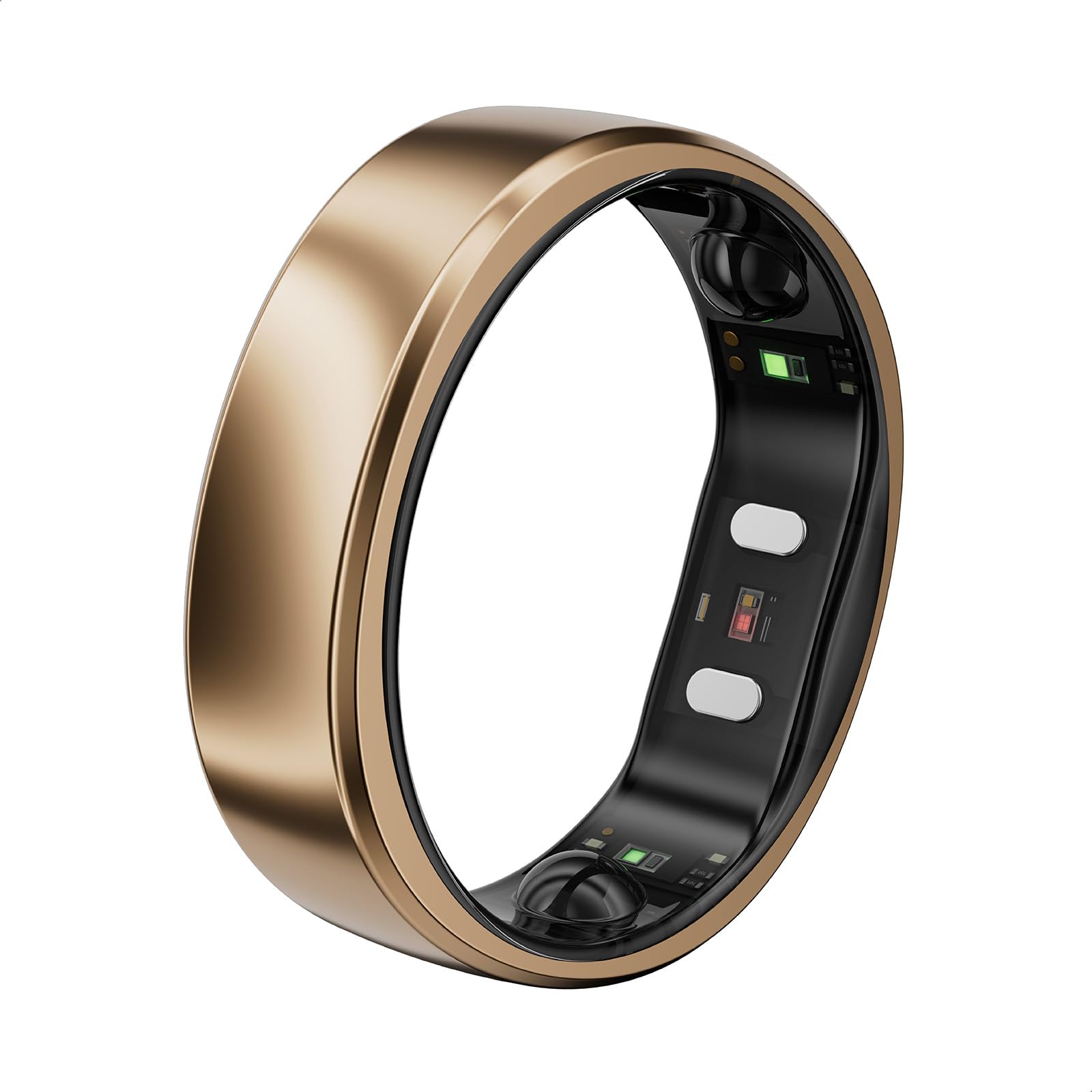
The RingConn Gen 2 Air achieves what few budget-tier smart rings manage: genuinely competitive battery life without sacrificing comfort. At just 2mm thick and 2.5 grams, it stays virtually invisible during sleep tracking — a critical detail for anyone who found previous smart rings too bulky for overnight wear. The 10-day battery capacity lets you collect continuous sleep and activity data without the anxiety of daily charging.
Sensor performance holds up well against rings costing twice as much. The multi-sensor AI integration tracks heart rate, stress levels, blood oxygen, and menstrual cycles through the RingConn app with no subscription fees for standard features. Verified users consistently report 7-9 days of real-world battery life, though heavy SpO2 monitoring can shave a day off that figure. The IP68 rating (tested to 100 meters) makes it genuinely waterproof for swimming and showering.
Durability is the primary tradeoff at this price. Multiple reviews note that the Dune Gold finish scratches more easily than pricier titanium competitors, and some users experienced sizing inconsistencies requiring a return. Still, for anyone prioritizing battery endurance and subscription-free health tracking in a sub- package, this ring sets a benchmark that most budget rivals can’t match.
Why it’s great
- Outstanding 10-day battery life from a 90-minute charge
- Ultra-thin 2mm profile for comfortable 24/7 sleep wear
- No subscription required for core health monitoring features
Good to know
- Finish scratches more easily than premium-priced competitors
- Sizing kit recommended — ring uses non-standard sizing
- Step counter can be inconsistent compared to wrist-worn trackers
2. RingConn Gen 2

The RingConn Gen 2 distinguishes itself with a feature previously reserved for clinical-grade wearables: sleep apnea monitoring. Developed alongside university sleep labs, it tracks AHI (Apnea-Hypopnea Index) and blood oxygen desaturation events throughout the night, presenting real-time data through a dedicated companion app. This alone makes it the most medically relevant option in the budget-to-mid-range bracket.
Battery life stretches to 12 days on larger ring sizes (12-14), dropping to about 7-8 days with continuous sleep apnea monitoring active. The titanium case weighs roughly 2 grams and sits comfortably flush against the finger, though some users report the black matte finish shows scratches after a few months of daily wear. The included charging case extends total uptime past 150 days when traveling — a convenience absent from most competitors.
Accuracy across standard metrics is solid: heart rate tracking during rest and sleep aligns closely with chest strap references, and step counting matches wrist-worn trackers within 5%. The women’s health tracking component, however, received mixed feedback from users with irregular cycles, and there’s no Natural Cycles integration. For anyone specifically seeking sleep-disordered breathing insights without a prescription device, this ring delivers unique value at this price point.
Why it’s great
- First smart ring with FDA-cleared-level sleep apnea monitoring
- Up to 12-day battery life with 150+ day charging case
- Ultra-thin titanium design for comfortable overnight wear
Good to know
- Black finish scratches relatively easily during manual work
- Battery degrades after 6 months, dropping to 3-4 days for some users
- Cycle tracking inconsistent for irregular menstrual cycles
3. ELENVA Smart Ring
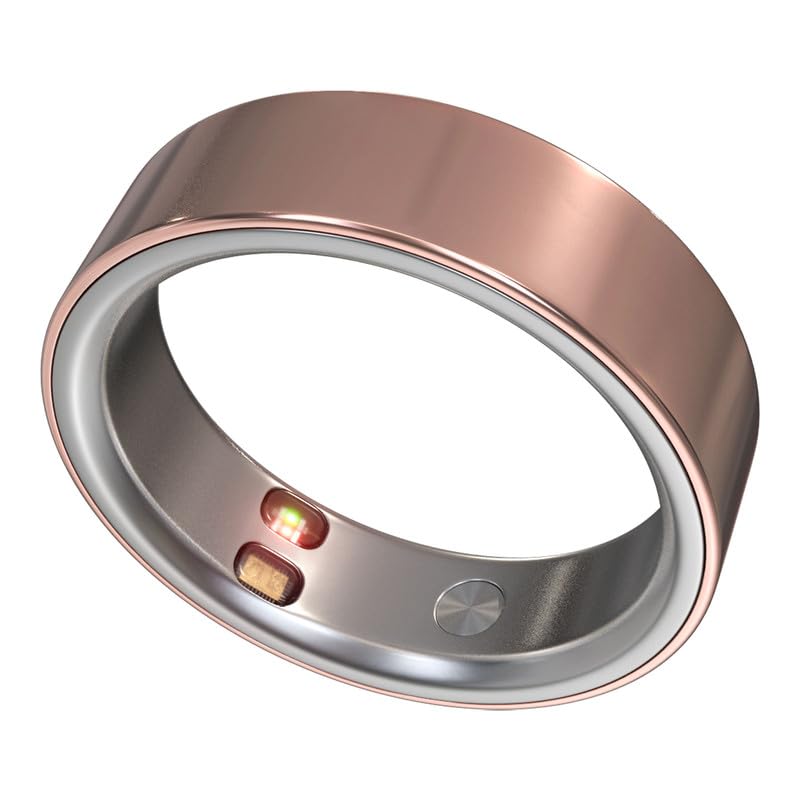
ELENVA takes a tactile approach to smart ring alerts, integrating an exclusive vibration motor that delivers silent notifications for calls, health warnings, and custom reminders. This is one of the few budget-ring models that can vibrate independently of your phone — a genuinely useful feature for staying connected without checking a screen. The marine-grade 316L stainless steel construction and 50-meter water resistance make this a rugged daily wearer that can survive hot showers, pool laps, and even cold-weather exposure down to -20°C.
Sleep tracking breaks down into four distinct stages — light, deep, REM, and awake — with HRV analysis that feeds into stress and fatigue indexes. The ring also tracks basal body temperature for menstrual cycle and ovulation prediction, a feature usually reserved for premium models. Verified users consistently praise the comfortable fit and elegant jewelry-like design, noting it passes unnoticed during both sleep and gym sessions.
The app stores all biometric data locally rather than in the cloud, addressing privacy concerns some users have with other platforms. Battery life lands between 2-5 days depending on vibration frequency and continuous monitoring settings, which falls short of the top performers in this guide. The 90-minute magnetic charging is reasonably fast, but you’ll be reaching for the charger every other day if you enable all sensors.
Why it’s great
- Exclusive vibration motor provides silent phone-independent alerts
- Marine-grade 316L stainless steel construction with 50m water resistance
- Local data storage for enhanced privacy control
Good to know
- Battery life averages 2-3 days with all monitoring features enabled
- Ring sizing can be tricky — precise finger measurement required
- Activity auto-detection limited compared to wrist-based wearables
4. Amazfit Helio Ring

Amazfit brings its established wearable ecosystem to the finger with the Helio Ring, leveraging an EDA (electrodermal activity) sensor alongside standard PPG heart rate monitoring to track stress levels. This combination allows the ring to detect emotional arousal patterns throughout the day, correlating skin conductance with heart rate variability for a more nuanced stress picture than simple HRV alone. The titanium alloy build keeps weight minimal — barely noticeable during sleep, which is where the ring excels most.
Sleep monitoring includes hypopnea event detection (pauses in breathing during sleep), a feature typically absent in this price tier. The Zepp app provides comprehensive reports without a subscription, and the ring integrates smoothly with Apple Health and Google Fit. Users report battery life averaging 2-4 days depending on continuous monitoring usage, falling notably short of the advertised 4-day figure — a common complaint in customer reviews.
Accuracy complaints are the primary drawback. Some verified buyers found heart rate tracking inconsistent during exercise and sleep staging less reliable than Oura or RingConn. The EDA-based emotion tracking, while intriguing, feels early-stage — several users noted it flagged stress during perfectly normal daily activities. For Amazfit owners already in the ecosystem, the Helio Ring offers solid integration, but as a standalone device, the sensor accuracy doesn’t justify the premium over other mid-range options.
Why it’s great
- EDA sensor provides unique emotional stress tracking capability
- Lightweight titanium alloy design comfortable for overnight wear
- No subscription fees and seamless Zepp app integration
Good to know
- Battery life averages 2-3 days, significantly less than advertised
- Heart rate and sleep staging accuracy inconsistent for some users
- Green LED light stays on continuously and can be bright during sleep
5. HART X2 Smart Ring

The HART X2 targets fitness-minded users who prioritize recovery metrics over casual activity tracking. Heart Rate Variability (HRV) analysis forms the core of its wellness reporting, paired with resting heart rate, sleep quality scores, and activity strain data that feed into a readiness score. The ring tracks 7-8 days of battery life in practice, and the included charging case extends that to roughly two weeks between wall outlet visits — a genuine convenience for travelers.
Build quality is solid, with a scratch-resistant metal band that holds up well against daily wear. The ring monitors skin temperature, SpO2, blood pressure (via computer vision analysis in the app), and sleep stages across light, deep, REM, and awake states. Users report the app interface is intuitive with clear trend visualization, though some complain that report generation can occasionally lag or fail to sync promptly.
The most concerning signal comes from a small but vocal group of long-term reviewers who report the ring stops functioning after 2-4 months of use. While the majority of buyers report positive experiences beyond 45 days, this reliability question mark gives pause for anyone expecting years of service. For the price, you get excellent feature depth and battery life, but build longevity remains unproven compared to more established brands.
Why it’s great
- Comprehensive HRV and recovery tracking with readiness score
- 7-8 day battery life with convenient charging case
- Scratch-resistant construction suitable for 24/7 wear
Good to know
- Reports of unit failure after 2-4 months from some users
- Blood pressure tracking uses computer vision, not validated clinically
- App report generation can be slow at times
6. PJIVE Smart Ring

The PJIVE smart ring packs an unusual feature for this price tier: air gesture control. Double-tapping your fingers in the air lets you snap photos, flip through e-book pages, switch short videos, or control music playback — all without touching your phone. It’s a gimmick for some, but genuinely useful for runners who want to pause music mid-stride or for hands-free cooking scenarios.
Health monitoring covers the basics competently: heart rate, blood oxygen, blood pressure, sleep stage analysis, and multi-sport tracking for running, cycling, walking, skipping, and swimming. The IP68 waterproof rating means it survives full submersion without concern. Battery life is a bright spot — users consistently report 5-7 days of normal use with the 60-minute fast charge replenishing the ring from empty to full in about an hour.
Build materials (epoxy resin and stainless steel) keep the ring lightweight, but they don’t feel as premium as the all-metal competitors. The app, while functional, lacks the polish and data visualization depth of more established platforms like Zepp or Oura. For someone who values convenience features like gesture control and rapid charging over advanced analytics, this ring offers good value. Serious data nerds should look elsewhere.
Why it’s great
- Unique air gesture control for music, camera, and e-books
- Excellent 5-7 day battery with 60-minute full charge
- IP68 waterproof rating for swimming and showering
Good to know
- Build materials feel less premium than metal alloy competitors
- App interface lacks depth in data visualization
- Blood pressure sensor accuracy not clinically validated
7. RQZ Smart Ring
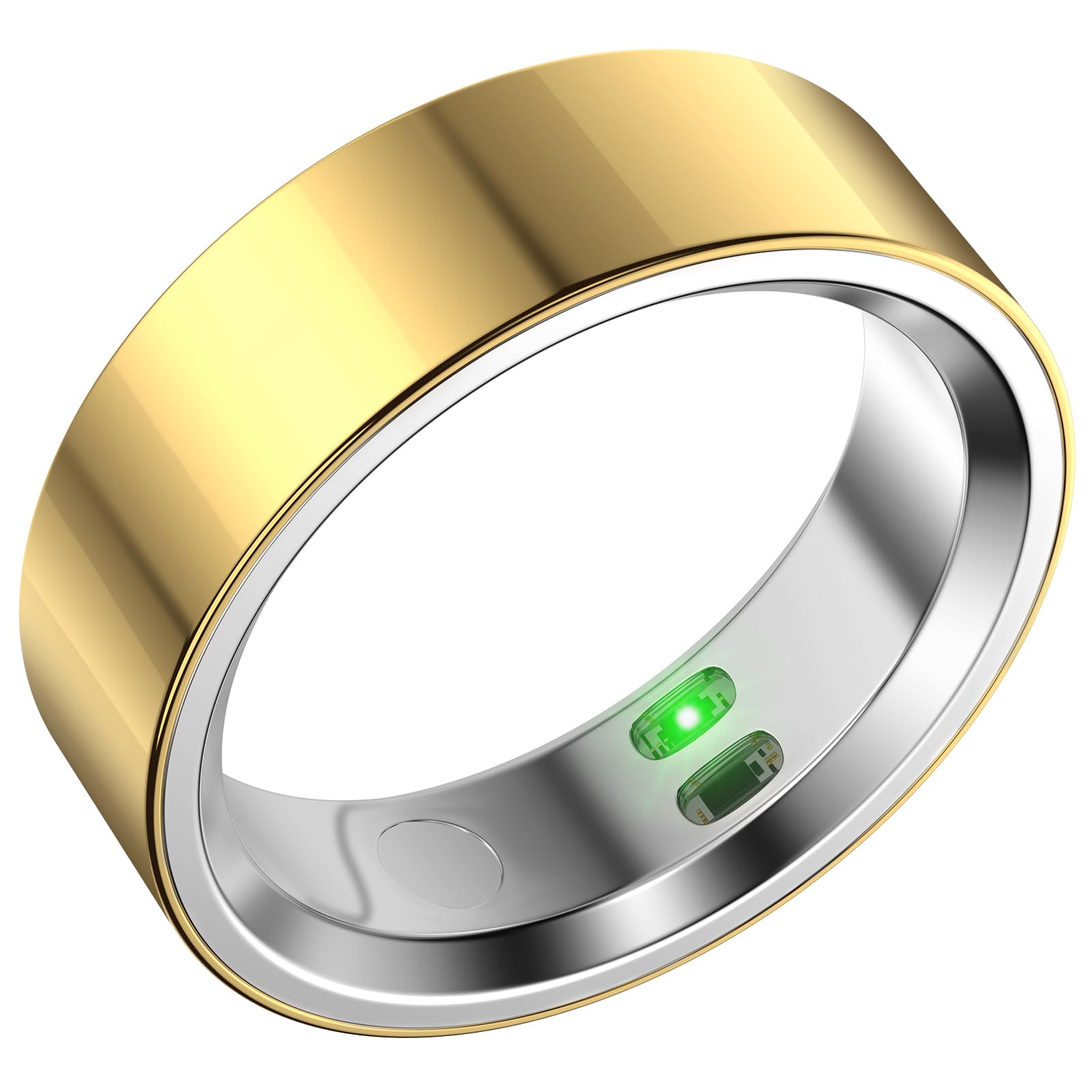
The RQZ smart ring is the most price-conscious entry in this guide, and it performs exactly as expected for its tier. The stainless steel construction and 5ATM waterproof rating (good for swimming and showering) match more expensive rings on paper, but the internal components reveal cost-saving compromises. The 18.5mAh battery is the smallest in this roundup, and customer reviews consistently report 2 days of real-world battery life — far short of the advertised 4-6 day figure.
Core tracking features are present but basic: heart rate, steps, calories, distance, and automatic sleep monitoring with vibration alerts for calls and alarms. Multi-sport tracking covers walking, running, and cycling. The app connects smoothly with both iOS and Android without subscription fees, which is the ring’s strongest value proposition for first-time smart ring buyers on a tight budget.
The primary limitation is accuracy. Multiple verified users note that step counting and calorie burn estimates seem optimistic, and the sleep stage detection lacks the nuance of pricier competitors. For someone curious about wearable health tracking but unwilling to invest in a mid-range option, this ring provides a functional introduction. Just adjust expectations accordingly — this is a gateway device, not a long-term health tool.
Why it’s great
- Lowest entry price for basic smart ring functionality
- Stainless steel construction with 5ATM water resistance
- No subscription fees for core app features
Good to know
- Real-world battery life averages only 2 days
- Step and calorie tracking accuracy is below average
- Basic app lacks advanced data visualization
8. Garmin Index Sleep Monitor

The Garmin Index Sleep Monitor takes a fundamentally different approach: instead of a finger ring, it’s a lightweight nylon armband worn on the upper arm. This design sidesteps smart ring sizing issues entirely and allows for larger sensor arrays that may improve accuracy. The breathable fabric band is comfortable enough that several reviewers reported forgetting they were wearing it overnight. Battery life stretches to 7 days with consistent sleep tracking.
Sleep metrics include sleep score, stages, HRV, duration, and breathing variations detected via Pulse Ox. The smart wake alarm vibrates gently at an optimal point in your sleep cycle — a feature that works particularly well with the armband form factor. Skin temperature tracking supports women’s health features, and data syncs directly to the Garmin Connect app for integration with Garmin watch users.
Accuracy gets mixed reviews. Some sleep-focused users report that sleep staging (particularly deep sleep detection) is less reliable than Oura or Whoop, with a tendency to overestimate deep sleep. Syncing issues appear more common than they should be for a Garmin product, with some users needing to force manual syncs or encountering “no data” reports for skin temperature. The armband form factor also means you can’t wear it during the day for activity tracking — it’s purely a sleep recovery tool.
Why it’s great
- Comfortable armband design eliminates finger sizing issues
- 7-day battery life with comprehensive sleep metrics
- Smart wake alarm with gentle vibration at optimal sleep phase
Good to know
- Sleep stage accuracy lags behind dedicated smart rings
- App syncing occasionally requires manual intervention
- Not designed for daytime activity tracking — sleep only
9. Oura Ring 5
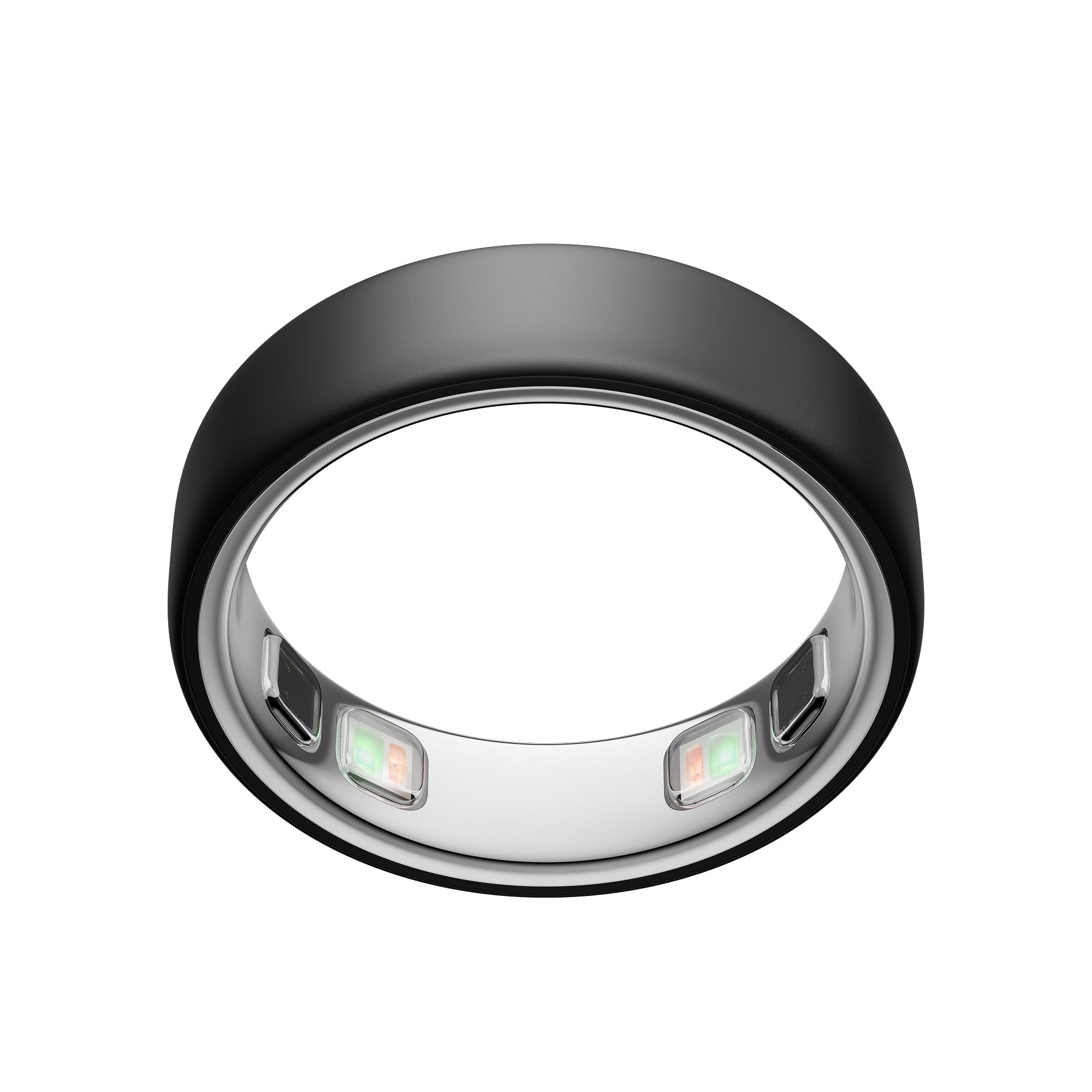
The Oura Ring 5 represents the most refined hardware in the smart ring category, shrinking 40% from the previous generation to become the world’s smallest smart ring. The all-titanium design now feels indistinguishable from a traditional wedding band, making it the most socially discreet option for someone who wants health tracking without visible tech. Larger, smarter sensors bring research-grade accuracy to heart rate, HRV, and SpO2 tracking through the night and day.
Data depth is unmatched: over 50 health metrics spanning sleep stages, daytime activity, stress, metabolic health, heart health, and women’s health. The Oura Advisor AI provides contextual guidance based on your trends. Integration with 40+ apps including Natural Cycles and Strava makes it the most connected platform. Battery life consistently hits 6-9 days in real-world usage, and the re-engineered charging system is more reliable than previous generations.
The subscription model remains the primary barrier. After the first free month, Oura Membership costs a monthly fee for detailed sleep scores, readiness insights, and trend analysis — a recurring cost that dramatically changes the total ownership calculation. For buyers who want the most scientifically validated smart ring data on the market and don’t mind the ongoing fee, the Oura Ring 5 is the clear winner. For those seeking a one-time purchase, the subscription requirement makes this less attractive despite the hardware excellence.
Why it’s great
- Smallest and most comfortable smart ring design available
- Most comprehensive health metric tracking (50+ data points)
- Research-grade sensor accuracy and 40+ app integrations
Good to know
- Requires monthly subscription for full data insights
- Highest upfront cost in this guide
- Only stores 3 days of data on-device (vs. 7 in previous gen)
FAQ
Will a cheap smart ring track sleep as accurately as a premium model?
How do I know what size smart ring to order?
Can I use a cheap smart ring without a monthly subscription?
Do smart rings track blood pressure accurately?
Final Thoughts: The Verdict
For most users, the cheap smart ring winner is the RingConn Gen 2 Air because it combines the longest battery life in its class with genuine health tracking and zero subscription fees, all in an ultra-thin profile you’ll barely notice. If you want advanced sleep apnea monitoring, grab the RingConn Gen 2. And for the most discreet experience with the widest ecosystem of apps and integrations, nothing beats the Oura Ring 5, provided you’re willing to accept the monthly subscription fee.

Mo Maruf
I created WellFizz to bridge the gap between vague wellness advice and actionable solutions. My mission is simple: to decode the research and give you practical tools you can actually use.
Beyond the data, I am a passionate traveler. I believe that stepping away from the screen to explore new environments is essential for mental clarity and physical vitality.