Our readers keep the lights on and my smoothie glass nicely filled. As an Amazon Associate, I earn from qualifying purchases.
Specs are compiled from manufacturer listings and verified buyer reviews and can change over time — please confirm the key details on the product page before buying.
Finding a pair of cheap in-ear monitors that deliver real, usable sound—not just tinny noise—is harder than it sounds. You want clear vocals for monitoring on stage, punchy bass for the gym, or just a pair of wired earbuds that actually stay in your ears without costing a fortune.
I’m Mohammad Maruf — the founder and writer behind WellFizz. This guide is built by comparing the manufacturers’ published specifications and the patterns across verified customer reviews, so you get each pick’s real strengths and trade-offs instead of marketing spin.
Whether you are a drummer on stage, a commuter blocking out noise, or an audiophile on a tight budget, the right pair of cheap in-ear monitors can transform your listening experience without the premium price tag.
Our Picks at a Glance

How To Choose The Best Cheap In-Ear Monitors
Choosing cheap in-ear monitors means prioritizing driver configuration, cable type, and fit over the lowest price. A drummer needs high isolation, a gym-goer needs a secure fit, and a podcaster needs a reliable cable. Here are the key specs to focus on.
Driver Types: Dynamic, Balanced Armature, or Hybrid?
The driver is the tiny speaker inside each earbud that creates sound. A Dynamic Driver (often labeled “DD”) works like a traditional speaker and is great at producing deep, punchy bass. A Balanced Armature (or “BA”) driver is smaller and more efficient at handling mids and highs, giving you crisp details in vocals and cymbals. Hybrid IEMs combine both types—one or more DDs for bass and one or more BAs for clarity—to deliver a fuller, more balanced sound. More drivers don’t guarantee better sound, but a well-tuned hybrid (e.g., 1DD+4BA) can outperform a single-driver design.
Detachable Cables: A Lifesaver for Longevity
The cable is typically the first component to fail on an IEM. Look for models with a detachable cable—either MMCX or 2-pin connectors. If the wire shorts out or gets yanked, you replace only the cable, not the whole IEM. Silver-plated cables can also reduce signal loss for clearer sound.
Noise Isolation vs. Active Noise Cancelling
Cheap IEMs rely on passive noise isolation, which is just a tight seal in your ear canal blocking outside sound. This is different from active noise cancelling (ANC), which uses electronics to cancel noise. A proper seal from silicone or memory foam eartips is critical for sound quality and isolation. Some models, like the BASN Bsinger, claim to block up to 40 dB of ambient sound, which is excellent for stage use.
Frequency Range and Impedance
The frequency range (measured in Hz) tells you the span of sounds the IEM can reproduce. Human hearing covers roughly 20 Hz to 20,000 Hz (20 kHz). An IEM that goes below 20 Hz can deliver sub-bass rumble, while one that extends past 20 kHz can handle the airiest high-frequency details. Impedance (measured in ohms) affects how much power the IEM needs from your device. Lower impedance (16-32 ohms) is easier to drive with a phone or laptop; higher impedance may require a headphone amplifier (DAC) for full performance.
Quick Comparison
| Model | Best For | Driver Config | Frequency Range | Cable Connector | Amazon |
|---|---|---|---|---|---|
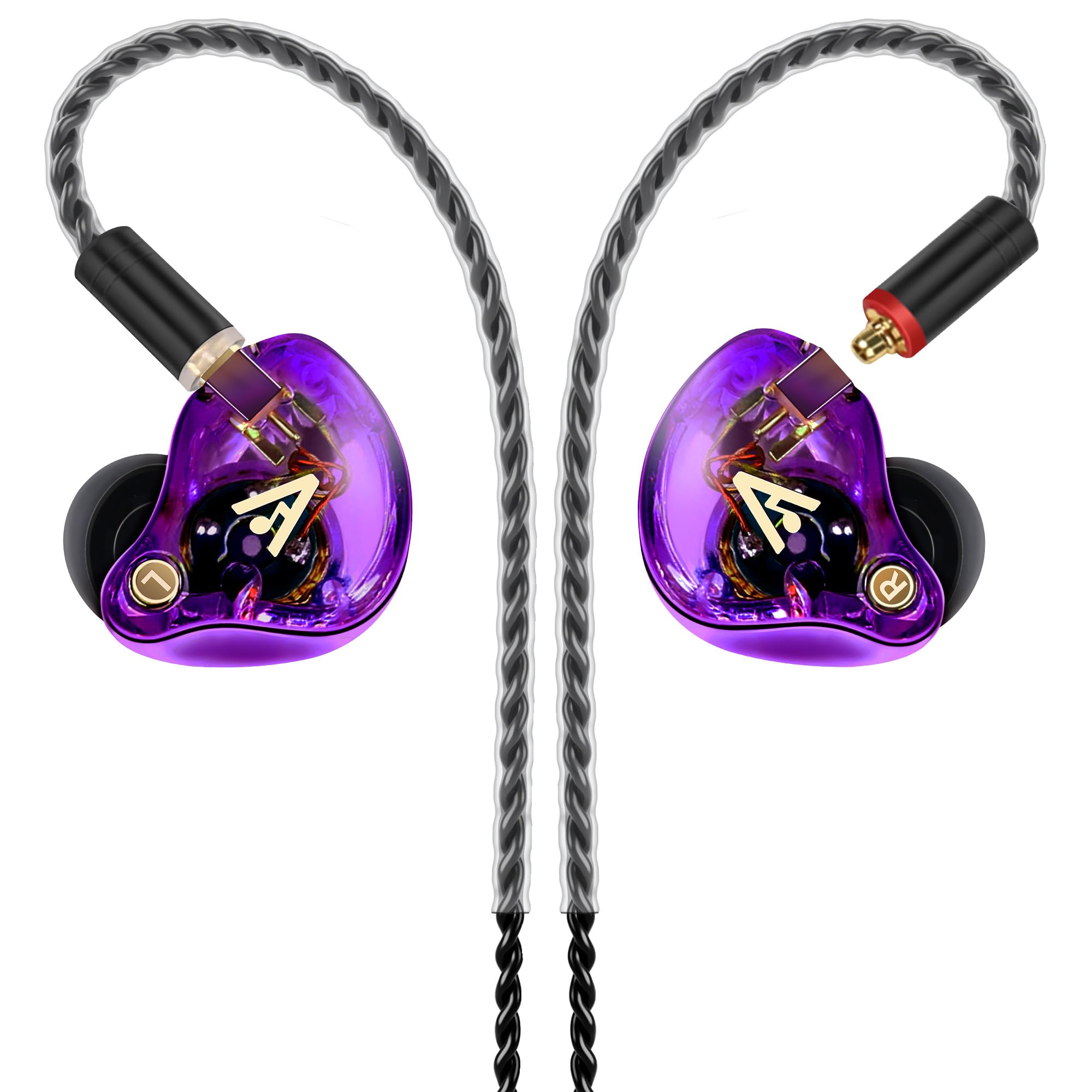
| Vibes 202★ Best Overall | Deep Bass Listeners | 1-Tesla Dynamic | 8 ~ 23k Hz | Detachable MMCX | Amazon |
| CCA C12Also Great | Balanced Hybrid Sound | 5BA + 1DD | — | Detachable 2-pin | Amazon |
| BASN Bsinger 2nd Gen | Musician Monitoring | Dual Dynamic | — | Detachable MMCX | Amazon |
| KZ ZS10 PRO 2 | Custom Tuning | 1DD + 4BA | — | Detachable 2-pin (Silver-plated) | Amazon |
| KZ AS10 | Pure BA Clarity | 5 Balanced Armature | — | Detachable 2-pin | Amazon |
| KZ ZAS | Immersion & Detail | 7BA + 1DD | — | Detachable 2-pin (Silver-plated) | Amazon |
| Sennheiser IE 100 PRO | Pro-Grade Neutral Sound | Single Dynamic (10mm) | — | Detachable MMCX | Amazon |
In‑Depth Reviews
1. Vibes 202 Wired Earbuds
Unapologetic bass with build quality that rivals the Shure SE215.
The Vibes 202 delivers the most aggressive low-end of any IEM in this list, powered by a single 1-Tesla dynamic driver. Its frequency range extends from 8 to 23k Hz, which means it can reproduce sub-bass frequencies below the threshold of human hearing while also reaching high into the top-end air. The result, as owners mention, is “excellent wired earbuds with deep, aggressive bass.” One reviewer called it a direct professional backup for the Shure SE215, noting it uses the same MMCX connector.
Compared to the more neutral Sennheiser IE 100 PRO, the Vibes 202 has a very noticeable bass boost that peaks around 50 Hz. The mids and highs remain flat and accurate, so vocals and instruments stay clear. The silver-plated, Litz-braided cable is detachable and built to last. A handy detail: the flat-profile shell makes it a favorite among motorcyclists who say it blocks wind noise and stays in place under a helmet, with the over-ear routing preventing dislodging. The kit includes six pairs of eartips, a carrying case, and a carabiner.
Bottom Line on Bass: If you crave that chest-thumping low end for rock, EDM, or metal—and you want build quality that can take a beating—this is your pick.
Heads Up: The bass is intentionally very boosted; for neutral monitoring or mixing, the CCA C12 or Sennheiser IE 100 PRO will be more accurate.
Best for: Bass-lovers, gym-goers, motorcyclists, and anyone who wants a rugged IEM that can double as a spare for a Shure SE215.
skip it if: You need a flat studio reference; the extreme bass shelf will color everything you hear.
2. CCA C12 in Ear Monitor Headphones
A hybrid workhorse that punches far above its price with balanced, layered sound.
The CCA C12 uses the most drivers for the price: five balanced armature drivers and one dynamic driver on each side. That 5BA+1DD hybrid setup delivers a wide soundstage that reviewers describe as “crisp” with punchy bass, clean mids, and sparkling highs. One reviewer noted they were “unbelievable for the money” and outperformed their Shure IEMs for touring. The ergonomic design uses a zinc alloy cover and skin-friendly resin, which makes them feel more durable than the all-plastic alternatives.
Unlike the Bass-heavy Vibes 202, the C12 strikes a balance—its treble is extended and rich in details without being harsh. The detachable 8-strand low-impedance cable allows for easy replacement, but a common buyer complaint is the lack of a sliding cinch on the long cable. Reviewers strongly recommend using memory foam tips to get a proper seal, which is crucial for both sound quality and noise isolation. Compared to the Blon BL-03, buyers report the C12 has superior imaging, making it excellent for gaming as well as music.
What Shines
- Excellent value with clear, balanced sound across genres
- Comfortable, secure fit that minimizes ear fatigue
- Outperforms significantly more expensive models, per reviewers
The Downsides
- The cable lacks a sliding cinch, which bothers some users
- Requires a perfect seal (foam tips recommended) for optimal performance
the balance: For live monitoring, gaming, and everyday listening in one pair, the CCA C12 delivers the most balanced hybrid sound (mixing a dynamic driver for bass with balanced armatures for mids and highs) at this budget.
One Catch: Getting the right ear seal is mandatory—if the included silicone tips don’t fit snugly, you will lose bass and clarity; budget for aftermarket foam tips.
3. BASN Bsinger 2nd Generation Sound Isolating Earphones

Musician-tested IEMs that block noise aggressively while staying affordable.
The BASN Bsinger 2nd Gen is built for performers. It is equipped with dual dynamic drivers and memory foam eartips that block up to 40 dB of ambient sound. This is significantly higher than typical passive isolation, making it a safe pick for drummers and live sound engineers. Buyers routinely praise the “great sound, affordable, lightweight, comfortable” fit, and note the cord length is good but could be longer for stage use.
Unlike the KZ ZS10 PRO 2, which uses a more complex hybrid tuning switch, the BASN focuses on a reliable, warm sound with enhanced bass. The MMCX cable is reinforced and detachable, so you can upgrade it easily. One reviewer who owned Shure SE-425s and Mackie MP320s called the BASN an “excellent sound and build quality for price,” noting the MMCX connectors are rock solid after months of abuse. The package includes a generous set of accessories: three pairs of memory foams, three silicone eartips, a braided cable, a t-shirt clip, a mini brush, and a 1/4-inch adapter.
Built for Stage Noise: Its 40 dB noise isolation rating is the highest in this roundup, so you hear your monitor mix—not the crowd.
The Trade-off: Some users find the bass a bit lacking compared to a pure dynamic driver IEM, and the cable could be longer for performers who route it under clothing.
Reach for it if: You are a musician, DJ, or podcaster who needs maximum passive noise isolation and a secure, over-ear fit that stays put during movement.
Look elsewhere if: You prioritize sub-bass rumble or need a very long cable for stage use right from the start.
4. Linsoul KZ ZS10 PRO 2

Engineer your own sound signature with a built-in physical tuning switch.
The KZ ZS10 PRO 2 features a 4-level custom tuning switch, letting you adjust the sound profile without an app. It is a 1DD+4BA hybrid—one 10mm super-linear dynamic driver for bass and four balanced armature drivers for the high frequencies. A built-in 3-way electronic crossover circuit manages the blend, so each driver works in its optimal range. Customers note it “punches way higher than its price” and call it the most neutral of the KZ models they own.
Compared to the CCA C12’s warm signature, the ZS10 PRO 2 is more balanced and slightly analytical. One reviewer compared it favorably to the Sennheiser HD560s. The detachable silver-plated cable is a nice upgrade over older KZ cables, reducing signal loss. However, there are significant downsides: a buyer reported that using these for drumming caused permanent hearing loss and tinnitus because the IEMs did not provide adequate external noise protection even at moderate volumes. Another reviewer mentioned the connector cracked on one side after a few months.
Standout Features
- Built-in 4-level tuning switch for on-the-fly EQ adjustments
- Hybrid drivers with electronic crossover for clear, detailed sound
- Detachable silver-plated cable for easy upgrades
Serious Caveats
- Multiple user reports of potential hearing damage when used for drumming at stage volumes
- Some units had connector cracking issues; build quality may be inconsistent
Who it fits: Audiophiles and creators who want to fine-tune their sound profile across genres—and who listen at safe, controlled volumes.
Who should pass: Drummers and loud-stage performers; the “not a hearing protector” warning from reviews is real, and an IEM with higher passive isolation is safer.
5. KZ AS10 in Ear Monitor Earbuds

Five balanced armature drivers deliver surgical detail for critical listening.
The KZ AS10 is an all-balanced-armature IEM—no dynamic driver. That means its bass is tight and clean rather than boomy, with exceptional clarity in the mids and highs. It uses five BA drivers per side: one large low-frequency driver for bass texture, one mid driver, two high-frequency drivers, and one combined mid-high driver. This setup provides a balanced sound that one reviewer described as having a “U-shaped signature” that beats the 1More Quad and Powerbeats 3.
Compared to the bass-heavy Vibes 202, the KZ AS10 is analytical and reveals flaws in poor recordings—it “can make bad audio sound worse,” as one buyer mentioned. The cable uses the standard KZ 2-pin connector (two small pins that plug into each earpiece), but the pre-formed silicone ear hooks may not fit all ear shapes; one owner reported the left ear kept falling off until they replaced the cable. Buyers highly recommend foam tips to improve the seal and bass response. With 843 ratings and a 4.6/5 average, it is among the most popular pure-BA (balanced armature, a type of driver that gives clear mids and highs) budget IEMs available.
The Clarity Advantage: If you want to hear every nuance in vocal performances or need precise instrument separation for mixing, the BA-only design delivers detail you won’t get from a hybrid at this price.
Fit is Key: Several reviewers found the outer ear fit uncomfortable over long sessions; trying different eartips and cables is almost mandatory.
Perfect for: Vocalists, podcast editors, and detail-oriented listeners who want a crisp, accurate reference IEM.
Not ideal for: Bass-heads who want sub-bass rumble, or users with small or flat ears who may struggle with the shell shape.
6. KZ ZAS 7BA+1DD in Ear Monitor Headphones

An eight-driver fortress that aims for holographic immersion, not just volume.
The KZ ZAS is the most driver-packed IEM in this lineup—eight drivers per ear (7 BA + 1 DD). It uses a 10mm dual magnetic moving coil for bass and seven balanced armature drivers for the full frequency range. The cable is a 200-core silver-plated wire, which is a significant upgrade over standard KZ cables. Reviewers point out it is “excellent for drumming” with a balanced high, mid, and low that keeps kick drum and snare clear in the monitor mix.
Compared to the more affordable CCA C12, the ZAS is smoother and more defined, though one customer observed it is “less loud” than the ZS10 Pro. However, multiple buyers warn that the stock ear tips are flimsy and cause a loss of bass—you will likely need to buy Comply or other aftermarket foam tips. Another review calls the ZAS “very bright,” saying the bass is hardly felt. This IEM rewards a good source; sound quality varies noticeably between a Thunderbolt dock and a MacBook.
Strengths
- Highest driver count at this price for extreme detail and soundstage
- 200-core silver-plated cable improves transparency and lowers distortion
- Durable build with serviceable parts designed for years of use
Weaknesses
- Stock ear tips are poor quality and kill the bass; plan an immediate upgrade
- Bright tuning may be fatiguing for treble-sensitive listeners
Reach for this if: You are a gear enthusiast who wants to boost driver count per dollar and you already have good aftermarket ear tips.
Think twice if: You want a plug-and-play experience from the start—the ZAS demands better tips and a good source to show its potential.
7. Sennheiser Professional IE 100 PRO Dynamic In-Ear Monitoring Headphones
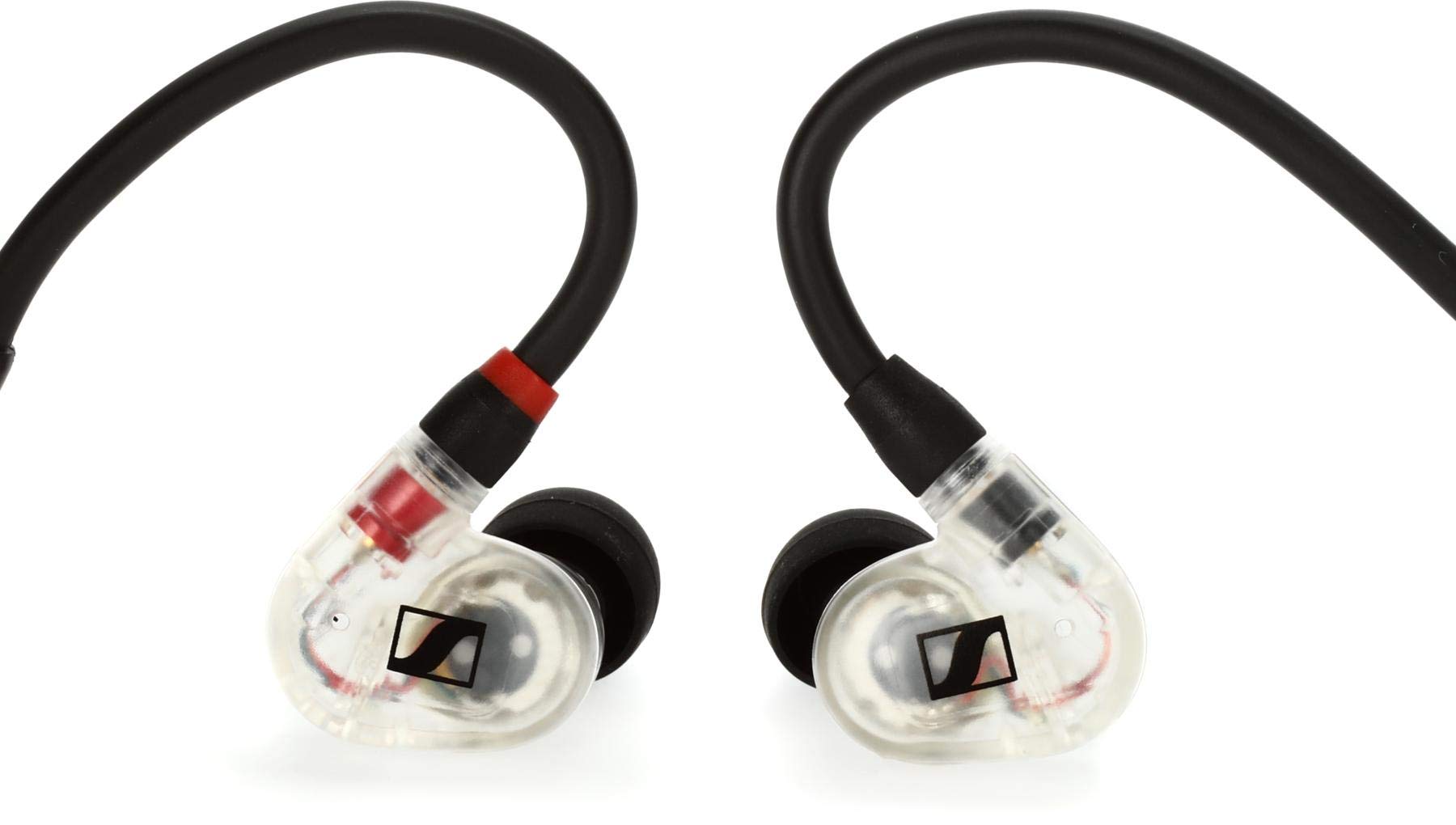
A pro-audio staple that proves one well-made driver beats a dozen cheap ones.
The Sennheiser IE 100 PRO uses a single, carefully tuned 10mm dynamic driver, contrasting with multi-driver designs. The result is a neutral, distortion-free sound that has earned it a 4.4/5 rating across 985 reviews. The slim, ergonomic single-driver design allows for a very small shell that fits comfortably in almost any ear. The stage-proof cable features a duct inside the cable that prevents microphonics (that scratching noise when the cable rubs against your shirt).
Compared to the budget hybrids like the CCA C12, the Sennheiser is less notable on paper—fewer drivers, no tuning switches—but its sound is more consistent and reliable. Buyers describe it as “amazing for ” with a detailed, flat-ish curve and good bass thump. One user highlighted a treble boost that can cause occasional sibilance on “S” and “T” sounds. A critical hidden detail: the internal foam in the nozzle and the tips are crucial to the sound signature; swapping tips can drastically change the sound. The kit includes silicone and foam adapters, a cleaning tool, and a protective case.
The Pro Edge: The 10mm broadband transducer reduces acoustic stress factors, which means less ear fatigue during long monitoring sessions—a real benefit for touring musicians.
The Cost: It is the most expensive IEM here, and it lacks the multi-driver detail retrieval of cheaper hybrids, though many professionals prefer its honest neutrality.
Best for: Professional musicians, live sound engineers, and anyone who needs a trusted tool with Sennheiser’s service network and years of stage-proven reliability.
The catch: Its neutral tuning may sound boring if you are used to boosted bass from consumer earbuds; also, improper tip selection can ruin the sound entirely.
Understanding the Specs
Driver Count & Type
This is the easiest spec to fixate on, but more drivers do not guarantee better sound. A well-tuned single dynamic driver (like the Sennheiser IE 100 PRO) can sound more coherent than a messy multi-driver setup. The type matters more: Dynamic drivers (DD) are best for bass and overall “punch”; Balanced Armature (BA) drivers excel at mids, highs, and detail; Hybrid (DD+BA) designs aim for the best of both worlds. For cheap in-ear monitors, a good hybrid with 1 or 2 DDs and 2-4 BAs is a safe bet for well-rounded sound.
Noise Isolation Rating (dB)
This spec tells you how much outside sound the IEM blocks. A rating of 36 dB is good; 40 dB (like the BASN Bsinger) is excellent. This is passive isolation—it depends entirely on the eartip creating a seal in your ear canal. Foam tips block more than silicone tips. If you will use the IEMs on a loud stage or in a noisy commute, prioritize a model that comes with memory foam tips or has a high isolation rating. Never rely on IEMs as hearing protection without verifying the rating and fit.
FAQ
Can I use cheap in-ear monitors for drumming or on a loud stage?
What is the difference between MMCX and 2-pin detachable cables?
Do I need a headphone amp (DAC) to use cheap IEMs?
Which ear tips should I use for the best sound?
How long do cheap in-ear monitors last?
Are more drivers always better in an IEM?
Can I use cheap IEMs for gaming?
What does frequency range matter for a cheap IEM?
Do cheap in-ear monitors have a microphone for calls?
Is it worth buying a cheap IEM that is on sale for under?
Final Thoughts: The Verdict
If you want one dependable pick, the best cheap in-ear monitors overall is the CCA C12 because its hybrid 5BA+1DD design delivers a balanced, clear sound with a comfortable fit that works for monitoring, gaming, and casual listening without major compromise. If you want maximum noise isolation for live stage work and a warm, reliable sound, grab the BASN Bsinger 2nd Gen. And for the deepest, most aggressive bass on a budget that still has studio-grade build quality, the Vibes 202 is the clear pick.
How We Picked
We do not accept paid placement. Every pick is matched to a real buyer and a real use-case; we do not hands-on test units.
Sources & Methodology
Specifications: manufacturer listings and product documentation. Review insights: verified customer reviews, as of July 2026. Pricing: not shown on this page (it changes often); check the current price via the retailer link.
As an Amazon Associate, WellFizz earns from qualifying purchases. This does not affect which products we feature.
Related Guides

Mo Maruf
I created WellFizz to bridge the gap between vague wellness advice and actionable solutions. My mission is simple: to decode the research and give you practical tools you can actually use.
Beyond the data, I am a passionate traveler. I believe that stepping away from the screen to explore new environments is essential for mental clarity and physical vitality.