Our readers keep the lights on and my smoothie glass nicely filled. As an Amazon Associate, I earn from qualifying purchases.
Calling ducks on a budget doesn’t mean you have to sound like a broken kazoo. The difference between a good cheap call and a frustrating one comes down to reed tuning, air resistance, and whether the call keeps working when wet. A poorly built call requires too much air, sounds tinny, or sticks when moisture hits the reed — exactly what you don’t want at dawn in a flooded timber hole.
I’m Mohammad Maruf — the founder and writer behind WellFizz. I spent countless hours combing through reed thickness specs, customer feedback on real-world performance, and the specific design choices that separate a usable budget call from a wasted .
After evaluating five affordable models, the winner is clear for anyone hunting with a tight wallet. This guide breaks down exactly why the best cheap duck calls prioritize double-reed design, wet-weather reliability, and easy air requirements over flashy branding.
How To Choose The Best Cheap Duck Calls
Budget duck calls share one common flaw: they cut corners on reed tuning and body materials. But a well-designed budget call uses smart engineering — like a floating wedge or a Spit-Tech toneboard — to produce realistic tones without the premium price tag. Here are the three factors that separate a bargain from a disappointment.
Reed Configuration: Single vs. Double Reed
Single-reed calls like the Primos 805 use a thin Mylar reed that requires very little air to produce sound, making them ideal for absolute beginners. Double-reed calls, like the Haydel’s DR-85, offer more forgiveness and a wider range of tones because the two reeds vibrate against each other. Double reeds are less prone to squeaking when you blow too hard, which is a common failure point for novice callers using cheap single-reed designs.
Wet-Performance Engineering
The most common complaint across budget duck calls is that the reed “sticks” after getting wet. Look for calls with a Spit-Tech toneboard design (found on the Double Nasty) or calls that are explicitly tested to “blow when wet.” A call that fails after a splash is useless in real hunting conditions where rain, fog, and marsh water are guaranteed.
Air Resistance vs. Volume Control
Every cheap call has a “sweet spot” of air pressure. Calls that require too much air to break over (like the Duck Commander Snow Goose call in some reviews) make soft calling impossible. For a budget call, you want low air resistance with good volume range — meaning you can whisper a feeding chuckle or punch a hail call without the reed locking up. The best cheap calls are forgiving across a range of air pressures.
Quick Comparison
On smaller screens, swipe sideways to see the full table.
| Model | Category | Best For | Key Spec | Amazon |
|---|---|---|---|---|
| Buck Gardner Double Nasty | Double Reed | All-around hunting with wet conditions | Polycarbonate body, Spit-Tech toneboard | Amazon |
| Haydel’s DR-85 Mallard Call | Double Reed | Adjustable tone for versatile calling | Floating wedge tuning, hand-tuned | Amazon |
| Buck Gardner Finisher Combo | Combo Pack | Value seekers wanting multiple sounds | Double reed call + 6-in-1 whistle | Amazon |
| Primos Easy Mallard 805 | Single Reed | Absolute beginners and kids | 0.010-inch thin Mylar reed | Amazon |
| Duck Commander Snow Goose | Short Reed | Goose-specific calling on a budget | Finger groove grip, worn-in guts style | Amazon |
In‑Depth Reviews
1. Buck Gardner Double Nasty Poly Double Reed Duck Call
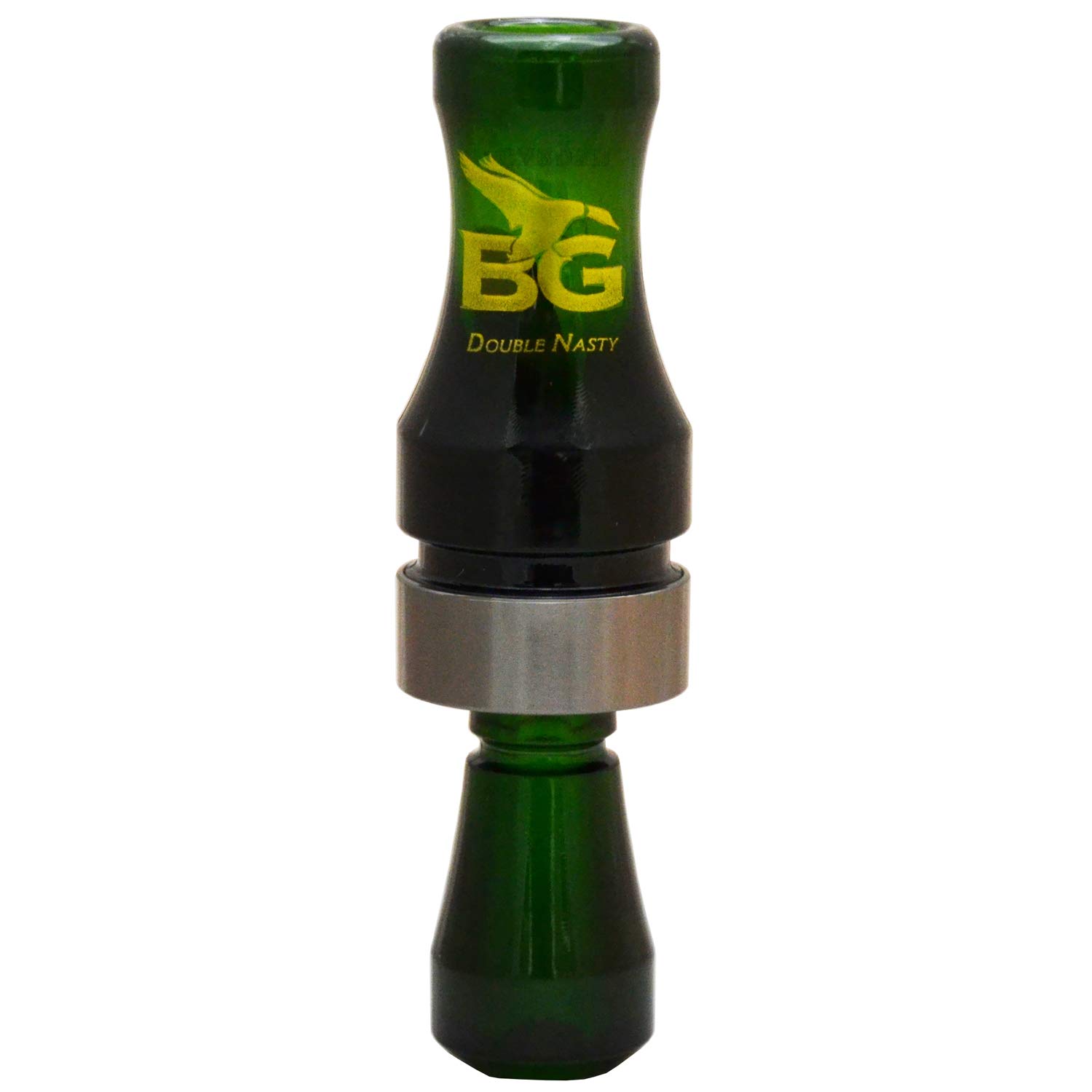
The Buck Gardner Double Nasty earns the top spot because it solves the two biggest problems with cheap calls: wet-reed sticking and limited volume range. Its Spit-Tech toneboard design allows the call to blow reliably even after being splashed or submerged, which is non-negotiable for real hunting. The polycarbonate body is tough enough to survive a drop from a boat seat, and the gunmetal aluminum band adds durability at the barrel connection where many budget calls crack.
Hand-tuned and tested before leaving the factory, this call produces a raspy mallard tone with a full range from soft feeding murmurs to aggressive hail calls. The double-reed configuration forgives inconsistent air pressure, making it one of the best mid-range options for both beginners and hunters who want a reliable backup. Reviews consistently praise how easy it is to vary sounds without the reed locking up.
The only recurring issue is that in extremely cold, wet weather the reeds can stick together if not dried after use — a quirk common to most double-reed calls at any price point. A quick blow-through or cleaning solves it. For under , this call delivers performance that rivals calls costing three times as much.
Why it’s great
- Spit-Tech toneboard keeps call working when wet
- Raspy tone with excellent volume range for a double reed
- Durable polycarbonate body with aluminum band
Good to know
- Reeds may stick in cold wet conditions if not dried
- Marketed as intermediate, though beginners manage fine
2. Haydel’s Game Calls DR-85 Mallard Duck Call

Haydel’s DR-85 stands out in the budget tier because of its fully adjustable floating wedge — a feature usually reserved for calls in the -plus range. This wedge lets you tune the air gap between the reed and the toneboard, which directly changes the pitch and raspiness of the call. Beginners can start with a wider gap for easier blowing, then tighten it as they improve their air control.
Hand-tuned by professional callers, this double-reed call is designed to blow even when wet, which is critical for early morning hunts with dew or rain soaking your lanyard. The clear plastic barrel gives it a classic look, and the sound is consistently described as a “solid, meaty quack” by hunters who use it to finish birds. It is also made in the USA, which is rare at this price point.
The main downside is the thin plastic body, which feels less robust than the polycarbonate of the Double Nasty. Some users reported the barrel sticker starting to peel after a few hunts — a cosmetic issue that doesn’t affect sound but speaks to overall fit and finish. It is an excellent practice call that also holds up in the field for light-to-moderate use.
Why it’s great
- Fully adjustable floating wedge for personalized tuning
- Hand-tuned by professional callers out of the box
- Blows reliably when wet
Good to know
- Thin plastic body feels less durable than polycarbonate alternatives
- Barrel decal may peel after exposure to moisture
3. Buck Gardner BGC The Finisher Duck Call Combo Pack

The Finisher Combo Pack bundles the Mallard Magic double-reed call with a 6-in-1 whistle that covers mallard drakes, pintails, wood ducks, and wigeon. For hunters who want a single purchase that covers multiple species without spending per call, this is the most cost-effective option in the lineup. The Mallard Magic uses Quick-Tune double reed guts, which can be removed and adjusted in the field without tools.
The double-reed hen mallard call produces a classic, high-pitched tone that works well for young mallards and light calling scenarios. It is not the raspy, aggressive call you want for limits on pressured birds, but it sounds natural and inviting for less pressured waterfowl. The whistle is a genuine bonus — a functional tool that alone can cost -15 when bought separately.
Some hunters note the call has a “plastic feel” and that the tone is more suited to beginners or casual outings than serious public-land hunting. The combo is best viewed as an entry-level kit that lets you experiment with different sounds before investing in higher-end single calls. If you want maximum species coverage for minimal money, this is the call set to buy.
Why it’s great
- Two-in-one combo covers hen mallards plus six whistling duck species
- Quick-Tune double reed guts for easy field adjustment
- Outstanding value compared to buying call and whistle separately
Good to know
- Tone is high-pitched, less suitable for aggressive hail calling
- Plastic construction feels less premium than single-piece calls
4. Primos Hunting 805 Duck Call, Easy Mallard Single Reed

The Primos 805 is the cheapest call in this lineup and the most beginner-friendly. Its defining feature is the 0.010-inch thin Mylar reed, which requires so little air pressure that children can produce realistic mallard sounds on their first try. One verified reviewer noted their three-year-old could blow it effectively — that is the level of air efficiency we are talking about.
Because it is a single-reed design, the Primos 805 produces a bright, clear tone that carries well across open water. It is designed to blow when wet, which is a critical feature often missing from calls in this price range. The matte finish prevents glare, and the compact size makes it easy to stash in a pocket or attach to a lanyard. For under , it is practically disposable — making it a perfect backup call that takes up no space.
The trade-off is limited tonal range. Single-reed calls are less forgiving than double-reed models; blowing too hard causes squeaks, and soft calling requires precise air control. It also lacks the raspy finish that experienced hunters prefer for finishing birds at close range. This call is ideal for teaching new hunters or as a cheap emergency backup — not a primary call for serious seasons.
Why it’s great
- Extremely low air requirement, usable by children
- Blows reliably when wet
- Ultra-affordable price makes it a perfect backup or starter call
Good to know
- Limited tonal range — prone to squeaks with hard blowing
- Lacks raspy finish that experienced hunters prefer
5. Duck Commander Goose Call – Snow Goose Call

If you are specifically hunting snow geese or Canada geese, the Duck Commander Snow Goose call offers a dedicated short-reed design for deep, raspy goose tones at a budget price. The finger groove on the barrel provides a secure grip when you are calling with cold, wet hands, and the “worn in guts” style means the reed is designed to sound already broken in from the first blow.
For a budget goose call, the tone quality is surprisingly good — reviewers report that it matches real specklebelly goose sounds and has attracted geese on the first outing. It is significantly easier to use than many cheap goose calls that require massive air volume to produce any sound. The compact size fits well on a lanyard alongside your duck calls without adding noticeable weight.
The main drawback reported by some users is that the call requires too much air to “break over” into the lower register, making soft murmuring difficult. It can run loud and high-pitched if you do not have the air control to modulate it properly. This call works best for open-field snow goose sets where loud, aggressive calling is the norm, rather than quiet timber scenarios. It is a good entry-level goose call, not a tuning-friendly precision instrument.
Why it’s great
- Dedicated short-reed goose design for deep raspy tones
- Finger groove grip works well with cold wet hands
- Pre-broken-in sound quality from first use
Good to know
- Requires more air to break into lower register for soft calling
- Runs loud and high-pitched without precise air control
FAQ
Can a cheap duck call sound as realistic as an expensive one?
What does “blows when wet” actually mean for a duck call?
Is a double-reed call always better than a single-reed for beginners?
Final Thoughts: The Verdict
For most users, the best cheap duck calls winner is the Buck Gardner Double Nasty because it combines wet-weather reliability, a tough polycarbonate body, and a versatile double-reed raspy tone that works for beginners and experienced hunters alike. If you want adjustable tuning to fine-tune your sound, grab the Haydel’s DR-85. And for hunters building a species‑versatile lanyard on a strict budget, nothing beats the Buck Gardner Finisher Combo for covering both hen mallards and whistling ducks in one purchase.

Mo Maruf
I created WellFizz to bridge the gap between vague wellness advice and actionable solutions. My mission is simple: to decode the research and give you practical tools you can actually use.
Beyond the data, I am a passionate traveler. I believe that stepping away from the screen to explore new environments is essential for mental clarity and physical vitality.