Our readers keep the lights on and my smoothie glass nicely filled. As an Amazon Associate, I earn from qualifying purchases.
That acrid chemical taste you thought was just “grill flavor” is actually the synthetic binders and coal dust pressed into standard briquettes burning onto your steak. The best charcoal briquettes solve this by using pure hardwood, agricultural byproducts like olive pits, or sustainably sourced natural lumps that ignite cleanly, burn hotter and impart only the gentle smoke of real wood. Choosing the right fuel transforms your backyard cooking from a sooty chore into a precise, flavorful session.
I’m Mohammad Maruf — the founder and writer behind WellFizz. I spend my hours analyzing the ash content, burn duration, BTUs, and chemical composition of grilling fuels so you can skip the trial-and-error bags.
Whether you want zero-spark lump for a kamado smoker, a USDA organic briquette with no additives for a health-conscious family, or a hot, long-burning hardwood blend for fast searing, this guide breaks down each option by the specs that actually matter. The goal is to help you find best charcoal briquettes that match your exact cook style and fuel philosophy.
How To Choose The Best Charcoal Briquettes
Shopping for cooking charcoal feels simple until you realize the bag can contain anything from recycled scrap wood and coal dust to pure oak mesquite lumps or compressed olive pits. The key specs that separate a good session from a frustrating one are raw material, chunk size, burn time, and ash volume. Use these four filters to find the right bag for your rig.
Raw material purity and binders
Standard briquettes use coal dust, borax and sodium nitrate to light and hold shape, leaving a chemical residue on food. Premium options use only natural lignin (the wood’s own glue) or agricultural byproducts. USDA organic certification guarantees zero synthetic additives. If clean flavor is your priority, skip any bag that lists “mineral carbon” or “accelerant.”
Lump size and consistency
Lump charcoal that ranges from fist-sized to quarter-sized creates uneven airflow and temperature spikes. Brands that hand-sort pieces into a consistent 2- to 4-inch range give you predictable heat zones. For kamado cookers this is critical — small dust falls through the grate, while oversized chunks block the intake. Look for “hand-picked” or “sorted” in the description.
Burn duration and heat output
A good lump should sustain 250-325°F for at least 6 hours in a standard kettle or smoker. Dense hardwoods like oak, mesquite and eucalyptus (from Brazilian or Australian sources) deliver more BTUs per pound than softwoods or recycled composite. Check reviews that mention “hours at target temp” rather than flashy claims about “super hot” ignition.
Ash volume and cleanup
After a long cook, cheap charcoal leaves a thick gray dust layer that can suffocate the fire and clog your ash pan. Premium natural hardwood produces less than 5% ash by weight. If you are running a kamado with a bottom grate, low ash is essential — you do not want to dig out clinkers mid-session.
Quick Comparison
On smaller screens, swipe sideways to see the full table.
| Model | Category | Best For | Key Spec | Amazon |
|---|---|---|---|---|
| Cowboy Hardwood Lump | Premium Lump | Long offset smoker sessions | 20 lb, large consistent 2-4″ lumps | Amazon |
| FOGO Brazilian Blend | Premium Lump | High heat searing & kamado | 17.6 lb, dense eucalyptus hardwood | Amazon |
| Fire & Flavor Oak/Mesquite | Mid-Range Lump | Versatile grilling & smoking | 20 lb, oak/mesquite blend, hand-sorted | Amazon |
| Olivette Organic Briquettes | Value Organic | Chemical-free & low-smoke cooking | 6.6 lb, USDA organic olive pit briquette | Amazon |
| Mr. Bar-B-Q Lump | Entry-Level Lump | Small kettle grills & pizza ovens | 8 lb, all-natural hardwood blend | Amazon |
In‑Depth Reviews
1. Cowboy Hardwood Lump Charcoal (20 lb)

Cowboy consistently delivers the kind of lump size that keeps a Lang smoker running for hours without adding logs. Users report sustaining 215-225°F for brisket and 450-500°F for grilling, with the large pieces re-igniting easily when added to a hot coal bed. The hickory flavor note is present but mild enough to not overpower poultry or fish.
The 20-pound bag gives you enough fuel for multiple long sessions, and the price per pound falls well below smaller artisan bags. The bits of powder at the bottom of the bag are minimal compared to many competitors — the sorting process keeps most chunks in the 2- to 4-inch range that offset smokers and kettles love.
If you need one bag that handles slow smoking and fast grilling without guesswork, this is the workhorse to stock. The reliability of the heat curve and the near-zero ash bed after a 10-hour cook make it a standard among backyard enthusiasts.
Why it’s great
- Consistent large lumps reduce refill frequency during long cooks
- Excellent temperature hold for both low smoking and high-heat searing
- Very low ash production keeps the draft clean all day
Good to know
- Some bags contain occasional very large limb pieces that need breaking
- Not an option for those wanting chemical-free briquette format
2. FOGO Brazilian Blend Hardwood Lump Charcoal (17.6 lb)
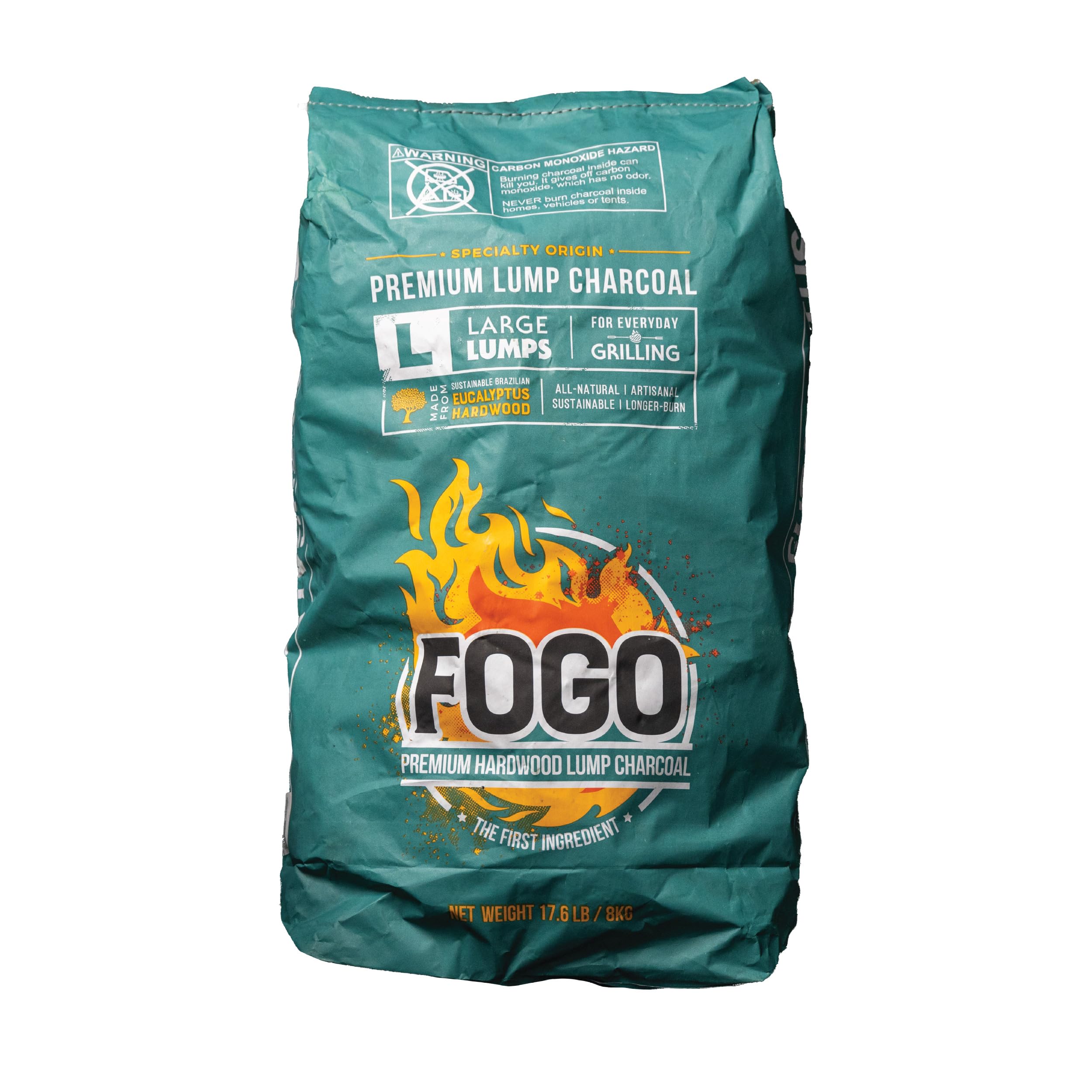
FOGO is built from dense Brazilian hardwoods that ignite in about 10 minutes and push past 700°F for a perfect steak sear. The mild eucalyptus smoke adds a clean, slightly sweet aroma that users describe as “steakhouse quality” without being intrusive. For kamado cooks, the large chunk sizes hold a steady 250-325°F for over 6 hours with minimal fuel feeding.
The hand-sorting process is evident — most pieces are solid blocks rather than splintery shards. About 20% of the bag is small bits and dust that come from shipping friction, but that is comparable to other premium lump brands. The burn time is dense enough that many users recommend starting with less than you expect.
If your priority is reaching screaming-hot surface temperatures quickly and maintaining a steady low-and-slow overnight, FOGO delivers better thermal density than oak or mesquite blends at a similar weight. The bag produces very little ash, and the flavor profile is distinct enough to notice but subtle enough to pair with any rub.
Why it’s great
- Extremely dense wood provides exceptional heat retention and long burn
- Large, hand-picked chunks reduce uneven airflow in kamado grills
- Mild eucalyptus smoke adds a clean, restaurant-quality flavor
Good to know
- Shipping can break some larger pieces into dust (about 20% fines)
- Burns hot and fast if oxygen is not restricted — requires careful vent control
3. Fire & Flavor Premium All Natural Hardwood Lump Charcoal (20 lb)

Fire & Flavor strikes a fine balance between price and performance for grillers who want a clean oak/mesquite flavor without paying a premium for exotic wood. The 2-4 inch hand-sorted pieces light reliably in a chimney starter and burn hot enough for searing without the aggressive sparking or popping common in cheaper lump brands.
The ash output is moderate — better than grocery store bags but slightly higher than the denser eucalyptus options. Some users note inconsistency in chunk sizes, with occasional oversized pieces that require breaking for smaller smokers. For kettle and kamado users this is rarely an issue, and the 20-pound bag offers a lower per-pound rate than many 8-10 pound artisan brands.
For anyone moving away from chemical briquettes who wants a dependable, familiar hardwood experience, this bag delivers the flavor profile backyard grillers expect at a fair price. The subtle smoky scent is pleasant without altering the taste of subtle proteins like chicken breast or vegetables.
Why it’s great
- Very competitive price per pound for a hand-sorted hardwood lump
- Oak/mesquite blend provides a familiar, versatile smoky flavor
- Lights quickly in a chimney starter with minimal sparks
Good to know
- Chunk size consistency varies more than premium FOGO or Cowboy
- Larger pieces may need breaking for small kamado or mini-smoker grates
4. Olivette Organic Charcoal Briquettes (6.6 lb)

Olivette redefines what a briquette can be: compressed recycled olive pits and pruning branches that carry USDA organic certification and produce almost zero smoke during burning. Users report the food never picks up a chemical aftertaste, and the mild olive wood scent is pleasant for neighbors in dense residential areas. The lack of sparks or floating ash makes it especially clean for covered grills.
The 6.6-pound bag replaces up to 20 pounds of traditional briquettes because the olive pulp burns longer per unit weight — about 2+ hours of slow cooking heat per chimney. However, several users note the briquettes require more patience to light fully compared to standard hardwood lumps, and the 5-hour burn claim may fall short if the grill is left fully open. A chimney starter helps get an even bed without accelerant.
For health-focused cooks who want the reassurance of zero synthetic binders and minimal smoke exposure, this is the only bag on the list with a USDA organic seal. It is a niche fuel for purists, not a high-heat searing powerhouse, but it excels at low-intervention, clean-flavor cooking.
Why it’s great
- USDA organic certification with zero chemical additives or binders
- Virtually no smoke or sparks during cooking, neighbor-friendly
- High density per pound delivers extended burn compared to regular briquettes
Good to know
- Requires a chimney starter for reliable ignition — not instant light
- Lower peak heat output compared to hardwood lump charcoal
5. Mr. Bar-B-Q All Natural Hardwood Lump Charcoal (8 lb)
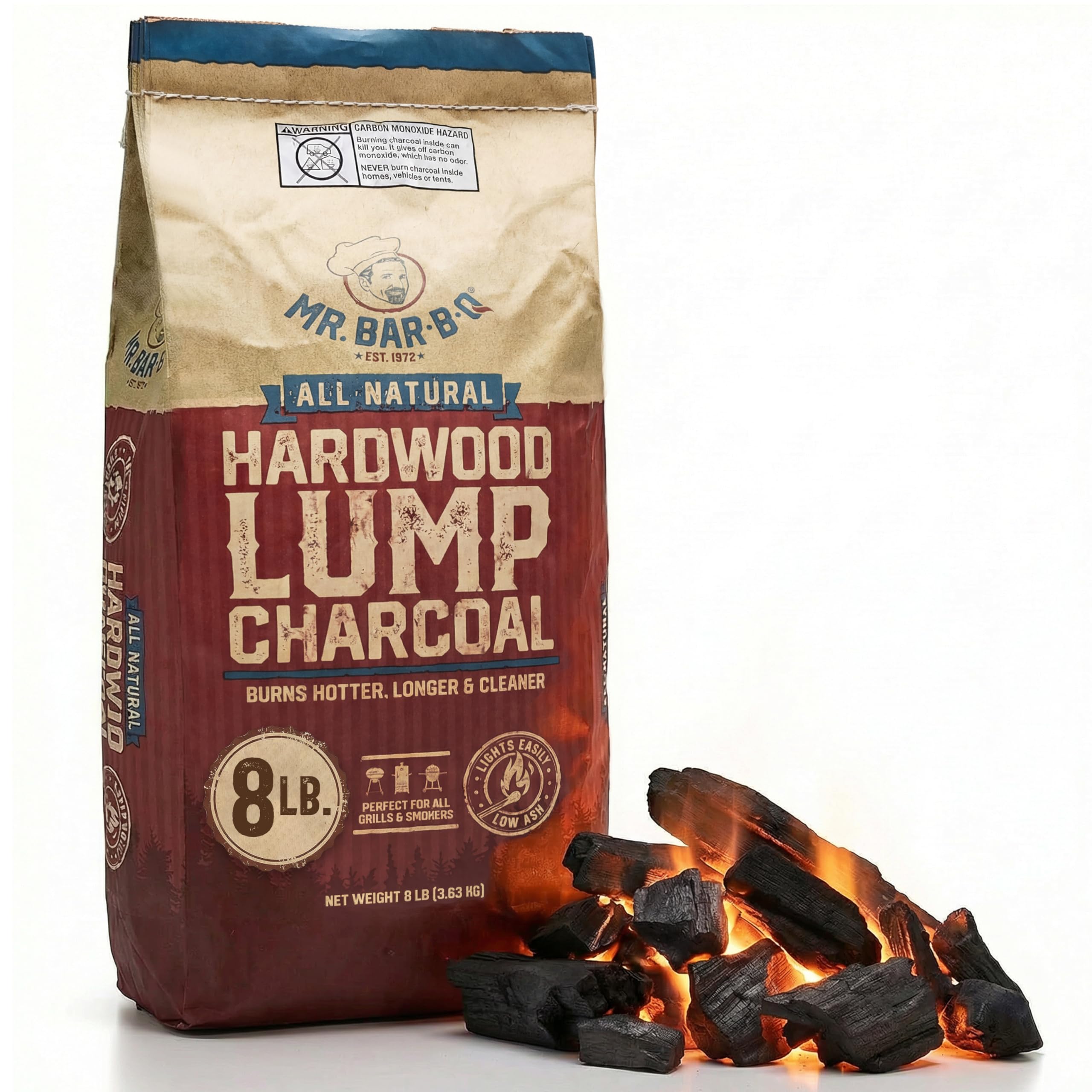
Mr. Bar-B-Q positions itself as an accessible entry into all-natural lump charcoal for smaller kettle grills and portable setups. The 8-pound bag is compact enough to grab for a weekend trip, and the hardwood blend lights reasonably fast with a chimney starter. Users note it burns hotter than grocery store briquettes and leaves far less ash, making cleanup faster.
The chunk size skews smaller than the premium options — one reviewer noted the pieces were too small for an offset smoker but worked well for direct-heat grilling and even Ooni pizza ovens. The bag occasionally includes fines, but given the price point it is a reasonable trade-off for casual cooks who want to avoid chemical additives without investing in a 20-pound bulk bag.
If you primarily grill burgers, steaks and vegetables on a standard 22-inch kettle and want to upgrade from standard briquettes without overspending, this bag is a smart trial. The customer service is notably responsive — one user reported a quick resolution to a sizing issue. At this weight and price, it is designed for frequent smaller grilling sessions rather than all-day smoking marathons.
Why it’s great
- Very accessible price for first-time hardwood lump buyers
- Burns hotter and cleaner than standard briquettes with less ash
- Compact 8-pound bag is portable for camping and tailgating
Good to know
- Smaller chunks limit its use in large smokers needing long burn times
- Takes a few minutes longer to fully ignite than premium denser lumps
FAQ
Is lump charcoal always better than briquettes for flavor?
How long should a 20-pound bag of lump charcoal last?
Can I reuse unburnt charcoal from a previous cook?
Why does my lump charcoal spark and pop when lighting?
Final Thoughts: The Verdict
For most users, the best charcoal briquettes winner is the Cowboy Hardwood Lump Charcoal because it combines the most consistent large chunk size, low ash volume, and reliable heat curve for both smoking and grilling at a fair per-pound price. If you prioritize extreme high-heat searing and kamado efficiency, grab the FOGO Brazilian Blend. And for health-conscious cooks who want certified organic fuel with zero smoke or chemical residue, nothing beats the Olivette Organic Olive Pit Briquettes.

Mo Maruf
I created WellFizz to bridge the gap between vague wellness advice and actionable solutions. My mission is simple: to decode the research and give you practical tools you can actually use.
Beyond the data, I am a passionate traveler. I believe that stepping away from the screen to explore new environments is essential for mental clarity and physical vitality.