Our readers keep the lights on and my smoothie glass nicely filled. As an Amazon Associate, I earn from qualifying purchases.
Tailbone pain turns every workday into a battle. Standard office seats drive pressure straight into the coccyx, creating a sharp ache that worsens by mid-afternoon. The fix isn’t a generic cushion — it’s a chair engineered with a waterfall front edge, firm yet forgiving foam, and a backrest that unloads the spine.
I’m Mohammad Maruf — the founder and writer behind WellFizz. I’ve spent over forty hours cross-referencing BIFMA certifications, foam density specs, and customer feedback to isolate the nine chairs that actually reduce coccyx load.
This guide ranks the nine most effective models for sacral relief by their seat-pan design, lumbar adjustability, and recline range. Read on to find the best chair for tailbone pain that aligns with your budget and body type.
How To Choose The Best Chair For Tailbone Pain
Coccyx discomfort is a sign that your seat pan is either too flat, too short, or made of foam that bottoms out. The three specs below separate a chair that heals your sit bones from one that makes the pain worse.
Seat-Pan Profile and Edge Shape
A flat or hard front edge digs into the underside of your thighs and tilts your pelvis backward, jamming the tailbone into the seat. Look for a waterfall — a curved, downward-sloping front lip — that keeps your thighs at a 90-degree angle or greater and leaves the coccyx floating above the cushion.
Lumbar Support That Anchors the Pelvis
When your lower back slumps, your pelvis rotates rearward and crushes the coccyx. An adjustable lumbar support that pushes forward enough to maintain the natural S-curve of your spine will tilt your pelvis forward and lift the tailbone off the seat. Vertical adjustability (at least 3 inches) is essential for matching your torso length.
Recline Range and Tension
A locked-upright posture transfers weight straight down onto the sit bones. A chair that lets you recline 110 to 135 degrees shifts load from the pelvis to the backrest. Lockable recline positions and adjustable tilt tension let you vary pressure throughout the day without losing support.
Quick Comparison
On smaller screens, swipe sideways to see the full table.
| Model | Category | Best For | Key Spec | Amazon |
|---|---|---|---|---|
| Herman Miller Aeron Size C | Premium Mesh | Tailbone unloading + all-day breathability | PostureFit SL sacral support | Amazon |
| Steelcase Gesture w/ Headrest | Premium Adjustable | Firm seat + 360-degree arm support | Core 360-degree arms | Amazon |
| Steelcase Leap | Premium Ergonomic | Custom-fit lumbar firmness dial | Natural Glide System seat | Amazon |
| FLEXISPOT ErgoX-PRO | Mid-Range Mesh | Cool mesh + 5D lumbar adjustability | 551-lb weight capacity | Amazon |
| ELABEST Mesh Office Chair | Mid-Range Task | Firm lumbar + synchro-tilt mechanism | BIFMA 5.1 certified | Amazon |
| Branch Ergonomic Chair | Mid-Range Versatile | Short-statured users + 8-hour comfort | Eight adjustment points | Amazon |
| GABRYLLY Ergonomic w/ Footrest | Budget Recliner | Napping break + mesh ventilation | 135-degree recline | Amazon |
| CASASIO Ergonomic Chair | Budget Virgin Foam | Plush 3.5-inch virgin foam seat | 3D adjustable headrest | Amazon |
| QLTPLUS Office Desk Chair | Budget Basic | Bony hips on a tight budget | 4-inch thick molded foam | Amazon |
In‑Depth Reviews
1. Herman Miller Aeron Ergonomic Chair – Size C

The Aeron’s Pellicle mesh seat is a genuine solution for tailbone pain. Instead of foam that compresses and presses against the coccyx, the tensioned mesh cradles the sit bones and leaves the sacrum suspended. The Size C variant supports larger frames without the seat edges digging into the thighs.
PostureFit SL uses two independent pads that lock the pelvis into a neutral tilt. This forward rotation lifts the tailbone away from the seat surface. The chair arrives fully assembled; the tilt limiter and seat-angle adjustment let you micro-shift weight off the coccyx throughout an eight-hour stretch.
Many users report an initial adjustment period as their body adapts to the firm, supportive mesh — but once the sacrum decompresses, the relief is consistent and repeatable. The 12-year warranty reinforces the investment.
Why it’s great
- PostureFit SL actively tilts pelvis forward
- Mesh seat eliminates coccyx pressure points
- No assembly required; unbox and sit
Good to know
- Firm feel requires a few days of adaptation
- Size C is best for taller or heavier users
2. Steelcase Gesture Office Chair with Head Rest
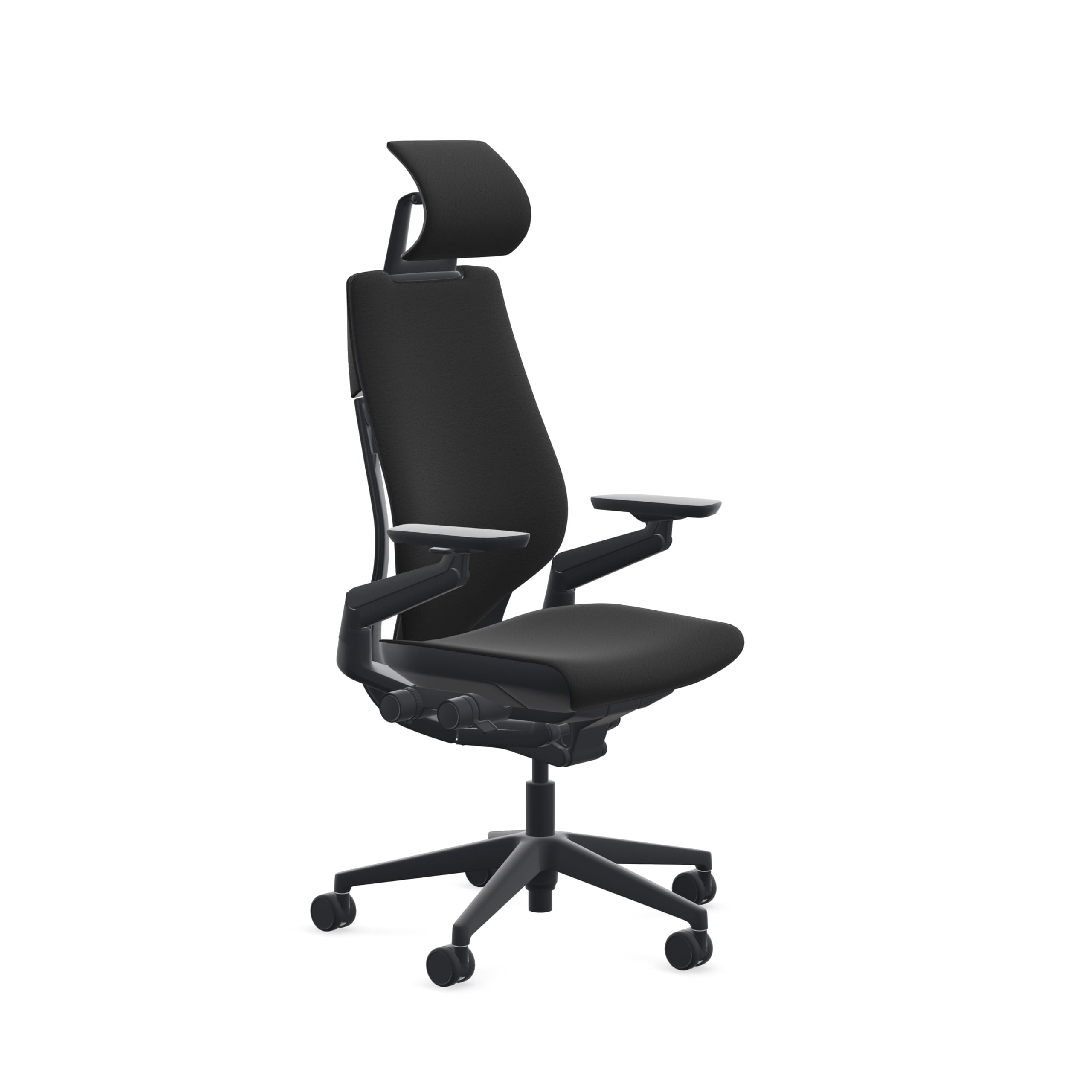
The Gesture’s seat cushion is dense enough to resist bottoming out — a critical trait for tailbone sufferers who sink into soft foam and hit the frame. The continuous backrest follows the spine’s natural curve, and the four-position recline with upright lock lets you shift weight off the sit bones entirely.
The 360-degree arms support your elbows in any posture, which reduces shoulder load and prevents slouching. A slouched position rotates the pelvis backward and drives the coccyx into the seat. The Gesture’s design keeps the upper body stable so the lower spine stays aligned.
Several reviewers note that the seat pad is very firm at first and takes several weeks to break in. Once it conforms, the support structure is nearly indestructible. The chair is heavy — roughly 70 pounds — so plan your delivery location accordingly.
Why it’s great
- Firm, dense foam resists sagging and bottoming out
- Armrests pivot a full circle for any task
- Four-position recline unloads the pelvis
Good to know
- Seat cushion requires a break-in period
- Very heavy; moving it is a two-person job
3. Steelcase Leap Office Chair

The Leap’s standout feature for coccyx pain is the lower back firmness dial. You can increase lumbar pressure to push your pelvis forward manually — a direct countermeasure for the posterior pelvic tilt that compresses the tailbone. The Natural Glide System lets the seat slide forward as you recline, so your torso doesn’t scrunch and your sacrum stays lifted.
The seat depth adjusts by sliding the seat pan forward or backward. A correct seat depth leaves two to three finger widths between the back of your knee and the seat edge — critical for preventing the waterfall edge from pressing against the back of the thigh and tilting the pelvis.
Some users find the foam padding thin relative to the chair’s premium price point. If you need plush cushioning under the sit bones, you may want to pair the Leap with a firm gel topper, though the topper may interfere with the seat-depth adjustment range.
Why it’s great
- Lumbar firmness dial lets you fine-tune pelvic tilt
- Natural Glide System maintains posture while reclining
- Highly adjustable seat depth for proper thigh clearance
Good to know
- Seat padding is relatively thin
- Some units arrive with minor squeaks
4. FLEXISPOT ErgoX-PRO Ergonomic Office Chair
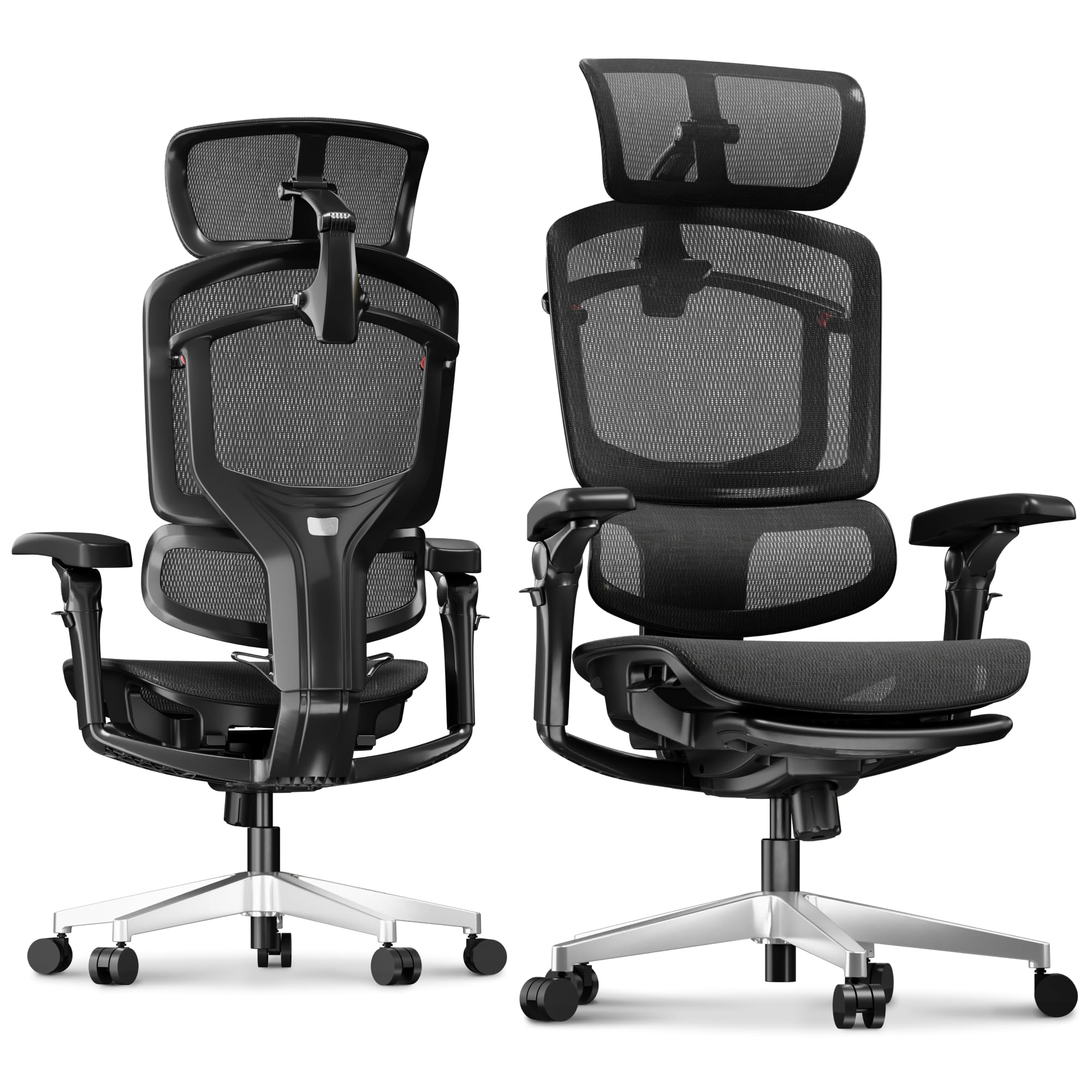
The ErgoX-PRO offers two seat options: a Cloudtech foam cushion for plush pressure distribution or the AeroWeave 5.0 mesh seat for maximum airflow. Tailbone pain sufferers should lean toward the mesh option — the tensioned weave distributes weight to the sit bones and avoids direct coccyx contact altogether.
The 5D lumbar support extends vertically, horizontally, and protrudes forward to lock the pelvis in a neutral tilt. Combined with the 135-degree recline and 12-level fine-tuned backrest tension, users can shift load away from the pelvis throughout long work sessions. The chair also supports up to 551 pounds, making it one of the most robust mid-range options available.
A few tall users report that the footrest sits too high for comfortable reclining. If you plan to use the recline feature frequently, measure your desk clearance to ensure the full angle is usable.
Why it’s great
- Mesh seat option eliminates coccyx pressure
- 5D lumbar provides extensive pelvic tilt control
- Class 4 lift supports very heavy users
Good to know
- Footrest may be too high for full recline comfort
- Armrest adjustability is limited compared to premium chairs
5. ELABEST Ergonomic Mesh Office Chair

The ELABEST uses a bionic-curve backrest that follows the spine’s natural shape, with an adjustable lumbar support that pushes the pelvis forward. The synchro-tilt mechanism moves the seat and backrest together so you don’t lose lumbar contact when you lean back — a common failure point in budget chairs.
The mesh seat is high-grade and stretch-resistant, preventing the sag that creates a hammock effect and forces the tailbone into the frame. The waterfall front edge is clearly defined, reducing pressure on the underside of the thighs and helping the pelvis stay neutral.
Users between 5’5″ and 5’10” report the best fit. Taller users may find the backrest too short for full upper-back support, and the armrests are wide-set, which can be a problem for narrow-framed individuals.
Why it’s great
- Synchro-tilt keeps lumbar engaged while reclining
- Stretch-resistant mesh prevents sag and tailbone contact
- BIFMA 5.1 commercial-grade build quality
Good to know
- Best suited for users under 5’10”
- Armrests may be too wide for smaller frames
6. Branch Ergonomic Chair
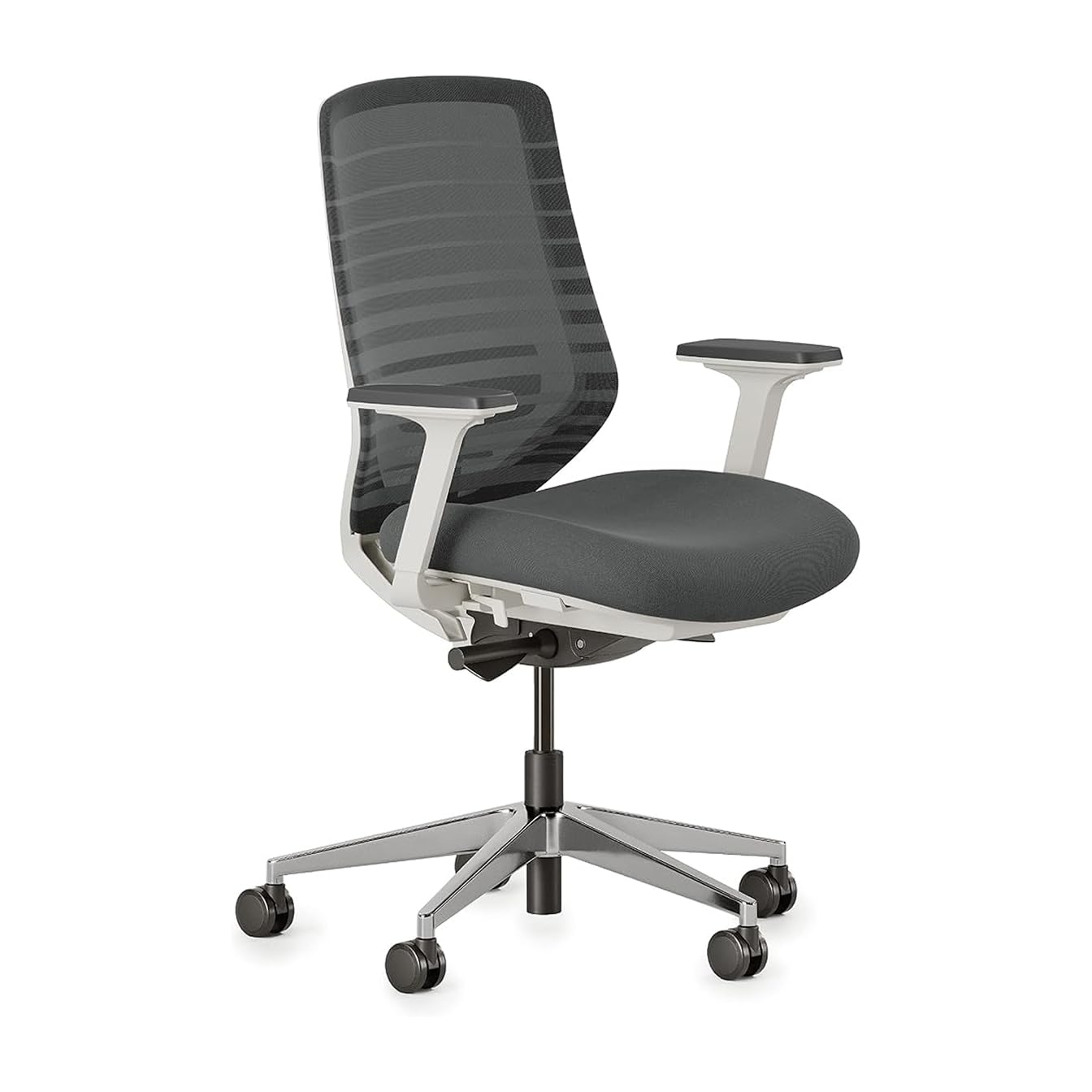
The Branch Ergonomic Chair has eight adjustment points, including seat depth, height, and tilt — all critical for dialing in a pelvis-neutral posture. Shorter users especially benefit because the seat pan can be positioned close enough to the backrest that they don’t have to over-reach for lumbar contact.
The contoured cushion is firm without being hard, providing enough resistance to keep the sit bones elevated without letting the coccyx sink. The breathable mesh back keeps the spine cool and prevents the slouching that happens when a chair back traps heat and becomes uncomfortable to lean into.
Some owners note that the armrests slide forward under pressure and lack a lock mechanism. For pure tailbone relief, this is a minor concern — the seat and lumbar adjustments are the primary tools. The chair ships partially assembled.
Why it’s great
- Seat depth adjusts for proper coccyx clearance
- Firm cushion resists bottoming out
- Great fit for petite users under 5’2″
Good to know
- Armrests slide forward without a lock
- No seat tilt adjustment
7. GABRYLLY Ergonomic Office Chair with Footrest
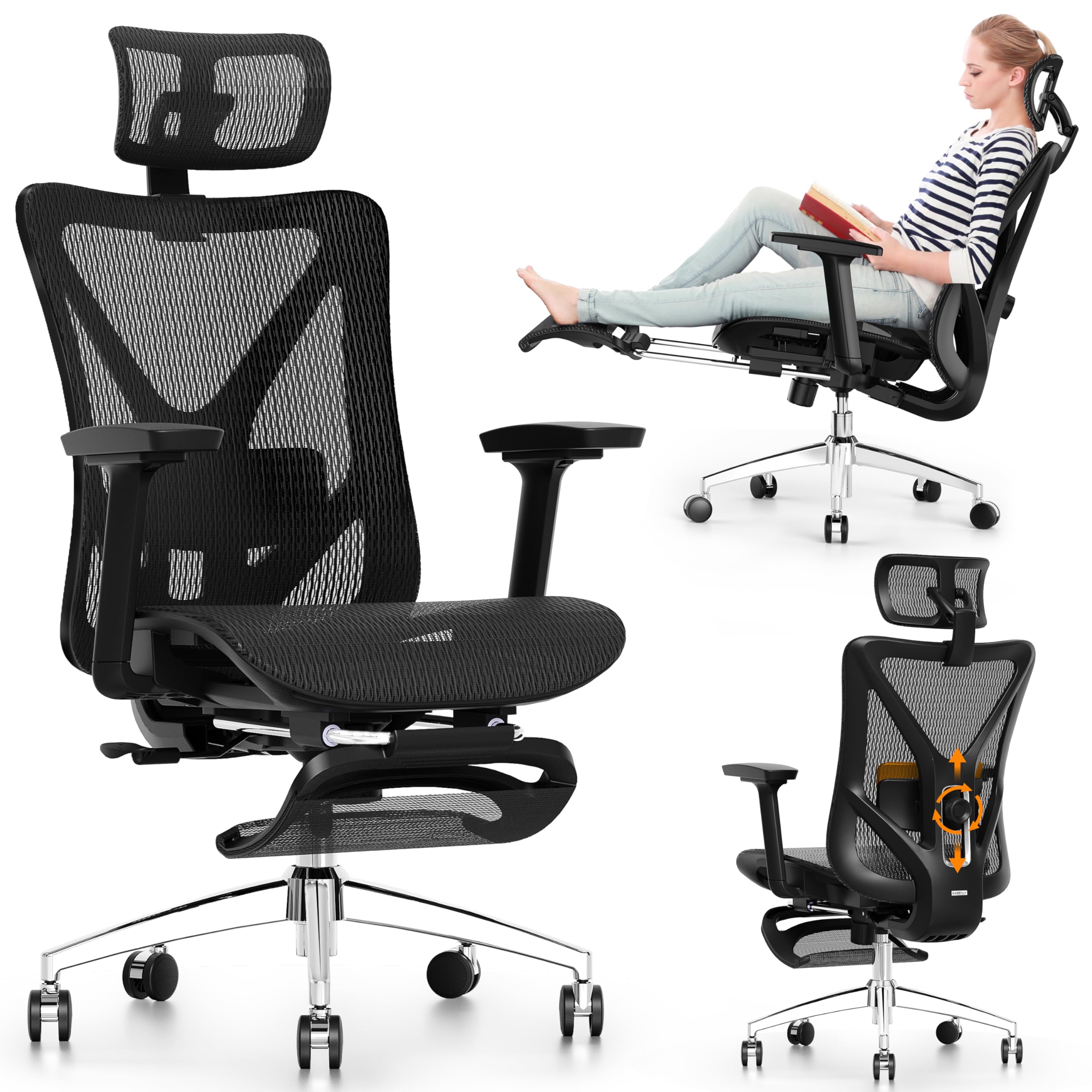
The GABRYLLY’s 135-degree recline and retractable steel footrest allow full-body decompression during breaks — a direct way to unload the tailbone after hours of sitting. The 2-way adjustable lumbar support moves vertically and horizontally, so you can position the pad to tilt your pelvis forward.
The all-mesh back and seat provide breathability similar to the mid-range options above, but the foam lumbar pad and headrest offer additional points of contact that reduce the overall load on the lower spine. The large steel base keeps the chair stable even when fully reclined with the footrest extended.
Several reviews mention that the armrests shift position unintentionally under normal use. If you rely on armrests to stabilize your upper body, this can lead to slouching and posterior pelvic tilt over time. The chair is otherwise sturdy and well-suited for users up to 300 pounds.
Why it’s great
- Deep recline takes pressure off the pelvis
- Steel footrest allows full-body rest positions
- Mesh back keeps the spine cool and supported
Good to know
- Armrests shift unintentionally during use
- Lumbar adjustment is difficult to access once seated
8. CASASIO Ergonomic Office Chair
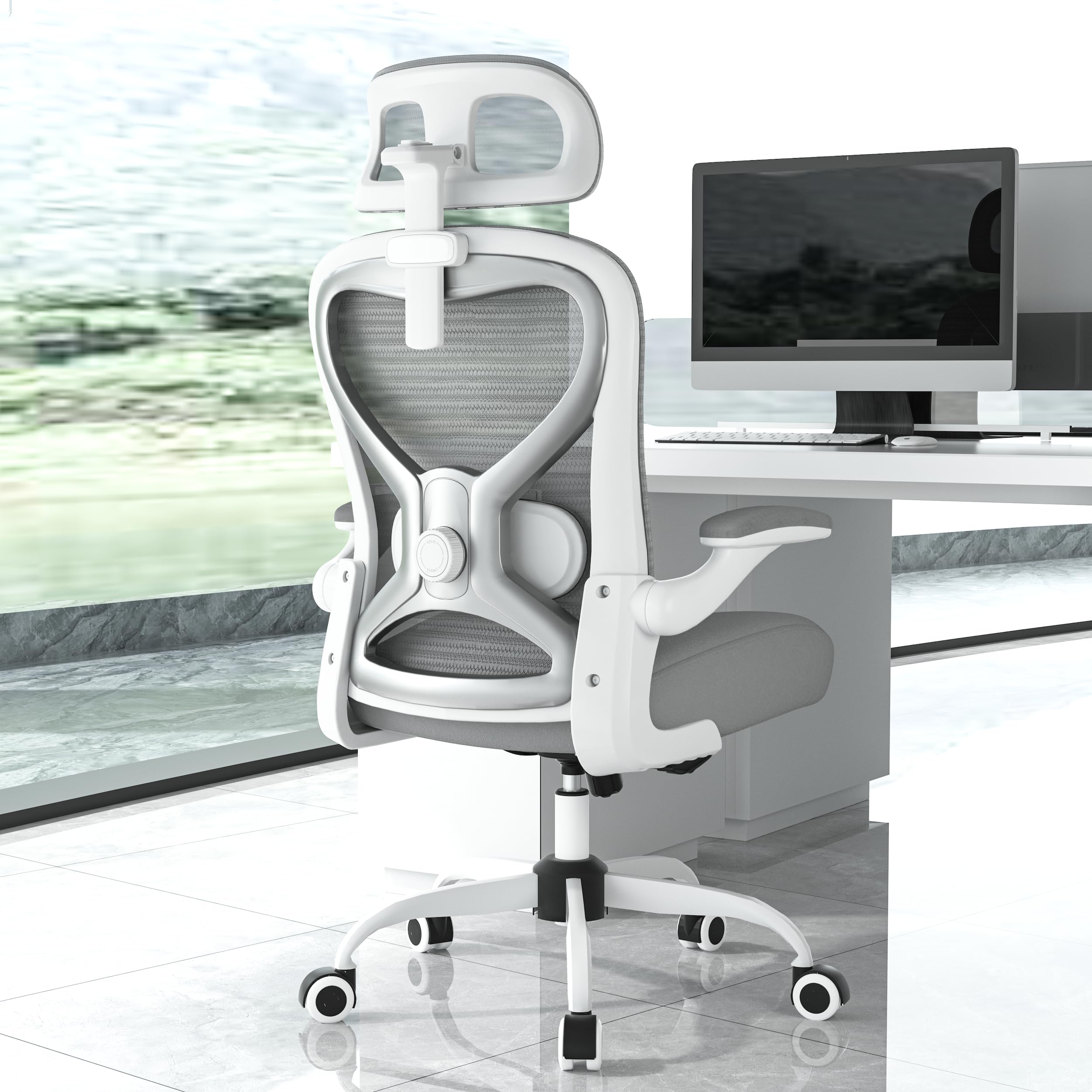
The CASASIO uses 3.5 inches of virgin foam — not recycled foam that compresses quickly — to create a seat that feels plush but resists permanent sagging. For tailbone pain, the key is that the foam is soft enough to conform to the sit bones but firm enough to keep the coccyx from hitting the seat base.
The 2D adjustable lumbar support and 3D headrest provide upper-body stability, which indirectly reduces the temptation to slouch. The tilt-and-rock feature with adjustable tension allows micro-movements that shift weight off the tailbone throughout the day without fully reclining.
Some shorter users find the seat depth too long for optimal knee clearance. If you are under 5’4″, check the seat depth measurement before purchasing. The chair supports up to 300 pounds and assembles in roughly 20 minutes.
Why it’s great
- Virgin foam resists sagging and maintains support
- 2D lumbar support helps maintain pelvic tilt
- Rocking motion promotes weight shifting
Good to know
- Seat depth may be too long for short users
- Armrests are not height-adjustable
9. QLTPLUS Office Desk Chair
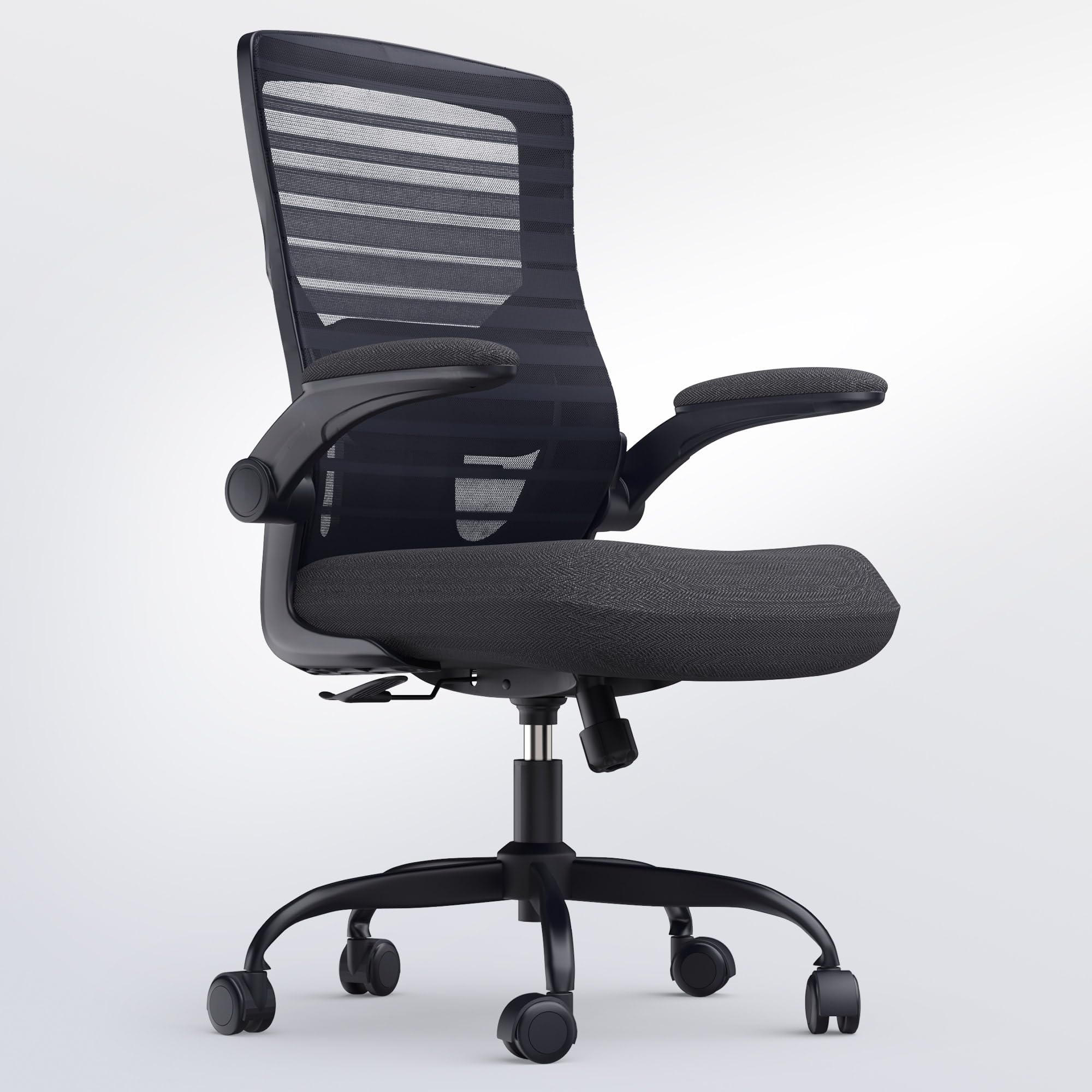
The QLTPLUS uses four inches of molded foam — one of the thickest cushions in its price tier. The foam distributes weight evenly across the thighs and sit bones, and the padding is firm enough to prevent the hammock effect that drives the tailbone into the seat frame.
The contoured mesh backrest and adjustable lumbar cushion provide the basic spinal alignment needed to keep the pelvis from rotating backward. The flip-up armrests allow you to pull the chair close to the desk, which encourages an upright posture rather than a forward lean that compresses the coccyx.
Several users note that the lumbar support cushion slides out of position over time. If you rely on the lumbar pad for pelvic tilt, you may need to reposition it periodically. The chair supports up to 350 pounds and comes with a five-year warranty, making it a low-risk entry point for tailbone relief.
Why it’s great
- Thick molded foam resists bottoming out
- 350-pound capacity with reinforced metal base
- Five-year warranty adds peace of mind
Good to know
- Lumbar cushion slides out of place during use
- Armrests not height-adjustable
FAQ
Will a memory foam cushion help my tailbone pain more than a new chair?
Do I need a coccyx cutout in the seat?
Final Thoughts: The Verdict
For most users, the best chair for tailbone pain winner is the Herman Miller Aeron Size C because the mesh seat and PostureFit SL support actively keep the coccyx suspended and the pelvis neutral. If you want deep recline capability and a dense foam seat that won’t bottom out, grab the Steelcase Gesture. And for a budget-friendly entry point with thick molded foam, nothing beats the QLTPLUS Office Desk Chair.

Mo Maruf
I created WellFizz to bridge the gap between vague wellness advice and actionable solutions. My mission is simple: to decode the research and give you practical tools you can actually use.
Beyond the data, I am a passionate traveler. I believe that stepping away from the screen to explore new environments is essential for mental clarity and physical vitality.