Our readers keep the lights on and my smoothie glass nicely filled. As an Amazon Associate, I earn from qualifying purchases.
Motorcycle paint takes a constant beating—road grit, UV rays, bug splatter, and chain lash all work to dull your finish within weeks of a fresh detail. A liquid polymer shield that chemically bonds to your clear coat is the only way to keep that just-polished depth and gloss through a full season of riding.
I’m Mohammad Maruf — the founder and writer behind WellFizz. I’ve spent hundreds of hours analyzing the chemical make-up, cure times, and real-world hydrophobic performance of SiO₂ spray coatings and semi-permanent ceramic formulas to separate the true protectants from the quick sprays that wash off in two rain cycles.
Whether you’re protecting a daily commuter or a garage-kept cruiser, this guide breaks down the seven top formulas on the shelf to help you pick the best ceramic coating for motorcycles based on your actual prep tolerance and durability expectations.
How To Choose The Best Ceramic Coating For Motorcycles
Motorcycles have far less surface area than a car, but the exposed paint sees more vibration, heat cycles, and direct debris impact. The right coating balances ease of application with the hardness to resist micro-marring from jacket zippers and boot rub. Three specs define that balance.
SiO₂ Content & Self-Healing Properties
The percentage of silicon dioxide in the formula directly determines hardness and hydrophobic longevity. Higher SiO₂ loads (above 60%) produce a glass-like layer that can last multiple years but require meticulous surface prep and a controlled environment to cure without streaks. Some premium formulas add self-healing polymers that flow back into light swirl marks when exposed to heat, a useful trait for tank and fairing panels.
Application Method & Working Time
Spray-and-wipe detailers offer the lowest barrier to entry—ideal for a quick top-up between washes—but they rarely exceed three months of protection. True ceramic coatings that cure over several minutes demand that you work in small sections, remove the residue while still tacky, and avoid direct sunlight. The best pick for you depends on how much time you’ll invest in prep versus how long you want the protection to last.
Durability Claim & Real-World Endurance
Manufacturers often quote years of protection based on ideal garage-kept conditions. In real riding use, UV exposure, road chemicals, and pressure washing degrade the coating faster. Look for coatings that cite wash-cycle resistance (e.g., 500+ washes) rather than just calendar time, and accept that a six-month spray coating is a better match for a winter bike than a five-year ceramic that needs perfect initial adhesion.
Quick Comparison
On smaller screens, swipe sideways to see the full table.
| Model | Category | Best For | Key Spec | Amazon |
|---|---|---|---|---|
| Cerakote Pro Paint Coating | Semi-Permanent | Long-term garage queens | 5-year / 500+ wash durability | Amazon |
| Gtechniq Crystal Serum Light | Semi-Permanent | High-gloss concours builds | Up to 5-year protection | Amazon |
| Magic Shield PRO 10H | Semi-Permanent | Self-healing on panels | 10H hardness / self-healing | Amazon |
| System X Renew Spray | Spray Detailer | Quick monthly topper | 9+ month SiO₂ protection | Amazon |
| Chemical Guys HydroSpeed | Spray Detailer | Bulk use / pro detailers | 128 oz SiO₂ detailer spray | Amazon |
| Nexgen Ceramic Spray | Spray Sealant | Versatile all-vehicle use | 8 oz coats a bike 10 times | Amazon |
| Griot’s Garage Glass Coating | Glass-specific | Windshield hydrophobic | 12-month glass protection | Amazon |
In‑Depth Reviews
1. Cerakote Professional Ceramic Paint Coating
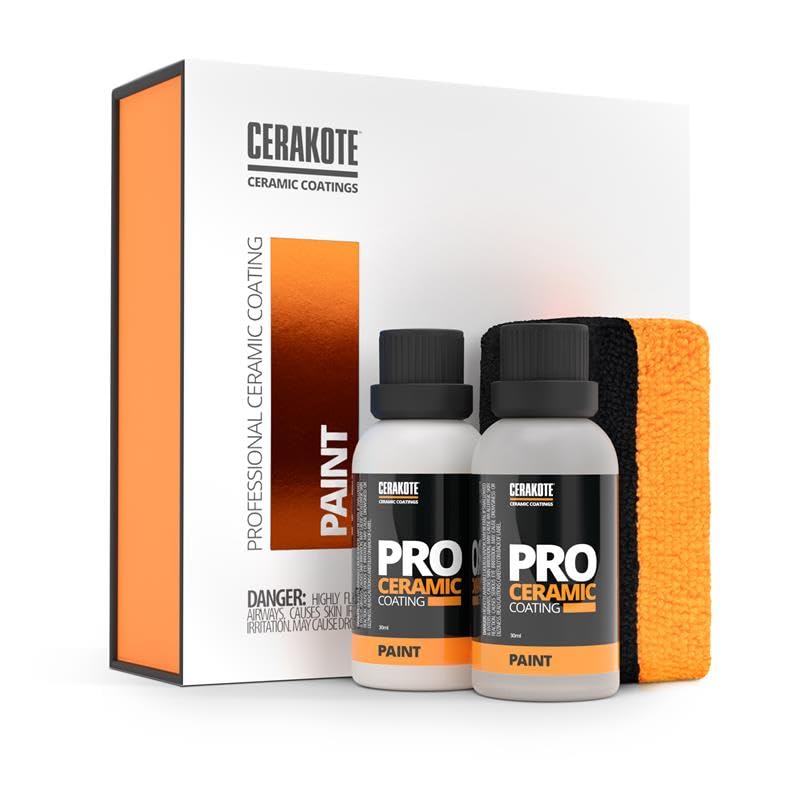
Cerakote brings its industrial coating pedigree to motorcycle paint with a 2-bottle kit (60 mL total) that real-world riders have used to coat full cruisers and sportbikes with material left over. The extreme-hydrophobic formula has been tested through 500+ automated washes in controlled labs, translating to several years of protection against UV fade and chemical etching from bird droppings and road salt. Users report that even heavily oxidized 11-year-old paint recovers deep gloss after proper clay-bar prep and a single application.
The application window is forgiving for a semi-permanent coating — a three-minute flash time lets you work panel by panel without panic, and the included microfiber applicator provides consistent laydown. Multiple first-time DIY reviews note that the final slickness and water beading are indistinguishable from a professional install. The 5-year durability claim is the strongest in this lineup, backed by Cerakote’s reputation in thermal and chemical barrier coatings.
You get two 30 mL bottles, which is enough to treat a full-size touring bike including the saddlebags and front fairing. One reviewer successfully applied a second coat to their hood after storing the leftover in a refrigerator for six weeks, confirming the chemical stability of the remaining product. The only catch — the cure requires a 24-hour period without rain or heavy condensation, so plan your application around a dry garage stay.
Why it’s great
- Industry-leading five-year durability with verified 500+ wash resistance
- Forgiving flash time that suits first-time ceramic applicators
- Residual product remains usable after weeks of proper storage
Good to know
- Requires a full panel-prep routine (strip wash, clay, polish, alcohol wipe)
- Needs a 24-hour dry cure before exposure to moisture
2. Gtechniq Crystal Serum Light

Gtechniq Crystal Serum Light is a consumer-grade version of the professional Crystal Serum Ultra, engineered to offer the same chemical bond with a more forgiving working time. The 50 mL container has proven sufficient to coat a full-size SUV including door jambs and glass, meaning a standard motorcycle will use barely half the bottle. The gloss depth is exceptional — one reviewer noted it filled minor clear coat scratches on a dark blue BMW, creating a surface that looks wet even when dry.
The chemistry here is unique: rather than simply depositing SiO₂ on top of the paint, the formulation cross-links directly with the clear coat, creating a semi-permanent barrier that resists swirl marks from microfiber towels and light contact. Experienced detailers rank the application as the easiest among multi-year coatings, with a two-hour cure before you can layer a top coat versus the four-hour window required on the professional C1 formula. Users confirm that careful panel-by-panel work yields zero streaking.
The product comes from a UK-based company with a strong following among high-end sports car owners, and the motorcycle community benefits from the same chemistry. You should budget for separate applicator pads and high-quality removal towels since the kit does not include them. The five-year durability mark is achievable only if you maintain the surface with compatible pH-neutral soaps and avoid abrasive polishes during the coating’s lifetime.
Why it’s great
- Chemical bonding delivers genuine semi-permanent adhesion to clear coat
- Exceptionally easy wipe-on/buff-off for a multi-year ceramic
- Single 50 mL bottle covers a bike with plenty left over
Good to know
- No applicator pads or removal towels in the package
- To reach the 5-year mark, you must avoid abrasive washes
3. Magic Shield Ceramic Coating PRO 10H
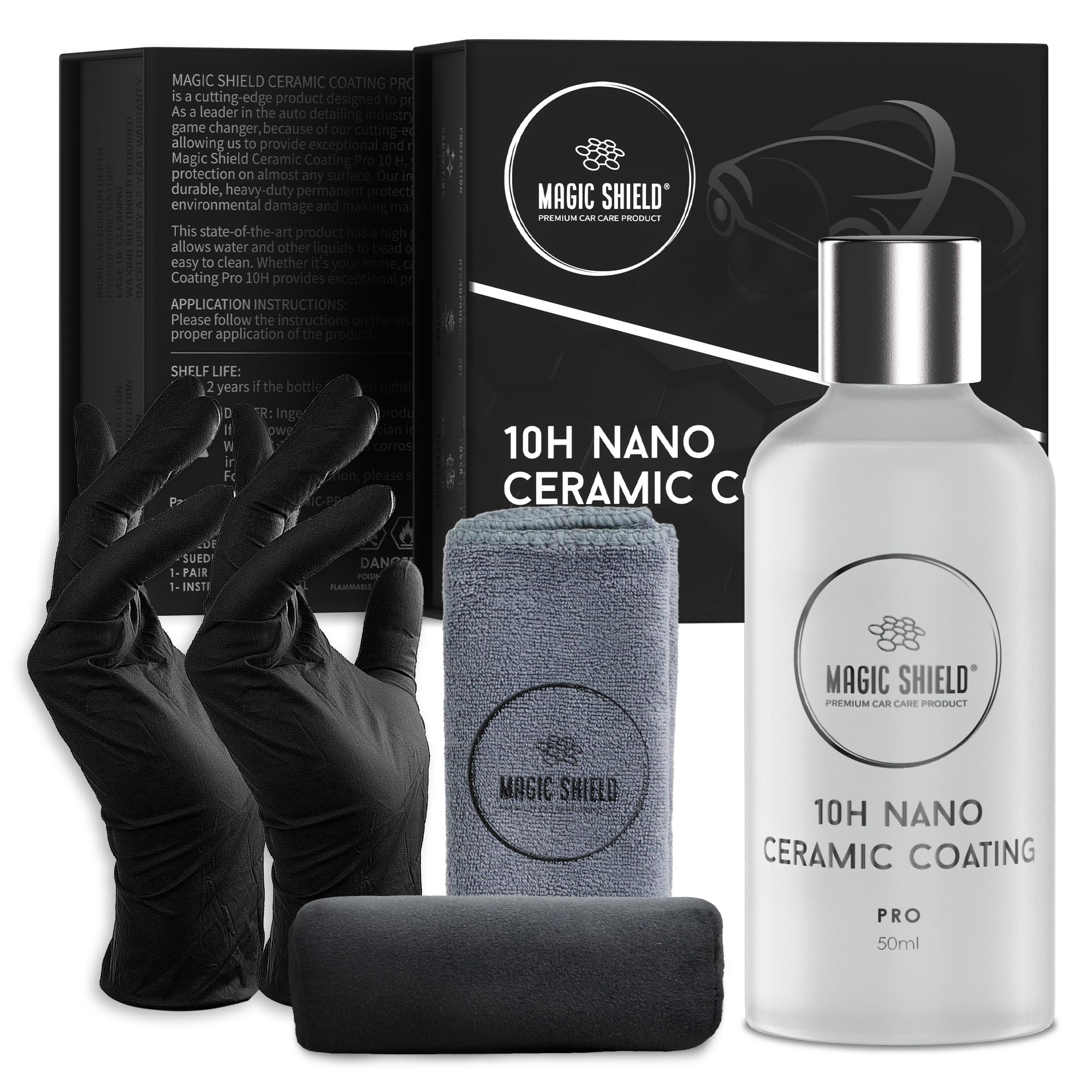
Magic Shield’s PRO 10H formulation leans hard into abrasion resistance, advertising a 10H pencil hardness that places it near the top of the consumer ceramic scale. The self-healing claim is the standout feature — light swirl marks and micro-scratches from jacket zippers or dirty rags are said to reflow when the panel is exposed to heat (direct sunlight or a hot day), keeping the tank and fairings pristine without needing a machine polish. One reviewer applied it to a white coupe and reported the water beading stayed consistent through weeks of outdoor parking.
The liquid is thicker than typical spray coatings, which means it must be applied with a dedicated applicator block rather than a standard towel. Users have had success with airbrush application using a 0.3mm tip at 30 PSI for tight areas like spoke wheels and frame welds. The 50 mL bottle is advertised to coat two cars, so a full motorcycle application uses only a fraction of the bottle — you can do the bike and still have enough left for a second season or to coat a friend’s ride.
The major trade-off is the learning curve. Several reviews describe streaking if the curing time is misjudged — one user called it the hardest ceramic they had ever used. The cure demands that you remove the residue before it fully hardens but after it hazes, a window that varies with ambient temperature and panel type. Beginners should practice on a small area like the rear fender before committing to the gas tank.
Why it’s great
- Self-healing top layer repairs light micro-marring with heat exposure
- Extremely high hardness rating resists real-world contact scratches
- One bottle covers two full-size cars, so a motorcycle yields multiple coats
Good to know
- Thick consistency requires precise cure timing to avoid permanent streaks
- Not beginner-friendly — some users report frustrating results on first attempt
4. System X Renew Ceramic Spray Coating

System X Renew is the bridge between a quick detailer and a true ceramic — it uses a proprietary siloxane-curing SiO₂ formula that forms a semi-permanent chemical bond rather than just depositing wax-like polymers on the surface. The 16.9 oz bottle is generous for motorcycle use; one application on a standard bike consumes maybe an ounce, meaning the bottle will last through multiple full coats and months of top-up sprays. The gloss and slickness rival semi-permanent coatings for the first month, with beading holding strong through the 9-month window.
Application is spray-and-wipe, but it is not as forgiving as a standard detailer. The coating needs a few minutes to flash before buff-off, and users warn that super-plush microfiber towels can shed lint that sticks to the curing surface. A medium-pile or tight-weave towel works best. The formula is safe for all motorcycle surfaces including painted fairings, chrome engine covers, windshield acrylic, and matte black trim, which makes it a true multi-surface product for a full-bike detail session.
Where Renew excels is as a maintainer for an existing ceramic coating. If you already have a 3-to-5-year coating on your bike, spraying Renew after each wash extends the water beading and slickness without stripping the base layer. One reviewer described it as a “spa treatment” rather than a heavy-duty force field — appropriate for riders who want a regular gloss boost without the multi-hour prep commitment of a permanent ceramic.
Why it’s great
- True SiO₂ chemistry that chemically cures onto clear coat
- Large bottle provides many motorcycle applications at a low per-use cost
- Safe for glass, chrome, matte trim, and clear bras
Good to know
- Plush towels may leave lint during the removal stage
- Not as hard as a multi-year coating — 9-month durability is realistic
5. Chemical Guys HydroSpeed Ceramic Quick Detailer

Chemical Guys HydroSpeed is a spray-on, wipe-off ceramic detailer designed for speed — you can hit the entire fairing, tank, fender, and windshield in under ten minutes. The gallon size is overkill for most single-bike owners, but it makes sense if you maintain multiple bikes in a collection or run a side hustle detailing for friends. The SiO₂-infused formula leaves a slick surface that beads water aggressively, with users reporting that dust and road film rinse off far easier than with a standard wax.
Unlike semi-permanent ceramics that require a 24-hour cure, HydroSpeed can be used as a drying aid after a wash without any special timing. Spray it onto a wet panel, wipe dry, and the ceramic polymers bond during the drying process. This makes it a realistic weekly or bi-weekly maintenance step rather than a project-day commitment. The gloss boost is real — one user described a red truck as looking “shiny” after two car washes, indicating the coating survives multiple contact washes without degrading.
The trade-off for this convenience is durability. HydroSpeed is a topper and booster, not a standalone long-term coating. Expect 4-8 weeks of pronounced beading before you need to reapply, depending on how often you ride in rain. For riders who value gloss and ease over year-long protection, this is the most practical option. The 128 oz bottle will likely last an entire riding season even with weekly touch-ups.
Why it’s great
- Exceptional value per ounce in bulk format — ideal for multiple bikes
- Spray-and-wipe application with zero cure time or streaking issues
- Safe on all painted surfaces, glass, chrome, and trim
Good to know
- Frequent reapplication needed compared to semi-permanent ceramics
- Gallon size is excessive for a single motorcycle owner
6. Nexgen Ceramic Spray Silicon Dioxide

Nexgen Ceramic Spray markets itself as a user-friendly entry point into SiO₂ protection, and the numbers back it up — the 8 oz bottle is rated to coat a mid-size sedan 4-5 times, putting a motorcycle application at roughly ten full coats from a single bottle. That means you can layer the product for enhanced depth and durability or use the same bottle across multiple bikes in a household. The spray format requires no special tools: mist onto the surface, spread with a microfiber towel, and buff to a mirror shine.
The real-world feedback from motorcycle riders is positive. Users describe a deep shine and a slick surface that stays cleaner between washes, with dirt and bug residue releasing more easily than untreated paint. The formula is versatile enough for non-painted surfaces including chrome exhaust headers, aluminum wheels, and even vinyl seats, which makes it a useful all-around product for a full-bike detail. The UV resistance is a meaningful bonus for riders who park outdoors during the day.
The catch is the same as with most consumer spray sealants — the protection window is shorter than a true ceramic. Riders who ride daily in wet conditions will notice the beading diminish after about two months. However, because application is so fast, reapplying every month is a five-minute task during the regular wash cycle. For budget-minded owners who want consistent gloss without the intimidation of a two-step ceramic cure, Nexgen delivers reliable results.
Why it’s great
- Extremely high coverage — one bottle yields many motorcycle coatings
- Non-intimidating spray application with excellent initial gloss
- Works on paint, chrome, wheels, vinyl, and plastic trim
Good to know
- Not a multi-year coating; beading fades after about two months of riding
- Best results require a clay-bar prep to remove embedded contaminants
7. Griot’s Garage Ceramic Glass Coating Kit
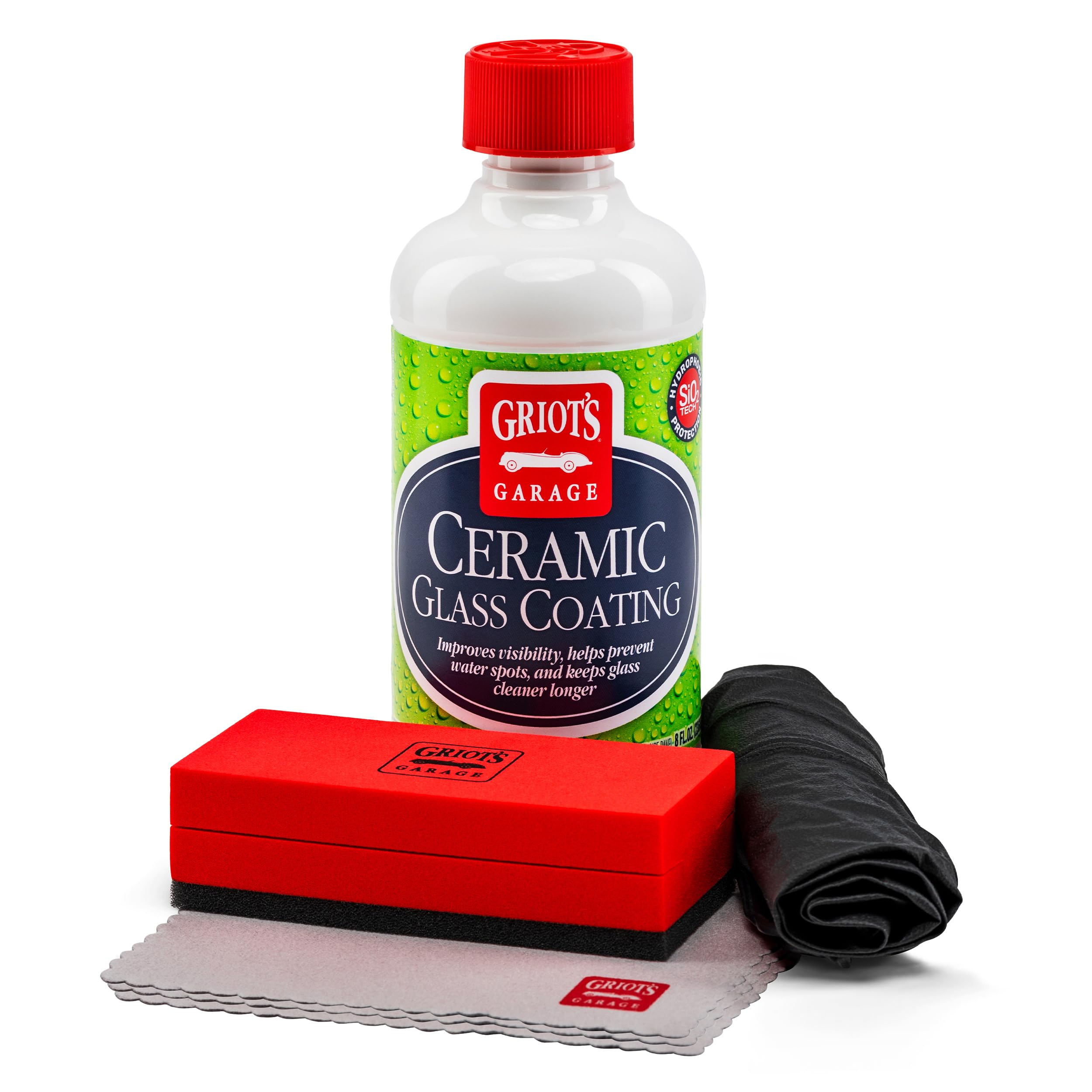
Motorcycle windshields and visors are prime candidates for a glass-specific SiO₂ coating. Griot’s Garage Ceramic Glass Coating is formulated specifically for glass rather than paint, using a siloxane chemistry that bonds optically clear to the surface. The results are immediate — water sheets off at speeds as low as 30 mph, reducing or eliminating the need for wipers on windscreens and preventing bug guts from baking onto the surface. The kit includes an applicator pad and microfiber towels, so you have everything needed in one box.
The durability claims differentiate it from glass treatments like Rain-X. Griot’s promises up to 12 months on a windshield that sees regular wiper use and up to 24 months on wiper-free glass like a motorcycle windscreen or helmet visor. Real-world reviews confirm the coating lasts through a full riding season at minimum, with heavy rain performance described as “water flies off the windshield.” The key to longevity is surface prep — reviewers emphasize claying the glass before application to ensure the Si0₂ layer has a perfectly clean substrate to anchor onto.
Application requires a two-coat process: apply the liquid in one direction, let it haze, buff clean, then repeat perpendicular. The second coat should be removed about seven minutes after application — waiting until fully dry causes difficult removal. Some users report that the price increased since launch, but even at the higher cost the 8 oz bottle treats multiple windscreens and several helmet visor applications. This is a specialized product that targets a specific pain point — if your ride has a large windscreen, this coating transforms wet-weather visibility.
Why it’s great
- Engineered specifically for glass — no hazing on helmet visors or windscreens
- Up to two-year durability on wiper-free motorcycle glass surfaces
- Complete kit with applicator pad and removal towels included
Good to know
- Two-coat perpendicular method is critical for a streak-free finish
- Price point has risen; value depends on how many glass surfaces you treat
FAQ
Can I apply ceramic coating over existing wax on my motorcycle paint?
How long should I wait before riding after applying ceramic coating?
Does ceramic coating protect against rock chips and impact damage?
Final Thoughts: The Verdict
For most users, the best ceramic coating for motorcycles winner is the Cerakote Professional Ceramic Paint Coating because it offers the best balance of real-world durability, forgiving application timing, and chemical resistance at a price that competes with consumer-level kits. If you want a self-healing hard shell that fills minor scratches on the tank and fairings, grab the Magic Shield PRO 10H. And for a fast spray that you can apply weekly without prep, nothing beats the Chemical Guys HydroSpeed in gallon format for the multi-bike owner.

Mo Maruf
I created WellFizz to bridge the gap between vague wellness advice and actionable solutions. My mission is simple: to decode the research and give you practical tools you can actually use.
Beyond the data, I am a passionate traveler. I believe that stepping away from the screen to explore new environments is essential for mental clarity and physical vitality.