Our readers keep the lights on and my smoothie glass nicely filled. As an Amazon Associate, I earn from qualifying purchases.
A pair of everyday shoes that fail to respect the natural shape of your foot can turn a simple walk into a session of pinching, fatigue, and regret. The difference between a shoe that works and one that just looks good often comes down to a few critical millimeters in the toe box and the flexibility of the sole beneath your arch.
I’m Mohammad Maruf — the founder and writer behind WellFizz. I’ve spent countless hours analyzing sole thickness measurements, drop heights, and toe-box geometries across dozens of models to separate the genuinely supportive from the merely marketed.
Whether you are recovering from an injury, transitioning to a more natural gait, or simply tired of cramped footwear, finding the best center shoes means balancing foot shape, cushioning philosophy, and intended use with the precision of a well-fitted last.
How To Choose The Best Center Shoes
Every center shoe starts with a trade-off between natural movement and protective cushioning. The right choice depends on your foot mechanics, the surfaces you frequent, and the amount of sensory feedback your body needs to move efficiently.
Toe Box Shape and Volume
The most important structural feature of a center shoe is the room it gives your toes to splay. A narrow or tapered toe box forces toes together, reducing stability and altering gait. Look for a foot-shaped design—wide at the front, secure at the midfoot—that allows your toes to spread naturally when you bear weight.
Drop and Stack Height
The heel-to-toe drop determines how your foot strikes the ground. Zero-drop shoes place your heel and forefoot level, encouraging a midfoot or forefoot strike. A low drop (2-6mm) softens the transition without eliminating the natural gait. Stack height—the amount of material between foot and ground—governs ground feel; thinner stacks offer more proprioception, thicker stacks dampen shock.
Cushioning Philosophy
Not all cushioning serves the same purpose. Dense, responsive foams return energy but filter less vibration. Soft, plush foams absorb impact but can feel unstable over uneven terrain. If you spend all day on hard pavement, a mid-range stack with a balanced density usually wins. For trail or grass, firmer foam with better ground feedback gives you more control.
Quick Comparison
On smaller screens, swipe sideways to see the full table.
| Model | Category | Best For | Key Spec | Amazon |
|---|---|---|---|---|
| Altra Torin 8 | Road Running | Long runs on pavement | 0mm drop / 28mm stack | Amazon |
| Saucony Hurricane 24 | Stability Running | Overpronation and injury recovery | 8mm drop / PWRRUN+ frame | Amazon |
| Saucony Ride 18 | Neutral Daily | All-day walking and jogging | 8mm drop / PWRRUN+ midsole | Amazon |
| Xero HFS Original | Minimalist | Barefoot transition and low drop | 0mm drop / 5.5mm sole | Amazon |
| Hike Footwear HF Stride | Barefoot Daily | Wide toe box comfort | 0mm drop / thin flexible sole | Amazon |
| New Balance 997 Golf | Spiked Golf | Walking golf courses | Waterproof / replaceable cleats | Amazon |
| New Balance Brighton V2 | Waterproof Golf | Wet-weather golf comfort | CUSH+ insole / waterproof | Amazon |
In-Depth Reviews
1. ALTRA Men’s Torin 8 Road Running Shoe
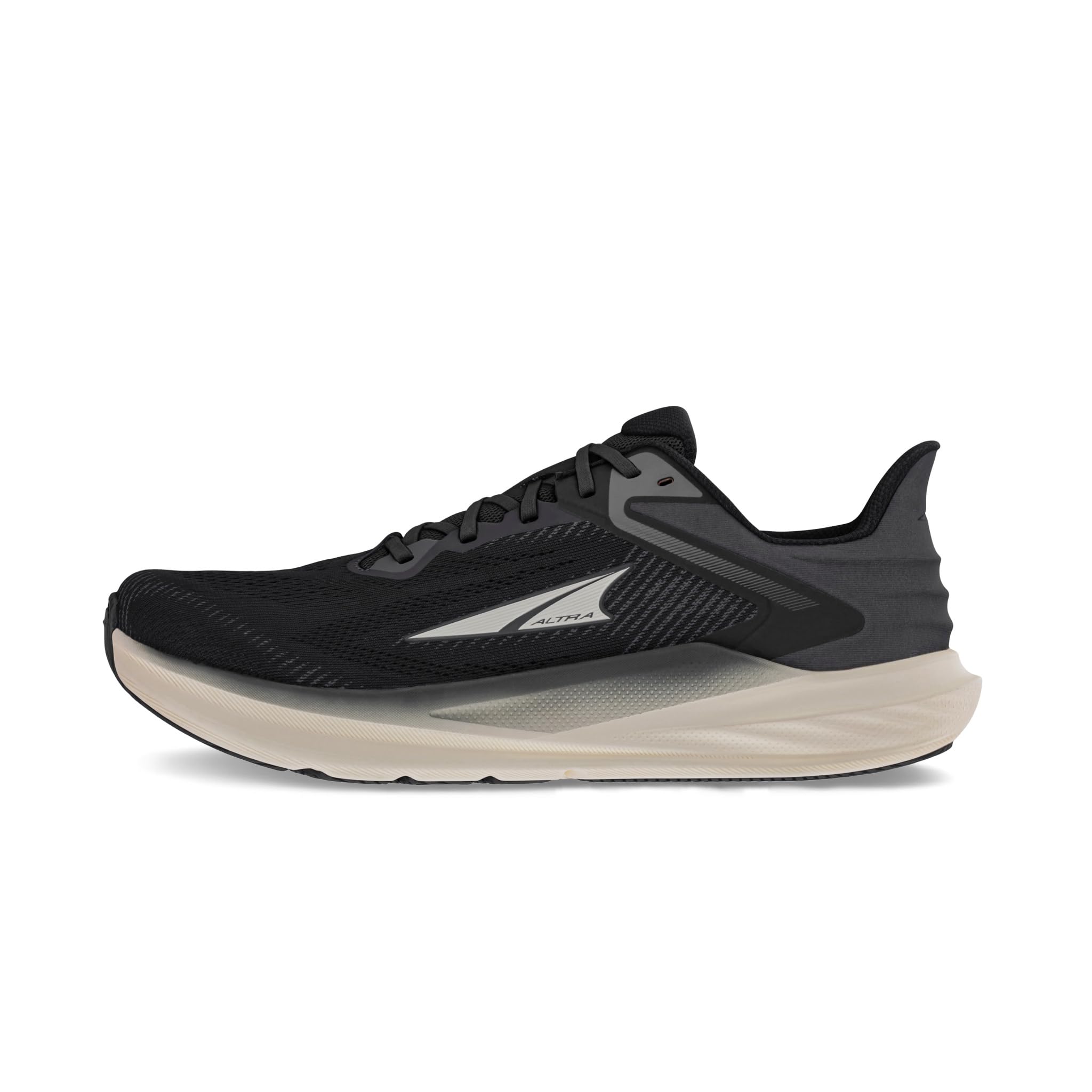
The Torin 8 is ALTRA’s balanced-road platform, pairing a zero-drop geometry with a 28mm stack that delivers plush yet responsive landings. The redesigned upper uses a breathable engineered mesh that keeps the foot ventilated on long summer runs, and the heel counter is rigid enough to lock the rearfoot without any slip. Reviewers note that the toe box is genuinely roomier than competitors like Brooks or Mizuno in the same width designation, making it a strong candidate for runners with wider forefeet.
The midsole uses ALTRA’s EGO MAX foam, which feels springy underfoot without the unstable squish that can make soft trainers wobble on cambered surfaces. Testers running steep technical terrain report excellent stability on both ascents and descents, and the mild rocker shape helps roll through the gait cycle smoothly. A few users experienced blistering on the outer toes during long walks, which suggests the volume may still feel tight for extremely wide feet despite the brand’s reputation.
This shoe demands a short break-in period because the toe-box material starts out stiff, but after roughly 20 miles the mesh softens and conforms to the foot. The Torin 8 works best for runners and walkers who want a zero-drop ride with generous toe splay and enough cushion to handle full-day pavement use without absorbing every vibration.
Why it’s great
- Foot-shaped toe box with real splay room
- Responsive EGO MAX foam with good energy return
- Stable platform for steep hill running
Good to know
- Stiff upper requires a break-in period
- Some users report blisters on outer toes
2. Saucony Women’s Hurricane 24 Sneaker
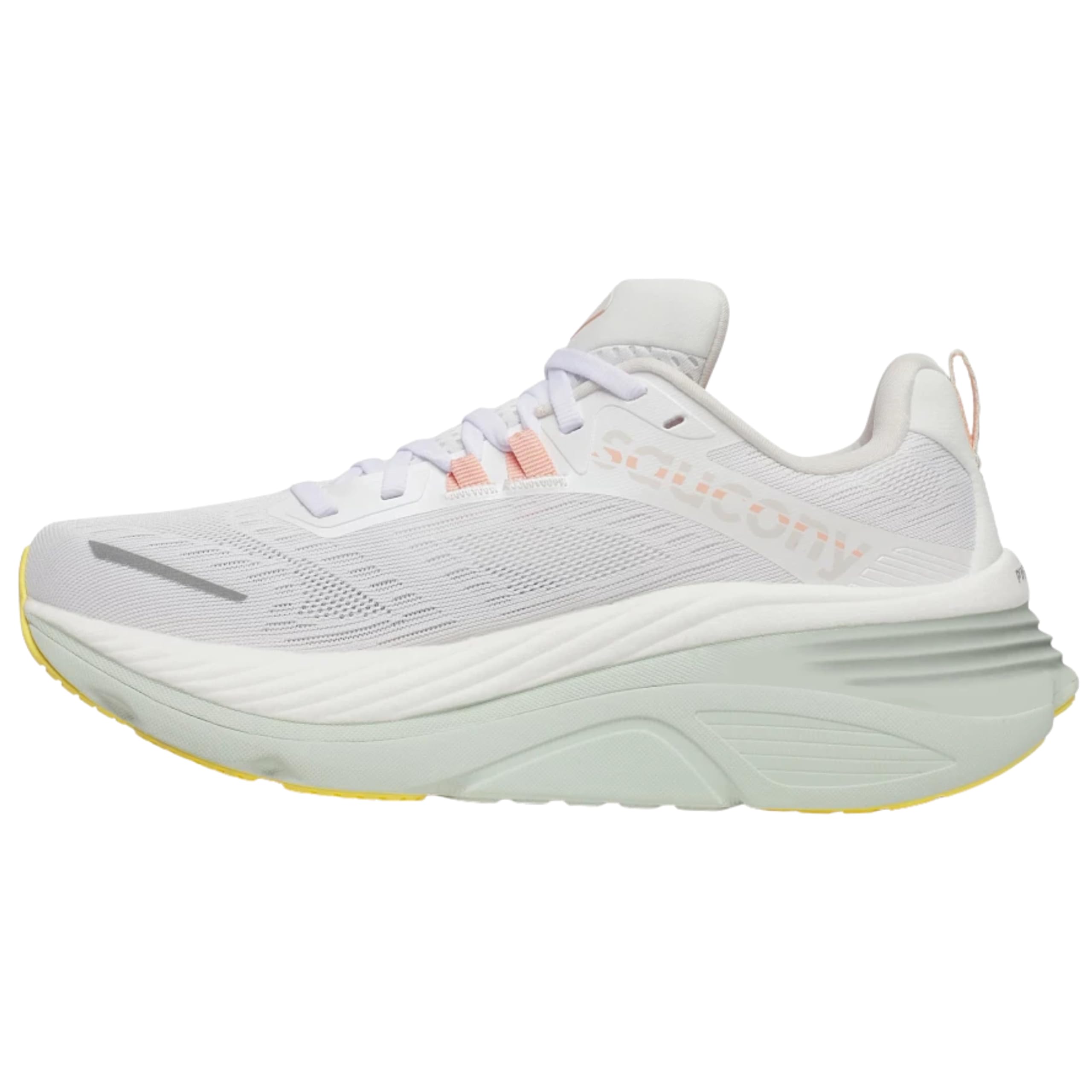
The Hurricane 24 is Saucony’s heaviest stability shoe, built for overpronators and runners recovering from plantar fasciitis or tendon injuries. It uses a PWRRUN+ foam frame that wraps the medial side with a firm density to guide the foot without aggressive posting. The heel-to-toe drop sits at 8mm, which keeps the gait familiar for runners accustomed to conventional daily trainers while adding a chunky, stable platform.
Testers with hammer toes and chronic foot pain report noticeable relief after switching to the Hurricane, and the aggressive toe rocker helps propel the foot forward efficiently during long walks. The wide platform combined with a relatively narrow heel creates a stable landing zone that locks the rearfoot, though the 9.8-ounce weight makes it feel heavy for speed work or tempo runs. A durability concern surfaced around the insole color bleeding into the mesh when cleaned and reflective strips detaching after a few weeks.
This shoe excels for recovery walks, daily errands, and moderate-distance running for those who need structured support. It is not the lightest or most breathable option, but for someone whose primary need is controlling overpronation without sacrificing cushioning, this is the most reliable choice in the mid-range segment.
Why it’s great
- Exceptional support for overpronators
- Wide platform with aggressive toe rocker
- Reduced foot pain for injury recovery
Good to know
- Heavy at 9.8 oz, not ideal for speed
- Insole color and reflective strip durability issues
3. Saucony Women’s Ride 18
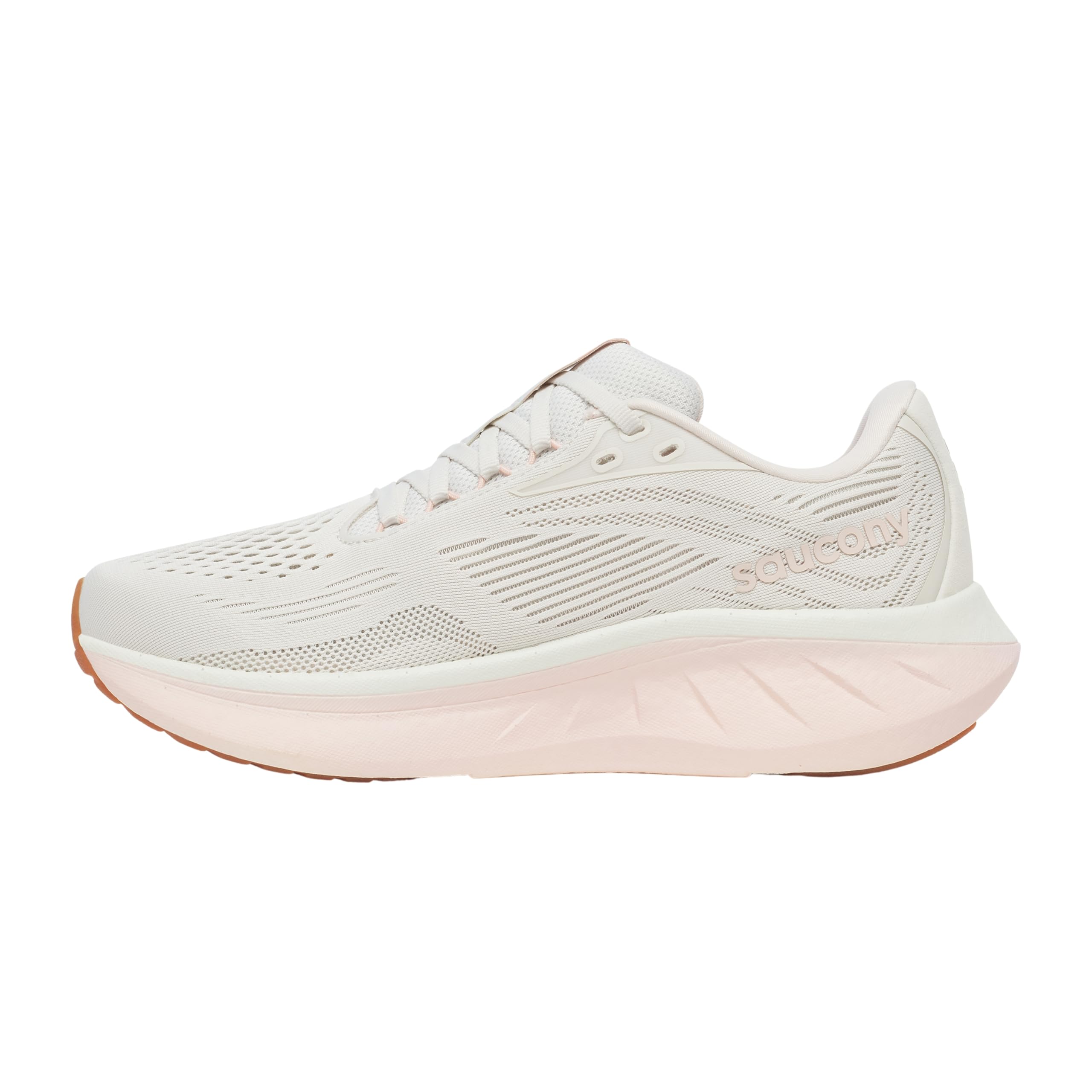
The Ride 18 occupies the sweet spot of everyday neutral trainers, combining an 8mm drop with a full-length PWRRUN+ midsole that balances softness with responsiveness. The outsole rubber is laid out in high-wear zones to extend durability, and the upper is a lightweight mesh that breathes well during warm-weather walks. Runners with previous plantar fasciitis report that the shock absorption in the heel and forefoot eliminated the joint pain they experienced in harder trainers.
Multiple reviews confirm that sizing runs true, with a toe box wide enough to accommodate a larger big toe without rubbing. The heel counter is padded enough to prevent slip without trapping heat, and the overall shape feels natural for both straight-line jogging and casual movement around the house. One recurring observation is that the shoe causes excessive foot sweating in some users despite the mesh ventilation, and the light-colored uppers show permanent discoloration after mud or grass exposure.
This is a straightforward, high-mileage trainer for people who want a comfortable, supportive shoe without the weight or cost of a max-cushion model. It does not correct severe overpronation, but for neutral gaits it delivers a smooth ride that reduces fatigue across full-day wear.
Why it’s great
- Cushioned heel and forefoot reduce joint fatigue
- True-to-size fit with decent toe room
- Versatile for walking, jogging, and daily errands
Good to know
- Upper shows permanent discoloration easily
- Some users report excessive foot sweating
4. Xero Shoes Women’s HFS Original Barefoot Running Shoes
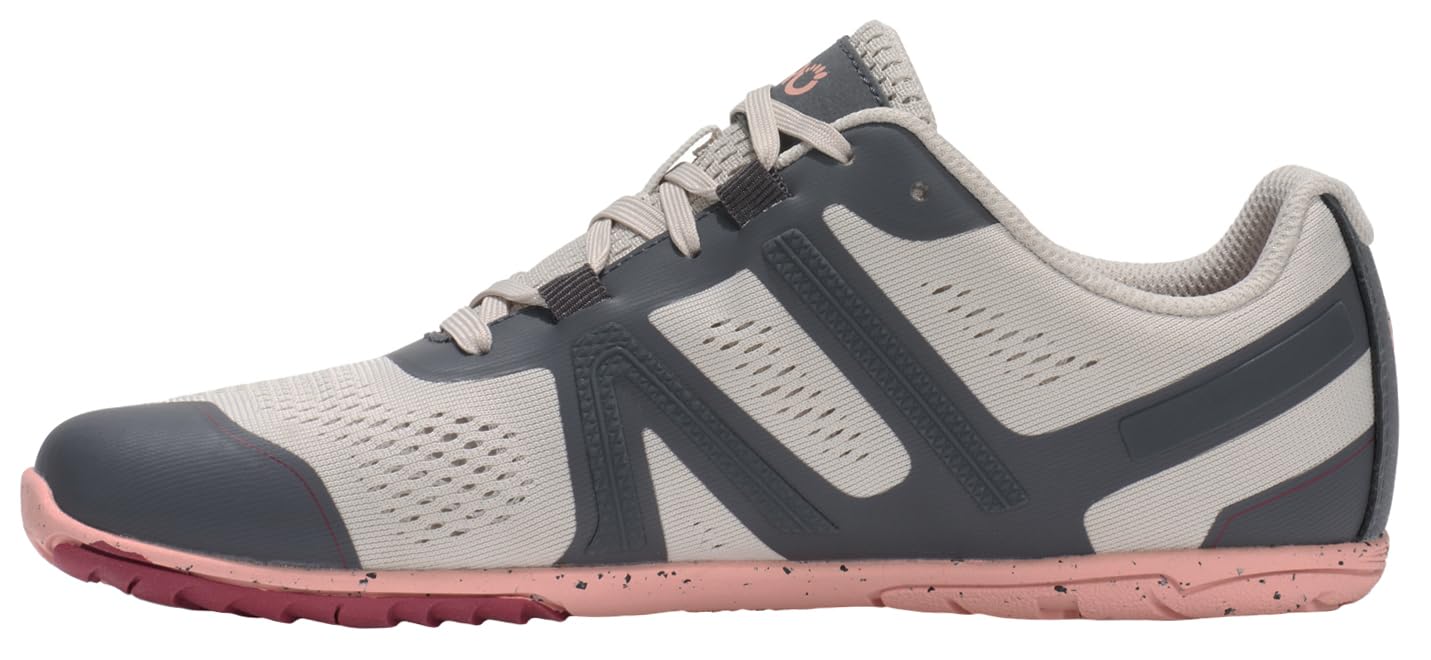
The HFS Original is a pure minimalist trainer with a 5.5mm FeelTrue sole that provides just enough puncture protection while preserving maximum ground feedback. The wide, seam-free toe box gives bunions and splay-toe walkers room to spread naturally, and the flexible sole bends with the metatarsals rather than fighting them. One reviewer logged over 700 pain-free miles in 100 days after a decade of foot and knee issues, crediting the shoe’s ability to let the foot function as designed.
The upper is a thin mesh with no structural overlays, which keeps the shoe lightweight but offers minimal lateral support for cutting movements. The sole works well on pavement and packed gravel but feels harsh on concrete for distances beyond 5K, and a few testers experienced knee or Achilles pain during the transition period when their calves had to adapt to the zero-drop platform. The printed branding wore off on the first day for one user, revealing the limited cosmetics of an otherwise functional build.
This shoe is best for barefoot enthusiasts and sensory-processing runners who want maximum ground feel. It requires a gradual transition if you are coming from a traditional cushioned shoe, but for those who commit, the improvement in foot strength and stride efficiency is dramatic.
Why it’s great
- Extremely flexible sole allows natural foot movement
- Wide, seamless toe box ideal for bunions
- Promotes better foot strength over time
Good to know
- Not suited for long distance on hard concrete
- Requires gradual adaptation to zero drop
5. Hike Footwear HF Stride – Hands-Off & Ergonomic Barefoot Shoes
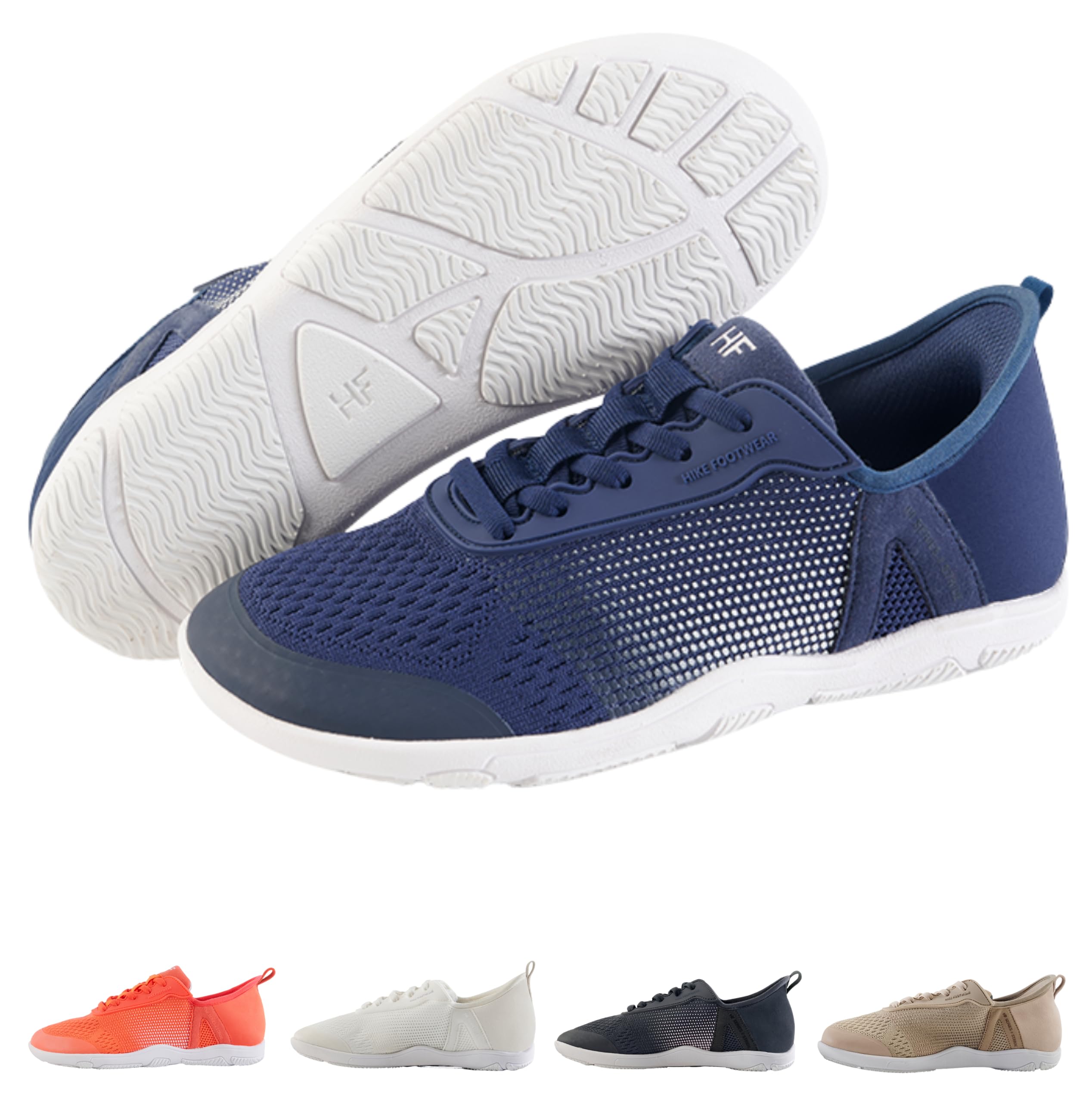
The HF Stride is an entry-level barefoot shoe that prioritizes a wide toe box and a thin, flexible sole at a very accessible price point. The upper is a soft knit that stretches slightly to accommodate different foot volumes, and the outsole has a moderate tread pattern that provides decent traction on tile floors, gravelly trails, and wet grass. Multiple reviews from older users highlight this shoe as a solution for balance improvement, with a 74-year-old user reporting immediate comfort and bunion relief after switching from conventional footwear.
The sizing runs small based on multiple customer reports; half-size buyers consistently need to order one size up to avoid toe rubbing. The shoe has zero arch support by design, so anyone transitioning from a supportive shoe will feel a distinct difference in the underfoot sensation. The insole is removable, allowing users to insert their own orthotics or simply get closer to the ground. It comes in unisex sizing, which expands the fit range but also means the last is not optimized specifically for men’s or women’s foot proportions.
This is a solid starting point for anyone curious about barefoot shoes without wanting to invest heavily. It performs well for light daily wear, short walks, and indoor environments, though it may not hold up to aggressive trail use at the same level as premium minimalist models.
Why it’s great
- Generous toe box for bunion comfort
- Lightweight with good traction on mixed surfaces
- Removable insole for custom orthotics
Good to know
- Runs small, size up for proper fit
- Zero arch support, not for transitioning users
6. New Balance Men’s 997 Golf

The 997 Golf is New Balance’s spiked option for golfers who walk the course and need reliable traction without compromising comfort. It features replaceable cleats that provide excellent grip even on damp fairways, and the upper construction is fully waterproof—testers reported no moisture inside after early morning rounds with heavy dew. The midsole uses a CUSH+ insole that delivers more plushness than typical golf shoes, which tend to prioritize rigidity over comfort.
Owners compare this model favorably against competitors like FootJoy and Adidas, citing superior out-of-box comfort and a wider fit that accommodates broad forefeet without pinching. The styling is clean and the build quality feels substantial, with no reports of sole separation or stitching failures. The trade-off is that the waterproof membrane reduces breathability, so on hot summer rounds the interior can feel warmer than an unlined athletic shoe.
This is a premium pick for the dedicated walker-golfer who values comfort over 18 holes above all else. The ability to customize the spike pattern and the low weight relative to other waterproof options make it a standout in the golf-specific segment.
Why it’s great
- Excellent waterproofing that holds up in wet conditions
- Superior walking comfort compared to competitors
- Replaceable cleats offer traction customization
Good to know
- Reduced breathability in hot weather
- Premium price point for a sport-specific shoe
7. New Balance Men’s Brighton V2
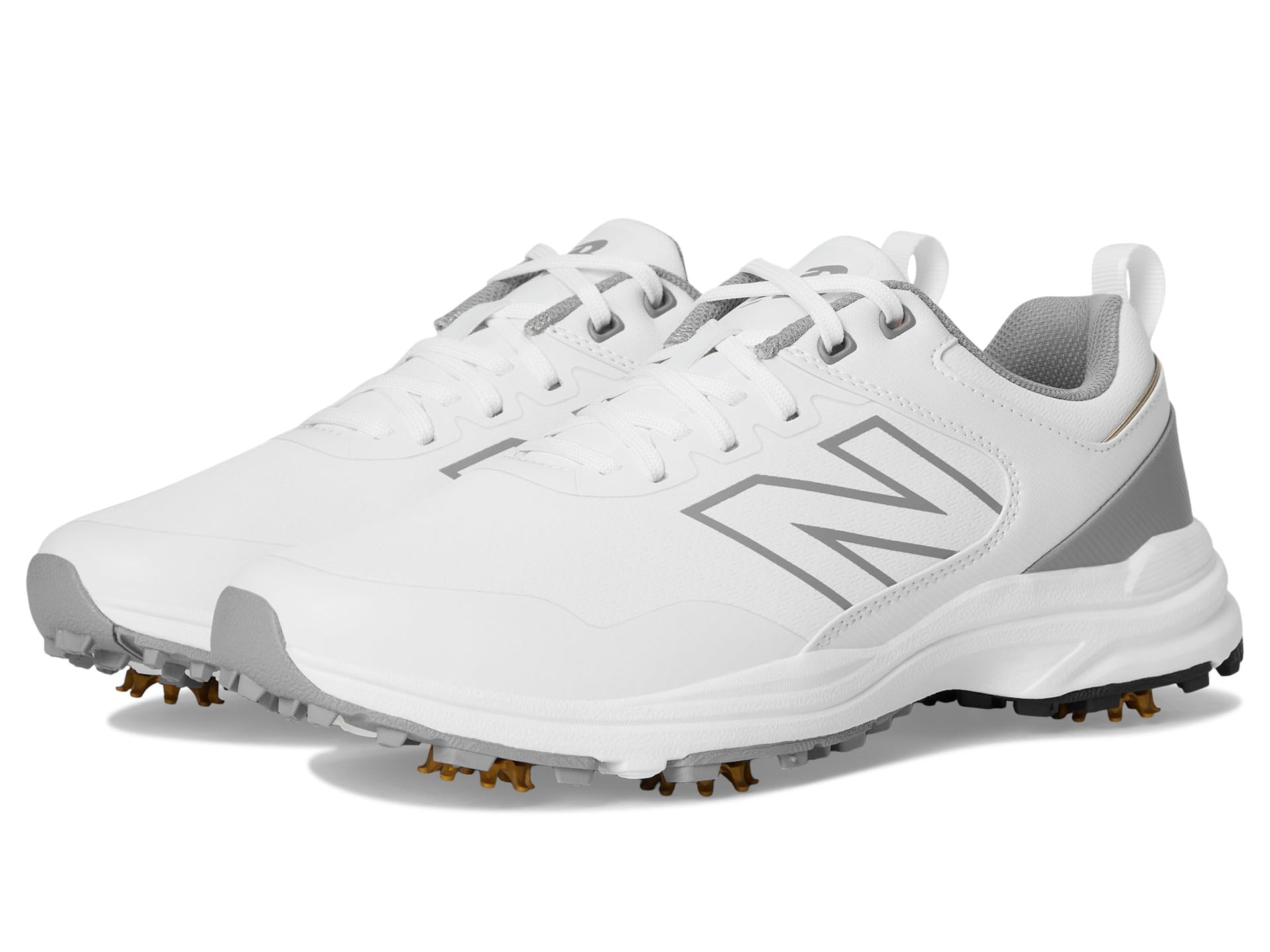
The Brighton V2 is a spikeless golf shoe designed for casual rounds and driving range sessions where maximum grip is less important than all-day comfort. It uses the same CUSH+ insole found in New Balance’s walking shoes, giving it a soft step that feels more like an athletic sneaker than a traditional golf shoe. The waterproof membrane keeps feet dry through damp mornings, and the outsole features a tread pattern that provides enough bite on dry grass to prevent slipping during swing rotation.
Multiple reviewers call this the most comfortable golf shoe they have ever worn, with several users on their fourth purchase citing reliable waterproofing and consistent sizing. The white/grey colorway is clean but shows scuffs and grass stains quickly, and the lining has a pink interior as a Masters-season design cue that some buyers found unexpected. The overall build is lightweight and the toe box is spacious enough for a wider foot, though the spikeless design limits traction on wet or steep lies.
This shoe is best for the recreational golfer who walks the course casually and prioritizes comfort over tournament-level traction. Its mid-range pricing and proven durability make it a practical choice for anyone wanting a waterproof sneaker-style golf shoe without premium frills.
Why it’s great
- Out-of-box comfort comparable to athletic sneakers
- Reliable waterproofing for wet conditions
- Spacious fit for wider feet
Good to know
- Spikeless sole reduces traction on wet grass
- Light color upper shows grass stains easily
FAQ
How long does it take to adjust to a zero-drop shoe?
Can I wear barefoot shoes if I have high arches?
What is the difference between a wide toe box and a wide shoe?
Are golf-specific shoes necessary or can I use regular trainers on the course?
Final Thoughts: The Verdict
For most users, the best center shoes winner is the ALTRA Torin 8 because it pairs a genuinely foot-shaped toe box with responsive zero-drop cushioning that works all day on pavement and trail alike. If you need structured stability for overpronation or injury recovery, grab the Saucony Hurricane 24. And for the pure minimalist who wants maximum ground feel and toe freedom without the premium price, nothing beats the Hike Footwear HF Stride.

Mo Maruf
I created WellFizz to bridge the gap between vague wellness advice and actionable solutions. My mission is simple: to decode the research and give you practical tools you can actually use.
Beyond the data, I am a passionate traveler. I believe that stepping away from the screen to explore new environments is essential for mental clarity and physical vitality.