Our readers keep the lights on and my smoothie glass nicely filled. As an Amazon Associate, I earn from qualifying purchases.
Finding a phone that delivers real flagship-tier performance—camera quality, battery endurance, and that smooth day-to-day speed—without breaking past a $500 ceiling is tougher than ever. The market forces tough tradeoffs: do you prioritize the latest processor, a superior camera system, or the longest software support timeline? The answer depends entirely on which compromises you are willing to live with.
I’m Mohammad Maruf — the founder and writer behind WellFizz. I have spent hundreds of hours cross-referencing processor benchmarks, camera sensor specifications, battery capacity figures, and real-world user feedback to separate the genuine value plays from the overhyped options in this specific price bracket.
The goal of this guide is to help you identify the absolute best value for your needs. After deep research, the best cellphones under $500 are those that blend meaningful performance, reliable software support, and cameras that punch above their weight class.
How To Choose The Best Cellphones Under $500
Selecting a phone in this bracket means evaluating the intersection of processor capability, camera system quality, battery endurance, and long-term software support. The right balance depends on your specific daily habits.
Processor and Real-World Performance
The SoC determines not just gaming frame rates, but app launch speeds, camera processing, and how many years the phone feels snappy. Google’s Tensor G-series chips excel at AI-driven tasks like real-time photo editing and voice transcription, while Apple’s A15 and A16 Bionic chips in this bracket (via renewed models) deliver raw CPU/GPU grunt that remains competitive for several years.
Camera System Quality
Look beyond megapixel count. The size of the main sensor (measured in inches or µm pixel pitch) dictates low-light performance. An optical zoom lens is a genuine luxury at this price—you primarily find wide and ultrawide combinations. Computational photography (Google’s HDR+ or Apple’s Smart HDR) can make a huge difference.
Battery Capacity vs. Endurance
mAh is the raw fuel tank size, but efficiency is dictated by the processor and display refresh rate. A phone with a 4,300mAh battery and an efficient chip can outlast a competitor with 5,000mAh and a power-hungry SoC. Check third-party battery tests for real-world screen-on time.
Software Update Commitment
This is a multi-year purchase. Google offers 7 years of OS and security updates on its Pixel A-series and flagship lines. Apple provides similar longevity through iOS updates for iPhones, though a renewed iPhone may already be on a shorter update runway. Avoid phones with uncertain update timelines.
Quick Comparison
On smaller screens, swipe sideways to see the full table.
| Model | Category | Best For | Key Spec | Amazon |
|---|---|---|---|---|
| Google Pixel 10a | Android | Long-term software support + AI features | 7 years OS updates | Amazon |
| Google Pixel 9a | Android | Best value new phone + all-day battery | 4,300 mAh battery | Amazon |
| Apple iPhone 15 (Renewed) | iOS | Latest-gen features at a discount | A16 Bionic chip | Amazon |
| Apple iPhone 14 (Renewed Premium) | iOS | Reliable premium iOS experience | 6.1″ Super Retina XDR display | Amazon |
| Apple iPhone 13 Pro (Renewed) | iOS | ProMotion display + telephoto lens | 6x optical zoom range | Amazon |
| Apple iPhone 13 (Renewed) | iOS | Entry-level Apple ecosystem at low cost | 3,240 mAh battery | Amazon |
| Google Pixel 7 | Android | Best camera for still photos | Google Tensor G2 chip | Amazon |
In‑Depth Reviews
1. Google Pixel 10a
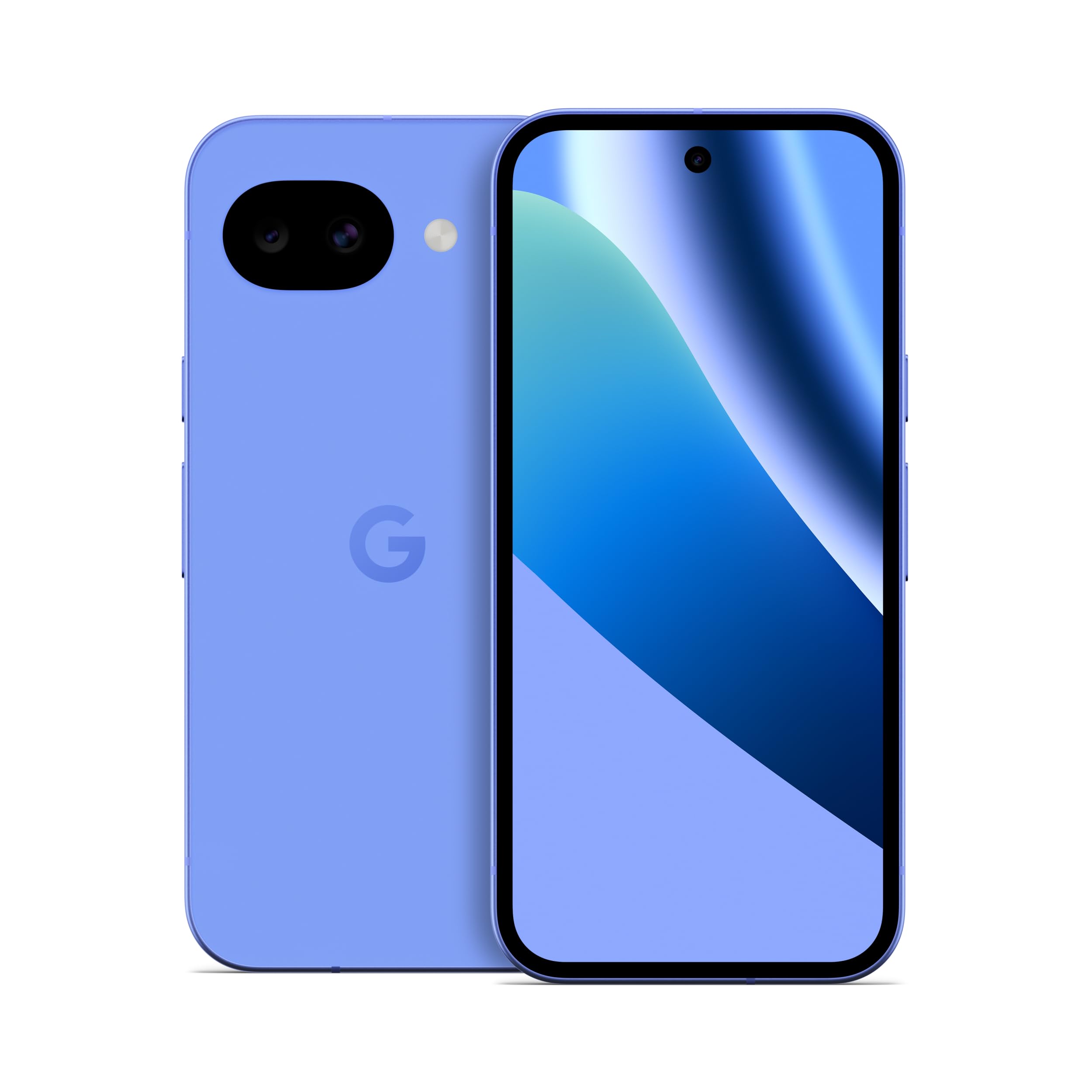
The Google Pixel 10a redefines expectations for the mid-range segment. It is powered by a chip that handles daily tasks with ease, but its standout feature is the 30+ hour battery life, supported by a 4,300 mAh cell and the efficiency of the Tensor G-series architecture. The 6.3-inch Actua display reaches 3,000 nits peak brightness, making outdoor visibility a non-issue.
User reviews consistently praise the camera’s ability to capture crisp, detailed photos in tough lighting conditions, thanks to Google’s computational photography algorithms. The Camera Coach feature is a genuine aid for framing shots. The IP68 dust and water resistance adds a layer of durability that is rare at this price point.
The 7-year commitment to Pixel Drops and security updates is unmatched in the Android space. The only compromise is the lack of a dedicated telephoto lens, and some users find the AI suggestions intrusive. For those who plan to keep a phone for several years, this is the safety-first choice.
Why it’s great
- Longest software support promise of any Android phone in this class
- Excellent camera performance in all lighting conditions
- Long battery life with efficient charging
Good to know
- Processor is not optimized for heavy gaming
- No dedicated telephoto lens
- AI features can feel pushy to some users
2. Google Pixel 9a

The Pixel 9a strikes the hardest-to-beat balance in this price range. It is powered by the same Tensor G-series chip that drives Google’s flagship software features, including Gemini AI integration for tasks like real-time transcription and photo editing. The adaptive battery easily surpasses a full day of heavy use, and Extreme Battery Saver pushes endurance beyond 100 hours.
Reviewers highlight the camera as the primary reason to buy. The combination of a capable main sensor and Google’s HDR processing produces images that rival phones costing significantly more. Features like Add Me and Best Take for group photos are genuinely useful, not gimmicks. The IP68 rating and scratch-resistant display add confidence.
The only real downside is the lack of a high-refresh-rate display at its default setting—users need to manually enable 120Hz. Stock Android remains clean and bloatware-free, and the 7-year update promise mirrors its pricier sibling. This is the new-phone benchmark for value.
Why it’s great
- Exceptional camera system with AI-powered editing tools
- All-day battery with extreme endurance mode
- 7 years of software and security updates
Good to know
- Display defaults to 60Hz refresh rate
- Not ideal for intensive 3D gaming
- Limited availability of case accessories at launch
3. Apple iPhone 15 (Renewed)

The iPhone 15 brings the A16 Bionic chip, a 48MP main camera, and the USB-C port to the renewed market, offering a modern feature set at a significant discount. The Dynamic Island interface and super-high-resolution photo output (24MP and 48MP) are features not found on earlier models. The 6.1-inch Super Retina XDR display delivers consistent color accuracy.
User feedback shows that most units arrive with battery health around 83-90%, which is acceptable for a renewed device. The camera system captures excellent detail in good light, and the video stabilization remains best-in-class. Setup is straightforward for existing Apple users, and eSIM activation works without issues.
The main risk with renewed units is cosmetic condition and battery cycle count. Reviewers report minor screen scratches and scuffs on the aluminum frame, but these are hidden by a case. The A16 chip ensures performance remains strong for years, but the phone only charges at USB 2.0 speeds over USB-C.
Why it’s great
- 48MP main camera with computational photography features
- USB-C connector for modern accessory compatibility
- A16 Bionic chip provides excellent long-term performance
Good to know
- Renewed units may have battery health below 90%
- Limited to USB 2.0 transfer speeds over USB-C
- Cosmetic wear is common on the body and screen
4. Apple iPhone 14 (Renewed Premium)

The iPhone 14 in its “Renewed Premium” tier offers the closest experience to a new phone without the new price tag. The 6.1-inch Super Retina XDR OLED display delivers vibrant colors and deep blacks, while the A15 Bionic chip provides performance that still matches modern apps and games. The Action mode for video stabilization is a practical bonus.
Customer reviews overwhelmingly report units arriving with 100% or near-perfect battery health, with zero scratches on the screen or body. The device is unlocked and works across all major carriers. Face ID is responsive, and the camera system produces consistent, reliable images in most lighting conditions.
The absence of a charging cable included is a minor inconvenience. The Lightning connector is a legacy port, and the phone lacks the Dynamic Island feature found on the iPhone 15. For under $500, this is a low-risk entry point for iOS with near-new quality.
Why it’s great
- Consistently arrives with high battery health (97-100%)
- Flawless cosmetic condition as described
- Reliable A15 Bionic performance for daily use
Good to know
- Uses Lightning connector instead of USB-C
- No charging cable included in the box
- Lacks Dynamic Island interface of later models
5. Apple iPhone 13 Pro (Renewed)

The iPhone 13 Pro is the only device in this roundup to offer ProMotion, the variable 120Hz display, and a dedicated telephoto lens (3x optical zoom). The surgical-grade stainless steel frame and Ceramic Shield front provide a premium feel that is absent from standard aluminum iPhones. The A15 Bionic chip with a 5-core GPU handles gaming and video editing with ease.
User reports indicate that many units arrive with aftermarket batteries at 100% health, though this triggers a non-genuine part notification in iOS. The camera system remains excellent, with the telephoto lens enabling portrait shots and zoomed-in details that the standard iPhone 13 cannot match. The 256GB storage capacity is a significant advantage.
The tradeoffs are worth noting: the screen may have minor micro-scratches, and the stainless steel sides show scuffs more easily than aluminum. The physical SIM tray may not work with some carriers, requiring eSIM-only activation. If a smooth display and optical zoom are priorities, this is the pick.
Why it’s great
- 120Hz ProMotion display for smoother scrolling and interactions
- 3x optical zoom telephoto lens for better portrait and distance shots
- Premium stainless steel build with high storage capacity (256GB)
Good to know
- Aftermarket batteries may trigger non-genuine part warnings
- Stainless steel frame is prone to micro-scratches
- Physical SIM may not be functional on all units
6. Apple iPhone 13 (Renewed)

The standard iPhone 13 remains a strong performer in 2024, thanks to the A15 Bionic chip that still outpaces many mid-range Android SoCs. The 6.1-inch OLED display and dual-camera system (wide and ultrawide) deliver a consistent, reliable experience. For a buyer who wants reliable iOS access at the lowest possible cost, this fits.
User experiences vary significantly with renewed units. Some reviewers receive phones with 85% battery health and flawless cosmetic condition, while others report units with battery health as low as 78% or defects like no speaker volume. The variability requires caution—buying from a seller with a generous return policy is critical.
The phone supports 5G networks and has a Lightning connector. It lacks the telephoto lens and ProMotion display of the 13 Pro, but for standard social media, messaging, photography, and light gaming, it handles everything smoothly. The main risk is the lottery of battery health and potential cosmetic damage.
Why it’s great
- Lowest cost entry point into the Apple ecosystem with 5G
- A15 Bionic chip still delivers competitive performance
- Compact and lightweight design with a high-quality OLED screen
Good to know
- Battery health varies drastically between units (78-92% reported)
- Speaker or battery defects reported by some buyers
- Screen may have micro-scratches and frame has scuffs
7. Google Pixel 7

The Google Pixel 7, powered by the first-gen Tensor G2 chip, remains a compelling option purely for its camera capabilities. The 50MP main sensor paired with Google’s computational photography produces consistently excellent stills in any lighting condition. The Magic Eraser, Photo Unblur, and Real Tone features provide editing tools that no other phone in this class offers.
The 6.3-inch 90Hz display is vibrant and responsive. The stock Android experience is clean, with nearly no bloatware. Google’s call screening, Now Playing, and car crash detection features add daily utility. The IP68 rating provides water and dust protection against accidents.
The Tensor G2 chip is not a gaming powerhouse. It can heat up under heavy loads and frame rates in demanding titles are lower than Snapdragon-equipped rivals. The under-display fingerprint sensor is inconsistent, as multiple user reviews confirm. Battery life is adequate for a full day but does not stretch into a second day like the newer Pixel A-series.
Why it’s great
- Excellent photo quality with AI-driven editing features
- Clean, bloatware-free software with exclusive Google features
- 90Hz display feels smooth for everyday scrolling
Good to know
- Weak gaming performance due to Tensor G2’s GPU limitations
- Under-display fingerprint sensor is inconsistent
- Battery life is average, not exceptional
FAQ
Is a renewed iPhone under $500 better than a new Android phone?
Does the Google Pixel 10a support wireless charging?
What battery health should I expect on a renewed iPhone 13?
Final Thoughts: The Verdict
For most users, the best cellphones under $500 winner is the Google Pixel 9a because it combines a high-end camera system, all-day battery endurance, and guaranteed 7 years of software updates in a new, worry-free package. If you want a 120Hz display and a telephoto lens, grab the Apple iPhone 13 Pro (Renewed). And for long-term security and OS support beyond any other Android phone, nothing beats the Google Pixel 10a.

Mo Maruf
I created WellFizz to bridge the gap between vague wellness advice and actionable solutions. My mission is simple: to decode the research and give you practical tools you can actually use.
Beyond the data, I am a passionate traveler. I believe that stepping away from the screen to explore new environments is essential for mental clarity and physical vitality.