Our readers keep the lights on and my smoothie glass nicely filled. As an Amazon Associate, I earn from qualifying purchases.
The difference between a snapshot and a keeper usually comes down to one thing: the sensor behind the lens. Grading bokeh, managing motion blur, preserving detail in shadows — these are the actual tests a smartphone camera faces every time you press the shutter. Finding the right tool for that job means digging past megapixel counts and into OIS engineering, pixel-binning strategies, and computational photography pipelines.
I’m Mohammad Maruf — the founder and writer behind WellFizz. I’ve spent the last several weeks isolating sensor specs, analyzing sample comparisons, and cross-referencing real-world field results to sort through the crowded market of mobile imaging hardware.
Whether you prioritize optical zoom reach or low-light noise control, this guide breaks down the raw performance data and user feedback that matter. I’ve reviewed eleven distinct models to help you navigate your search for the best cellphone camera that fits your specific shooting habits and budget.
How To Choose The Best Cellphone Camera
Smartphone cameras have evolved into sophisticated imaging systems where the sensor, lens, and processor must work in concert. The key is understanding which hardware specs translate to real-world improvements for the type of photography you do most.
Optical Zoom vs Digital Zoom
Optical zoom uses physical lens elements to magnify the image before it hits the sensor, preserving full resolution. Digital zoom simply crops and enlarges pixels, which destroys detail. A phone with a dedicated telephoto lens offering 3x or 5x optical zoom will outperform any 100x digital zoom claim in image sharpness.
Sensor Size and Pixel Binning
A larger physical sensor collects more light, directly reducing noise in dim conditions. Many high-megapixel sensors use pixel binning — combining groups of pixels into larger “super pixels” — to improve low-light sensitivity. A 200MP sensor binning 16 pixels into one effectively acts as a 12.5MP sensor with much larger individual pixels.
OIS and Stabilization Systems
Optical Image Stabilization physically shifts the lens assembly to counteract hand shake. This allows for longer shutter speeds in low light without blur. Some high-end models add sensor-shift stabilization, where the entire sensor moves, offering even greater correction. Electronic stabilization helps with video but cannot replace OIS for still photography.
Quick Comparison
On smaller screens, swipe sideways to see the full table.
| Model | Category | Best For | Key Spec | Amazon |
|---|---|---|---|---|
| Google Pixel 10 (128GB) | Premium | AI-Powered Photography | 5x optical telephoto lens | Amazon |
| Google Pixel 10 (Frost / 128GB) | Premium | Overall Camera Quality | 5x optical telephoto lens | Amazon |
| OnePlus 15 | Flagship | All-Day Battery + Cameras | Triple 50MP camera system | Amazon |
| Samsung Galaxy S25 FE | Premium | Versatile Shooter | ProVisual Engine processing | Amazon |
| Google Pixel 10a (256GB) | Mid-Range | Value + AI Features | Camera Coach AI assistant | Amazon |
| Nothing Phone (3a) Pro | Mid-Range | Telephoto Zoom on Budget | 50MP periscope 60x zoom | Amazon |
| Motorola Edge 2025 | Mid-Range | Moto AI + Clean UI | 50MP pro-grade camera | Amazon |
| XIAOMI Redmi Note 15 Pro+ | Mid-Range | High Res for the Price | 200MP OIS main camera | Amazon |
| Google Pixel 10a (128GB) | Mid-Range | Entry-Level Pixel Camera | Best-in-class Pixel camera | Amazon |
| AGM G3 Pro | Rugged | Thermal + Outdoor Shots | 25fps thermal camera | Amazon |
| Samsung Galaxy Z Fold7 | Foldable | Best Camera on a Fold | 200MP main sensor | Amazon |
In‑Depth Reviews
1. Google Pixel 10 (128GB, Indigo)

The Google Pixel 10 represents a serious leap in computational photography, driven by the new Tensor G5 chip and an upgraded triple rear camera system. The dedicated 5x telephoto lens delivers up to 20x Super Res Zoom with far better clarity than any digital crop, making distant subjects actually usable in your gallery.
Night Sight continues to lead the category, pulling detail out of near-dark scenes without the waxy look that plagues some competitors. Camera Coach provides real-time framing and exposure suggestions, which helps less experienced shooters avoid blown highlights or soft focus without needing to learn manual controls.
The Actua display hits 3,000 nits peak brightness, so you can compose and review shots even under direct sun. Battery life runs around 24 hours with mixed use, and the IP68 rating means you’re covered for rainy shoots or accidental splashes. The Corning Gorilla Glass Victus 2 adds confidence for everyday pocket wear.
Why it’s great
- Class-leading 5x optical telephoto with 20x Super Res Zoom
- Top-tier Night Sight performance in extreme low light
- Camera Coach helps capture consistently well-exposed shots
Good to know
- No wall adapter included in the box
- eSIM only, no physical SIM slot
- Size may feel slightly heavy to some users
2. Google Pixel 10 (128GB, Frost)

Essentially the same imaging powerhouse as the Indigo variant, the Frost Google Pixel 10 offers the same Tensor G5-driven camera stack with the 5x telephoto lens. The 4970mAh battery holds charge well and charges faster than most Samsung equivalents, according to user feedback, making it a reliable all-day companion for shooters.
Active Android development means the camera app receives frequent updates, and the computational photography pipeline — especially HDR+ and Face Unblur — continues to improve over time. The 6.3-inch Actua display hits 422 PPI, giving you a dense canvas for reviewing image sharpness and color accuracy in the field.
Wired magazine has rated this phone’s camera as comparable to the latest iPhone, and users consistently highlight the sharpness, natural color rendering, and low-light capability. The only common complaint is the absence of a physical SIM slot, so you’ll need eSIM support from your carrier.
Why it’s great
- 5x optical telephoto with excellent detail retention
- Fast charging beats many competing flagships
- Active software updates improve camera performance
Good to know
- No physical SIM slot, eSIM only
- No wall adapter or printed instructions included
- Bluetooth may auto-re-enable after manual shutdown
3. OnePlus 15 (12GB + 256GB)
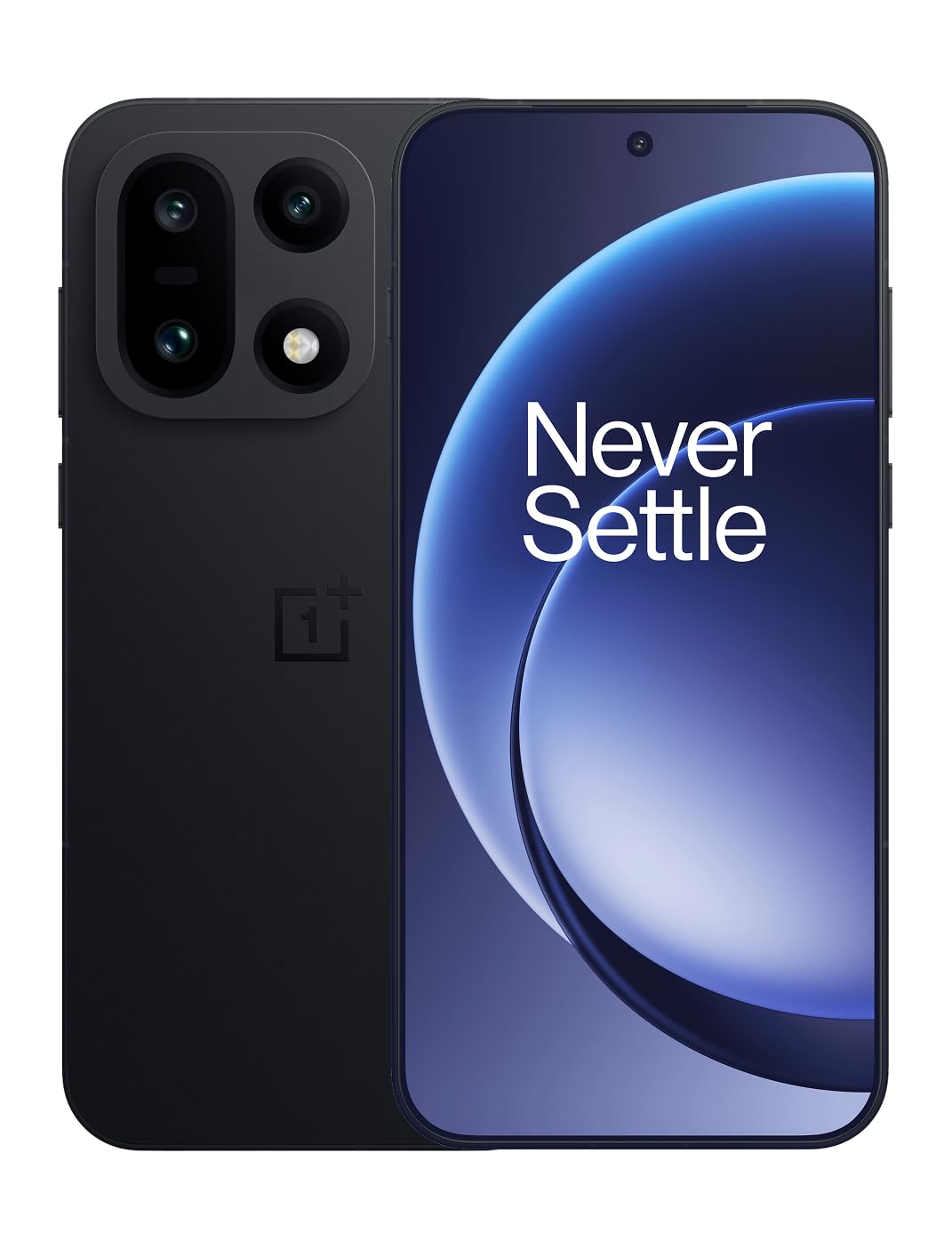
The OnePlus 15 packs a triple 50MP camera system covering wide, ultra-wide, and telephoto — giving you consistent resolution across all three focal lengths. The Snapdragon 8 Elite Gen 5 chip drives fast image processing, and the 165Hz AMOLED display provides an incredibly smooth viewfinder experience.
What truly sets this phone apart is the 7300mAh battery, which users report lasting up to two days under moderate use and a full day even with heavy shooting. The included 120W charger refills the battery in minutes, so you’re never stuck waiting for power before a shoot. IP66/IP68/IP69 and IP19K ratings make it one of the most durable phones in this list.
Camera quality is good for the price point, though night photos show room for improvement compared to Pixel-level processing. The pre-installed screen protector and included charging brick are welcome additions that most competitors have dropped. The 120x digital zoom exists for novelty, but optical range is where the real value sits.
Why it’s great
- Massive 7300mAh battery lasts 1.5-2 days
- Triple 50MP sensors for consistent quality across zoom levels
- Incredibly durable with IP69K rating
Good to know
- Night photo processing lags behind Pixel
- 120x digital zoom is mostly a gimmick
- Camera is good but not class-leading for stills
4. Samsung Galaxy S25 FE (256GB)
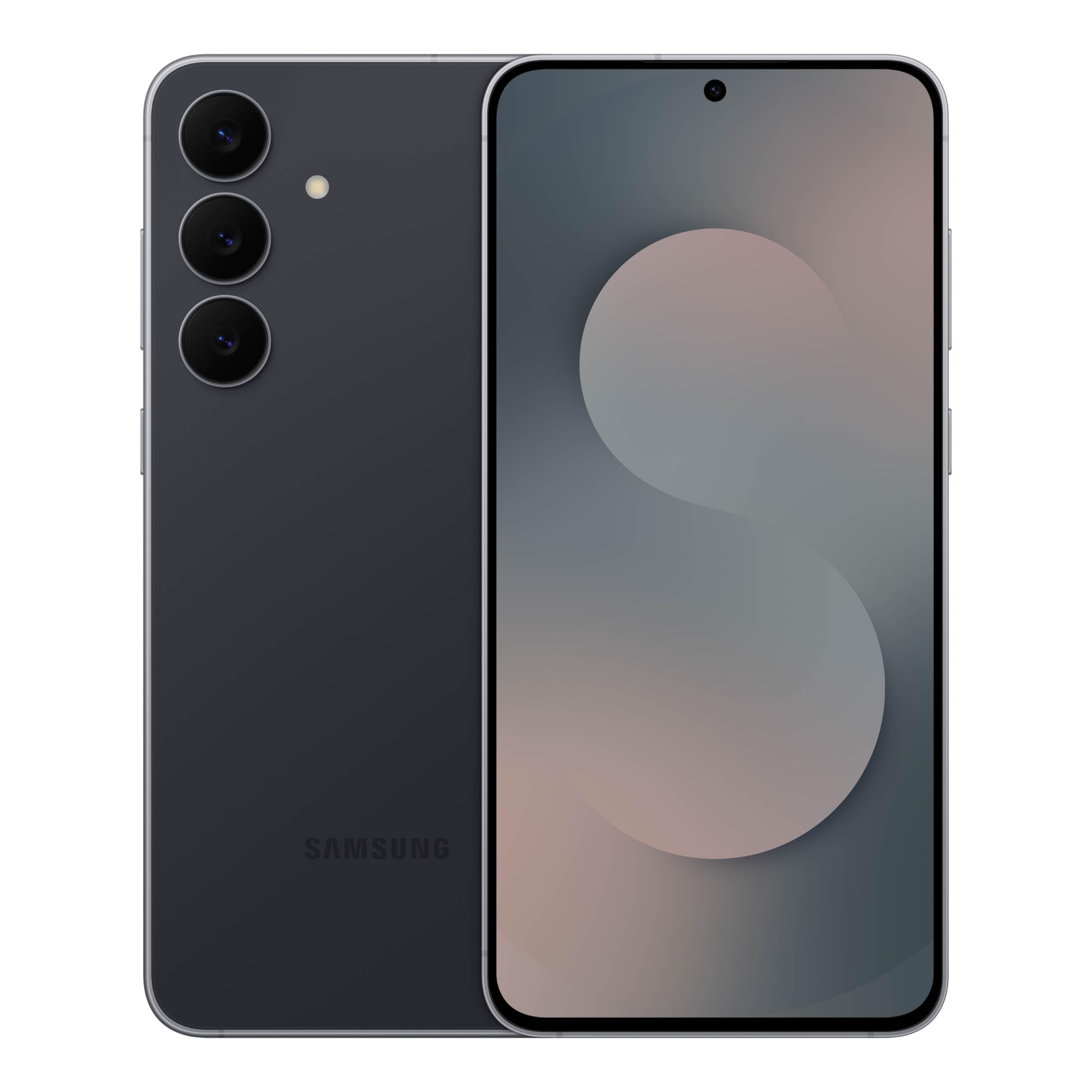
The Galaxy S25 FE brings many of the S25 series camera smarts to a more accessible price point. The ProVisual Engine handles exposure, white balance, and HDR merging intelligently, producing vibrant and well-balanced images straight out of camera. The 12MP selfie camera benefits from the same processing pipeline for consistent front-facing shots.
Generative Edit allows you to move, resize, or erase objects in your photos, and the AI recreates the background convincingly — useful for cleaning up cluttered vacation shots. The 6.7-inch display is bright and smooth for composing and reviewing images, and the 4900mAh battery comfortably lasts a full day of shooting.
Build quality is excellent with an Armor Aluminum frame and Gorilla Glass Victus Plus for drop protection. Users transitioning from older Samsung models report a noticeable improvement in processing speed and camera responsiveness. Super Fast Charging 2.0 gets you back to full quickly when you do need to top up.
Why it’s great
- ProVisual Engine delivers consistent, vibrant images
- Generative Edit for easy object removal
- Lightweight build with excellent drop protection
Good to know
- Charging cable only, no wall adapter included
- Some users report intrusive Google ad notifications
- Camera is decent but not top-tier for low light
5. Google Pixel 10a (256GB, Lavender)

The Google Pixel 10a distills the core Pixel photography experience — natural colors, excellent HDR, and reliable low-light performance — into a more budget-friendly package. Camera Coach offers real-time guidance to help you frame and expose shots better, which is particularly valuable for users who want great photos without learning manual settings.
The 30-plus hour battery life ensures you can shoot all day without hunting for an outlet, and IP68 water and dust protection means you don’t have to panic if rain hits during an outdoor session. The 3000-nit Actua display remains perfectly legible in direct sunlight, making outdoor composition easy.
Seven years of Pixel Drops and security updates mean your camera software will improve over time, something most mid-range phones cannot guarantee. The 256GB storage variant provides ample room for high-res photos and 4K video without needing to offload frequently. Users consistently rate the camera quality as the best in its price segment.
Why it’s great
- Best-in-class camera for the mid-range price
- Camera Coach helps users capture better shots
- 7 years of software and security updates
Good to know
- 4300mAh battery is smaller than some competitors
- Power button defaults to Gemini instead of power menu
- Some users dislike the AI integration
6. Nothing Phone (3a) Pro (12GB + 256GB)

The Nothing Phone (3a) Pro brings a 50MP periscope lens with 3x optical zoom and up to 60x ultra zoom to the mid-range — a rare feature at this price. OIS stabilization keeps telephoto shots usable in moderate light, and the 50MP selfie camera is equally impressive for vlogging or video calls.
The 6.77-inch flexible AMOLED display hits 3,000 nits peak brightness with 2160Hz PWM dimming, reducing eye strain during long editing sessions. The 5000mAh battery delivers up to two days of mixed use, and 50W fast charging hits 50% in 20 minutes. The Snapdragon 7s Gen 3 handles the camera processing smoothly.
TrueLens Engine and AI optimization work together to maintain natural skin tones and sharpness in portraits and social content. The Glyph lighting interface adds a unique visual element for notifications and creative shots. Users note that motion blur can appear at maximum digital zoom, but optical range images are consistently clear.
Why it’s great
- 50MP periscope with 3x optical zoom at a mid-range price
- Eye-safe 2160Hz PWM dimming display
- Unique Glyph lighting design
Good to know
- No wireless charging coil
- Essential Key button cannot be remapped
- Gesture navigation may feel unintuitive initially
7. Motorola Edge 2025 (8GB + 256GB)

The Motorola Edge 2025 offers a quad-curved design with a soft-touch finish and a 50MP pro-grade camera system driven by Moto AI. The 6.7-inch Super HD (1220p) display supports Dolby Atmos, making it solid for reviewing photos and watching content. The MediaTek Dimensity 7400 chipset handles everyday camera processing without lag.
The 5200mAh battery with 68W TurboPower charging can provide up to 12 hours of use from just six minutes of charge — useful for quick top-ups between shoots. IP68/IP69 water and dust resistance means it can survive immersion and high-temperature water jets, adding peace of mind for outdoor or job-site photography.
Users praise the lightweight metal frame and leather back for a premium feel at a mid-range price. The main drawback is the lack of a headphone jack and microSD slot, and some users report that zoomed photo quality drops off noticeably beyond 2x. The 20x digital zoom is present but mostly for reach, not quality.
Why it’s great
- Lightweight metal frame with leather back finish
- 68W TurboPower gives hours of use in minutes
- Excellent water and dust resistance (IP68/IP69)
Good to know
- Zoom quality degrades significantly past 2x
- No headphone jack or microSD slot
- Only 2 OS updates promised
8. XIAOMI Redmi Note 15 Pro+ Plus (512GB + 12GB)
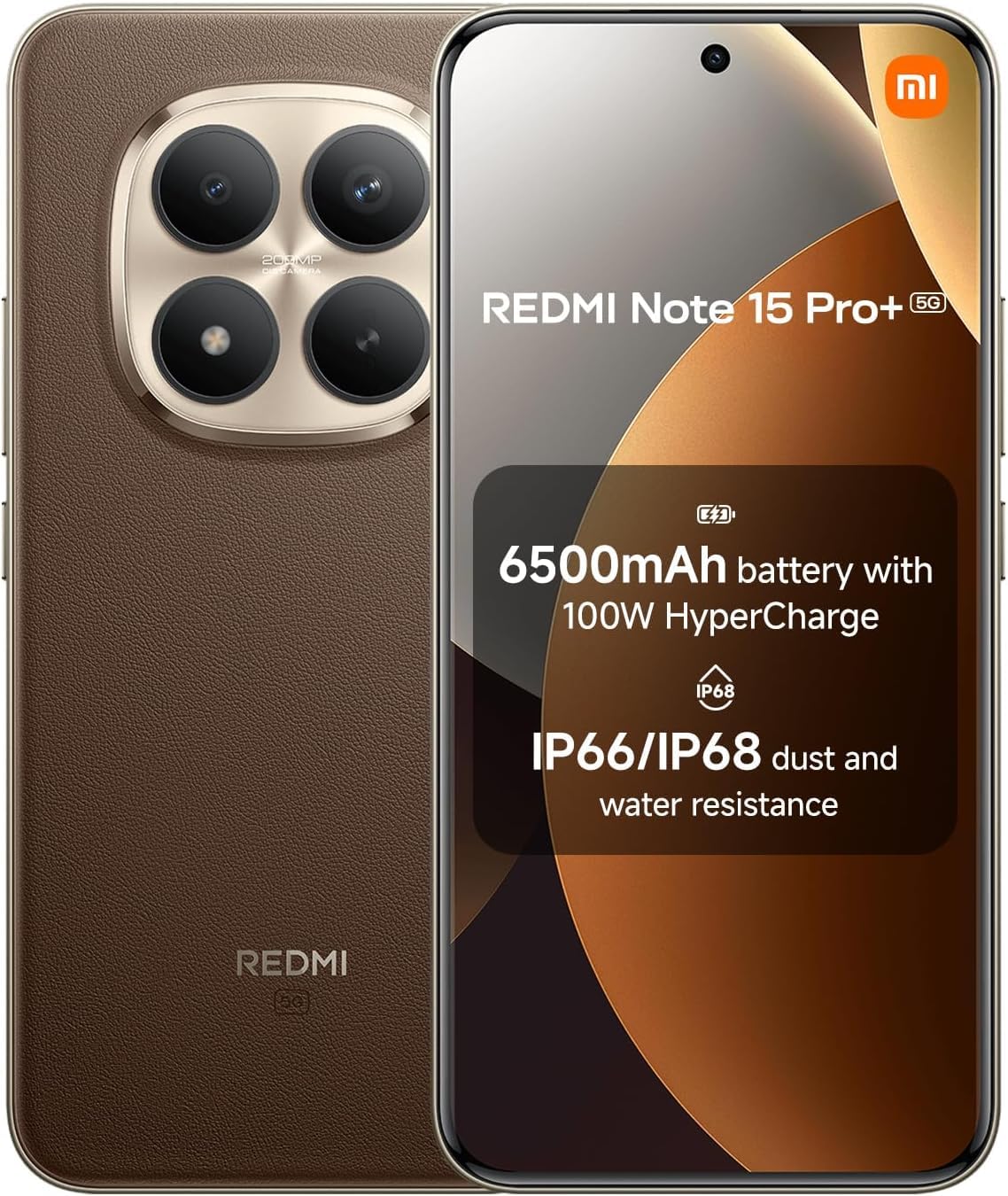
The XIAOMI Redmi Note 15 Pro+ packs a 200MP main camera with OIS — an extraordinary resolution for its price point. The 1/1.4-inch sensor with 16-in-1 pixel binning creates 2.24-micron super pixels, which significantly improves low-light capture compared to smaller sensors at similar prices. The 32MP front camera handles selfies and video calls with solid detail.
The 6.83-inch CrystalRes AMOLED display offers 1.5K resolution with a 120Hz refresh rate and 3200 nits peak brightness — excellent for outdoor composition. The 6500mAh battery is massive, lasting well over a day even with heavy camera use, and the 100W charger refills it quickly. The Snapdragon 7s Gen 4 manages the high-resolution sensor data without major delay.
Users highlight the excellent battery life, premium feel of the vegan leather back, and the camera quality as standout features. However, carrier compatibility is limited — it works reliably only on T-Mobile and its MVNOs in the US. Some users reported receiving wrong colors or non-US chargers, so verify the listing details before ordering.
Why it’s great
- 200MP OIS main camera for incredible resolution
- 6500mAh battery lasts well over a day
- Brightest display on this list at 3200 nits
Good to know
- US carrier support limited to T-Mobile networks
- No microSD slot for storage expansion
- Some users reported wrong color or charger region
9. Google Pixel 10a (128GB, Fog)

This 128GB variant of the Pixel 10a delivers the same core camera experience as its higher-capacity sibling — natural HDR, reliable low-light performance, and Google’s computational photography magic — at the lowest entry price in the Pixel 10a lineup. Camera Coach and Auto Best Take help users capture group photos where everyone looks their best.
The 4300mAh battery provides 30-plus hours of mixed use, though disabling AI features may extend that further. The 3000-nit Actua display is perfectly usable under direct sunlight, and the IP68 rating protects against dust and water immersion up to 1.5 meters for 30 minutes. Gorilla Glass 7i offers solid scratch resistance.
Seven years of Pixel Drops and security updates ensure the camera software continues to improve long after purchase. Users upgrading from budget Moto G or Samsung A series phones consistently report a dramatic improvement in photo quality. The only major compromise is storage — 128GB fills quickly if you shoot 4K video or RAW images regularly.
Why it’s great
- Best camera quality in the entry-level price segment
- Add Me and Auto Best Take for group photos
- 7 years of software updates
Good to know
- 128GB storage fills fast with high-res photos
- Power button defaults to Gemini, needs settings tweak
- Battery life may drop with AI features enabled
10. AGM G3 Pro (24GB + 512GB)
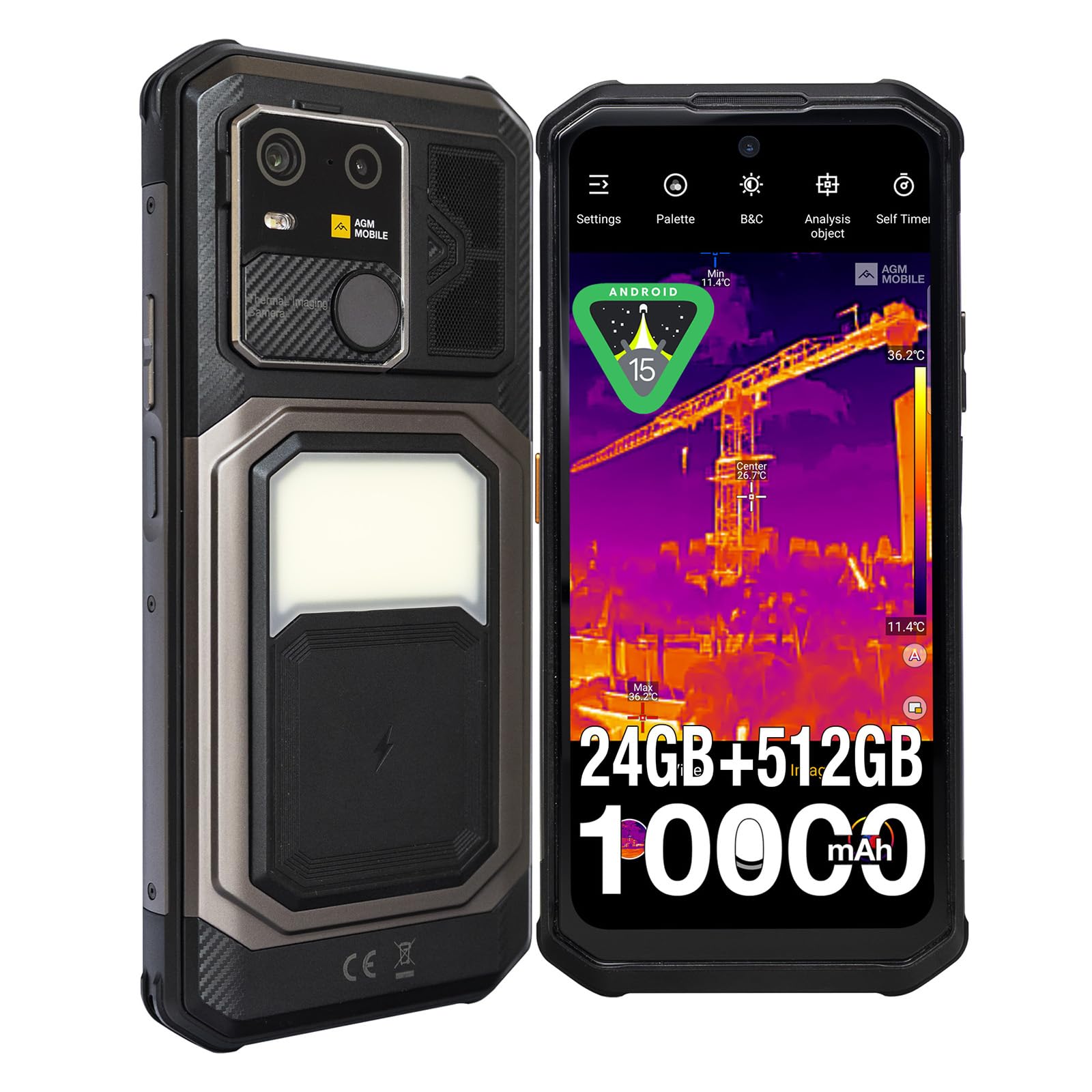
The AGM G3 Pro is a rugged smartphone that integrates a 25fps thermal camera alongside a 64MP main, 50MP wide, and 2MP macro lens. The thermal sensor detects heat signatures in complete darkness — genuinely useful for night hiking, wildlife tracking, scouting, or HVAC/electrical diagnostics. This is not a gimmick; users confirm it works functionally for real outdoor and trade applications.
The triple-proof design meets IP68/IP69K and MIL-STD-810H standards, meaning it survives drops, water immersion, mud, and extreme temperatures. The 10000mAh battery delivers multi-day power even under heavy use, and the 116dB speaker ensures you never miss alerts on noisy job sites. The top-mounted camping light with side-button activation is ideal for inspections in dark spaces.
Carrier compatibility is a significant limitation — it works only on T-Mobile in the US, and some users report that 5G is not fully supported despite the listing claims. The MTK 7300 chipset is adequate for camera processing but not as snappy as Snapdragon alternatives. If you need a standard camera phone, this is overbuilt; if you work in trades or spend weekends off-grid, it’s purpose-built.
Why it’s great
- Functional 25fps thermal camera for night and diagnostics
- 10000mAh battery lasts days in the field
- Rugged IP68/IP69K/MIL-STD-810H durability
Good to know
- Limited to T-Mobile in the US
- 5G support may not be fully functional
- Heavy and bulky for everyday carry
11. Samsung Galaxy Z Fold7 (512GB)
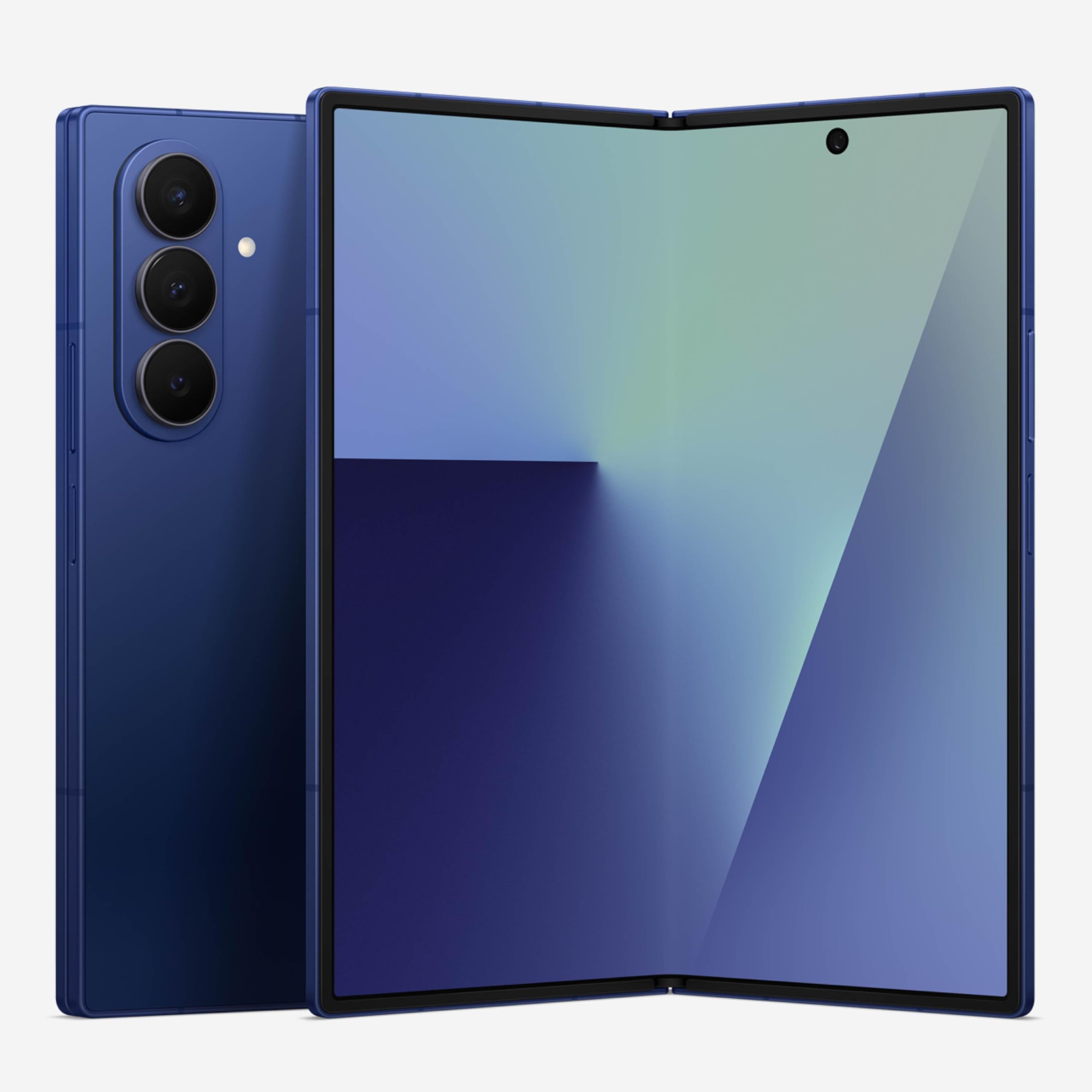
The Samsung Galaxy Z Fold7 brings a 200MP main camera with the ProVisual Engine to a foldable form factor — representing the best camera hardware Samsung has ever put in a folding phone. The 8-inch internal display serves as an expansive viewfinder and editing canvas, allowing you to review and tweak images on a screen that rivals a small tablet.
The upgraded Armor Aluminum frame and Corning Gorilla Glass Ceramic 2 provide serious drop and scratch resistance, while the refined hinge design makes the phone slimmer and lighter than previous generations. The 4400mAh battery delivers all-day performance, and the Snapdragon 8 Elite processor handles camera processing and multitasking without hesitation.
Users transitioning from non-foldable flagships report that while the camera is excellent, the real advantage is the ability to view three windows simultaneously — useful for comparing photos, editing, and referencing guides side by side. The cover screen remains usable for quick shots, and the rear camera system can be used for selfies with the main sensor when folded. The high entry price reflects the foldable premium rather than just camera specs.
Why it’s great
- 200MP main sensor with ProVisual Engine processing
- 8-inch internal display for editing and viewing
- Premium build with improved hinge durability
Good to know
- Very high price, mostly for foldable form factor
- Previous fold models had hinge failure reports
- Heavier and thicker than standard smartphones
FAQ
Is a 200MP camera always better than a 50MP camera?
What does optical zoom mean for smartphone cameras?
How important is OIS for video recording?
Does a higher refresh rate display help with photography?
Final Thoughts: The Verdict
For most users, the best cellphone camera winner is the Google Pixel 10 (128GB) because it combines a genuine 5x optical telephoto lens with Tensor G5-powered computational photography that handles everything from low-light portraits to distant landscapes. If you want maximum battery endurance without sacrificing camera versatility, grab the OnePlus 15. And for a true mid-range zoom specialist with a periscope lens, nothing beats the Nothing Phone (3a) Pro.

Mo Maruf
I created WellFizz to bridge the gap between vague wellness advice and actionable solutions. My mission is simple: to decode the research and give you practical tools you can actually use.
Beyond the data, I am a passionate traveler. I believe that stepping away from the screen to explore new environments is essential for mental clarity and physical vitality.