Our readers keep the lights on and my smoothie glass nicely filled. As an Amazon Associate, I earn from qualifying purchases.
The difference between a snapshot and a keeper comes down to how well your phone handles motion, light, and distance. Whether you are capturing a concert stage from the nosebleeds or a toddler who refuses to sit still, the phone’s sensor size, optical stabilization, and computational processing decide the outcome before you even press the shutter.
I’m Mohammad Maruf — the founder and writer behind WellFizz. I spend my time breaking down camera hardware specifications, comparing sensor architectures, and analyzing real-world image processing pipelines to find the smartphones that deliver the most consistent results across lighting conditions and zoom ranges.
After combing through thousands of customer experiences and technical spec sheets, I identified the models that earn their place as the top contenders for the best cell phone camera in 2025’s competitive market.
How To Choose The Best Cell Phone Camera
Not every high-megapixel sensor captures great photos. The real performance comes from the interplay of sensor size, lens aperture, optical image stabilization, and the image processing engine that assembles the final shot. Here are the three specs that separate an average camera from a genuinely capable one.
Sensor Size and Pixel Binning
A larger physical sensor captures more light, which directly reduces noise in dim environments. Many flagship phones use a 1/1.3-inch or larger sensor with pixel-binning technology that combines four adjacent pixels into one larger pixel. This technique converts a 50MP sensor into a 12.5MP sensor with much larger individual pixels, dramatically improving low-light performance without sacrificing resolution in good light.
Optical vs. Digital Zoom
Optical zoom uses physical lens elements to magnify the image before it reaches the sensor, preserving full resolution and clarity. Digital zoom simply crops and enlarges the existing image, which lowers quality. A periscope telephoto lens, like the one in the Nothing Phone 3a Pro, offers true optical magnification at 3x to 5x, allowing you to capture distant subjects without the softness that plagues digital zoom.
Image Stabilization Technology
Optical Image Stabilization (OIS) physically moves the lens assembly to counteract hand shake, resulting in sharper stills and smoother video. Some phones add sensor-shift stabilization, which moves the entire sensor for even finer correction. Without OIS, your evening shots and handheld video will show blur from even minor movement.
Quick Comparison
On smaller screens, swipe sideways to see the full table.
| Model | Category | Best For | Key Spec | Amazon |
|---|---|---|---|---|
| Apple iPhone 17 Pro Max | Premium | Pro videographers and photographers | 460 PPI OLED display | Amazon |
| Google Pixel 10 | Premium | AI-assisted photography and editing | 5x telephoto + 20x Super Res Zoom | Amazon |
| Samsung Galaxy Z Fold7 | Premium | Foldable multitasking with top-tier camera | 200MP ProVisual Engine | Amazon |
| Apple iPhone 16 Pro Max | Premium | Reliable point-and-shoot in any light | Camera Control button | Amazon |
| Samsung Galaxy S25 FE | Mid-Range | Versatile all-rounder for social media | 12MP selfie camera with ProVisual Engine | Amazon |
| Google Pixel 10a | Mid-Range | Clean Android with great low-light shots | Camera Coach feature | Amazon |
| Xiaomi 13T Leica | Mid-Range | Leica color science enthusiasts | 50MP triple Leica lens | Amazon |
| Nothing Phone 3a Pro | Mid-Range | Telephoto zoom on a budget | 50MP periscope 60x zoom | Amazon |
| Motorola razr 2024 | Mid-Range | Compact foldable with Flex View | 50MP OIS main sensor | Amazon |
| Ulefone Armor 29 Pro Thermal | Premium Rugged | Durable outdoor use with thermal camera | 640×512 thermal resolution | Amazon |
| Nikon Z6 III | Premium Mirrorless | Professional full-frame photography | 6K/60p internal N-RAW | Amazon |
In‑Depth Reviews
1. Apple iPhone 17 Pro Max
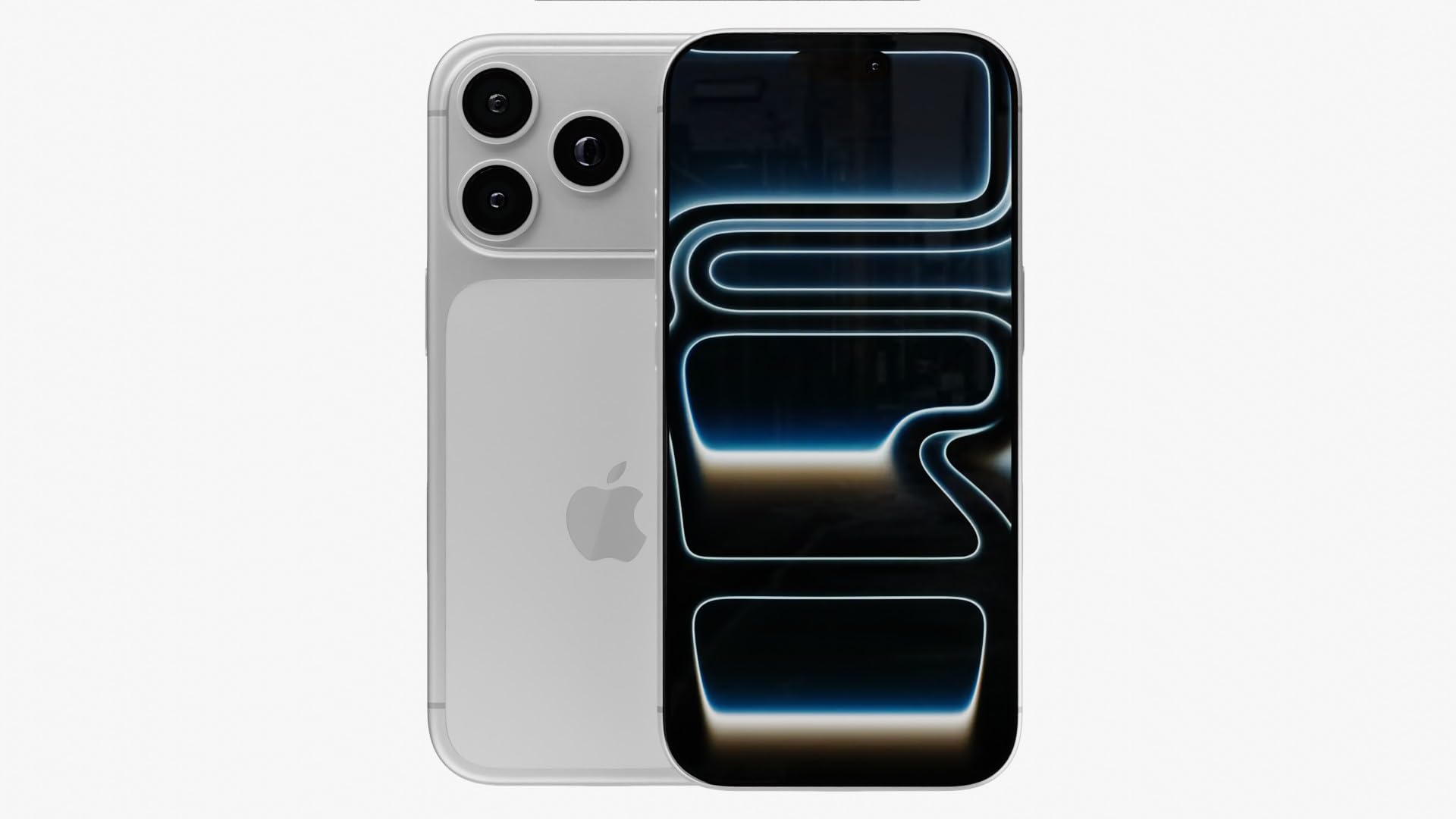
The iPhone 17 Pro Max represents the current peak of Apple’s computational photography. The 48MP main sensor with sensor-shift stabilization captures detail that holds up even when you crop in tight, and the 12MP telephoto lens delivers true optical zoom without the digital artifacts that plague lesser systems. Users switching from Android after decades report being genuinely impressed by the consistency of the camera output across lighting conditions.
The 6.9-inch Super Retina XDR display at 460 PPI makes photo review and editing feel precise, and the 40x digital zoom gives you reach when you need it, though you will want to stick to the optical range for the best quality. The renewed model in this listing arrived in near-flawless condition according to buyers, with current iOS already installed and no iCloud lock.
Battery life comfortably exceeds a full day of heavy camera use, and the A-series chip handles ProRAW image processing without any lag. If you photograph events, family, or travel and want a device that handles every scenario reliably, this is the benchmark.
Why it’s great
- Sensor-shift stabilization eliminates handheld blur
- ProRAW workflow for professional editing
- OLED display makes color grading accurate
Good to know
- Renewed unit may have minor cosmetic wear
- Includes generic charger, not Apple original
- Relies on eSIM only in US version
2. Google Pixel 10

Google’s Pixel 10 pushes the boundaries of what AI can do for photography. The upgraded triple rear system includes a new 5x telephoto lens that, combined with up to 20x Super Res Zoom, delivers surprisingly sharp images from middle distances. Google’s Night Sight remains the gold standard for low-light photography, pulling detail out of shadows that other cameras turn into black blobs.
The Tensor G5 chip powers Camera Coach, a feature that helps you frame and time your shots for better results—especially helpful when you are shooting moving subjects. The 6.3-inch Actua display hits 3,000 nits peak brightness, so you can review photos even in direct sunlight without shading the screen.
Users upgrading from older Pixel or Samsung models consistently mention the improved fingerprint sensor and the smooth software experience. The phone supports wireless charging and has an IP68 rating, making it practical for everyday carry in any weather.
Why it’s great
- Night Sight is unmatched in low light
- 5x optical zoom for distant subjects
- Camera Coach helps frame better photos
Good to know
- eSIM only, no physical SIM slot
- No wall adapter included in the box
- AI integration can feel intrusive to some
3. Samsung Galaxy Z Fold7
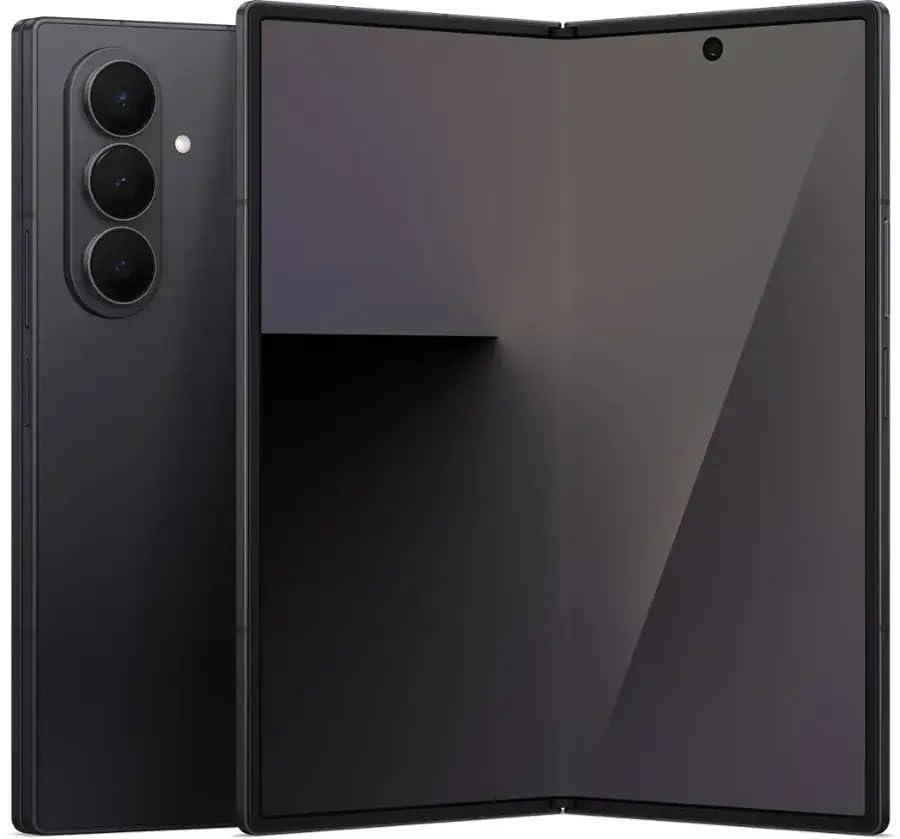
The Galaxy Z Fold7 brings a 200MP main camera to a foldable form factor, and the results are immediate: you can crop into a photo and still see individual strands of hair. The ProVisual Engine processes the massive sensor data quickly, producing well-exposed shots in both bright sun and dim interiors. The 8-inch unfolded screen doubles as a preview monitor, so you can compose shots with far more precision than a standard phone display allows.
Multitasking photographers will love having up to three windows open simultaneously—editing in Lightroom while referencing a shot on the main display is genuinely practical. The customized Snapdragon 8 Elite processor ensures zero lag when processing 200MP images. Users report the 4,400mAh battery lasts through a full day of mixed use, including several hours of camera work.
The cover screen is slightly wider than previous generations, making it more usable for quick one-handed shots. The Armor Aluminum frame and Gorilla Glass Ceramic 2 build make this foldable feel solid enough for daily handling without the fragility concerns of earlier foldables.
Why it’s great
- 200MP sensor allows extreme cropping
- Large 8″ screen for photo composition
- Multitasking with multiple photo editing apps
Good to know
- Heavier and thicker than slab phones
- Cover screen takes time to adjust to
- Premium price point
4. Apple iPhone 16 Pro Max
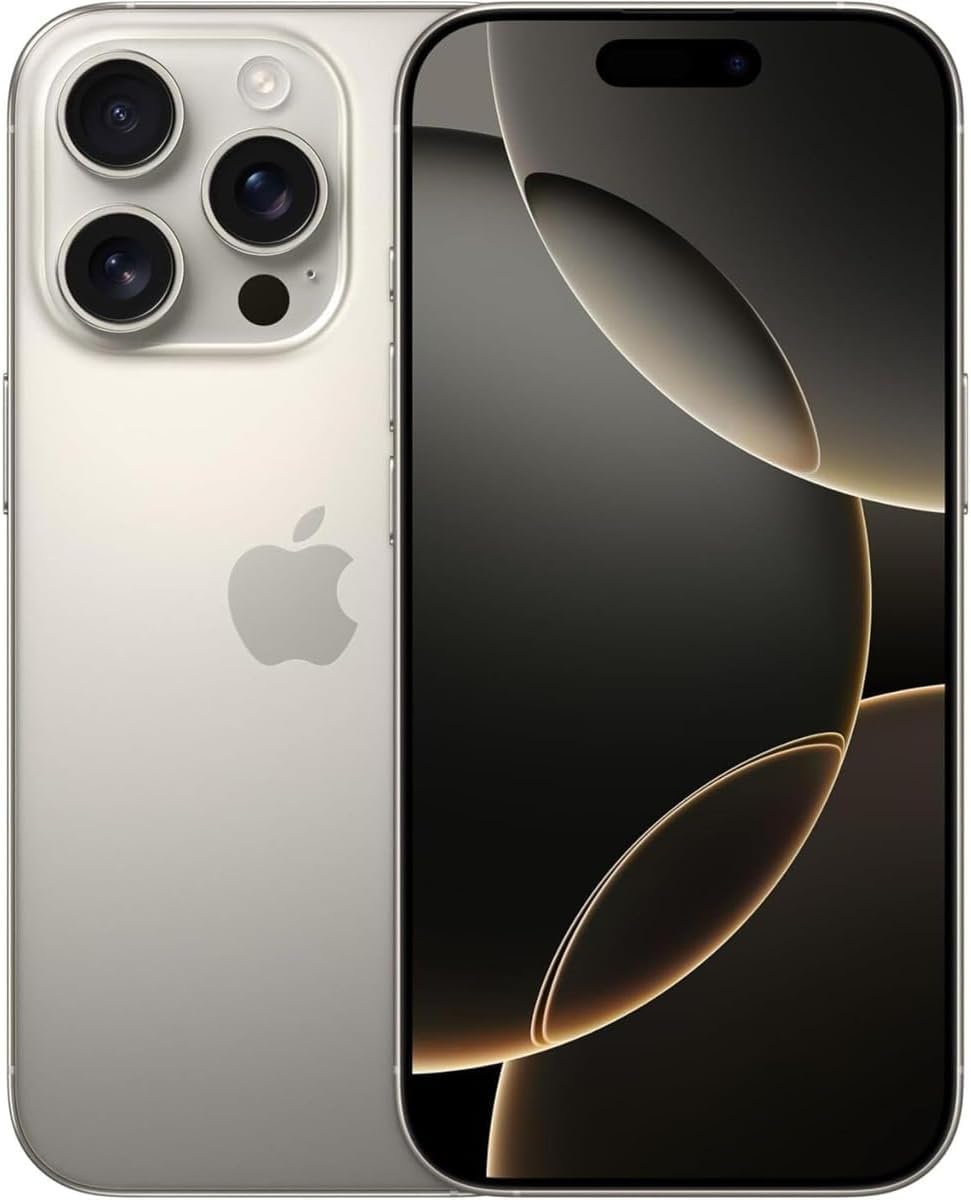
The iPhone 16 Pro Max refines the formula that made the 15 Pro Max a hit. The main camera uses a 48MP sensor with quad-pixel binning that produces 24MP images by default, giving you more resolution than the standard 12MP output without the file size of full-resolution shots. The dedicated Camera Control button on the side lets you adjust zoom and depth of field with a tactile slide, which is faster than tapping the screen.
Apple’s Photographic Styles now apply real-time tonal adjustments to the image pipeline rather than post-processing filters, so your skin tones and highlight roll-off look natural straight out of camera. The 6.9-inch Super Retina XDR display is sharp enough for critical focus checking. Users upgrading from the iPhone 15 note the noticeably improved voice transcription and slightly better battery life.
The renewed premium units in this listing came in mint condition per multiple buyer reports, though one user noted a minor chip on the camera edge. For photographers who want a dependable, no-surprises camera that just works, this remains the standard reference.
Why it’s great
- Camera Control button for quick adjustments
- 24MP default output for detailed shots
- Strong and light titanium frame
Good to know
- Low-light telephoto not as strong as Pixel
- Renewed unit may have minor camera smudges
- Charging cable may not be original Apple
5. Samsung Galaxy S25 FE
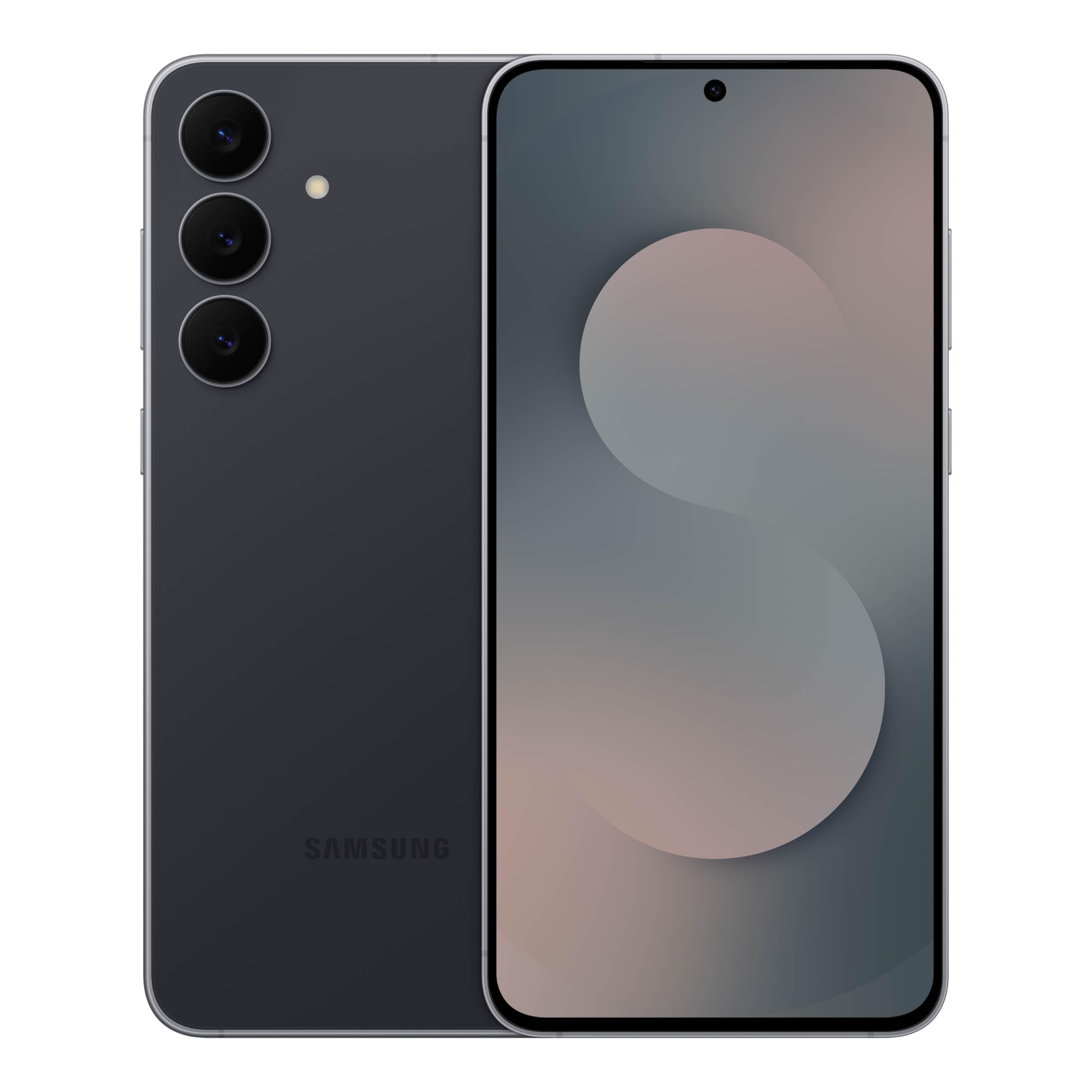
This Fan Edition model packs most of the S25’s camera hardware into a more accessible package. The 50MP main sensor with OIS captures detailed daylight shots, and the 12MP ultrawide adds versatility for landscapes and group photos. The ProVisual Engine handles HDR well, preventing blown-out skies while preserving shadow detail. The 12MP selfie camera is particularly strong for video calls and social media content.
Generative Edit lets you remove unwanted objects or people from your photos after the fact, and Galaxy AI fills in the gaps convincingly for simple backgrounds. The 6.7-inch display is bright and smooth at 120Hz, making photo swiping and editing feel fluid. Users appreciate the lightweight build—this phone is noticeably slimmer and easier to carry than the standard S25.
Battery life is solid with the 4,900mAh cell, lasting a full day of typical use. Super Fast Charging 2.0 gets you back to full quickly when you do need to top up. For photographers who want good results without spending at the premium tier, this is the sweet spot.
Why it’s great
- Generative Edit removes unwanted objects cleanly
- Lightweight design for easy daily carry
- ProVisual Engine for balanced HDR
Good to know
- No dedicated telephoto lens
- Google Messages replacing Samsung Messages soon
- Plastic back feels less premium than glass
6. Google Pixel 10a

The Pixel 10a delivers Google’s famous computational photography at a lower price point. The 50MP main sensor uses the same pixel-binning approach as the flagship Pixel 10, producing sharp, well-exposed images in most conditions. The Camera Coach feature is especially useful here—it guides less experienced photographers toward better composition and timing without requiring manual settings knowledge.
Add Me mode ensures everyone gets into the group photo by intelligently merging two shots, and Auto Best Take picks the most flattering expression for each person in a burst. The 4,300mAh battery often lasts beyond 30 hours of mixed use, according to multiple buyer reports. The IP68 rating and Gorilla Glass 7i display make it durable enough for everyday bumps and splashes.
Software support is a headline feature: seven years of Pixel Drops means your camera will keep improving with new features and security patches long after most phones have been forgotten. For anyone who wants a capable camera without paying premium prices, this is the smart choice.
Why it’s great
- Camera Coach helps you take better photos
- Add Me mode gets everyone in the shot
- Seven years of software updates
Good to know
- No dedicated telephoto camera
- AI notifications can be intrusive
- Limited to eSIM compatibility
7. Xiaomi 13T Leica

The Xiaomi 13T stands out for its Leica-branded optics, which bring a distinct color science to mobile photography. The Vario-Summicron lens system covers focal lengths from 15mm to 50mm, giving you true optical flexibility across ultrawide, standard, and telephoto perspectives. The 50MP main sensor with a 1/1.28-inch sensor size captures more light than most competitors in this range, producing images with natural bokeh and accurate color.
The 144Hz AMOLED display is one of the smoothest in its class, and the MediaTek Dimensity 8200-Ultra chip handles image processing quickly. The 5,000mAh battery charges fully in about 42 minutes with the included 67W charger. Users consistently praise the image quality, noting that photos have a film-like quality that is hard to replicate with other phones.
Note that this is an international model and only works reliably with T-Mobile, Mint, and Tello in the US—it will not operate on Verizon, AT&T, or Cricket. No warranty in the US. For photographers willing to accept the carrier limitations, the Leica tuning delivers a genuinely different look.
Why it’s great
- Leica color science for unique photo look
- Large 1/1.28-inch sensor for low light
- 67W fast charging (42 min full)
Good to know
- Only works on T-Mobile/Mint/Tello in US
- No warranty in the United States
- No SD card expansion slot
8. Nothing Phone 3a Pro

The Nothing Phone 3a Pro brings a periscope telephoto lens to the mid-range segment, a feature usually reserved for flagships. The 50MP periscope sensor delivers true 3x optical zoom, and the 60x ultra zoom, while largely digital past 3x, is useful for identifying distant subjects. OIS stabilization keeps the telephoto shots steadier than you would expect, especially in good light.
The 50MP front selfie camera is equally impressive, producing sharp, well-lit self-portraits that look natural. The TrueLens Engine processes skin tones accurately, avoiding the over-smoothed look that plagues many selfie cameras. The 6.77-inch AMOLED display hits 3,000 nits peak brightness, making outdoor photo review easy.
The Snapdragon 7s Gen 3 chip handles camera processing without lag, and the 5,000mAh battery easily lasts two days. The clean Nothing OS 3.0 experience is free of bloatware. Users praise the unique Glyph light design and the Essential Key for quick memo recording. Telephoto enthusiasts on a budget will find this the most capable option available.
Why it’s great
- True 3x optical periscope zoom
- 50MP selfie camera with natural skin tones
- 3,000-nit display for outdoor use
Good to know
- Digital zoom beyond 3x shows artifacts
- No wireless charging coil
- Verizon compatibility requires manual IMEI registration
9. Motorola razr 2024

Motorola’s razr 2024 folds down into a compact square that fits easily in a front pocket, yet unfolds to a 6.9-inch display. The 50MP main camera with OIS captures detailed photos in most lighting, and the Flex View mode lets you prop the phone half-open to use it as a camcorder or for hands-free selfies. This is the defining use case: stable video recording without a tripod.
The 3.6-inch external display is fully functional for quick tasks like replying to messages, controlling music, and framing selfies using the main camera. Users love the lightweight vegan leather finish and the colorful design options. The 4,200mAh battery lasts a full day with moderate use, and the 30W TurboPower charging gets you back to full quickly.
One potential concern is the folding screen durability—one user reported screen failure after 1.5 years. However, most buyers find the crease barely noticeable and the build quality solid for daily use. For photographers who value portability and the camcorder-style shooting position, this foldable offers a unique experience.
Why it’s great
- Flex View for stable camcorder-style video
- Compact folded size for easy carrying
- Large external display for quick selfies
Good to know
- Screen durability concerns over long term
- Internal screen protector not replaceable
- Lower resolution than slab flagships
10. Ulefone Armor 29 Pro Thermal
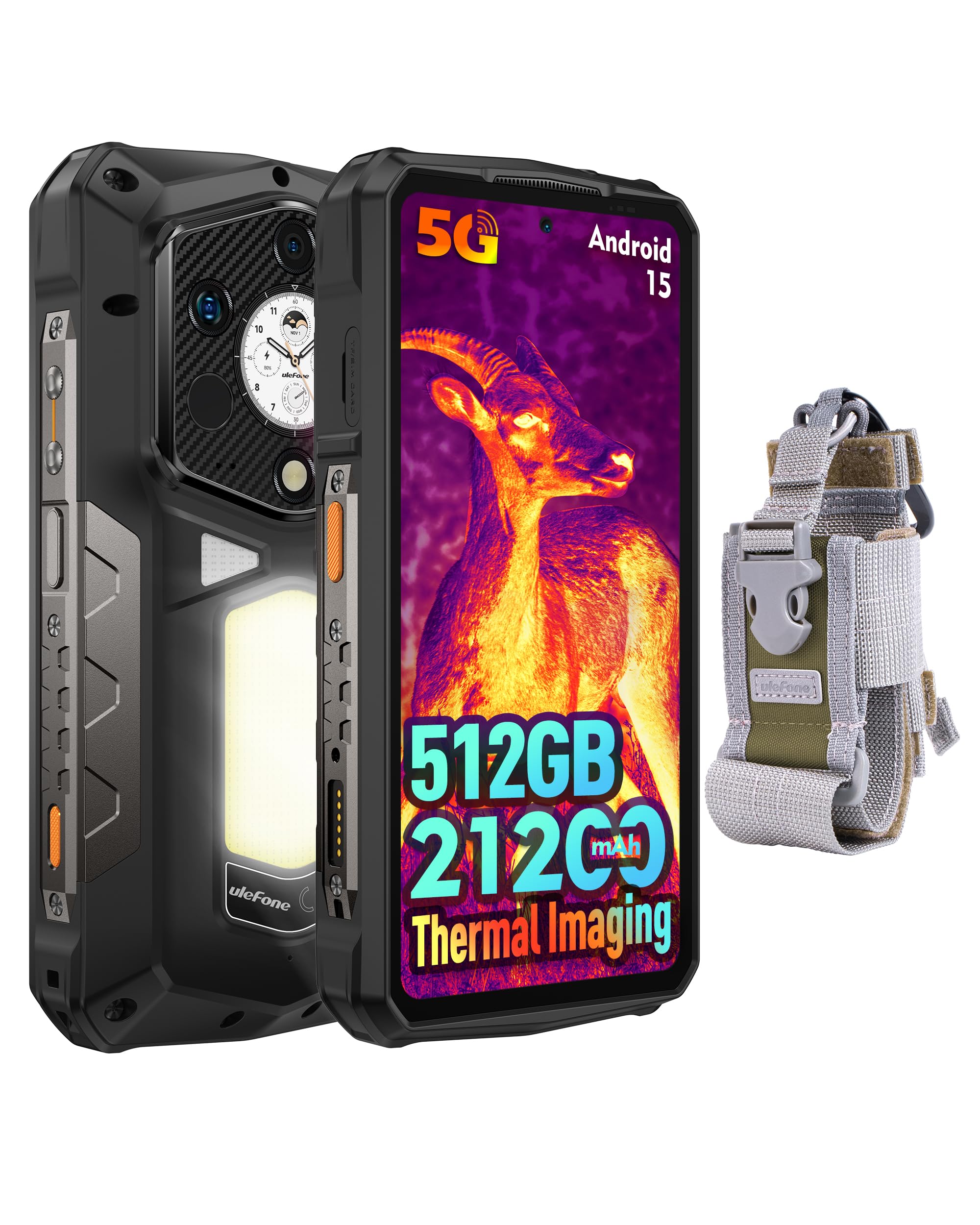
The Ulefone Armor 29 Pro Thermal is a niche device built for users who need a thermal imaging camera integrated into their phone. The ThermoVue T2 chip delivers 640×512 thermal resolution at 25Hz, producing sharp thermal images that are useful for inspecting electrical panels, finding water leaks, or spotting wildlife at night. The AI-powered dual-spectrum fusion overlays thermal data onto the visible image for easier interpretation.
Beyond the thermal camera, the main camera system includes a 50MP Sony IMX989 sensor, a 64MP night vision camera with four infrared LEDs, and a 50MP ultrawide lens. The night vision camera is genuinely useful in complete darkness, producing green-tinted but detailed images. The 21,200mAh battery lasts four to five days of heavy use, and 120W charging brings it to 20% in just ten minutes.
The phone meets IP68 and IP69K standards and is MIL-STD-810H certified for drops and extreme conditions. The built-in 1,000-lumen LED light doubles as a camping lantern with red and blue warning modes. The heavy 1.5-pound weight is the main trade-off, but for construction workers, outdoor professionals, and survivalists, it is a capable tool.
Why it’s great
- 640×512 thermal camera with AI fusion
- Night vision works in total darkness
- Battery lasts up to five days
Good to know
- Weighs 1.5 pounds, very heavy
- Not compatible with AT&T or Cricket
- No eSIM support, physical SIM only
11. Nikon Z6 III

The Nikon Z6 III is a full-frame mirrorless camera that belongs in a different conversation than the smartphones above, but its inclusion here serves a purpose: it defines the absolute standard of image quality that phone cameras are chasing. The 24.5MP full-frame sensor with ISO up to 204,800 captures detail and dynamic range that no smartphone can yet match. The 6K/60p internal N-RAW recording is professional-grade video capability.
The electronic viewfinder reaches 4,000 nits brightness with a 120fps refresh rate, making it usable even in harsh sunlight. The autofocus system uses deep learning for subject recognition that tracks human faces even when they are as small as three percent of the frame. The hybrid phase-detection AF works down to -10 EV, so you can focus in near-total darkness.
Dual card slots accept CFexpress Type B and SD cards, giving you redundancy during critical shoots. The weather-sealed magnesium alloy body survived downpours in real-world testing. For photographers who need the ultimate image quality for paid work or serious projects, the Z6 III is the reference point.
Why it’s great
- Full-frame 24.5MP sensor with huge dynamic range
- 6K/60p internal RAW video recording
- EVF with 4000-nit brightness and 120fps
Good to know
- Not a phone—separate dedicated camera
- Complex menu system takes time to learn
- Battery lasts only about two hours of shooting
FAQ
How many megapixels do I really need in a phone camera?
Is optical zoom better than digital zoom for concert photography?
Do I need a dedicated camera if I buy a premium phone?
What is computational photography and does it matter?
Final Thoughts: The Verdict
For most users, the best cell phone camera winner is the Apple iPhone 17 Pro Max because it combines consistent image quality, sensor-shift stabilization, and industry-leading video capability in a reliable package. If you want the best AI-assisted photography and editing tools, grab the Google Pixel 10. And for a true optical zoom that captures distant subjects clearly at a more accessible price, nothing beats the Nothing Phone 3a Pro.

Mo Maruf
I created WellFizz to bridge the gap between vague wellness advice and actionable solutions. My mission is simple: to decode the research and give you practical tools you can actually use.
Beyond the data, I am a passionate traveler. I believe that stepping away from the screen to explore new environments is essential for mental clarity and physical vitality.