Our readers keep the lights on and my smoothie glass nicely filled. As an Amazon Associate, I earn from qualifying purchases.
Whether you are blending it for a diffuser, adding it to a carrier oil for a scalp massage, or crafting a natural room spray, the quality of the oil dictates the therapeutic outcome. A low-grade, adulterated oil can introduce synthetic irritants and lack the true balsamic depth that defines a proper cedarwood essential oil.
I’m Mohammad Maruf — the founder and writer behind WellFizz. My work focuses on analyzing the purity testing protocols, extraction methods, and botanical sourcing that separate a truly therapeutic essential oil from a diluted fragrance.
After evaluating the available options, I’ve narrowed the field to oils that deliver genuine therapeutic-grade quality. Here is my curated guide to the best cedarwood essential oil options for your wellness routine.
How To Choose The Best Cedarwood Essential Oil
Not all cedarwood oils are created equal. The term “cedarwood” covers several distinct species—each with its own chemical makeup and therapeutic profile. Knowing the difference between a raw, unrefined oil and a carefully distilled, batch-tested oil is the key to getting real results for your skin, hair, or emotional well-being.
Botanical Source and Scent Profile
Atlas Cedarwood (Cedrus atlantica) offers a sweet, balsamic, almost honey-like note that is excellent for skincare and meditation. Virginian Cedarwood (Juniperus virginiana) delivers a sharper, drier, more camphoraceous scent often used in natural pest repellents. Himalayan Cedarwood (Cedrus deodara) sits in the middle—smoky, earthy, and deeply grounding. Choose based on your primary use case: relaxation vs. mental focus vs. topical application.
Purity Verification: The GC-MS Report
Gas Chromatography-Mass Spectrometry (GC-MS) testing is the gold standard for verifying an oil’s purity and composition. A reputable brand will publish a batch-specific GC-MS report that shows the exact chemical constituents (like cedrene, thujopsene, and widdrol) present in the oil. This report confirms the absence of synthetic extenders, phthalates, or carrier oils. If a brand hides its GC-MS results, treat the oil as a fragrance product rather than an aromatic therapeutic.
Extraction Method and Packaging
Steam distillation is the only appropriate method for extracting genuine cedarwood essential oil. The process preserves the delicate aromatic compounds without damaging the molecular structure. Equally important is the packaging—cedarwood, like all essential oils, degrades quickly when exposed to UV light and air. Always look for dark amber or cobalt blue glass bottles with a tight-sealing dropper orifice. Clear plastic bottles indicate a low-quality product that has already begun to oxidize.
Quick Comparison
On smaller screens, swipe sideways to see the full table.
| Model | Category | Best For | Key Spec | Amazon |
|---|---|---|---|---|
| Plant Therapy Himalayan Cedarwood | Premium | Mental focus & natural pest repellent | Batch-specific GC-MS reports | Amazon |
| Cliganic Organic Cedarwood | Mid-Range | Certified organic purity | USDA Organic, Non-GMO Verified | Amazon |
| SVA Cedarwood Essential Oil | Premium | High volume for DIY projects | 4 fl oz bottle (Juniperus Mexicana) | Amazon |
| HIQILI Cedarwood Essential Oil | Mid-Range | Large quantity for frequent use | 3.38 fl oz with travel bottle | Amazon |
| Nexon Botanics Organic Cedarwood | Budget | Entry-level organic option | 30 ml (1 oz) organic Atlas cedar | Amazon |
In‑Depth Reviews
1. Plant Therapy Himalayan Cedarwood Essential Oil
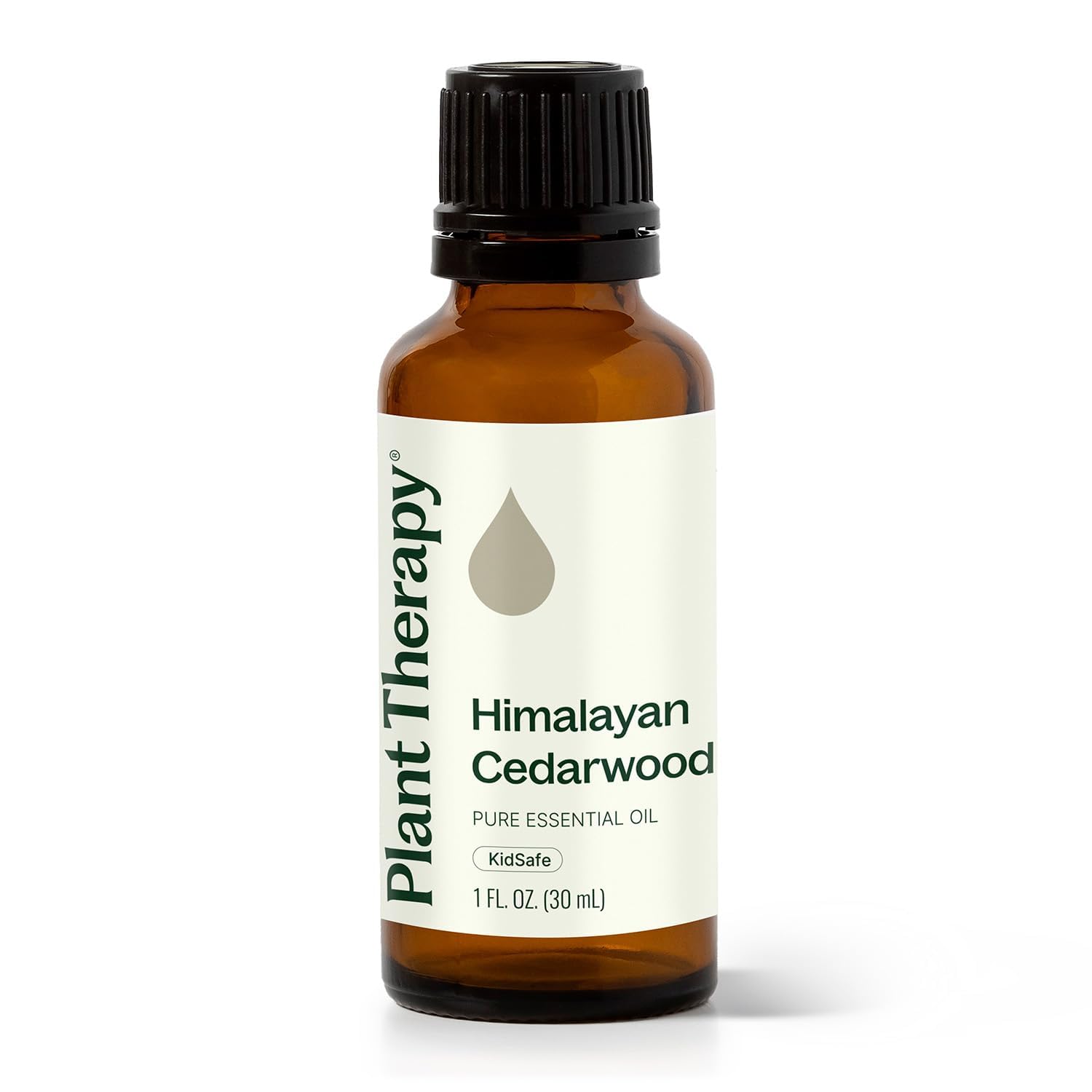
This oil sets the standard for transparency in the essential oil market. Plant Therapy publishes batch-specific GC-MS reports on every bottle, so you know exactly what chemical constituents are in your 30 ml. The Himalayan Cedarwood (Cedrus deodara) offers a dry, smoky, balsamic scent that is less sweet than Atlas varieties and more grounding than Virginian types. It is 100% pure and undiluted, with no additives or fillers.
Users consistently report positive results for mental focus when diffusing this oil during work or study sessions. The aroma encourages alertness without the sharpness of peppermint, making it suitable for long-term diffusion. It also performs well in DIY pest repellent blends when combined with lemon eucalyptus oil—several customers confirmed its effectiveness for keeping mosquitoes at bay.
The brand’s certified aromatherapists provide personalized advice via Amazon Messages, a support level rarely seen at this price point. The 1 oz bottle is priced as a premium product, but the rigorous third-party testing and customer education resources justify the investment for serious aromatherapy users.
Why it’s great
- Third-party GC-MS testing on every batch for full purity transparency
- Balanced smoky-balsamic aroma ideal for study and focus
- Certified aromatherapists available for personalized guidance
Good to know
- Bottle size is 1 oz, smaller than some multi-purpose options
- Himalayan variety has a distinct smokiness that may not suit all preferences
2. Cliganic Organic Cedarwood Essential Oil
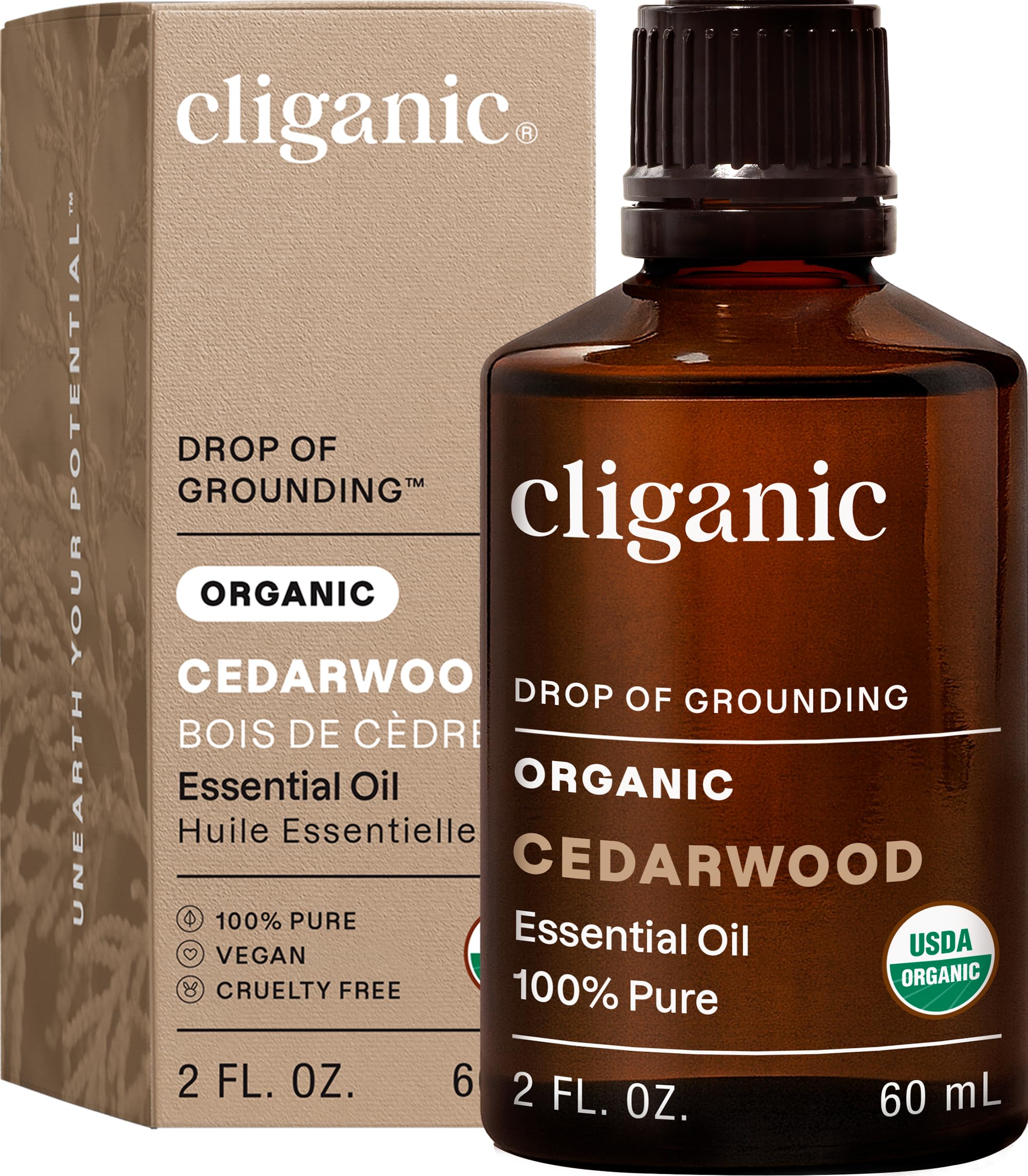
Cliganic brings USDA organic certification to the forefront—a meaningful distinction for anyone avoiding pesticide residues in their personal care products. This cedarwood oil is a single-ingredient product with no synthetic additives. The Non-GMO Project Verified seal adds another layer of quality assurance. The oil arrives in a dark amber glass bottle with a standard dropper, which protects the volatile compounds from UV degradation.
The scent profile is classic Virginian or Atlas cedarwood—warm, woody, and slightly sweet. Customers have used it effectively as a natural tick repellent for pets (with proper dilution), and as a grounding aromatherapy oil in diffusers. A few drops last a surprisingly long time in an ultrasonic diffuser, making this a cost-effective option for daily use.
One reviewer noted the oil smells like bacon—an unusual but harmless observation likely stemming from the natural chemical variation of the crop year. More importantly, the oil is thick and carries well when blended with carrier oils. It is vegan and cruelty-free certified, appealing to ethically minded buyers.
Why it’s great
- USDA organic certification verified by third-party lab
- Non-GMO and vegan certifications provide added trust
- Thick consistency blends well into carrier oils for topical use
Good to know
- Not all users love the specific odor profile; some find it reminiscent of savory notes
- Bottle size is standard 1 oz, no larger volume option available
3. SVA Cedarwood Essential Oil (4 fl oz)
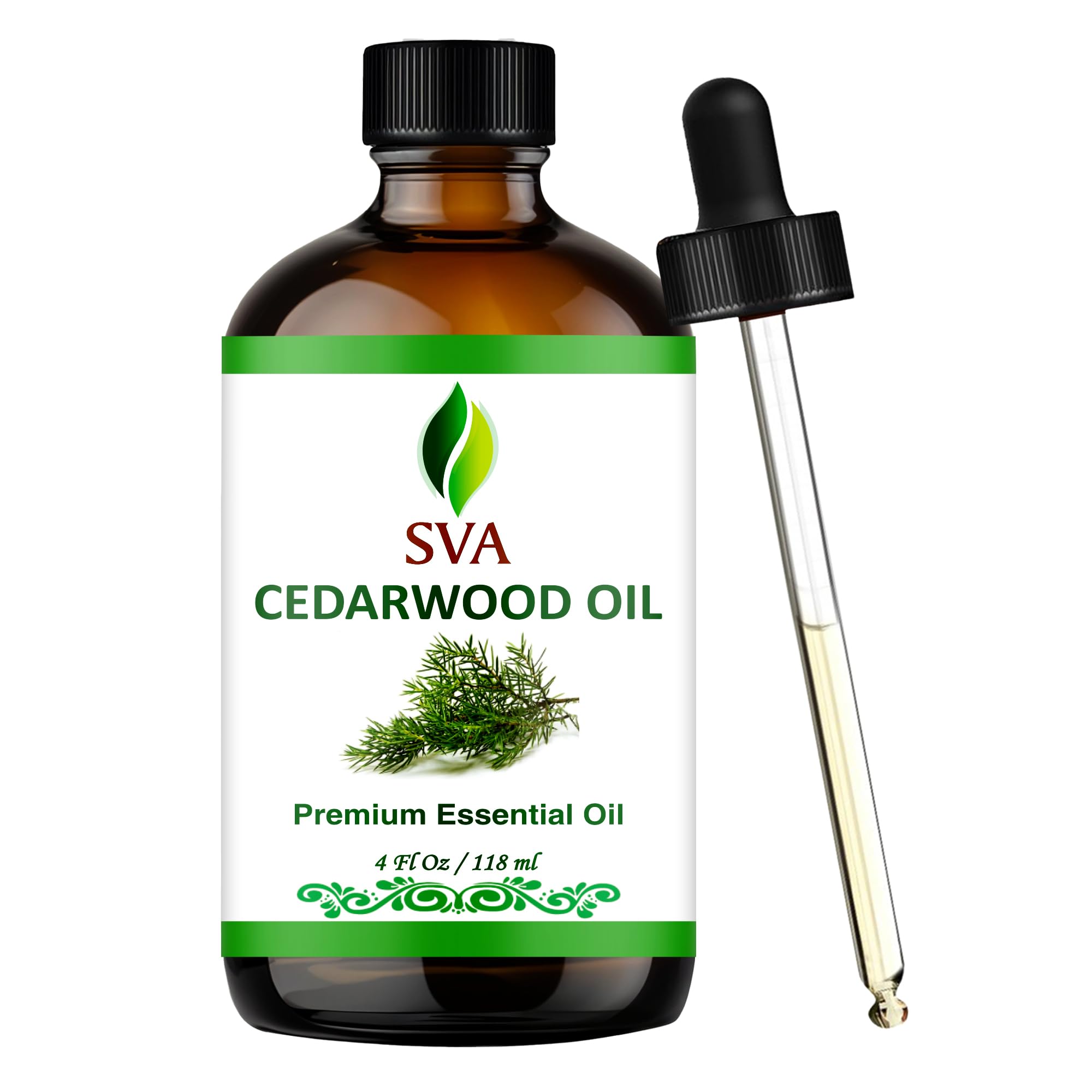
If you use cedarwood oil heavily—whether for soap making, candle crafting, or frequent full-body massage—the 4 oz bottle from SVA delivers the most volume in this lineup. The oil is steam-distilled from Juniperus Mexicana wood, a species known for its robust, resinous, woody aroma. It is free of preservatives and comes with a standard dropper for controlled dispensing.
The rich, grounding scent works exceptionally well in cold-process soap recipes and homemade candles. Customers report that the aroma holds up through the curing process of soap without fading into an indistinct background note. For skin care, it should always be diluted with a carrier oil due to its high concentration, but when done correctly, it supports a balanced complexion.
One notable drawback is the dropper quality—some users found it dripped oil rather than releasing measured drops. This is a minor but real annoyance when you are trying to add a precise number of drops to a blend or diffuser. The bottle itself is dark amber glass, which is correct for light protection.
Why it’s great
- 4 oz bottle provides excellent value for high-volume users and DIY projects
- Robust, resinous scent holds up well in soap and candle making
- Pure steam-distilled oil with no preservatives or additives
Good to know
- Dropper orifice tends to drip rather than dispense clean drops
- Juniperus Mexicana aroma can be quite strong; may overpower lighter carrier oils
4. HIQILI Cedarwood Essential Oil (3.38 fl oz)
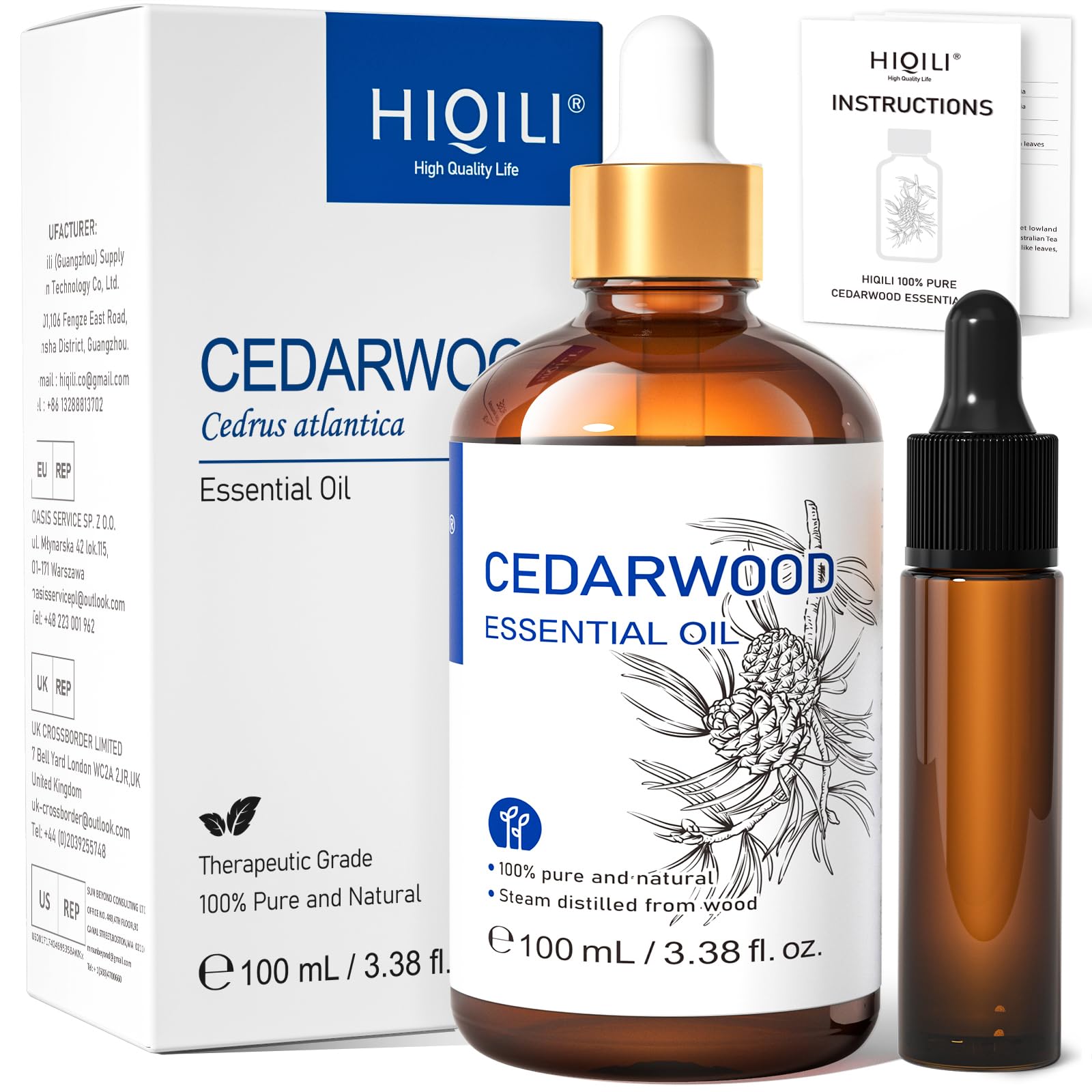
HIQILI sources its cedarwood from Morocco, extracting the oil via traditional steam distillation from wild cedar bark. The aroma is deep, fresh, and woody with a slight turpentine-like note that some users find authentic and unrefined. The 3.38 fl oz bottle is accompanied by a 10 ml empty travel bottle with a graduated dropper—a practical addition for carrying the oil in a gym bag or for travel.
This oil has strong customer consensus for natural pest repellent use. One user reported that a single bottle makes over a dozen 16 oz spray bottles for bug repellent (when diluted appropriately). The brand provides GC/MS, MSDS, COA, and IFRA documentation, which indicates a commitment to quality testing. If you need confirmation of purity, this information is available through the seller.
For hair and skin care, the oil blends well with carrier oils and can be added to soaps, diffusers, and massage oils. The scent is assertive—those sensitive to strong woody notes may want to use a smaller-than-recommended dose initially. The included dropper with a scale makes measuring consistent amounts easy.
Why it’s great
- Large 3.38 oz bottle plus a 10 ml travel dropper bottle included
- Comprehensive testing documentation (GC/MS, MSDS, COA, IFRA) available
- Excellent value for making large batches of repellent spray
Good to know
- Turpentine-like note may feel harsh to users expecting a sweeter balsamic scent
- Some users reported the dropper could leak if the bottle is tipped sideways
5. Nexon Botanics Organic Cedarwood Essential Oil (30 ml)
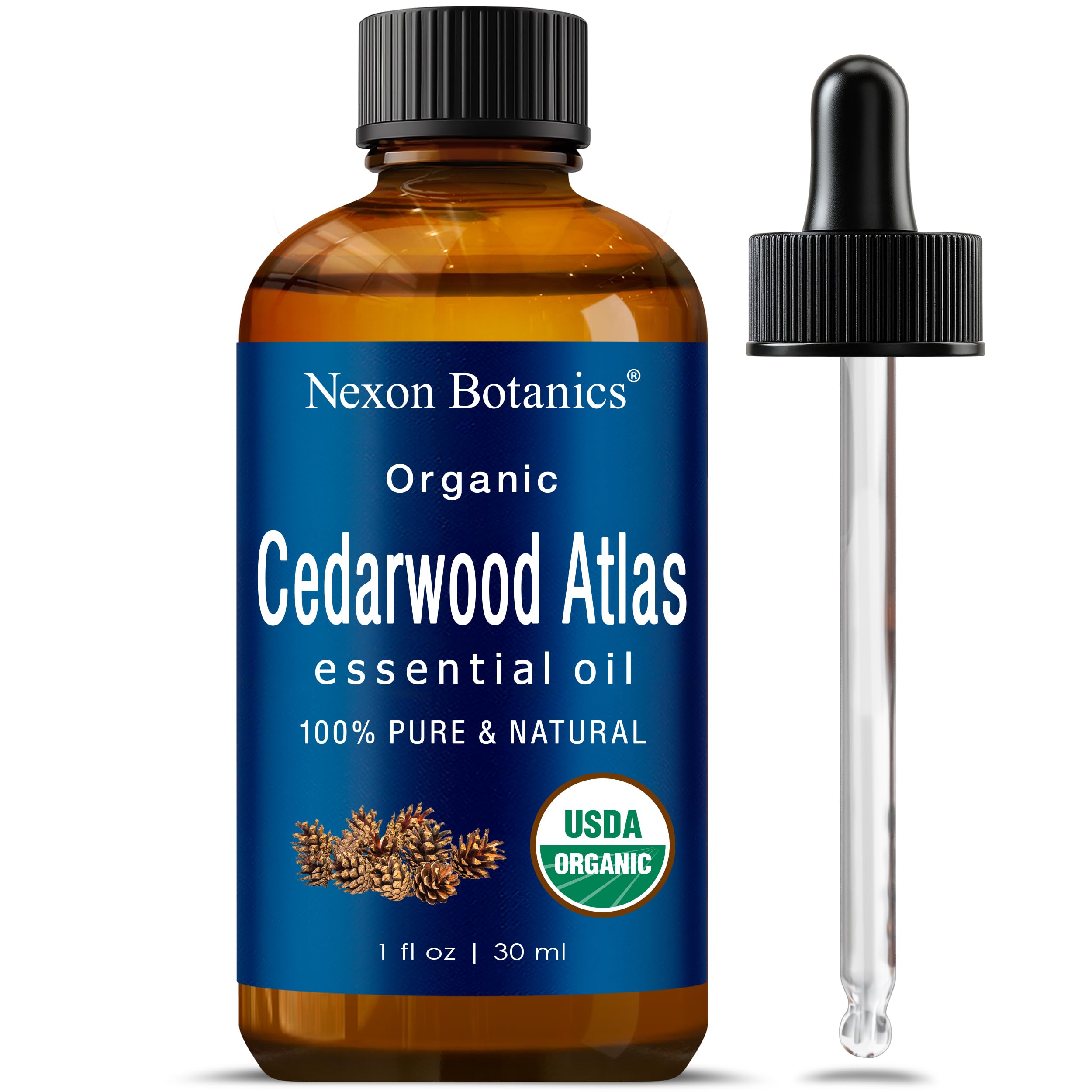
Nexon Botanics offers an entry-level organic option that is 100% pure, undiluted, non-GMO, and hexane-free. The Atlas Cedarwood (Cedrus atlantica) variety has a sweet, balsamic aroma that is more honey-like than other cedarwood species, making it particularly well-suited for skincare and relaxation rituals. The 30 ml dark glass bottle with a standard dropper provides a straightforward, no-fuss user experience.
Customer feedback highlights its effectiveness for DIY lotions and acne-prone skin when properly diluted. The oil helps balance excess oil production and can reduce the appearance of scars and dark spots. For hair care, users report it soothes scalp itchiness and dryness, promoting visibly stronger hair. One creative reviewer even used it to repel mice—a testament to the strong, natural scent profile.
At this price point, you get a certified organic product without the testing transparency of the premium options. The lack of a publicly available GC-MS report means you are relying on the brand’s quality assurance rather than independent verification. For budget-conscious buyers who prioritize organic certification above all else, this is a solid entry point into essential oils.
Why it’s great
- Organic, hexane-free, and non-GMO at an accessible price point
- Sweet balsamic Atlas cedar aroma is gentle and pleasant for relaxation
- Positive customer results for skincare, haircare, and even natural pest control
Good to know
- No batch-specific GC-MS report available for purity verification
- 30 ml bottle is smaller compared to mid-range competitors for the same price tier
FAQ
Can I apply undiluted cedarwood oil directly to my skin?
Why does my cedarwood oil smell like maple syrup or bacon?
How do I read a GC-MS report to check for adulterants?
Final Thoughts: The Verdict
For most users, the best cedarwood essential oil winner is the Plant Therapy Himalayan Cedarwood because it combines rigorous third-party GC-MS testing with a versatile smoky-balsamic aroma that works for focus, skincare, and pest repellent. If you want USDA organic certification and simple, clean purity, grab the Cliganic Organic Cedarwood. And for high-volume DIY projects like soap and candle making, nothing beats the 4-ounce value of the SVA Cedarwood.

Mo Maruf
I created WellFizz to bridge the gap between vague wellness advice and actionable solutions. My mission is simple: to decode the research and give you practical tools you can actually use.
Beyond the data, I am a passionate traveler. I believe that stepping away from the screen to explore new environments is essential for mental clarity and physical vitality.