Our readers keep the lights on and my smoothie glass nicely filled. As an Amazon Associate, I earn from qualifying purchases.
Choosing the right cardiac monitor watch means deciding between on-wrist ECG capabilities, continuous arrhythmia alerts, and sleep-stage heart rate variability (HRV) data that your doctor can actually use. The market has moved beyond basic step counters into medical-grade sensors worn 24/7 — but optical sensors, electrode placement, and battery endurance vary wildly between models.
I’m Mohammad Maruf — the founder and writer behind WellFizz. I have spent years analyzing wearable health hardware specifications, cross-referencing sensor accuracy against clinical references, and mapping ECG certification claims to real-world performance. Every product recommendation here is based on that deep market research.
Whether you need FDA-cleared ECG recordings for atrial fibrillation screening or all-day HRV tracking for stress management, this guide covers the best picks across every tier. Use this analysis to find the best cardiac monitor watch for your specific health needs.
How To Choose The Best Cardiac Monitor Watch
Before comparing specific models, understand which sensor types and features convert raw data into actionable cardiac insights. Optical heart rate sensors, single-lead ECG electrodes, and bioimpedance spectroscopy each serve a distinct diagnostic purpose.
Optical HR vs. ECG Electrodes
Optical sensors (photoplethysmography) shine LEDs through your skin to detect blood volume changes. They provide continuous 24/7 heart rate but are sensitive to motion artifacts and tattooed skin. ECG electrodes on the watch back and crown capture a 30-second medical-grade waveform when you touch the crown — this is what clinicians use to detect atrial fibrillation. A cardiac monitor watch should ideally offer both.
Battery Endurance for Overnight Monitoring
Arrhythmias often occur during sleep. Watches that last fewer than 24 hours must be charged nightly, creating gaps in nocturnal heart data. Look for minimum 5-day battery life in smartwatch mode to capture sleep HRV trends and overnight irregular rhythm notifications without interruption.
Regulatory Clearance and Clinical Validation
FDA clearance for ECG and irregular rhythm notification is not just marketing language — it means the algorithm has been validated against a 12-lead clinical ECG. Watches without clearance may be accurate but lack the rigorous trial data that physicians trust when reviewing your exported PDF reports.
Quick Comparison
On smaller screens, swipe sideways to see the full table.
| Model | Category | Best For | Key Spec | Amazon |
|---|---|---|---|---|
| Apple Watch Series 11 42mm | Premium | ECG & hypertension notification | ECG + sleep apnea detection | Amazon |
| Apple Watch Series 11 46mm | Premium | Full health suite | ECG + fall detection | Amazon |
| Garmin vivoactive 6 | Mid-Range | Sleep & recovery tracking | 11-day battery + HRV status | Amazon |
| Samsung Galaxy Watch 7 | Mid-Range | Galaxy ecosystem & AI insights | BIA sensor + sleep apnea | Amazon |
| Garmin vívoactive 5 | Mid-Range | Daily readiness & energy monitoring | 11-day battery, Body Battery | Amazon |
| Fitbit Sense 2 | Mid-Range | Stress management & ECG | cEDA + ECG + SpO2 | Amazon |
| Samsung Galaxy Watch 6 44mm LTE | Mid-Range | Standalone LTE & HR zones | BIA + personalized HR zones | Amazon |
| Amazfit Active Max | Budget-Friendly | Long battery & offline maps | 25-day battery + 3000 nits | Amazon |
| Fitbit Charge 6 | Budget-Friendly | Baseline heart health & value | 7-day battery + Google Maps | Amazon |
In‑Depth Reviews
1. Apple Watch Series 11 [GPS + Cellular 42mm]
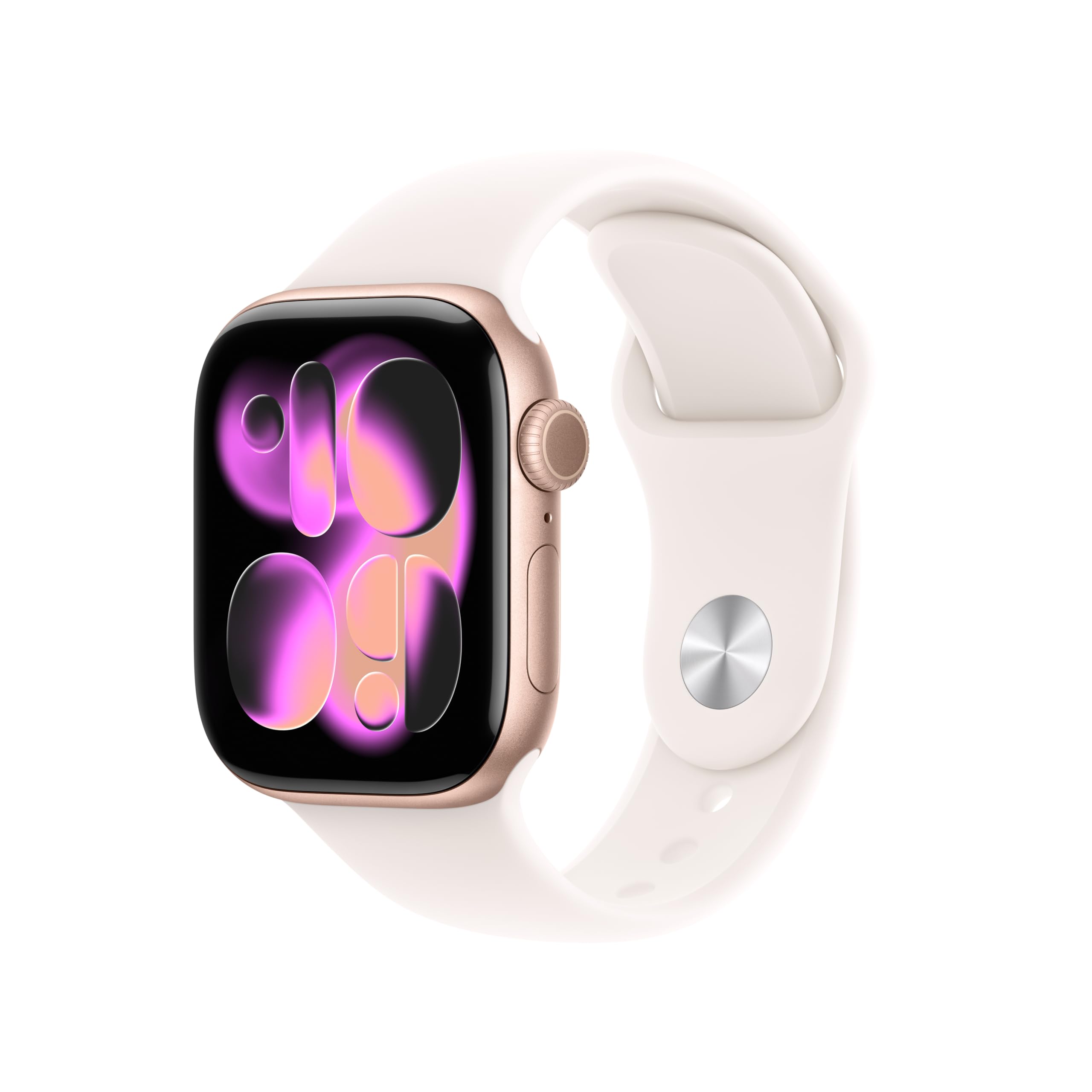
The Apple Watch Series 11 delivers the most medically complete cardiac monitoring suite in a consumer wearable. Its ECG app generates a single-lead waveform that can be exported as a PDF for your cardiologist, and the irregular rhythm notification algorithm has FDA clearance for atrial fibrillation detection. The new hypertension notification feature analyzes arterial pulse wave velocity to flag possible chronic high blood pressure — a first for wrist-worn devices.
Sleep apnea notification uses the accelerometer and heart rate sensor to detect breathing disturbances during sleep, a feature that previously required a prescription home test. The 42mm cellular variant lets you leave your iPhone behind during runs or errands while still receiving health alerts. Battery reaches 24 hours of typical use, and a 15-minute fast charge provides 8 hours of operation, though heavy GPS workouts will require a midday top-up.
The sapphire crystal display and 50m water resistance make it durable for daily wear and pool swimming. However, the feature-dense interface has a learning curve, and the watch is most effective when paired with an iPhone — Android users will lose ECG, HRV, and sleep apnea functionality entirely. If you need the deepest clinical insight and are in the Apple ecosystem, this is the definitive pick.
Why it’s great
- FDA-cleared ECG and irregular rhythm notifications
- Hypertension notification via pulse wave analysis
- Sleep apnea detection with overnight respiratory monitoring
Good to know
- Requires iPhone for full cardiac feature set
- Battery life requires daily charging for overnight sleep tracking
- Interface can feel dense for non-tech users
2. Apple Watch Series 11 [GPS 46mm]
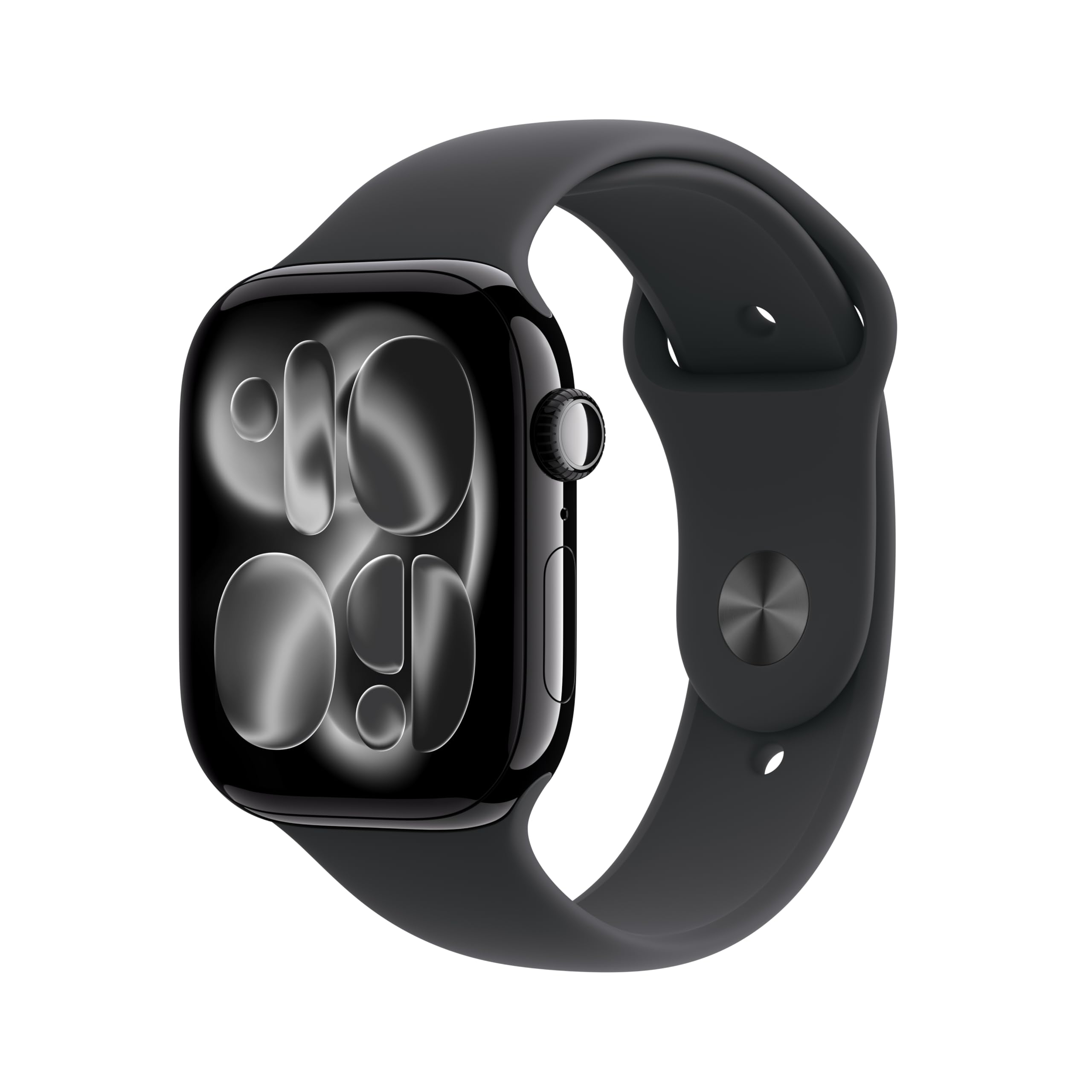
The 46mm GPS model mirrors the Series 11’s cardiac sensor suite — ECG, irregular rhythm monitoring, and hypertension alerts — but swaps cellular connectivity for a lower entry point. The Vitals app aggregates overnight health metrics including heart rate, respiratory rate, wrist temperature, and blood oxygen into a single morning report, giving you a snapshot of cardiac recovery from the previous night.
The larger display makes it easier to read ECG trace overlays and workout metrics during runs without squinting. Scratch-resistant glass that is twice as durable as Series 10 handles daily bumps, and the 50m water resistance is suitable for open-water swimming. Fall detection and car crash detection add a safety layer for older adults or those exercising alone.
This model lacks LTE, so calls and texts require your iPhone to be nearby. The battery life holds at roughly 24 hours, which is sufficient for all-day wear but requires a nightly charge habit — you lose overnight HRV data during that charging window. For iPhone users who want the full health monitoring platform without paying for cellular, this is the sweet spot.
Why it’s great
- Same ECG and hypertension detection as cellular version
- Vitals app consolidates overnight cardiac metrics
- Large, scratch-resistant display for easy data reading
Good to know
- No LTE — requires iPhone for calls and notifications
- Must charge nightly, interrupting sleep tracking
- Blood oxygen sensor disabled in some regions
3. Garmin vivoactive 6 GPS Smartwatch
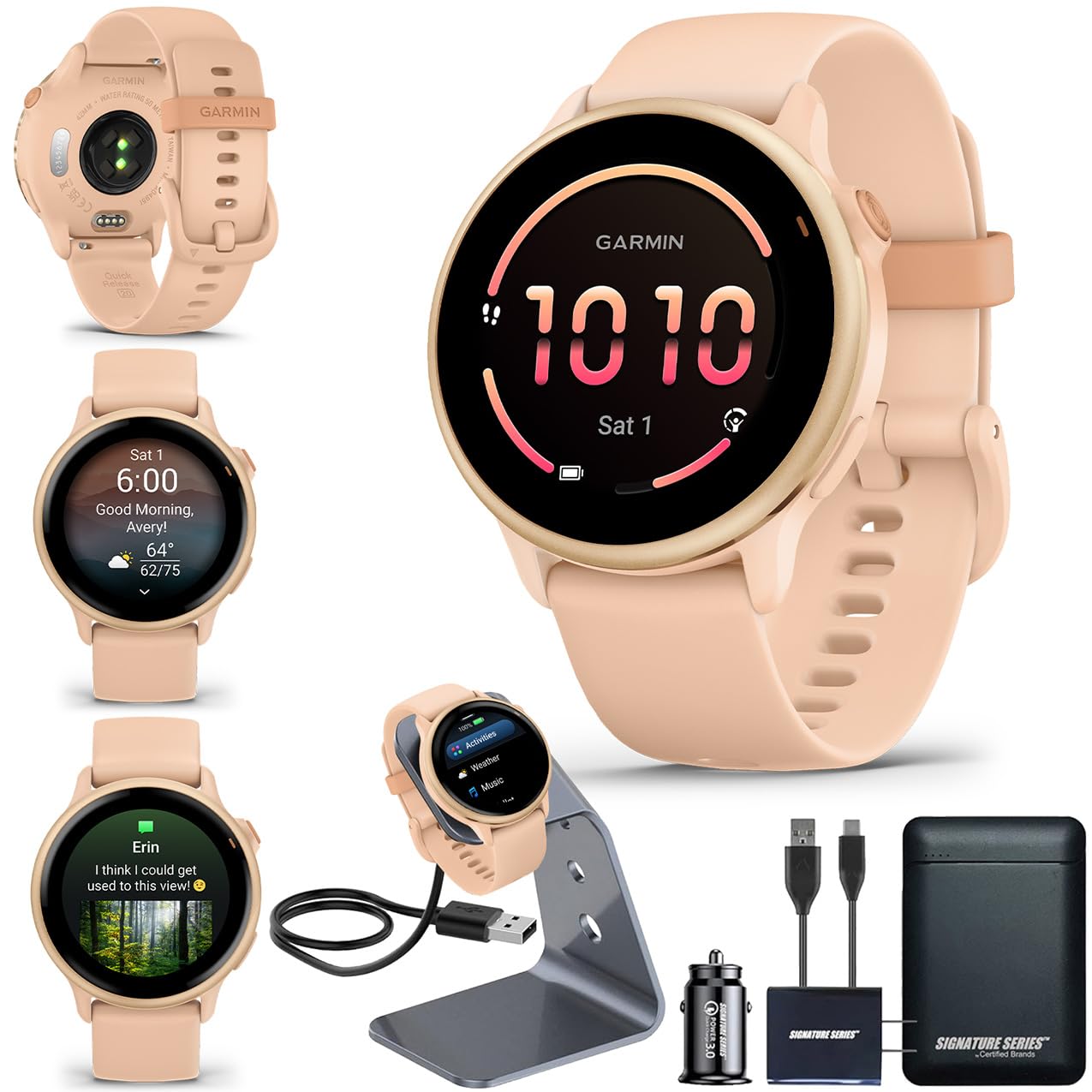
Its Body Battery energy monitoring uses HRV, stress, and sleep quality to tell you when your cardiovascular system is recovered enough for a hard workout versus when you need rest.
The Sleep Coach feature provides tailored sleep score targets and automatic nap detection — critical for understanding how disrupted sleep affects your resting heart rate. Over 80 built-in sports apps cover everything from walking to wheelchair pushes, and the AMOLED display stays bright even under direct sun. The Signature Series Power Bundle includes a charging stand and extra power pack, though the watch itself lasts long enough that the extras feel more like insurance than daily necessities.
The vivoactive 6 does not include a single-lead ECG app, so it cannot produce a clinical-grade waveform for atrial fibrillation screening. It relies entirely on optical heart rate and HRV for arrhythmia detection, which is less specific than an ECG. For users focused on recovery, stress, and general heart rate trends over an extended period, this watch is unmatched in its class.
Why it’s great
- 11-day battery enables continuous sleep and HRV tracking
- Body Battery and sleep coach provide actionable recovery insight
- Bright AMOLED display with Garmin Pay contactless
Good to know
- No ECG waveform — relies on optical HR for arrhythmia clues
- Does not count floor elevation or stairs
- App-based music streaming may drain battery faster
4. Samsung Galaxy Watch 7 40mm Bluetooth

The Samsung Galaxy Watch 7 upgrades the cardiac monitoring game with Galaxy AI that filters out body movement from the optical heart rate sensor for cleaner readings during exercise. Its Energy Score calculates physical readiness based on overnight heart rate, HRV, and sleep data, giving you a morning readiness score similar to Garmin’s Body Battery but generated on-device rather than in the cloud.
Sleep apnea detection is a standout feature — the watch uses blood oxygen and accelerometer data to flag moderate-to-severe sleep apnea, a condition directly linked to nocturnal arrhythmias. The 1.5-inch Super AMOLED display with sapphire crystal is exceptionally durable, and the Exynos processor handles health calculations without lag. Onboard 32GB storage lets you download music for phone-free runs.
Battery life remains the weakest link — expect roughly 22 hours with continuous heart monitoring and always-on display. Heavy use with GPS and sleep tracking may leave you charging before the day ends. The watch integrates best with Samsung phones: some health features like blood pressure calibration require a Samsung Health Monitor app that is exclusive to Galaxy devices. For Samsung users who want AI-driven cardiac insights, this is the logical upgrade.
Why it’s great
- Galaxy AI filters motion noise from heart rate readings
- FDA-cleared sleep apnea detection using SpO2 data
- Sapphire crystal display is tough and scratch-resistant
Good to know
- Sub-24-hour battery requires nightly charging
- Blood pressure feature needs Samsung phone calibration
- Sleep tracking may miss short naps without manual logging
5. Garmin vívoactive 5 Health GPS Smartwatch

The Garmin vívoactive 5 strikes a balance between health monitoring depth and comfortable all-day wear. Its wrist-based heart rate sensor and HRV status provide continuous cardiac data without the skin irritation some metal-backed watches cause. The Body Battery energy monitoring gives a percentage score that accounts for sleep quality, naps, and stress — helping you see how emotional strain impacts your heart rate reserve.
Automatic nap detection and logging set this Garmin apart for cardiac recovery tracking. A midday nap of any length is detected and factored into your Body Battery score, giving you a more accurate picture of afternoon cardiovascular readiness. The 11-day battery (5 days with always-on display) is enough to wear through a full work week without charging, preserving nocturnal HR and HRV data.
The watch lacks an ECG app, so it cannot generate a shareable waveform for atrial fibrillation screening. The optical heart rate sensor is also less accurate during high-intensity interval training compared to a chest strap. For users who prioritize recovery insights, stress tracking, and a week-plus battery over clinical ECG features, the vívoactive 5 delivers reliable daily cardiac context.
Why it’s great
- Comfortable lightweight design with no skin irritation
- Automatic nap detection improves Body Battery accuracy
- 11-day battery supports continuous nightly HR tracking
Good to know
- No ECG app for clinical waveform capture
- Optical HR can lag during HIIT or fast interval changes
- Nap detection occasionally registers stillness as sleep
6. Fitbit Sense 2 Advanced Smartwatch

The Fitbit Sense 2 is the only watch in the mid-range that packed both a continuous electrodermal activity (cEDA) sensor for stress tracking and a single-lead ECG app for on-demand atrial fibrillation screening. The cEDA sensor measures skin conductance changes linked to sympathetic nervous system arousal — a unique data point for understanding how emotional stress elevates your resting heart rate throughout the day.
Its Daily Readiness Score combines heart rate variability, recent sleep quality, and activity load to recommend whether you should push hard or take a recovery day. The built-in GPS works without a phone for outdoor runs, and the 6-plus-day battery comfortably covers a work week. Google Health Premium (3 months included) unlocks deeper analytics like cardio fitness trends and guided programs.
Durability concerns are the main downside — the charging prongs can corrode over time, and some units lose connectivity after 12-18 months. Sleep stage detection can be inconsistent for restless sleepers, occasionally requiring motionless periods longer than five minutes to register sleep. For stress monitoring combined with basic ECG capabilities, the Sense 2 remains a compelling option despite its age.
Why it’s great
- cEDA sensor tracks stress through skin conductance
- ECG app for on-demand Afib screening
- Daily Readiness Score integrates HRV and sleep quality
Good to know
- Charging prongs may corrode after 1-2 years
- Sleep stage detection less reliable for light sleepers
- Requires subscription for advanced health analytics
7. Samsung Galaxy Watch 6 44mm LTE

The Samsung Galaxy Watch 6 44mm LTE offers standalone cellular connectivity, allowing calls, texts, and heart health alerts without a paired phone. Its personalized heart rate zones are calculated from your resting HR and maximum HR, automatically adjusting your aerobic threshold during runs — useful for cardiac patients who need to stay within a specific training zone. The BIA sensor measures body composition (body fat, skeletal muscle, BMI) which contextualizes heart rate trends against your lean mass.
The watch continuously scans for irregular heart rhythms that could indicate atrial fibrillation and alerts you in real time. The 1.47-inch Super AMOLED display is vivid even under bright sunlight, and the rotating bezel (missing on Watch 7) provides tactile navigation that feels precise during sweaty workouts. The LTE model works on most carriers, though some features like ECG require a Samsung phone for setup.
Battery life is the major limitation — cellular use with GPS drains the 425 mAh battery to empty in roughly 7 hours. Even in standard smartwatch mode, battery rarely exceeds 1.5 days. The watch also lacks external Bluetooth heart rate monitor support, which is a dealbreaker for cyclists who prefer chest-strap accuracy. For users who want LTE independence and personalized HR zone coaching, this is a capable older-gen option.
Why it’s great
- Standalone LTE for calls and alerts without phone
- Personalized HR zones adjust to your resting and max heart rate
- BIA sensor connects body composition to cardiac metrics
Good to know
- Battery life limited to 1.5 days in normal mode
- No external HR monitor support via Bluetooth
- ECG and some health features require Samsung phone
8. Amazfit Active Max Smart Watch

The Amazfit Active Max redefines endurance with up to 25 days of battery life, making it the only watch that can monitor your heart rate continuously for nearly a month without a charge. Its BioCharge energy monitoring score uses HRV, stress levels, and recent workout load to suggest optimal training days — functionality comparable to Garmin’s Body Battery at a fraction of the cost. The 1.5-inch AMOLED display reaches 3,000 nits, readable even under direct desert sun during outdoor runs.
Offline GPS maps with turn-by-turn navigation and 4GB onboard storage for music make it a practical companion for long hikes or runs where you want to leave your phone behind. The sensor accuracy — heart rate, SpO2, and sleep staging — has been validated by multiple users against medical devices and found to be reliable for baseline health tracking. The watch works equally well with both Android and iPhone.
The Active Max lacks an ECG electrode, so it cannot capture a clinical-grade cardiac waveform. Its optical heart rate sensor is also less consistent during weightlifting or HIIT when wrist motion is rapid. The Zepp app interface is functional but not as polished as Garmin Connect or Apple Health. For budget-conscious users who prioritize battery endurance and continuous HR monitoring above all else, this is the clear winner.
Why it’s great
- 25-day battery enables uninterrupted nocturnal HR tracking
- BioCharge score provides HRV-based recovery insight
- 3,000-nit display is readable in full sun
Good to know
- No ECG sensor for clinical arrhythmia screening
- Optical HR accuracy drops during heavy resistance training
- Zepp app interface is less refined than market leaders
9. Fitbit Charge 6 Fitness Tracker

The Fitbit Charge 6 is the most affordable entry point for continuous heart rate monitoring with a 6-7 day battery that supports overnight sleep tracking without recharging mid-week. Its Active Zone Minutes feature uses your personalized heart rate zones to credit every minute of elevated heart rate toward a weekly cardiovascular target — a practical way to track cardiac exercise load without thinking about numbers. Real-time heart rate display on compatible gym equipment is a unique feature that lets you see your pulse on the treadmill or elliptical screen.
The watch includes built-in GPS for pace and distance during outdoor runs, Google Maps turn-by-turn navigation on your wrist, and Google Wallet contactless payments. The Stress Management Score combines HRV, exertion, and sleep patterns to give a daily picture of cardiovascular recovery. The 40-plus exercise modes cover everything from running to pilates, and the slim profile makes it comfortable for all-day wear.
Accuracy complaints exist — some users report GPS distance overestimation by up to 30% compared to machine readings, and calorie estimates can be inflated during low-intensity activities. The app can also be sluggish to sync, and the limited watch face selection may feel restrictive. For new users who want a fuss-free HR tracker with good battery and basic ECG-like insights from the Fitbit app, the Charge 6 offers strong value.
Why it’s great
- 6-7 day battery supports uninterrupted sleep HR tracking
- Active Zone Minutes tie heart rate to weekly cardio targets
- Real-time HR sync with compatible gym equipment
Good to know
- GPS distance accuracy can be inconsistent
- Calorie burn may read high for casual activity
- App sync can be slow and occasionally unreliable
FAQ
Can a cardiac monitor watch replace a medical-grade Holter monitor?
Does optical heart rate monitoring work through tattoos or dark skin?
How often should I take an ECG reading on my watch?
Why does my watch show different heart rates than my gym equipment?
Can sleep apnea detection on a watch replace a sleep study?
Final Thoughts: The Verdict
For most users, the best cardiac monitor watch winner is the Apple Watch Series 11 42mm because it combines FDA-cleared ECG, irregular rhythm notification, hypertension hints, and sleep apnea detection into a single polished wearable. If you want uninterrupted overnight HRV tracking with a week-long battery, grab the Garmin vivoactive 6. And for the longest endurance and best value in continuous HR monitoring, nothing beats the Amazfit Active Max.

Mo Maruf
I created WellFizz to bridge the gap between vague wellness advice and actionable solutions. My mission is simple: to decode the research and give you practical tools you can actually use.
Beyond the data, I am a passionate traveler. I believe that stepping away from the screen to explore new environments is essential for mental clarity and physical vitality.