The difference between a personal record and a painful disappointment often comes down to what you put on your feet. Carbon fiber running shoes have transformed road racing, but with so many options claiming to shave seconds off your mile, separating genuine innovation from marketing hype takes more than a quick scroll.
I’m Mohammad Maruf — the founder and writer behind WellFizz. My research process combines deep specification analysis, cross-referencing thousands of verified buyer experiences, and studying the engineering decisions that actually affect your stride.
After analyzing dozens of models and thousands of reviews, I found the best carbon fiber running shoes that deliver race-day performance without breaking the bank.
How To Choose The Best Carbon Fiber Running Shoes
Not every carbon plate shoe is built for the same runner. Your weight, foot strike, race distance, and even cadence determine whether a particular model will help or hinder your performance. Here’s what to focus on.
Carbon Plate Geometry and Stiffness
Full-length plates deliver the most aggressive propulsion but demand better mechanics. Curved plates with a pronounced rocker suit midfoot strikers, while flatter profiles benefit heel strikers. Some brands use a continuous plate, others split the plate into separate elements for more flexibility at slower paces.
Midsole Foam and Stack Height
The plate is only as good as the foam around it. Pebax-based foams like ZoomX and FuelCell offer the highest energy return but compress faster under heavier runners. Taller stacks (39mm+) provide more cushioning but reduce ground feel and stability. Runners under 160 pounds often prefer softer foams; heavier runners need firmer platforms to avoid bottoming out.
Fit, Upper Construction, and Sizing
Carbon shoes often run narrow to save weight and lock the foot in place. If you have wide feet or need orthotics, look for models with accommodating toe boxes or multiple width options. A secure heel counter prevents slip during fast turns, and breathable mesh reduces hot spots over marathon distances.
Durability and Mileage Expectations
Racing shoes with lightweight foams and thin rubber outsoles typically last 150 to 300 miles before the plate starts showing through or the foam loses its pop. Training in carbon shoes accelerates wear, so many runners reserve them for race day and key workouts. If you want a carbon shoe for daily training, prioritize thicker outsole rubber and denser foam.
Quick Comparison
On smaller screens, swipe sideways to see the full table.
| Model | Type | Best For | Key Feature | Amazon |
|---|---|---|---|---|
| Nike Zoomx Vaporfly Next% 4 | Racing | Half to full marathon PRs | Full-length carbon plate with ZoomX foam | Amazon |
| ASICS Metaspeed Sky 3 | Racing | Stride-type runners chasing speed | Lightweight carbon plate with FF Blast Turbo foam | Amazon |
| New Balance FuelCell Supercomp Elite V4 | Racing | Long runs and marathon pace | Energy Arc carbon plate with dual-layer FuelCell | Amazon |
| Brooks Men’s Adrenaline GTS 25 | Support | Daily training with stability needs | GuideRails support system with DNA Loft v3 cushioning | Amazon |
| Nike Alphafly 3 | Racing | Zoom Air pods with full-length carbon plate | Amazon | |
| ASICS Metaspeed Edge Tokyo | Racing | Cadence-driven runners seeking turnover | Carbon plate optimized for high-cadence strides | Amazon |
| New Balance FuelCell Supercomp Pacer V1 | Speed | Tempo runs and 5K/10K racing | Energy Arc carbon plate with moderate stack | Amazon |
| Nike Zoom Fly 6 | Training | Daily mileage with carbon feel | Carbon-reinforced plate with ZoomX foam | Amazon |
| Women’s Alphafly 3 | Racing | Female-specific marathon racing | Women’s-tuned Zoom Air and carbon plate | Amazon |
| Brooks Hyperion Elite 4 | Racing | Race day with maximum comfort | Nitrogen-infused DNA FLASH v2 with carbon plate | Amazon |
| SHIMANO SH-RC703 | Cycling | Pedal efficiency and power transfer | Carbon composite sole with BOA dial system | Amazon |
In-Depth Reviews
1. Nike Zoomx Vaporfly Next% 4
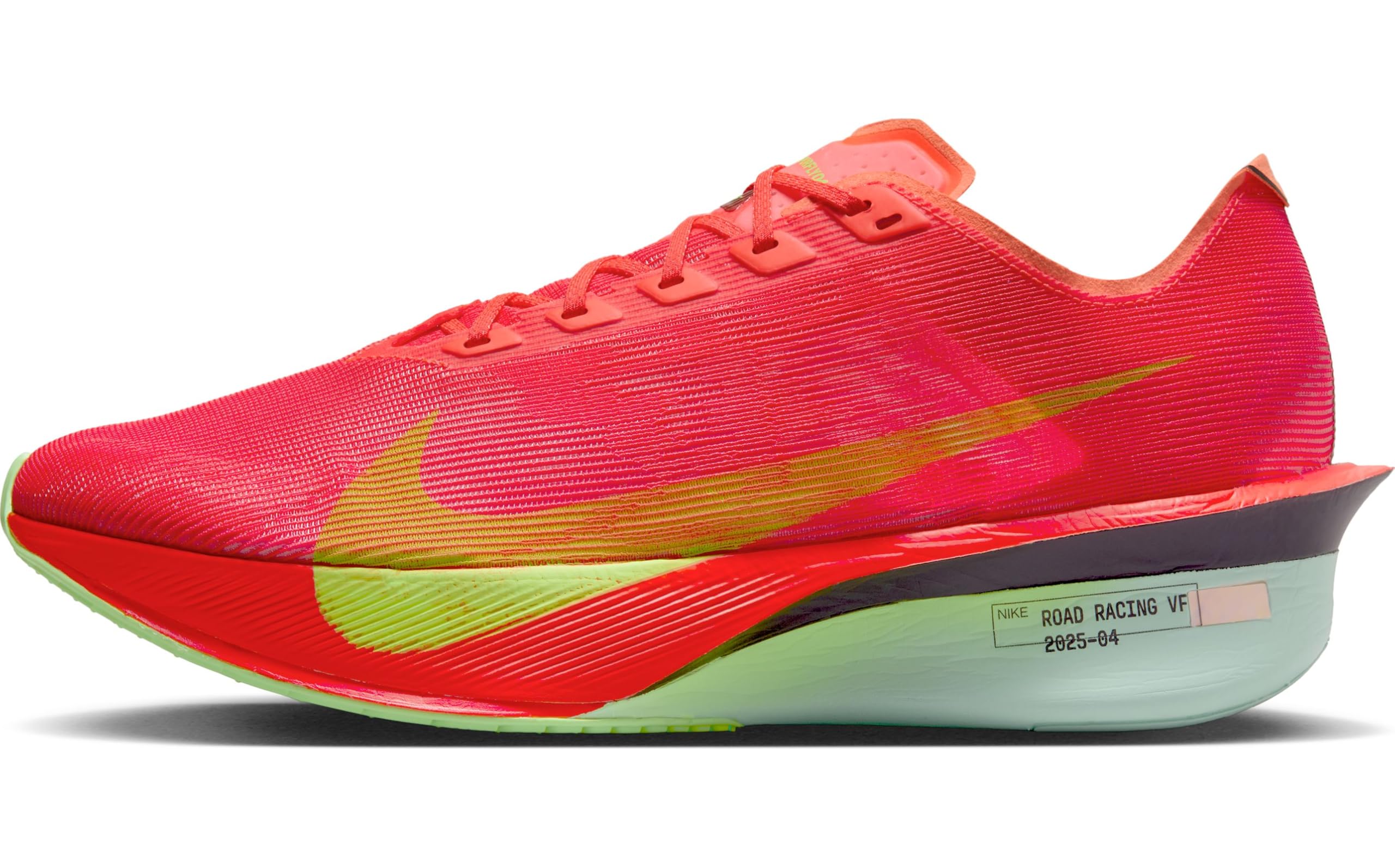
The Vaporfly Next% 4 continues to define what a race-day shoe should feel like. Runners consistently report that these shoes make daily jogs feel effortless and transform half-marathon efforts into something far more manageable. The combination of a full-length carbon plate and ZoomX foam creates a ride that feels both responsive and well-cushioned without mushing out at faster paces.
Several users noted that the shoe performs best at distances up to a half marathon, with one experienced runner mentioning that beyond that point the benefits start to plateau. The upper is lightweight and breathable, though a small number of buyers experienced quality control issues with premature wear. Sizing runs true for most, and the wide forefoot allows for natural toe splay during push-off.
For runners looking to break through plateaus or target a new PR, this model offers one of the most proven platforms available. The energy return is immediate and noticeable from the first stride, and the overall weight remains impressively low for the amount of cushioning underfoot.
Why it’s great
- Exceptional energy return at race pace
- Breathable, secure upper with good lockdown
- Proven track record across all distance events
Good to know
- Some durability concerns reported around the outsole
- Best reserved for race day rather than daily training
2. ASICS Metaspeed Sky 3
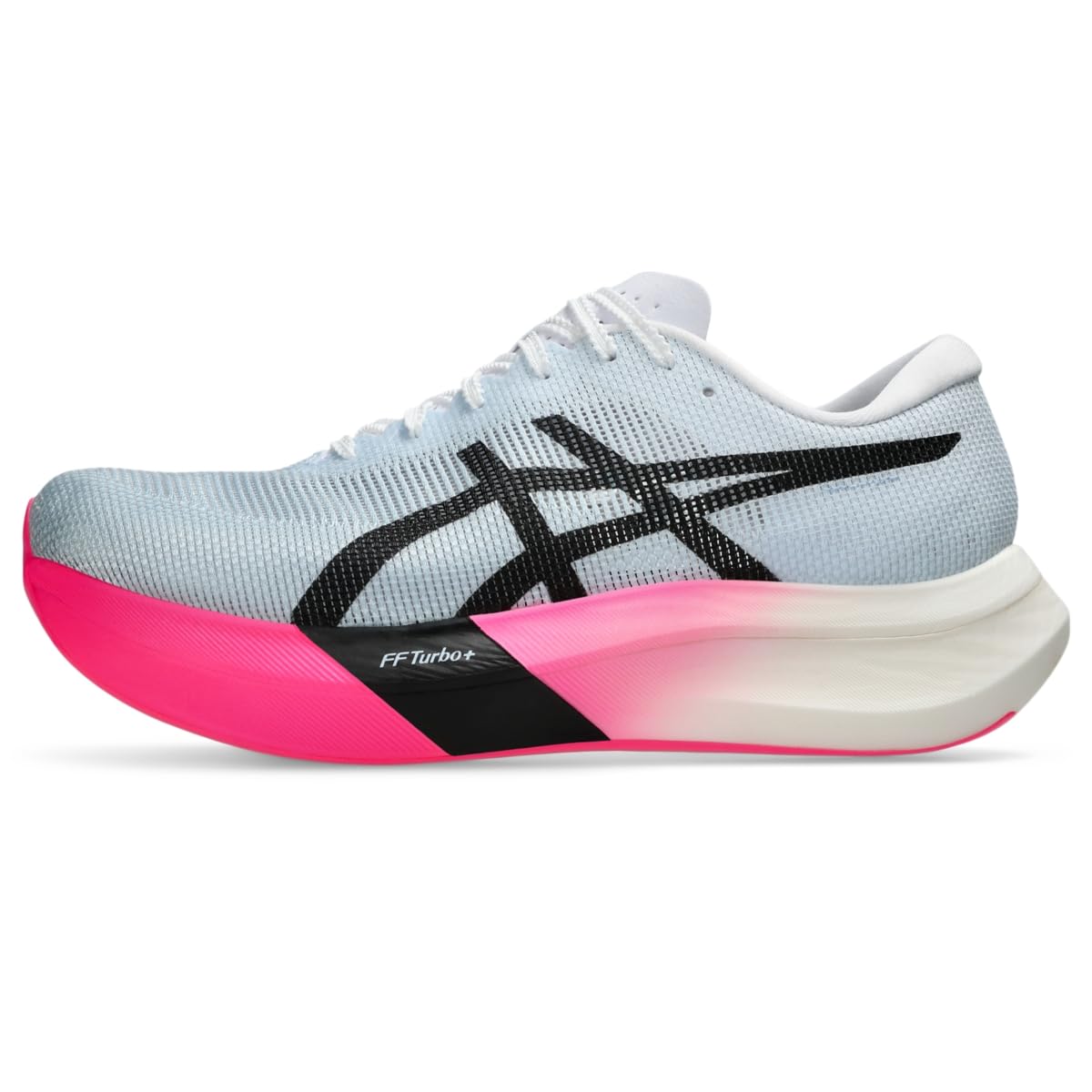
The Metaspeed Sky 3 is engineered for stride-type runners who cover more ground with each step. Users consistently describe it as far more comfortable and lighter than comparable models from Nike and Hoka, with one reviewer calling it the best carbon-plate shoe they have ever worn. The plate delivers a strong, responsive push-off that translates directly into faster splits.
Several marathon trainers reported that the shoe held up well through long training blocks, though a few users experienced faster-than-expected foam degradation around the 80-mile mark. The upper fits snugly, and some runners with wider feet needed to size up for a comfortable fit. Mid-forefoot blistering was noted by a small number of buyers during longer efforts.
For runners who prefer a firmer, more responsive platform underfoot, the Sky 3 delivers a ride that feels precise without being harsh. The weight savings are immediately noticeable, and the overall construction reflects ASICS’s commitment to race-day performance.
Why it’s great
- Outstanding energy return and push-off response
- Very lightweight with a secure, race-ready fit
- Excellent for stride-dominant runners
Good to know
- Foam durability may be limited for high-mileage runners
- Snug fit may not suit wider foot shapes
3. New Balance FuelCell Supercomp Elite V4

The Supercomp Elite V4 has quietly become a favorite among runners who want carbon-plate performance without the aggressive ride of some competitors. One reviewer who has struggled with metatarsalgia for years reported going 20 miles with zero foot discomfort, calling the shoe a blessing. The balance between cushion and energy return hits a sweet spot that works well for paces around 6:30 per mile and slower.
Several users praised the comfort straight out of the box with no break-in period needed, and one runner used them for both a half marathon and a 10K with excellent results. The tongue design received some criticism for potential Achilles irritation, and the upper may feel less premium compared to Nike’s offerings. Still, the forward propulsion and light feel make it a strong contender.
For runners looking to transition into their first carbon-plated shoe, the Elite V4 offers a forgiving yet responsive platform that doesn’t demand perfect form to deliver benefits. The durability seems solid, with users reporting good wear after several hundred miles.
Why it’s great
- Superb comfort for long runs and marathon training
- No break-in period required
- Excellent for runners with foot sensitivity
Good to know
- Tongue design may irritate the Achilles area
- Upper feel is less premium than some competitors
4. Brooks Men’s Adrenaline GTS 25

The Adrenaline GTS 25 is not a carbon-plated racer, but it deserves a spot here for runners who need everyday stability and support while they train for race day. Multiple users with plantar fasciitis reported zero foot pain even after a full week at Disney, and the wide toe box accommodates orthotics and natural foot splay without squeezing. The GuideRails system provides gentle guidance without feeling intrusive.
Parents buying for young athletes noted that the durability holds up well through a full track season, with one customer reporting their son uses them for four events with noticeably less foot fatigue. The multiple width options are a standout feature, with X-wide sizes delivering all-day comfort for runners who struggle to find shoes that fit. Brooks uses high-quality materials that justify the investment.
If you need a training partner that keeps your feet comfortable mile after mile while providing the support your gait requires, this is the shoe to buy. It’s not built for race-day speed, but it will get you to the starting line healthy and ready.
Why it’s great
- Exceptional arch support and stability for overpronators
- Multiple width options including X-wide
- Durable construction that lasts through heavy training
Good to know
- Not a carbon-plated racing shoe
- Heavier than dedicated race-day models
5. Nike Alphafly 3
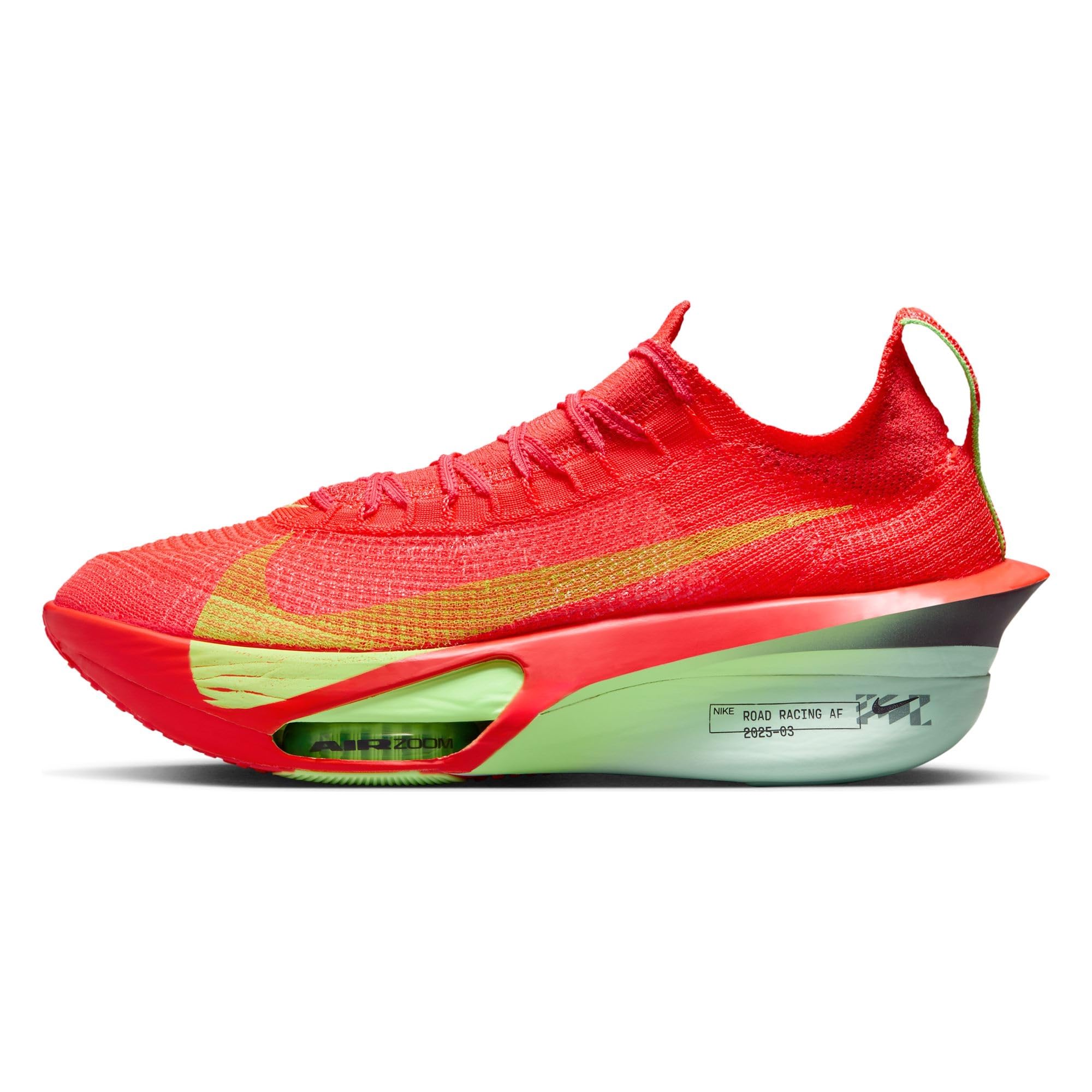
The Alphafly 3 is Nike’s most advanced marathon racer, and the feedback confirms it delivers on its promise of speed. One runner weighing 275 pounds reported they feel perfect, describing the experience as out of this world. The combination of Zoom Air pods in the forefoot with a full-lengthcarbon plate creates a ride that feels propulsive yet stable. Multiple users noted the bouncy sensation, comparing it to running on small trampolines. The shoe definitely feels fast, though some reviewers experienced blood blisters during longer training runs, and one reported a rock wedged in the heel causing instability on a 22-mile run. The durability is a concern for some, with the outsole showing wear after limited use. For serious marathoners who want maximum energy return and are willing to accept a shorter lifespan, the Alphafly 3 is a legitimate weapon on race day.
The fit runs true to size for most, but the narrow forefoot may not suit wider feet. The springiness is immediately noticeable, and several runners reported reduced shin splint pain compared to traditional trainers. If you prioritize speed above all else and have the mechanics to handle an aggressive carbon plate, this shoe will help you find another gear.
Why it’s great
- Incredible energy return and bounce
- Race-proven design for marathon PRs
- Works well for heavier runners seeking speed
Good to know
- Potential for blistering and hot spots on long runs
- Outsole durability may be limited
- Narrow fit may not suit all foot shapes
6. Nike Zoom Fly 6
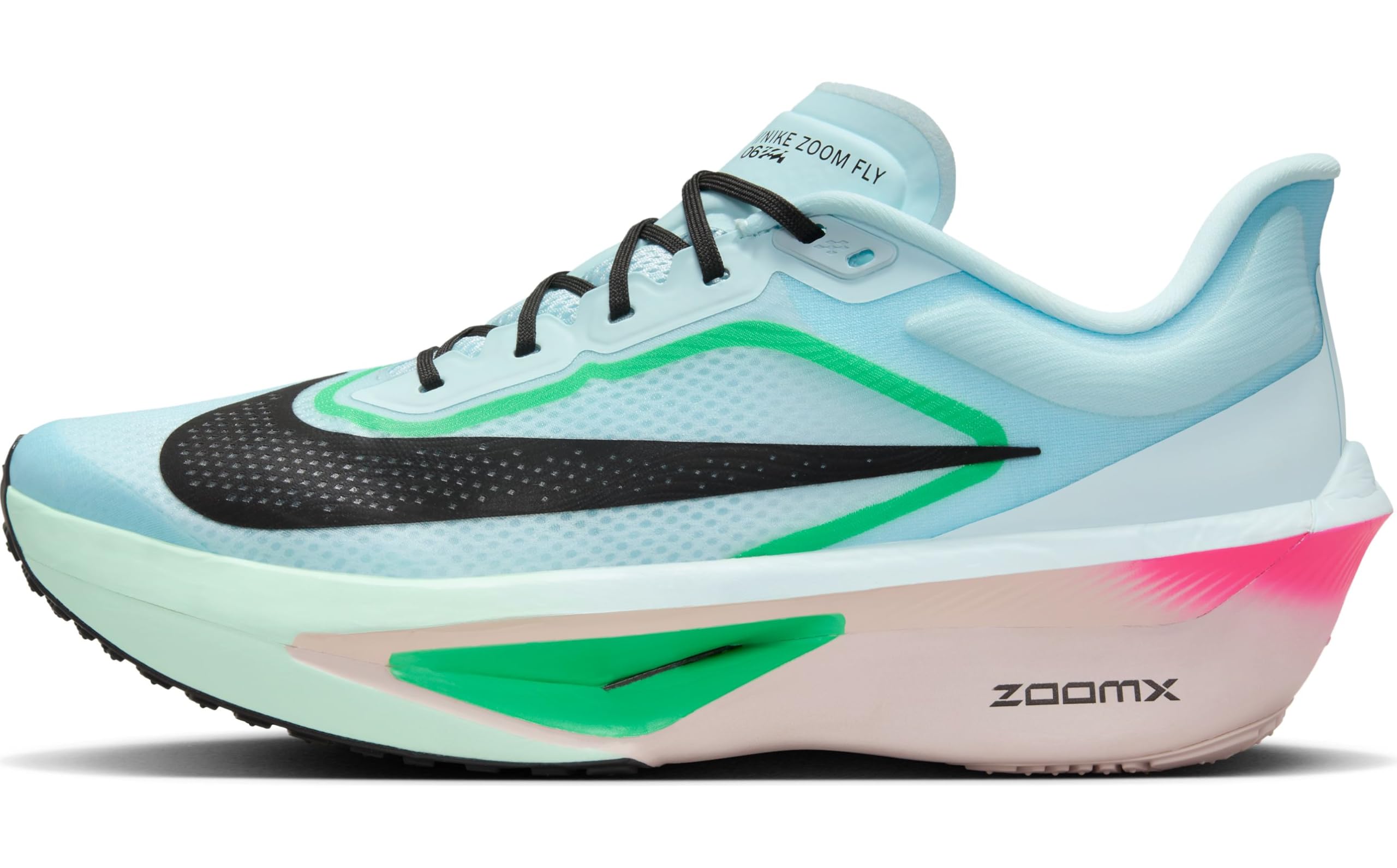
The Zoom Fly 6 bridges the gap between daily training and race-day performance with a carbon-reinforced plate that offers a taste of the super-shoe experience without the premium price. Japanese reviewers praised the reduction in foot fatigue on asphalt and noted the surprising cushioning for a relatively lightweight shoe. The wide fit received positive comments, with one runner switching from the Alphafly 3 and appreciating the extra room in the toe box.
Durability appears to be a mixed bag.One user reported getting 1600km out of a pair, though the forefoot wore down significantly. The shoe is designed for runners who want a responsive, efficient ride for daily mileage without sacrificing too much durability. It’s an excellent entry point into carbon-plated running.
The cushioning is effective without being overly soft, making it suitable for tempo runs and long workouts. Some runners noted a squeaky noise on certain surfaces, but this didn’t affect performance. If you’re looking to incorporate carbon technology into your regular training rotation, the Zoom Fly 6 offers a compelling balance.
Why it’s great
- Wider fit accommodates more foot shapes
- Good cushioning for daily training loads
- Accessible entry into carbon-plated running
Good to know
- Durability may be inconsistent
- Not as aggressive or fast as pure racing models
7. ASICS Metaspeed Edge Tokyo
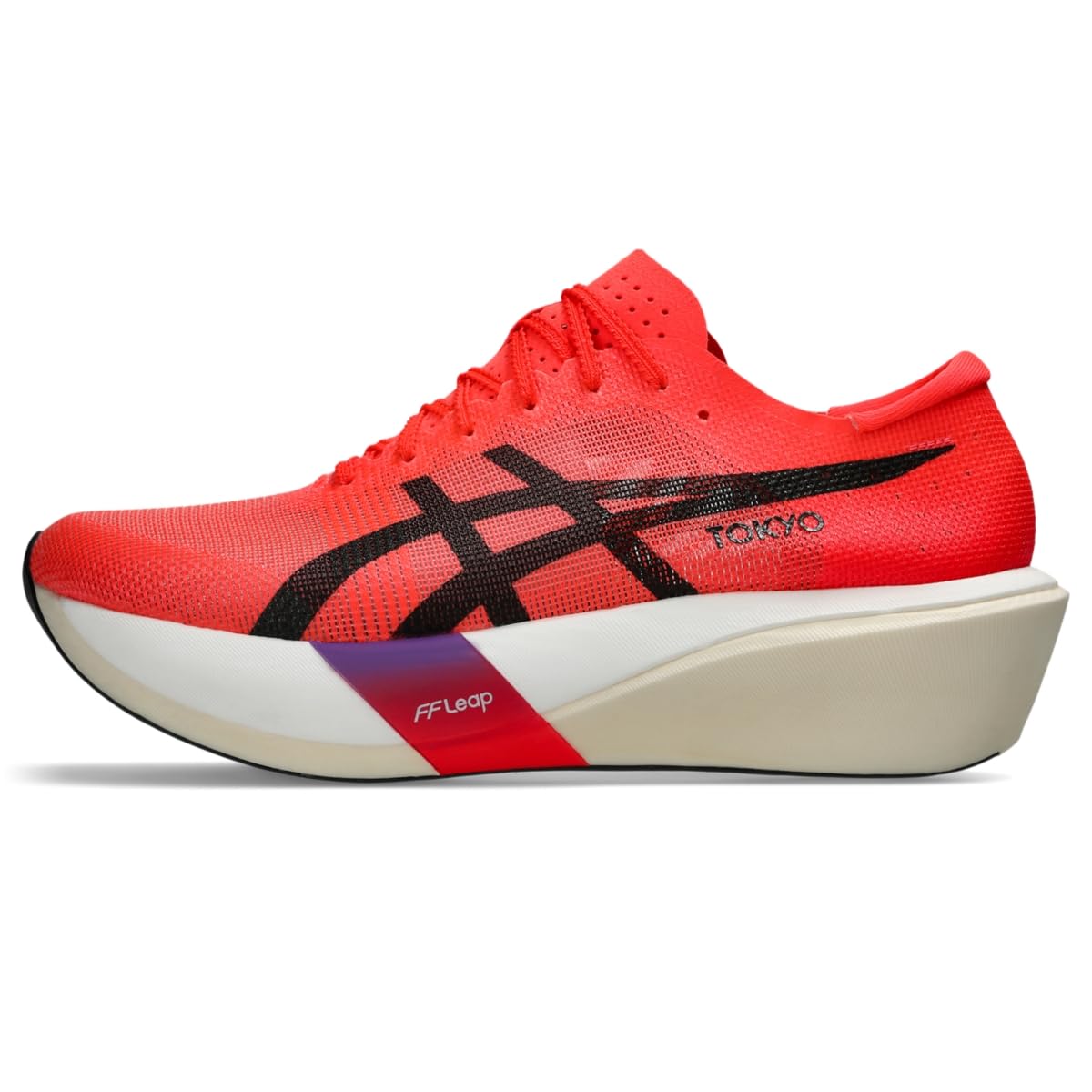
The Metaspeed Edge Tokyo is specifically engineered for runners with a high cadence who gain speed through rapid turnover. Reviewers who have tried numerous super shoes called this the best overall, praising its bounce, energy return, and lightweight comfort. The key difference from the Sky model is a shallower toe box that prevents foot movement, providing a more secure fit for runners who don’t have a long, gliding stride.
Users emphasized the importance of selecting between the Edge and Sky based on running style. The Edge’s carbon plate is tuned to reward a quicker leg cycle, making it feel snappier and more responsive at faster paces. The construction is solid, and the fit is true to size for most. This is a premium racing shoe for the technically-minded runner who wants a tool matched to their biomechanics.
If you’re a runner who thrives on high turnover and wants a shoe that feels fast and efficient without forcing a longer stride, the Edge Tokyo is a brilliant choice. The research and engineering behind its design are evident in the performance feedback.
Why it’s great
- Optimized for high-cadence running styles
- Secure fit with a shallower toe box
- Excellent energy return and responsive ride
Good to know
- Premium price point
- Not ideal for stride-dominant runners
8. Women’s Alphafly 3
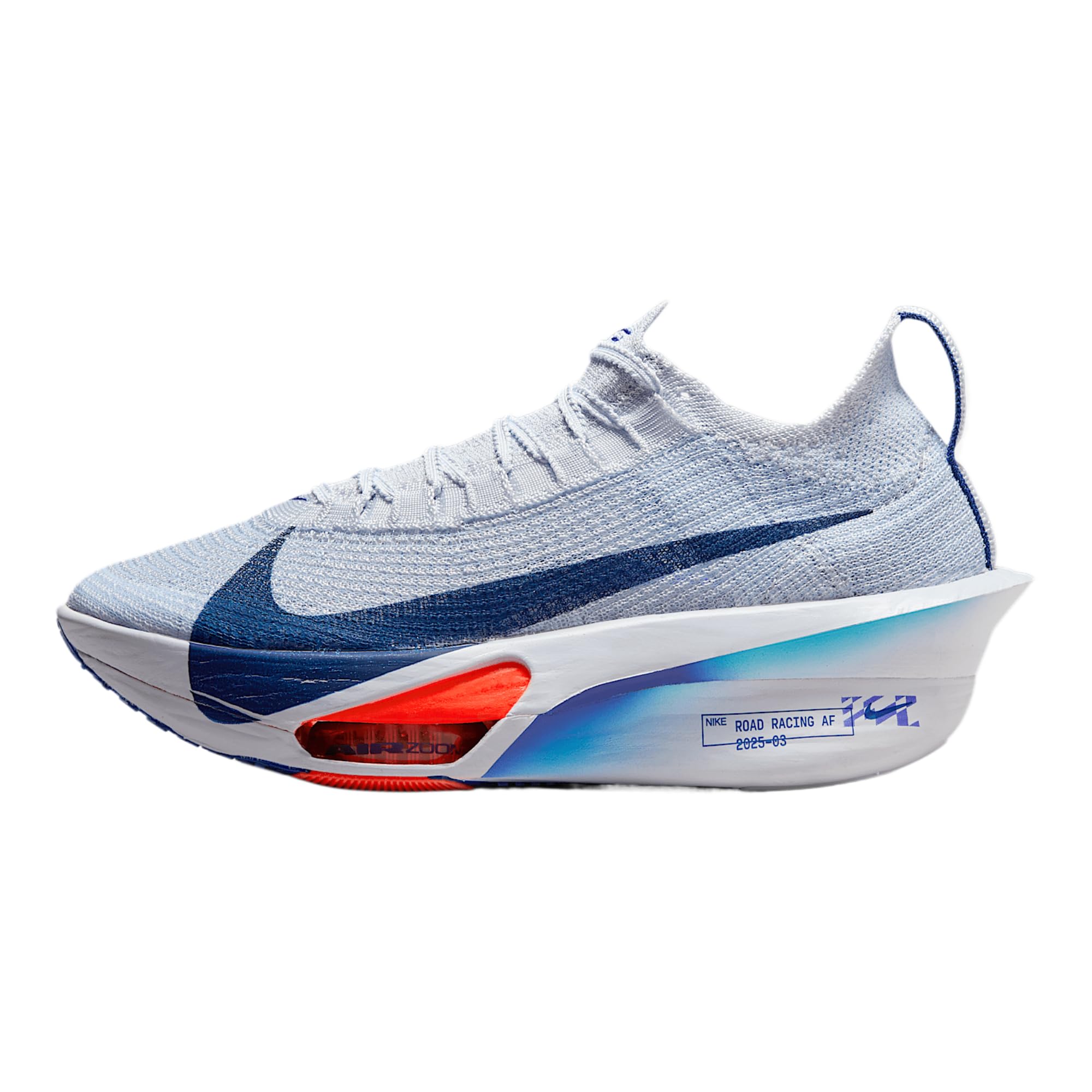
This women’s-specific version of the Alphafly 3 brings the same groundbreaking technology to female runners, with tuning for women’s biomechanics. Users describe it as a completely new technology, super light and super comfortable. The forefoot drive is pronounced, making it feel better suited for faster, shorter runs rather than long, slow distances. One reviewer noted a loud slapping sound on pavement, which is common with stiff-plated shoes.
Durability concerns are present here as well, with some users reporting the sole coming apart after only two weeks of training. However, those who received a solid pair were thrilled with the performance, using them for indoor cardiac courses and praising the lightweight support. Sizing tends to run small, with several buyers needing to go up a full size for proper length.
For female athletes targeting a major race, this shoe can be a game-changer if you get a good pair. It’s crucial to purchase from a reputable seller with a good return policy in case of quality issues.
Why it’s great
- Women’s-specific fit and tuning
- Extremely lightweight with massive energy return
- Ideal for race-day speed over shorter distances
Good to know
- Significant quality control variability reported
- Runs small; consider sizing up
- Durability is a consistent concern
9. New Balance FuelCell Supercomp Pacer V1

The Supercomp Pacer is built for speedwork. It’s a favorite for tempo runs and interval training, offering a snappy, responsive ride that feels fast underfoot. As a first carbon shoe for many, it provides a clear introduction to the technology. Reviewers love it for power walking races and shorter distance events, noting its true-to-size fit and breathable upper.
The trade-off for this focused performance is durability and comfort over longer distances. The midsole is firm, and several users reported the shoes wearing out very quickly, with one noting they wouldn’t waste them on a 5K unless it was race day. The upper can be tight across the midfoot, creating a unique pressure point for some runners.
If you’re looking for a dedicated shoe to make your hard workouts feel easier and more efficient, the Pacer delivers. Just understand that its lifespan will be shorter, and it’s not intended for logging easy miles.
Why it’s great
- Excellent for tempo runs and interval training
- Lightweight and breathable
- True-to-size fit
Good to know
- Limited durability; not for daily training
- Firm midsole may not suit longer runs
- Upper can be tight across the midfoot
10. Brooks Hyperion Elite 4

The Hyperion Elite 4 focuses on delivering race-day speed through maximum comfort. Runners describe the sensation as like running on clouds or a trampoline, with one user specifically noting the absence of Achilles pain. The nitrogen-infused DNA FLASH v2 cushioning provides a soft yet responsive landing that transitions smoothly into toe-off. It’s become a favorite for track and cross-country race days.
The shoe is praised as the best return on investment when paired with a stable trainer like the Brooks GTS for daily miles. The fit is secure, and the overall ride is forgiving enough for runners who might not have perfect form. While it may not have the same raw speed reputation as the Nike offerings, it compensates with a ride that feels sustainable over 26.2 miles.
For runners who prioritize comfort and a smooth transition alongside carbon-plated performance, the Hyperion Elite 4 is a top-tier choice that won’t beat up your legs on race day.
Why it’s great
- Exceptionally comfortable and forgiving ride
- Great for runners with Achilles or tendon sensitivity
- Smooth transition from heel to toe
Good to know
- Not the absolute fastest option available
- Less aggressive rocker than some competitors
11. SHIMANO SH-RC703 Men’s Cycling Shoes
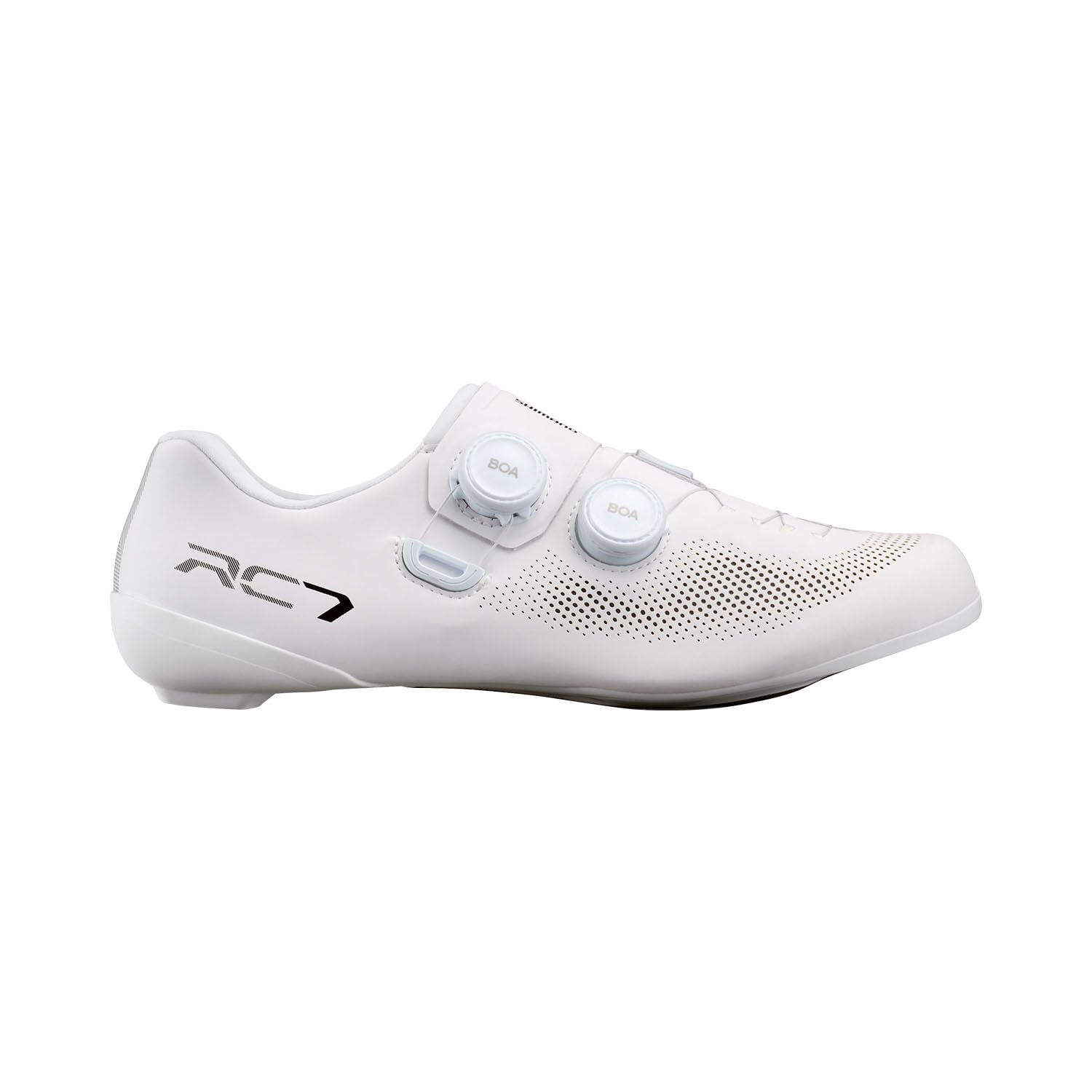
While not a running shoe, the SHIMANO RC703 is included as a benchmark for carbon fiber performance in endurance sports. The carbon composite sole provides exceptional stiffness for efficient power transfer from leg to pedal. Cyclists with narrow Asian feet particularly praised the snug, secure fit with no pressure points, something hard to find in other brands.
The dual BOA dial system allows for micro-adjustments mid-ride, a crucial feature for long-distance comfort. The shoes are true to size but tend toward the upper end of their size range, and the wide toe box is a noted benefit for foot splay during power phases. They are well-constructed, race-ready, and surprisingly suitable for short walks off the bike.
For triathletes or cyclists looking to maximize their efficiency, this shoe demonstrates how carbon fiber is used to create a direct, responsive connection in a different discipline. The principles of lightweight stiffness and secure fit are universal.
Why it’s great
- Excellent power transfer and stiffness
- Secure fit with dual BOA dial adjustment
- Wide toe box for comfort during long rides
Good to know
- Not designed for running
- Sizing guidance can be confusing; tends to run large
Understanding the Specs
Carbon Plate Design
The shape, stiffness, and placement of the carbon plate are what create the “pop.” A full-length, curved plate acts like a spring, storing energy as your foot lands and releasing it as you push off. Stiffer plates offer more propulsion but demand stronger calf and ankle muscles. Some brands use forked or split plates to allow more flexibility in the midfoot for a smoother transition at slower speeds.
Midsole Foam Technology
The foam encasing the plate is equally critical. Pebax, PEBA, and TPU-based foams like ZoomX, FuelCell, and FF Blast Turbo are lightweight and have high energy return, but they compress over time. Stack height (the thickness of the foam) determines cushioning and, due to World Athletics rules, is now capped at 40mm. The interaction between the foam’s rebound and the plate’s rigidity defines the shoe’s character—soft and bouncy versus firm and fast.
FAQ
Are carbon fiber running shoes worth it?
How long do carbon fiber running shoes last?
Can I use carbon plated shoes for daily training?
Do I need to break in carbon fiber running shoes?
Final Thoughts: The Verdict
For most people, the best carbon fiber running shoes winner is the Nike Zoomx Vaporfly Next% 4 because it offers the most proven, balanced combination of speed, comfort, and race-day confidence. If you want a more comfortable, forgiving ride for the marathon distance, grab the New Balance FuelCell Supercomp Elite V4. And for runners who need exceptional stability and support in their daily trainer to prepare for race day, nothing beats the Brooks Men’s Adrenaline GTS 25.

Mo Maruf
I created WellFizz to bridge the gap between vague wellness advice and actionable solutions. My mission is simple: to decode the research and give you practical tools you can actually use.
Beyond the data, I am a passionate traveler. I believe that stepping away from the screen to explore new environments is essential for mental clarity and physical vitality.