Our readers keep the lights on and my smoothie glass nicely filled. As an Amazon Associate, I earn from qualifying purchases.
The difference between a decent photo and a drool-worthy shot used to hinge on spending over a thousand dollars. That line has blurred significantly. Today, a smartphone in the sub-$500 range can deliver a main sensor that rivals last year’s flagships, complete with optical image stabilization and computational photography that bails you out in dim light. The trick is knowing where manufacturers cut corners — and whether you care about the trade-offs.
I’m Mohammad Maruf — the founder and writer behind WellFizz. I’ve spent years analyzing hardware specifications and real-world image quality across hundreds of consumer tech products, focusing on what actually separates a good sensor from a marketing bullet point.
This guide cuts through the noise to help you find the right best camera phone under $500 for your needs, whether you prioritize low-light performance, zoom reach, or a bloat-free software experience that keeps shooting fast.
How To Choose The Best Camera Phone Under $500
The sub-$500 market is crowded with aggressive specs and hidden compromises. To find a phone that actually delivers on its camera promise, you need to focus on the sensor hardware, the image processing, and the real-world battery life that keeps you shooting all day.
Sensor Size and Stabilization Over Megapixel Count
A 50MP sensor with a 1/1.5-inch or larger size and optical image stabilization (OIS) will almost always beat a 108MP or 200MP sensor that lacks these features. Large pixels capture more light, and OIS allows for slower shutter speeds without blur. Do not be dazzled by the megapixel number alone — look for the pixel size (e.g., 1.0µm or larger) and the presence of OIS in the main lens.
Image Processing and Software Support
The camera hardware is only half the equation. Google’s computational photography, for example, can extract detail and dynamic range from a modest sensor that a less optimized phone misses entirely. Look for consistent software update policies and a history of good camera tuning. A phone that gets regular security and feature updates will also keep its camera app performing well for years.
Battery Capacity and Charging Speed
Camera drain is real. A phone with a 5000mAh battery or higher gives you the confidence to shoot 4K video, use GPS, and run social apps all day without hunting for a charger. Also consider charging speed — a 45W or higher charger can get you from near-empty to a full tank in under an hour, which matters when you are out and about.
Quick Comparison
On smaller screens, swipe sideways to see the full table.
| Model | Category | Best For | Key Spec | Amazon |
|---|---|---|---|---|
| Nothing Phone (4a) Pro | Mid-Range | Unique Design & Periscope Zoom | 50MP periscope, 3.5x optical zoom | Amazon |
| Motorola razr 2024 | Foldable | Compact Fold & Hands-Free Photos | 50MP OIS, 3.6″ external display | Amazon |
| Google Pixel 7 | Mid-Range | Best Computational Photography | 50MP wide, 8x Super Res Zoom | Amazon |
| Xiaomi Redmi Note 14 Pro 5G | Value | Ultra-High Resolution & Fast Charging | 200MP OIS main, 5110mAh battery | Amazon |
| Google Pixel 5 | Compact | Clean Software & Wireless Charging | 12.2MP dual-pixel, ultrawide lens | Amazon |
| Nothing Phone (3) | Premium | Balanced Flagship & Glyph UI | Quad 50MP camera, Snapdragon 8s Gen4 | Amazon |
| MMY Rugged Armor 16PROMA X | Rugged | Extreme Battery & Durability | 22000mAh battery, IP68, 108MP camera | Amazon |
In‑Depth Reviews
1. Nothing Phone (4a) Pro
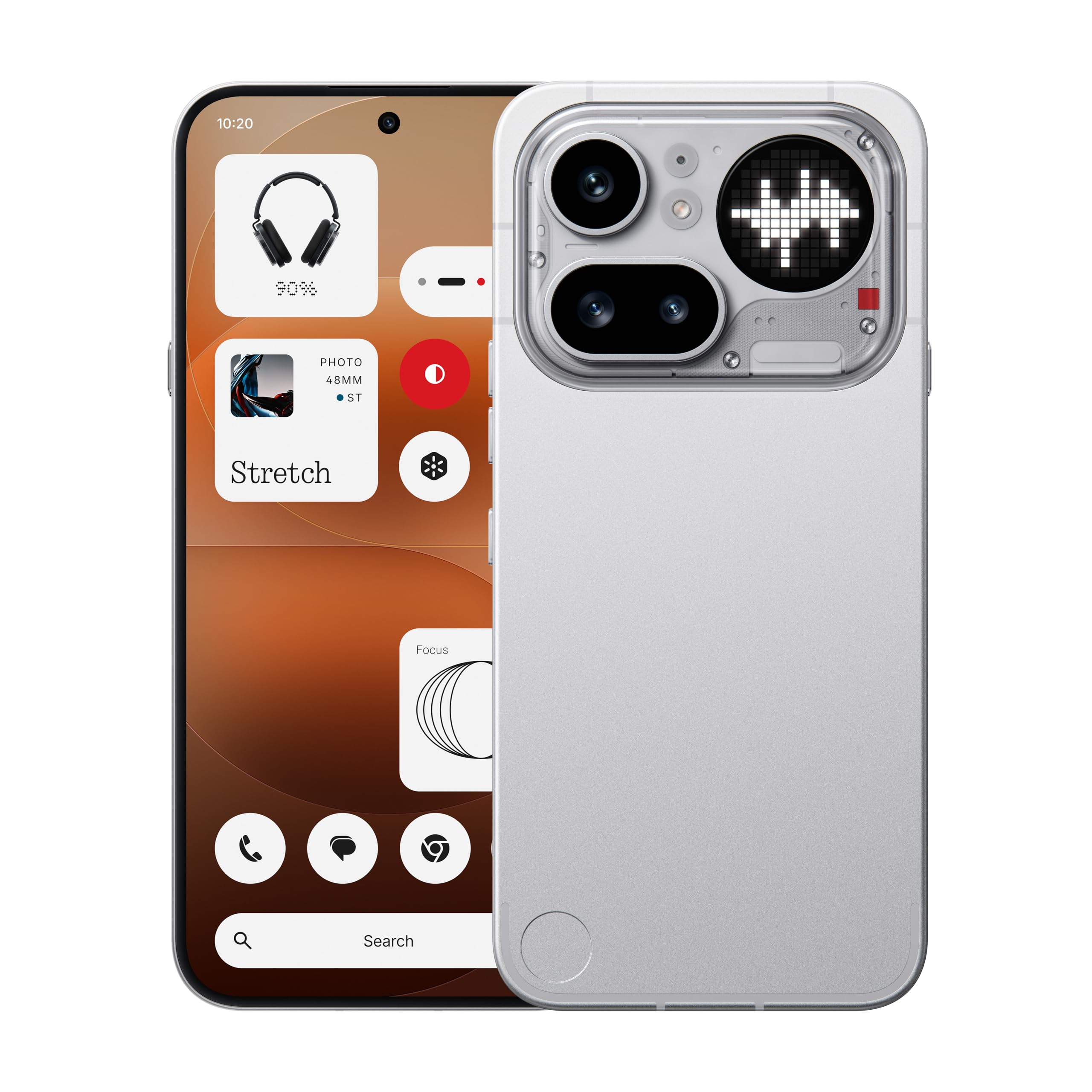
The Nothing Phone (4a) Pro makes a compelling case as the top pick for this price tier. Its main draw is the 50MP periscope telephoto lens offering 3.5x optical zoom — a rarity under $500. The 6.83-inch 144Hz AMOLED display is one of the smoothest and brightest in this class, hitting 5,000 nits peak brightness for excellent outdoor visibility. The Snapdragon 7 Gen 4 handles daily tasks and photo processing without lag, and the 5,080mAh battery with 50W fast charging keeps you shooting all day.
Camera performance is strong across the board. The 50MP Sony main sensor with OIS captures sharp, detailed photos in most light, while the periscope lens provides real reach for distant subjects. The 8MP ultrawide is adequate but doesn’t match the main sensor. The Glyph Matrix adds a unique, customizable notification system that is genuinely useful for filtering alerts without unlocking. Carriers like AT&T and T-Mobile work well, though Verizon compatibility is limited.
Some users report the bottom speaker can sound slightly thin at low volumes, and the phone’s aluminum unibody lacks the premium heft of glass-backed flagships. The Glyph Matrix is more fun than essential, and case options at launch were scarce. Overall, for those prioritizing zoom reach and a cutting-edge display in a clean Android 16 experience, this is the most versatile camera phone in the segment.
Why it’s great
- Excellent 50MP periscope telephoto with 3.5x optical zoom
- Stunning 144Hz AMOLED display with 5,000-nit peak brightness
- Clean, bloat-free Android 16 experience with unique Glyph Matrix
Good to know
- Bottom speaker can sound weak at low volumes
- Limited case and accessory availability at launch
- Verizon network compatibility is not recommended
2. Motorola razr 2024

The Motorola razr 2024 brings a unique proposition: a foldable phone with a seriously capable camera system at an accessible price. Its 50MP main rear sensor with OIS uses pixel-binning to deliver 12.5MP shots with excellent dynamic range. The 3.6-inch external display is fully functional, allowing you to frame selfies with the main camera, run apps, and reply to messages without opening the phone. The 4,200mAh battery supports wireless charging, and the vegan leather back gives it a premium tactile feel.
In real-world use, the crease is barely noticeable, and the compact folded size slides easily into a jeans pocket. The camcorder mode uses Flex View for steady hands-free shots, and the camera app is responsive. Users report battery life comfortably lasts a full day with mixed use. The main camera’s photo quality is excellent for the price, with vibrant colors and good low-light performance thanks to f/1.7 aperture.
The main concerns revolve around long-term durability of the folding screen. Some users have reported screen failure after extended use, and the internal screen protector is not user-replaceable. The phone also lacks a dedicated telephoto lens. For buyers who value a compact footprint and the creative photo opportunities of a foldable, this is a standout choice, but treat it as a two-year device rather than a five-year investment.
Why it’s great
- Unique foldable design that saves pocket space
- 50MP OIS main camera delivers vibrant, sharp photos
- Fully functional 3.6-inch external display for quick interactions
Good to know
- Long-term screen durability remains a concern for some
- No dedicated telephoto or ultrawide camera lens
- Internal screen protector is not user-replaceable
3. Google Pixel 7

The Google Pixel 7 remains a benchmark for computational photography in the mid-range. Its 50MP main sensor with OIS, coupled with Google’s Tensor G2 processor, produces images that often outshine phones with higher hardware specs. The Magic Eraser and Photo Unblur tools are genuinely useful, and Night Sight captures detail in extremely low light that competitors struggle to match. The 6.3-inch 90Hz OLED display is sharp and vibrant, with a clean Android experience free of bloatware.
The phone supports up to 8x Super Res Zoom, which uses digital cropping with multi-frame processing to produce surprisingly usable results at 2x to 4x. The ultrawide lens is a solid performer but not class-leading. Battery life is a full-day affair for most users, with the 4,355mAh cell lasting reliably through a heavy shooting session. The phone also features IP68 water resistance and wireless charging.
Gaming performance on the Tensor G2 is noticeably weaker than Qualcomm’s mid-range chips, and the in-display fingerprint sensor is slower and less reliable than optical sensors on competing phones. The screen’s bezels feel slightly dated, and the video quality is inferior to the iPhone 12 series. For a pure photography-focused phone with long software support, the Pixel 7 is still a fantastic choice.
Why it’s great
- Industry-leading computational photography and Night Sight
- Clean, bloat-free Android with guaranteed updates
- 8x Super Res Zoom produces usable results at 2-4x
Good to know
- Tensor G2 is weaker for gaming than Qualcomm alternatives
- In-display fingerprint sensor can be inconsistent
- Video quality lags behind iPhone and Samsung competition
4. Xiaomi Redmi Note 14 Pro 5G
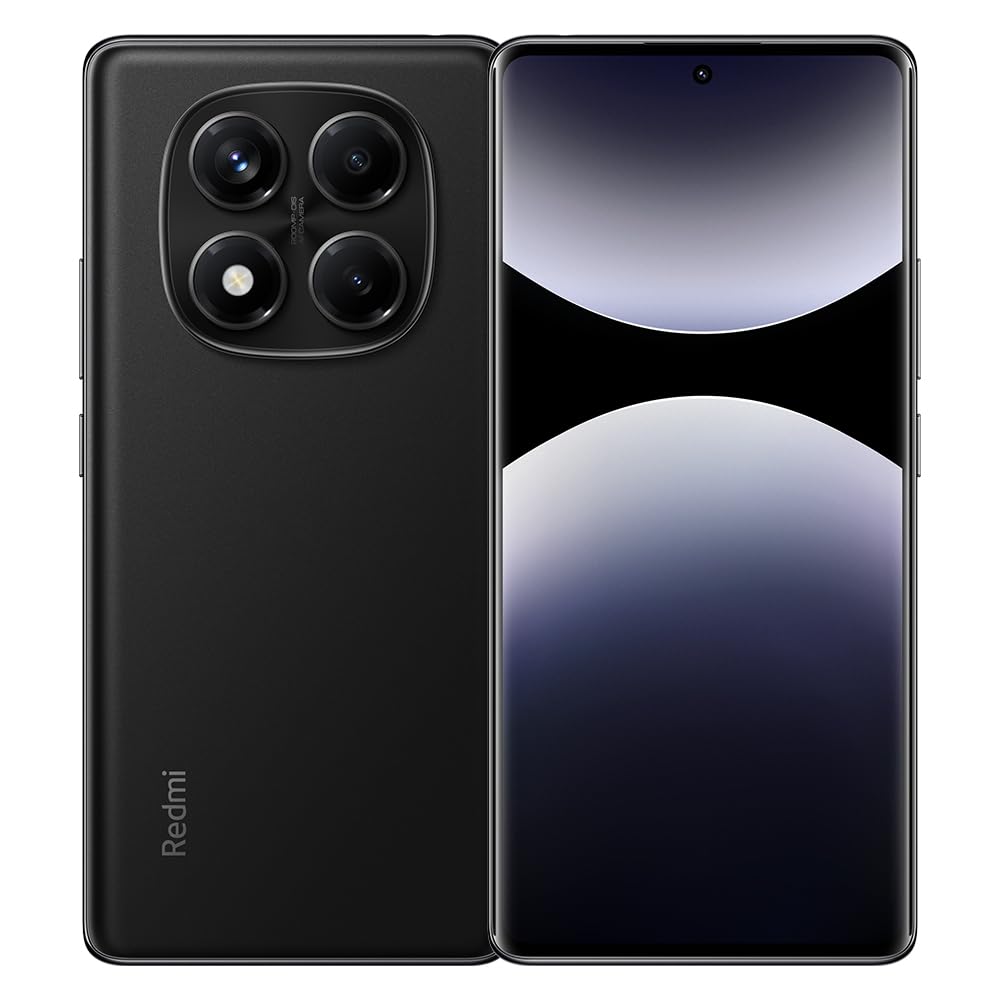
The Xiaomi Redmi Note 14 Pro 5G brings an eye-popping 200MP main sensor with OIS and a large 1/1.4-inch sensor size. When you use the full 200MP resolution in good light, you get enough detail to crop significantly. The 6.67-inch CrystalRes AMOLED display with 120Hz refresh rate and 3,000-nit peak brightness is bright and sharp. The 5,500mAh battery is one of the largest in this class, easily lasting two days for light users and a full day for heavy shooters.
The MediaTek Dimensity 7300-Ultra chip handles everyday tasks smoothly, but sustained gaming shows some thermal throttling. The 8MP ultrawide and 2MP macro are clearly budget add-ons, and the camera software can be aggressive with edge sharpening and noise reduction. The phone supports Circle to Search and Gemini AI integration, which is useful. For those who want the highest resolution possible and prioritize battery life, this is a strong contender.
The biggest limitation is carrier compatibility: this phone works best on T-Mobile and its MVNOs (Mint, Tello) in the US. AT&T and Verizon compatibility is limited and unreliable. The phone also lacks expandable storage, as the second SIM slot does not accept a microSD card. The included charger is a 45W unit, which gets the phone from empty to 60% in about 30 minutes.
Why it’s great
- 200MP main sensor with OIS for incredible detail in good light
- Exceptional 5,500mAh battery lasts two days for many users
- Very bright 3,000-nit AMOLED display with 120Hz refresh rate
Good to know
- Limited US carrier compatibility (T-Mobile focused)
- Ultrawide and macro cameras are low-quality
- No expandable storage; SIM tray is hybrid secondary slot
5. Google Pixel 5

The Google Pixel 5 proves older flagships still compete. Its 12.2MP dual-pixel camera may have a low megapixel count, but Google’s computational photography HDR+ processing extracts incredible dynamic range and natural color. The ultrawide lens provides a genuine wide-angle perspective, and Night Sight works brilliantly. This phone received a long update lifespan and still runs Android 14 smoothly. The 6-inch 90Hz OLED is a perfect size for one-handed use.
The phone supports wireless charging and reverse wireless charging, a rare feature in this price tier. The aluminum unibody with a bio-resin back feels durable, and the IP68 water resistance gives peace of mind. Battery life is exceptional for a smaller phone — regularly lasting two full days with moderate use thanks to the efficient Snapdragon 765G chip.
There is no telephoto lens, so zooming past 2x relies on digital cropping and is not great. The under-display earpiece sounds hollow, and call quality suffers compared to traditional earpieces. The phone lacks a dedicated macro lens, and the ultrawide is only 16MP, limiting low-light performance. Gamers should look elsewhere, as the chip is not designed for heavy 3D titles. For a compact, camera-focused experience with wireless charging, it remains a brilliant value.
Why it’s great
- Exceptional computational photography and Night Sight in a compact body
- Wireless and reverse wireless charging
- Excellent two-day battery life for a small phone
Good to know
- No telephoto lens; digital zoom is poor beyond 2x
- Under-display earpiece affects call quality
- Weak gaming performance; Snapdragon 765G is dated
6. Nothing Phone (3)

The Nothing Phone (3) represents the premium end of this budget, but its quad 50MP camera system includes a main, periscope telephoto, ultrawide, and front-facing camera, all at 50MP. This hardware combination is rare even at higher price points. The Snapdragon 8s Gen 4 chip provides flagship-level performance, and the 6.67-inch 1.5K AMOLED display with 120Hz and 4,500 nits peak brightness is gorgeous. The Glyph Matrix with 137 individually controlled LEDs adds a unique interactive element for notifications.
In practice, the cameras are very capable. The 50MP periscope delivers 3.5x optical zoom, and the main sensor captures excellent detail. The software continues to improve with updates, and the clean Android 15 interface is a joy to use. The 5,150mAh battery comfortably lasts a full day, and wireless charging adds convenience. Users praise the phone for feeling premium in hand, with a solid aluminum unibody.
Finding well-fitting cases is a challenge due to the unique design, and the top speaker can produce a slight hiss with music playback. The phone is slightly over the stated budget for some, and its Verizon compatibility is limited. The Glyph Matrix, while fun, is a gimmick that many users eventually ignore. For those willing to stretch the budget for a genuinely unique and powerful camera system with excellent build quality, the Nothing Phone (3) is a top contender.
Why it’s great
- Quad 50MP camera system with periscope telephoto
- Flagship Snapdragon 8s Gen 4 performance
- Unique Glyph Matrix notification system and aluminum build
Good to know
- Limited case and accessory availability
- Top speaker can hiss at high volumes for some
- Verizon compatibility is limited and requires whitelisting
7. MMY Rugged Armor 16PROMA X
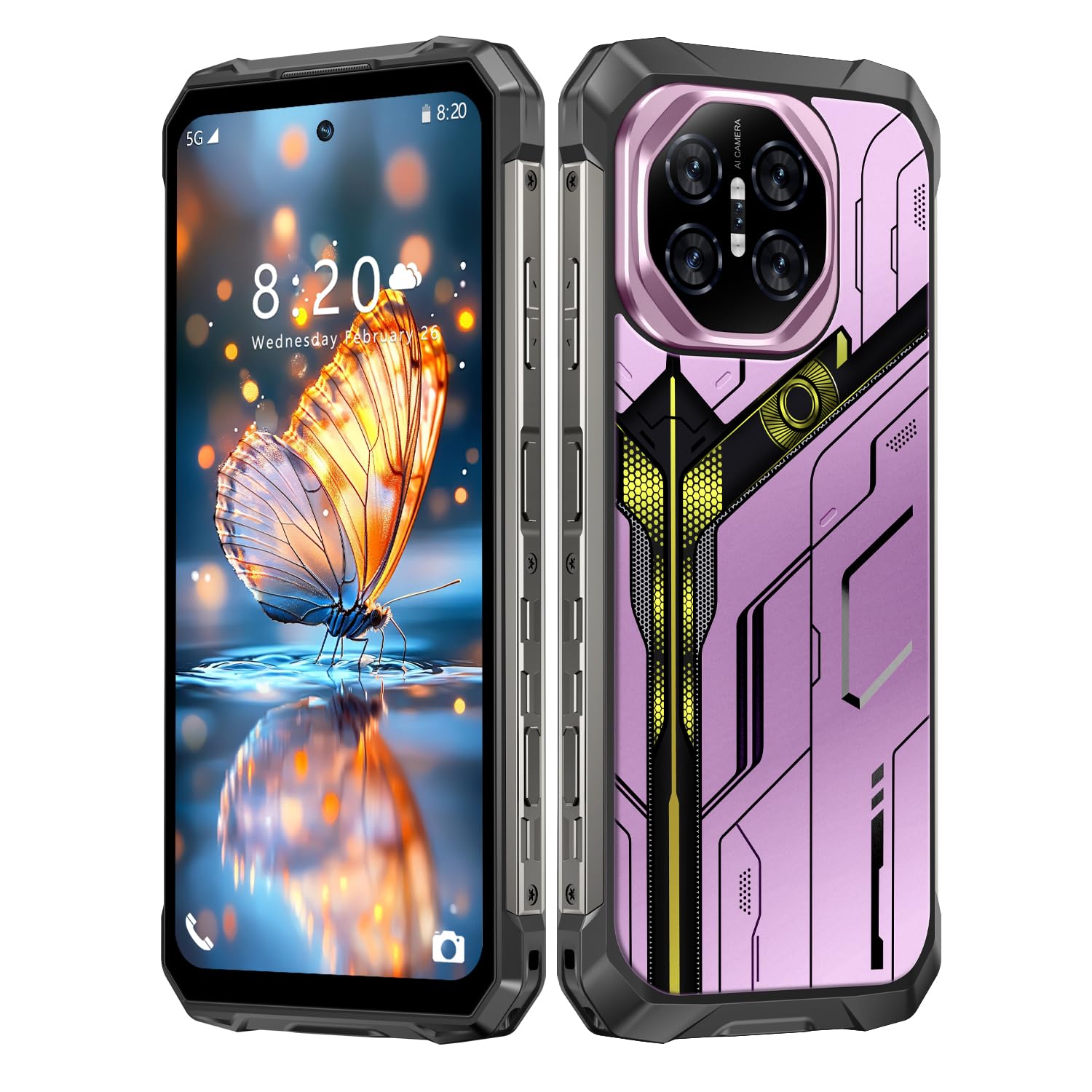
The MMY 16PROMA X is not for the mainstream photographer, but it solves a specific problem: extreme longevity and durability for outdoor use. Its massive 22,000mAh battery can last several days of heavy use, making it ideal for camping or fieldwork where charging is impossible. The IP68 rating means it survives submersion, and the rugged armor design offers high-altitude drop resistance. The 108MP main camera and 68MP front camera with night vision photography and underwater mode are unique features.
The big 6.99-inch HD+ display is large and bright enough for outdoor visibility, though the 1440 x 3040 OLED is not as sharp as competitors’ AMOLED panels. The Snapdragon 8s Gen 4 clone chip and 32GB of RAM with 1TB of storage provide plenty of headroom for apps and media. The phone supports dual SIM and has NFC for payments.
Camera quality is the weakest link here. The 108MP main sensor produces flat, oversharpened images with poor dynamic range compared to the Pixel or Nothing phones. The night vision mode is more of a novelty than a genuine low-light performer. The phone is extremely heavy and bulky — it will not fit in a standard pocket. The software experience is also cluttered with bloatware. This is a specialist tool for adventurers who need battery life and toughness above all else, not for everyday photography enthusiasts.
Why it’s great
- Unmatched 22,000mAh battery lasts days
- IP68 rugged design with drop resistance
- Underwater and night vision photography modes
Good to know
- Camera quality is mediocre with poor dynamic range
- Extremely heavy and bulky form factor
- Software is cluttered with bloatware
FAQ
Does a higher megapixel count guarantee better photos?
How important is optical zoom for a camera phone under $500?
What should I check before buying an unlocked phone for US carriers?
Final Thoughts: The Verdict
For most users, the best camera phone under $500 winner is the Nothing Phone (4a) Pro because it combines a unique periscope zoom lens, a gorgeous 144Hz display, and a long-lasting battery with a clean software experience. If you want a compact foldable with a vibrant main camera and wireless charging, grab the Motorola razr 2024. And for pure computational photography and software longevity, nothing beats the Google Pixel 7.

Mo Maruf
I created WellFizz to bridge the gap between vague wellness advice and actionable solutions. My mission is simple: to decode the research and give you practical tools you can actually use.
Beyond the data, I am a passionate traveler. I believe that stepping away from the screen to explore new environments is essential for mental clarity and physical vitality.