Our readers keep the lights on and my smoothie glass nicely filled. As an Amazon Associate, I earn from qualifying purchases.
Choosing a phone for its camera today is more complex than ever, with flagship silicon, multi-lens arrays, and AI-driven image processing all competing for your attention. The gap between a dedicated shooter and a smartphone is closing, but the right device hinges on sensor size, optical zoom reach, and processing pipeline, not just megapixel count.
I’m Mohammad Maruf — the founder and writer behind WellFizz. I spend my time deep in technical specifications, benchmarking camera modules, and analyzing computational photography algorithms to separate real-world performance from marketing slideware.
Whether you prioritize low-light mastery, versatile zoom, or a balanced everyday shooter, this guide breaks down the camera phone for android market to help you find the device that fits your vision.
How To Choose The Best Camera Phone For Android
Selecting a camera-focused Android phone requires looking past the headline megapixel number to understand the complete imaging pipeline. The lens aperture, sensor size, optical image stabilization (OIS), and dedicated image signal processor (ISP) all play critical roles in final image quality. The phone’s software update policy also dictates how long you’ll benefit from camera tuning improvements.
Sensor Size & Pixel Binning
A larger physical sensor (1/1.5-inch or bigger) collects more light, which directly reduces noise in low-light scenes. Many modern sensors use pixel binning, combining multiple smaller pixels into one larger pixel to enhance light sensitivity. This is why a 50MP sensor can output a cleaner 12.5MP image in dim conditions. The quality of the image signal processor (ISP) determines how effectively that combined data is processed into a final shot.
Optical Zoom vs. Digital Zoom
Optical zoom uses physical lens elements to magnify the image without loss of quality, while digital zoom simply crops and upscales, degrading detail. A dedicated telephoto lens with 3x or 5x optical zoom provides a clear advantage for portrait photography and capturing distant subjects. Look for phones with at least a 2x optical telephoto or a periscope-style lens for higher magnification.
Low-Light Performance & Stabilization
Optical image stabilization (OIS) mechanically counteracts hand shake, allowing the camera to use slower shutter speeds without blur. This is critical for sharp indoor and nighttime shots. Combined with a wide aperture (f/1.8 or lower) and a capable ISP, OIS transforms a mediocre low-light shooter into a capable one. Night mode algorithms that stack multiple exposures further improve dynamic range in dark environments.
Video Capabilities
For video, look beyond resolution. Sensor readout speed determines rolling shutter distortion, while bitrate and codec support (H.265/HEVC) impact file size and quality. Features like 8K recording, 4K at 60 fps across all lenses, and dedicated video stabilization modes (often using a combination of OIS and electronic stabilization) matter more for serious videographers than a headline megapixel count.
Software Updates & Support
Camera quality is not static. Manufacturers frequently release software updates that refine image processing algorithms, improve autofocus, and add new features like astrophotography or improved portrait modes. A phone with a guaranteed update cycle of 4-7 years ensures your camera keeps improving over its lifespan, making it a better long-term investment for photo enthusiasts.
Quick Comparison
On smaller screens, swipe sideways to see the full table.
| Model | Category | Best For | Key Spec | Amazon |
|---|---|---|---|---|
| Nothing Phone (3) | Mid-Range | Unique Design & Clean OS | 4x 50MP Cameras | Amazon |
| OnePlus 15 | Premium | Battery Life & Performance | 7300mAh Battery | Amazon |
| Google Pixel 10 | Premium | Computational Photography | 5x Telephoto Lens | Amazon |
| Xiaomi Poco F7 Ultra | Premium | High-Performance Value | 50MP Telephoto OIS | Amazon |
| Samsung Galaxy S25 FE | Mid-Range | Balanced All-Rounder | 4900mAh Battery | Amazon |
| Google Pixel 10a | Mid-Range | Best Value Pixel Camera | Camera Coach AI | Amazon |
| Motorola razr (2024) | Mid-Range | Compact Foldable Design | 50MP F/1.7 OIS | Amazon |
| Samsung Galaxy Z Flip7 | Premium | Flip Form Factor & Style | 50MP Camera | Amazon |
| Blackview Rock 2 Pro | Budget | Extreme Durability | 15000mAh Battery | Amazon |
| Ulefone Armor 24 | Budget | Mega Battery & Flashlight | 22000mAh Battery | Amazon |
| FOSSIBOT F115 Ultra | Budget | Thermal Imaging & Ranger | 20000mAh Battery | Amazon |
In‑Depth Reviews
1. Nothing Phone (3)

The Nothing Phone (3) stands out with a revolutionary four 50MP camera system, ensuring every lens captures detailed and vibrant shots. The inclusion of a periscope telephoto lens offers true optical zoom, while the main sensor benefits from a large pixel size for excellent low-light performance. The Snapdragon 8s Gen4 chipset with an AI engine drives real-time computational photography enhancements.
The pure Android 15 experience with minimal bloatware makes the camera UI fast and intuitive. The Glyph Matrix interface provides unique visual feedback, but the real story is the imaging pipeline: Ultra XDR 4K video, improved Night Mode, and advanced Portrait Optimiser deliver results that rival more established camera phones. The 6.67-inch AMOLED display is a great viewfinder.
While its camera versatility is unmatched at this price point, accessory availability is limited and the wireless charging coil placement can be finicky. The clean, customizable Nothing OS provides a smooth, ad-free experience that allows photographers to focus on composition rather than fighting the software.
Why it’s great
- Quad 50MP camera system with optical zoom
- Clean, bloatware-free Android experience
- Unique Glyph Interface for notifications and interactions
Good to know
- Limited availability of cases and screen protectors
- Wireless charging coil can be difficult to align
- AI assistant button cannot be fully disabled
2. OnePlus 15
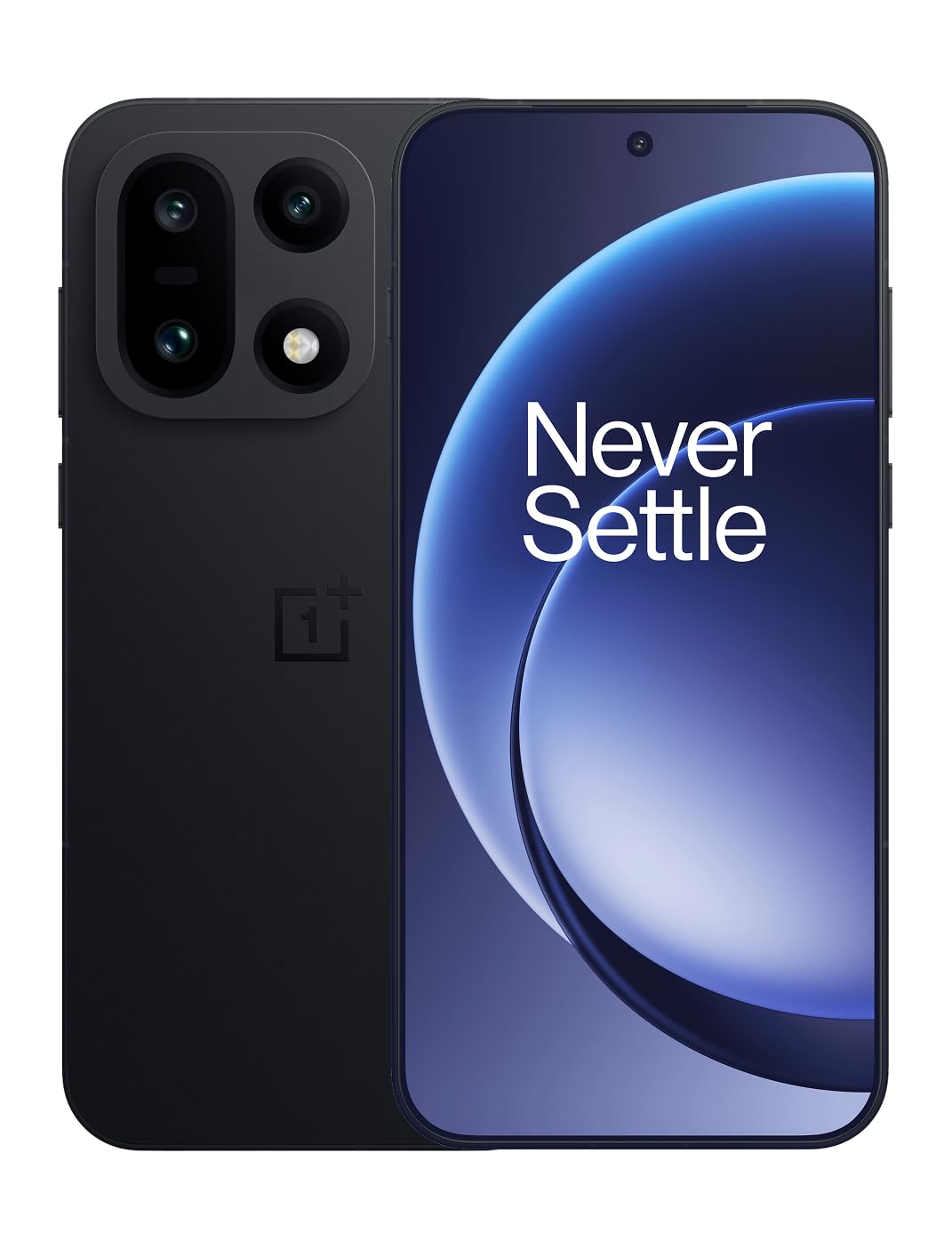
The OnePlus 15 redefines endurance with a massive 7300mAh silicon-carbon battery, easily lasting two days even with heavy camera usage. The triple 50MP camera system (wide, ultra-wide, telephoto) provides consistent quality across all focal lengths, and OIS on the main sensor keeps shots sharp. The Snapdragon 8 Elite Gen 5 chipset powers rapid image processing and 4K video capture.
The 6.78-inch 165Hz AMOLED display is stunningly smooth, and the tri-chip system ensures the camera processing never feels sluggish. While the camera performance is strong in daylight, low-light images and night photography don’t quite match the computational photography prowess of a Pixel. The included 120W charger is a lifesaver, refilling the huge battery in minutes.
Its software experience is close to stock Android with useful customizations, and the IP69K rating provides exceptional durability. For a shooter who prioritizes battery life and all-day performance without sacrificing a versatile triple-camera setup, the OnePlus 15 is a powerhouse.
Why it’s great
- Exceptional two-day battery life with fast charging
- Versatile triple 50MP camera system
- 165Hz AMOLED display is incredibly smooth
Good to know
- Low-light photography is weak compared to Pixel
- Camera not a major upgrade over the previous generation
- Software experience may feel iOS-like to some users
3. Google Pixel 10
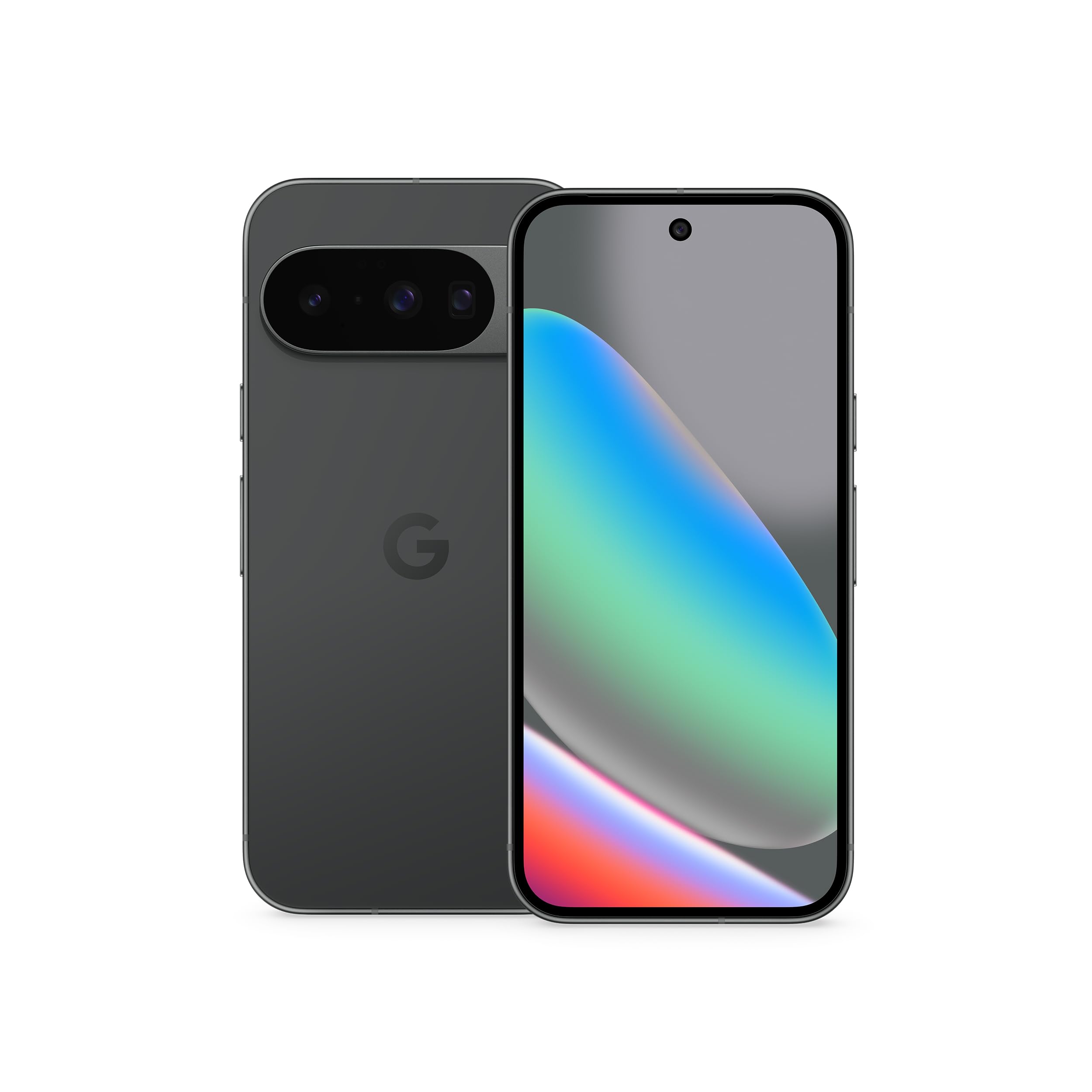
The Google Pixel 10 is the gold standard for computational photography. The new 5x telephoto lens with up to 20x Super Res Zoom delivers stunning detail from far away, while Night Sight remains the best in the business for low-light photography. The Tensor G5 chip is purpose-built for AI tasks, powering features like Camera Coach, Add Me, and Auto Best Take for flawless group shots.
The 3,000-nit Actua display is bright enough for use in direct sunlight as a viewfinder. The pure Android experience with seven years of Pixel Drops means the camera will continually improve with new features and algorithmic refinements. While the hardware specs may not match some competitors on paper, Google’s image processing pipeline consistently produces more natural and pleasing photos, especially of people.
It is important to note the Pixel 10 is eSIM-only, which may be a limitation for some users. The camera is not a massive hardware leap, but the software capabilities make it the best point-and-shoot experience in the Android world.
Why it’s great
- Best-in-class computational photography
- Superb 5x optical telephoto lens
- Seven years of guaranteed software and feature updates
Good to know
- eSIM only, no physical SIM card slot
- Does not include a wall charger
- Slow initial startup/restart time
4. Xiaomi Poco F7 Ultra

The Xiaomi Poco F7 Ultra delivers raw flagship camera performance at a fraction of the cost of competitors. The triple-camera setup includes a 50MP main sensor, a 50MP floating telephoto with OIS for excellent 2x zoom portraits, and a 32MP ultra-wide. The Snapdragon 8 Elite platform provides flagship-grade processing for fast image capture and 4K video recording.
The 6.67-inch WQHD+ AMOLED display with 3200 nits peak brightness is exceptional for reviewing photos and recording video. The 5300mAh battery with 120W wired and 50W wireless charging is industry-leading. While the camera array is versatile, the telephoto lens only offers 2x optical zoom, which is less than some competitors, but the image quality is superb for that focal length.
Note that this model is primarily tuned for T-Mobile and its MVNOs in the US. For the price, it packs a powerful processor and high-end camera sensors that compete well with phones that cost significantly more.
Why it’s great
- Flagship Snapdragon 8 Elite processor
- Versatile 50MP triple camera with telephoto OIS
- WQHD+ AMOLED display and super-fast charging
Good to know
- Limited US carrier compatibility (T-Mobile/MVNOs only)
- Charger not included in the box
- Telephoto lens offers only 2x optical zoom
5. Samsung Galaxy S25 FE
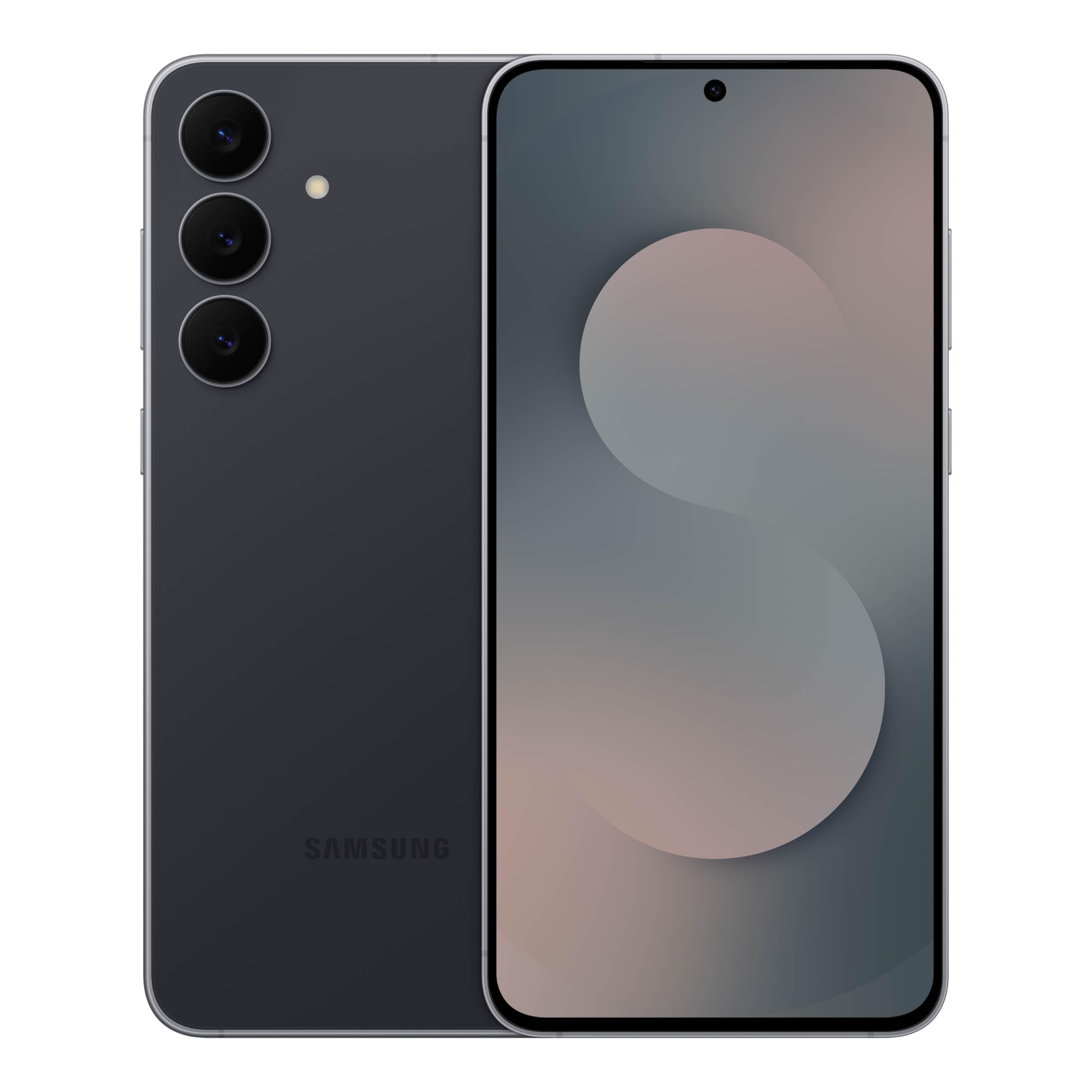
The Samsung Galaxy S25 FE offers a well-rounded camera experience in a premium, lightweight package. The camera system, powered by Samsung’s ProVisual Engine, delivers vibrant photos with excellent dynamic range. The 12MP selfie camera produces sharp, social-media-ready content, and the Generative Edit tools allow for powerful AI-based post-processing.
The 6.7-inch display is bright and smooth, and the Armor Aluminum frame with Gorilla Glass Victus+ provides excellent durability. The 4900mAh battery offers all-day life, and features like Super Fast Charging 2.0 keep you from being tethered to a wall outlet. It is a very polished camera phone that handles most scenarios well, though it lacks a dedicated telephoto lens, relying on digital zoom instead.
While the integrated Galaxy AI features are useful, some users find the push towards Google Messages instead of Samsung Messages a downgrade. For an everyday shooter who wants a solid, reliable camera without paying for the ultra-premium S25 Ultra, this is a smart pick.
Why it’s great
- Lightweight and durable design
- Good all-around camera with AI photo editing tools
- Strong battery life with fast charging
Good to know
- No dedicated optical zoom telephoto lens
- Default messaging app forced to Google Messages
- Some AI features may feel unnecessary to some users
6. Google Pixel 10a

The Google Pixel 10a brings the core of Google’s excellent computational photography to a more accessible price point. Features like Camera Coach help frame the perfect shot, and Add Me ensures everyone is in the group photo. The 4300mAh battery delivers over 30 hours of life, and the IP68 rating ensures durability.
The 3,000-nit Actua display is excellent, and the Gemini AI assistant is deeply integrated for quick photo editing and brainstorming. The phone runs a clean, fast version of Android and is guaranteed to receive seven years of software updates. While the camera hardware is not as advanced as the Pixel 10, the software processing produces high-quality images, especially in good light and through Night Sight in low light.
It lacks a dedicated telephoto lens, and some users may find the 128GB storage option a bit limiting for heavy photo and video shooters. For the price, it offers the best pure camera software experience you can find.
Why it’s great
- Excellent camera software with AI assistance
- Long 30-hour battery life
- Seven years of software and security updates
Good to know
- Base model has only 128GB of storage
- No dedicated telephoto lens for optical zoom
- Some unwanted AI integration and notifications
7. Motorola Razr (2024)

The Motorola Razr (2024) proves a foldable can be a capable camera phone. The 50MP main sensor with OIS and Quad Pixel technology captures sharp, detailed photos in most conditions. The unique Flex View mode allows you to use the phone like a camcorder, take hands-free selfies, and use the 3.6-inch external display as a viewfinder for high-quality rear-camera selfies.
The compact flip design is incredibly pocketable, and the 4200mAh battery with TurboPower 30W charging lasts a full day. The external display is highly functional, reducing the need to open the phone for quick tasks. The 13MP ultra-wide/macro lens adds versatility, and Dolby Atmos Spatial Audio makes the phone a media powerhouse.
The crease in the internal display is hardly noticeable, and the build quality feels durable. As with all foldables, the internal screen protector is not user-replaceable, and the flexible screen may be a long-term concern for some users, but the camera quality is solid for a flip phone.
Why it’s great
- Compact and stylish flip design
- 50MP OIS camera with Flex View modes
- Large, functional 3.6-inch external display
Good to know
- Long-term durability of foldable screen is a concern
- Internal screen protector is not replaceable
- Ultra-wide camera is only 13MP
8. Samsung Galaxy Z Flip7

The Samsung Galaxy Z Flip7 is designed for creative selfies and hands-free photography with its FlexCam mode and Auto Zoom feature. The 50MP high-resolution camera captures crisp, vibrant shots, and the redesigned edge-to-edge cover screen provides a large preview for framing rear-camera selfies. The powerful processor ensures quick shutter response and smooth video capture.
The compact form factor fits easily into small pockets, and the Armor Aluminum frame provides solid protection. The Now Bar on the cover screen gives quick, glanceable updates. The phone’s ability to stand on its own makes it perfect for group photos, time-lapses, and video calls without a tripod.
While the camera is good, the 4300mAh battery may require a charge before the end of a day for heavy users. The long-term durability of the foldable screen has been a point of contention in the past, with some users reporting screen failure after a few months. It is a stylish camera phone with unique ergonomics but requires careful handling.
Why it’s great
- Innovative folding design for hands-free photography
- High-quality 50MP main camera
- Large, functional cover screen for quick tasks
Good to know
- Battery life may not last a full day for heavy users
- Screen durability can be a risk over time
- Cover screen is not fully useful for all apps
9. Blackview Rock 2 Pro
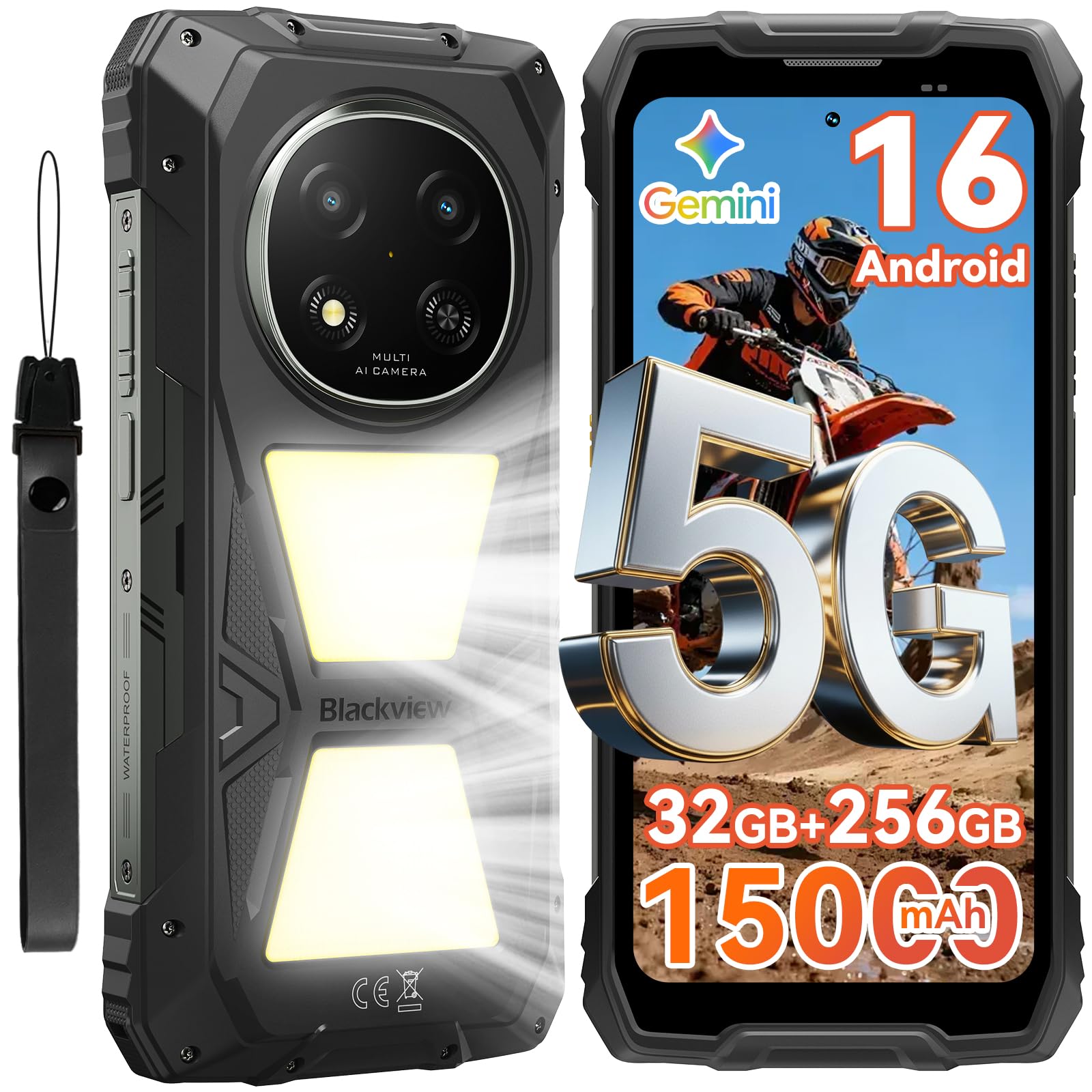
The Blackview Rock 2 Pro is not a traditional camera phone; it is a rugged device with a decent camera built for extreme environments. The 16MP main camera and 13MP ultra-wide sensor are serviceable for documenting work sites or capturing outdoor memories, but they are not designed for artistic photography. The phone’s real strength is its 15000mAh battery, which lasts for days, and its 400 lumen dual camping light.
The IP68/IP69K certification ensures it can withstand drops, dust, and submersion, making it a tool for outdoor workers and adventurers. The 6.78-inch 120Hz display is surprisingly good, and the 32GB of RAM with 256GB of storage provides plenty of space for apps and media. The camera is an afterthought; it works for basic shots and video, but it lacks any advanced computational photography features.
The phone is very heavy (558g) and thick, which may be off-putting for daily carry. If your priority is a camera phone, this is not the right choice, but if you need a tough phone that can take a photo, it gets the job done.
Why it’s great
- Extremely durable with IP68/IP69K rating
- Massive 15000mAh battery for days of use
- Bright 400 lumen camping light and 120Hz display
Good to know
- Camera quality is average at best
- Very heavy and bulky design
- Software can be buggy and limits customization
10. Ulefone Armor 24

The Ulefone Armor 24 is a niche device built for utility, not art. It features a 64MP night vision camera for capturing images in total darkness, a 64MP main camera for standard shots, and a massive 22000mAh battery that can last a week on a single charge. The 1000 lumen rear LED light is one of the brightest on a phone, acting as a powerful camping lantern.
The phone is built to be a tool. It has an IR blaster for controlling appliances, a custom key for quick actions, an underwater camera mode, and a connection interface for microscopes and endoscopes. The 6.78-inch FHD+ 120Hz display is acceptable, but the phone is incredibly heavy (647g) and thick (28mm), making it impractical for most users.
Its camera quality is adequate for documentation, but the 64MP sensors do not produce flagship-level photos due to the less advanced ISP. It is an excellent rugged phone for specific professional use cases, but as a camera phone for everyday photography, it is a square peg in a round hole.
Why it’s great
- Unbeatable 22000mAh battery life
- Useful 64MP night vision camera
- Very bright 1000 lumen LED light and rugged build
Good to know
- Extremely heavy and bulky design
- Camera processing is not competitive with flagship phones
- Incompatible with AT&T, Cricket, and Verizon
11. FOSSIBOT F115 Ultra
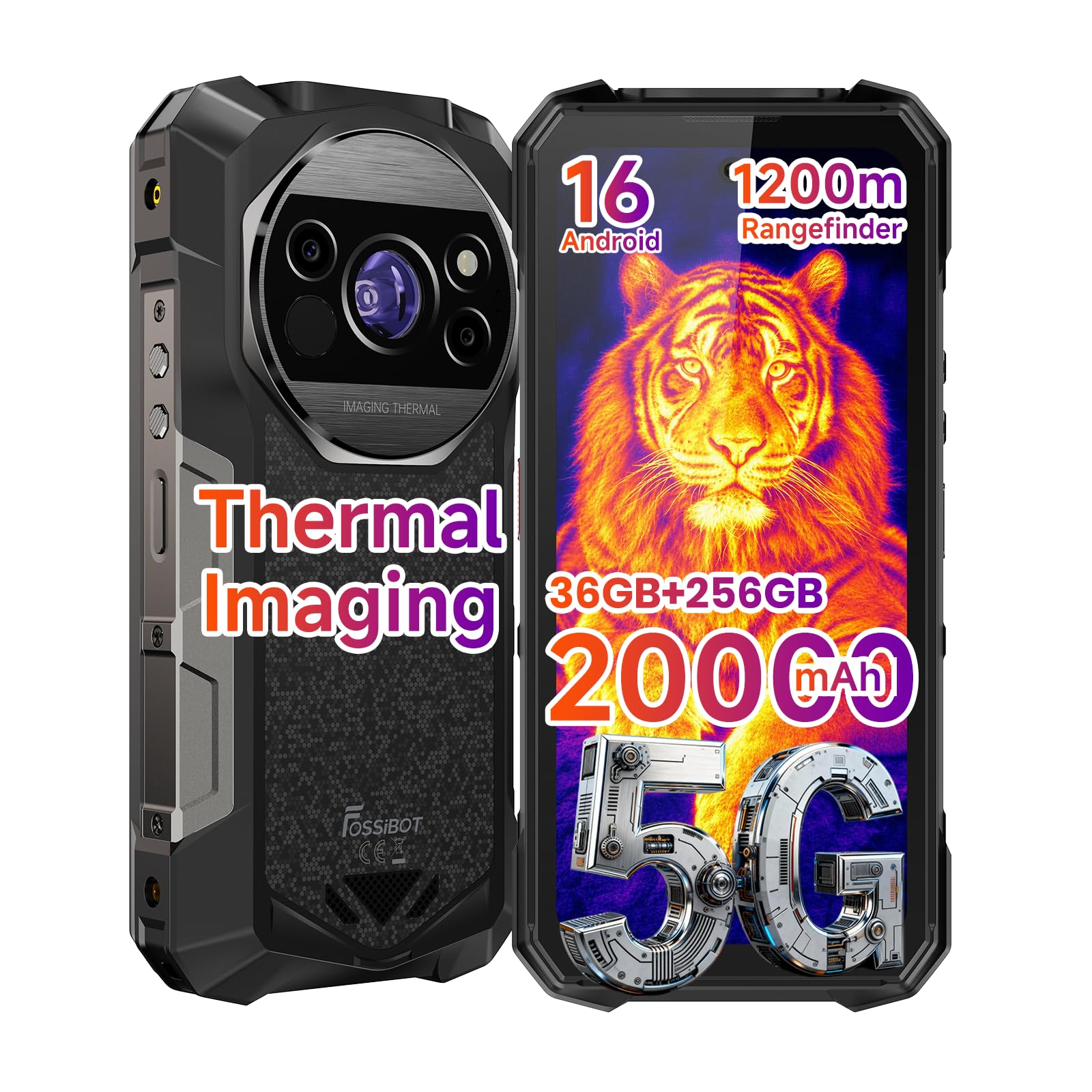
The FOSSIBOT F115 Ultra is a rugged phone packed with specialized tools for outdoor professionals. The 64MP night vision camera captures clear images and 4K video up to 50 meters in total darkness. The built-in 1200m laser rangefinder with 17 professional measuring modes (distance, height, angle, area, volume) makes it a unique tool for construction and surveying.
The thermal imaging camera with multiple color filters and hot/cold zone detection adds another layer of utility. The massive 20000mAh battery provides weeks of standby time, and the IP68/IP69K/MIL-STD-810H protection ensures survival in harsh conditions. The 6.78-inch 120Hz Corning Gorilla Glass display is robust and smooth.
As a camera phone, the standard photo quality is basic and the phone is very heavy. The software and camera processing do not compete with mainstream devices. It is a specialized tool for those who need thermal imaging, laser ranging, and night vision in a single device, not a purchase for a general camera enthusiast.
Why it’s great
- Integrated thermal imaging and 1200m laser rangefinder
- Excellent 64MP 4K night vision camera
- Massive 20000mAh battery and rugged protection
Good to know
- Standard camera quality is basic
- Very heavy and bulky design
- Not compatible with AT&T, Cricket, or Verizon
FAQ
What is the most important spec for low-light photography on an Android phone?
Do I really need a dedicated telephoto lens on my camera phone?
How does Pixel Binning improve photo quality?
What is the benefit of a high refresh rate display for camera use?
Why does my Android camera phone not have a 3.5mm headphone jack?
Final Thoughts: The Verdict
For most users, the camera phone for android winner is the Google Pixel 10 because it delivers the most consistent, natural-looking photos in all lighting conditions thanks to its superior computational photography and 5x telephoto lens. If you want flagship performance, a massive battery, and fast charging, grab the OnePlus 15. And for the best balance of performance, unique design, and a phenomenal camera system at a great price, the Nothing Phone (3) is an unbeatable choice.

Mo Maruf
I created WellFizz to bridge the gap between vague wellness advice and actionable solutions. My mission is simple: to decode the research and give you practical tools you can actually use.
Beyond the data, I am a passionate traveler. I believe that stepping away from the screen to explore new environments is essential for mental clarity and physical vitality.