Our readers keep the lights on and my smoothie glass nicely filled. As an Amazon Associate, I earn from qualifying purchases.
Outdoor photography demands gear that can keep up with changing light, weather, and unpredictable subjects, from majestic landscapes to fleeting wildlife.
I’m Mohammad Maruf — the founder and writer behind WellFizz. My research involves deep analysis of market trends, technical specifications, and user performance data to identify which cameras truly deliver in rugged environments.
By focusing on durability, optical performance, and real-world usability, this guide provides a clear path through the overwhelming options. best camera for outdoor photography seamlessly blends robust construction with the imaging power to capture your vision in any condition.
How To Choose The Best Camera For Outdoor Photography
Selecting the right tool for outdoor scenes means prioritizing features that combat the elements and capture detail. It’s less about megapixels and more about practical performance.
Durability and Weather Sealing
Look for terms like “splashproof,” “dustproof,” or an IP rating. A sealed body and lens protect against rain, dust, and humidity, which is essential for hiking, beach trips, or unpredictable weather.
Sensor Size and Low-Light Performance
Larger sensors (like APS-C and Full-Frame) gather more light, providing cleaner images at higher ISO settings for dawn, dusk, or forest interiors. Micro Four Thirds sensors offer a great balance of size and quality.
Lens Versatility and Zoom Range
A versatile zoom lens eliminates lens changes in the field. For wildlife, a super-telephoto reach (400mm+) is key. For landscapes, a wide-angle is crucial. Consider if you need a fixed lens camera or an interchangeable system.
Image Stabilization
In-body or lens-based stabilization is vital for handheld shooting at long zooms or in low light. It compensates for hand shake, allowing for sharper photos without a tripod.
Portability and Battery Life
A compact, lightweight kit encourages you to take it everywhere. Check battery performance, especially in cold weather, and plan for spares or power-bank compatibility.
Quick Comparison
On smaller screens, swipe sideways to see the full table.
| Model | Type | Best For | Key Feature | Amazon |
|---|---|---|---|---|
| Sony Alpha a6400 | Mirrorless | Versatile Travel & Action | Real-Time Eye Auto Focus | Amazon |
| Nikon Z 6II | Mirrorless | Premium Full-Frame Hybrid | Dual Card Slots & 4K 60p | Amazon |
| Canon RF100-500mm L Lens | Telephoto Lens | Serious Wildlife Photography | 5-Stop IS & L-Series Optics | Amazon |
| OM SYSTEM Olympus OM-5 | Mirrorless | Adventure & Hiking | IP53 Weather Sealing | Amazon |
| Panasonic LUMIX FZ80D | Point & Shoot | All-in-One Superzoom | 60x Optical Zoom | Amazon |
| OM SYSTEM Olympus E-M10 Mark IV | Mirrorless | Entry-Level Interchangeable | 5-Axis In-Body Stabilization | Amazon |
| Sony Alpha ZV-E10 | Mirrorless | Vlogging & Content Creation | 4K Oversampled Video | Amazon |
| Panasonic LUMIX GH4 | Mirrorless | 4K Video Hybrid | Professional Video Features | Amazon |
| Nikon D7500 | DSLR | Reliable DSLR Performance | 8 fps Continuous Shooting | Amazon |
| Canon RF200-800mm Lens | Telephoto Lens | Extended Wildlife Reach | 200-800mm Zoom Range | Amazon |
In‑Depth Reviews
1. Sony Alpha a6400 Mirrorless Camera

The Sony a6400 strikes a remarkable balance between compact form and professional performance, making it a top contender for outdoor enthusiasts. Its 24.2MP APS-C sensor delivers crisp, natural colors, and the fast BIONZ X processor ensures quick operation even when tracking moving subjects.
For outdoor use, the real-time eye auto focus and subject tracking are game-changers, locking onto wildlife or athletes with impressive accuracy. The tiltable LCD screen is customizable for vlogging or high-angle shots, and the camera offers 4K video capabilities for capturing dynamic scenes.
User feedback highlights its value as a travel camera, praised for being lightweight yet packing a punch with features like eye-tracking and good weather sealing. While battery life can be a consideration for long days, carrying a spare easily mitigates this, solidifying its position as a versatile all-rounder.
Why it’s great
- Extremely fast and accurate autofocus with real-time tracking
- Compact and lightweight body ideal for travel and hiking
- Excellent 4K video quality and slow-motion options
Good to know
- Battery life may require carrying spares for all-day shoots
- The flip-up screen can be obstructed by an external microphone
- High ISO performance shows grain compared to full-frame sensors
2. Nikon Z 6II Mirrorless Camera

For photographers demanding top-tier performance in challenging conditions, the Nikon Z 6II is a full-frame powerhouse. Its 24.5MP BSI CMOS sensor excels in low light, capturing clean details at high ISO settings, which is perfect for sunrise landscapes or dusk wildlife.
The in-body image stabilization provides up to 4.5 stops of compensation, allowing for sharp handheld shots even with longer lenses. Professional features like dual card slots (CFexpress and SD) offer peace of mind for important shoots, and the robust magnesium alloy body feels durable in hand.
Reviews from wedding and event photographers note its reliability and stunning image quality, with true-to-life colors and fast autofocus. The ability to use a vast library of F-mount lenses with an adapter adds tremendous versatility for existing Nikon users stepping into mirrorless.
Why it’s great
- Outstanding low-light performance and dynamic range
- Professional build quality with dual card slots for backup
- Effective in-body stabilization for handheld flexibility
Good to know
- The rear screen does not fully articulate for vlogging
- Menu system has a learning curve for new users
- A premium investment best suited for serious enthusiasts
3. Canon RF100-500mm F4.5-7.1 L IS USM Lens

This L-series super-telephoto zoom is a dedicated tool for wildlife and sports photographers who use Canon’s RF mirrorless system. It provides an incredible 100-500mm focal range in a package that remains relatively lightweight for its class, enabling comfortable handheld shooting.
The lens features advanced optical image stabilization with up to 5 stops of shake correction, which is crucial when shooting at long focal lengths without a tripod. The Dual Nano USM motor delivers fast, smooth, and near-silent autofocus, perfect for tracking birds in flight or athletes on the move.
Users praise its sharpness and build quality, noting it as an excellent compromise between reach and portability. The weather-sealed construction ensures it can handle outdoor elements, making it a reliable companion for extended field sessions.
Why it’s great
- Exceptional optical quality and sharpness throughout the zoom range
- Effective image stabilization allows for handheld telephoto shots
- Weather-sealed construction for use in various conditions
Good to know
- A premium investment, placing it in the high-end category
- Aperture narrows at the telephoto end, requiring good light
- No built-in zoom lock mechanism for transportation
4. OM SYSTEM Olympus OM-5 Mirrorless Camera

Built forthe elements, the OM-5 boasts an IP53 rating, making it dustproof, splashproof, and freeze-proof down to -10°C. This level of weather sealing is rare in a camera of its size, offering genuine confidence during hikes, beach trips, or in sudden rain showers.
Beyond durability, it packs computational photography features like Handheld High Res Shot, which combines multiple exposures for a detailed 50MP image without a tripod. The 5-axis image stabilization is among the best available, letting you shoot at slow shutter speeds while moving.
Longtime OM System users highlight it as the ultimate travel camera, especially when paired with compact, sealed PRO lenses. The Micro Four Thirds system offers a fantastic balance of image quality and portability, with a vast lens ecosystem for everything from wide landscapes to telephoto wildlife.
Why it’s great
- Best-in-class weather sealing for worry-free outdoor use
- Powerful computational modes like Handheld High Res Shot
- Extremely effective 5-axis in-body image stabilization
Good to know
- Micro Four Thirds sensor is smaller than APS-C or full-frame
- The grip can feel small for some users; an optional grip helps
- High-end features come at a mid-range to premium cost
5. Panasonic LUMIX FZ80D Point and Shoot Camera

If you want an all-in-one solution with an enormous zoom range without changing lenses, the FZ80D is a compelling entry-level option. Its 60x optical zoom lens covers an impressive 20-1200mm equivalent range, letting you capture everything from wide vistas to distant wildlife in one compact body.
The large electronic viewfinder is a significant advantage for outdoor use, providing a clear view even in bright sunlight where rear screens can wash out. Features like 4K video and 4K Photo mode allow for extracting high-quality stills from video footage, useful for capturing fast action.
User reviews confirm it’s a lightweight travel companion that simplifies photography. However, the small sensor means image quality, particularly in low light or at high ISO, is its trade-off for such convenience and reach. It’s ideal for well-lit outdoor scenarios.
Why it’s great
- Massive 60x optical zoom in a single, fixed-lens body
- Helpful large viewfinder for composing in bright light
- Includes 4K video and useful features like Post Focus
Good to know
- Small sensor struggles with noise in low-light conditions
- Battery drain can be noticeable when using zoom extensively
- Menu system and autofocus can feel less responsive than premium models
6. OM SYSTEM Olympus E-M10 Mark IV Mirrorless Camera

This camera is a fantastic gateway into interchangeable lens photography for outdoor enthusiasts. It packs professional-grade 5-axis in-body image stabilization into a compact, retro-styled body, helping you achieve sharp shots in various lighting conditions.
The flip-down touchscreen is perfect for selfies or low-angle compositions, and the inclusion of fun Art Filters and in-camera panoramas encourages creativity on the go. Its Micro Four Thirds mount gives you access to a huge selection of affordable, compact lenses, ideal for building a versatile travel kit.
Beginners praise its ease of use and image quality, noting it’s a perfect companion for trips. While it lacks the robust weather sealing of its OM-5 sibling, it offers tremendous value and a pathway to grow your skills without a daunting initial investment.
Why it’s great
- Excellent image stabilization in a compact, beginner-friendly body
- Access to a vast and affordable system of Micro Four Thirds lenses
- Creative in-camera features and a user-friendly interface
Good to know
- No advanced weather sealing compared to higher-end OM models
- Wi-Fi connectivity and app can be slow for transfers
- Battery charger is not included, an extra purchase may be needed
7. Sony Alpha ZV-E10 Mirrorless Camera
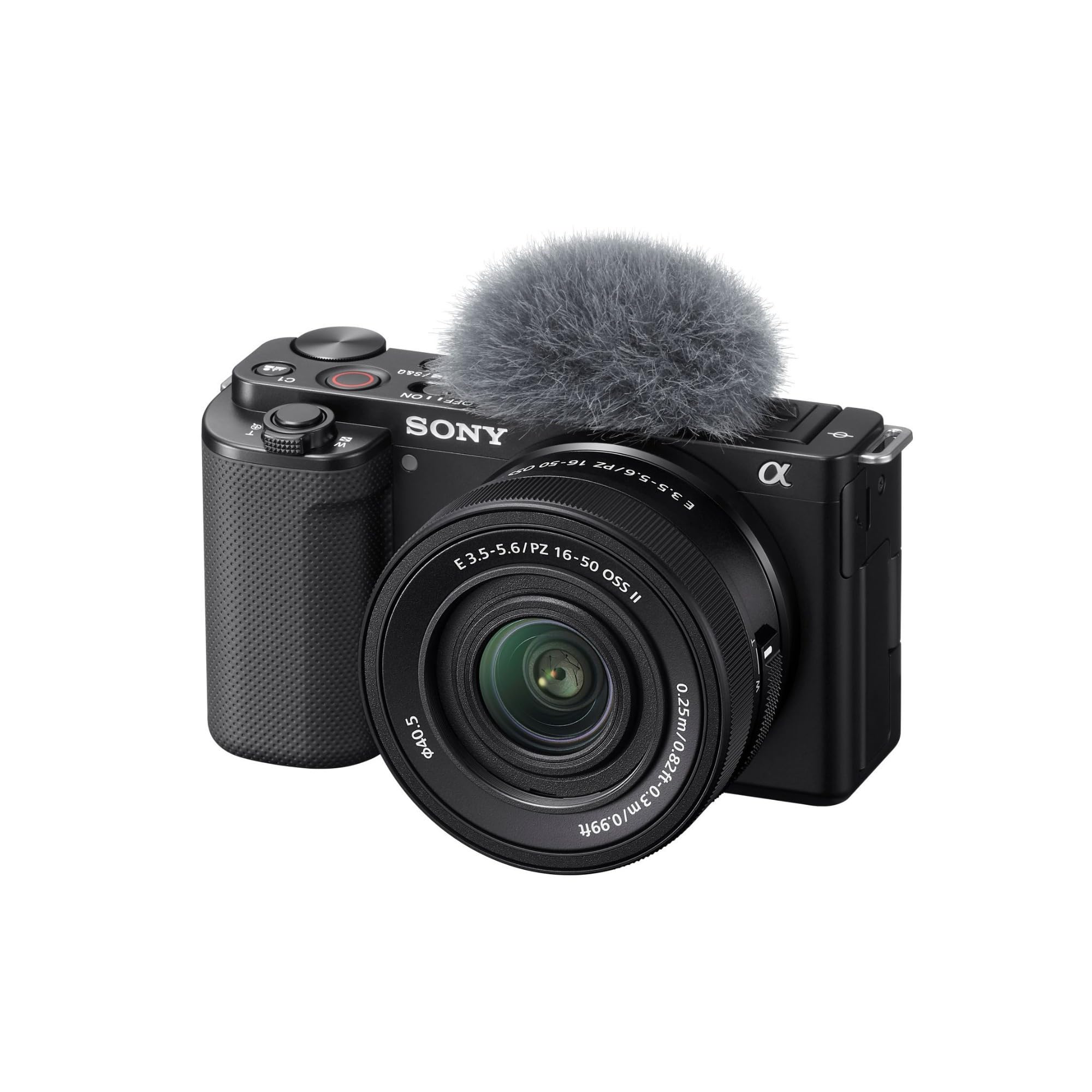
Designed with the modern content creator in mind, the ZV-E10 is a superb choice for outdoor vloggers and hybrid shooters. Its 24.2MP APS-C sensor and oversampled 4K video deliver high-quality imagery, while features like a Product Showcase Setting quickly shift focus from your face to an object in hand.
The fully articulating screen, background defocus button, and superior built-in microphone make it incredibly easy to produce professional-looking content on the go. For outdoor creators, the ability to live-stream via a single USB cable adds another layer of versatility.
While it lacks a viewfinder and built-in flash, its focus on video and ease of use is unmatched in its category. It’s a tool that gets out of your way, letting you capture adventures without fussing over complex settings.
Why it’s great
- Excellent video quality with features tailored for vlogging
- Compact, lightweight body with a fully articulating screen
- Easy setup for live streaming and content creation
Good to know
- No electronic viewfinder, which can be challenging in bright sun
- Requires an external flash or lighting for low-light stills
- The companion app receives mixed reviews from users
8. Panasonic LUMIX GH4 Mirrorless Camera

A legendary camera in the video world, the GH4 remains a relevant and budget-conscious choice for outdoor videographers. Its 4K cinematic video capabilities, durable magnesium alloy body, and extensive manual controls cater to creators who prioritize video quality alongside stills.
Features like focus peaking, zebras, and a high-resolution electronic viewfinder make it a professional tool. Its Micro Four Thirds lens system offers many compact, high-quality lenses, making it a relatively portable setup for documentary or travel filmmaking.
While it lacks in-body image stabilization and its sensor is older, its video pedigree and robust build are its key strengths. It’s a camera that can withstand demanding shoots and deliver excellent results in capable hands.
Why it’s great
- Professional 4K video features in a durable, compact body
- Extensive manual controls and monitoring tools for video
- Long battery life and reliable performance for extended shoots
Good to know
- No in-body image stabilization, relying on lens-based IS
- Lower light performance lags behind modern sensors
- Autofocus system is contrast-detect only and can be slower
9. Nikon D7500 DSLR Camera

For those who appreciate the optical viewfinder experience and robust ergonomics of a DSLR, the D7500 is a capable and reliable choice. Its 20.9MP APS-C sensor delivers excellent image quality, and the 51-point autofocus system with 8 fps continuous shooting is well-suited for action and wildlife.
The camera is weather-resistant and built with a durable monocoque construction. The tilting touchscreen and 4K UHD video capabilities add modern versatility. It represents the proven performance of Nikon’s DSLR system, with access to a vast and often more affordable library of F-mount lenses.
Users upgrading from compact cameras praise the image quality and handling once they master the manual controls. While larger and heavier than mirrorless counterparts, it offers a familiar, dependable feel for photographers transitioning into more serious outdoor photography.
Why it’s great
- Fast and accurate autofocus system for capturing action
- Excellent battery life and comfortable, familiar DSLR handling
- Weather-resistant body and reliable performance
Good to know
- Bulky and heavier compared to modern mirrorless options
- 4K video has a crop factor, limiting wide-angle shots
- Technology is older, lacking newer computational features
10. Canon RF200-800mm F6.3-9 IS USM Lens

This lens breaks new ground by offering an unprecedented 200-800mm zoom range in a relatively compact and handholdable design for a super-telephoto. It opens up extreme reach for wildlife and sports photographers using Canon RF cameras without the cost and size of prime super-telephotos.
The optical image stabilization helps manage shake at these long focal lengths, and the lens is compatible with Canon’s teleconverters for even more reach. While the variable aperture narrows at 800mm, it remains a stellar performer in good light, offering sharp images and fast autofocus.
Reviews from bird and wildlife photographers are overwhelmingly positive, highlighting its value as a “do-it-all” telephoto zoom. It’s a lens that encourages spontaneity, as its manageable size means you’re more likely to take it with you on outdoor adventures.
Why it’s great
- Unmatched zoom range (200-800mm) in its category
- Surprisingly handholdable design for its reach
- Excellent value for the focal length offered
Good to know
- Aperture is slow at the long end, requiring ample light
- Zoom ring rotation is long, taking time to go from 200mm to 800mm
- The tripod collar is not removable, which some users may find bulky
Understanding the Specs
Sensor Size
This is the digital equivalent of film. Larger sensors (Full-Frame > APS-C > Micro Four Thirds) generally provide better image quality, especially in low light, and allow for more background blur (shallow depth of field). For outdoor photography, a larger sensor gives you more flexibility in changing light conditions.
Image Stabilization
This counteracts camera shake, crucial for handheld shooting at slow shutter speeds or long zoom lengths. In-Body Image Stabilization (IBIS) works with any lens, while lens-based IS is built into specific optics. Look for stabilization measured in “stops” – more stops mean you can use slower shutter speeds without blur.
Weather Sealing
This isn’t a single spec but a collection of gaskets and seals that protect the camera and lens from moisture and dust. Look for terms like “weather-resistant,” “dustproof,” or an IP rating (e.g., IP53). True weather sealing is essential for reliability in rain, snow, or sandy environments.
Focal Length & Zoom
Measured in millimeters (mm), this determines your angle of view. A low number (e.g., 18mm) is wide for landscapes. A high number (e.g., 400mm) is telephoto for distant subjects. Zoom range (e.g., 18-140mm) shows versatility. For outdoor use, consider if you need a wide zoom range in one lens or specialized primes.
FAQ
Is a mirrorless camera better than a DSLR for outdoor photography?
How important is weather sealing for hiking and travel?
Can I use a superzoom camera for serious wildlife photography?
Do I need a full-frame camera for landscapes?
Final Thoughts: The Verdict
For most people, the best camera for outdoor photography winner is the Sony Alpha a6400 because it perfectly balances pro-level autofocus, compact size, and excellent image quality at a mid-range point. If you want ultimate durability for adventures, grab the OM SYSTEM Olympus OM-5. And for serious wildlife and reach, nothing beats pairing a capable camera body with the Canon RF200-800mm lens.

Mo Maruf
I created WellFizz to bridge the gap between vague wellness advice and actionable solutions. My mission is simple: to decode the research and give you practical tools you can actually use.
Beyond the data, I am a passionate traveler. I believe that stepping away from the screen to explore new environments is essential for mental clarity and physical vitality.