Our readers keep the lights on and my smoothie glass nicely filled. As an Amazon Associate, I earn from qualifying purchases.
Capturing a live concert with a smartphone often results in blurry, grainy images of a distant stage. The unique challenges—dark venues, fast-moving performers, and strict zoom limits from your seat—demand a specialized tool built for this exact scenario. A dedicated camera with a long optical zoom and a large sensor is the only reliable way to get sharp, vibrant shots from the crowd.
I’m Mohammad Maruf — the founder and writer behind WellFizz. This guide is the result of many hours spent analyzing low-light sensor performance, optical zoom ranges, autofocus speed, and stabilization specs across dozens of models to find the true standouts for concert photography.
After sifting through hundreds of reviews and technical datasheets, I’ve curated the definitive list of the best camera for concerts that balances reach, light-gathering ability, and portability for any budget.
How To Choose The Best Camera For Concerts
The ideal concert camera lives in the overlap of long reach, strong low-light performance, and reliable autofocus. A superzoom bridge camera offers enormous focal length but a small sensor, while a full-frame mirrorless provides superior low-light capability but requires expensive telephoto lenses. Understanding the trade-offs is key.
Optical Zoom Range: The Decisive Factor
The most critical spec for a concert camera is its optical zoom. A 24-720mm equivalent (30x) zoom lets you go from a wide stage shot to a tight close-up of the lead guitarist without moving from your seat. A 83x zoom (24-2000mm) offers even more reach, but often at the expense of a smaller sensor and slower aperture at the long end. For most venues, a 30x to 50x optical zoom provides the practical reach you need.
Sensor Size and Low-Light Ability
Concert venues are notoriously dark. A larger sensor—like a 1-inch CMOS or an APS-C sensor—captures more light, reducing grain and noise at high ISOs. A 1-inch sensor found in premium compacts is a sweet spot, offering excellent image quality without the bulk of an interchangeable-lens system. Full-frame sensors are superior in low light but come with a significant price and lens cost.
Stabilization and Autofocus
Shots taken from a bouncing crowd require effective stabilization. Optical Image Stabilization (OIS) in the lens or built-in body stabilization (IBIS) is essential for sharp handheld photos at full zoom. Fast, accurate autofocus with subject tracking is equally critical for locking onto a moving performer. Hybrid AF systems with phase-detection points are preferred over contrast-detection alone.
Quick Comparison
On smaller screens, swipe sideways to see the full table.
| Model | Category | Best For | Key Spec | Amazon |
|---|---|---|---|---|
| Panasonic LUMIX ZS99 | Compact Superzoom | Optical zoom reach in a pocket | 30x Optical Zoom (24-720mm) | Amazon |
| Nikon COOLPIX P950 | Bridge Superzoom | Extreme zoom for distant seats | 83x Optical Zoom (24-2000mm) | Amazon |
| DJI Osmo Pocket 3 | Gimbal Compact | Silky smooth video near the stage | 1-inch CMOS, 3-axis gimbal | Amazon |
| Xtra Muse | Gimbal Compact | Budget gimbal stabilization | 1-inch CMOS, 3-axis gimbal | Amazon |
| Sony Alpha ZV-E10 | Mirrorless APS-C | Interchangeable lens video vlogging | 24.2MP APS-C, 4K 30p | Amazon |
| OM SYSTEM OM-5 Mark II | Mirrorless Micro 4/3 | Weather-sealed travel companion | 5-axis IBIS, 4K Video | Amazon |
| Nikon D7500 Kit | DSLR | Budget-friendly DSLR versatility | 20.9MP APS-C, 51pt AF | Amazon |
| Blackmagic Pocket Cinema 4K | Cinema Camera | Pro-grade concert video production | Micro 4/3, 13 stops DR | Amazon |
| Canon EOS RP Kit | Full-Frame Mirrorless | Entry-level full-frame image quality | 26.2MP Full-Frame, 4K | Amazon |
| Canon EOS R8 Body | Full-Frame Mirrorless | Lightweight full-frame with 4K 60p | 24.2MP Full-Frame, 4K 60p | Amazon |
| Sony a7 III Kit | Full-Frame Mirrorless | Best overall low-light performance | 24.2MP BSI Full-Frame, 693pt AF | Amazon |
In‑Depth Reviews
1. Panasonic LUMIX ZS99

The Panasonic LUMIX ZS99 strikes the perfect balance for concert-goers. Its 30x optical zoom (24-720mm equivalent) LEICA lens provides the reach to capture performers clearly from mid-to-far seating, all in a body that truly fits in a pocket. The 1840k-dot tiltable touchscreen makes framing from above a crowd intuitive, and USB-C charging ensures you can top up between sets.
In low-light venues, the 20.3MP sensor performs admirably for a compact, though it benefits from a steady hand or leaning against a railing. The 5-axis Hybrid O.I.S.+ stabilization significantly reduces shake at the long end of the zoom. For stills, this is the most practical all-in-one solution for concert photography without needing a camera bag.
Video recording at 4K is solid, but note the 15-minute recording limit due to thermal management. The camera also heats up during extended use, which is a known caveat for live events. 1080p video often looks sharper at full zoom. If your priority is a pocketable camera with immense zoom for unforgettable concert photos, the ZS99 is a top contender.
Why it’s great
- Impressive 30x optical zoom in a very compact body
- Effective image stabilization for handheld shots
- Convenient USB-C charging and tiltable screen
Good to know
- 4K video recording capped at 15 minutes due to heat
- Small sensor struggles in very low light compared to larger options
- Lens housing can dent without a protective case
2. Nikon COOLPIX P950

If your concert seat is nosebleed section, the Nikon COOLPIX P950 is the sniper you need. Its legendary 83x optical zoom (24-2000mm equivalent) brings distant performers into extreme close-up detail that no other compact camera can match. The built-in Bird and Moon modes hint at its telephoto prowess, which translates directly to capturing stage acts from a football-field distance.
The 16MP sensor is notably smaller than those found in premium compacts, meaning image quality degrades faster as the lights dim. You will need to keep ISO low and rely on the stabilization, which is effective but not foolproof at 2000mm handheld. The rotating LCD screen helps with awkward shooting angles in tight seating rows.
4K UHD video capture is a welcome addition over its predecessor, but the autofocus can hunt in low contrast. The P950 is a specialized tool for reach above all else. If you prioritize getting any photo of a distant artist over perfect low-light purity, this superzoom bridge camera delivers unparalleled value for its zoom power.
Why it’s great
- Unrivaled 83x optical zoom for extreme distance
- Dual Detect Optical Vibration Reduction for stabilization
- Good manual focus override wheel for fine-tuning
Good to know
- 16MP sensor shows noise in low-light concert settings
- Autofocus can struggle in dim conditions
- Camera body is larger and heavier than compact alternatives
3. DJI Osmo Pocket 3 Creator Combo
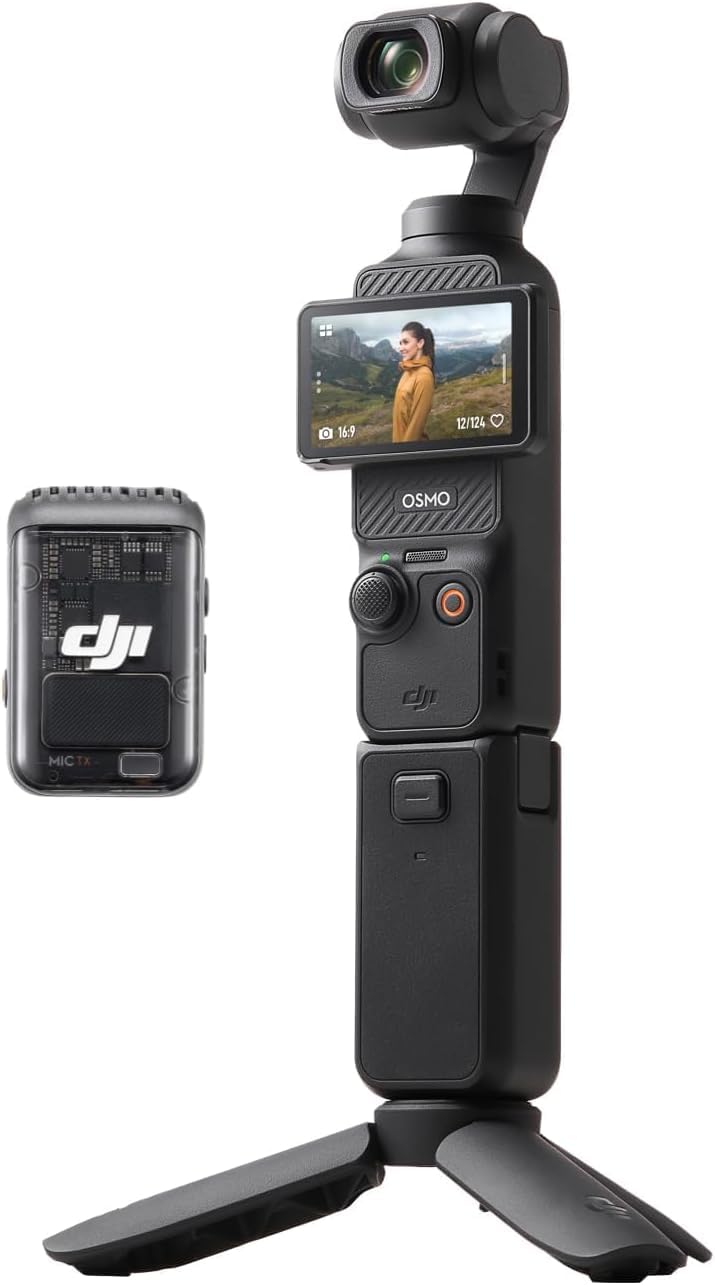
The DJI Osmo Pocket 3 excels at capturing silky-smooth video in the middle of a mosh pit. Its 1-inch CMOS sensor and 3-axis mechanical gimbal deliver footage that looks like it was shot on a tripod, even when you are dancing. The rotating 2-inch touchscreen is a design marvel, switching between horizontal and vertical in a snap for social media-ready content.
For concert use, the ActiveTrack 6.0 reliably locks onto a performer, keeping them center-frame as you move. The 4K 120fps recording allows for dramatic slow-motion highlights. The included DJI Mic 2 in the Creator Combo elevates audio quality dramatically, capturing the roar of the crowd without the wind noise of built-in mics.
The limitation here is zoom. The Pocket 3 has a fixed wide-angle lens (20mm equivalent) with a 2x digital zoom that quickly degrades quality. This camera is best for general admission or front-of-stage access where you are close to the action. For distant seats, it lacks the reach of a superzoom, but for immersive POV video, nothing else comes close.
Why it’s great
- Cinematic 3-axis stabilization in a pocket size
- Excellent 1-inch sensor for low-light video
- Seamless subject tracking for moving artists
Good to know
- No optical zoom limits reach to standing-room areas
- Delicate gimbal requires careful handling
- Premium price when bought as Creator Combo
4. Xtra Muse

The Xtra Muse offers a compelling alternative to the DJI Pocket 3 for budget-conscious concert videographers. It features a 1-inch CMOS sensor capable of 4K 120fps video and a built-in 3-axis gimbal for smooth, shake-free footage. Face and object tracking keep the performer in frame, making it easy to focus on enjoying the show.
The 2-inch touchscreen is responsive, and the included carrying bag and wrist strap add value. Users report the battery lasts just over two hours, which covers most small to mid-sized shows. The 10-bit X-Log color profile offers flexibility for color grading, a welcome pro feature at this price point.
Like the Pocket 3, the Xtra Muse lacks optical zoom, relying on digital cropping. This limits its usefulness for anything but close-to-stage positions. It also has a smaller footprint than some competitors, making it easy to slip into a clutch or small bag. For a budget-friendly entry into gimbal-stabilized concert video, the Xtra Muse delivers impressive bang for your buck.
Why it’s great
- Excellent value for a 1-inch sensor with built-in gimbal
- 4K 120fps recording for smooth slow motion
- Reliable face tracking for video subjects
Good to know
- No optical zoom limits use to standing-room areas
- Battery life is moderate at just over two hours
- Smaller brand ecosystem than DJI for accessories
5. Sony Alpha ZV-E10
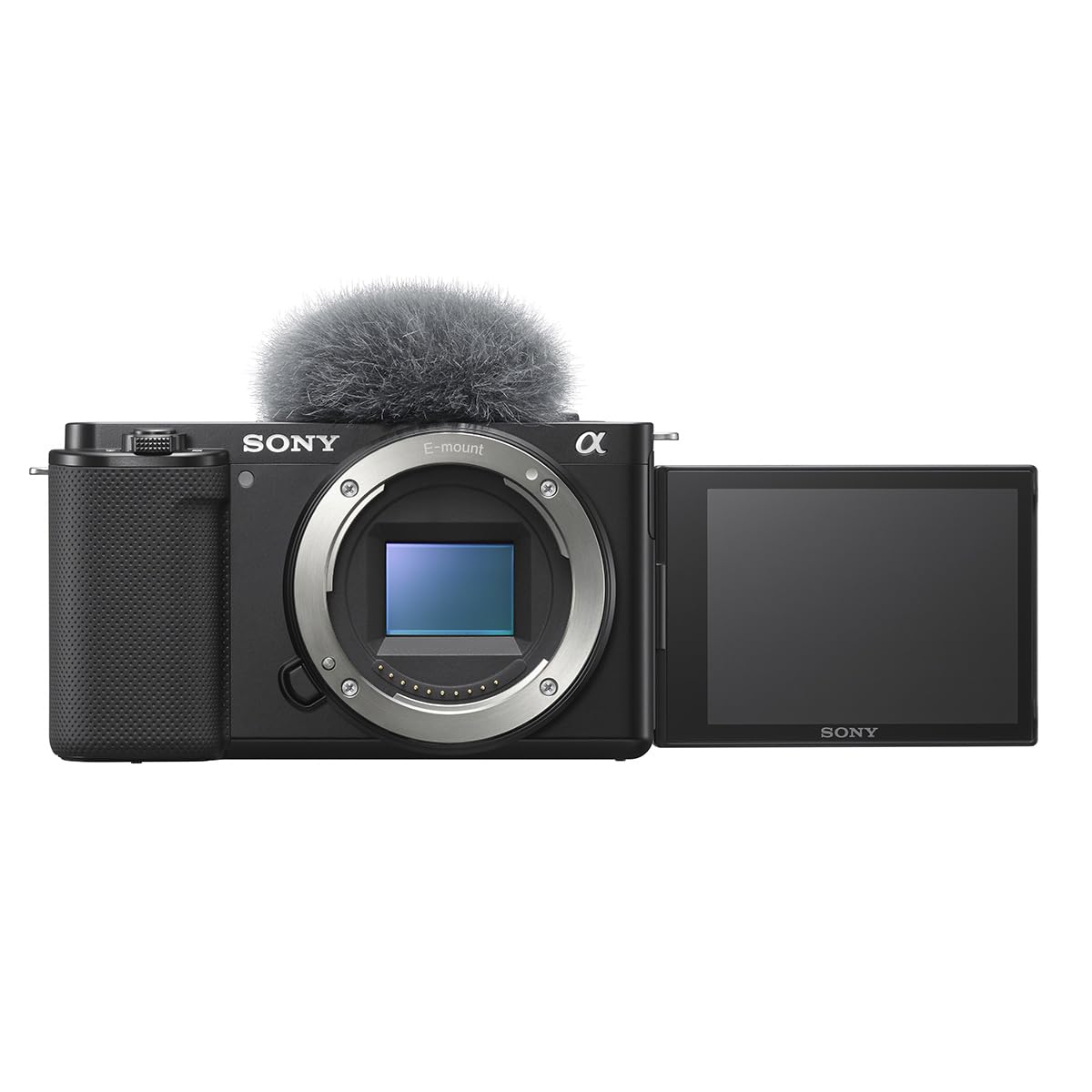
The Sony ZV-E10 is a mirrorless powerhouse for concert vloggers who also want high-quality stills. Its 24.2MP APS-C sensor delivers excellent dynamic range and low-light performance, especially when paired with a fast aperture lens like the Sigma 16mm f/1.4. The Real-Time Eye AF for both humans and animals ensures focus is locked on the performer.
The product showcase mode and background defocus button are clever additions for quick content creation, but the lack of in-body image stabilization is a major downer for handheld concert video. You will need a lens with OIS or a gimbal to avoid shaky footage. The oversampled 4K from 6K is sharp and detailed.
Battery life is moderate, around 25 minutes of 4K recording, so spare batteries are a must for a full concert. The camera is lightweight and compact for an APS-C system, making it easy to carry. If you need the flexibility of interchangeable lenses and prioritize autofocus performance over built-in stabilization, the ZV-E10 is a formidable tool.
Why it’s great
- Superb Real-Time Eye AF for performers
- Sharp oversampled 4K video from 6K readout
- Lightweight body, easy to hold for long shows
Good to know
- No IBIS requires stabilized lenses or a gimbal
- Limited battery life for extended 4K recording
- Notable rolling shutter effect in video
6. OM SYSTEM OM-5 Mark II
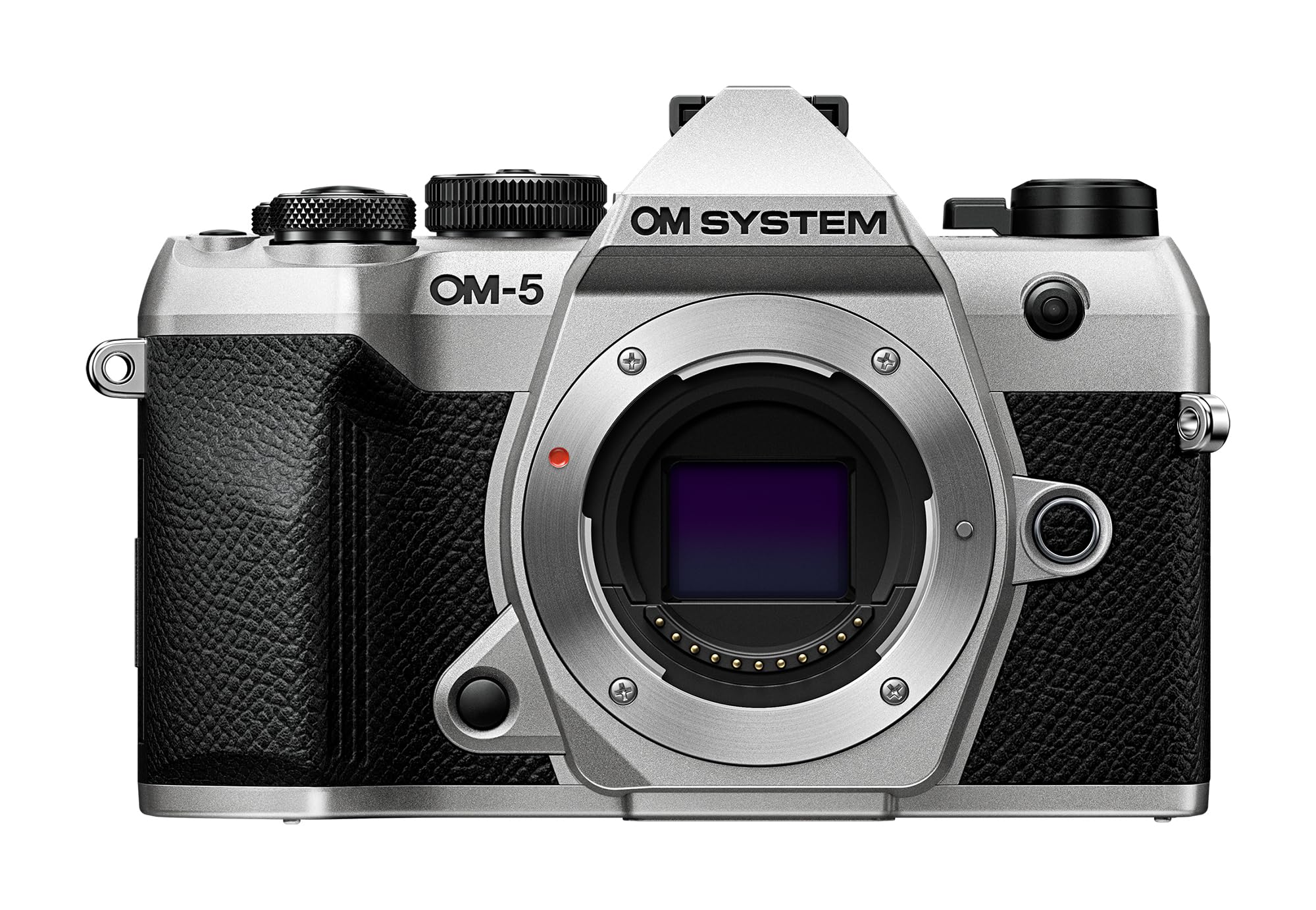
The OM SYSTEM OM-5 Mark II is an ultra-portable Micro Four Thirds camera that punches above its weight class. Its standout feature for concerts is the 5-axis in-body image stabilization, rated for 6.5-7.5 stops of correction. This allows for sharp handheld photos at shutter speeds that would be impossible on other systems, a massive advantage in dark venues.
The body is compact and weather-sealed, so a sudden drizzle won’t ruin your night. The computational photography features, like live ND and in-camera focus stacking, are creative bonuses. The 20MP sensor is smaller than APS-C or full-frame, so noise is more apparent at high ISOs, but the stabilization lets you use slower shutter speeds to keep ISO down.
Autofocus is snappy with phase-detection coverage. The unlimited 4K video recording is useful for capturing entire sets. The small battery is the main drawback; you will need at least one spare for a full concert. For the traveler who wants the best stabilization in the smallest interchangeable lens package, the OM-5 Mark II is a unique and capable choice.
Why it’s great
- Best-in-class IBIS for handheld concert video and stills
- Extremely compact and lightweight body
- Weather sealed for outdoor festivals
Good to know
- Micro 4/3 sensor has more noise than larger sensors at high ISO
- Limited battery life; spare required for long events
- Small grip might be uncomfortable for larger hands
7. Nikon D7500 Kit

The Nikon D7500 is a robust DSLR that offers incredible value for concert photography. It inherits the 20.9MP sensor and image processing from the professional D500, delivering class-leading image quality and an impressive ISO range for a crop-sensor camera. The 51-point AF system with 15 cross-type sensors provides fast and accurate focus, even in low light.
The included 18-140mm VR lens (27-210mm equivalent) offers a versatile zoom range, though you will want a longer lens like a 70-300mm for distant stages. The optical viewfinder is superb for tracking fast action, and the 8 fps burst rate captures quick moments like a guitar solo. The tilting touchscreen is helpful for low-angle shots.
It is larger and heavier than mirrorless alternatives, which can be a factor during a long standing show. It also lacks 4K 60fps and advanced video features found in newer cameras. For stills-focused concert photographers on a budget who prefer the classic DSLR handling and battery life, the D7500 remains a very capable and affordable workhorse.
Why it’s great
- Excellent image quality and high ISO performance for stills
- Fast and reliable 51-point autofocus system
- Great battery life, lasts for a full concert
Good to know
- Heavier and larger than mirrorless competitors
- Kit lens zoom is insufficient for far seats
- Video features are basic compared to newer models
8. Blackmagic Pocket Cinema Camera 4K

The Blackmagic Pocket Cinema Camera 4K (BMPCC 4K) is a dedicated cinema camera that excels at capturing professional-grade concert footage. Its 4/3-inch sensor features 13 stops of dynamic range and dual native ISO up to 25,600, allowing it to handle the extremes of stage lighting with minimal noise. The 5-inch LCD screen is bright and useful for manual focusing.
It records in Blackmagic RAW and ProRes, giving editors immense latitude for color grading in post-production. The active Micro Four Thirds (MFT) lens mount gives access to a wide range of affordable lenses. The included DaVinci Resolve Studio license adds significant value for aspiring filmmakers.
This is not a point-and-shoot for casual fans. It lacks any image stabilization or continuous autofocus, requiring a gimbal or tripod and manual focus skills. Battery life is terrible; you will need external battery solutions. The compact body is an advantage for getting past security, but the rig requirements (cage, monitor, battery) add bulk. For serious videographers, the image quality is unmatched in its class.
Why it’s great
- Exceptional 13-stop dynamic range for challenging stage lighting
- Pro-level codecs (Blackmagic RAW, ProRes) for post-production
- Includes DaVinci Resolve Studio license
Good to know
- No image stabilization or continuous autofocus
- Extremely poor battery life, needs external power
- Requires external accessories (cage, gimbal) for practical use
9. Canon EOS RP Kit

The Canon EOS RP is the most affordable way to get into full-frame mirrorless photography, and that sensor size makes a noticeable difference in concert settings. The 26.2MP sensor delivers fantastic low-light performance with high signal-to-noise ratio, keeping images clean at higher ISOs. The Dual Pixel CMOS AF is fast and reliable for still subjects.
The RF 24-105mm f/4-7.1 kit lens is compact and optically stabilized, providing a useful zoom range for mid-crowd shots. The camera body is exceptionally light for a full-frame, making it easy to hold for a three-hour show. The vari-angle touchscreen is great for getting creative angles above the crowd.
4K video on the RP is heavily cropped (1.6x) and uses contrast-detect AF, which hunts and is not suitable for fast motion. Its burst rate is limited, and the electronic viewfinder is basic. For stills in low light, especially portraits of performers if you can get close, the RP offers full-frame magic at an entry-level price, but its video and speed limitations are real.
Why it’s great
- Full-frame sensor provides excellent low-light stills
- Very lightweight and compact body
- Good Dual Pixel AF for stills photography
Good to know
- 4K video has a heavy 1.6x crop and poor AF
- Slow burst rate, not ideal for fast action
- Battery life is below average for mirrorless
10. Canon EOS R8 Body

The Canon EOS R8 is a significant step up from the RP, inheriting the core sensor and processor from the much more expensive R6 Mark II. It offers uncropped 4K 60p video oversampled from 6K, in-body 4K with Canon Log 3, and a blazing 40fps electronic shutter with full autofocus tracking. For both photo and video at a concert, this is a true hybrid performer.
The Dual Pixel CMOS AF II covers nearly 100% of the frame and uses deep learning to track people, animals, and even vehicles. In a concert, it effortlessly locks onto a performer’s eye and stays with them. The body is Canon’s lightest full-frame, making it a minimalist dream. The 24.2MP sensor delivers fantastic high-ISO performance.
The biggest trade-off is the battery, which drains quickly, and the lack of IBIS, so you need optically stabilized lenses. It also has a single UHS-II SD card slot, which may worry working pros, but for enthusiasts, it is a powerful camera that delivers R6 Mark II performance in a smaller, more affordable body. Overheating can occur after 30 minutes of 4K 60p recording.
Why it’s great
- Excellent uncropped 4K 60p video with C-Log 3
- Fast 40fps burst with continuous AF tracking
- Impressively light and compact full-frame body
Good to know
- Poor battery life requires spares for a full event
- No IBIS, relies on lens stabilization
- Single SD card slot limits backup options
11. Sony a7 III Kit

The Sony a7 III is a benchmark full-frame mirrorless camera that remains a top choice for concert photography years after its launch. Its 24.2MP back-illuminated (BSI) sensor provides outstanding low-light performance with 15 stops of dynamic range, allowing you to push ISO high and still get usable, noise-free results. The 693-point phase-detection autofocus covers 93% of the frame and is incredibly sticky on moving subjects.
The included 28-70mm kit lens is decent for starting out, but the real magic comes with a fast telephoto prime or zoom like the 70-200mm f/2.8. The in-body 5-axis stabilization is effective for handheld video and stills. Battery life is exceptional for a mirrorless camera, easily lasting through a multi-hour concert.
The menu system is complex, and the 4K video is a bit older spec (not oversampled from 6K like newer rivals). The build quality is solid but not fully weather-sealed to the highest standards. For someone who prioritizes still image quality and autofocus in low light above all else, and is willing to invest in lenses, the a7 III remains a legendary workhorse that performs reliably year after year.
Why it’s great
- Exceptional low-light performance and dynamic range
- Industry-leading autofocus tracking for stills
- Incredible battery life for a mirrorless camera
Good to know
- Older 4K video spec compared to newer cameras
- Complex menu system can be intimidating
- Kit lens aperture is slow for low-light venues
FAQ
Can I bring my camera to a concert? Venue policies vary widely.?
What is the best ISO setting for concert photography?
Is 4K video important for concerts?
Final Thoughts: The Verdict
For most users, the best camera for concerts winner is the Panasonic LUMIX ZS99 because its 30x optical zoom and pocketable size make it the most versatile and practical option for the widest range of seating and venues. If you want extreme reach from the nosebleeds, grab the Nikon COOLPIX P950. And for silky-smooth gimbal video from the front row, nothing beats the DJI Osmo Pocket 3.

Mo Maruf
I created WellFizz to bridge the gap between vague wellness advice and actionable solutions. My mission is simple: to decode the research and give you practical tools you can actually use.
Beyond the data, I am a passionate traveler. I believe that stepping away from the screen to explore new environments is essential for mental clarity and physical vitality.