Our readers keep the lights on and my smoothie glass nicely filled. As an Amazon Associate, I earn from qualifying purchases.
Clothing photography demands a camera that renders fabric texture accurately, preserves color fidelity from black to white, and offers enough depth of field to keep an entire garment sharp from collar to hem. Consumer cameras often clip the subtle tonal gradients in silk, denim, or lace, while others struggle with the white balance shifts common under studio lighting or mixed window light.
I’m Mohammad Maruf — the founder and writer behind WellFizz. I’ve spent years analyzing sensor technologies, lens ecosystems, and color science algorithms specifically for product photographers who need reliable, repeatable results shooting apparel.
After sifting through specifications covering dynamic range, autofocus points, bit depth, and lens compatibility, this guide identifies the best camera for clothing photography for a range of budgets and studio setups.
How To Choose The Best Camera For Clothing Photography
Selecting the right tool for garment photography involves more than just picking a high megapixel count. The nuances of fabric reproduction, color accuracy, and studio workflow efficiency define the difference between a mediocre catalog and a professional lookbook.
Sensor Size and Fabric Detail
A full-frame sensor captures a wider dynamic range than APS-C or Micro Four Thirds in typical studio lighting, preserving shadow detail in dark denim while keeping white labels from blowing out. The larger pixel sites also reduce noise when you stop down to f/8 or f/11 for maximum depth of field across the garment.
Color Science and White Balance Consistency
Every camera brand interprets color differently. For clothing photography that demands accurate whites and rich blacks, you need a camera with neutral profiles and reliable auto white balance under continuous lighting. Brands like Sony and Canon offer specific picture profiles that help you lock in predictable color without extensive post-production.
Lens Ecosystem for Product Work
Prime lenses with focal lengths between 50mm and 100mm are standard for apparel photography. A camera body is only as useful as the lenses available for it. Choose a system with a robust lineup of sharp macro, standard, and short telephoto primes to give you flexibility for full-body shots and detail close-ups.
Autofocus Performance on Fabric
Cameras with dense phase-detection arrays lock focus on repetitive textile patterns where contrast-based systems often fail. Look for at least 400 autofocus points for reliable tracking, especially if you shoot moving models or use tethered shooting setups.
Quick Comparison
On smaller screens, swipe sideways to see the full table.
| Model | Category | Best For | Key Spec | Amazon |
|---|---|---|---|---|
| Sony Alpha 7 IV | Premium | Best Overall Hybrid | 33MP Full-Frame BSI | Amazon |
| Canon EOS R5 | Pro | High-Resolution Detail | 45MP Full-Frame Stacked | Amazon |
| Nikon Z 8 | Pro | Hybrid Workflow | 45.7MP Stacked CMOS | Amazon |
| Sony a7 III | Mid-Range | Value Full-Frame | 24.2MP BSI Full-Frame | Amazon |
| Canon EOS RP | Entry-Level | Budget Full-Frame | 26.2MP Full-Frame CMOS | Amazon |
| Nikon Z50 II | Mid-Range | Compact Starter Kit | 20.9MP APS-C Sensor | Amazon |
| Canon EOS 5D Mark IV | Pro | Studio Workhorse | 30.4MP Full-Frame CMOS | Amazon |
| Panasonic LUMIX S5II | Mid-Range | Video + Still Hybrid | 24.2MP Full-Frame CMOS | Amazon |
| Fujifilm X-H2 | Pro | APS-C Resolution King | 40MP APS-C X-Trans | Amazon |
| Fujifilm X100VI | Specialty | On-the-Go Shooting | 40.2MP APS-C Fixed Lens | Amazon |
| Panasonic LUMIX G100 | Budget | Entry-Level Mirrorless | 20.3MP Micro Four Thirds | Amazon |
In‑Depth Reviews
1. Sony Alpha 7 IV

The Sony Alpha 7 IV strikes the ideal balance for clothing photography with its 33MP back-illuminated full-frame sensor and BIONZ XR processor. The 7K oversampled 4K video at 30p is a bonus if you shoot lookbook clips, but the real draw is the 15-stop dynamic range that preserves the micro-contrast of fabric textures even under harsh studio lighting.
Its 693-point phase-detection autofocus covers 93% of the frame, reliably locking onto the patterns of herringbone or fine knits without hunting. The real-time Eye AF for humans also simplifies full-body mannequin and model shoots, keeping focus tack-sharp on the garment’s key details.
The S-Cinetone color profile delivers flat, editable tones that make white balance correction and color grading for product consistency straightforward. Dual card slots and strong battery life keep you shooting through long catalog sessions without interruption.
Why it’s great
- Excellent dynamic range for shadow and highlight detail in fabrics
- Reliable 693-point AF that handles complex textile patterns
- Versatile 33MP sensor ideal for cropping details
Good to know
- No built-in flash, external strobes needed for studio work
- Menu system still requires some learning time
2. Canon EOS R5

The Canon EOS R5 brings 45 megapixels of stacked full-frame resolution to your clothing photography, making it one of the finest tools for capturing the weave of premium fabrics. The DIGIC X processor and Dual Pixel CMOS AF II offer 1,053 AF points that cover practically the entire sensor, ensuring even the fine threads of embroidered garments remain sharp.
In-body stabilization rated at 8 stops allows you to handhold low-light detail shots of labels and stitching without a tripod, saving time during flat-lay setups. The 12 fps mechanical burst also lets you capture models in motion during lifestyle shoots without losing focus.
The R5 records internal 8K RAW if you ever expand into video lookbooks, and the 10-bit 4:2:2 color sampling at 4K provides enough latitude for professional color grading. The body is weather-sealed, making it reliable for outdoor brand shoots.
Why it’s great
- Exceptional 45MP resolution for extreme fabric detail
- Industry-leading Dual Pixel AF for reliable focus tracking
- IBIS helps capture sharp handheld detail shots
Good to know
- Premium investment suitable for serious commercial use
- Battery life shorter than DSLR counterparts
3. Nikon Z 8

The Nikon Z 8 packs the sensor and processing muscle of the flagship Z9 into a more compact body, delivering 45.7 megapixels of stacked resolution for your garment photography. Nikon’s color profile produces especially accurate skin tones alongside fabric colors, which reduces time spent matching whites and blacks across a product series.
Its subject-detection autofocus uses deep learning to recognize and track specific objects, which translates to reliable focus on mannequins and models even when the clothing pattern is busy. The 120 fps electronic shutter option freezes any flutter in flowing fabrics during lifestyle shoots.
Internal 8K/60p and 4K/120p recording make it a formidable hybrid for brands that produce both still photography and video content. The dual card slot design (CFexpress Type B and SD) offers flexible workflow options, and the robust magnesium alloy body feels solid in the studio.
Why it’s great
- Phenomenal 45.7MP resolution for detailed garment catalogs
- Superb subject-detection AF for complex scenes
- Excellent video specs for brand lookbooks
Good to know
- Body-only design requires separate lens investment
- Larger file sizes demand faster storage and robust editing computer
4. Sony a7 III

The Sony a7 III remains a benchmark for clothing photography thanks to its 24.2MP full-frame sensor, 15-stop dynamic range, and 693-point phase-detection autofocus. This combination gives you the latitude to recover highlights in white garments and shadow detail in dark fabrics without introducing noise, all at a mid-range entry point.
Its 10 fps silent or mechanical shutter lets you capture models in motion without shutter shock or audible disturbance. The 14-bit uncompressed RAW output preserves enough color and tonal data for professional editing, making it suitable for commercial catalog work.
Battery life is exceptional for this class, rated at around 710 shots per charge. This matters during long product shoots where swapping batteries would break your rhythm. The wide Sony E-mount lens ecosystem also provides affordable third-party macro and portrait lenses perfect for clothing work.
Why it’s great
- Excellent dynamic range for detailed fabric reproduction
- Reliable and fast autofocus for various shooting styles
- Strong battery life for extended studio sessions
Good to know
- Kit lens is decent but upgrade to prime for better sharpness
- Menu system can feel dated compared to newer models
5. Canon EOS RP

The Canon EOS RP offers a straightforward entry into full-frame photography for clothing brands without a large budget. The 26.2MP sensor provides adequate resolution for detailed product shots and e-commerce listings, while the RF mount ensures you can upgrade to better lenses later.
Dual Pixel CMOS AF delivers smooth and accurate focusing in live view and video, making the RP a solid choice for capturing garment details on a tripod or for simple flat-lay setups. The kit includes the RF 24-105mm f/4-7.1 IS STM lens, which gives you a versatile zoom range from half-body portraits to wider product context shots.
At its price point, this is one of the most affordable ways to access Canon’s RF lens system and full-frame benefits like better low-light performance than smaller sensors. The touchscreen interface simplifies adjustment for beginners, while the compatibility with EF lenses via adapter extends your lens options.
Why it’s great
- Most affordable path to full-frame sensor benefits
- User-friendly touchscreen interface for quick setup
- Compact and lightweight for travel and smaller studios
Good to know
- 4K video has a significant crop factor
- Kit lens is a great starting point but primes offer sharper results
6. Nikon Z50 II

The Nikon Z50 II delivers a compact, lightweight system that’s particularly useful for on-location clothing shoots, pop-up studios, or travel where gear weight matters. The 20.9-megapixel APS-C sensor provides sufficient resolution for sharp online product images while keeping file sizes manageable for quick editing.
Its 231-point hybrid autofocus with subject detection recognizes people, dogs, cats, birds, and vehicles, offering dependable focus for lifestyle shoots featuring models. The kit comes with both a 16-50mm VR and a 50-250mm VR lens, giving you wide and telephoto reach out of the box for full-body and detail shots.
Built-in flash and a built-in electronic viewfinder add versatility for indoor catalog work, and the 4K UHD/60p video capability allows you to shoot simple lookbook clips. The SnapBridge app integration simplifies sharing images to a smartphone for quick social media previews.
Why it’s great
- Compact and lightweight for portable studio setup
- Two-lens kit provides excellent starter range for clothing shoots
- Subject-tracking AF works reliably for model and mannequin photography
Good to know
- APS-C sensor has less dynamic range than full-frame for extreme contrasts
- Single battery in the kit may require spare for long sessions
7. Canon EOS 5D Mark IV
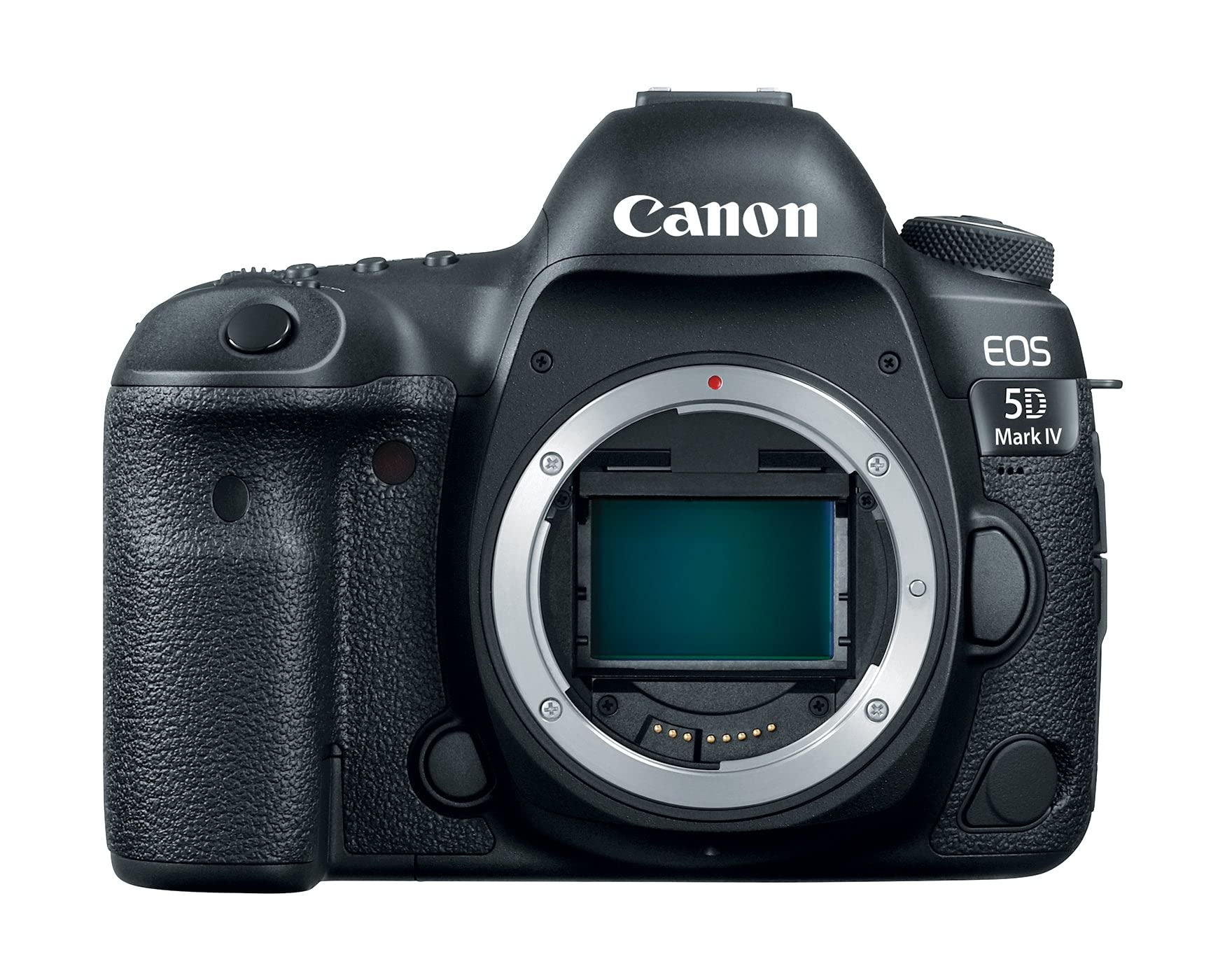
The Canon EOS 5D Mark IV is a time-tested DSLR workhorse for studio-based clothing photography. Its 30.4-megapixel full-frame sensor, while not as high-resolution as the latest mirrorless options, still delivers more than enough detail for high-end print catalogs and large-format advertising.
The DIGIC 6+ processor provides up to 7 fps continuous shooting, which is sufficient for most product and model work. The 61-point AF system includes the excellent Dual Pixel CMOS AF for live view shooting, making it easy to compose and focus product shots on a tripod.
Built-in Wi-Fi and the Canon Camera Connect app simplify tethered shooting and image transfer to a tablet or computer, a feature that speeds up the review process during a shoot. The optical viewfinder also provides a lag-free, bright view of your composition, which many photographers still prefer for studio work.
Why it’s great
- Proven reliability and build quality for daily studio use
- Excellent 30.4MP sensor for print and digital catalogs
- Built-in Wi-Fi for convenient tethered shooting
Good to know
- DSLR design is larger than mirrorless alternatives
- 4K video has a crop factor and uses Motion JPEG codec
8. Panasonic LUMIX S5II
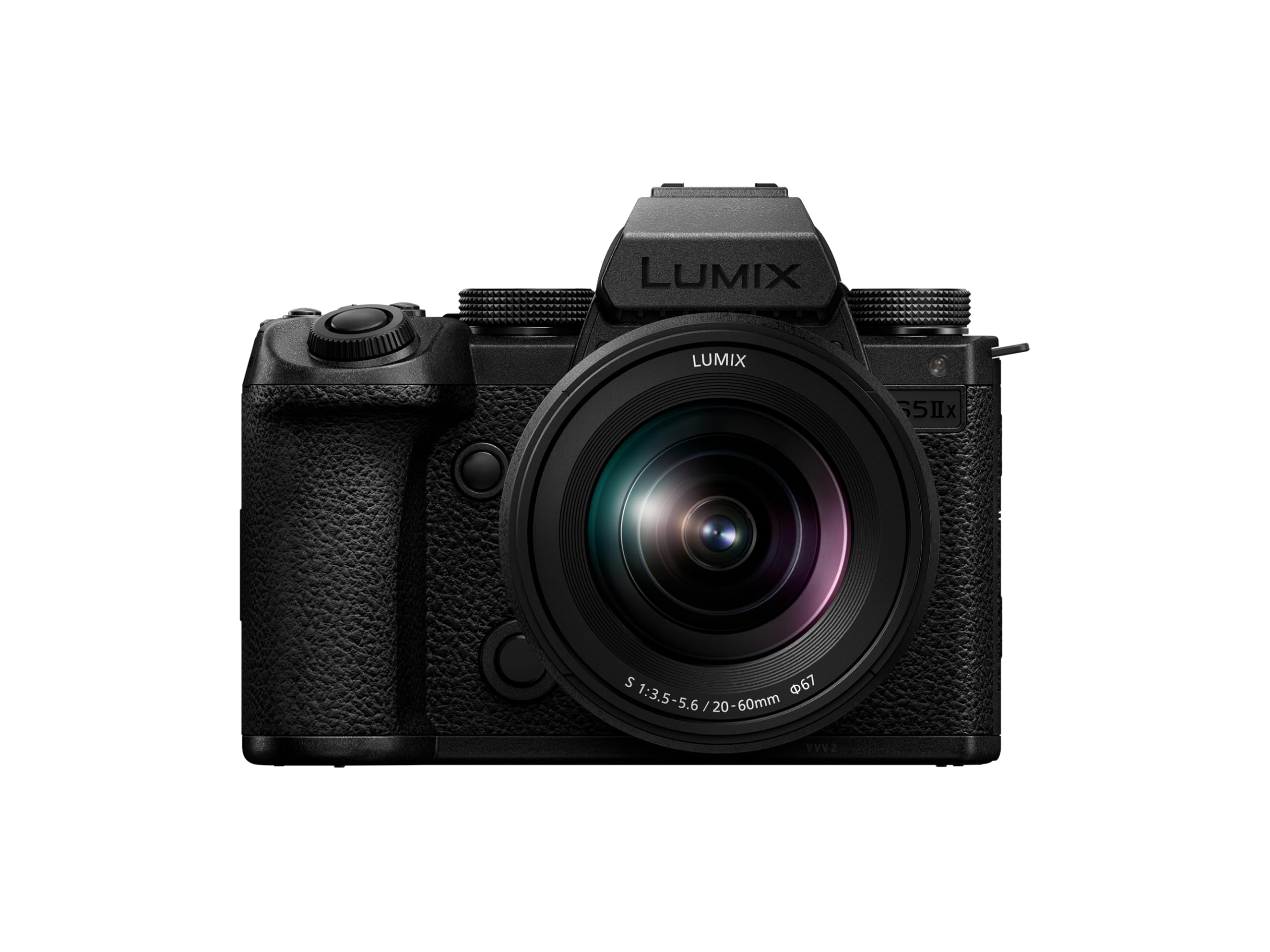
The Panasonic LUMIX S5II marks a significant step for the L-mount system with its new Phase Hybrid Autofocus, finally delivering reliable contrast-and-phase detection for stills and video. The 24.2MP full-frame sensor offers excellent dynamic range, capturing the subtle gradients of silk, velvet, and denim with minimal noise.
Active I.S. technology stabilizes the sensor for handheld product videos and walking shots during lifestyle shoots, reducing the need for gimbals. The 14+ stop V-Log/V-Gamut capture provides incredible latitude for color grading your lookbooks, and the real-time LUT support allows you to preview color grades in-camera.
The unlimited 4:2:2 10-bit recording capability is a strong asset for brands that create video content alongside still photography. The compact body is weather-sealed and paired with the capable 20-60mm kit lens, offering a wide enough angle for full-garment shots and near-macro close-up capability for label details.
Why it’s great
- New Phase Hybrid AF is excellent for fabric with detailed patterns
- Active I.S. allows stable handheld video for lifestyle clips
- Unlimited 10-bit video recording for professional projects
Good to know
- Battery life is shorter than some rivals; spare battery essential
- L-mount lens ecosystem is still growing compared to Sony or Canon
9. Fujifilm X-H2

The Fujifilm X-H2 stands alone in the APS-C market with its world-first 40.2MP X-Trans CMOS 5 HR sensor. This sensor delivers a level of detail that rivals many full-frame cameras, making it an exceptional choice for clothing photography where fabric texture and sharpness are paramount.
Its 425-point hybrid autofocus system is fast and accurate, and the X-Processor 5 offers computational features like Pixel Shift Multi-Shot to create 160MP images for archival or high-end print use. The 7-stop in-body image stabilization ensures you can capture tack-sharp detail shots handheld.
Fujifilm’s film simulations are a major advantage for brands that want a distinctive, out-of-camera color palette, reducing post-production time. The body also supports 8K/30p video, and the large, high-resolution EVF provides a clear view for precise composition.
Why it’s great
- Record 40MP resolution for exceptionally detailed fabric reproduction
- Pixel Shift Multi-Shot for archival quality 160MP images
- Film simulations offer unique, ready-to-use color profiles
Good to know
- Requires high-quality XF lenses to realize its full potential
- Price point is high for an APS-C camera body
10. Fujifilm X100VI

The Fujifilm X100VI is a specialized tool for the clothing photographer who values portability and unique out-of-camera color rendering over interchangeable lenses. The fourth-generation model now includes a 40.2MP X-Trans sensor and a 6-stop in-body image stabilization system, allowing you to shoot sharp images in lower light without a tripod.
Its fixed 23mm f/2 lens (equivalent to 35mm full-frame) is a classic field of view for full-body and environmental product shots. The built-in 4-stop neutral density filter allows you to shoot wide open in bright studio lighting to blur backgrounds while keeping fabric sharp.
The hybrid optical/electronic viewfinder and tactile analog controls offer a unique shooting experience. For brands focused on lifestyle and editorial content, the X100VI delivers beautiful, ready-to-use JPEGs thanks to its 20 Film Simulation modes, reducing the need for extensive editing.
Why it’s great
- Compact, discreet design for on-location or travel shoots
- Beautiful film simulations provide a distinct, editorial look
- Built-in ND filter is useful for controlling depth of field in bright conditions
Good to know
- Fixed lens limits versatility for different types of clothing shots
- Not a primary studio camera; best as a portable companion
11. Panasonic LUMIX G100

The Panasonic LUMIX G100 is a budget-friendly entry into dedicated camera systems for clothing photography, providing a notable step up from smartphone images. The Micro Four Thirds sensor and 12-32mm kit lens are compact enough to fit in a small bag, making it ideal for mobile sellers and pop-up shops.
Features like the frame marker for social media aspect ratios and face recognition help you compose images for Instagram and marketplaces directly in the camera. The 5-Axis Hybrid I.S. reduces blur during handheld shooting, useful for quick product shots without a tripod.
The G100 records 4K 24p/30p video with good quality, and its advanced 360-degree tracking microphone is a nice-to-have if you plan to do voiceovers or interviews alongside your product showcase. While its resolution and dynamic range don’t rival larger cameras, it’s a practical and affordable tool for starting out.
Why it’s great
- Very compact and affordable, ideal for beginners
- Social media aspect ratio guides are useful for direct posting
- Decent 4K video for simple lookbook clips
Good to know
- Smaller sensor limits dynamic range and low-light performance
- 4K video recording time is limited; stops at max
FAQ
Do I need a full-frame camera for clothing photography?
What lens is best for shooting clothing on a mannequin?
How many megapixels do I need for e-commerce clothing photos?
Is a kit lens good enough for starting clothing photography?
Should I prioritize a mirrorless or DSLR camera for studio work?
Final Thoughts: The Verdict
For most users, the best camera for clothing photography winner is the Sony Alpha 7 IV because it offers the most balanced mix of 33MP resolution, superior 15-stop dynamic range, and reliable 693-point AF tailored for detailed fabric work and model shoots. If you need the absolute maximum resolution for print-quality detail, grab the Canon EOS R5. And for a budget-friendly entry into full-frame photography without sacrificing essential features, the Canon EOS RP is a solid starting point.

Mo Maruf
I created WellFizz to bridge the gap between vague wellness advice and actionable solutions. My mission is simple: to decode the research and give you practical tools you can actually use.
Beyond the data, I am a passionate traveler. I believe that stepping away from the screen to explore new environments is essential for mental clarity and physical vitality.