Our readers keep the lights on and my smoothie glass nicely filled. As an Amazon Associate, I earn from qualifying purchases.
Shooting in monochrome is an entirely different discipline than color photography. Without the crutch of hue to separate subjects, every decision about texture, contrast, and shadow placement becomes critical. The camera you choose must deliver exceptional tonal gradation and a sensor that handles high-ISO noise gracefully, because grain in black and white is a feature, not a flaw.
I’m Mohammad Maruf — the founder and writer behind WellFizz. I’ve spent hundreds of hours cross-referencing sensor dynamic range scores, RAW file bit depths, and real-world monochrome sample galleries to isolate which bodies actually reward a black-and-white shooter, rather than just marketing megapixels.
Whether you value the tactile joy of a mechanical rangefinder or prefer the clinical precision of a modern mirrorless, this guide ranks the best options by the qualities that matter most when color is removed. This is the definitive camera for black and white photography guide built on concrete specs and real-world performance data.
How To Choose The Best Camera For Black And White Photography
Choosing a camera specifically for monochrome work means prioritizing different specs than a generalist shooter. Color sensors that capture 14-bit files retain far more luminance information in the shadows, giving you smoother gradations when you desaturate in post. Fixed-lens compacts with uniquely contrasty optics can produce a signature look that no zoom can replicate. Know where to compromise.
Dynamic Range and Shadow Recovery
Black and white images live and die in the shadows. A sensor with 12+ stops of dynamic range lets you pull detail from near-black areas without introducing ugly posterization. Look for full-frame or APS-C sensors with BSI designs — they typically deliver the widest latitude. A 14-bit RAW file is non-negotiable for fine art monochrome work.
In-Camera Monochrome Profiles vs. Raw Conversion
Some cameras, like Fujifilm and Leica models, offer highly respected in-camera monochrome film simulations that produce finished JPEGs with beautiful tonal curves. Others rely on the raw converter to do the heavy lifting. Decide if you want a straight-out-of-camera look or if you prefer maximum flexibility in post-processing — this choice affects which sensor and processor combo will serve you best.
Lens Character and Fixed vs. Interchangeable
A lens’s micro-contrast, flare resistance, and sharpness wide open all translate directly into monochrome image structure. Leica’s Summilux lenses deliver a specific three-dimensional pop that monochrome shooters prize. Interchangeable lens systems give you the freedom to pair a vintage optic for softer contrast with a modern APO lens for clinical sharpness. Fixed-lens cameras force a single optical philosophy onto your work — which can be exactly the creative constraint some photographers need.
Quick Comparison
On smaller screens, swipe sideways to see the full table.
| Model | Category | Best For | Key Spec | Amazon |
|---|---|---|---|---|
| Fujifilm X100VI | Premium Compact | B&W film simulations, pocketable | 40.2MP APS-C, 14-Bit RAW | Amazon |
| Leica Q3 | Luxury Compact | Ultimate 28mm, 60MP resolution | 60MP Full Frame, 14-Bit RAW | Amazon |
| Nikon D850 | Pro DSLR | Highest resolution DSLR, dynamic range | 45.7MP Full Frame, 14-Bit RAW | Amazon |
| Sony a7 IV | Pro Mirrorless | Best hybrid for monochrome video/stills | 33MP Full Frame, 14-Bit RAW | Amazon |
| Canon 5D Mark IV | Pro DSLR | Reliable workhorse, dual card slots | 30.4MP Full Frame, 14-Bit RAW | Amazon |
| Leica Q2 | Luxury Compact | Minimalist 28mm, weather sealed | 47MP Full Frame, 14-Bit RAW | Amazon |
| Sony a7 III | Mid-Range Full Frame | Best value full-frame, low-light king | 24.2MP Full Frame, 14-Bit RAW | Amazon |
| Ricoh GR IIIx | Pocketable Compact | Daily carry, 40mm snap shooter | 24.2MP APS-C, 14-Bit RAW | Amazon |
| Nikon D7500 | Mid-Range DSLR | Affordable 14-bit, fast burst | 20.9MP APS-C, 14-Bit RAW | Amazon |
| Panasonic ZS99 | Travel Superzoom | Extreme zoom in pocketable body | 20.3MP 1-inch, 10-Bit RAW | Amazon |
| Canon EOS Rebel T7 | Entry-Level DSLR | Budget start, simple learning curve | 24.1MP APS-C, 12-Bit RAW | Amazon |
In‑Depth Reviews
1. Fujifilm X100VI

The Fujifilm X100VI is the monochrome shooter’s dream compact. The 40.2MP X-Trans CMOS 5 HR sensor captures immense detail, and the 23mm f/2 lens (35mm equivalent) delivers the kind of contrast and micro-contrast that makes black and white images pop. The in-camera Acros film simulation is widely regarded as the best straight-out-of-camera monochrome profile available today, producing smooth tonal transitions that rival dedicated post-processing.
Six stops of in-body image stabilization let you handhold at surprisingly low shutter speeds, which is critical when you’re stopping down for depth of field without raising ISO. The hybrid viewfinder is a joy — you can frame with the optical finder for a rangefinder-like experience or flip to the EVF to preview your exact monochrome conversion before you press the shutter.
The built-in 4-stop neutral density filter extends your creative range in bright light, letting you shoot wide open for shallow depth of field even in harsh sun. Autofocus can hunt a bit in low contrast scenes, and the battery life demands spares for a full day’s street session, but the image character is unmatched at this size.
Why it’s great
- Best in-camera monochrome film simulation
- Excellent IBIS for low-light handheld shots
- Optical/EVF hybrid finder
- Built-in ND filter
Good to know
- Inconsistent autofocus in dim scenes
- No weather sealing without filter adapter
- Fixed 35mm focal length
2. Leica Q3
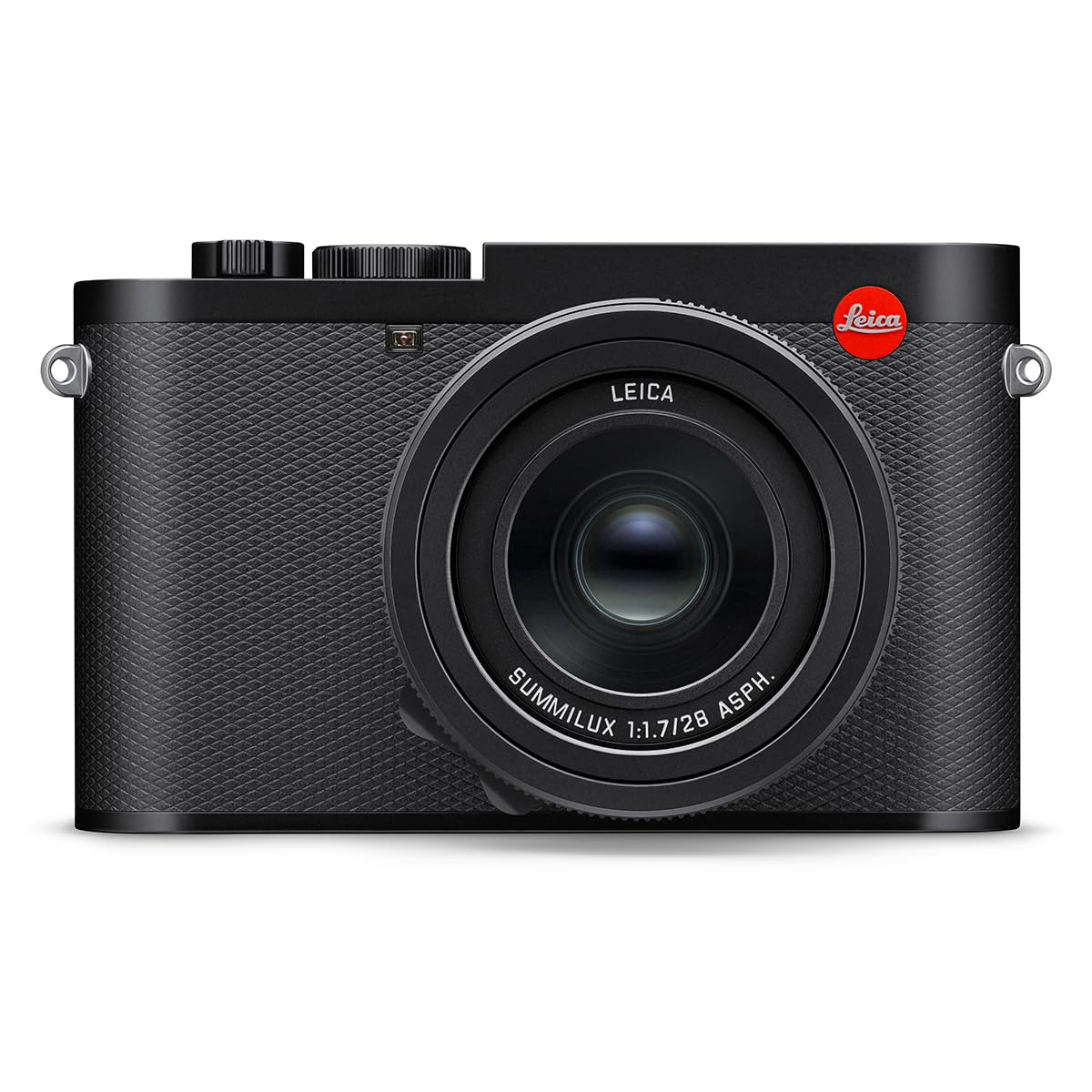
The Leica Q3 sets a new standard for compact full-frame black and white photography. The 60MP BSI CMOS sensor with Triple Resolution Technology and the Summilux 28mm f/1.7 lens are a legendary pairing, rendering texture and tonal nuance with a three-dimensional quality that few cameras can match. The Maestro IV processor and 8GB of buffer memory keep the experience snappy, even when you’re shooting continuous 14-bit RAW sequences.
Leica’s monochrome JPEG engine is nearly as revered as Fujifilm’s, but with a distinctly European character — cooler shadows, more restrained highlights, and a silver-print feel that suits architectural and portrait work beautifully. The digital zoom crops up to 90mm, giving you framing flexibility despite the fixed lens, and the hybrid autofocus with 256 points locks on confidently in most conditions.
The Q3 is weather-sealed, making it a genuine take-anywhere tool. The 28mm lens forces you to get close, which often results in more intimate compositions. Be aware that fixed-lens life means no telephoto reach, and the premium price places it firmly in the investment category for committed photographers.
Why it’s great
- 60MP sensor offers incredible cropping flexibility
- Superb 28mm Summilux lens character
- Weather-sealed body
- Excellent monochrome JPEGs
Good to know
- Fixed 28mm focal length
- Very high price point
- No built-in flash
3. Nikon D850

The Nikon D850 remains a benchmark for black and white photography in the DSLR world. Its 45.7MP backside-illuminated sensor delivers outstanding dynamic range — roughly 14.5 stops in practice — which means you can pull shadow detail out of near-black areas with virtually no noise penalty. The absence of an optical low-pass filter preserves every bit of micro-contrast, making textures in monochrome look almost tactile.
The 153-point autofocus system with 99 cross-type sensors is fast and accurate, even in low light. The tilting touchscreen is useful for low-angle compositions, and focus-shift shooting opens up focus-stacking possibilities for landscape work. The D850 also offers 4K time-lapse and slow-motion 1080p at 120fps, which is a bonus if you shoot monochrome video.
RAW files are massive, averaging 80–100MB each, so you’ll need robust storage and a fast computer for post-processing. Weight is a consideration — the weather-sealed magnesium body is substantial. That said, for studio, landscape, or architectural monochrome work at the highest resolution, the D850 is still a top contender.
Why it’s great
- Best-in-class dynamic range
- No OLPF for maximum sharpness
- Excellent 153-point AF system
- Focus shift shooting for landscapes
Good to know
- Very large RAW file sizes
- Heavy body for all-day carrying
- Poor video autofocus
4. Sony Alpha a7 IV
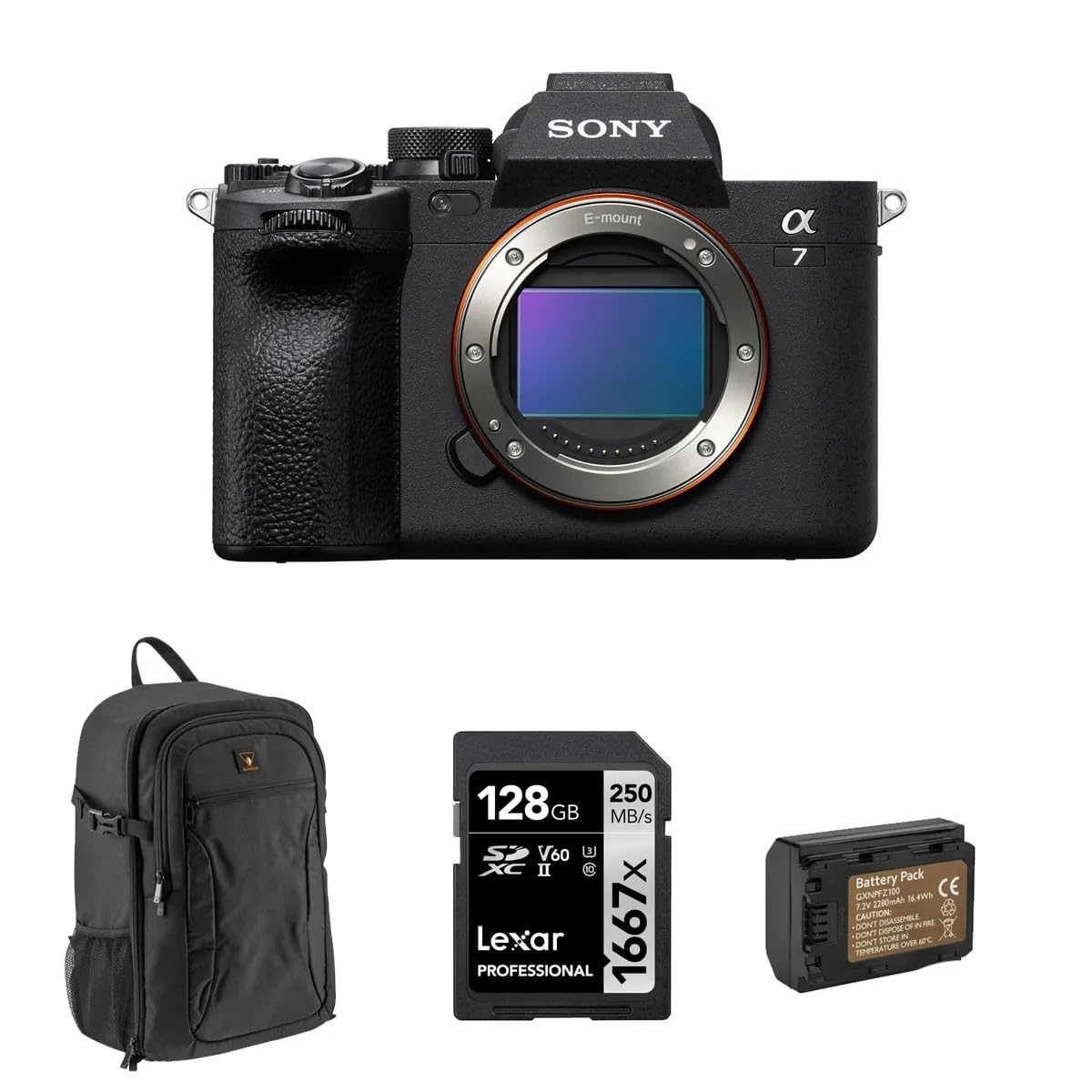
The Sony a7 IV is the best hybrid full-frame camera on this list for monochrome shooters who also need video capability. The 33MP full-frame sensor and BIONZ XR processor deliver 15+ stops of dynamic range, which allows extraordinary shadow recovery in post-production. The 759-point Fast Hybrid AF covers 93% of the sensor, making it exceptionally reliable for street photography where you need to lock focus instantly.
Sony’s Creative Look profiles include a solid monochrome mode, though it doesn’t quite match Fujifilm’s Acros or Leica’s monochrome engine for out-of-camera quality. Where the a7 IV truly excels is its raw file richness — you have immense latitude to apply your own black and white conversion in Lightroom or Capture One. The 10-bit 4K 60p video with S-Cinetone and S-Log3 is a major advantage if you also shoot monochrome video projects.
The vari-angle touchscreen and excellent battery life make it a practical daily shooter. The menu system is less intuitive than some competitors, and the kit lens (28-60mm) is adequate but not optically special for monochrome work — you’ll want to invest in high-quality primes or zooms to get the best tonal rendering.
Why it’s great
- 15+ stops of dynamic range
- Fast 759-point hybrid AF
- 10-bit 4K video for monochrome filmmaking
- Vari-angle touchscreen
Good to know
- Monochrome JPEG engine lags Fujifilm/Leica
- Complex menu system
- Kit lens is adequate, not great
5. Canon EOS 5D Mark IV

The Canon 5D Mark IV is a seasoned professional DSLR that delivers reliable monochrome results. Its 30.4MP full-frame CMOS sensor provides approximately 12 stops of dynamic range, which is solid if not class-leading. The 61-point AF system with 41 cross-type sensors is dependable for studio and portrait work, and the dual card slots (CF + SD) are essential for professional clients who demand redundancy.
Canon’s Picture Style system includes a monochrome setting that produces pleasing contrast straight out of camera, especially when you tweak the sharpness and contrast parameters. The touchscreen interface is intuitive, and the ability to customize buttons extensively speeds up your workflow significantly. The built-in GPS is handy for landscape photographers who want to geotag their black and white series.
The 5D Mark IV can shoot 4K video at 30fps and allows you to pull 8.8MP stills from the footage, which is useful for documentary monochrome work. The body is heavy, and the 24-105mm f/4L IS II kit lens is excellent but bulky. It lacks the latest mirrorless AF advances, so for fast-moving subjects you might miss some shots.
Why it’s great
- Dual card slots for professional reliability
- Intuitive touchscreen and customizable controls
- Built-in GPS for geotagging
- Solid dynamic range
Good to know
- Heavier than mirrorless alternatives
- AF not as advanced as a7 IV
- 4K video has noticeable crop
6. Leica Q2

The Leica Q2 offers a slightly more accessible entry point to the Leica ecosystem while still delivering an exceptional monochrome experience. Its 47MP full-frame sensor and Summilux 28mm f/1.7 lens produce images with the signature Leica micro-contrast — that subtle, three-dimensional rendering in mid-tones that makes black and white portraits and street scenes feel alive. The 49-point contrast-detection AF is reliable in most conditions, though it can hunt in low contrast scenes.
The Q2 is fully weather-sealed, so rain, dust, and cold won’t stop you from shooting. The minimalist user interface — physical aperture ring, dedicated shutter speed dial, and minimal menus — keeps you focused on composition and exposure rather than button-mashing. Leica’s FOTOS app works well for quick image transfer and remote control.
Battery life is modest, and the fixed 28mm lens means you’re locked into that wide perspective unless you crop in post. The 47MP sensor gives you room to crop to roughly 35mm or even 50mm equivalent while maintaining high resolution. The OLED viewfinder is excellent, though the Q3 offers a higher-resolution EVF and a tilting screen that the Q2 lacks.
Why it’s great
- Exceptional 28mm Summilux lens character
- Full weather sealing
- Minimalist, tactile controls
- 47MP allows generous cropping
Good to know
- Fixed 28mm focal length
- Modest battery life
- No tilt screen
7. Sony a7 III

The Sony a7 III remains an outstanding entry point into full-frame black and white photography at a more accessible price. The 24.2MP BSI sensor and 15-stop dynamic range are remarkable for this class, providing the kind of shadow recovery and tonal latitude that used to require a much more expensive body. The 693 phase-detection AF points cover 93% of the frame, making it one of the fastest and most reliable focusing systems for street and documentary work.
The a7 III’s battery life is exceptional — approximately 710 shots per charge — which means you can shoot an entire day of monochrome street photography without worrying about power. The compact body and wide selection of native and adapted lenses make it an incredibly flexible system. Silent shooting mode is a boon for candid street monochrome work.
The 24.2MP resolution is lower than the a7 IV or D850, which means less cropping flexibility for large prints. The kit lens (28-70mm f/3.5-5.6) is serviceable but not optically stellar — you’ll get noticeably better monochrome sharpness and contrast with a prime lens like the 35mm f/1.8 or 55mm f/1.8. The menu system is also somewhat dated compared to newer Sony cameras.
Why it’s great
- Excellent 15-stop dynamic range
- Great battery life for all-day shooting
- Fast and reliable AF
- Compact full-frame body
Good to know
- Limited cropping headroom
- Kit lens needs upgrading for best results
- Menu system can be confusing
8. Ricoh GR IIIx

The Ricoh GR IIIx is a true pocket-sized powerhouse for monochrome photographers who value portability above all. Its 24.2MP APS-C sensor and 40mm equivalent f/2.8 lens deliver stunning sharpness — the lens resolves so much detail that you can see a photographer’s reflection in a subject’s glasses from eight feet away. The 0.8-second startup time means you go from pocket to shot faster than any other camera on this list.
The in-camera image profiles are highly customizable, with community-shared “recipes” that emulate various black and white film stocks. The three-axis IBIS lets you handhold at shutter speeds as low as 1/8th of a second, which is remarkable for a camera this small. The snap focus system — where you pre-focus to a specific distance — is perfect for street photography, letting you shoot from the hip without looking through the viewfinder.
Battery life is the GR IIIx’s Achilles’ heel — you’ll need three or more batteries for a full day of shooting. There’s no built-in flash and no weather sealing, so rain is a real concern. The fixed 40mm lens is versatile but not wide, and there’s no zoom capability at all. For photographers who shoot exclusively with one focal length and want the smallest possible full-featured camera, it’s hard to beat.
Why it’s great
- Truly pocketable size
- Extremely sharp 40mm lens
- Customizable film simulation recipes
- Fast startup and snap focus
Good to know
- Poor battery life
- No weather sealing
- No flash, no tilt screen
9. Nikon D7500

The Nikon D7500 is a solid mid-range DSLR that captures 14-bit RAW files at 20.9MP, providing good tonal information for monochrome post-processing. Its 51-point AF system with 15 cross-type sensors is borrowed from the D500, delivering fast and accurate autofocus in good light. The 8fps continuous shooting is useful for action and wildlife black and white work.
The 3.2-inch tilting touchscreen with 922K dots allows you to shoot from low angles comfortably, and the 18-140mm kit lens provides a versatile zoom range from wide to telephoto. The D7500 is weather-resistant, so you can shoot in light rain or dusty conditions without worry. The viewfinder is large and bright, which is a marked advantage over entry-level DSLRs.
The 20.9MP sensor is on the lower end for cropping, and the APS-C format means less control over depth of field compared to full-frame. Battery life is excellent, and the D7500 uses the same EN-EL15a battery as the D850, so you can share spares across systems. The single SD card slot is a limitation for paid work, but for hobbyist monochrome shooting it’s perfectly fine.
Why it’s great
- 14-bit RAW for good tonal range
- Weather-resistant build
- Fast 8fps burst shooting
- Bright optical viewfinder
Good to know
- Only one SD card slot
- APS-C limits depth of field control
- Lower resolution limits cropping
10. Panasonic LUMIX ZS99

The Panasonic ZS99 is a compact travel camera with a 30x Leica zoom lens (24-720mm equivalent), making it a versatile option for monochrome photography where you need extreme reach. The 20.3MP 1-inch sensor is smaller than APS-C or full-frame, but the Leica optics are sharp and contrasty, which translates to good monochrome image structure when you convert in post.
The 1,840K-dot tiltable touchscreen is useful for shooting from awkward angles, and the built-in Bluetooth 5.0 makes sharing images easy. The 10-bit video recording (4K at 30p) is a bonus if you shoot monochrome travel footage. The zoom range is the big draw here — you can capture wide landscapes and then zoom in to 720mm for distant details, all in a pocketable body.
The 10-bit RAW files offer less tonal latitude than 14-bit files from larger sensors, so shadow recovery in monochrome conversion will be more limited. Image quality at high ISO is noticeably lower than larger-sensor cameras, meaning you’ll need to be careful with noise management in dim conditions. The autofocus is adequate but not as snappy as Sony’s hybrid system. For a compact zoom that’s always in your pocket, the ZS99 is a serviceable monochrome companion.
Why it’s great
- 30x zoom range (24-720mm)
- Pocketable, lightweight body
- Sharp Leica lens
- Tiltable touchscreen
Good to know
- Limited dynamic range for shadows
- High ISO noise is noticeable
- 10-bit RAW limits post-processing
11. Canon EOS Rebel T7
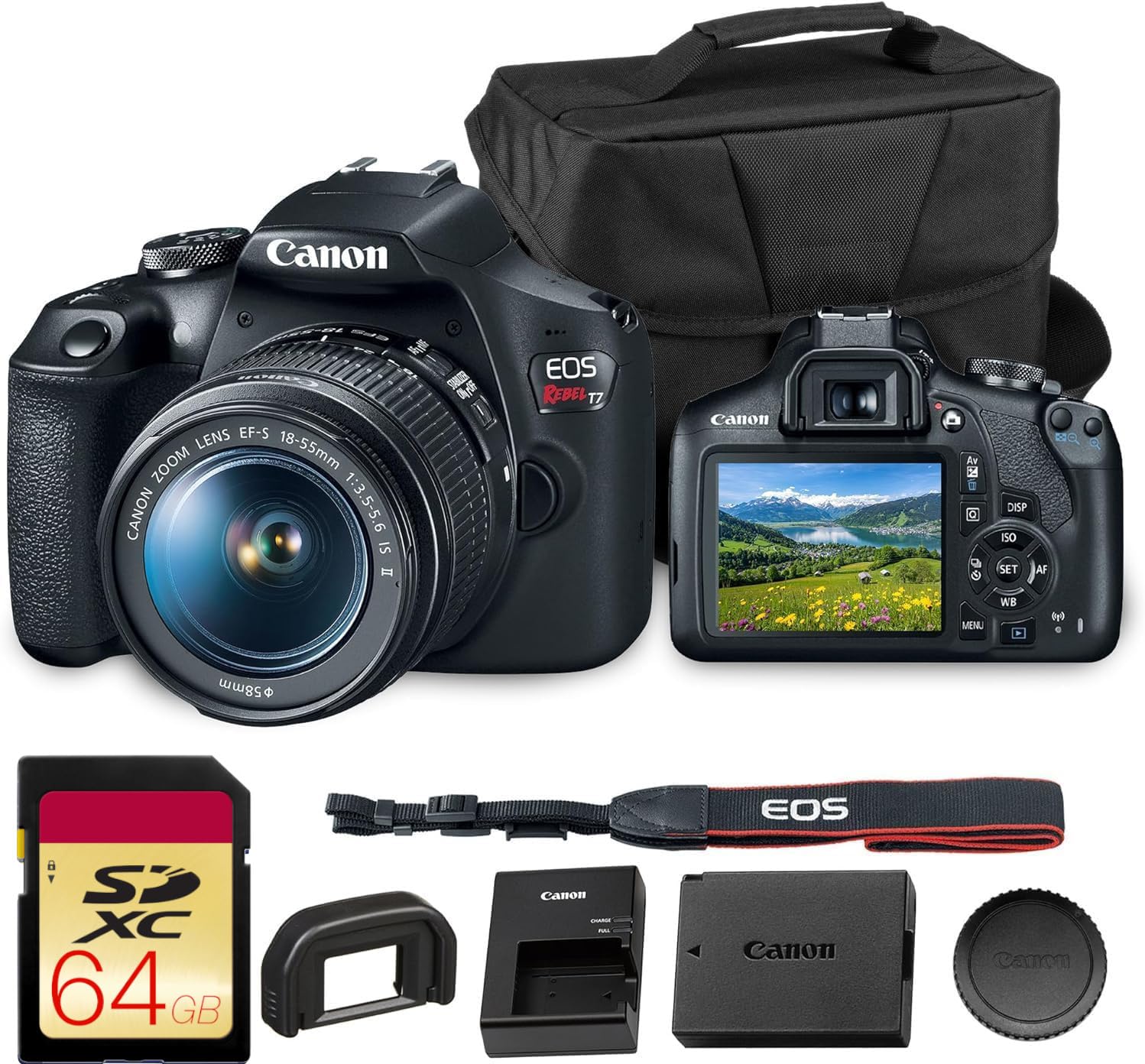
The Canon EOS Rebel T7 is an entry-level DSLR that provides a budget-friendly path into black and white photography. The 24.1MP APS-C sensor with a DIGIC 4+ processor captures 12-bit RAW files, which is sufficient for learning the fundamentals of monochrome conversion but lacks the tonal depth of 14-bit files. The 9-point AF system is basic by modern standards, but it’s consistent in good light.
The Rebel T7 comes as a kit with a shoulder bag and 64GB card, making it a complete starter package. The built-in Wi-Fi and NFC connectivity let you share images to your phone for quick monochrome edits on the go. The 3:2 aspect ratio is great for traditional monochrome composition, and the 2-hour battery life is adequate for casual shooting sessions.
The 12-bit RAW files mean you’ll have less headroom for recovering shadows and highlights compared to higher-bit cameras. The 9 AF points are limiting for action or street photography, and the ISO performance starts to degrade noticeably above 1600. For someone who wants to learn black and white composition on a genuine DSLR without a large investment, the Rebel T7 serves its purpose well.
Why it’s great
- Very accessible price point
- 24.1MP resolution is decent
- Wi-Fi & NFC for easy sharing
- Complete kit with bag and card
Good to know
- 12-bit RAW limits tonal range
- 9 AF points are very basic
- High ISO noise is significant
FAQ
Do I need a dedicated monochrome sensor for the best black and white images?
How important is lens choice specifically for black and white work?
Is it better to shoot in raw or use in-camera monochrome JPEGs?
Final Thoughts: The Verdict
For most users, the camera for black and white photography winner is the Fujifilm X100VI because it combines the best in-camera monochrome film simulations with a compact, inspiring body and excellent 40.2MP sensor. If you want the ultimate resolution and lens character in a fixed-lens compact, grab the Leica Q3. And for the highest-resolution DSLR system with unmatched dynamic range for studio and landscape monochrome, nothing beats the Nikon D850.

Mo Maruf
I created WellFizz to bridge the gap between vague wellness advice and actionable solutions. My mission is simple: to decode the research and give you practical tools you can actually use.
Beyond the data, I am a passionate traveler. I believe that stepping away from the screen to explore new environments is essential for mental clarity and physical vitality.