Our readers keep the lights on and my smoothie glass nicely filled. As an Amazon Associate, I earn from qualifying purchases.
The bone-building aisle can be confusing. You walk in looking for calcium and walk out staring at chalky tablets, chewy gummies, giant capsules, and powders that promise the world. The real issue isn’t getting enough calcium into your mouth — it’s getting it into your skeleton. Poor absorption, cheap rock-based fillers, and missing co-factors like Vitamin D3 and K2 are why many supplements fail to deliver measurable results.
I’m Mohammad Maruf — the founder and writer behind WellFizz. My research focuses on dissecting supplement formulations to identify which delivery forms actually increase bioavailability and which mineral ratios align with clinical bone-density studies.
After analyzing solubility, form type, co-nutrient completeness, and customer-reported outcomes across dozens of brands, I’ve narrowed the field to the top performers. This is the definitive guide to the best calcium for bones on the market right now.
How To Choose The Best Calcium For Bones
Selecting a calcium supplement is more than grabbing the cheapest bottle. You need to match the chemical form to your digestive capacity and verify that the supporting nutrients are present in effective amounts. Here is the framework I use when evaluating any bone-support formula.
Calcium Form: Carbonate, Citrate, Chelate, or Algae
Calcium carbonate is the cheapest and most common, but it requires strong stomach acid for absorption. That makes it a poor choice for older adults or anyone on acid-reducing medication. Calcium citrate absorbs well on an empty stomach and is gentler on digestion. Chelated forms like dicalcium malate and bisglycinate chelate deliver high absorption with minimal GI distress. Algae-sourced calcium from red marine algae is plant-based and naturally carries trace minerals, though it often provides less elemental calcium per serving.
Co-Factor Completeness: D3, K2, and Magnesium
Calcium does not work alone. Vitamin D3 boosts absorption in the gut. Vitamin K2 activates proteins that bind calcium into bone matrix and keep it out of arteries. Magnesium is required for bone crystal formation and helps prevent the constipation many calcium supplements cause. A formula missing any of these puts the burden on you to source them separately. For the best outcomes, look for a ratio near 2:1 calcium-to-magnesium.
Quick Comparison
On smaller screens, swipe sideways to see the full table.
| Model | Category | Best For | Key Spec | Amazon |
|---|---|---|---|---|
| Life Extension Bone Restore | Capsule | Absorption & trace minerals | 700 mg – 3 forms (malate, fructoborate, bisglycinate) | Amazon |
| THORNE Calcium | Capsule | Highest purity & practitioner trust | 120 mg chelated calcium per cap | Amazon |
| LILICARE Algae Calcium Gummies | Gummy | Vegan, gentle digestion, co-factor rich | 600 mg algae calcium + 300 mg Mg + D3 + K2 | Amazon |
| LUCNVEM Calcium Citrate Gummies | Gummy | High dose citrate in a gummy format | 1200 mg citrate + 400 mg Mg glycinate per serving | Amazon |
| Nutri Essentials Calcium Magnesium Zinc | Tablet | Budget-friendly multi-mineral base | 1000 mg calcium carbonate per serving | Amazon |
In‑Depth Reviews
1. Life Extension Bone Restore
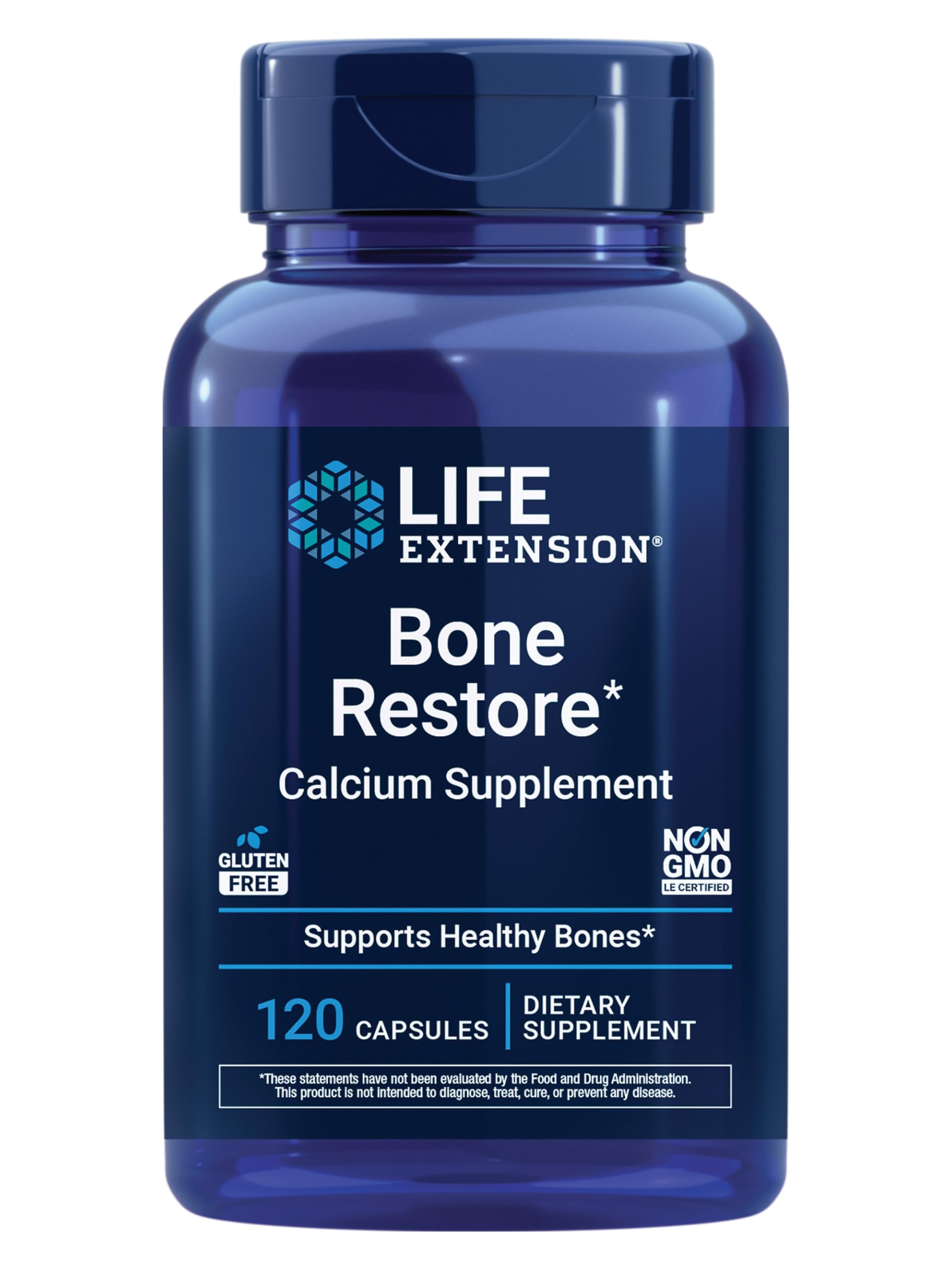
This formula earns the top spot because it skips cheap calcium carbonate entirely. You get 700 mg of dicalcium malate, calcium fructoborate, and calcium bisglycinate chelate — three forms selected for their high solubility and gentleness on the stomach. The inclusion of FruiteX B OsteoBoron is rare at this price point; boron directly supports bone and joint integrity by aiding calcium retention.
The co-factor lineup goes beyond the basics. Zinc, manganese, and silicon each play a role in collagen cross-linking and bone matrix maintenance. Users with osteoporosis report noticeable changes in nail strength and reduced joint discomfort after switching from standard drugstore calcium. Vitamin D3 is included, though you will still want to check your personal D level because the dose is on the maintenance side.
The trade-off is serving size. You need four capsules daily to hit 700 mg of calcium, which some users find inconvenient. There is no Vitamin K2 in this blend, so if arterial calcification is a concern, you may want to stack K2 separately. Those with sensitive digestion consistently rate this as non-problematic, citing no bloating or heartburn.
Why it’s great
- Uses three highly absorbable calcium forms — no carbonate
- Contains boron, zinc, manganese, and silicon for comprehensive skeletal support
- Non-GMO, gluten-free, every batch has a Certificate of Analysis
Good to know
- Four capsules per day is a high pill burden for some
- Does not include Vitamin K2 in the formula
2. THORNE Calcium
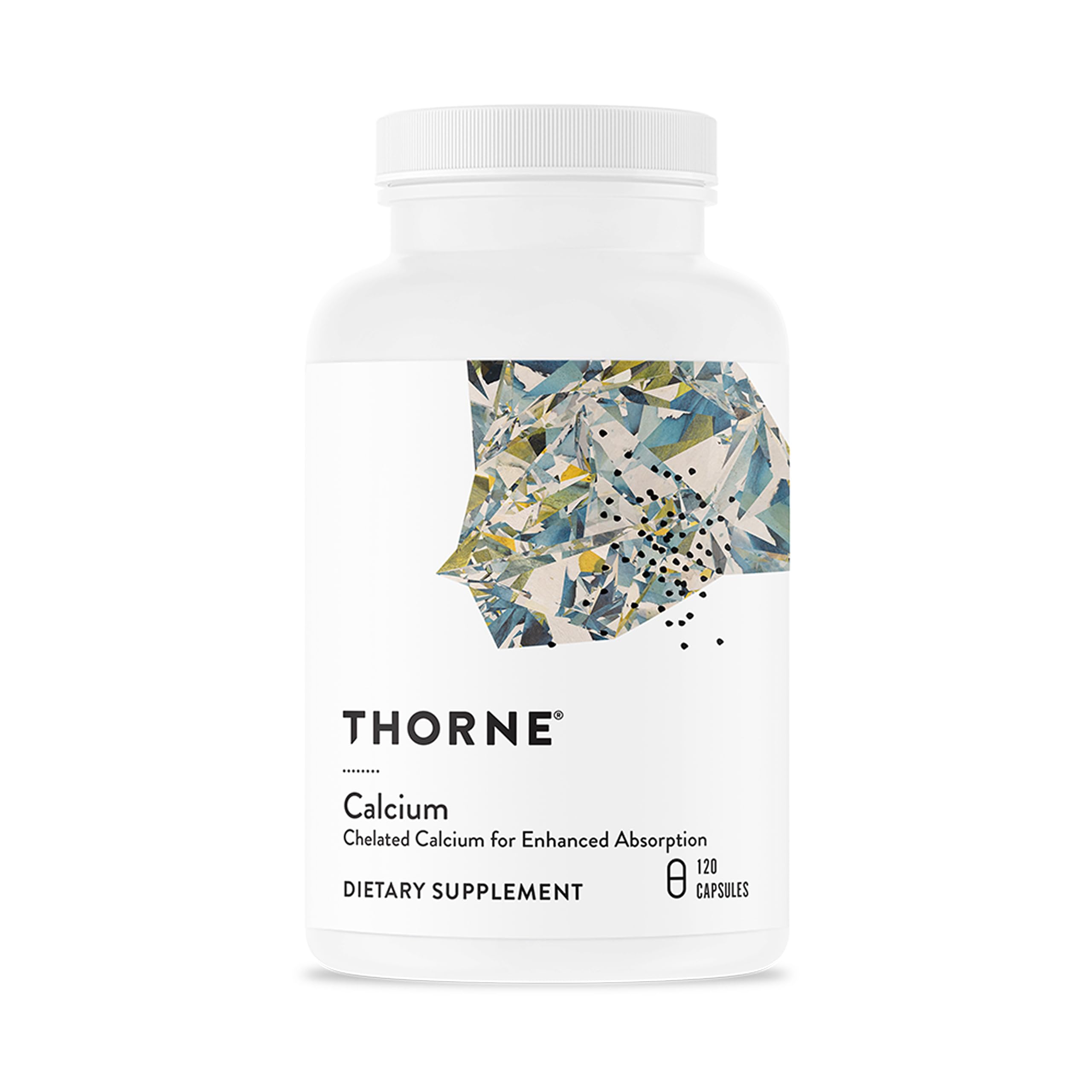
THORNE is the most recommended clinical supplement brand by healthcare practitioners for a reason. This calcium uses DimaCal — a patented form of dicalcium malate — which is significantly better absorbed than carbonate and does not provoke constipation or gas. Each capsule is concentrated, meaning you get more elemental calcium per swallow compared to bulk fillers.
The purity guarantee is second to none. The capsules are free of gluten, soy, dairy, shellfish, and fish. THORNE’s manufacturing partners with 100+ professional sports teams and U.S. National Teams, which tells you the batch testing standards are elite. For anyone on a restricted diet or with multiple food sensitivities, this is the safest option.
The catch is the low per-capsule dose. Each capsule contains only 120 mg of calcium, so achieving 1000–1200 mg daily requires 8 to 10 capsules — more than most people are willing to take. Expect to pair this with Vitamin D3 and K2, as neither is included. It works best for those who want absolute control over their exact nutrient intake.
Why it’s great
- DimaCal chelated form delivers high bioavailability without GI issues
- Free from major allergens and verified by third-party testing
- Highly concentrated per capsule for a cleaner formula
Good to know
- Low calcium per capsule — requires 8-10 daily for standard dosing
- No Vitamin D3 or K2 included; must be purchased separately
3. LILICARE Algae Calcium Gummies

This gummy breaks the mold by sourcing calcium from sustainably harvested red marine algae rather than limestone rock. Algae calcium is structurally more similar to human bone and naturally contains over 70 trace minerals. The 2:1 calcium-to-magnesium ratio here is textbook — 600 mg of calcium paired with 300 mg of magnesium supports both bone density and muscle relaxation.
The formula includes Vitamin D3, Vitamin K2, and Zinc, creating a complete co-factor stack that directs calcium into bone tissue and away from arteries. Users with restless leg syndrome report better sleep consistency after taking these gummies at night. The GummieJel liquid-core technology is designed to protect nutrient stability, though the clinical significance of this delivery method is still being researched.
The main limitation is the calcium dose. At 600 mg per serving, this covers about half the typical recommendation for postmenopausal women with diagnosed osteoporosis. You would need double the serving to reach therapeutic levels, which doubles the sugar-free sweetener intake. The gummy texture can soften in warm climates, so storing them in a cool place is recommended.
Why it’s great
- Plant-sourced red algae calcium with 70+ trace minerals for natural bone support
- Complete co-factor stack — D3, K2, magnesium, and zinc all in one gummy
- Vegan Society approved with no artificial colors or flavors
Good to know
- Only 600 mg calcium per serving — half the standard osteoporosis dose
- Gummies can clump in warm storage conditions
4. LUCNVEM Calcium Citrate Gummies

Using calcium citrate instead of carbonate is the smart play for anyone with low stomach acid or a history of kidney stones. This gummy delivers 1200 mg of calcium citrate per serving — double the dose of most competitors — while also packing 400 mg of magnesium glycinate, 10 mg of zinc, 1000 IU of vitamin D3, and 120 mcg of vitamin K2. That is a complete skeletal support matrix in two gummies.
The flavor is natural white peach, and users consistently describe it as non-sticky and non-bitter — a common complaint with cheaper gummy supplements. The magnesium glycinate form is particularly well-absorbed and unlikely to cause the laxative effect that magnesium oxide often triggers. For those who gag on capsules, this is a genuinely pleasant alternative.
The downside is the packaging design. The jar opening is narrow, and the gummies tend to stick together, making it difficult to remove them without breaking one. Refrigerating the container helps, but even then, the clumping is a minor daily annoyance. The brand is relatively new compared to established names like Life Extension and THORNE.
Why it’s great
- High-dose calcium citrate for efficient absorption, even on an empty stomach
- Includes D3, K2, zinc, and magnesium glycinate for complete bone support
- Great-tasting natural peach flavor with no bitter aftertaste
Good to know
- Gummies stick together in the jar — refrigeration helps but does not fully solve it
- Relatively new brand with less long-term track record than established supplement houses
5. Nutri Essentials Calcium Magnesium Zinc + D3
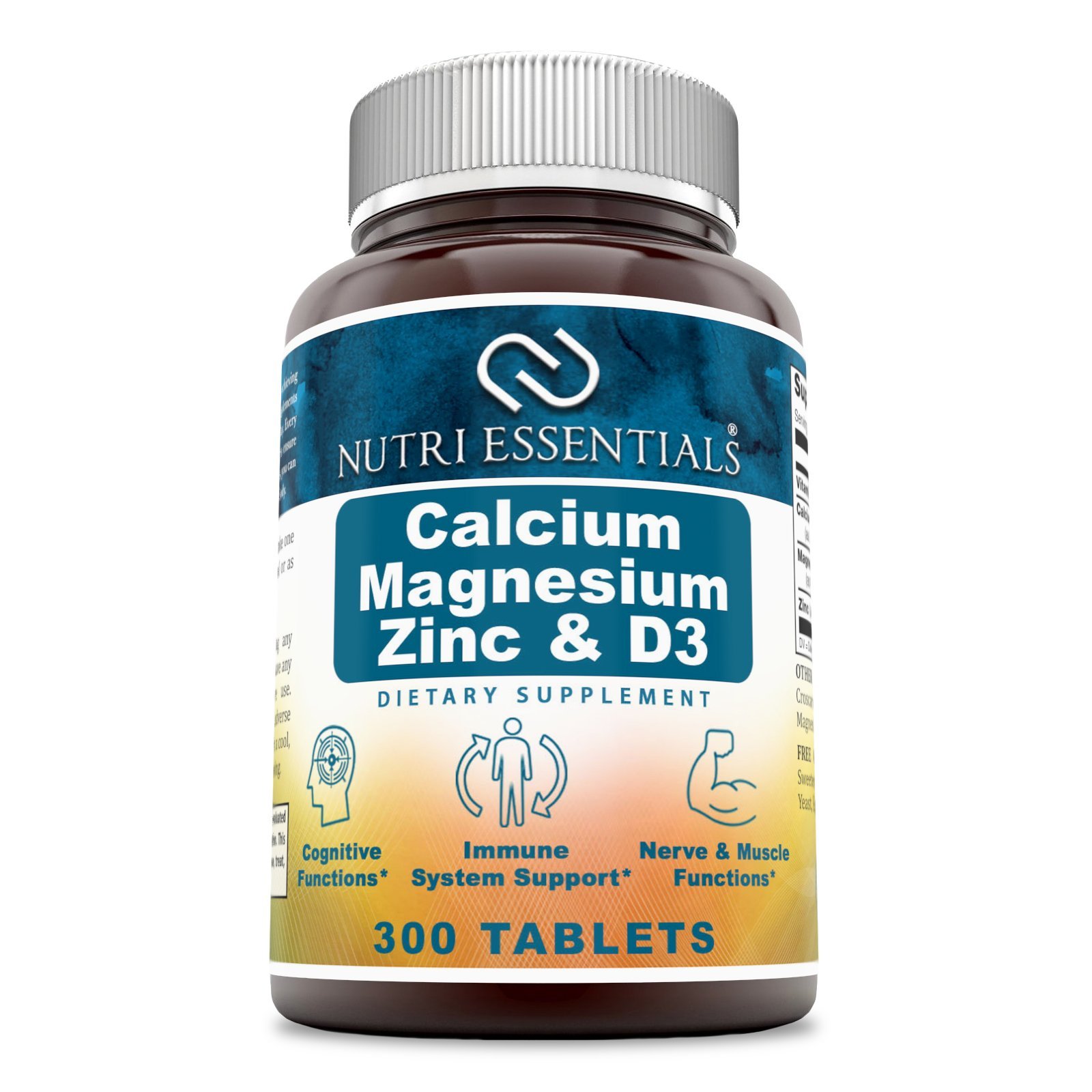
This is the entry-level workhorse for anyone who needs a cheap, basic mineral supplement without fuss. It provides calcium carbonate, magnesium, zinc, and Vitamin D3 in a single tablet. For a user with healthy stomach acid who just wants a daily bone-maintenance top-up, this gets the job done at a price that is hard to beat when you consider the 300-count supply.
Senior users have reported improved energy levels and reduced leg weakness within two weeks of starting these tablets. The formula is non-GMO, gluten-free, and third-party tested, which provides some quality assurance at this budget tier. Tablets are large but are described as easy to swallow and do not cause the stomach upset that some carbonate formulas trigger.
The limitations are clear when you look closer. Calcium carbonate is the least bioavailable form, and the formulation lacks Vitamin K2 entirely. The magnesium form is not specified on the label, which usually indicates an oxide — the cheapest but least absorbable option. This is acceptable as a general wellness supplement but is not likely to produce the bone-density improvements that more targeted formulas deliver.
Why it’s great
- Massive 300-count bottle provides months of supply at a very low per-tablet cost
- Third-party tested and manufactured to GMP standards in the USA
- Includes magnesium and zinc alongside calcium and Vitamin D3 for multi-mineral coverage
Good to know
- Calcium carbonate requires strong stomach acid for optimal absorption
- No Vitamin K2 to guide calcium into bone tissue and away from soft tissue
FAQ
Is calcium citrate or calcium carbonate better for bone density?
Why do some calcium supplements cause constipation and bloating?
Do I need Vitamin K2 with my calcium supplement?
Final Thoughts: The Verdict
For most users, the best calcium for bones winner is the Life Extension Bone Restore because it uses three premium chelated forms, includes boron and trace minerals, and is backed by strict batch-testing protocols at a mid-range price. If you want a plant-based gummy that also delivers D3, K2, and magnesium in one serving, grab the LILICARE Algae Calcium Gummies. And for the budget-conscious shopper who needs a basic multi-mineral tablet, nothing beats the sheer value of the Nutri Essentials Calcium Magnesium Zinc + D3 300-count bottle.

Mo Maruf
I created WellFizz to bridge the gap between vague wellness advice and actionable solutions. My mission is simple: to decode the research and give you practical tools you can actually use.
Beyond the data, I am a passionate traveler. I believe that stepping away from the screen to explore new environments is essential for mental clarity and physical vitality.