Our readers keep the lights on and my smoothie glass nicely filled. As an Amazon Associate, I earn from qualifying purchases.
Your baby’s raw, red bottom is screaming, and the endless cycle of slathering on greasy pastes that don’t actually heal the rash is exhausting. The difference between a cream that sits on top of the skin and one that actively repairs the barrier comes down to just a few ingredients and a specific active concentration that most parents overlook. Getting this wrong means more crying, more laundry stains, and more sleepless nights for both of you.
I’m Mohammad Maruf — the founder and writer behind WellFizz. I’ve spent thousands of hours cross-referencing ingredient lists, clinical efficacy studies, and real-world parent reports to nail down exactly which formulas deliver measurable healing for diaper dermatitis without unnecessary additives.
After evaluating dozens of contenders across five key criteria — active ingredient potency, barrier longevity, skin-soothing speed, ingredient purity, and ease of application — I’ve landed on the definitive list of products that define the best butt cream for babies for every type of rash, budget, and parenting philosophy you can throw at them.
How To Choose The Best Butt Cream For Babies
The diaper cream aisle is a minefield of confusing claims. Three factors alone determine whether a product will prevent a rash or actually heal one that’s already taken hold.
Zinc Oxide Percentage — The Active Ingredient Threshold
Daily protectant creams hover around 12-15% zinc oxide, which is adequate for prevention but often too weak to stop active inflammation. For existing rashes, look for 40% maximum-strength formulas. Badger’s four-ingredient zinc cream uses a non-nano mineral oxide that forms a physical barrier without the chemical load of thicker pastes, making it effective enough for raw irritation without the heavy residue.
Barrier Durability — Petrolatum vs. Beeswax vs. Dimethicone
Petrolatum-based ointments like Aquaphor create an impermeable seal that locks out wetness for hours, but they’re greasy and don’t always stay put. Beeswax-based creams, such as Badger, build a semi-permeable shield that breathes while blocking irritants — ideal for sensitive skin that reacts to petroleum jelly. Zinc oxide pastes like Desitin Maximum Strength combine a 40% zinc load with a silicone-rich base that holds up against 12-hour wear overnight.
Ingredient Simplicity — Less Is Often More
Babies with eczema or chemical sensitivities react poorly to fragrance, parabens, and phthalates. The safest formulas contain five or fewer ingredients — zinc oxide, a carrier oil, a wax or butter, and possibly vitamin E. Cetaphil Baby uses only six ingredients and carries the National Eczema Association seal, while Badger trims it down to four. The fewer variables on the label, the lower the chance of a contact reaction on already irritated skin.
Quick Comparison
On smaller screens, swipe sideways to see the full table.
| Model | Category | Best For | Key Spec | Amazon |
|---|---|---|---|---|
| Badger Baby Diaper Rash Cream | Organic Zinc | Clean ingredient seekers | 12% non-nano zinc oxide, 4 ingredients | Amazon |
| Aquaphor Baby Healing Ointment | Petrolatum Barrier | Multi-purpose daily protection | 41% petrolatum, 7 oz tube | Amazon |
| WELEDA Calendula Baby Cream | Herbal Repair | Sensitive skin regeneration | Calendula extract, lanolin-free | Amazon |
| Desitin Maximum Strength | Max Zinc Paste | Stubborn, severe rash | 40% zinc oxide, 12-hour protection | Amazon |
| Cetaphil Baby Healing Ointment | Eczema-Safe | Eczema-prone skin, less grease | 6 simple ingredients, National Eczema Association accepted | Amazon |
In‑Depth Reviews
1. Badger Baby Diaper Rash Cream
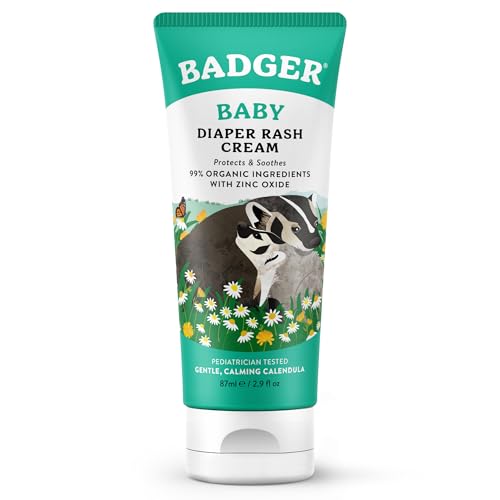
This is the cleanest option on the list without sacrificing healing power. The formula relies on just four components — non-nano zinc oxide, organic sunflower oil, organic beeswax, and vitamin E — to build a breathable barrier that stops wetness without suffocating the skin. Unlike petrolatum-heavy pastes, the beeswax base holds its position even during active movement, which means fewer reapplications between changes.
Multiple parents report that this cream cleared severe, raw rashes within a single day after other brands failed entirely. The zinc oxide at 12% sits in the daily-protectant range, yet the combination of beeswax and sunflower oil creates a surprisingly effective seal for active inflammation. The cream is fragrance-free and gentle enough for newborns three months and older.
The texture is thicker than an ointment but spreads easily with a warm finger. It does not leave the greasy residue associated with petroleum-based options, which makes middle-of-the-night changes less messy. For parents who prioritize organic certifications and minimal ingredient lists without compromising on rash resolution speed, this is the clear winner.
Why it’s great
- Only four ingredients — no hidden irritants
- Beeswax barrier stays put longer than petrolatum
- Clears raw rashes overnight according to verified reviews
Good to know
- Smaller 2.9 oz tube requires more frequent repurchase
- 12% zinc oxide may be too low for chronic severe rash
2. Aquaphor Baby Healing Ointment
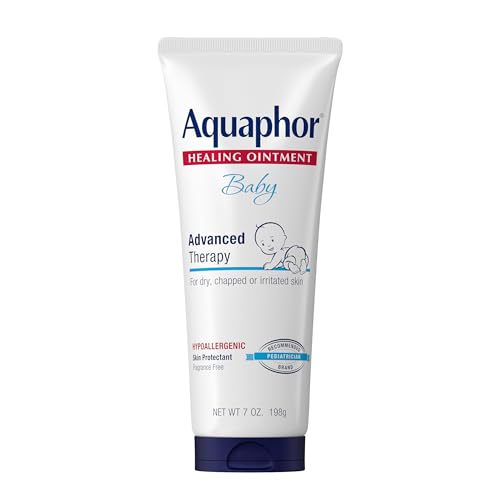
Aquaphor is the Swiss Army knife of baby skincare, and the 7-ounce tube format makes it the most practical choice for diaper bags and nursery stations. The formula contains 41% petrolatum as the primary barrier agent, supplemented with panthenol, glycerin, and bisabolol to actively soothe irritated tissue rather than just seal it. This is a prevention-first product that also handles mild existing rash when caught early.
The ointment consistency is greasy — there is no way around it — but that grease translates directly to longevity. A single application survives multiple wet diapers without wearing off, which is why pediatricians repeatedly recommend it for routine use. The tube design is also more hygienic than tub formats, reducing the risk of bacterial contamination from repeated finger dips.
Beyond diaper duty, parents consistently use this on chapped cheeks, drool rash, dry cuticles, and even their own chapped lips. The clinical protection factor is high enough for daily barrier maintenance but insufficient for an angry, raised rash. For those wanting one product that covers skin cracks, minor scrapes, and diaper prevention, this is the most versatile option by a wide margin.
Why it’s great
- Clinically proven barrier lasts through multiple changes
- Tube packaging reduces contamination risk
- Works for dry skin, chapped lips, and minor scrapes too
Good to know
- Greasy texture can transfer to clothes and bedding
- Not thick enough for active, inflamed rash treatment
3. WELEDA Calendula Baby Cream
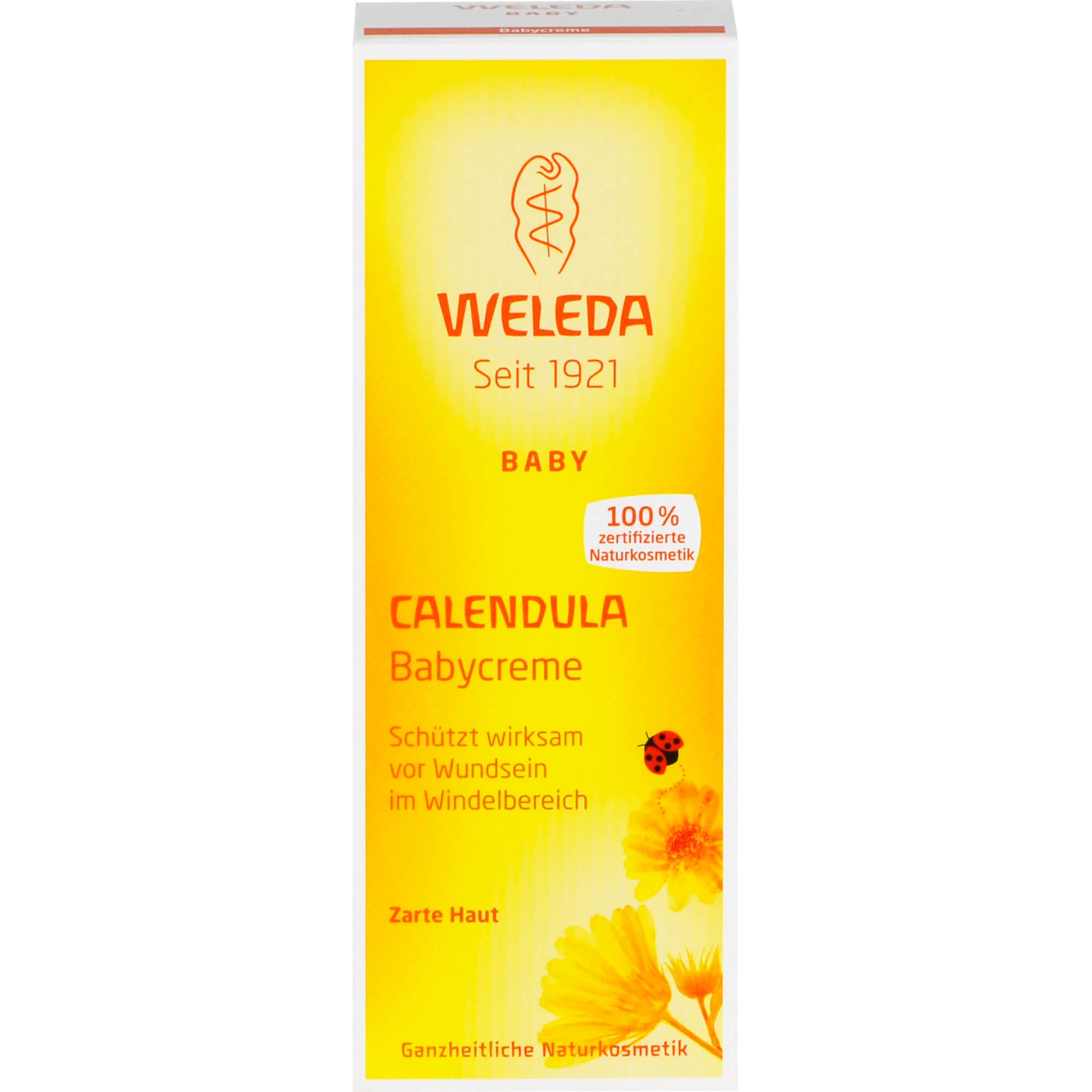
WELEDA takes a different philosophical approach: instead of building a thick physical block, it relies on calendula flower extract to stimulate the skin’s own regenerative processes. The cream applies with an oily feel that absorbs fully within five minutes, leaving behind a long-lasting barrier without the heavy paste texture. Parents who have used this for over 30 years report that it heals even the most stubborn diaper-area soreness within a single day.
The absence of lanolin, synthetic fragrances, and petroleum derivatives makes this an ideal choice for babies with multiple chemical sensitivities or allergies to wool-derived ingredients. The 75 ml tube is compact but concentrated — a pea-sized amount covers the entire diaper area, so a single tube lasts noticeably longer than larger tubs of competing products.
One limitation: this cream is better suited for treatment than high-volume prevention. For parents changing 10-12 diapers daily, the cost per use is higher than Aquaphor or Desitin. But for targeted healing of already-sore skin, the calendula formulation consistently delivers results faster than basic zinc pastes, making it a staple for the medicine cabinet rather than the daily changing table.
Why it’s great
- Calendula actively supports skin regeneration, not just barrier
- Non-greasy feel after 5-minute absorption
- Safe for babies with lanolin and petroleum sensitivities
Good to know
- Higher cost per ounce than most alternatives
- Not ideal for high-frequency daily prevention use
4. Desitin Maximum Strength Baby Diaper Rash Cream

When the rash is angry, raised, and not responding to gentle creams, Desitin Maximum Strength brings the hammer. The 40% zinc oxide concentration is the highest level available for over-the-counter diaper rash treatment, and it shows in the speed of results — redness noticeably reduces by the next diaper change, and full resolution typically occurs within 24 hours. The thick, white paste forms an opaque seal that looks like spackle but functions as a near-impenetrable moisture barrier.
The 16-ounce tub is the largest format in this lineup, making it the most economical choice for parents dealing with chronic or recurring rashes. The formula is paraben-free, phthalate-free, and dye-free, which addresses the main chemical concerns even though the texture is heavy. Pediatricians frequently recommend this over Aquaphor specifically for treatment rather than prevention.
The biggest practical drawback is the residue. The paste is thick, can feel chalky during application, and some batches carry a distinct fishy odor from the zinc oxide, which persists on fabric even after washing. It is also the most difficult to remove from skin without a dedicated oil-based cleanser. For families facing a severe rash crisis, the speed of healing justifies the cleanup hassle.
Why it’s great
- Maximum 40% zinc oxide treats severe rash fastest
- 16 oz tub provides the lowest cost per application
- Clinically shown to protect up to 12 hours
Good to know
- Thick residue stains clothing and is hard to remove
- Some batches have a noticeable fishy zinc odor
5. Cetaphil Baby Healing Ointment
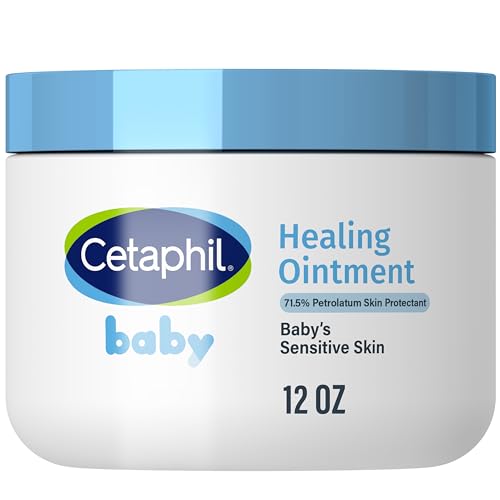
Cetaphil Baby enters the ring with the most compelling credential for sensitive-skin babies: National Eczema Association acceptance. The six-ingredient formula is designed from the ground up for skin that overreacts to everything, and parent reviews confirm it causes no stinging or additional redness even on already-chafed areas. The texture is significantly less greasy than Aquaphor, which makes daytime use more comfortable for babies who hate the slick feeling.
The ointment absorbs faster than traditional petroleum-based options while still leaving a protective film that lasts through several hours of wear. Parents who switched from CeraVe and Aquaphor report that Cetaphil Baby actually heals active eczema patches more effectively, with a single nighttime application maintaining moisture levels until morning. The 12-ounce jar offers generous volume at a competitive value point for this niche.
One trade-off: the consistency is thinner than zinc oxide pastes, so it is better suited for mild irritation and daily barrier maintenance than for treating an advanced rash. The jar format, while generous, introduces the same hygiene concern as any tub — dipping fingers directly into the product can introduce bacteria over time. Using a small spatula or clean fingertip mitigates this risk effectively.
Why it’s great
- National Eczema Association accepted for sensitive skin
- Less greasy than petrolatum alternatives
- Heals dry patches and eczema flares effectively
Good to know
- Too thin for severe or active rash treatment
- Jar packaging may introduce bacteria with repeated use
FAQ
Can I use Aquaphor as a daily preventer instead of zinc cream?
How do I remove thick zinc oxide paste like Desitin from my baby’s skin?
Why does some zinc oxide cream smell like fish?
Is calendula cream like WELEDA safe for newborns under three months?
Can I use the same cream for drool rash and diaper rash?
Final Thoughts: The Verdict
For most users, the best butt cream for babies winner is the Badger Baby Diaper Rash Cream because its four-ingredient formula combines organic beeswax barrier technology with effective zinc oxide treatment without the greasy mess. If you want a do-everything solution for chapped skin, drool rash, and diaper prevention, grab the Aquaphor Baby Healing Ointment. And for severe rash that needs the heaviest artillery, nothing beats the Desitin Maximum Strength Paste with 40% zinc oxide for rapid healing.

Mo Maruf
I created WellFizz to bridge the gap between vague wellness advice and actionable solutions. My mission is simple: to decode the research and give you practical tools you can actually use.
Beyond the data, I am a passionate traveler. I believe that stepping away from the screen to explore new environments is essential for mental clarity and physical vitality.