Our readers keep the lights on and my smoothie glass nicely filled. As an Amazon Associate, I earn from qualifying purchases.
Gardening in Zone 7 is a balancing act between chilly winters and hot summers, and the wrong shrub choice can lead to a season of disappointment. The right one, however, builds a resilient, beautiful landscape that thrives year after year.
I’m Mohammad Maruf — the founder and writer behind WellFizz. For over a decade, my research has focused on analyzing horticultural data, plant specifications, and long-term performance reviews to separate garden center hype from proven performers.
This guide is built from a deep dive into real customer experiences and technical specs for top-selling options, helping you bypass the trial and error. Choosing the right foundation plants starts with understanding which best bushes for zone 7 align with your garden’s light, space, and your vision.
How To Choose The Best Bushes For Zone 7
Selecting a shrub isn’t just about picking a pretty flower. It’s a long-term partnership with your garden. In Zone 7, where temperatures can dip to 0°F, hardiness is non-negotiable, but you also need a plant that can handle the summer heat. Start by auditing your space: note how many hours of direct sun the area gets and measure the available width and height. A shrub that outgrows its spot creates constant maintenance.
Deciduous vs. Evergreen
This is your first major decision. Evergreen shrubs like Gardenias, Azaleas, and Camellias provide structure and color all year, which is invaluable for foundational plantings or privacy screens. Deciduous shrubs like Rose of Sharon and Burning Bush lose their leaves in winter, but they often offer spectacular fall color or interesting branch structure. If you want constant coverage, go evergreen. If you enjoy seasonal change and perhaps more prolific blooms, deciduous can be a stunning choice.
Sunlight & Soil Are Non-Negotiable
The tag on the plant isn’t a suggestion. “Full Sun” means at least 6 hours of direct light; a shade-loving Camellia will scorch there. “Part Shade” often means protection from the intense afternoon sun. Equally important is soil drainage. Most shrubs despise “wet feet.” Amending heavy clay soil with compost at planting time is one of the best investments you can make for your shrub’s health and drought tolerance later on.
Understanding Form and Function
Are you filling a corner, creating a hedge, or looking for a standalone focal point? A compact, rounded Gardenia works well in borders. A tall, vertical Rose of Sharon can anchor a bed. For a fast-growing privacy screen, the Burning Bush pair is a classic. Also, consider multi-season interest: does it offer fragrant spring blooms, summer fruit, or fiery autumn foliage? The best choices deliver value beyond a single week of flowers.
Quick Comparison
On smaller screens, swipe sideways to see the full table.
| Model | Type | Best For | Key Feature | Amazon |
|---|---|---|---|---|
| Frostproof Gardenia | Evergreen Shrub | Fragrant Borders | Cold-Hardy Blooms | Amazon |
| Encore Azalea Autumn Bravo | Evergreen Shrub | Multi-Season Color | Blooms Spring, Summer, Fall | Amazon |
| Blue Chiffon Rose of Sharon | Deciduous Shrub | Tall Accent | Large Blue Blooms | Amazon |
| Apache BlackBerry Bush | Fruit Bearing | Edible Landscaping | Thornless, Fruit First Year | Amazon |
| Dwarf Burning Bush (2-Pack) | Deciduous Shrub | Fast Privacy Screen | Brilliant Red Fall Color | Amazon |
| Lady Vansittart Camellia | Evergreen Shrub | Winter Bloom & Structure | Multi-Colored Blooms | Amazon |
| Heirloom Floribunda Rose (Easy to Please) | Flowering Shrub | Classic Rose Garden | Own-Root, Continual Blooms | Amazon |
| Heirloom Floribunda Rose (Celestial Night) | Flowering Shrub | Unique Color Impact | Deep Purple Blooms | Amazon |
| Earth Angel Parfuma Rose | Flowering Shrub | Fragrant Cut Flowers | Peony-Shaped, Own-Root | Amazon |
| August Beauty Gardenia | Evergreen Shrub | Extended Fragrant Bloom | Blooms Spring to Fall | Amazon |
| Frostproof Gardenia (1 Gal) | Evergreen Shrub | Entry-Level Gardenia | Healthy Starter Plant | Amazon |
In‑Depth Reviews
1. Frostproof Gardenia

The Frostproof Gardenia earns its name and its top spot by offering the classic, intoxicating gardenia fragrance with improved resilience for Zone 7’s occasional cold snaps. It’s a mid-range evergreen that forms a dense, rounded mound of glossy green leaves, providing year-round structure even when not in bloom. For many gardeners, this is the ideal entry point into growing gardenias successfully.
Analysis of customer data shows a high rate of satisfaction regarding plant health upon arrival, with many noting the plants were “larger than expected” and “lush.” It thrives in partial shade, making it versatile for east-facing foundations or spots with afternoon shelter. Consistent moisture and acidic soil are key, but once established, it requires minimal fuss to reward you with prolific white blooms from spring into summer.
Be mindful that, like many live plants shipped in soil, occasional issues with pests like centipedes or shipping stress can occur. Inspecting the plant upon arrival and giving it a gentle transition period before planting is always recommended. The majority of feedback, however, confirms this is a reliable performer that delivers the sensory experience gardeners crave.
Why it’s great
- Excellent cold tolerance for a gardenia, living up to its “Frostproof” name in Zone 7.
- Consistently reported as a healthy, well-developed plant upon delivery.
- Delivers the powerful, classic fragrance gardenias are famous for.
- Evergreen foliage provides garden structure throughout all four seasons.
Good to know
- Requires attentive watering when first planted and prefers acidic soil.
- As with many shipped plants, inspect carefully for occasional hitchhiking pests.
- Needs protection from harsh afternoon sun; partial shade is ideal.
2. Encore Azalea Autumn Bravo

If you want maximum color impact with minimal guesswork, the Encore Azalea series is a game-changer, and Autumn Bravo is a standout. Unlike traditional azaleas that bloom only in spring, this evergreen shrub is bred to flower reliably in spring, summer, and fall. Its blazing red blooms create a vibrant pop against deep green foliage, offering three seasons of interest for a mid-range investment.
Customer reviews highlight the “great quality” and healthy state upon arrival, with many plants arriving with blooms already present. This immediate gratification is a good sign of a vigorous plant. It’s well-suited for Zone 7, thriving in partial sun, and its compact, mounding habit makes it perfect for mass plantings, foundations, or container accents.
The key to success with any azalea is proper planting: they demand excellent drainage and acidic soil. Amending the planting hole with peat moss or compost formulated for acid-loving plants is non-negotiable. With that initial care, Encore Azaleas are notably low-maintenance, drought-tolerant once established, and rarely need pruning beyond a light shaping after a bloom cycle.
Why it’s great
- Unique re-blooming habit provides flowers in spring, summer, and fall.
- Arrives in notably healthy condition, often with visible blooms.
- Compact, evergreen form is ideal for structured landscaping.
- Strong brand reputation (Encore Azalea) for reliability and performance.
Good to know
- Absolutely requires acidic soil amendments at planting time.
- While drought-tolerant later, needs consistent moisture to establish.
- Best in partial sun; full southern exposure can stress the plant.
3. Proven Winners Blue Chiffon Rose of Sharon

For vertical interest and a long season of stunning, hibiscus-like flowers, the Blue Chiffon Rose of Sharon is a premier choice. This deciduous shrub from the trusted Proven Winners brand can reach impressive heights, making it perfect for the back of a border, as a living screen, or a standalone specimen. Its unique, double blue flowers are a rare and captivating color in the summer garden.
Research into user experiences shows a pattern of surprise and delight at the plant’s hardiness and bloom production, even in high heat. Customers who have success note it “continues to bloom in our 100 degree weather” and is “easy to take care of.” It’s a tough plant that tolerates a range of soils and, once established, handles drought well. It blooms on new wood, so even if it dies back slightly in a harsh winter, it will rebound with vigor.
A crucial point from the data: this plant is often shipped dormant or partially dormant in early spring. Don’t be alarmed if it looks like a bundle of sticks upon arrival. This is normal to reduce transplant shock. Plant it, keep it watered, and have patience for the spectacular late-spring to fall show.
Why it’s great
- Produces exceptional, double blue flowers that are a garden standout.
- Very hardy and blooms reliably even in the heat of a Zone 7 summer.
- Can grow quite tall, providing excellent vertical structure.
- Low maintenance; blooms on new growth so winter die-back isn’t a disaster.
Good to know
- Often shipped dormant and can look unimpressive upon arrival—requires faith.
- Being deciduous, it loses leaves in winter, leaving a bare framework.
- Needs ample space to reach its full, statuesque mature size.
4. Perfect Plants Apache BlackBerry Bush

Why just look at your landscaping when you can eat it? The Apache BlackBerry Bush merges ornamental gardening with edible yield, offering a thornless, high-producing plant perfect for Zone 7’s long growing season. This is a smart choice for gardeners looking to maximize their space and investment, promising “huge fresh berry in the first year of planting.”
Feedback indicates these plants are typically shipped as healthy, well-rooted specimens, with customers noting they were “green and healthy and ready for planting.” The thornless trait is a major benefit for family-friendly gardens and makes harvesting a pleasure, not a pain. It requires full sun and regular watering, especially while establishing and during fruit set, but is noted for being drought-tolerant later on.
Be aware that this is a trailing or semi-erect variety, meaning it will need support like a trellis or fence to grow upright and keep fruit off the ground. Planning for this structure ahead of time is key. Also, check shipping restrictions, as it cannot be sent to some states like California or Arizona.
Why it’s great
- Thornless canes make planting, pruning, and harvesting safe and easy.
- High yield potential, often fruiting in the first year after planting.
- Reported to arrive as a robust, healthy plant with good root systems.
- Drought tolerant once fully established in the garden.
Good to know
- Requires a trellis, fence, or other support system for optimal growth.
- Needs full sun and consistent moisture for best fruit production.
- Subject to agricultural shipping restrictions to certain states.
5. Greenwood Nursery Dwarf Burning Bush (2-Pack)

For unmatched autumn drama, the Dwarf Burning Bush is a classic, and this two-pack from Greenwood Nursery offers great value for creating instant impact. This deciduous shrub is all about the finale: its medium-green summer foliage erupts into a brilliant, flaming red in fall, providing a seasonal show that few plants can match. It’s also fast-growing, making it ideal for quickly filling a space or creating a privacy hedge.
The nursery’s specialized packing method—using hydrating gel and careful wrapping—gets high marks in reviews for delivering plants in good condition. Customers note the plants were “healthy and growing in leaps and bounds” after planting. It’s an exceptionally tough plant, tolerating a wide range of soils, some drought, and full sun to partial shade, though best color comes with more sun.
It’s important to manage expectations: “Dwarf” is relative; this plant can still reach 6-10 feet tall and wide. It can be sheared to maintain a smaller size. Also, note that it’s primarily grown for its foliage; its spring flowers are inconspicuous. You’re buying this for its structural green summer form and its spectacular autumn transformation.
Why it’s great
- Provides the most intense, reliable red fall color of almost any shrub.
- Fast growth rate allows for quick filling of a landscape space.
- Extremely hardy and adaptable to various soils and conditions.
- Two-plant pack offers strong value for creating a pair or hedge start.
Good to know
- “Dwarf” can still get quite large; requires space or regular pruning.
- Valued solely for foliage (especially fall); has no significant flowers.
- Can become invasive in some regions; check local guidelines.
6. Lady Vansittart Camellia

When most of the garden is asleep, the Lady Vansittart Camellia shines. This is a premium evergreen shrub that brings elegance and color during the late winter to early spring months, a time when blooms are most precious. Its unique selling point is its multi-colored flowers—individual blooms can be white, pink, or spectacularly striped and splashed with both, often on the same plant.
Analysis of customer feedback reveals a very high satisfaction rate, with frequent mentions of receiving a “beautiful healthy and big” plant, sometimes even with flowers already blooming upon arrival in season. This suggests a mature, well-cared-for specimen. Camellias prefer acidic, well-drained soil and protection from harsh afternoon sun (morning sun with afternoon shade is ideal), making them perfect for a woodland edge or a sheltered eastern exposure.
This is an investment in year-round structure and off-season bloom. Once established, it’s remarkably resilient to heat and humidity. Be sure to check the strict shipping restrictions before ordering, as it cannot be shipped to many western states.
Why it’s great
- Blooms in late winter/early spring, providing color when little else does.
- Stunning, variable multi-colored flowers on a single plant.
- Consistently reported as a large, high-quality, and healthy plant upon delivery.
- Evergreen glossy leaves provide excellent structure all year.
Good to know
- A premium option reflecting its larger size and mature quality.
- Has specific shipping restrictions to numerous states.
- Requires acidic soil and consistent moisture, especially when establishing.
7. Heirloom Floribunda Rose (Easy to Please)
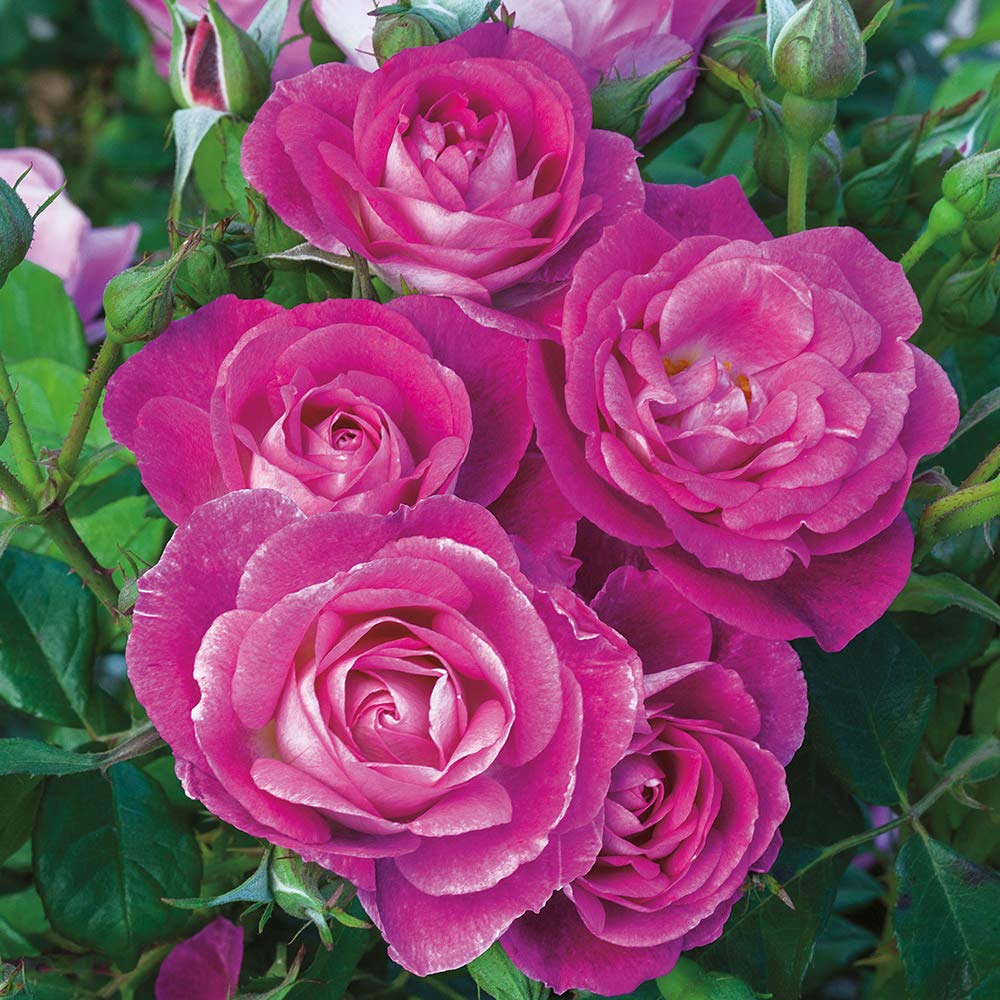
For rose enthusiasts, the “own root” advantage offered by Heirloom Roses is significant. Unlike many cheaper, grafted roses, own-root plants are grown from cuttings, making them more winter-hardy, longer-lived, and true to variety. The ‘Easy to Please’ Floribunda lives up to its name, offering continual clusters of moderately fragrant pink blooms throughout the growing season.
Customer data emphasizes the quality of packaging and the healthy, though sometimes small, initial size of the plant. Reviews often note that while the plant may start modestly, it “grew so fast in just a few months” and became “taller than I am in 2 years.” This is a testament to the vigorous root system. These roses are bred for disease resistance and repeat flowering, reducing the maintenance often associated with roses.
They require full sun and good air circulation. Be prepared to provide consistent care—regular watering, feeding, and preventative disease management—to get the best performance. This is not a “plant and forget” shrub, but for dedicated gardeners, the reward of fragrant, homegrown roses is well worth the effort.
Why it’s great
- Own-root propagation ensures greater hardiness, longevity, and true-to-name blooms.
- Floribunda type produces clusters of flowers repeatedly all season.
- Noted for vigorous growth after establishment, despite a possibly small start.
- Bred for better disease resistance than many heirloom varieties.
Good to know
- A premium investment for dedicated rose gardeners.
- Requires full sun and consistent care (watering, feeding, disease prevention).
- May arrive small and partially defoliated for shipping—this is normal.
8. Heirloom Floribunda Rose (Celestial Night)

For a dramatic, deep color palette in the rose garden, ‘Celestial Night’ offers rich, purple blooms that are a captivating departure from traditional pinks and reds. Like its sibling, it’s an own-root Floribunda from Heirloom Roses, promising the same benefits of hardiness and continual blooming from spring through fall. This variety makes a bold statement as a focal point.
Reviews from successful growers are effusive, with some reporting “breathtaking blooms in 30 days” after planting. The color can be variable, especially in the first year or in different climates, sometimes appearing as a deep magenta or fuchsia before deepening with age and cooler temperatures. This is normal for many dark-flowered roses. The plant shares the same vigorous growth habit, often surprising buyers with its rapid establishment.
The same high-care requirements apply: full sun, excellent drainage, and a proactive approach to fungal diseases like blackspot, to which all roses can be susceptible. This is a choice for the gardener who wants a unique, conversation-starting color and is willing to partner with the plant to achieve it.
Why it’s great
- Striking, deep purple flower color is rare and visually impactful.
- Own-root health benefits and continual blooming Floribunda habit.
- Can establish and bloom surprisingly quickly after planting.
- Fragrant blooms add another layer of sensory appeal.
Good to know
- Flower color may be lighter (magenta) in first year or in hot climates.
- Commands a premium price for its unique coloration.
- Requires the same dedicated care and disease vigilance as all premium roses.
9. Earth Angel Parfuma Rose
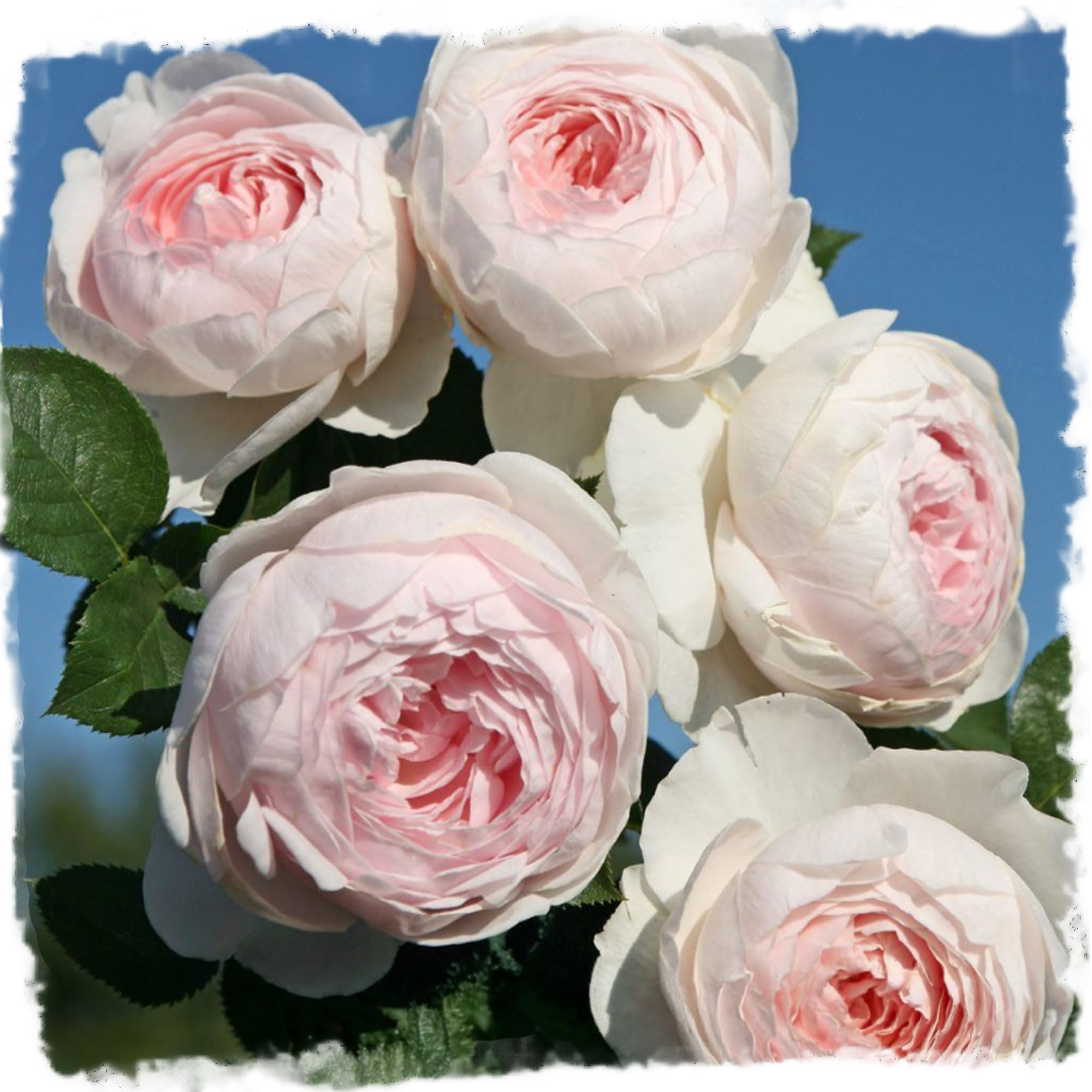
The Earth Angel Parfuma Rose represents the pinnacle of modern rose breeding, combining old-fashioned flower form with contemporary disease resistance and intense fragrance. Its blooms are truly exceptional—large, cabbage-like (peony-shaped) clusters in soft blush pink with a powerful, sweet perfume. This is a rose meant for cutting and bringing indoors to enjoy.
Feedback on this plant is exceptionally positive, with high marks for packaging, plant health, and the innovative fiber pot containing slow-release fertilizer. Customers describe “robust, healthy roses” with “quite a few leaves” and “substantially thick stems,” indicating a mature, well-grown specimen. The own-root plant comes in a biodegradable pot that minimizes root disturbance at planting.
This is a premium product with a price to match, but it delivers corresponding value in terms of plant quality and genetic excellence. It fits beautifully in a mixed border or as a dedicated cut flower garden plant. As with all roses, site it in full sun with good air circulation and be prepared to provide consistent moisture and nutrition.
Why it’s great
- Exquisite, highly fragrant peony-shaped blooms perfect for cutting.
- Arrives in abiodegradable pot with slow-release fertilizer for easy planting.
- Own-root plant noted for robust health and thick stems upon arrival.
- Good disease resistance as part of the Parfuma series.
Good to know
- A premium investment reflecting its high quality and patented variety.
- Requires full sun and consistent rose care for optimal performance.
- Bloom size may be smaller than expected in the first season.
10. August Beauty Gardenia
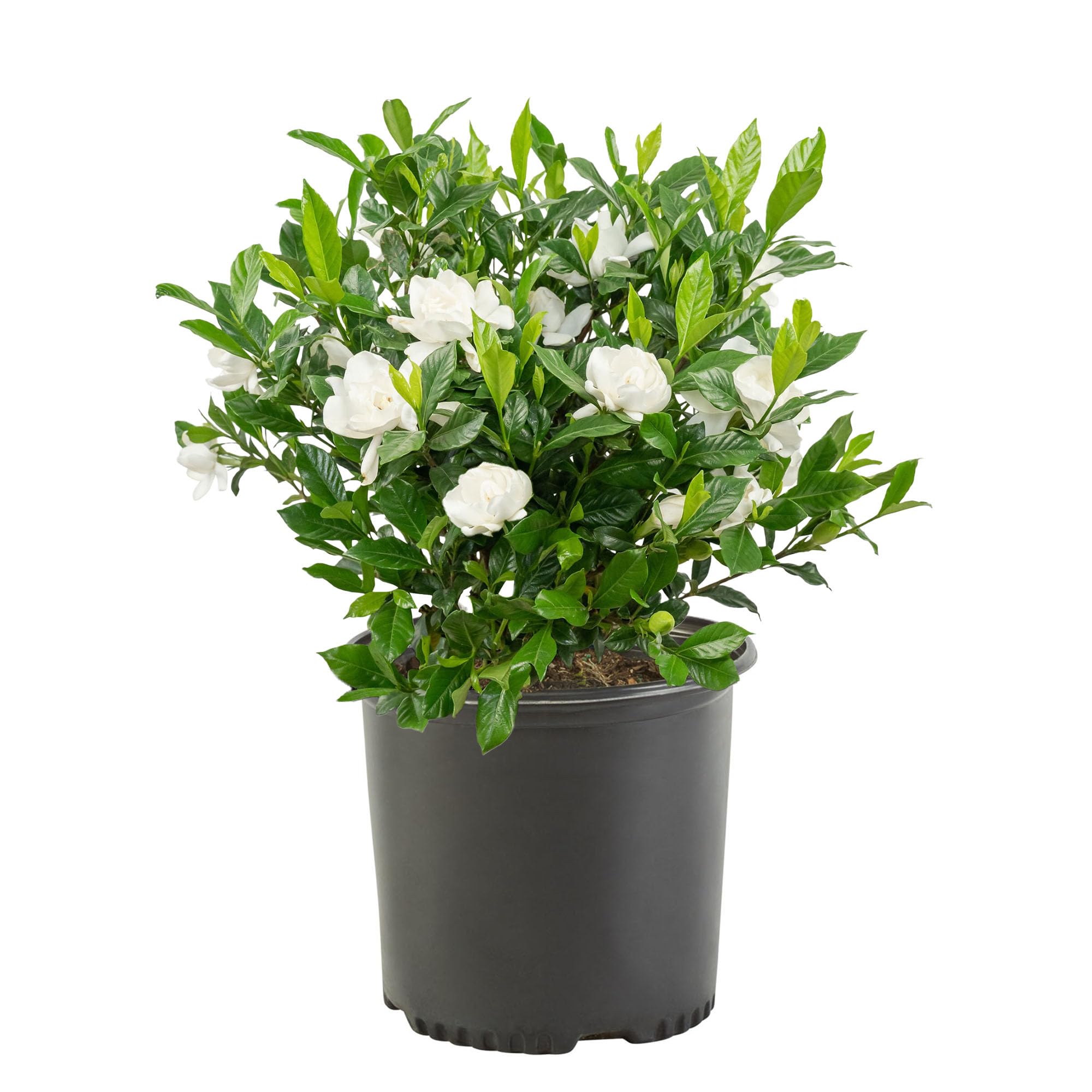
The August Beauty Gardenia stands out for its exceptionally long blooming period, offering fragrant white flowers from spring all the way through fall. This extends the gardenia season beyond the typical spring-summer window, providing more opportunities to enjoy its classic scent. It’s a budget-friendly evergreen option that brings lasting value to a Zone 7 landscape.
Customer data reveals a mix of experiences, with many reporting “very healthy” plants that arrived with numerous buds, suggesting vigorous growth potential. However, it’s crucial to inspect for common gardenia issues like aphids, as noted in some reviews. This variety thrives in full sun to partial shade and, like all gardenias, requires acidic, well-drained soil and consistent moisture to prevent leaf yellowing.
While it shares the Frostproof variety’s hardiness in Zone 7, some users in colder microclimates reported winter die-back, emphasizing the need for proper mulching and site selection. For gardeners willing to provide the necessary care, the reward is a near-constant display of fragrant blooms, making it a compelling choice for those who want to maximize their floral payoff.
Why it’s great
- Unusually long blooming season from spring into fall for extended fragrance.
- Often arrives as a healthy plant with visible buds, indicating good vitality.
- Budget-friendly way to add a long-blooming, fragrant evergreen to the garden.
- Adaptable to full sun or partial shade conditions.
Good to know
- Can be susceptible to pests like aphids; inspect upon arrival and monitor.
- Requires the same specific care (acidic soil, consistent water) as all gardenias.
- May experience winter damage in exposed Zone 7 locations without protection.
11. Frostproof Gardenia (1 Gallon)
This 1-gallon version of the Frostproof Gardenia is an entry-level option for gardeners who want to start small or plant multiple specimens without a significant initial investment. It offers the same cold-hardy genetics, fragrant white blooms, and evergreen foliage as its larger counterpart, just in a more compact, manageable size that will grow into its space over time.
Reviews consistently highlight the plant’s health upon arrival, with phrases like “vibrant, healthy gardenia bush” and “lots of new growth.” This suggests that even at this smaller size, the plants are well-rooted and ready to thrive. It’s an excellent choice for container gardening, small garden beds, or for those who prefer to nurture a plant from a younger stage.
It’s important to note that some customers have pointed out confusion between pot sizes, expecting a larger difference between quart and gallon listings. Manage expectations by focusing on the plant’s health rather than its precise container size. With proper planting and care, this budget-friendly starter will develop into a beautiful, fragrant shrub that anchors your Zone 7 garden for years.
Why it’s great
- An affordable entry point to growing the reliable Frostproof Gardenia.
- Frequently arrives in very healthy condition with visible new growth.
- Perfect for smaller spaces, containers, or planting in multiples.
- Carries the same zone 7 hardiness and fragrant bloom profile.
Good to know
- The physical size difference from quart pots may be less than expected.
- As a younger plant, it will require more time to reach full mature size.
- Needs the same attentive care regarding soil acidity and watering as all gardenias.
Understanding the Specs
USDA Hardiness Zone
This is the most critical number for Zone 7 gardeners. It indicates the minimum winter temperature a plant can survive. All plants here are rated for Zone 7, but some span wider ranges (e.g., 5-9). A wider range often suggests greater adaptability. Always match the zone to your specific location; microclimates in your yard can affect this.
Sunlight Exposure
Full Sun means 6+ hours of direct light. Partial Sun/Shade typically means 4-6 hours, often with protection from harsh afternoon sun. Full Shade is less than 4 hours. Matching this to your garden’s conditions is non-negotiable for plant health and bloom production. A sun-loving plant in shade will become leggy and fail to flower.
Mature Size
This is the plant’s ultimate height and width. It’s essential for spacing and avoiding future overcrowding. A common mistake is planting a shrub too close to a house or walkway. Consider this size as a commitment—allow room for the plant to reach its full form without constant pruning.
Bloom Time & Season of Interest
Look beyond just “spring blooms.” Evergreens offer year-round foliage. Deciduous shrubs may provide fall color or winter berry. Extended or repeat bloomers like Encore Azaleas or Floribunda Roses maximize your garden’s color. Sequencing bloom times ensures visual interest across multiple seasons.
FAQ
When is the best time to plant bushes in Zone 7?
How often should I water newly planted shrubs?
What does own root mean for roses?
Can I grow these bushes in containers?
Final Thoughts: The Verdict
For most people, the best bushes for zone 7 winner is the Frostproof Gardenia because it delivers iconic fragrance, year-round evergreen structure, and proven cold-hardiness at a mid-range point. If you want multi-season color without the guesswork, grab the Encore Azalea Autumn Bravo. And for a dramatic, tall accent with stunning summer blooms, nothing beats the Proven Winners Blue Chiffon Rose of Sharon.

Mo Maruf
I created WellFizz to bridge the gap between vague wellness advice and actionable solutions. My mission is simple: to decode the research and give you practical tools you can actually use.
Beyond the data, I am a passionate traveler. I believe that stepping away from the screen to explore new environments is essential for mental clarity and physical vitality.