Our readers keep the lights on and my smoothie glass nicely filled. As an Amazon Associate, I earn from qualifying purchases.
Squatting in running shoes is like trying to deadlift on a mattress—the compressible foam eats your force transfer and wobbles your foundation. A dedicated flat-soled or raised-heel shoe changes everything: your feet lock into the platform, your knees track properly, and every rep feels mechanically sound rather than mushy.
I’m Mohammad Maruf — the founder and writer behind WellFizz. I’ve spent hundreds of hours digging through spec sheets, user wear-test data, and material science breakdowns to separate genuine stability features from marketing noise in the weightlifting footwear market.
Shopping with a tight budget doesn’t mean accepting squishy soles or poor ankle support — this guide ranks the top best budget weightlifting shoes by analyzing heel elevation, sole rigidity, strap geometry, and real-world durability for serious lifters.
How To Choose The Best Budget Weightlifting Shoes
The wrong pair can crush your depth, shift your center of gravity, and make your lower back compensate for unstable feet. Here are the three specs that separate a smart purchase from a regret.
Heel-to-Toe Drop and Platform Rigidity
Lifting shoes fall into two camps: flat-zero-drop trainers (0-4mm) and raised-heel Olympic-style shoes (12-22mm). A flat sole puts your weight directly over the midfoot—ideal for deadlifts and squats in low-bar form. A raised heel places your knees forward with less ankle dorsiflexion, making high-bar squats and front squats more accessible. Budget options often use compressed EVA for the heel section; mid-range and premium tiers use rigid TPU or wood to prevent the heel from deforming under 300+ pounds of load.
Strap System and Upper Construction
A single Velcro strap over the midfoot locks the instep down and prevents the foot from sliding forward inside the shoe during heavy eccentrics. Two-strap designs offer a second lock point near the toes, which helps if you have narrow feet or do tall cleans and snatches. On budget models, check whether the strap is sewn into the upper or glued—stitched straps last exponentially longer under repeated tension.
Material Hardness and Sole Grip
The outsole must be a dense rubber compound—not blown rubber or foam—to grip a dusty wooden platform or rubber gym floor without slipping on lateral shuffles or overhead presses. Look for a minimum Shore A durometer reading of 60-70 on the outsole. Entry-level shoes sometimes use softer compounds that wear flat in 6-8 months of 3x/week training, while premium-tier models use carbon rubber or TPU that lasts 2-3 years.
Quick Comparison
On smaller screens, swipe sideways to see the full table.
| Model | Category | Best For | Key Spec | Amazon |
|---|---|---|---|---|
| Nordic Lifting VENJA | Raised Heel | Starter Olympic Lifting | TPU heel wedge / dual strap | Amazon |
| Under Armour TriBase Reign 6 | Flat Trainer | CrossFit / Hypertrophy | Zero-drop / wide toe box | Amazon |
| Adidas Powerlift 5 | Raised Heel | Squat-Focused Training | Rigid TPU heel / single strap | Amazon |
| Under Armour Project Rock 5 | Hybrid Trainer | Versatile Daily Gym | Lightweight mesh / bouncy midsole | Amazon |
| Generic Lifting Shoe (Velcro) | Raised Heel | Budget Squat Entry | Faux-leather upper / dual strap | Amazon |
| Reebok Nano Gym | Flat Trainer | Light Weights / HIIT | Nano outsole / moderate arch support | Amazon |
| Adidas Dropset 3 | Flat Trainer | Stable Lunges / Side Moves | External heel lock / flexible forefoot | Amazon |
In‑Depth Reviews
1. Nordic Lifting VENJA Weightlifting Shoes

The VENJA provides a rigid TPU heel wedge—typically found in shoes costing twice as much—that keeps your foot absolutely planted during heavy squats and overhead presses. The dual-strap system locks the midfoot and forefoot separately, reducing the heel slip that plagues single-strap budget shoes. Reviewers note the toebox feels generous compared to the Adidas Powerlift, making this a viable option for lifters with wider feet who still want a dedicated raised-heel shoe.
Outsole grip on rubber gym floors is aggressive without being sticky enough to catch during lateral foot adjustments. The moderate heel elevation hits a sweet spot for both Olympic lifts and back squats, though the shoe lacks the wooden sole rigidity of the top-tier Romaleos. True-to-size fit with a snug but not pinching upper works for most foot shapes straight out of the box.
Several long-term users report zero sole delamination or strap failure after a full year of 3-4x/week training. The 3.28-pound weight adds some heft compared to minimalist trainers, but the stability trade-off is worth it for anyone chasing heavier cleans or snatches. If you need a do-it-all flat trainer rather than a raised-heel specialist, look at the TriBase Reign 6 instead.
Why it’s great
- Rigid TPU heel resists compression under heavy loads
- Dual Velcro straps secure midfoot and forefoot independently
- Wider toebox accommodates natural foot splay
Good to know
- Heavier construction not ideal for HIIT or running
- Limited color/design options
2. Under Armour Men’s TriBase Reign 6 Trainer
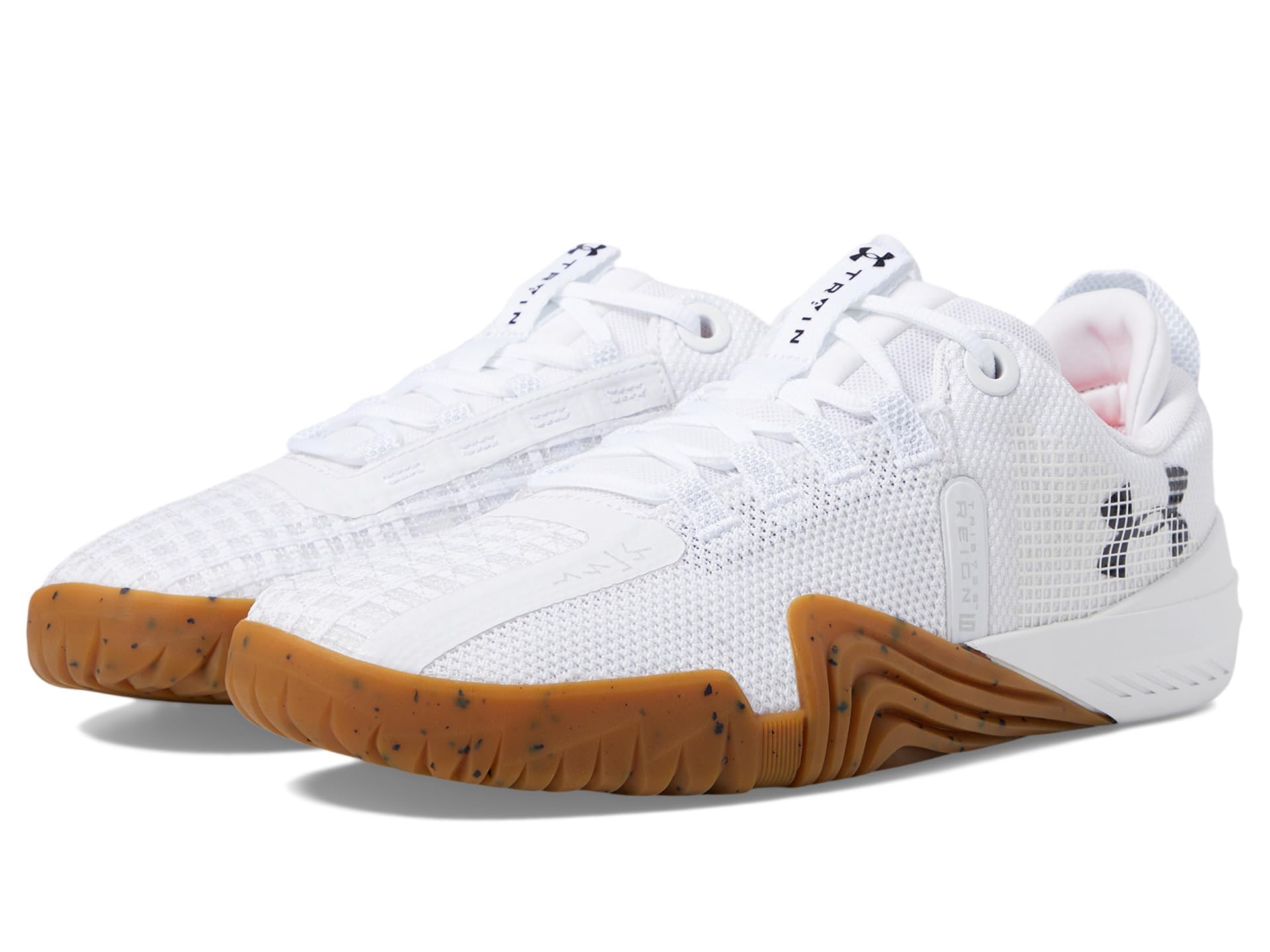
The TriBase Reign 6 is a zero-drop flat trainer engineered for lifters who need stability for squats and deadlifts but also want enough cushion to handle box jumps and short treadmill runs. The wide toe box is a standout feature—flat-footed lifters report no arch ache or heel slip after 5-6 sessions once the upper breaks in. The sole is stiffer than the Project Rock series, providing a solid base for 1RM attempts while staying flexible enough for burpee jump-throughs.
Under Armour uses a dense rubber compound on the outsole that shows minimal wear after 3 months of heavy use. The upper is breathable mesh with TPU overlays, keeping the shoe remarkably light (2.4 pounds) compared to the VENJA or Powerlift. Reviewers with wider feet specifically praise the Reign 6 over the Reebok Nano and Metcon lines for not pinching the pinky toe during lateral movements.
The trade-off is a near-total lack of arch support—lifters with high arches might need insoles for longer sessions. Sizing is a half-size down from your usual sneaker; going true to size leaves noticeable heel play during heavy eccentrics. For CrossFit-style programming or general strength training, this shoe delivers premium fit and platform feel at a mid-range price point.
Why it’s great
- Zero-drop platform provides stable power transfer for squats
- Wide toe box eliminates pinky pinching in lateral movements
- Lightweight mesh upper suits high-rep conditioning
Good to know
- Low arch support may require aftermarket insoles
- Light color options show dirt quickly
3. Adidas Unisex Adult Powerlift 5 Weightlifting Shoes
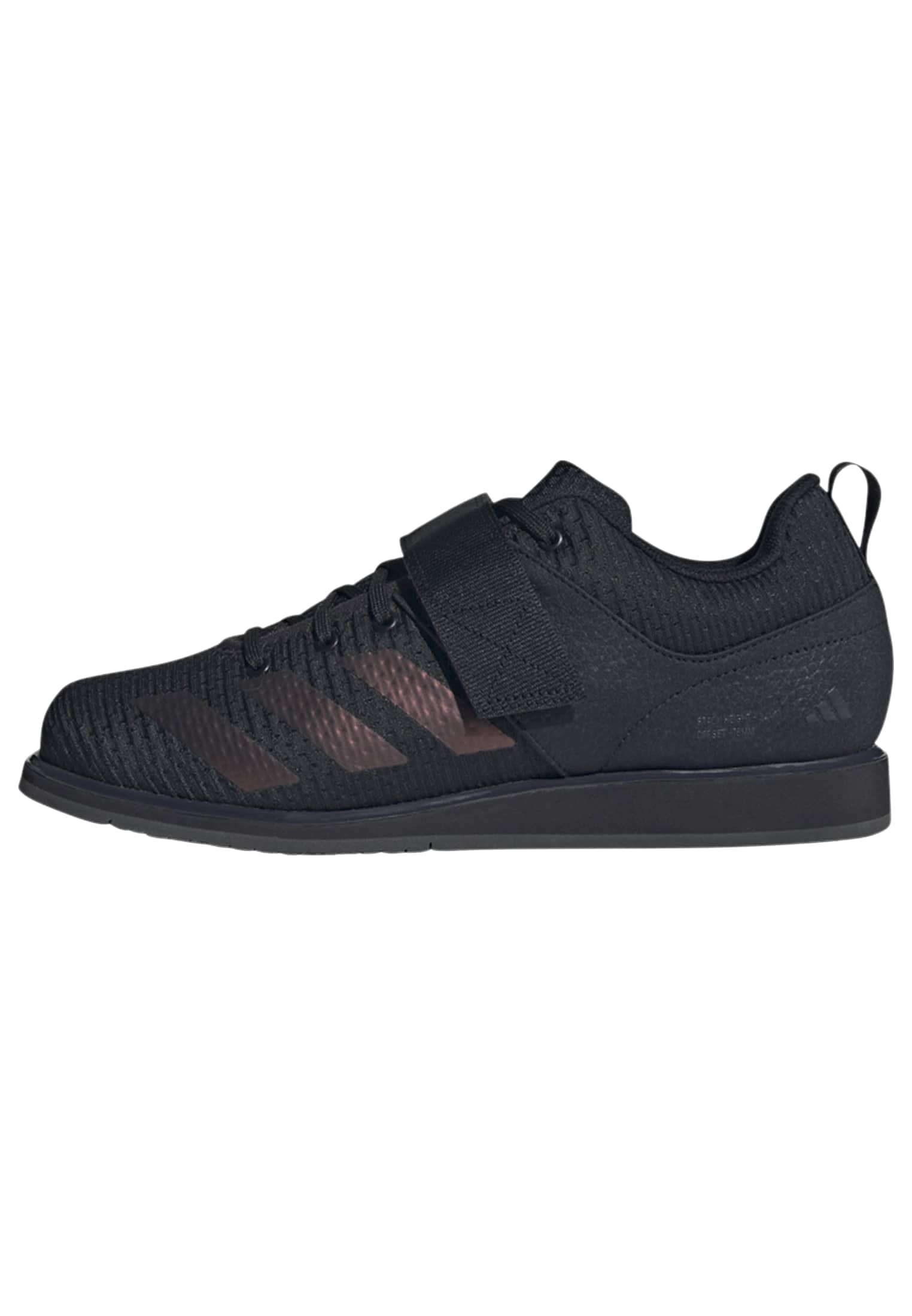
The Powerlift 5 is the most budget-friendly entry into Adidas’s dedicated weightlifting line, featuring a TPU heel section that lifts your ankle into proper squat position without the high price of the Adipower series. The single Velcro strap spans the instep and cinches the midfoot firmly, though the toebox runs noticeably narrow—reviewers consistently recommend ordering a half-size up, especially for anyone with an average or wide foot.
Several users report that switching from running shoes or flat trainers to the Powerlift 5 eliminated knee pain within two weeks of squatting. The rigid heel section prevents the right-left wobble common in soft-midsole shoes during heavy 3-rep sets at 85% 1RM. The outsole rubber grips aggressively on rough gym flooring, but feels slightly less secure on dusty deadlift platforms compared to the VENJA’s broader contact patch.
Durability feedback is positive overall, with the sole and strap holding up well past the 6-month mark for most users. The biggest limitation is the narrow forefoot—if you have wide feet or need toe splay for stability, this shoe will feel restrictive even half a size up. For lifters with narrow-to-average feet chasing a low-cost squat shoe, the Powerlift 5 is an easy recommendation.
Why it’s great
- Rigid TPU heel improves squat alignment and quad activation
- Lightweight and comfortable for dedicated squat sessions
- Entry-level price for a known brand weightlifting shoe
Good to know
- Narrow toebox limits those with wide or splay feet
- Not recommended for HIIT, running, or lateral work
4. Under Armour Men’s Project Rock Blood Sweat Respect 5
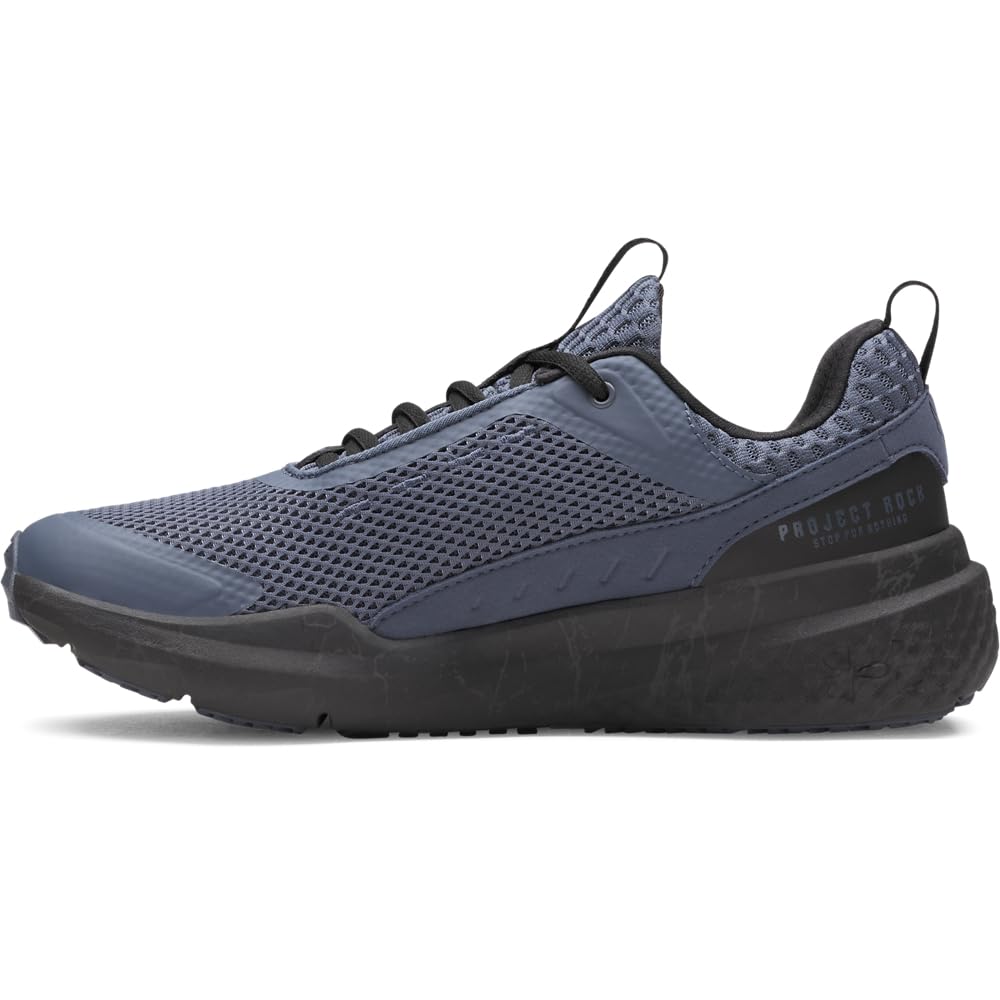
The Project Rock 5 is a hybrid training shoe—not a dedicated weightlifting shoe—that balances a reasonably stable platform with a plush, bouncy midsole suitable for short runs, stationary biking, and daily gym wear. It uses a compressible foam midsole rather than a rigid TPU wedge, so it won’t offer the same level of mechanical stability for heavy squats as the VENJA or Powerlift 5. However, for general strength training, walking lunges, and shoulder presses, the cushioning is a welcome feature.
The glove-like fit and lightweight mesh upper (2.09 pounds) make this one of the most comfortable options for all-day wear. The outsole rubber shows decent wear resistance after several months, though the foam midsole will soften faster than TPU or wood alternatives under heavy load. Reviewers specifically highlight the versatility—many use these as their only gym shoe for 80% of their workouts, swapping to a flat or raised shoe only on dedicated heavy squat days.
The primary downside for lifting-specific buyers is the compressible midsole: as weight increases above 315 pounds on squats, the heel section can compress slightly, introducing micro-wobble. If your training focus is powerlifting or Olympic weightlifting, choose a dedicated flat or raised-heel shoe instead. For the general gymgoer who wants one shoe for everything, this is a strong pick.
Why it’s great
- Lightweight and breathable for all-day gym and casual use
- Good cushioning for running, biking, and light plyometrics
- True-to-size fit with a comfortable, glove-like upper
Good to know
- Compressible midsole lacks stability above moderate loads
- Not a replacement for a dedicated raised-heel squat shoe
5. Weightlifting Shoes Powerlifting Shoes for Crossfit
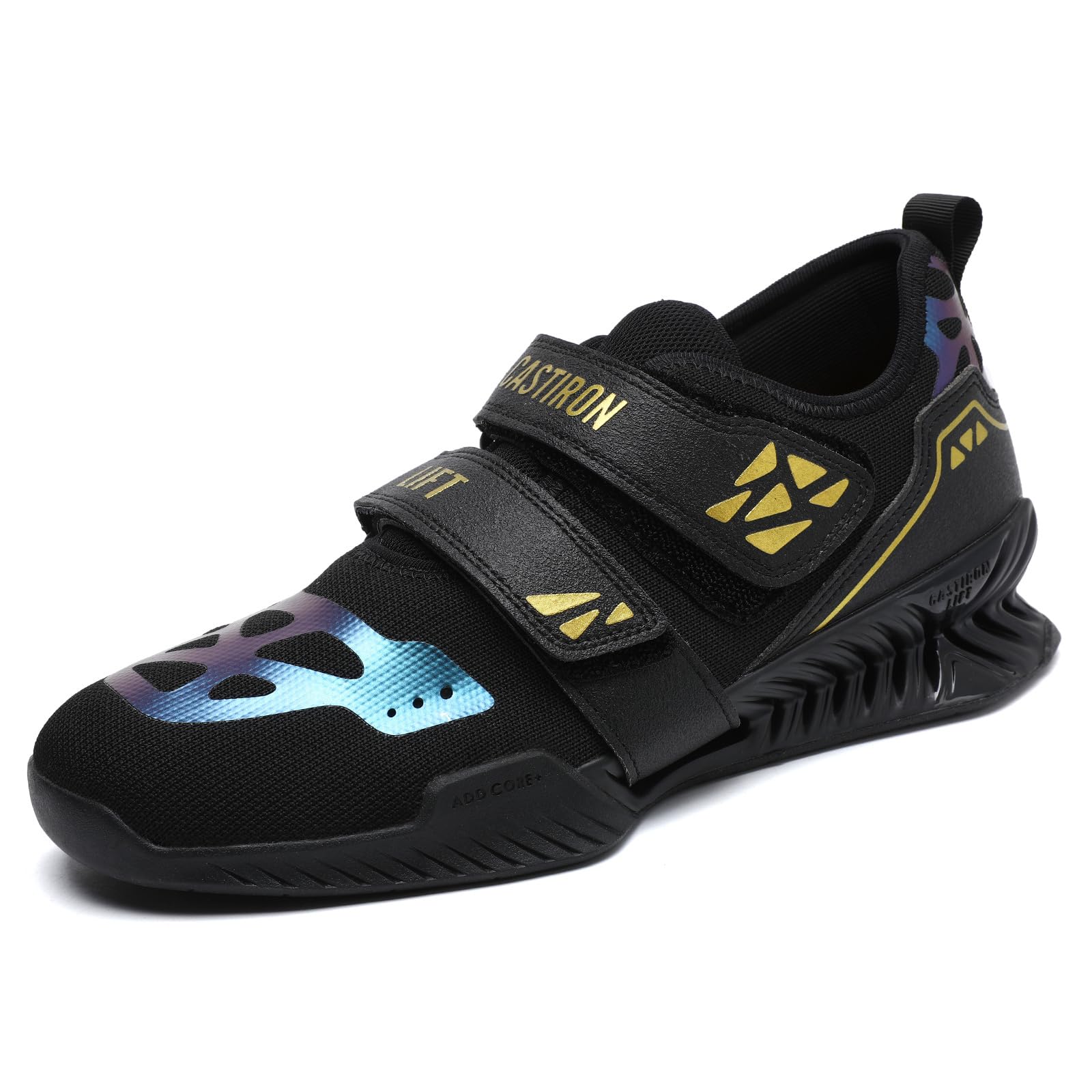
This no-name entry-level weightlifting shoe is a genuine budget contender for lifters on a tight budget who still want a dedicated raised-heel platform with dual Velcro strap lockdown. The elevated heel section is not as rigid as TPU or wood—it uses a dense EVA compression wedge—but it still provides enough of a heel lift to improve squat depth for beginners transitioning from flat sneakers. The faux-leather upper feels stiff initially but breaks in after a few sessions.
The dual-strap system is one of the better implementations at this price tier. The lower strap snugs the forefoot while the upper strap locks the instep, preventing the forward sliding that single-strap budget shoes often allow. Users with wider feet report that the toebox accommodates swelling better than the Adidas Powerlift 5. The outsole rubber is adequate for wooden platforms but shows accelerated wear compared to mid-range options when used on abrasive rubber gym flooring.
Long-term durability is the weakest point—several reviewers mention the black strap flap curling up over time and the heel wedge losing some stiffness after 12-18 months of heavy use. For a beginner testing whether a raised-heel shoe fits their squat style, this represents the lowest barrier to entry. If you plan to squat 400+ pounds regularly, invest in the Nordic Lifting VENJA for better rigidity.
Why it’s great
- Dual Velcro straps reduce heel slip during heavy lifts
- Wide toebox fits broader feet comfortably
- Inexpensive entry point for testing raised-heel training
Good to know
- EVA heel wedge compresses over time under heavy loads
- Faux-leather upper lacks breathability
6. Reebok Nano Gym
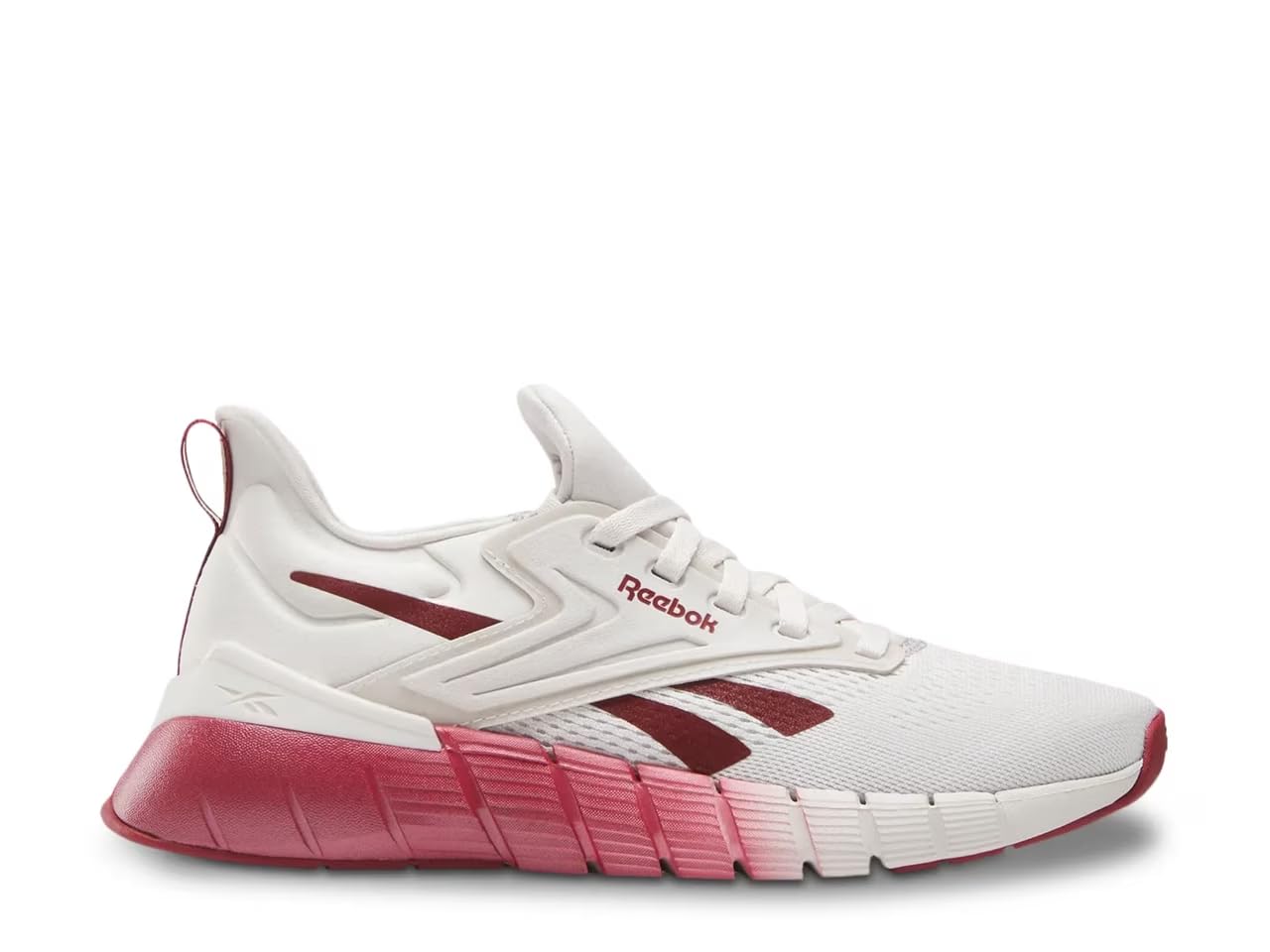
The Reebok Nano Gym is a purpose-built cross-training shoe designed for light-to-moderate weightlifting sessions paired with HIIT and general fitness. The Nano outsole uses a dense rubber compound that grips well on rubber mats and wooden platforms, though the shoe lacks the rigid heel section of a dedicated lifting shoe. The arch support is noticeably more pronounced than the flat-zero-drop TriBase Reign 6, which helps lifters with medium arches feel stable but may bother flat-footed users.
The upper is a one-piece mesh design without a separate tongue, which creates a snug sock-like fit. However, several reviewers found this design too tight across the top of the foot even when ordering a half-size up. The absence of a traditional tongue reduces tongue slide but also makes the shoe less forgiving for high-volume foot swelling during long sessions. True-to-size recommendations vary, with many suggesting going up half a size for a comfortable toe box fit.
Durability is solid—multiple users report the shoe looking clean with minimal sole wear after nearly a year of 3x/week gym use. The Nano Gym is not ideal for heavy deadlifts or squats above 1.5x bodyweight, as the midsole lacks the rigidity for maximal pulling or pressing. For light weights, circuit training, and functional fitness, it’s a comfortable and stylish option that won’t break the bank.
Why it’s great
- Durable outsole holds up well to frequent gym use
- Moderate arch support improves stability for medium arches
- Lightweight and suitable for circuit-style training
Good to know
- Tight one-piece upper limits fit for high-volume feet
- Not stable enough for heavy squats or deadlifts
7. Adidas Womens Dropset 3 Training
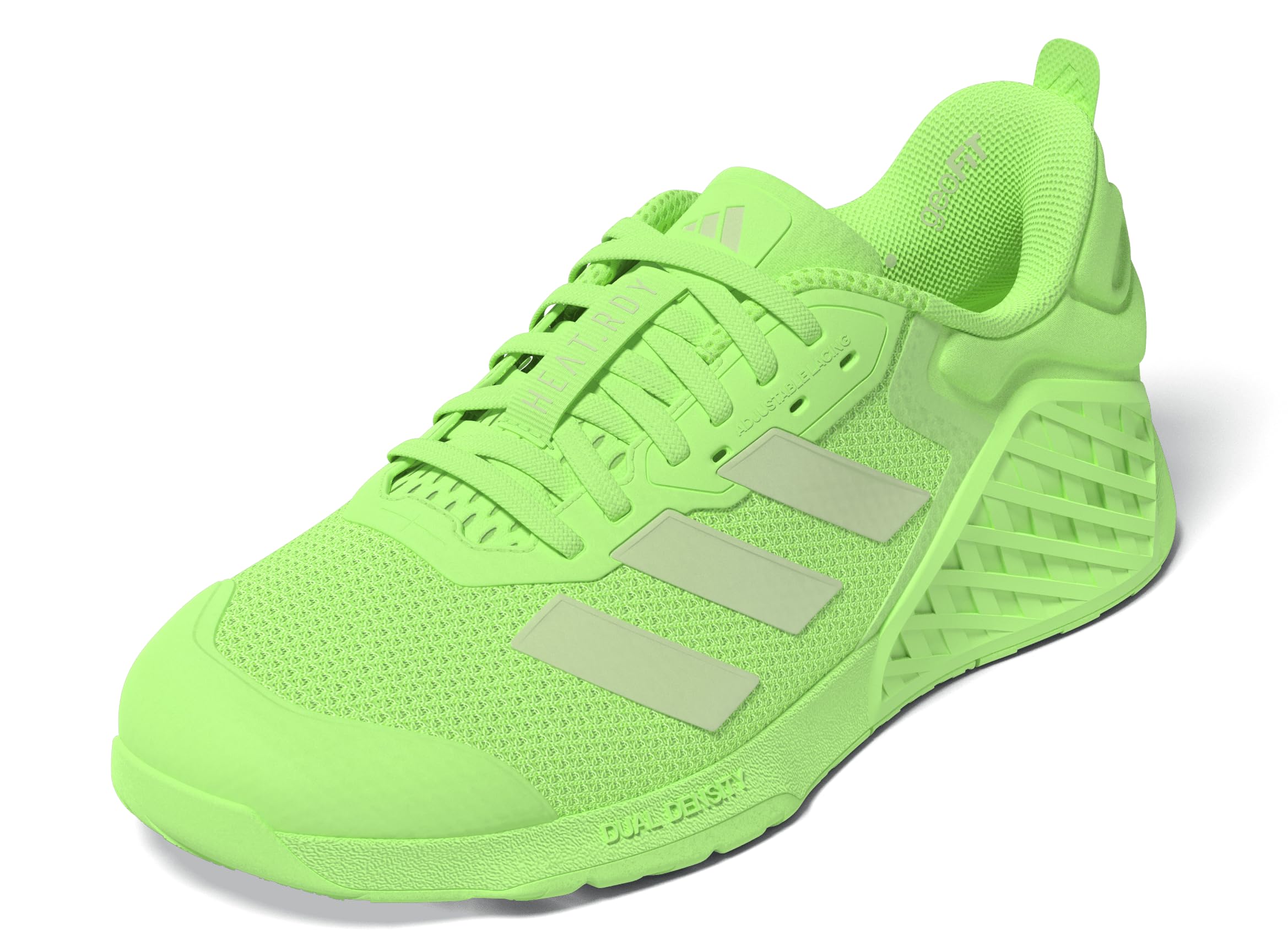
The Dropset 3 is a flat training shoe that prioritizes side-to-side stability through an external heel lock—a rigid plastic cage that wraps the back of the foot and prevents ankle roll during lunges, split squats, and lateral shuffles. The forefoot section is flexible enough to allow natural toe bend for walking and dynamic warm-ups, but the heel section remains stiff. The outsole is a grippy rubber compound that performs well on both rubber and wooden gym floors.
Users with narrow-to-average feet praise the snug, supportive fit, though those with wider feet or higher insteps report the toebox is restrictive and the laces lack stretch, making it hard to achieve a comfortable tension. One reviewer noted that the heel cup rubbed severely after 20 minutes, causing blisters—this suggests the shoe requires a break-in period and may not suit sensitive heels out of the box. The drop is moderate, not zero, meaning there is a slight heel-to-toe slope.
The Dropset 3 is best suited for lifters whose training involves lunges, step-ups, RDLs, and machine work rather than heavy squatting or deadlifting. The lack of a rigid flat platform means maximal pulls may feel unstable. For the price, it offers good lateral support for accessory work, but dedicated powerlifters should look to the TriBase Reign 6 or VENJA for a more stable foundation.
Why it’s great
- External heel lock prevents ankle roll during lunges
- Grippy outsole works well on multiple surfaces
- Flexible forefoot aids natural walking motion
Good to know
- Narrow fit may cause heel rub and blisters for some users
- Not stable enough for heavy deadlifts or squats
FAQ
What is a good heel drop for squatting in budget weightlifting shoes?
Can I wear budget weightlifting shoes for deadlifting?
How do I know if a budget weightlifting shoe fits correctly?
Final Thoughts: The Verdict
For most users, the best budget weightlifting shoes winner is the Nordic Lifting VENJA because its dual-strap system and TPU heel wedge provide competition-level stability without the competition-level price. If you want a versatile flat trainer that handles CrossFit and heavy squats, grab the Under Armour TriBase Reign 6. And for a dedicated squat-focused shoe on a strict budget, nothing beats the toe-securing lockdown of the Adidas Powerlift 5.

Mo Maruf
I created WellFizz to bridge the gap between vague wellness advice and actionable solutions. My mission is simple: to decode the research and give you practical tools you can actually use.
Beyond the data, I am a passionate traveler. I believe that stepping away from the screen to explore new environments is essential for mental clarity and physical vitality.