Our readers keep the lights on and my smoothie glass nicely filled. As an Amazon Associate, I earn from qualifying purchases.
Finding a pair of headphones that deliver neutral frequency response, clear imaging, and controlled bass without breaking the bank is the central challenge for the cost-conscious audiophile. Too many budget models muddy the mids, exaggerate the treble, or rely on cheap drivers that distort at moderate volume, leaving you unable to trust what you hear during critical listening.
I’m Mohammad Maruf — the founder and writer behind WellFizz. I’ve spent years analyzing driver topologies, impedance curves, diaphragm materials, and frequency response graphs across hundreds of wired headphone models to separate genuine acoustic value from marketing fluff.
Whether you need open-back staging for gaming or closed-back isolation for studio monitoring, this guide breaks down the most accurate and durable budget headphones for audiophiles available right now, helping you invest in clarity rather than hype.
How To Choose The Best Budget Headphones For Audiophiles
Choosing budget audiophile headphones requires prioritizing what matters most for your listening environment: open-back or closed-back design, driver technology, and the ability to hear accurate frequency response without coloration. Below are the three critical factors to evaluate before buying.
Open-Back vs Closed-Back: The First Decision
Open-back headphones allow air to flow through the ear cups, creating a wide, natural soundstage that mimics live sound. They excel at imaging — pinpointing where each instrument sits in the mix — but leak sound and offer almost no noise isolation. Closed-back headphones seal the ear, providing up to 32 dB of passive noise attenuation, which is essential for recording, monitoring in noisy environments, or listening without disturbing others. Your pick depends on whether you prioritize spatial accuracy or isolation.
Driver Technology and Magnet Strength
Most budget models use dynamic drivers, which rely on a voice coil and magnet to move a diaphragm. Look for larger drivers (40mm or 50mm) with neodymium magnets — these deliver better transient response and bass control. Planar magnetic drivers, once reserved for premium models, have entered the budget space and offer faster, more accurate diaphragm movement with lower distortion, though they typically require more power to drive to their full potential.
Impedance, Sensitivity, and Replaceability
Lower impedance (around 32 ohms) and higher sensitivity (above 98 dB) allow headphones to reach satisfying volume from phones and laptops without a dedicated headphone amplifier. Beyond sound, consider build features that extend product life: detachable cables prevent cord failure from ending the headphone’s usefulness, and replaceable earpads let you refresh comfort and seal without replacing the entire set. These two features alone separate long-lasting budget gear from disposable purchases.
Quick Comparison
On smaller screens, swipe sideways to see the full table.
| Model | Category | Best For | Key Spec | Amazon |
|---|---|---|---|---|
| Sennheiser HD 599 | Open-Back | Immersive gaming & long sessions | 38mm dynamic driver | Amazon |
| Audio-Technica ATH-M50X | Closed-Back | Studio monitoring & tracking | 45mm neodymium driver | Amazon |
| FiiO JT7 | Planar Magnetic | Entry-level planar detail | 95x86mm planar driver | Amazon |
| Shure SRH440A | Closed-Back | Recording & spoken-word clarity | Dynamic, 40mm driver | Amazon |
| Audio-Technica ATH-M40x | Closed-Back | Neutral reference monitoring | 40mm rare-earth magnet | Amazon |
| Sennheiser HD 280 Pro | Closed-Back | Noisy environments & DJ use | Dynamic, 32dB isolation | Amazon |
| Linsoul Kiwi Ears Altruva | Open-Back | High-value studio monitor sound | 50mm dynamic driver | Amazon |
In‑Depth Reviews
1. Sennheiser HD 599 – Open Headphones, Special Edition, Black
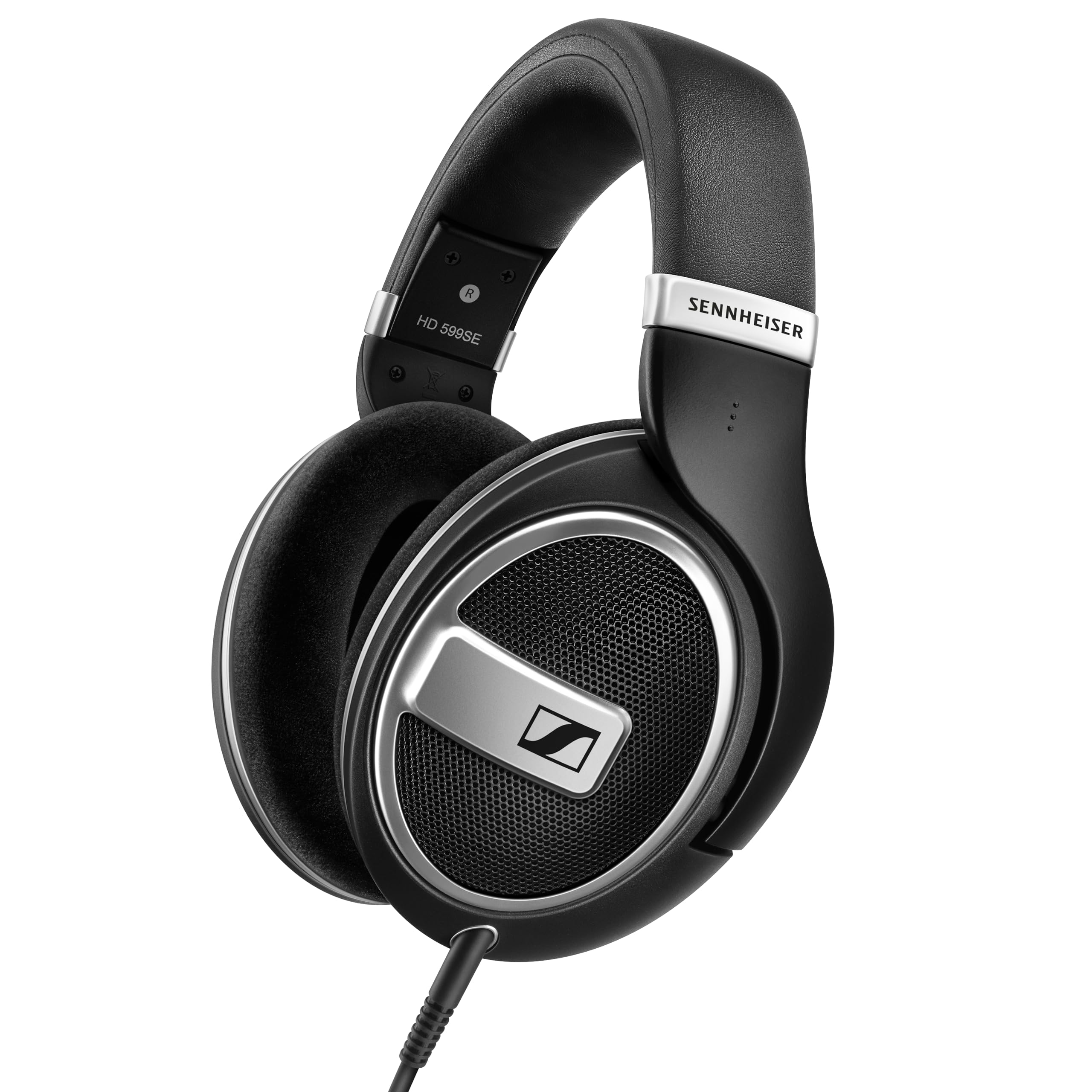
The Sennheiser HD 599 delivers an open-back soundstage that rivals models costing twice as much, thanks to its Ergonomic Acoustic Refinement (E.A.R.) technology that channels audio directly into the ear canal. The 38mm dynamic drivers produce a warm, inviting tonal balance — deep enough bass for cinematic gaming, clear mids for vocals, and treble that avoids the piercing peaks found on cheaper open-back designs.
At 50 ohms impedance and 106 dB SPL sensitivity, these are easy to drive from a laptop or phone, though a basic DAC or amplifier will tighten the low end further. The ultra-large, velour-covered ear pads eliminate pressure points during four-hour listening sessions, and the detachable cable system — including both a 3-meter and a 1.2-meter cable — makes them versatile for desktop or mobile use.
Where the HD 599 shines is its ability to present a convincing sense of space: in orchestral tracks or open-world games, the width and depth of the soundstage transform the listening experience. The lack of a carrying case and the plastic frame (though sturdy) are the only reminders that this is a budget-friendly entry into Sennheiser’s audiophile line.
Why it’s great
- Wide, natural soundstage ideal for gaming and classical music
- Extremely comfortable for extended listening sessions with velour pads
- Detachable cables with dual termination options add versatility
Good to know
- Open-back design offers zero noise isolation; leak sound significantly
- Plastic construction feels less premium than metal-framed competitors
2. Audio-Technica ATH-M50X Professional Studio Monitor Headphones

The ATH-M50X has become a closed-back reference standard for a reason: its proprietary 45mm large-aperture drivers with rare-earth magnets deliver a balanced yet engaging signature that exposes recording quality without being fatiguing. The bass is present and punchy without bleeding into the lower mids, the midrange remains transparent for vocal and instrument separation, and the treble extends cleanly with controlled sparkle.
The circumaural design seals tightly enough for use in live monitoring or tracking sessions, and the 90-degree swiveling ear cups make one-ear listening natural. Build quality leans heavily on metal and high-impact plastic, with a foldable hinge that survives years of daily packing. The detachable cable system includes three different cords (coiled, straight long, straight short), which is a rare convenience at any price tier.
Critical listeners should note the stock ear pads compress over time, slightly altering the seal and frequency response. Replacing them with aftermarket velour or hybrid pads restores the intended sound and improves comfort. Despite this minor maintenance, the M50X remains the most versatile closed-back option for anyone who needs one set of headphones for mixing, casual listening, and gaming.
Why it’s great
- Exceptional clarity and detailed bass without overpowering the mix
- Three detachable cables included for every use case
- Foldable metal build withstands heavy portable use
Good to know
- Stock ear pads lose shape and need replacement after a year
- Sound signature has a slight mid-bass emphasis, not perfectly flat
3. FiiO JT7 Over-Ear Planar Magnetic Headphones
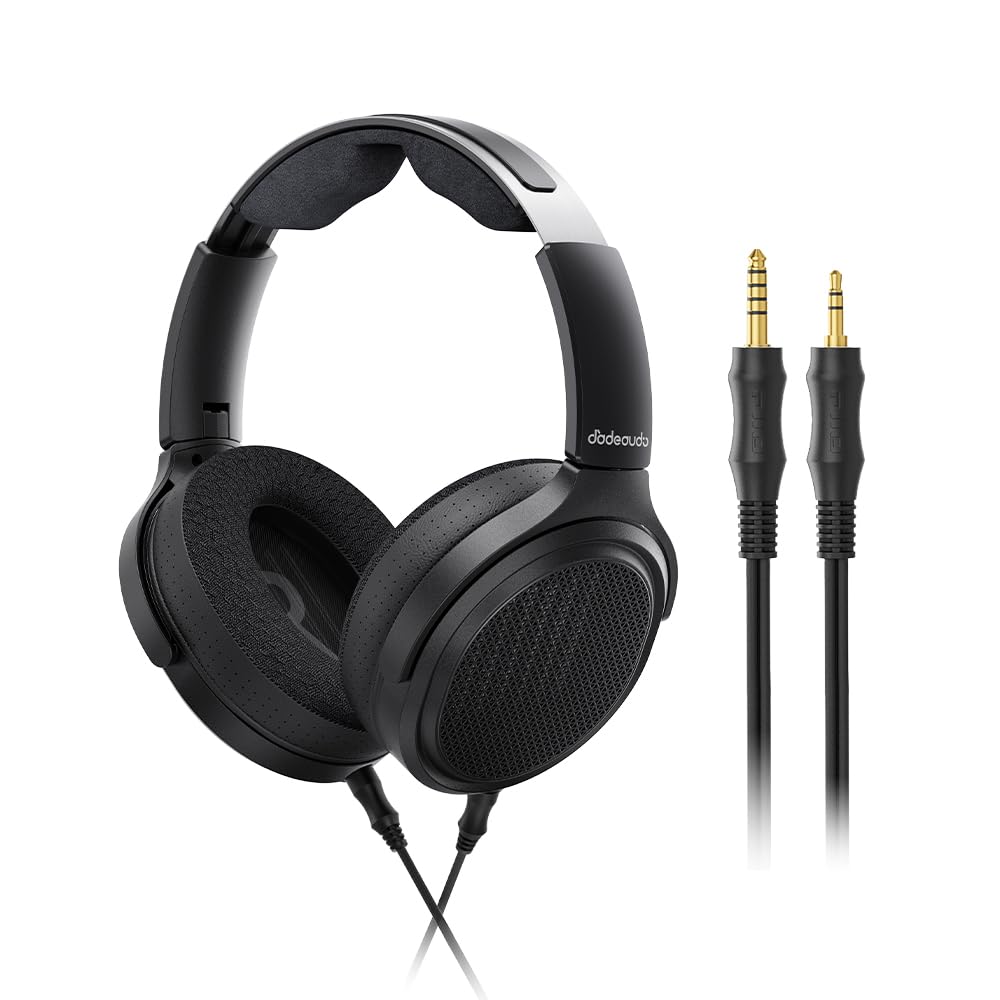
The FiiO JT7 is one of the most affordable ways to experience planar magnetic technology, using a large 95x86mm driver with a 3µm ultra-thin diaphragm to produce lower distortion and faster transient response than typical dynamic drivers under . The F.E.S. Elastic Support System enhances diaphragm excursion for deeper, more controlled bass — a frequency region where many budget planars sound thin or loose.
Weighing only 318 grams with a foldable four-axis design, the JT7 is surprisingly portable and comfortable for a planar headphone. It includes both a 3.5mm single-ended and a 4.4mm balanced cable, plus a 6.35mm adapter, ensuring compatibility with most sources. The breathable mesh fabric ear pads reduce heat buildup during long sessions, and both pads and headband are user-replaceable.
The trade-off is efficiency: at 92 dB/mW sensitivity, the JT7 benefits from a dedicated amplifier to reach its full dynamic range. Driven from a standard phone or laptop, the volume may be adequate but the bass definition and soundstage width improve noticeably with a balanced output. For those planning to build a desktop setup, the JT7 offers a clear path into planar performance without the usual price barrier.
Why it’s great
- Exceptional transient speed and low distortion for the price
- Ultra-light 318g foldable design rare in planar headphones
- Includes both 3.5mm and 4.4mm cables with adapter
Good to know
- Low sensitivity requires an amplifier for full performance
- Build relies on plastic and foam rather than full metal construction
4. Shure SRH440A Over-Ear Wired Studio Headphones

The Shure SRH440A builds on its predecessor’s legacy with an updated design that prioritizes accurate, transparent audio for recording and monitoring. Its closed-back, over-ear structure delivers a balanced, detailed sound signature with extended frequency response — no boosted bass or artificial treble — making it a reliable tool for critical listening sessions where tonal accuracy matters more than fun coloration.
Optimized impedance and power handling ensure consistent performance across audio interfaces, mixers, and laptops without needing a headphone amplifier. The lightweight frame and cushioned ear cups provide lasting comfort, while the collapsible design adds portability. The detachable locking cable prevents accidental disconnection during recording takes, a small detail that matters in studio workflows.
Some users with larger head shapes find the headband slightly short, causing the ear cups to not fully seal. Replacing the stock pads with thicker aftermarket options can solve this while preserving the neutral tuning. For vocalists, podcasters, and engineers who need honest playback without hype, the SRH440A is a focused, reliable choice.
Why it’s great
- Accurate, uncolored frequency response ideal for monitoring
- Detachable locking cable ensures reliability during recording
- Lightweight and collapsible for easy transport
Good to know
- Headband may feel short for larger head sizes
- Stock pads offer decent but not exceptional isolation
5. Audio-Technica ATH-M40x Professional Studio Monitor Headphones

The ATH-M40x is often described by engineers as having a more neutral, uncolored sound than its famous sibling the M50x. The 40mm drivers with rare-earth magnets and copper-clad aluminum wire voice coils deliver a flatter midrange and tighter bass response, making the M40x a preferred choice for reference monitoring where you need to hear the mix as recorded rather than as colored by the headphones.
The circumaural design offers excellent passive noise isolation, and the 90-degree swiveling ear cups allow easy single-ear monitoring. Build quality is rugged, though the all-plastic frame means it won’t survive drops as well as metal alternatives. The detachable cable system includes both a long straight and a coiled cable, secured by a twist-lock mechanism that prevents accidental unplugging.
The most common criticism is the stock ear pads: they are shallow and firm, causing discomfort for listeners with larger ears. Replacing them with Brainwavz velour or leather pads dramatically improves comfort and can slightly enhance the soundstage. Once modified, the M40x outperforms many closed-back models at double its price in terms of pure tonal accuracy.
Why it’s great
- Flatter, more neutral frequency response than the M50x
- Excellent passive noise isolation for closed-back monitoring
- Twist-lock detachable cables prevent accidental disconnection
Good to know
- Stock ear pads are uncomfortable for larger ears; replacement recommended
- All-plastic build limits long-term durability under heavy use
6. Sennheiser HD 280 Pro Headphone

The Sennheiser HD 280 Pro is built for one primary job: blocking ambient noise while delivering a warm, natural sound reproduction. With up to 32 dB of passive noise attenuation, these closed-back headphones outperform many active noise-cancelling models in raw isolation, making them a staple for recording studios, DJ booths, and noisy home environments where external sound must be eliminated.
The dynamic drivers produce a slightly warm tilt with controlled bass that stays clean rather than boomy, and the extended frequency response reveals detail without harshness. The coiled cable (3.3 to 9.8 feet) is durable and avoids tangling, and the collapsible earpieces make transport easier. Every consumable part — earpads, headband padding, and audio cord — is user-replaceable, a feature that dramatically extends the product’s usable life compared to sealed designs.
The clamping force is famously firm out of the box; some users find it uncomfortable for the first week of use. This loosens after a break-in period of about 12 hours, but listeners with large heads should test the fit carefully. The 64-ohm impedance is manageable for most devices but may require a slight volume increase on phones. For anyone working in loud spaces, the HD 280 Pro remains the gold standard for affordable passive isolation.
Why it’s great
- Best-in-class 32dB passive noise attenuation for noisy environments
- All wear parts (pads, cable, headband) are user-replaceable
- Warm, natural sound that avoids ear fatigue during long shifts
Good to know
- Initial clamping force is tight and requires a break-in period
- Coiled cable can be heavy and pulls on the head during movement
7. Linsoul Kiwi Ears Altruva Over Ear Headphone
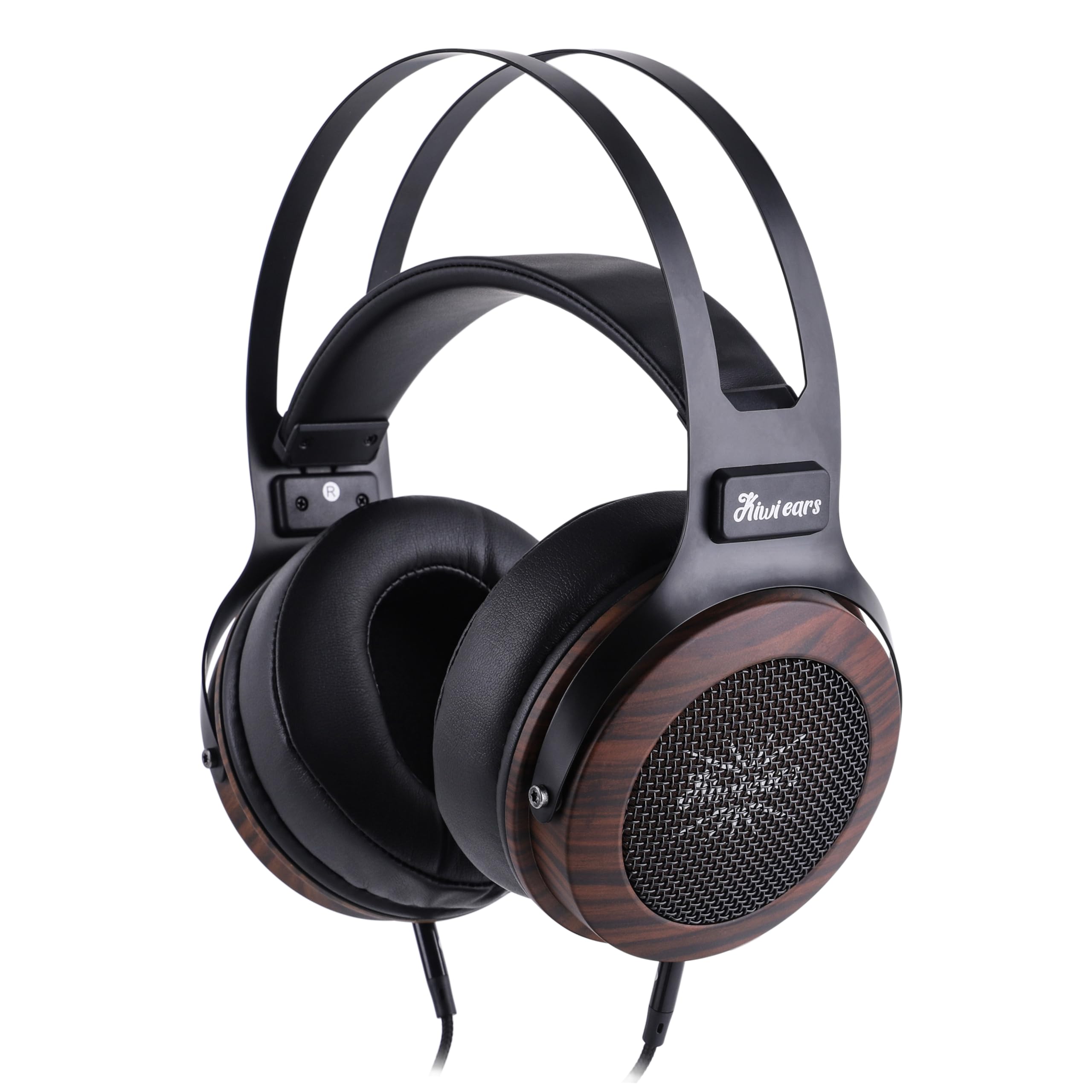
The Linsoul Kiwi Ears Altruva is a compelling surprise in the budget open-back category, pairing a custom 50mm dynamic driver with a PVD-coated steel, wood, and vegan leather build that looks and feels far more expensive than its price suggests. The studio-monitor-like tuning delivers fast, controlled bass that doesn’t bleed into the midrange, a natural and balanced midrange for accurate instrument and vocal reproduction, and clear, airy treble that extends to 40 kHz.
The open-back design creates a spacious soundstage with excellent imaging, rivaling the Hifiman HE400SE in width and detail at a significantly lower cost. It is efficient enough to be driven from a laptop or USB-C dongle without an amplifier, making it accessible for portable use. The dual 3.5mm jacks on each ear cup and the included 3-meter braided cable offer flexibility for desktop setups.
The build has some compromises: the head strap on early units has been reported to snap within weeks in rare cases, and the stock foam damping inside the ear cups can be removed by adventurous users to add more top-end sparkle. The velvet ear pads provide good comfort for long sessions, though clamp force is slightly tighter than average. For buyers who want maximum acoustic value with a premium aesthetic, the Altruva punches well above its weight.
Why it’s great
- Premium wood and steel design at a budget price point
- Excellent soundstage and imaging competitive with models
- Efficient 50mm driver runs well without a dedicated amp
Good to know
- Head strap durability has been inconsistent across early units
- Clamp force is tighter than average; may need break-in
FAQ
Why do audiophiles prefer open-back headphones for critical listening?
Can I use budget audiophile headphones without a headphone amplifier?
How important are replaceable earpads and cables for budget headphones?
Final Thoughts: The Verdict
For most users, the budget headphones for audiophiles winner is the Sennheiser HD 599 because it combines a wide, immersive open-back soundstage with exceptional all-day comfort and easy drivability, making it the most versatile pick for gaming, music, and critical listening. If you need closed-back isolation for noisy environments or recording, grab the Audio-Technica ATH-M50X for its detailed, balanced signature and robust build. And for those who want to explore the speed and low distortion of planar magnetic technology without the premium price, nothing beats the FiiO JT7 — just budget for a separate amplifier to unlock its full potential.

Mo Maruf
I created WellFizz to bridge the gap between vague wellness advice and actionable solutions. My mission is simple: to decode the research and give you practical tools you can actually use.
Beyond the data, I am a passionate traveler. I believe that stepping away from the screen to explore new environments is essential for mental clarity and physical vitality.