Our readers keep the lights on and my smoothie glass nicely filled. As an Amazon Associate, I earn from qualifying purchases.
Leaving your phone behind for a dedicated camera feels counterintuitive until you hit the zoom button at a concert and your photos turn into pixelated mush. The real pain point of a budget compact camera isn’t the price tag; it’s the crushing disappointment of a blurry, distant subject captured just out of reach.
I’m Mohammad Maruf — the founder and writer behind WellFizz. I’ve spent years analyzing sensor specs, lens reach, and stabilization systems across hundreds of cameras to separate genuine value from empty marketing promises.
For this guide, I focused on models that deliver real optical zoom without breaking the bank, evaluating image quality, portability, and ease of use to find the best budget compact camera that actually lets you capture the moment, not just a memory of frustration.
How To Choose The Best Budget Compact Camera
Choosing a budget compact camera means making smart trade-offs. You’re looking for the best optical zoom, a decent sensor, and reliable stabilization without spending more than your phone upgrade. Here’s what to focus on.
Optical Zoom vs. Digital Zoom
Optical zoom uses the lens to magnify the image without losing quality. Digital zoom simply crops and enlarges the image, which introduces grain and blur. For a budget compact camera, prioritize a high optical zoom number — models with 30x, 40x, or even 50x optical zoom let you capture distant subjects like wildlife, concerts, or mountain peaks with clarity.
Sensor Size and Low-Light Performance
The sensor captures light. A larger sensor typically performs better in dim conditions — think indoor events, evening walks, or restaurants. The 1-inch CMOS sensors found in some budget compacts offer a solid balance, while 1/2.3-inch sensors are more common in sub- models and struggle in low light. For brighter days, even a small sensor can produce vibrant photos.
Image Stabilization for Handheld Shooting
At high zoom levels, even tiny hand movements are magnified, leading to blurry shots. Optical Image Stabilization (OIS) physically moves lens elements to counteract shake, while digital stabilization crops the frame. Look for models with OIS or hybrid stabilization if you plan to shoot handheld at full zoom or record smooth video without a tripod.
Quick Comparison
On smaller screens, swipe sideways to see the full table.
| Model | Category | Best For | Key Spec | Amazon |
|---|---|---|---|---|
| Canon SX530 HS | Bridge Zoom | Extreme reach | 50x optical zoom (24-1200mm) | Amazon |
| Panasonic LUMIX FZ80D | Bridge Zoom | 4K video & post focus | 60x optical zoom (20-1200mm) | Amazon |
| Panasonic LUMIX ZS99 | Travel Zoom | Pocketable reach | 30x Leica zoom (24-720mm) | Amazon |
| Canon SX740 HS | Ultra-Zoom | 4K & compact zoom | 40x optical zoom (24-960mm) | Amazon |
| Nikon Z 30 Kit | Mirrorless | Vlogging & quality | APS-C 20.9MP sensor | Amazon |
| Sony ZV-E10 Kit | Vlogging Mirrorless | Professional vlogging | APS-C 24.2MP sensor | Amazon |
| Canon ELPH 360 HS | Pocket Point & Shoot | Everyday carry | 12x optical zoom (25-300mm) | Amazon |
| KODAK PIXPRO FZ55 | Entry Point & Shoot | Simple starter | 5x optical zoom (28mm wide) | Amazon |
| DJI Osmo Pocket 3 | Gimbal Camera | Stabilized video | 1-inch sensor, 3-axis gimbal | Amazon |
In‑Depth Reviews
1. Canon PowerShot SX530 HS (Renewed)

The Canon PowerShot SX530 HS packs a staggering 50x optical zoom lens — equivalent to 24-1200mm — into a body that still feels manageable in hand. This renewed model gives you the same 16MP CMOS sensor and DIGIC 4+ processor that originally made it a fan favorite, delivering sharp daylight shots and smooth 1080p Full HD video.
Built-in Wi-Fi and NFC make transferring your best shots to a smartphone nearly instant, perfect for sharing from the field. The 3-inch LCD offers a generous 461,000 dots for reviewing composition. While autofocus can feel a beat slow when pulling from wide to full telephoto in one motion, the sheer reach at this value point is hard to beat.
Battery life is moderate — you’ll want a spare for long days. It requires a separately purchased SD card (up to 128GB). The renewed condition means you get a fully functional unit at a significant discount, making this an excellent entry point for anyone needing extreme zoom without the extreme price.
Why it’s great
- 50x optical zoom reaches 1200mm equivalent
- Built-in Wi-Fi for instant photo sharing
- Excellent value for renewed condition
Good to know
- Autofocus can be slow on quick zoom pulls
- Battery life is moderate; carry a spare
- No 4K video — 1080p only
2. Panasonic LUMIX FZ80D

The Panasonic LUMIX FZ80D pairs a 60x optical zoom lens (20-1200mm equivalent) with 4K video recording, making it one of the most versatile bridge cameras for the price. The POWER O.I.S. stabilization genuinely helps keep handheld telephoto shots steady, and the Post Focus feature lets you refine focus after you’ve pressed the shutter — a rare capability at this level.
Its 2,360K-dot electronic viewfinder (0.74x magnification) remains usable even in bright sunlight, solving a common pain point for outdoor photographers. The 4K Photo mode grabs 8MP stills from 4K video bursts, useful for capturing fast-moving subjects like birds or kids at play. The 39-point contrast-detect autofocus is quick and reliable in good light.
Low-light performance is a known trade-off with the small sensor — expect grain above ISO 1600. The battery drains noticeably faster when you frequently use the zoom motor, so carrying spares is recommended. It lacks built-in Wi-Fi for instant sharing; you’ll need a card reader for transfers.
Why it’s great
- 60x zoom with effective image stabilization
- 4K video and 4K Photo burst mode
- High-resolution electronic viewfinder
Good to know
- Small sensor struggles in low light
- Battery drains quickly with heavy zoom use
- No built-in Wi-Fi for wireless transfers
3. Panasonic LUMIX ZS99

The Panasonic LUMIX ZS99 (also known as TZ99) proves you don’t need a massive bridge camera for serious reach. Its 30x Leica DC Vario-Elmar lens (24-720mm equivalent) collapses into a body that slides into a jeans pocket, making it the ultimate travel companion. The 1,840k-dot tiltable touchscreen adds flexibility for low-angle shots or overhead concerts.
4K video at 30p and 4K Photo burst at 30fps give you room to capture split-second moments. The stepped zoom control and Lens Position Resume feature — which returns to your last used focal length after powering off — are thoughtful touches for event shooters. Built-in Bluetooth 5.0 and a dedicated Send Image button streamline wireless transfer to your phone.
Maximum aperture of F3.3-F6.4 limits low-light performance, and chromatic aberration can appear at the frame edges at full telephoto. Some units sold through resellers may be international TZ versions. If you prioritize pocketability and reach, this is a balanced performer.
Why it’s great
- 30x Leica zoom in a pocketable body
- Tiltable touchscreen for creative angles
- Bluetooth for quick smartphone transfers
Good to know
- Small maximum aperture limits low-light shots
- Chromatic aberration at full telephoto
- No viewfinder — screen only
4. Canon PowerShot SX740 HS (Bundle)
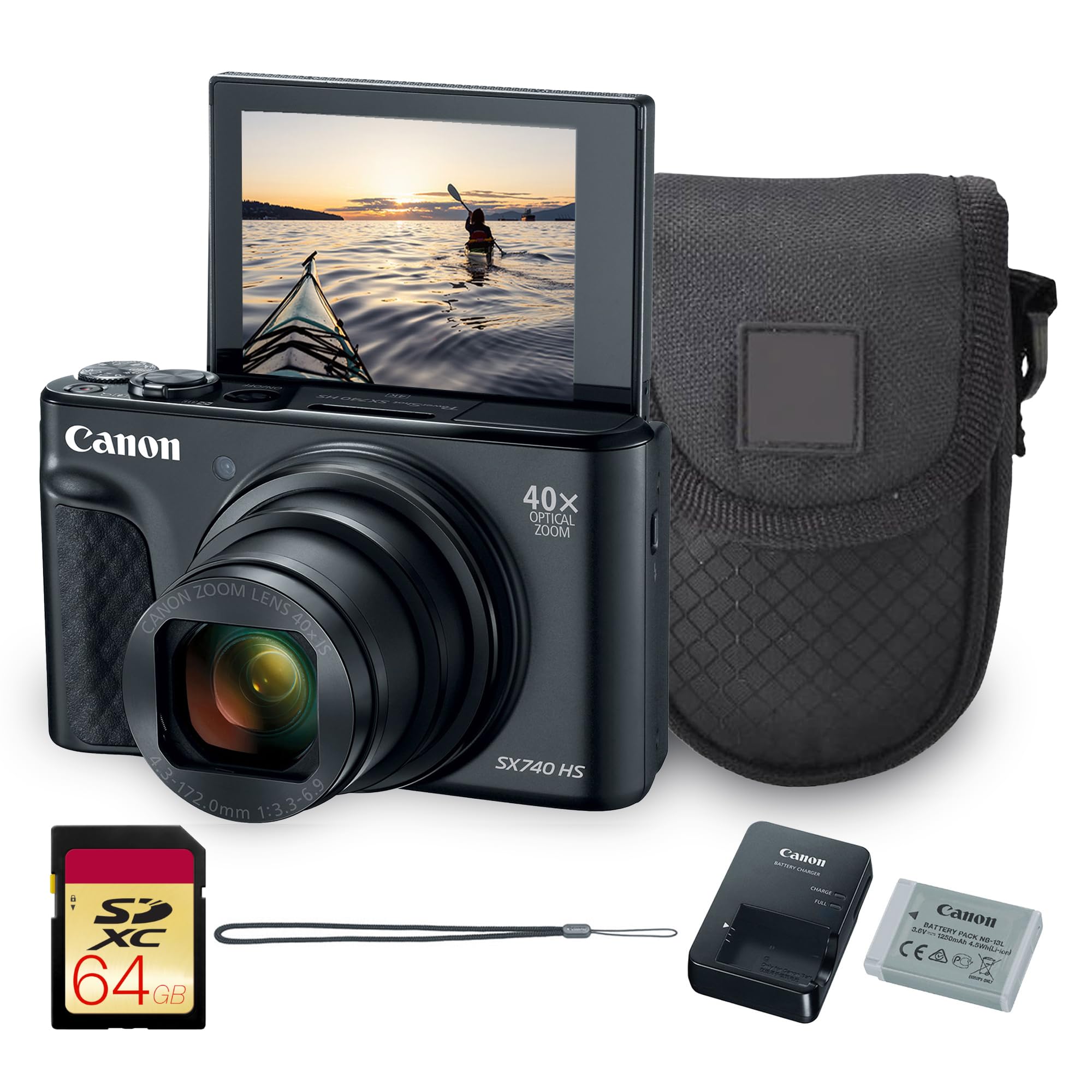
The Canon PowerShot SX740 HS delivers a 40x optical zoom (24-960mm equivalent) alongside 4K UHD video recording, all packed into a compact body that’s smaller than most bridge cameras. The 20.3MP CMOS sensor and DIGIC 8 processor produce bright, color-accurate photos with decent detail retention up to ISO 800. Five-axis image stabilization helps keep handheld video footage smooth.
Built-in Wi-Fi and Bluetooth make sharing quick via the Canon Camera Connect app, and the 3-inch tilting screen is a boon for selfies and vlogging. Bundle inclusions like a bag and 64GB card mean you’re ready to shoot immediately. Users consistently report strong battery performance, with some lasting a full five-day trip on a single charge.
Its maximum aperture ranges from F3.5 to F6.4, so low-light shots will require steady hands. There is no touchscreen or viewfinder. Some bundles through third-party sellers ship international units that cannot be registered for US warranty — ensure the listing specifies Canon USA authorized to avoid that issue.
Why it’s great
- 40x zoom with 4K UHD video
- Compact enough for a jacket pocket
- Excellent battery life for extended trips
Good to know
- No touchscreen or viewfinder
- Narrow aperture struggles in low light
- Verify US warranty authorization before buying
5. Nikon Z 30 Kit

The Nikon Z 30 is a mirrorless camera that steps up from traditional compacts with a larger APS-C sensor (20.9MP) and interchangeable Z-mount lenses. The kit includes the compact NIKKOR Z DX 16-50mm f/3.5-6.3 VR lens, offering solid image stabilization and naturally blurred backgrounds. Eye-tracking autofocus for people and pets ensures sharp portraits even during movement.
It records sharp 4K 30p video with no recording time limit — a huge plus for vloggers and streamers. The flip-out touchscreen selfie monitor and the red REC light on the front make it obvious when you’re live. USB-C streaming in Full HD 60p works as a plug-and-play webcam, and the camera can run on constant power over USB-C for long sessions.
The biggest compromise here is the lack of a built-in viewfinder — you’ll rely entirely on the rear screen for framing. The 16-50mm kit lens offers only 3x optical zoom, far less than bridge cameras. But the image quality and low-light performance are dramatically better than any point-and-shoot at a similar price.
Why it’s great
- APS-C sensor for superior image quality
- Unlimited 4K video recording
- Flip-out screen and USB-C streaming
Good to know
- No viewfinder — framing via LCD only
- Kit lens limited to 3x optical zoom
- Requires learning mirrorless controls
6. Sony ZV-E10 Kit

The Sony ZV-E10 is a purpose-built vlogging mirrorless camera that excels with its 24.2MP APS-C Exmor CMOS sensor and oversampled 4K 30p video. The kit lens — a 16-50mm f/3.5-5.6 OSS power zoom — offers optical stabilization and a versatile focal range equivalent to 24-75mm. The vari-angle touchscreen flips forward for selfies, and the three-capsule built-in mic captures clear directional audio.
Advanced video features like S-Log and HLG gamma allow color grading flexibility that rivals much more expensive rigs. USB-C supports high-quality webcam streaming, and the lightweight body (under 400g with lens) makes all-day carry effortless. The bundle includes a 64GB memory card, bag, and tripod, so you’re fully equipped out of the box.
Autofocus uses 425 phase-detection points but defaults to contrast detection in video mode, which can hunt slightly in low light. The menu system is dense and not immediately intuitive for beginners. The 16-50mm kit lens is acceptable but not optically excellent; upgrading to a prime lens later unlocks the camera’s true potential.
Why it’s great
- Oversampled 4K with S-Log color options
- Vari-angle screen and excellent built-in mic
- Full bundle with bag, card, and tripod
Good to know
- Menu system is complex for beginners
- Kit lens quality limits resolution potential
- AF hunts in low light during video
7. Canon PowerShot ELPH 360 HS (Bundle)
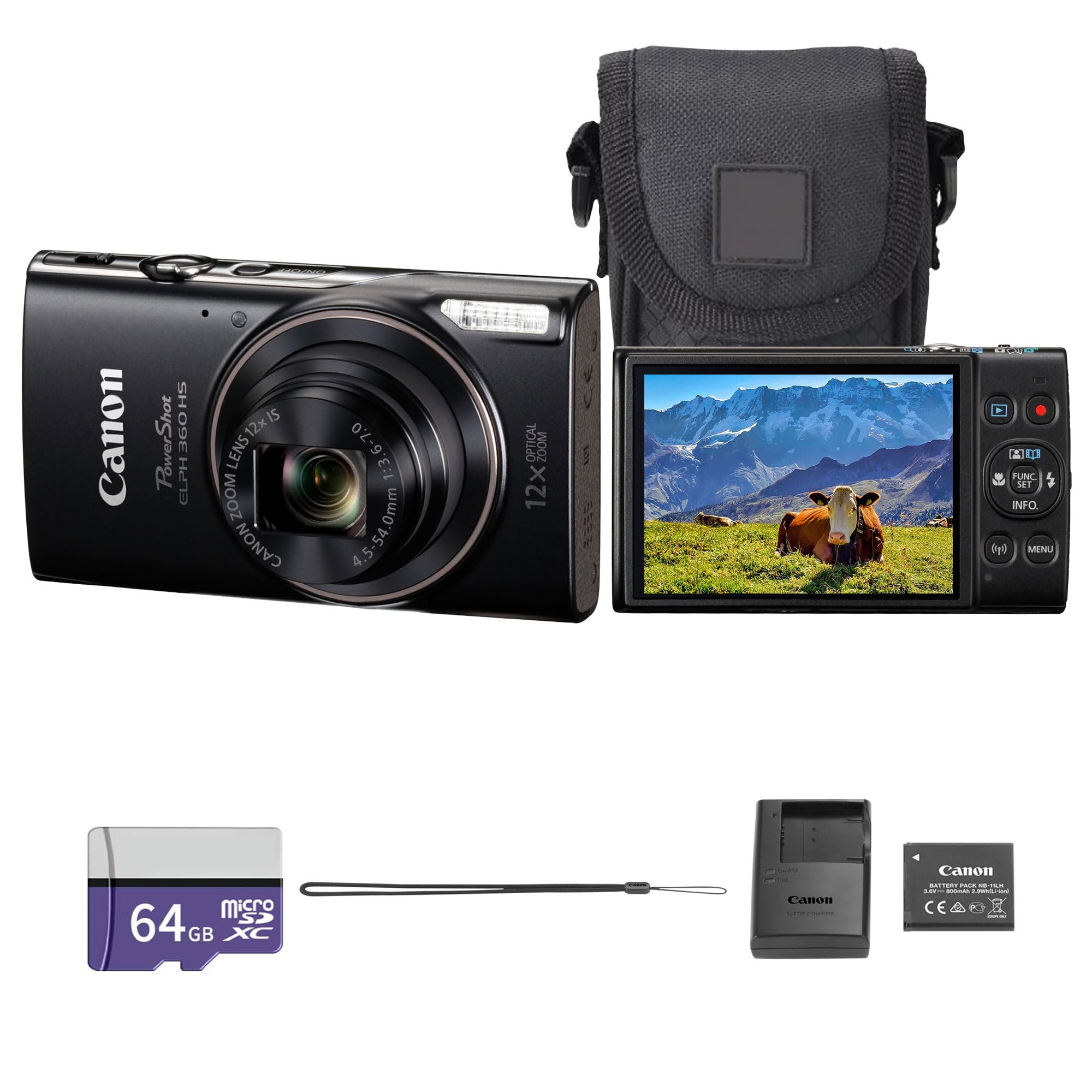
The Canon PowerShot ELPH 360 HS is a true pocket point-and-shoot with a 12x optical zoom (25-300mm equivalent) and Intelligent IS stabilization. Its 20.2MP CMOS sensor and DIGIC 4+ processor deliver vibrant, detailed stills in good light, and the 7.2 fps burst shooting is handy for capturing active kids or pets. Full HD 1080p video at 30 fps is smooth and stabilized.
Creative modes like Hybrid Auto and Creative Shot add fun effects in-camera without requiring editing software. The 3-inch LCD is clear and responsive. The bundle includes a 64GB microSD card and a case. Its compact size — truly pocketable — makes it a go-anywhere alternative to a phone.
Despite the premium price, the 12x zoom is modest compared to bridge cameras. There is no flash, and the battery is not included (requires separate purchase). Low-light performance is limited by the small sensor. Some users report the bundled case does not properly fit the camera. At this price, you are paying for size and convenience rather than reach.
Why it’s great
- True pocket-sized form factor
- Intelligent IS for steady handheld shots
- Fun creative modes for instant edits
Good to know
- Only 12x optical zoom — much less than top picks
- No flash and battery not included
- Bundled case may not fit properly
8. KODAK PIXPRO FZ55 (Bundle)
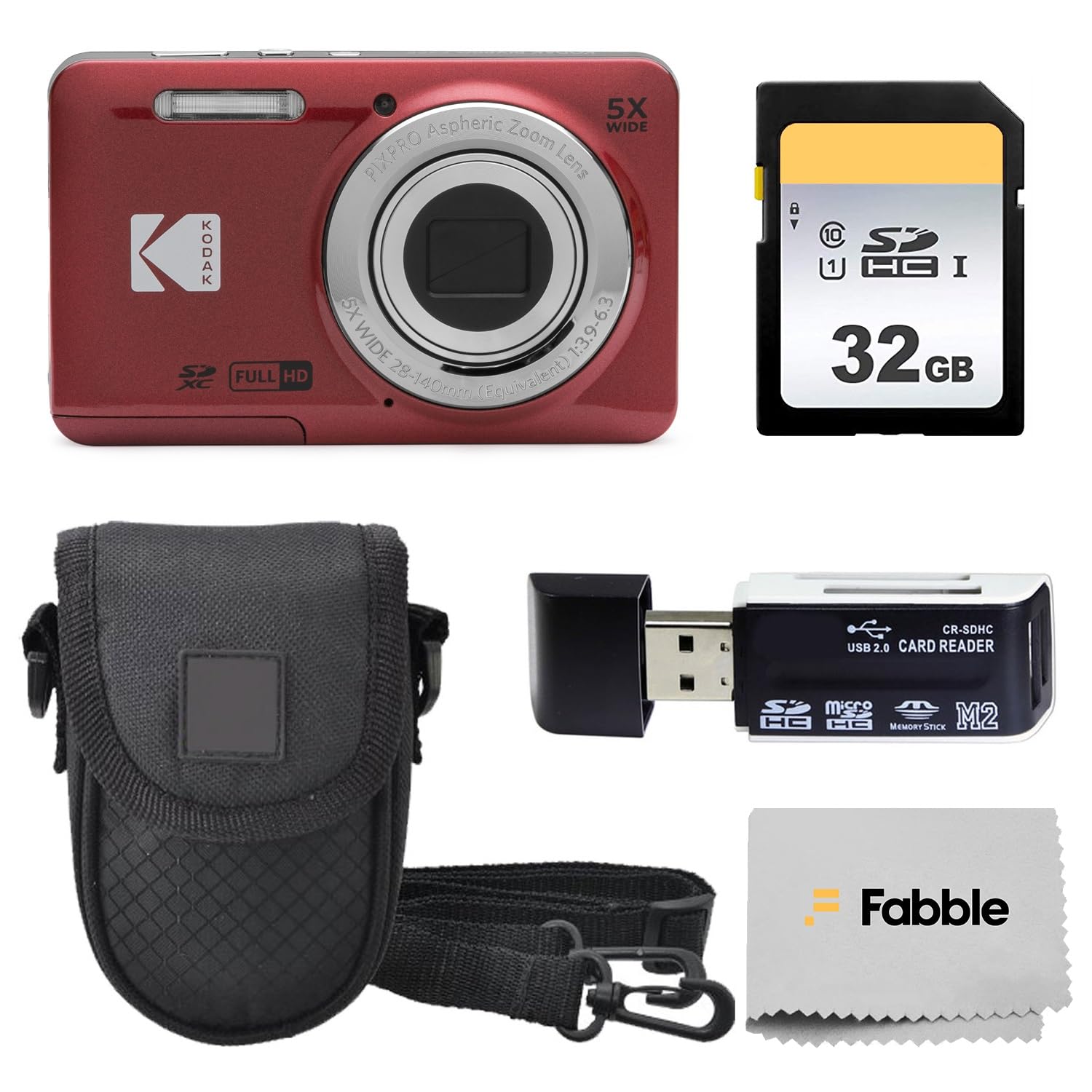
The KODAK PIXPRO FZ55 is the no-frills entry point for anyone who wants a dedicated camera without spending much. Its 16MP sensor and 5x optical zoom (28mm wide) are basic but capable of producing clear, vibrant photos in bright daylight. The 2.7-inch LCD screen is small but serviceable for composing shots and reviewing images. 1080p Full HD video recording meets basic needs.
The bundle with a 32GB SD card, protective case, and card reader removes the hassle of buying accessories separately. Users consistently praise its simple setup and user-friendly interface. For job site photos, quick family snapshots, or a child’s first camera, it gets the job done without overwhelming the user.
The 5x optical zoom is limited — you cannot reach far subjects. Low-light performance is poor; photos get grainy quickly in dim conditions. The camera is very small, which may feel cramped for large hands. This is a safe gift or backup camera, not a primary shooter for serious photographers.
Why it’s great
- Complete bundle ready to shoot out of the box
- Very simple, user-friendly controls
- Compact and lightweight for easy carry
Good to know
- Only 5x zoom — very limited reach
- Poor performance in low light
- Small body may be uncomfortable for larger hands
9. DJI Osmo Pocket 3
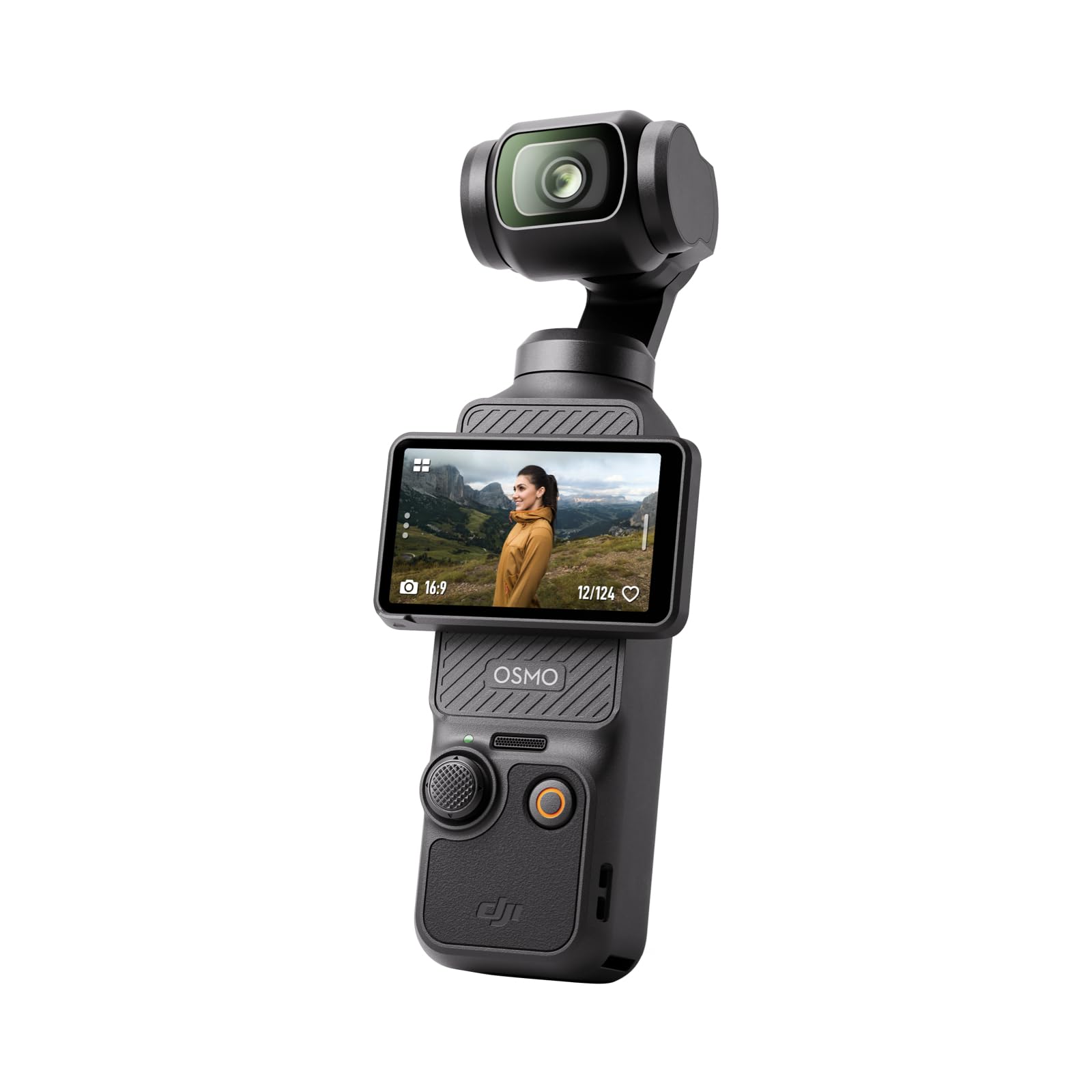
The DJI Osmo Pocket 3 is a radically different kind of compact camera — a motorized gimbal with a 1-inch CMOS sensor and 4K 120fps recording. Its 3-axis mechanical stabilization produces buttery-smooth video that rivals professional gimbals, making it ideal for vloggers, travelers, and creators who prioritize handheld footage. The 2-inch rotatable touchscreen switches between horizontal and vertical framing instantly.
ActiveTrack 6.0 keeps subjects locked in frame automatically, and the fast autofocus system maintains sharp focus during movement. D-Log M and 10-bit color depth capture over one billion colors, giving you flexibility in post-production. The pocket-sized form factor (including the built-in gimbal) is genuinely pocketable, and battery life averages around 166 minutes of continuous use.
This is not a traditional point-and-shoot — there is no optical zoom (only digital crop). The 1-inch sensor is excellent for video but the effective still resolution is only 9.4 MP. Battery charging requires a separate 30W USB-C charger (not included). If your primary need is still photography, a traditional compact camera will serve you better.
Why it’s great
- Professional 3-axis internal gimbal in a pocket body
- 1-inch sensor for sharp 4K 120fps video
- Rotatable screen for quick H/V switching
Good to know
- No optical zoom — only digital crop
- 9.4 MP stills are limited for photo-focused use
- Charger is sold separately; not included
FAQ
Is optical zoom much better than digital zoom on a compact camera?
Can a budget compact camera replace my smartphone for daily photos?
Why do some compact cameras have no viewfinder?
Final Thoughts: The Verdict
For most users looking for the best budget compact camera, the winner is the Canon PowerShot SX530 HS because it delivers 50x optical zoom at a remarkable value, making distant subjects feel close. If you want 4K video and the flexibility of post-focus, grab the Panasonic LUMIX FZ80D. And for pocketable reach that fits in a jeans pocket, nothing beats the Panasonic LUMIX ZS99.

Mo Maruf
I created WellFizz to bridge the gap between vague wellness advice and actionable solutions. My mission is simple: to decode the research and give you practical tools you can actually use.
Beyond the data, I am a passionate traveler. I believe that stepping away from the screen to explore new environments is essential for mental clarity and physical vitality.