Our readers keep the lights on and my smoothie glass nicely filled. As an Amazon Associate, I earn from qualifying purchases.
The market for affordable smartphones has shifted dramatically. Where budget phones once meant accepting a dim, low-resolution LCD and a sluggish chipset, the current generation offers vibrant AMOLED displays that reach 120Hz, 50MP camera systems with AI scene optimization, and batteries that comfortably last two full days on a single charge. The challenge is no longer finding a functional device for a low price; it’s discerning which combination of trade-offs—be it processor generation, IP rating, storage speed, or software update policy—actually aligns with how you use your phone daily.
I’m Mohammad Maruf — the founder and writer behind WellFizz. I spend my time parsing hardware datasheets, comparing chipset benchmarks, and cross-referencing carrier compatibility lists to find the real-world value in this crowded price segment.
After evaluating dozens of unlocked models under the threshold, the standouts are the devices that refuse to compromise on display quality and battery endurance. What follows is a curated look at the very best candidates for the best budget android phone.
How To Choose The Best Budget Android Phone
Selecting a budget Android phone requires balancing several critical components. The key is to identify which specifications you cannot live without and which you are willing to trade to stay within the price bracket.
The Display Is Everything
The screen is the component you interact with the most, and it is often where budget phones cut corners. A 60Hz LCD panel with poor viewing angles can make the phone feel older than it is, while a 90Hz or 120Hz AMOLED display delivers a fluid, vibrant experience that elevates every app. Prioritize a good display over camera megapixels or raw clock speed; it is the single spec that defines daily satisfaction.
Battery Capacity and Charging Speed
A budget phone with a 4000mAh battery may struggle to get you through a full day of moderate use, while a 5000mAh cell comfortably lasts into a second day. However, capacity is only half the equation. Check the included charging speed—entry-level models often ship with a 10W or 15W brick, which can take two-plus hours to fully charge a large battery. Look for 25W or faster charging if you need quick top-ups.
Software Updates and Longevity
This is where budget phones differ drastically. Some manufacturers promise only one major OS update and two years of security patches, while others guarantee six years of updates. If you plan to keep the phone for more than two years, the update policy directly determines how secure and functional it remains. Prioritize devices with a proven track record for long-term software support.
Storage and RAM Configuration
Most phones in this segment start at 128GB of storage, which is adequate for photos and essential apps. Some models still offer expandable storage via microSD, a feature becoming rarer even in premium devices. RAM is equally important: 6GB is the comfortable baseline for multitasking, while 8GB ensures better app retention and smoother performance with heavier usage.
Quick Comparison
On smaller screens, swipe sideways to see the full table.
| Model | Category | Best For | Key Spec | Amazon |
|---|---|---|---|---|
| Samsung Galaxy A17 5G | Mid-Range | Long-term software support | 6.7″ FHD+ Super AMOLED | Amazon |
| Google Pixel 7 | Mid-Range | Camera and software experience | Google Tensor G2 chipset | Amazon |
| TCL 60 XE NXTPAPER 5G | Mid-Range | Eye comfort and unique display | 6.8″ 120Hz NXTPAPER display | Amazon |
| FOSSIBOT F110Pro 5G | Premium | Extreme durability and battery | 10000mAh battery | Amazon |
| Samsung Galaxy A26 5G | Premium | High-refresh AMOLED and performance | 6.7″ 120Hz Super AMOLED | Amazon |
| Bark Phone | Mid-Range | Parental controls for kids | Bark monitoring software | Amazon |
| Motorola Moto G Pure | Budget | Basic communication on a tight budget | MediaTek Helio G25 processor | Amazon |
| Google Pixel 10 Pro | Premium | Cutting-edge camera and AI features | Google Tensor G5 chipset | Amazon |
| Motorola razr+ (2023) | Premium | Compact foldable with large external screen | 3.6″ pOLED external display | Amazon |
In‑Depth Reviews
1. Samsung Galaxy A17 5G
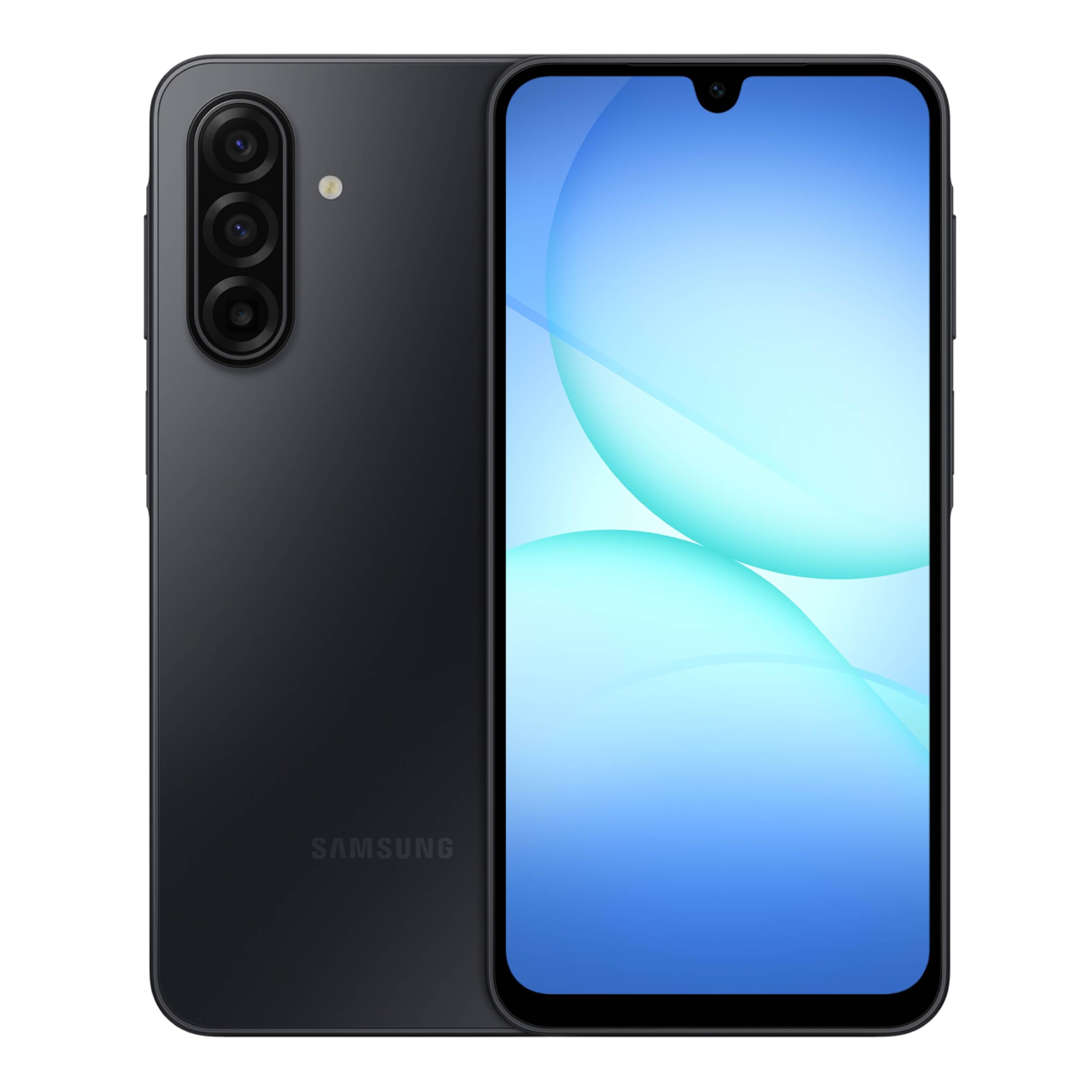
The Galaxy A17 5G represents a new baseline for what a budget phone should deliver. Its 6.7-inch FHD+ Super AMOLED display is the standout feature—colors are punchy, blacks are deep, and the 385 PPI pixel density makes text noticeably sharper than the 270 PPI LCDs found on even cheaper Samsung models. The switch to an AMOLED panel at this price point significantly changes the way you consume media and read.
Performance from the unnamed octa-core chipset paired with 4GB of RAM is adequate for social media, navigation, and light gaming, though you will notice some lag when launching apps or switching between several open tabs. The 5000mAh battery easily stretches to two days, and Super Fast Charging via 25W brings it back in about an hour and a half. The triple-lens camera produces usable shots in good light, but don’t expect flagship-level detail in low light.
Samsung’s promise of six OS upgrades and six years of security updates sets a new standard for the budget category. That commitment alone makes this phone a smarter long-term investment than almost anything else in its price range. The IP54 rating adds splash and dust resistance, a welcome bonus that few competitors offer.
Why it’s great
- Excellent Super AMOLED display with high pixel density
- Longest software update commitment in its price class: 6 OS and 6 years of security patches
- IP54 water and dust resistance for added durability
Good to know
- 4GB of RAM can feel constrained with heavy multitasking or gaming
- No 3.5mm headphone jack
- UI occasionally stutters after wake-up
2. Google Pixel 7

The Google Pixel 7 delivers a camera experience that rivals phones costing significantly more. The 50MP main sensor, combined with Google’s computational photography, produces sharp, well-exposed shots in nearly any lighting condition. The ultrawide lens and up to 8x Super Res Zoom add versatility that budget phones rarely offer. The Magic Eraser and other software tools are genuinely useful, not gimmicks.
The 6.3-inch AMOLED display runs at a smooth 90Hz, making scrolling and animations feel fluid. The Google Tensor G2 chipset handles daily tasks with ease, and the phone lacks the bloatware that plagues many other brands—it’s a clean Android experience with guaranteed updates directly from Google. The 5000mAh battery delivers a full day of use, but heavy users may need a top-up before bedtime.
The IP68 water and dust resistance rating is exceptional for the price segment, giving you peace of mind against accidental drops in water. The fingerprint sensor embedded in the display is reliable but slightly slower than the best capacitive readers. The Pixel 7 is an excellent choice if camera quality and software purity are your top priorities on a budget.
Why it’s great
- Outstanding camera performance with excellent computational photography
- Clean, bloatware-free Android with guaranteed Google updates
- IP68 water and dust resistance in a budget-friendly package
Good to know
- Battery life is solid but not the best in the category for heavy users
- No expandable storage
- Fingerprint sensor can be inconsistent; face unlock is less secure
3. TCL 60 XE NXTPAPER 5G

The TCL 60 XE NXTPAPER 5G is unlike any other phone on this list because of its display. The 6.8-inch FHD+ panel uses TCL’s NXTPAPER 3.0 technology to simulate the look and feel of paper, significantly reducing blue light and eliminating glare. It offers four display modes—Standard, Ink Paper, Color Paper, and Max Ink—so you can optimize for reading, media, or battery savings with a single tap. It is a compelling option for anyone who spends hours reading or browsing at night.
Under the hood, the MediaTek Dimensity 6300 processor with 8GB of physical RAM and an additional 8GB of virtual RAM provides smooth multitasking and responsive app switching. The 50MP main camera captures detailed shots, and the 32MP front-facing camera is excellent for selfies. The 5010mAh battery easily lasts a full day, and the included 5W reverse charging lets you top up earbuds or another phone on the go.
The device includes a 3.5mm headphone jack and supports both a physical Nano SIM and eSIM, which are rare combinations in 2024. The broad carrier compatibility with AT&T, T-Mobile, and Verizon, along with many MVNOs, makes it a truly unlocked 5G phone. The matte finish on the screen is unique but slightly reduces touch sensitivity, and finding cases may be more difficult than for mainstream brands.
Why it’s great
- Revolutionary NXTPAPER display that reduces eye strain and glare
- 8GB physical RAM plus 8GB virtual RAM for smooth performance
- Includes 3.5mm headphone jack and supports dual SIM with eSIM
Good to know
- Touch sensitivity is slightly lower than standard glass panels
- Fewer case and accessory options available compared to Samsung or Motorola
- Wake gestures can be unreliable at times
4. FOSSIBOT F110Pro 5G
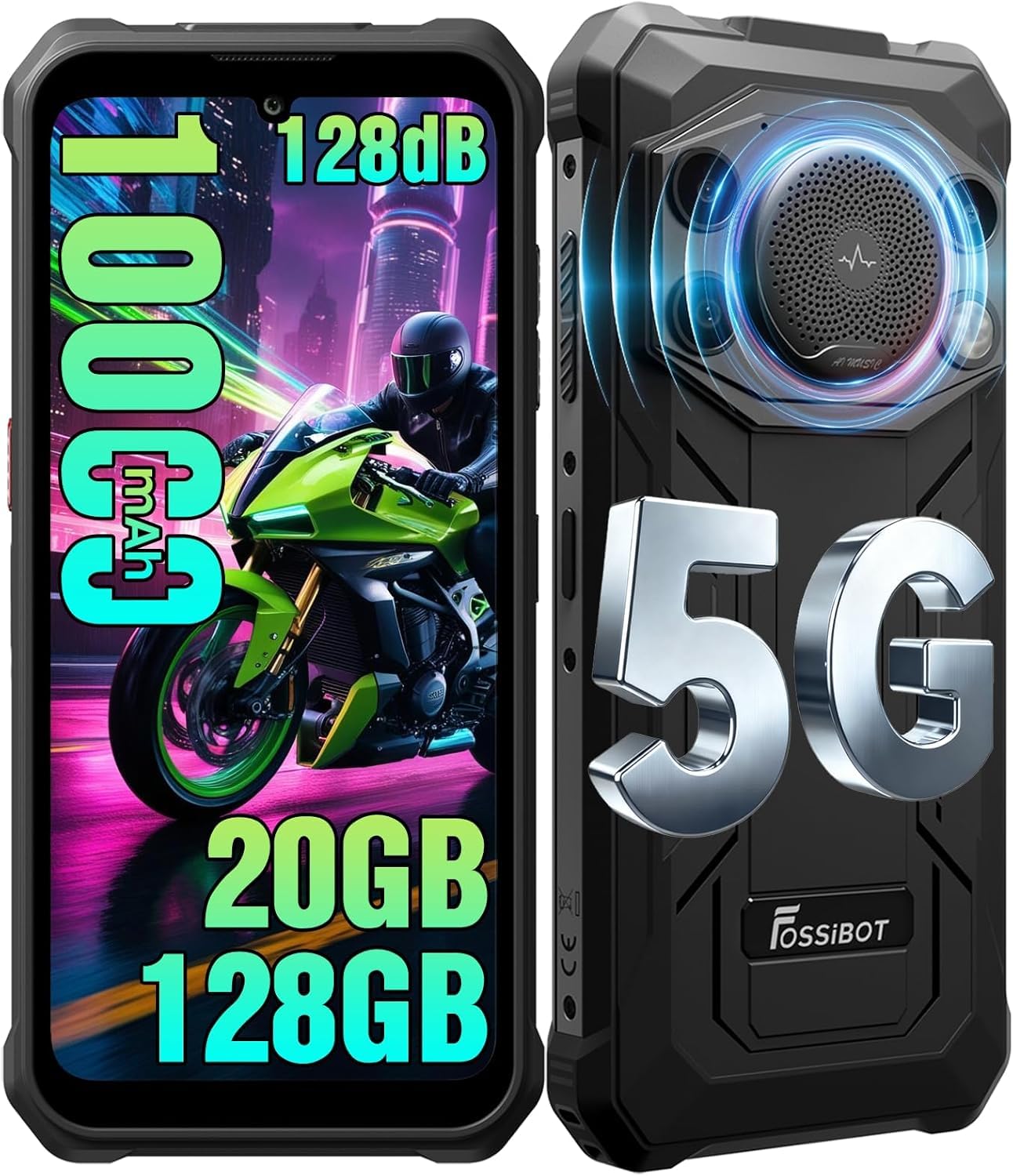
The FOSSIBOT F110Pro 5G is engineered for environments where standard phones fail. Its IP68/IP69K and MIL-STD-810H certifications mean it survives drops, dust, and immersion in water. The 10000mAh battery is enormous, delivering three to four days of heavy use and up to 43 hours of talk time. The 128dB speaker is genuinely loud enough for outdoor job sites or noisy environments without missing a call or alert.
Performance is handled by the MediaTek Dimensity 6300+ chipset, paired with 8GB of physical RAM and 12GB of virtual RAM for a total of 20GB. This configuration runs Android 15 smoothly and handles multitasking without stutter. The 50MP AI camera takes solid daylight shots, though low-light photography is not its strength. The 6.745-inch HD+ display is large and bright enough for outdoor visibility but does not match the vividness of an AMOLED panel.
The phone does have significant drawbacks for the average user. It is heavy and chunky due to its rugged build and massive battery. Carrier compatibility is limited—it works with T-Mobile and its MVNOs but does not support AT&T, Cricket, Verizon, or Xfinity Mobile. Check your carrier before purchasing. The included OTG adapter lets you use the phone as a power bank, a thoughtful feature for long trips.
Why it’s great
- Unmatched battery life with a 10000mAh cell that lasts days
- IP68/IP69K and MIL-STD-810H military-grade durability
- Extremely loud 128dB speaker for outdoor and industrial use
Good to know
- Heavy and bulky; not suited for everyday pocket carry
- Limited carrier support; does not work with AT&T or Verizon
- Display is LCD, not AMOLED, with lower contrast
5. Samsung Galaxy A26 5G

The Samsung Galaxy A26 5G builds on the solid foundation of the A-series by adding a 120Hz Super AMOLED display that makes scrolling, animations, and gaming feel remarkably fluid. The 6.7-inch panel offers excellent color accuracy and brightness, and the 1080×2340 pixel resolution ensures sharp details. The 5000mAh battery provides reliable all-day endurance, and the included 25W charger refills it quickly.
Storage is a generous 256GB—double most budget competitors—and the microSD card slot supports expansion up to 2TB. The 50MP primary camera, paired with an 8MP ultrawide and 2MP macro lens, captures versatile images with good detail in good lighting. The front-facing 13MP camera is capable of 4K video recording at 30fps, a rare feature at this price. The IP67 water resistance rating adds another layer of durability, handling submersion in up to one meter of water for 30 minutes.
This is an international model, so it works best with T-Mobile and its MVNOs; users on AT&T or Verizon may face compatibility issues with new activations. The Exynos 1280 chipset and 8GB of RAM handle everyday tasks well, but gaming performance lags behind similarly priced Snapdragon competitors. The phone receives up to six major Android upgrades and six years of security patches.
Why it’s great
- Outstanding 120Hz Super AMOLED display for buttery-smooth visuals
- 256GB internal storage plus microSD expansion up to 2TB
- IP67 water and dust resistance for added protection
Good to know
- International model; T-Mobile compatibility is best, may have issues with AT&T and Verizon for new activations
- Exynos 1280 chipset is not ideal for heavy gaming
- No U.S. manufacturer warranty; seller return policy applies
6. Bark Phone
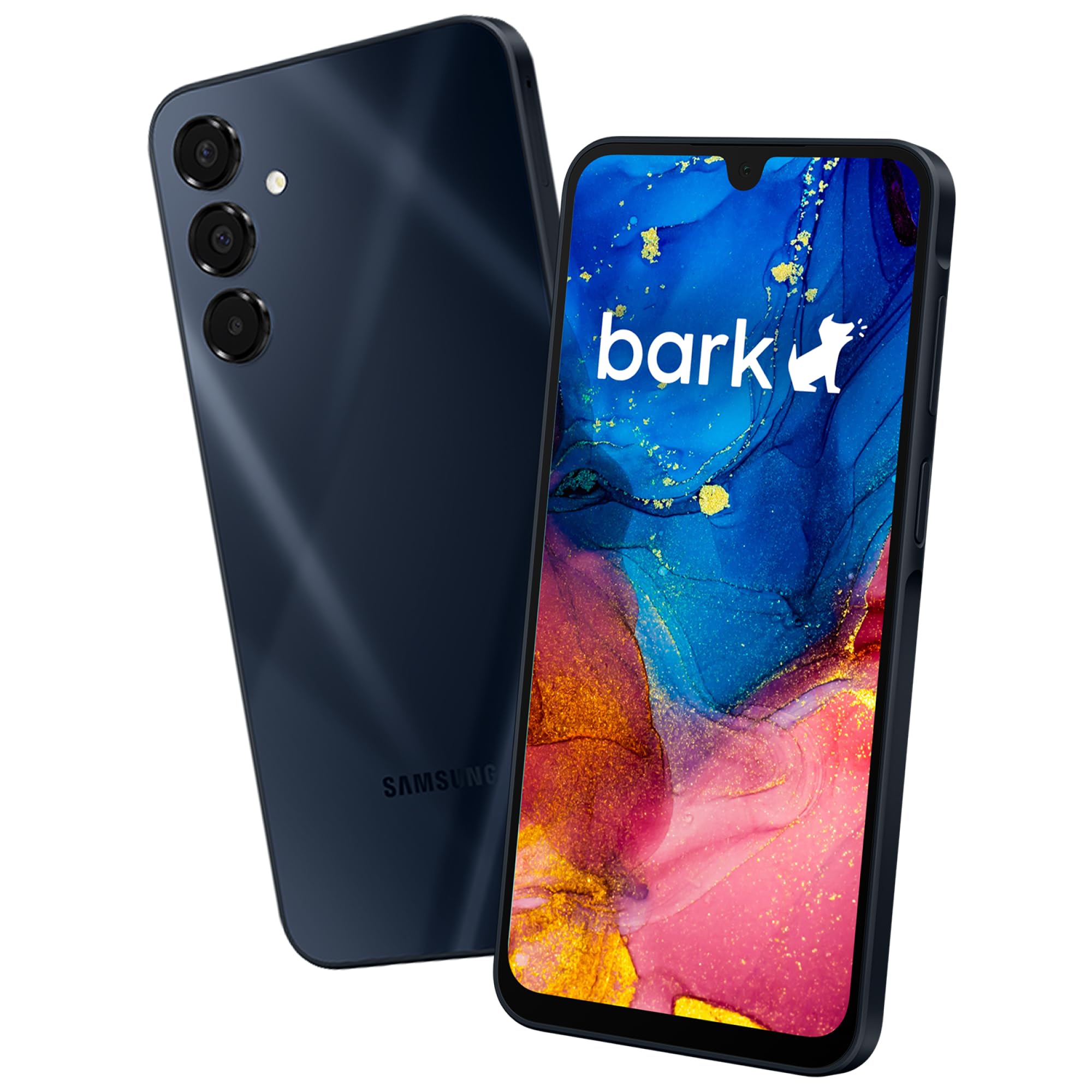
The Bark Phone is a purpose-built solution for parents who want to give their child a smartphone without the usual risks. It runs on a Samsung A16 hardware base, but the real value is in the Bark monitoring software that scans texts, emails, and over 30 social media platforms for signs of cyberbullying, sexting, suicidal ideation, and drug-related content. Parents receive alerts without having to read every message.
The tamper-proof parental controls prevent the child from deleting texts or bypassing restrictions. You can approve apps and contacts, filter web content, and pause the internet entirely when needed. The real-time GPS location tracking offers three modes—live map, custom location alerts, and check-ins—giving multiple ways to stay informed about your child’s whereabouts. The 5000mAh battery provides all-day battery life, and the AMOLED display is bright and clear.
The Bark Phone itself costs the same as a standard budget phone, but you must subscribe to a monthly plan to maintain the monitoring features. Plans start for basic talk and text and go up to unlimited data. Setup is straightforward, and customer feedback consistently highlights how the device gives parents peace of mind while giving children a sense of responsibility. It does require a data plan and app subscriptions beyond the hardware purchase.
Why it’s great
- Comprehensive monitoring across texts and 30+ social apps
- Tamper-proof controls that kids cannot bypass
- Multiple GPS tracking options for peace of mind
Good to know
- Requires an ongoing monthly subscription for monitoring features
- Storage is limited to 32GB
- Only supports 4G LTE, not 5G
7. Motorola Moto G Pure

The Motorola Moto G Pure is a no-frills option that focuses on the essentials: calls, texts, navigation, and light app usage. The 6.5-inch Max Vision HD+ display is adequate for video streaming, though the LCD panel lacks the vibrance of more expensive phones. The MediaTek Helio G25 processor handles basic tasks but will stutter if you attempt to run multiple apps or heavier games.
The 13MP dual-camera system includes Night Vision mode, which is a welcome inclusion at the entry level and can produce usable low-light shots with steady hands. The 4000mAh battery lives up to its two-day claim for light use, and the water-repellent design offers basic protection against splashes. The phone ships with near-stock Android 11 and is eligible for a single update to Android 12, so software longevity is limited.
The Moto G Pure is one of the most affordable unlocked phones available, but the compromises are real. The 32GB of storage fills up quickly with apps and photos, though you can expand via microSD. The lack of 5G or NFC means no mobile payments or fast mobile data. For a child’s first phone or a backup device, it is functional. For daily driving with modern apps, it will feel slow.
Why it’s great
- Very accessible price point for a basic smartphone
- Decent two-day battery life for light usage
- Near-stock Android interface with minimal bloatware
Good to know
- Limited to a single OS update (Android 12)
- 32GB storage fills quickly; performance slows over time
- No 5G, no NFC, and the processor is underpowered for multitasking
8. Google Pixel 10 Pro

The Google Pixel 10 Pro pushes far beyond typical budget territory, but it earns mention for those who want the absolute best camera and AI experience available on Android. The Google Tensor G5 chip enables advanced features like Gemini Live, which allows natural conversational AI interactions, and Pro Res Zoom that captures distant subjects with astonishing clarity. The triple rear camera system, led by a 50MP sensor, produces photos that rival dedicated cameras.
The 6.3-inch Super Actua display reaches a stunning 3300-nit peak brightness, making it one of the brightest screens on the market and exceptionally usable in direct sunlight. The durable aluminum frame with Corning Gorilla Glass Victus 2 offers premium build quality and drop resistance. The 4870mAh battery lasts a full day even with heavy use, and the 8K video capability is a first for the Pixel lineup.
This is a flagship-class device, and its cost reflects that. If you are strictly shopping in the budget segment, the Pixel 10 Pro will exceed your price anchor. However, for users whose primary criteria are photography and software innovation, it sets the ceiling for what Android can achieve. The lack of expandable storage and the omission of a charger in the box are minor inconveniences at this price point.
Why it’s great
- Unmatched camera quality with AI-powered features and 8K video
- Brilliant Super Actua display with 3300-nit peak brightness
- Next-gen Gemini AI assistant for advanced hands-free tasks
Good to know
- Significantly more expensive than other options on this list
- No expandable storage
- Charger not included in the box
9. Motorola razr+ (2023)

The Motorola razr+ (2023) is our premium outlier, a foldable flip phone that prioritizes form factor innovation. Its 3.6-inch external display is the largest and most functional on any flip phone, allowing you to reply to texts, use apps, take selfies, and control media without opening the device. Flip it open and you are greeted by a 6.9-inch pOLED screen with an ultra-smooth refresh rate that makes the foldable crease less noticeable than earlier generations.
Powered by the Snapdragon 8+ Gen 1 chipset, the razr+ handles gaming and multitasking with ease. The 3800mAh battery is smaller than most non-foldable phones and typically requires a daily charge, but the 30W TurboPower charging and wireless charging support help mitigate that. The 32MP front camera and flexible main cameras let you capture high-quality selfies using the external display as a viewfinder, a feature that foldable users love.
Durability remains a concern for any foldable. Users have reported screen damage at the crease after several months, and the hinge can feel less robust than a traditional candybar design. The razr+ is slim and pocketable when folded, but the foldable mechanism adds weight. This is a style-driven choice for those who value a compact footprint and a large internal screen over battery longevity and long-term durability.
Why it’s great
- Innovative foldable design with the largest external display available on a flip phone
- Powerful Snapdragon 8+ Gen 1 processor for flagship-level performance
- Compact when folded; fits easily into small pockets
Good to know
- Screen crease is visible and can develop lines over time
- 3800mAh battery requires daily charging, shorter than non-foldable phones
- High price point and potential hinge durability concerns
FAQ
Is 4GB of RAM enough for a budget Android phone?
How long will a budget Android phone receive software updates?
Can I use a budget Android phone with any carrier?
Final Thoughts: The Verdict
For most users, the best budget android phone winner is the Samsung Galaxy A17 5G because it delivers a superior AMOLED display, a massive 5000mAh battery, an industry-best six-year software support commitment, and useful IP54 dust and water resistance—all for a price that leaves competitors in the dust. If you want the absolute best camera and cleanest software experience, grab the Google Pixel 7. And for those who spend hours reading and need a screen that is gentle on the eyes, nothing beats the TCL 60 XE NXTPAPER 5G.

Mo Maruf
I created WellFizz to bridge the gap between vague wellness advice and actionable solutions. My mission is simple: to decode the research and give you practical tools you can actually use.
Beyond the data, I am a passionate traveler. I believe that stepping away from the screen to explore new environments is essential for mental clarity and physical vitality.