Our readers keep the lights on and my smoothie glass nicely filled. As an Amazon Associate, I earn from qualifying purchases.
The gap between a walking shoe and a walking boot is measurable in miles—the right boot supports the arch, locks the heel, and distributes impact across the entire footbed so your lower back and knees don’t ache after a long day on pavement. Boots built for walking prioritize midsole cushioning density and outsole flexibility over the stiff shanks and aggressive lugs found in traditional hiking boots, making them a different category altogether.
I’m Mohammad Maruf — the founder and writer behind WellFizz. I’ve spent years analyzing footbed geometry, midsole foam formulations, and outsole wear patterns across hundreds of footwear models to identify which constructions hold up for daily walking regimens.
Whether you’re logging steps on city sidewalks or covering uneven park trails, the right pair makes the difference between pain and pleasure. This guide breaks down the genuine differences in cushioning, support, and durability to help you find the best boots for walking that match your stride and your budget.
How To Choose The Best Boots For Walking
Walking boots sit at the intersection of athletic shoe flexibility and boot durability. The wrong pair punishes your feet with blisters or joint pain; the right pair disappears under your stride. Here are the three factors that matter most.
Cushioning Density and Midsole Foam
Walking generates repetitive low-impact forces that require consistent energy return, not just shock absorption. Look for midsoles with ethylene-vinyl acetate (EVA) densities above 0.2 g/cm³ or polyurethane (PU) foams that resist compression set over hundreds of miles. Lightweight foams feel soft in the store but often flatten within three months of daily walking, causing heel and arch fatigue.
Arch Support and Heel Lock
A walking boot needs a stable heel counter that cups the calcaneus and prevents side-to-side slip with each step. Removable insoles are a strong feature because they let you replace the stock footbed with an orthotic that matches your arch height—flat feet need medial posting, while high arches require deeper heel cups. Boots that lock the heel without pinching the instep reduce hot spots and blister risk on long days.
Outsole Flexibility and Tread Pattern
Walking demands a boot that bends at the metatarsal heads, not at the midfoot. A stiff shank designed for rock climbing interferes with the natural roll of the foot on pavement. Look for outsoles with multi-directional flex grooves and tread depths between 3 mm and 5 mm—shallow enough to avoid catching on sidewalks, deep enough for packed dirt and light trails.
Quick Comparison
On smaller screens, swipe sideways to see the full table.
| Model | Category | Best For | Key Spec | Amazon |
|---|---|---|---|---|
| Timberland White Ledge | Premium | All-terrain walking and multi-day hikes | Waterproof leather with 4mm multi-directional lugs | Amazon |
| New Balance 608 V5 | Premium | Long shifts on concrete floors | PU midsole with 1.5x compression resistance | Amazon |
| Cliffs by White Mountain Pathfield | Premium | Fashion-forward urban walking | 2.5 lb bootie with wide toe box | Amazon |
| Columbia Men’s Strata Trail | Mid-Range | Iceland and snow walking | Techlite midsole with Omni-Grip rubber | Amazon |
| Skechers Go Walk Glide Step 2.0 | Mid-Range | Hands-free slip-on for shift workers | Ultra Go midsole with 2-piece outsole | Amazon |
| Columbia Women’s Transverse Hike | Mid-Range | Immediate comfort out of the box | Omni-Grip outsole with Techlite midsole | Amazon |
| Skechers Go Run Elevate 2.0 | Budget | Light walking and errands | 1.5 lb sneaker with non-slip sole | Amazon |
In‑Depth Reviews
1. Timberland Men’s White Ledge Mid Waterproof Hiking Boots

The mid-height collar provides enough ankle wrap to prevent roll without restricting dorsiflexion, making it ideal for mixed-terrain walks that transition from sidewalk to gravel to wet grass. Reviewers consistently report comfort on long days—one user logged over a year of daily wear with the sole still intact, a durability metric rare in this price tier.
The outsole uses a non-marking rubber compound with 4mm lugs spaced to shed mud quickly, and the flex grooves at the ball of the foot enable a natural walking gait that stiffer boots block. The removable insole sits over a PU footbed that resists compression better than basic EVA foams, which is critical for walkers who exceed 10,000 steps daily. Many users find the fit runs slightly large and recommend sizing down half a step for a locked heel fit.
A small but vocal group of reviewers notes that the waterproof membrane requires maintenance—mink oil applications every few months preserve the seal, and the boot must air dry fully after wet exposure. This is not a set-and-forget boot; it rewards careful owners with years of service. The tongue is gusseted but not fully sealed, so deep puddle immersion may eventually seep through the lace zone. For walkers who prefer periodic care over disposable footwear, this remains a top-tier option.
Why it’s great
- Durable full-grain leather outlasts synthetic uppers by years
- Multi-directional lug pattern grips loose gravel and wet rock
- Roomy toe box accommodates thick socks and orthotics
Good to know
- Requires periodic waterproofing reapplication
- Runs large—order half size down for snug fit
- Break-in period needed for some foot shapes
2. New Balance Men’s 608 V5 Casual Comfort Cross Trainer

The New Balance 608 V5 occupies a unique space in the walking boot landscape—it looks like a cross-trainer but walks like a boot thanks to a polyurethane midsole that resists compression at roughly 1.5 times the rate of standard EVA foams. This matters most for walkers who spend eight-plus hours on concrete or tile: the 608 maintains its cushion profile throughout a shift, whereas softer shoes flatten and transfer shock to the knees and lower back by hour four. The 100% genuine leather upper with padded tongue and collar adds structure without the weight of a full hiking boot.
Reviewers consistently highlight the stability of the wide base and the slip-resistant outsole pattern, which handles wet floors and light trail surfaces without sacrificing flexibility at the forefoot. The removable insole allows users to replace the stock footbed with custom orthotics, a critical feature for walkers with plantar fasciitis or flat arches. One reviewer reported 20,000 steps daily wearing these for a year before the sole separated—a failure mode common in high-mileage situations but acceptable given the cost per mile.
The 608 V5 runs true to size for most foot shapes, though users with very narrow heels may find the heel pocket slightly loose without a thicker sock. The aesthetic is deliberately utilitarian—smooth leather with minimal branding—which works for casual office environments but won’t turn heads on a trail. The primary limitation is the tread depth: at around 3 mm, it’s designed for pavement and gym floors, not loose scree or deep mud.
Why it’s great
- PU midsole resists flattening on hard surfaces
- Genuine leather upper conforms to foot over time
- Excellent for long standing shifts and daily commutes
Good to know
- Shallow outsole not designed for off-road trails
- Heel pocket may feel loose for narrow feet
- Upper requires conditioning to prevent cracking
3. CLIFFS BY WHITE MOUNTAIN Shoes Pathfield Women’s Lace-up Hiker Style Bootie
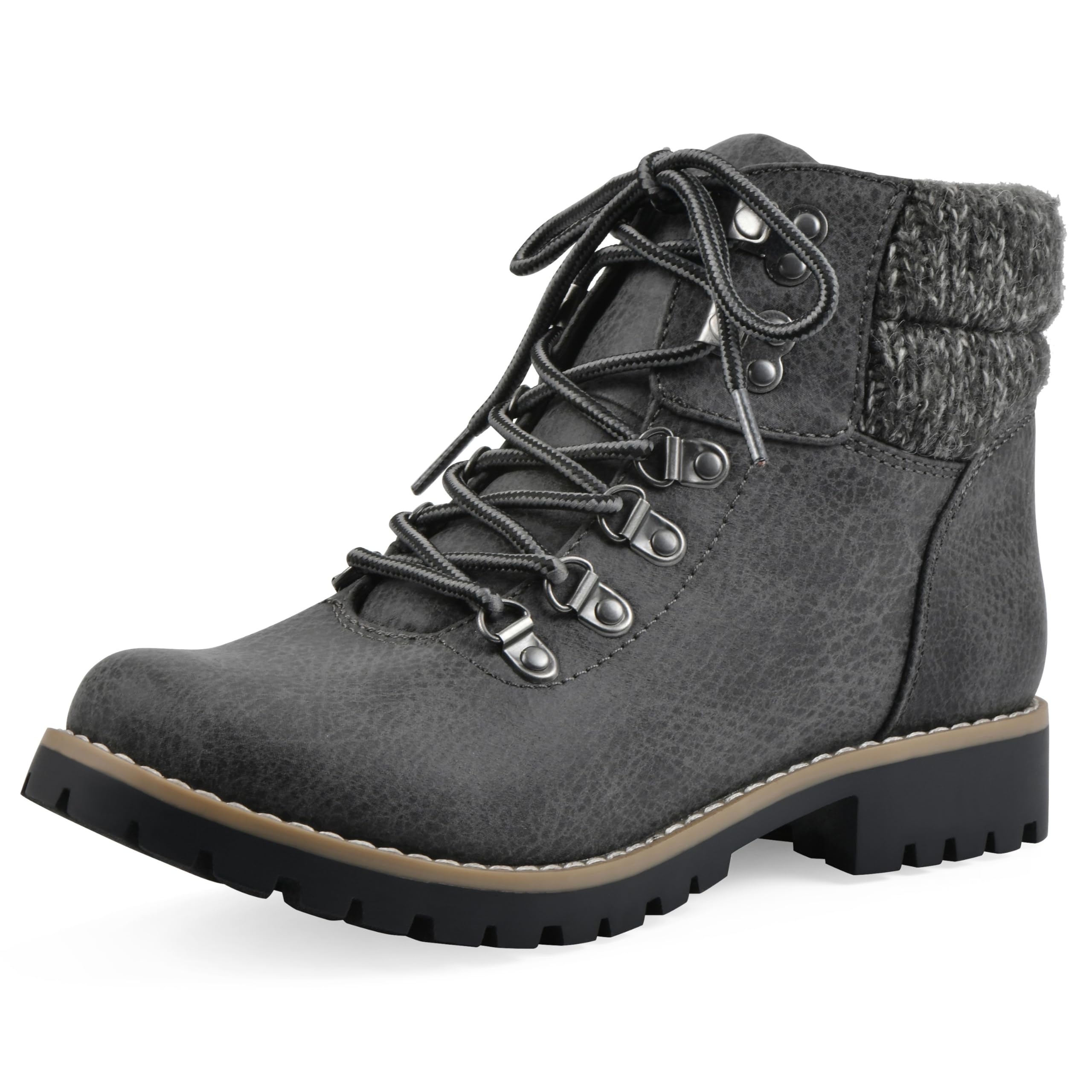
The Pathfield bootie from Cliffs by White Mountain bridges the aesthetic gap between a fashion hiker and a functional walking boot, using a synthetic upper with faux leather overlays that keep the weight down to 2.5 pounds per pair while maintaining structure. The round toe box provides generous space for splay, which reviewers with bunions and arthritis specifically call out as a relief compared to tapered fashion boots. The lace-up closure extends fully to the toe, allowing fine-tuned volume adjustment across the instep—a rarity in this style segment.
The outsole uses a rubber compound with moderate tread depth suitable for pavement, packed dirt, and shallow puddles, though the boot is not marketed as fully waterproof. Multiple reviewers confirm the boot handled rain and wet grass without leaking, but immersion in deeper water will wet the foot. The footbed is fixed but accommodates a thin orthotic insert, and the EVA midsole provides enough cushion for two-to-three-mile urban walks without bottoming out.
Durability notes are mixed: the outsole and upper hold up well across seasons, but the laces are a known weak point with some users reporting fraying or tearing within two months. Replacing laces is inexpensive, but the failure suggests the lacing hardware lacks the abrasion resistance of pricier boots. The style factor is high—reviewers consistently compliment the look in photos and in person, making this a strong choice for walkers who want boot-like support with a casual feminine silhouette.
Why it’s great
- Wide round toe box accommodates bunions and orthotics
- Stylish silhouette works with jeans, skirts, and leggings
- Lightweight enough for all-day wear
Good to know
- Not fully waterproof for deep puddles
- Laces may fray within a few months
- Fixed footbed limits aftermarket orthotic depth
4. Columbia Men’s Strata Trail Mid Waterproof
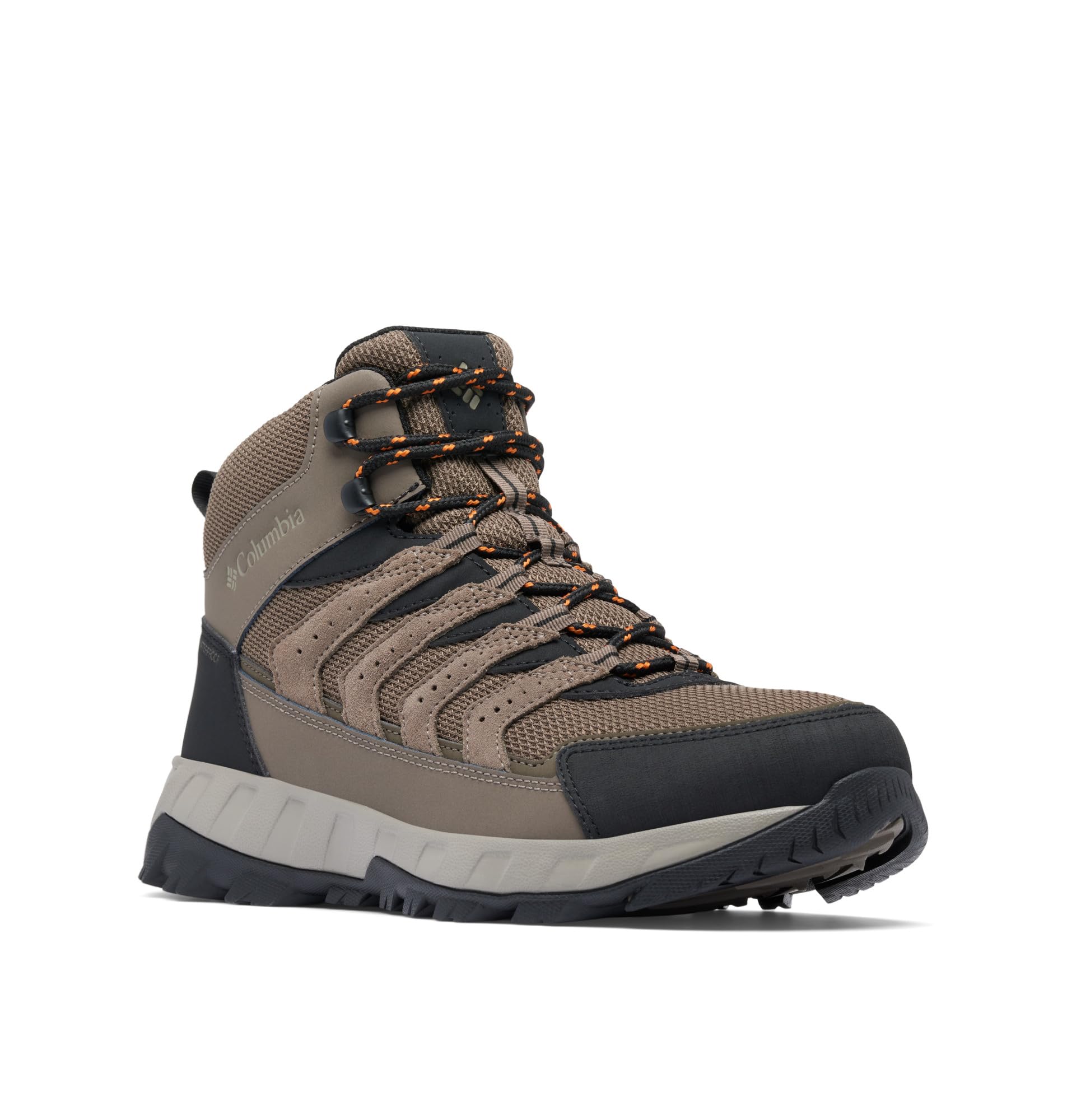
The Columbia Strata Trail Mid delivers immediate out-of-box comfort that requires zero break-in, thanks to a Techlite midsole formulation that combines soft initial feel with progressive rebound over the first fifty miles. The upper uses a mix of real suede and textile, which keeps the weight low while providing enough structure for lateral stability on uneven ground. The Omni-Grip outsole features chevron-shaped lugs that bite into soft terrain and shed mud effectively, making this boot equally competent on damp forest trails and wet city streets.
Reviewers who wore these for 14-hour days in Iceland—glacier walks, puddled paths, and volcanic scree—reported no arch pain, no pinched toes, and fully dry feet throughout. The generous toe box accommodates thick merino socks without compressing the metatarsals, and the lacing system stays tied even after hours of movement, a minor but frustrating point where many boots fail. The boot fits true to size for most users, though a few with wider feet found the forefoot snug and recommend sizing up half for extra volume.
Not all experiences are friction-free: a subset of reviewers found the tongue attachment caused a fold that pressed against the shin when laced tightly, requiring a cutting adjustment to relieve pressure. One user slipped on loose gravel despite the good tread pattern, suggesting the rubber compound prioritizes trail grip over slick rock adhesion. The waterproof membrane breathes well enough for three-season use but may trap heat in sustained summer walking above 85°F.
Why it’s great
- Zero break-in period with immediate cushion comfort
- Excellent waterproofing for wet trail conditions
- Lightweight suede/textile upper reduces fatigue
Good to know
- Tongue attachment may fold and press shin
- Not ideal for loose slick rock surfaces
- Warm in high summer temperatures
5. Skechers Women’s Go Walk Glide Step 2.0 Elektra Hands Free Slip-ins
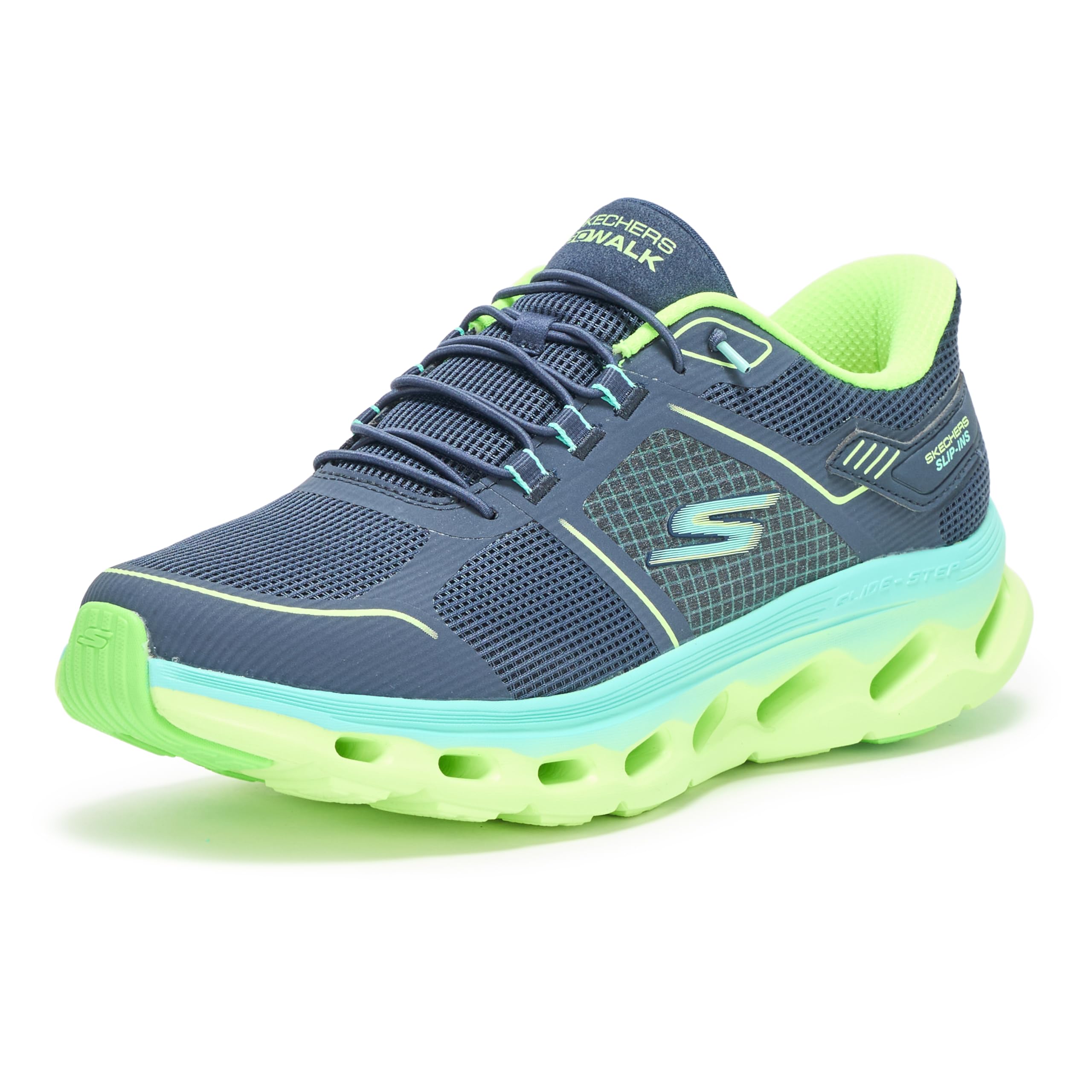
The Skechers Go Walk Glide Step 2.0 eliminates the friction point that discourages many walkers from reaching for their boots: the lacing process. This slip-on design uses a stretchable collar and heel pull-tab that allows the foot to enter without bending or tugging, a feature that reviewers recovering from hip surgery and those working 12-hour CNA shifts specifically praise. The Ultra Go midsole delivers a soft, responsive feel that reviewers rate 10/10 for comfort, with a dual-density outsole that provides traction on tile and linoleum without marking floors.
The arch support is noticeable even without an aftermarket insert—multiple reviewers with flat feet report reduced foot fatigue compared to standard athletic sneakers. The shoe runs true to size for most foot shapes, though a minority of users with wide forefeet found the toe box slightly snug in certain colorways. The boot weighs under 2 pounds total, which reduces swing weight during fast walking paces. The aesthetic is sporty and modern, with a black-and-pink color blocking that attracted frequent compliments.
The durability ceiling is lower than that of full-leather boots: after six months of daily wear, some reviewers noted the midsole beginning to compress and the outsole showing tread wear. The slip-on construction also means the heel counter provides less lockdown than a laced boot, so users running or walking downhill at speed may feel micro-movement. The price point has been creeping upward, and some reviewers question whether the foam materials justify the cost compared to traditional walking shoes.
Why it’s great
- Hands-free slip-on design ideal for limited mobility
- Excellent arch support for flat feet
- Lightweight and comfortable for 12-hour shifts
Good to know
- Midsole compresses faster than PU alternatives
- Heel lockdown less secure than laced boots
- Some colorways fit narrower than others
6. Columbia Women’s Transverse Hike Waterproof Hiking Boots

The Columbia Women’s Transverse Hike boots solve the most common complaint in the walking boot category—the painful break-in period—with a flexible construction that feels molded to the foot from the first wear. The Techlite midsole provides immediate plushness under the heel and forefoot while maintaining enough density to prevent sinking on longer walks. Several reviewers reported wearing these straight out of the box on a two-week Acadia trip with zero hot spots or blisters, a testament to the anatomical last shape that accommodates narrow heels and high arches without pinching.
The Omni-Grip outsole uses a tread pattern optimized for wet rock and packed trails, with enough bite to handle light snow and ice—one reviewer specifically praised them for snow play with kids, noting that the waterproof membrane kept feet warm and dry even after hours in wet conditions. The non-clunky gray design is understated enough for casual wear to the office or grocery store, reducing the number of shoe changes needed during a mixed-activity day. The fit runs true to size for most foot shapes, though several reviewers note the boot runs slightly narrow and suggest ordering a wide size if you have average-to-wide forefeet.
The primary limitation is that the boot is designed for light-to-moderate terrain, not for heavy load-bearing trekking over boulder fields. The ankle support is present but flexible—you can roll an ankle if you step sideways on a large root. The synthetic upper cleans up well with spot cleaning, as multiple reviewers noted after muddy outings, but the waterproof membrane may degrade faster than full-leather boots if exposed to frequent deep water immersion. For daily walking on mixed surfaces, this is one of the most reliable comfort-focused options available.
Why it’s great
- True out-of-box comfort with no break-in needed
- Excellent grip on wet rock and packed snow
- Understated style transitions from trail to town
Good to know
- Runs narrow in the forefoot—consider wide sizing
- Ankle support is flexible, not load-bearing
- Waterproof membrane may degrade over time
7. Skechers Women’s Go Run Elevate 2.0 Sneaker
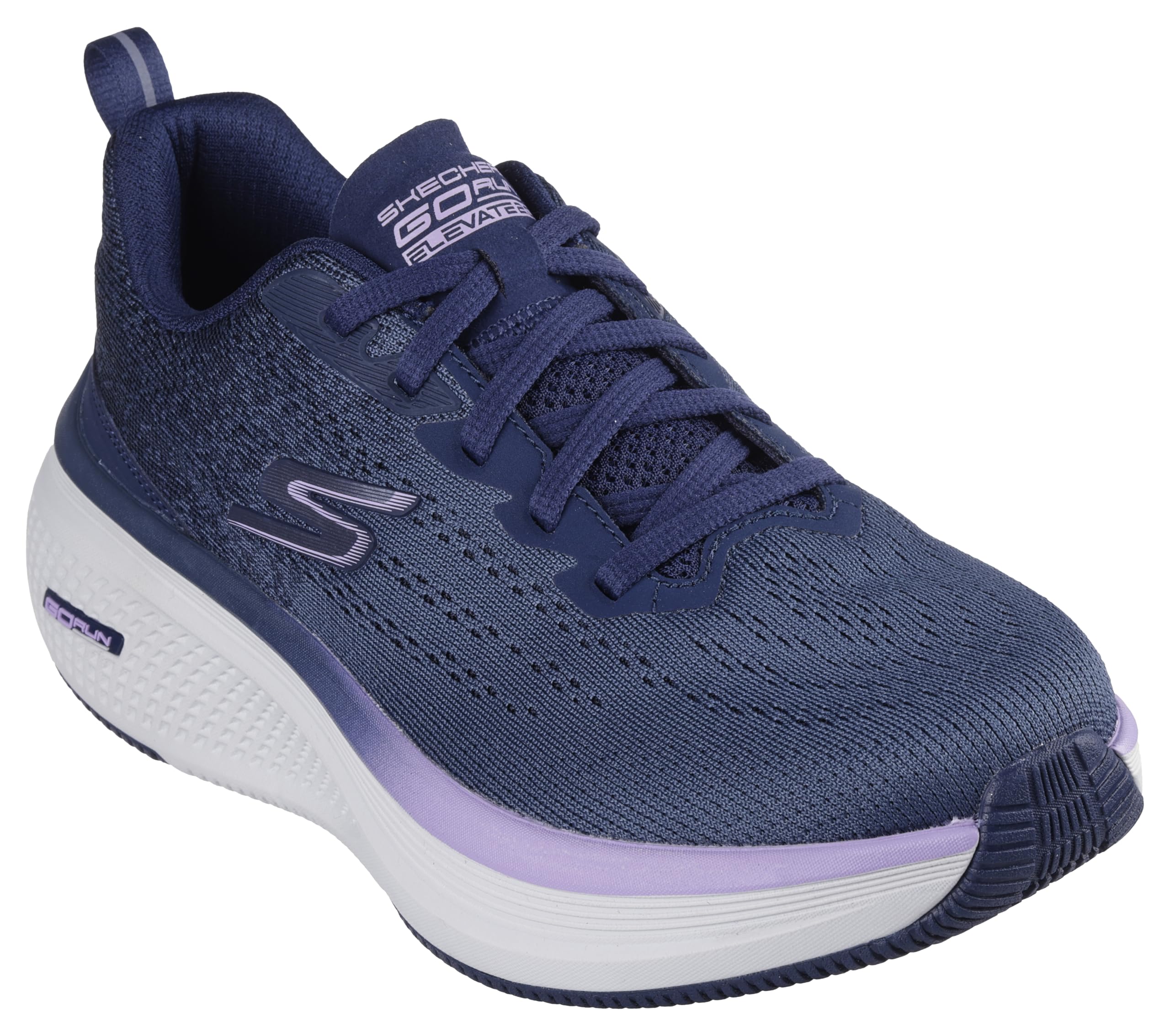
The Skechers Go Run Elevate 2.0 enters the walking boot conversation as a lightweight sneaker that trades ankle coverage and waterproofing for a low-profile, roomy fit that works for casual daily walking and standing shifts. The non-slip outsole provides reliable traction on tile, concrete, and asphalt, and the soft EVA midsole delivers a cushioned ride that reviewers praise for 2-to-5-mile daily walks. Several healthcare workers report wearing these for 12-hour shifts without foot pain, citing the lightweight construction as a key factor in reducing leg fatigue.
The color options are modern and vibrant, drawing compliments from multiple reviewers who appreciate a sneaker that looks as good as it feels. The fit runs true to size for most users, though a significant minority report that the toe area is too narrow—specifically in some colorways—causing discomfort for average-width feet. This inconsistency suggests quality control in the last shape varies by production run, so ordering with a flexible return policy is wise. The sneaker weighs only 1.5 pounds total, making it one of the lightest options for walkers who prioritize minimal encumbrance.
The durability is where this entry-level option shows its limits: the EVA midsole will compress faster than denser foams, and the knit upper lacks the abrasion resistance of leather or textile hiking boots. Several reviewers noted sole separation after months of heavy use, though this is within expected lifespan for sneakers at this level. For walkers on a tight budget who need a comfortable, stylish shoe for light duty, the Go Run Elevate 2.0 delivers adequate performance—just don’t expect it to survive a second year of daily pavement pounding.
Why it’s great
- Very lightweight for reduced walking fatigue
- Non-slip outsole handles wet indoor surfaces
- Modern color options look great out of the box
Good to know
- Toe box fits inconsistently across colorways
- Midsole compresses faster than premium foams
- Not suitable for wet trails or ankle support
FAQ
Can I wear walking boots for hiking on technical trails?
How do I know if a walking boot fits my arch correctly?
Why do some walking boots cause blisters and others don’t?
How often should I replace walking boots?
Final Thoughts: The Verdict
For most users, the best boots for walking winner is the Timberland Men’s White Ledge Mid Waterproof Hiking Boots because it combines a durable full-grain leather upper with a flexible outsole that works on pavement, trail, and wet grass without requiring a break-in period. If you need uncompromising cushion for concrete floors and 12-hour shifts, grab the New Balance 608 V5 for its compression-resistant PU midsole. And for walkers who want fashion-forward style with a wide toe box that accommodates orthotics, nothing beats the Cliffs by White Mountain Pathfield Bootie.

Mo Maruf
I created WellFizz to bridge the gap between vague wellness advice and actionable solutions. My mission is simple: to decode the research and give you practical tools you can actually use.
Beyond the data, I am a passionate traveler. I believe that stepping away from the screen to explore new environments is essential for mental clarity and physical vitality.