Our readers keep the lights on and my smoothie glass nicely filled. As an Amazon Associate, I earn from qualifying purchases.
Finding a boot that keeps your feet dry in a slushy parking lot and warm during a surprise snow squall is a specific engineering challenge — one that most waterproof claims fail to meet. The problem isn’t just a soaked sock; it’s the cold that follows when insulation gets wet, turning a simple walk into an endurance test. You need a boot that bridges two worlds: the flexibility of a rain boot with the thermal retention and tread pattern of a snow boot.
I’m Mohammad Maruf — the founder and writer behind WellFizz. I’ve spent years analyzing boot construction, from rubber compound flexibility to neoprene thickness and outsole lug patterns, to determine what actually works in mixed winter precipitation.
This guide cuts through the marketing to evaluate real traction, real insulation, and real waterproofing, so you can confidently choose the right pair of boots for rain and snow for your winter routine.
How To Choose The Best Boots For Rain And Snow
The line between a rain boot and a snow boot is blurry, but the right choice depends on your specific conditions. A boot that’s great for a rainy commute will leave you cold during an hour of shoveling, and a heavily insulated winter boot can be sweaty and miserable in above-freezing rain. Focus on three core factors to get the balance right.
Insulation vs. Activity Level
Insulation is measured in grams, with 200g being a light barrier for active use in mild cold, while 800g+ is for standing still in subzero temps. For rain and snow, a mid-range 200g to 400g boot is ideal — it keeps you warm while shoveling or walking without causing your feet to sweat when the temperature hovers around freezing. If you run cold or plan to stand in snow for long periods, opt for a higher gram count.
Waterproofing & Shaft Height
Not all waterproof membranes are equal. A boot that’s only “water-resistant” will fail against standing puddles or deep slush. Look for a fully sealed construction — rubber shells and neoprene linings are the gold standard for wet conditions. The shaft height matters too: a mid-calf height (around 6-8 inches) is enough for most rain and shallow snow, but if you’re walking through deeper slush or snowdrifts, a tall boot at 10 inches or more is essential to keep moisture out.
Traction on Mixed Surfaces
The outsole lugs are your last line of defense against a fall. For rain and snow, you need a tread pattern with aggressive, deep lugs that can bite into snow and slush, but also have a siping or multi-directional pattern to shed water and grip wet pavement. Some boots feature specialized compounds that stay flexible in the cold, preventing the sole from hardening and losing grip.
Quick Comparison
On smaller screens, swipe sideways to see the full table.
| Model | Category | Best For | Key Spec | Amazon |
|---|---|---|---|---|
| TIDEWE Camo G2 | Hunting | Deep snow & cold | 7mm Neoprene, 800g Insulation | Amazon |
| SOREL Tivoli V Tall | Fashion | Daily commute & style | Tall Shaft, Seam-Sealed Waterproofing | Amazon |
| Columbia Gunnison II | Snow | Active winter wear | Omni-Heat Thermal Reflective | Amazon |
| KEEN Revel 4 Mid | Hiking | Icy terrain | Polar Insulation, Keen.Freeze Sole | Amazon |
| Trudave Mid Calf | Work | Farm & yard work | 6mm Neoprene, Steel Shank | Amazon |
| Lands’ End Expedition | Snow | Easy on/off snow duty | 200g Insulation, Slip-On Design | Amazon |
| HISEA Mud Rain Boots | Garden | Light rain & mud | Insulated Neoprene, Tall Design | Amazon |
In‑Depth Reviews
1. TIDEWE Rubber Hunting Boots Camo G2

The TIDEWE G2 is a full-on cold-weather specialist disguised as a hunting boot. With 800 grams of insulation wrapped in 7mm neoprene and a robust rubber exterior, it’s built for conditions where you’re standing in snow for hours, not just walking through it. The 800g rating is a serious step up from the 200g found in most urban snow boots, making this the right choice for harsh winters and extended outdoor exposure.
Its construction is genuinely waterproof, with a rubber lower that seamlessly transitions into the neoprene upper. Reviewers report staying warm and dry in single-digit temperatures for hours at a time, and the fit runs true to size for layering with thick wool socks. The adjustable top straps and buckle system allow a secure, customized fit around the calf, keeping snow from sneaking in at the top.
The trade-off is weight. With that much insulation and rubber, these are not light boots for casual errands. They’re also best suited for men who are serious about staying warm in extreme conditions — for a rainy commute in the city, this is overkill. The rubber smell is mentioned by some as noticeable at first but fades quickly.
Why it’s great
- Serious 800g insulation for extreme cold
- Full 7mm neoprene lining for warmth and flexibility
- Secure calf closure keeps snow out
Good to know
- Heavy for casual or warm-weather use
- Initial rubber odor may be off-putting
2. SOREL Women’s Tivoli V Tall Waterproof Boot
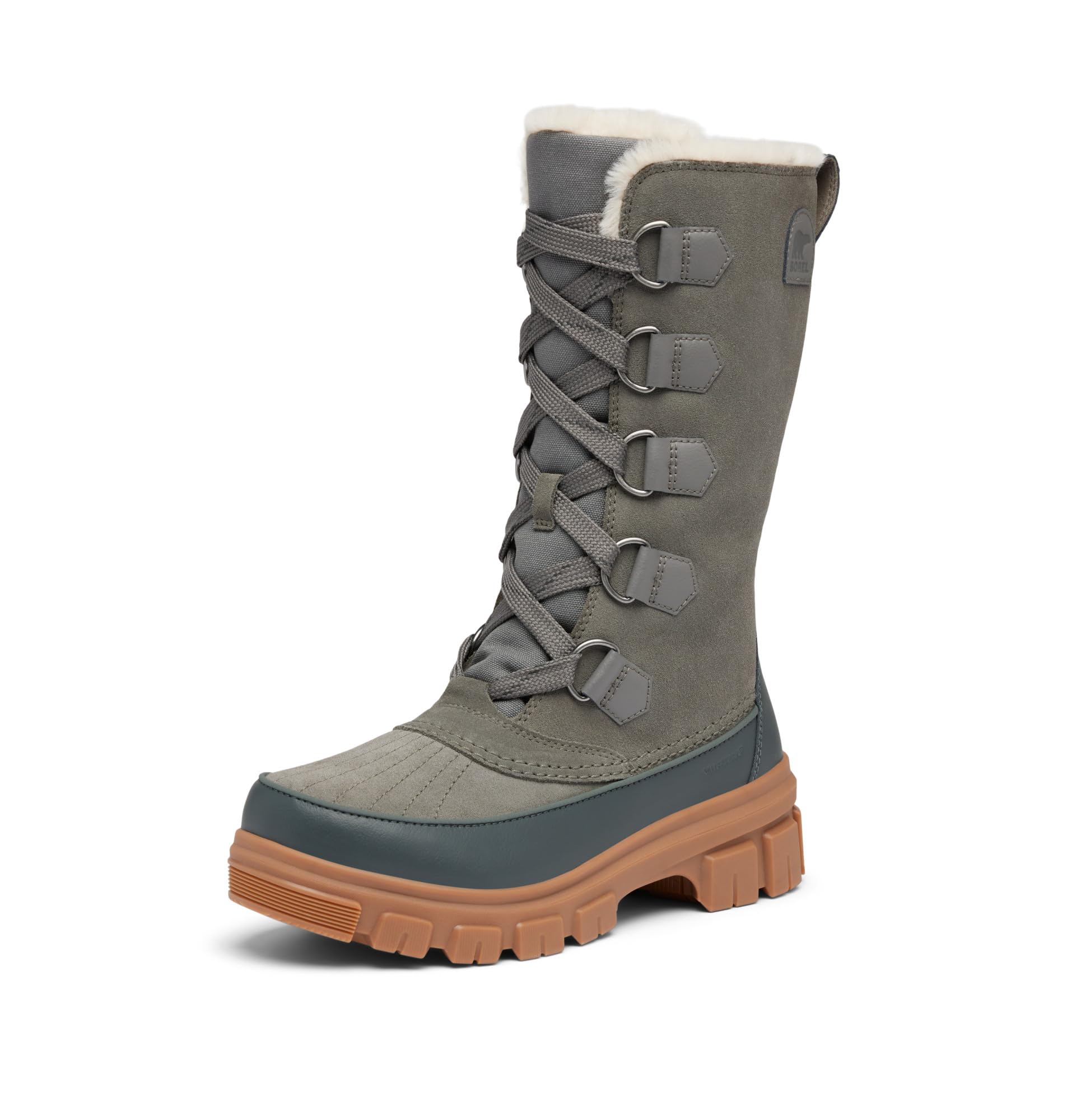
SOREL has long been a benchmark for stylish winter boots that don’t sacrifice function, and the Tivoli V Tall carries that legacy. The tall shaft provides excellent protection against deep slush and snowdrifts, while the seam-sealed waterproof construction keeps moisture locked out. The boot’s true-to-size fit and orthotic-friendly footbed make it a practical choice for everyday wear through a long winter.
What sets this boot apart is how well it handles the rain-to-snow transition. The 200g insulation is enough for temperatures well below freezing, but it’s not so bulky that your feet overheat during a rainy task above 32°F. Reviewers consistently mention that the thick laces don’t freeze up in cold temperatures, a small but crucial detail that tells you about the overall build quality.
While the Tivoli is warm and fully waterproof, it’s not designed for extreme cold. If you’re facing negative degree temps for hours standing still, you’ll need to add heated insoles or choose a heavier boot. The ankle can rub when laced tightly, usually solved with a simple moleskin patch during the break-in period.
Why it’s great
- Excellent balance of style and real waterproofing
- Tall shaft prevents slush and snow entry
- True to size with good arch support
Good to know
- Moderate insulation requires layering for extreme cold
- Ankle may need break-in to avoid chafing
3. Columbia Men’s Gunnison II Omni-Heat Snow Boots

The Columbia Gunnison II is a classic snow boot updated with Omni-Heat thermal reflective technology that bounces body heat back at you. This is the boot for anyone who needs to be active in the cold — shoveling, walking the dog, or commuting — without feeling weighed down. The Techlite midsole provides excellent cushioning and insulation without adding bulk, so you can walk for miles comfortably.
Waterproofing is dependable, with a fully sealed construction that handles ankle-deep puddles with no leakage. The outsole uses Columbia’s Omni-Grip system, which provides solid traction on snow and slush, though some users note the grip is less confident on pure ice compared to dedicated ice-traction soles. The fit runs slightly wide, making it a good option for those who need a little extra toe room.
Where this boot falls short is in extreme cold. The insulation is rated for moderate winter conditions, and several reviewers note that when standing still on snow in temperatures below 25°F, cold can seep through from the ground. It’s an excellent boot for active use, but if your day involves long periods of standing in frigid temps, you’ll want to look at a boot with more substantial insulation thickness.
Why it’s great
- Lightweight and comfortable for extended walking
- Omni-Heat reflective lining boosts warmth without bulk
- Techlite midsole offers great long-wear cushioning
Good to know
- Not ideal for static use in severe cold
- Tread could be more aggressive on ice
4. KEEN Women’s Revel 4 Mid Height Polar Insulated Snow Boots

KEEN’s Revel 4 Mid is a sleeper hit for anyone who faces icy conditions regularly. The Polar Insulation is effective and non-bulky, but the real star is the Keen.Freeze outsole compound. Tested by a Canadian lab and given top marks for ice traction, this sole uses a specific rubber formulation that remains grippy when temperatures plunge, making it a standout for walking on slick rock or frozen pavement.
The boot is fully waterproof and surprisingly warm for its relatively thin profile. Multiple reviewers report wearing it in temperatures around 20°F with thin socks and staying comfortable. The mid-height design provides good ankle support without restricting movement, and the quick break-in period is a welcome change from many stiff winter boots.
The main consideration is fit. The Revel 4 runs narrow, especially around the toe box, which is a departure from KEEN’s reputation for wide-friendly designs. If you have wide feet or need to wear heavy socks, you’ll want to order a half size up to avoid pinching. The boot is also not built for extreme cold — its Polar Insulation is designed for active use in moderate winter, not standing in deep snow.
Why it’s great
- Exceptional ice traction with Keen.Freeze sole
- Warm and comfortable without feeling bulky
- Quick break-in period
Good to know
- Narrow toe box; not ideal for wide feet
- Moderate insulation; not for extreme subzero temps
5. Trudave Rubber Boots for Women with Steel Shank
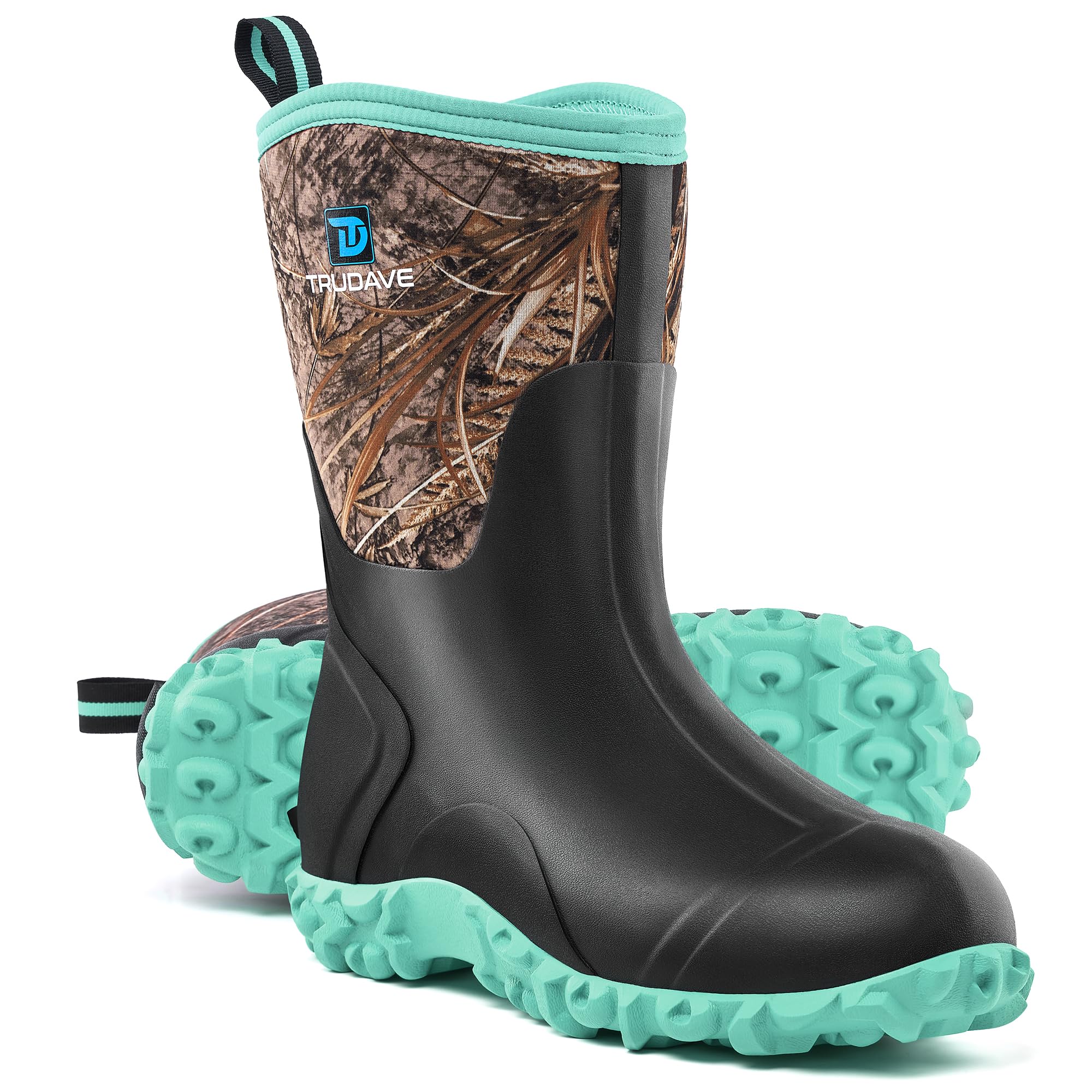
The Trudave boot hits a sweet spot for tough outdoor work. The 6mm neoprene lining provides good warmth and a comfortable fit, while the steel shank in the sole delivers serious support on rough terrain — no foot fatigue after hours of barn chores or shoveling. The rubber outer is fully waterproof, and the mid-calf height offers good protection for mud and shallow snow without being cumbersome.
What makes these boots popular for yard work and farming is how easy they are to get on and off. The back pull loop and heel step-on tab are simple but effective, and the fit is true to size for wearing with a mid-weight sock. Reviewers love the comfortable, pillowy support underfoot, a feature usually missing from budget-friendly rubber boots.
The durability is a mixed bag. While the boots perform well out of the box, one reviewer reported a seam separating from the sole base after three months of heavy daily use. This isn’t universal, but it suggests the boot’s longevity is best suited for moderate use rather than daily professional-grade abuse. The color options (teal/pink camo) also limit the appeal for those who want a plain black work boot.
Why it’s great
- Steel shank provides excellent arch and foot support
- Comfortable, pillowy insole for all-day wear
- Easy on/off with heel tab and pull loop
Good to know
- Some reports of seam separation after a few months
- Limited color options; no plain black at standard price
6. Lands’ End Expedition Insulated Winter Boots for Men
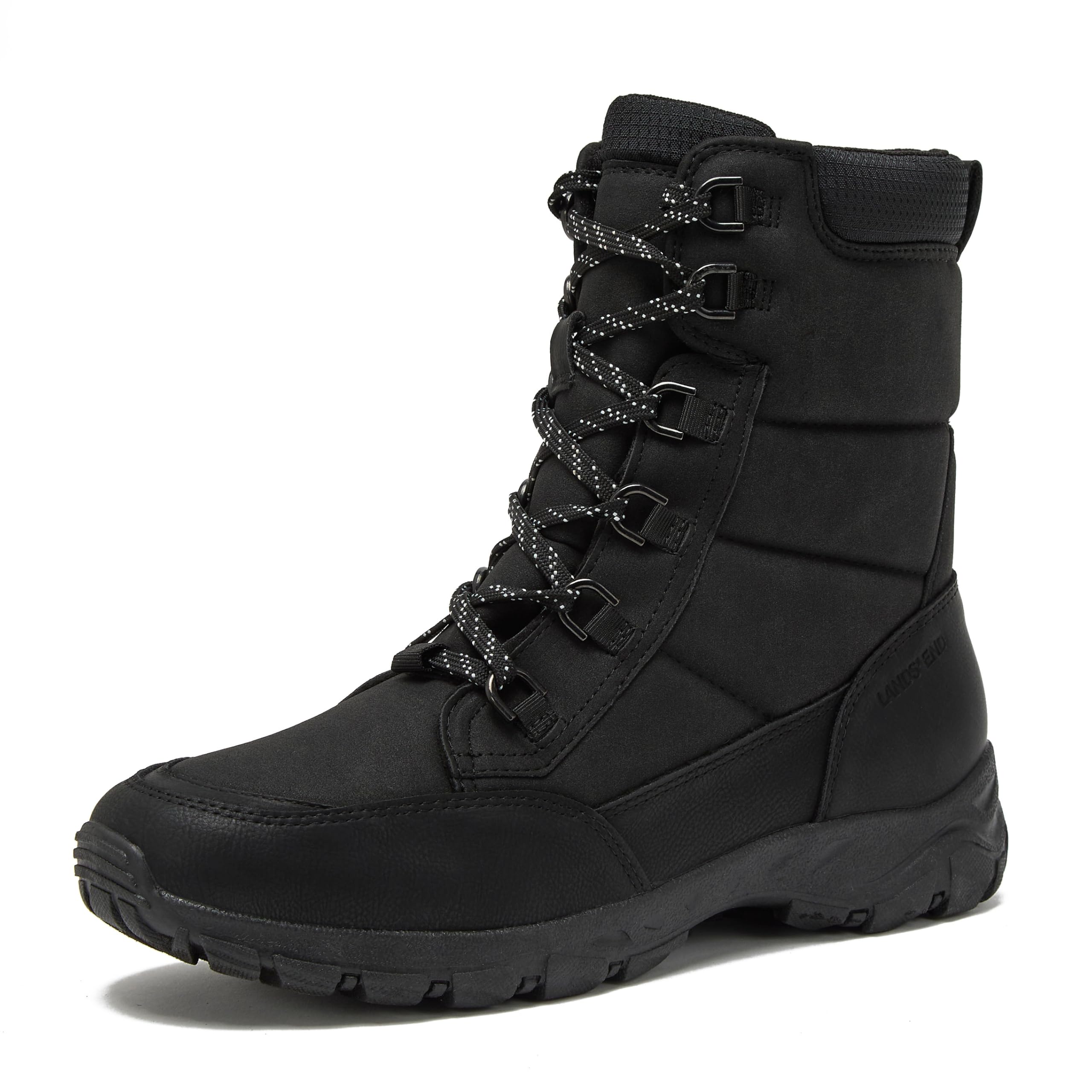
The Lands’ End Expedition is a no-fuss snow boot that prioritizes convenience. Its slip-on design with a secure Velcro strap makes it one of the easiest boots to get in and out of, ideal for rushing out to shovel the driveway or walk the dog. The 200g insulation is the standard baseline for winter boots, providing warmth for active use down to about 10°F, and the waterproof construction holds up well against slush and puddles.
User reviews highlight its light weight and comfortable, non-binding fit as major selling points. The boot doesn’t “ride down” during wear, and the shaft is roomy enough to accommodate thick wool socks. The Velcro closure is secure but remains simple, though some users with dexterity issues might find the hook-and-loop loop tough to grip. The boot’s outsole provides good traction in snow, though it’s not designed for icy surfaces.
The main drawback is the boot’s stiffness out of the box. It takes a few wears to really break in, and the toe box is on the narrower side, even in the wide width. This is a functional, no-frills snow boot — the design is clunky and not especially attractive, but for pure utility in a Michigan winter, it gets the job done.
Why it’s great
- Extremely easy slip-on design with Velcro closure
- Lightweight and comfortable for hours of wear
- Good waterproofing and warmth for moderate snow
Good to know
- Stiff out of the box; requires break-in period
- Narrow toe box may not suit wide feet
7. HISEA Women’s Mud Rain Boots
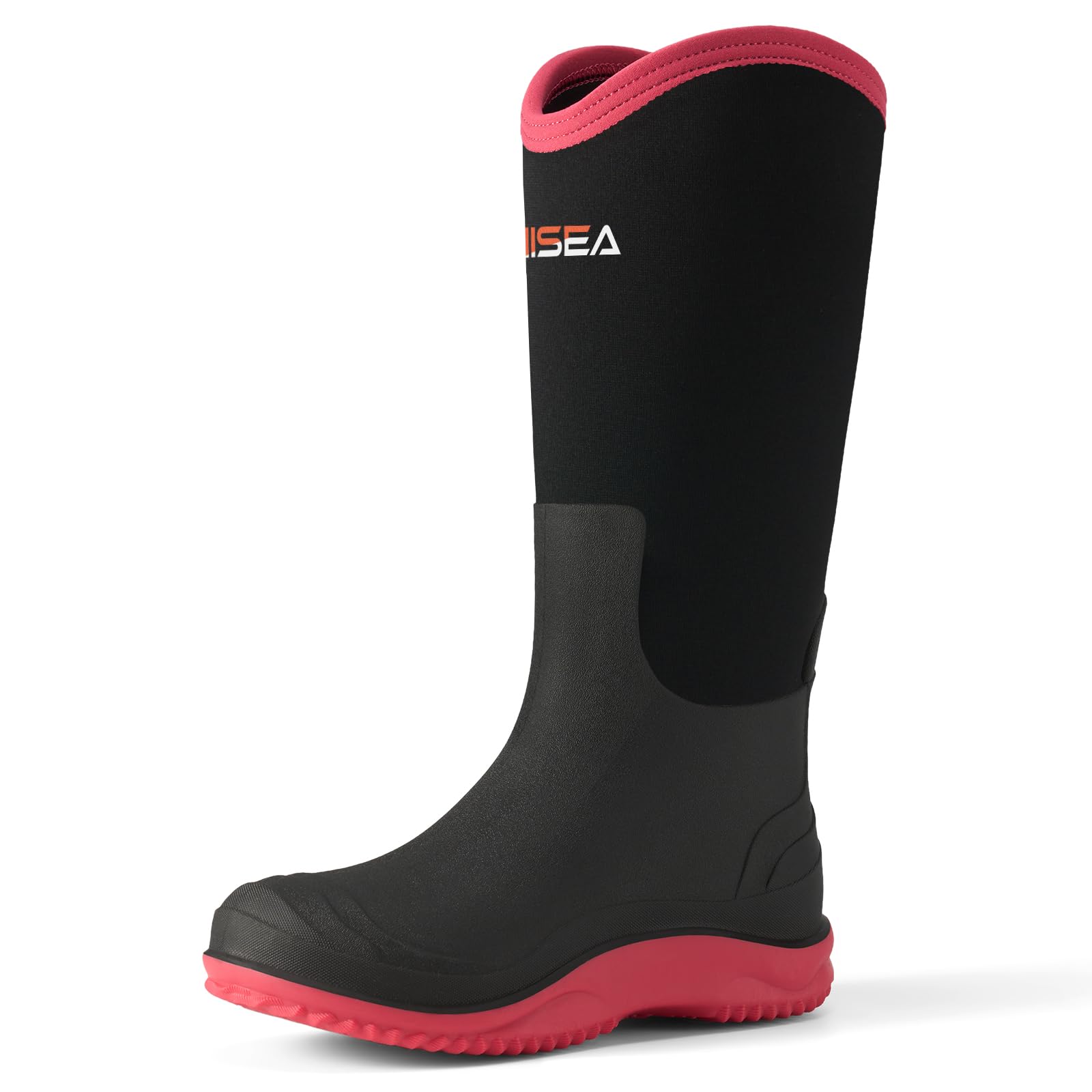
The HISEA Mud Rain Boots are a straightforward, affordable entry into the rain-and-snow world. They’re designed for light outdoor chores, gardening, and messy yard work, with a tall shaft that keeps mud and shallow snow from getting in. The neoprene liner provides basic warmth, though it’s more about comfort than serious cold-weather insulation — think 45°F rainy days, not 5°F snowstorms.
The boot’s appeal is its hands-free entry, easy removal, and comfortable fit. Users consistently report that the boots fit large, allowing for thick socks, and the roomy toe box prevents pinching. The outsole offers good grip on wet surfaces, and the boot is fully waterproof and easy to clean with a hose. The design is attractive enough for casual wear, with fuchsia accents and patterns that add a bit of style.
The significant limitation is the lack of substantial insulation. These are rain boots that can handle light snow, not snow boots. If you’re dealing with cold slush or temperatures below freezing, your feet will get cold quickly. They’re also not built for heavy-duty work — the material is durable for garden use, but not designed to withstand the abuse of daily barn work or long hunts.
Why it’s great
- Budget-friendly price for quality construction
- Easy hands-free entry and comfortable fit
- Fully waterproof and easy to clean
Good to know
- Minimal insulation; not suitable for cold snow
- Not as durable as heavy-duty mud boots
FAQ
How much insulation do I need for rain and snow?
Are rain boots and snow boots the same thing?
How do I know if the traction is good enough for rain and snow?
Final Thoughts: The Verdict
For most users, the boots for rain and snow winner is the TIDEWE Camo G2 because it provides serious 800g insulation and 7mm neoprene for far below the price of comparable hunting boots. If you want a stylish and versatile boot that handles the daily commute with grace, grab the SOREL Tivoli V Tall. And for icy terrain and active winter hiking, nothing beats the KEEN Revel 4 Mid.

Mo Maruf
I created WellFizz to bridge the gap between vague wellness advice and actionable solutions. My mission is simple: to decode the research and give you practical tools you can actually use.
Beyond the data, I am a passionate traveler. I believe that stepping away from the screen to explore new environments is essential for mental clarity and physical vitality.