Our readers keep the lights on and my smoothie glass nicely filled. As an Amazon Associate, I earn from qualifying purchases.
Iceland’s weather doesn’t negotiate — volcanic gravel, black ice, glacial rivers, and sideways rain can all hit within an hour. The wrong boot means cold, wet feet and a ruined hike. Finding a pair that seals out moisture while gripping slippery basalt and loose scree is the single most important gear decision for any Iceland trip.
I’m Mohammad Maruf — the founder and writer behind WellFizz. My research focuses on matching boot construction, insulation, and outsole compound to specific terrain demands, analyzing hundreds of real-world test results to separate marketing claims from actual trail performance.
This guide breaks down the key specs that matter for volcanic, wet, and icy conditions so you can confidently choose the best boots for iceland for your itinerary.
How To Choose The Best Boots For Iceland
Iceland’s terrain is unlike any other — volcanic rock, glacial rivers, bogs, and lava fields all demand a boot that can handle wet, cold, and unstable surfaces simultaneously. Focus on these four factors to narrow your search.
Waterproofing Is Non-Negotiable
Iceland sees rain 200+ days a year, and trail conditions often involve crossing shallow streams and wet moss. Look for a full waterproof membrane like Gore-Tex, eVent, or a proprietary sealed construction. Sealed seams are just as critical — if the membrane is only at the upper, water will enter through the tongue or stitch lines. Avoid boots with only a water-resistant treatment.
Outsole Grip on Wet Rock and Ice
The volcanic basalt in Iceland becomes glassy when wet. A deep, multidirectional lug pattern with a rubber compound designed for wet traction (like Vibram MegaGrip or Arctic Grip) makes a measurable difference. Shallow, widely spaced lugs will slide on wet rock and packed snow, especially when descending steep trails near waterfalls.
Insulation — Balance Warmth With Activity Level
Iceland’s coastal regions rarely drop far below freezing in summer, but wind and moisture create a strong chill factor. For active hiking during summer, 200g insulation is usually sufficient. For winter visits or extended stationary periods (like Northern Lights viewing), look for models with 400g insulation or a removable liner. Too much insulation on a long hike leads to sweaty feet, which then get cold when you stop.
Fit For Cold Weather Socks
Most Iceland-ready boots run true to size for standard socks, but adding a thick merino wool liner or thermal sock requires a half-size up. Pay attention to toe box volume — a narrow toe box restricts circulation and accelerates cold feet. Room for wiggle room without heel slip is the ideal fit for long days on uneven ground.
Quick Comparison
On smaller screens, swipe sideways to see the full table.
| Model | Category | Best For | Key Spec | Amazon |
|---|---|---|---|---|
| Helly-Hansen Garibaldi VL | Premium | Women’s insulated waterproof | PrimaLoft Eco 100g, Max-Grip outsole | Amazon |
| Baffin Eiger | Premium | Extreme cold & stationary use | Removable liner rated to -148°F | Amazon |
| Irish Setter Wingshooter | Premium | Heavy-duty waterproof hunting | 400g Thinsulate, rubber outsole | Amazon |
| KEEN Revel III Mid | Mid-Range | All-day hiking & waterproof | 200g KEEN.Warm insulation | Amazon |
| Salomon X-Adventure Recon Mid GTX | Mid-Range | Stability on rugged trails | Gore-Tex membrane, Contagrip outsole | Amazon |
| The North Face Clyffe Mid | Mid-Range | Insulated winter hiking | Vibram Megagrip, 200 g insulation | Amazon |
| The North Face Hedgehog 3 Mid | Mid-Range | Lightweight leather waterproof | Waterproof membrane, rubber outsole | Amazon |
| Merrell Wrapt Mid | Value | Breathable waterproof hiking | M Select DRY seal, Vibram outsole | Amazon |
| Sorel Tivoli V | Value | Women’s winter snow boot | Seam-sealed waterproof, 100g insulation | Amazon |
In‑Depth Reviews
1. Helly-Hansen Garibaldi VL Insulated Winter Boots
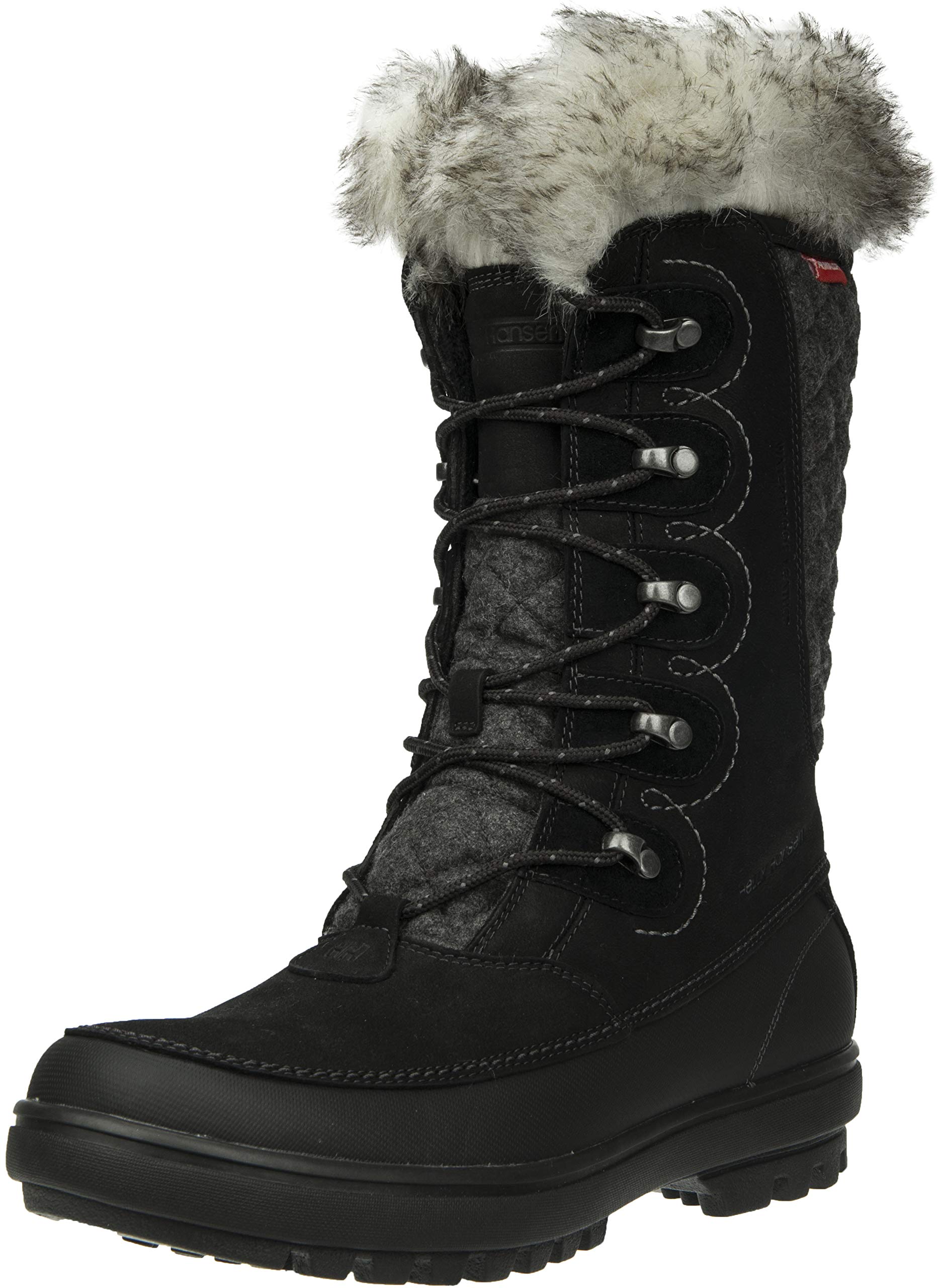
The Garibaldi VL strikes a near-perfect balance for Iceland’s mixed weather. Its nubuck leather upper is treated with a waterproof seal, and the Max-Grip rubber outsole provides reliable traction on wet pavement, packed snow, and hard ice. The faux fur lining and PrimaLoft Eco insulation deliver warmth without feeling bulky, making it comfortable for several hours of walking.
Multiple reviewers confirm these boots kept feet warm and dry through snow and rain, with many noting they work straight out of the box with no break-in period. The Eco Ortholite footbed adds a layer of all-day cushioning that holds up well on gravel trails. The calf-high shaft provides good protection against puddle splashes and shallow stream crossings.
Keep in mind that the tongue is attached only at the top of the foot, not continuously sealed up the shaft. In deep wet snow or when stepping into water above the ankle, moisture can seep in through the tongue gap. This is a minor weakness for Iceland’s boggy sections. Most users also recommend going a half-size up to accommodate thick wool socks.
Why it’s great
- Max-Grip rubber outsole provides excellent traction on ice and wet rock.
- Premium nubuck leather with waterproof treatment sheds moisture effectively.
- Lightweight enough for all-day wear despite the tall shaft.
Good to know
- Tongue not fully sealed; deep immersion above ankle can let water in.
- Runs a half-size small with winter socks — order up.
- Insulation is modest (100g) — not enough for extreme subzero stationary use.
2. Baffin Eiger Men’s Snow Boot
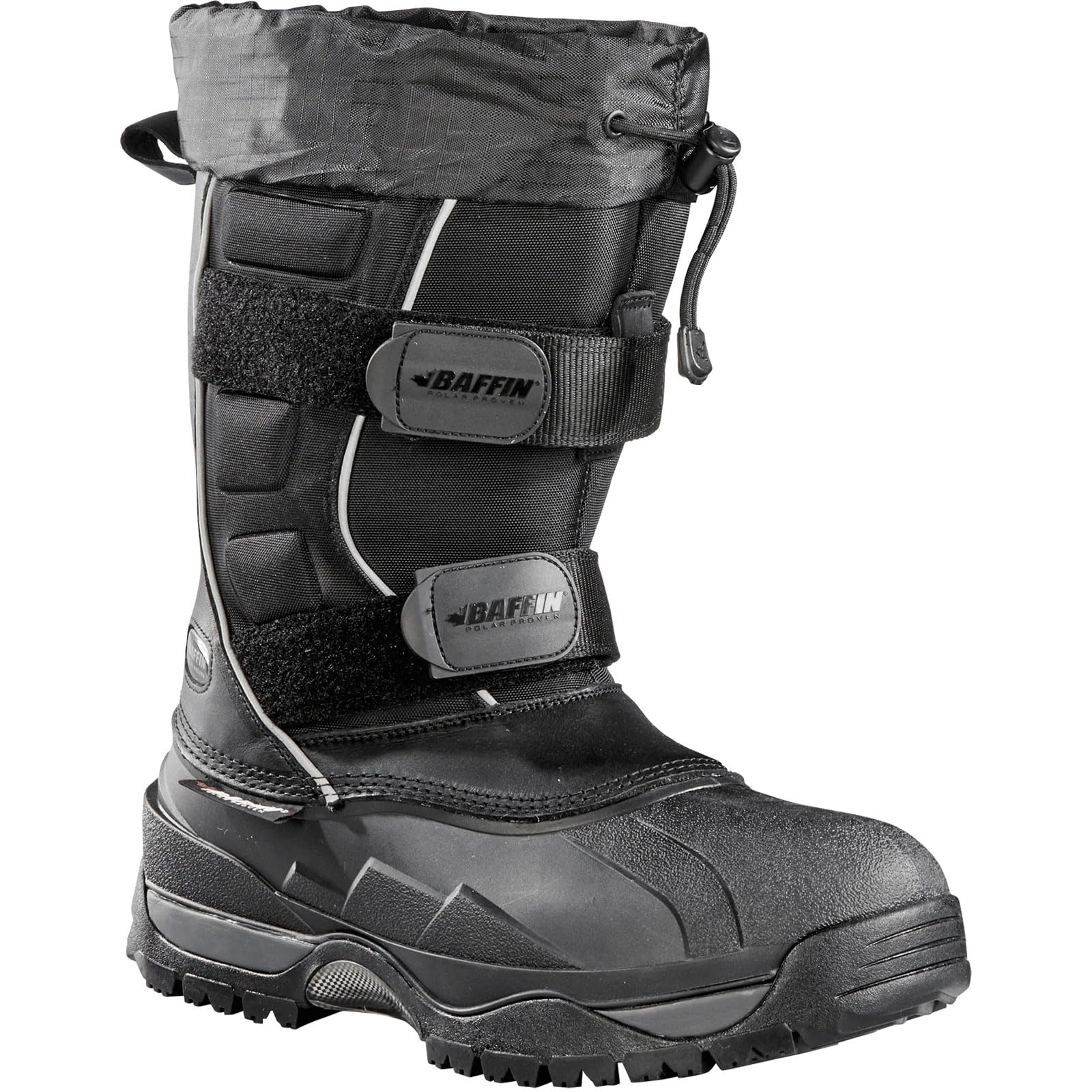
The Baffin Eiger is built for the harshest winter conditions, with a multi-layer removable liner rated down to -148°F. If your Iceland itinerary includes a multi-day winter trip to the Highlands or standing still for Northern Lights photography at Vatnajökull, this boot has the thermal capacity to keep your feet from going numb. The chunky rubber outsole provides excellent grip on deep snow and ice crust.
Owners report using these for ice fishing and snowmobiling in North Dakota, describing them as warm, comfortable, and durable over several seasons. The removable liner makes it easy to dry out after wet days, a huge advantage for multi-day backcountry use. The relatively tall shaft prevents snow from getting in when wading through drifts.
Be aware that the Eiger runs narrow in the forefoot and calf. Users with wider feet or muscular lower legs should consider sizing up significantly or look for an alternative. The boot is also heavy — it’s designed for extreme cold rather than fast-paced hiking. For typical summer Iceland travel, this level of insulation is overkill unless you plan winter visits.
Why it’s great
- Unmatched warmth with removable liner rated for extreme subzero temps.
- Excellent deep snow traction from the aggressive outsole.
- Durable construction that holds up for many seasons of heavy use.
Good to know
- Narrow fit — not suitable for wide feet or wide calves.
- Very heavy; not ideal for long distance summer hiking.
- Overkill for mild Icelandic summer conditions.
3. Irish Setter Wingshooter Men’s Waterproof Insulated Hunting Boot
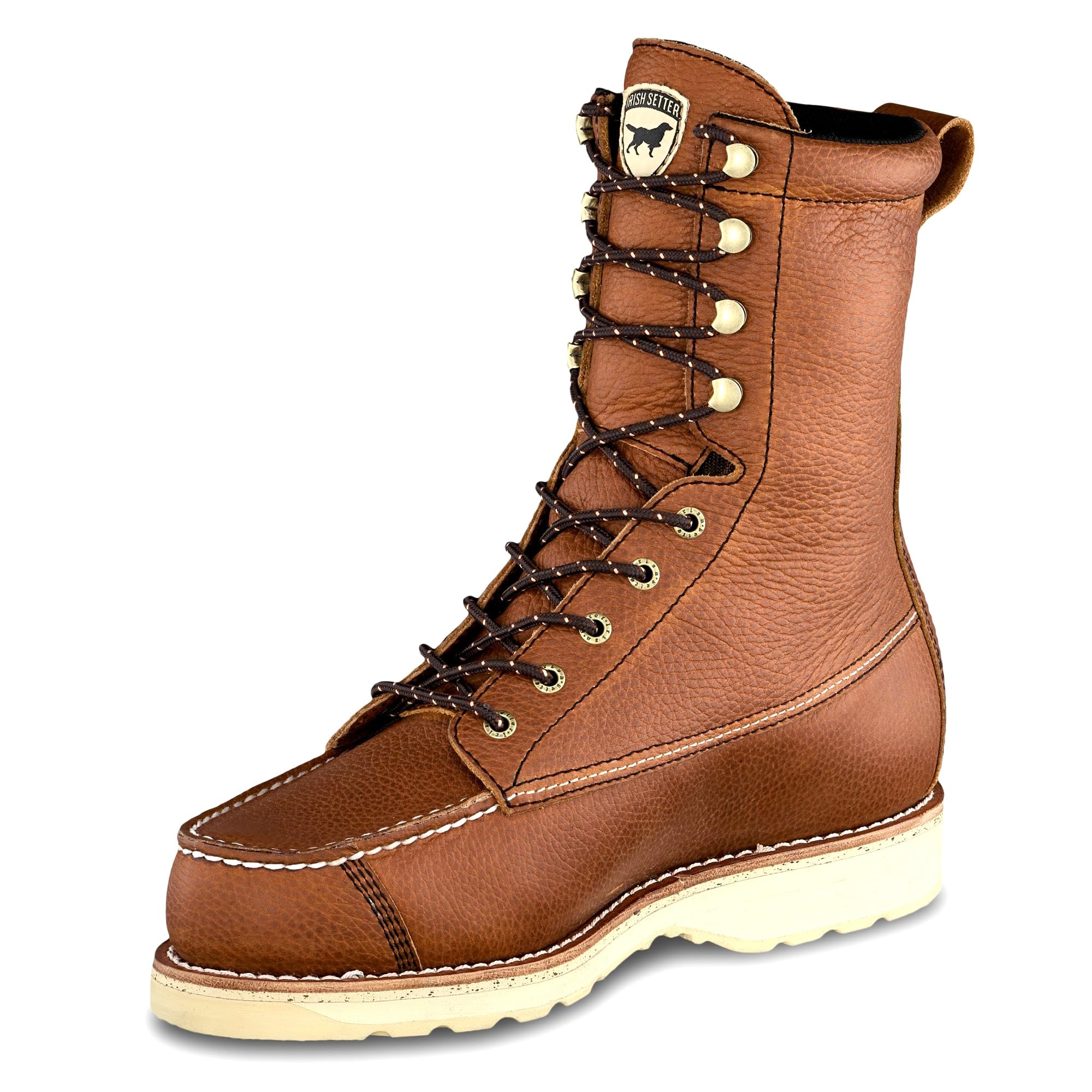
The Wingshooter is a classic workhorse with 400g Thinsulate insulation, making it one of the warmest options in this lineup. Hunters and outdoor workers who have worn these for decades report consistent performance on wet ground, through snow, and in mud. The rubber bottom and leather upper construction keeps water out effectively, and the supportive shank provides stability on uneven terrain.
Long-term reviewers mention they last about a year of daily wear before the sole wears down — for a trip to Iceland, that translates to reliable performance for multiple seasons if cared for. The boot is surprisingly lightweight for its insulation level, and users with demanding jobs praise the comfort even during 12-hour days of walking.
The lacing system takes a bit more time to dial in compared to sleek modern designs, and some wearers find the shaft slightly stiff at first. But for deep winter conditions, persistent wetness, and long periods of standing, the Wingshooter delivers proven performance. It runs true to size and accommodates a thick sock well.
Why it’s great
- 400g Thinsulate provides robust warmth for cold stationary periods.
- Proven waterproofing that handles snow, water, and mud without leaking.
- Supportive for long days of walking on rough ground.
Good to know
- Sole lifespan is about one year with daily heavy use.
- Lacing is slower to adjust than many modern boots.
- Stiff shaft may require a brief break-in period.
4. KEEN Men’s Revel III Mid Height Waterproof Insulated Hiking Boot
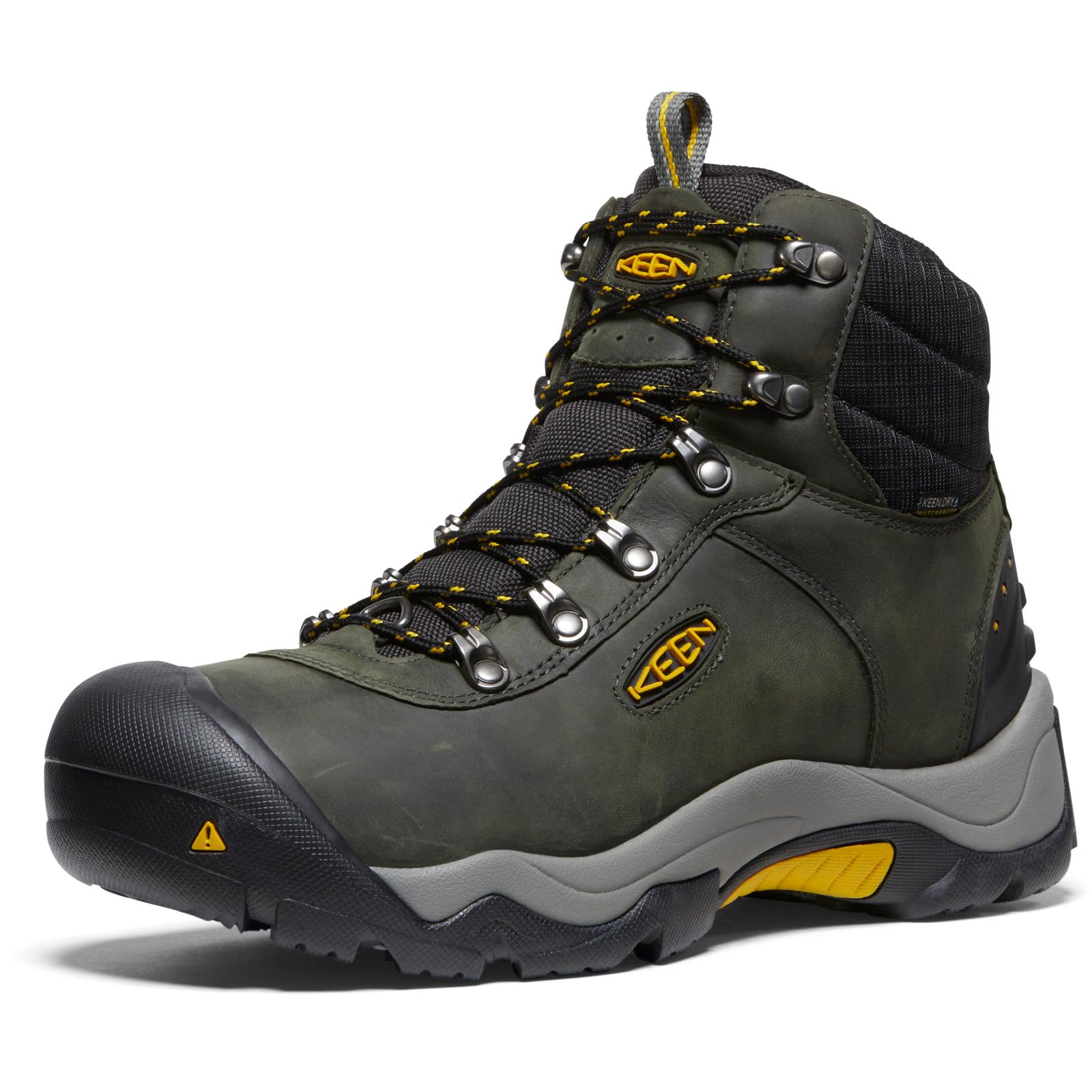
The KEEN Revel III Mid offers substantial winter capability at a price point that undercuts many premium competitors. With 200g KEEN.Warm insulation and a seam-sealed waterproof membrane, it keeps feet dry and comfortably warm for typical Iceland conditions — snow, slush, and wet gravel trails. The outsole has a wide toe box and a rocker shape that reduces fatigue on long walks.
Reviewers who work 12-hour delivery shifts in harsh winters report these boots lasting two seasons while remaining waterproof without reapplying treatment. The ankle height is taller than some KEEN hiking models, which provides better protection against rolling your ankle on the uneven volcanic rocks found around Reynisfjara beach.
Some users note that the padding in the collar packs down over time, requiring retightening of the laces. The fit runs slightly large, so you may need to size down or add an insole if you’re between sizes. The insulation is adequate for active use but may not be enough for prolonged standing in deep winter cold.
Why it’s great
- Sealed waterproof construction holds up without re-treatment for months.
- Rocker sole reduces walking fatigue on long flat stretches.
- Roomy toe box accommodates thick socks and provides circulation room.
Good to know
- Collar padding can compress over extended use, requiring lace readjustment.
- Fit runs a touch large; sizing down may be needed.
- 200g insulation is not ideal for extreme subzero stationary use.
5. Salomon Men’s X-Adventure Recon Mid Gore-Tex Hiking Shoe
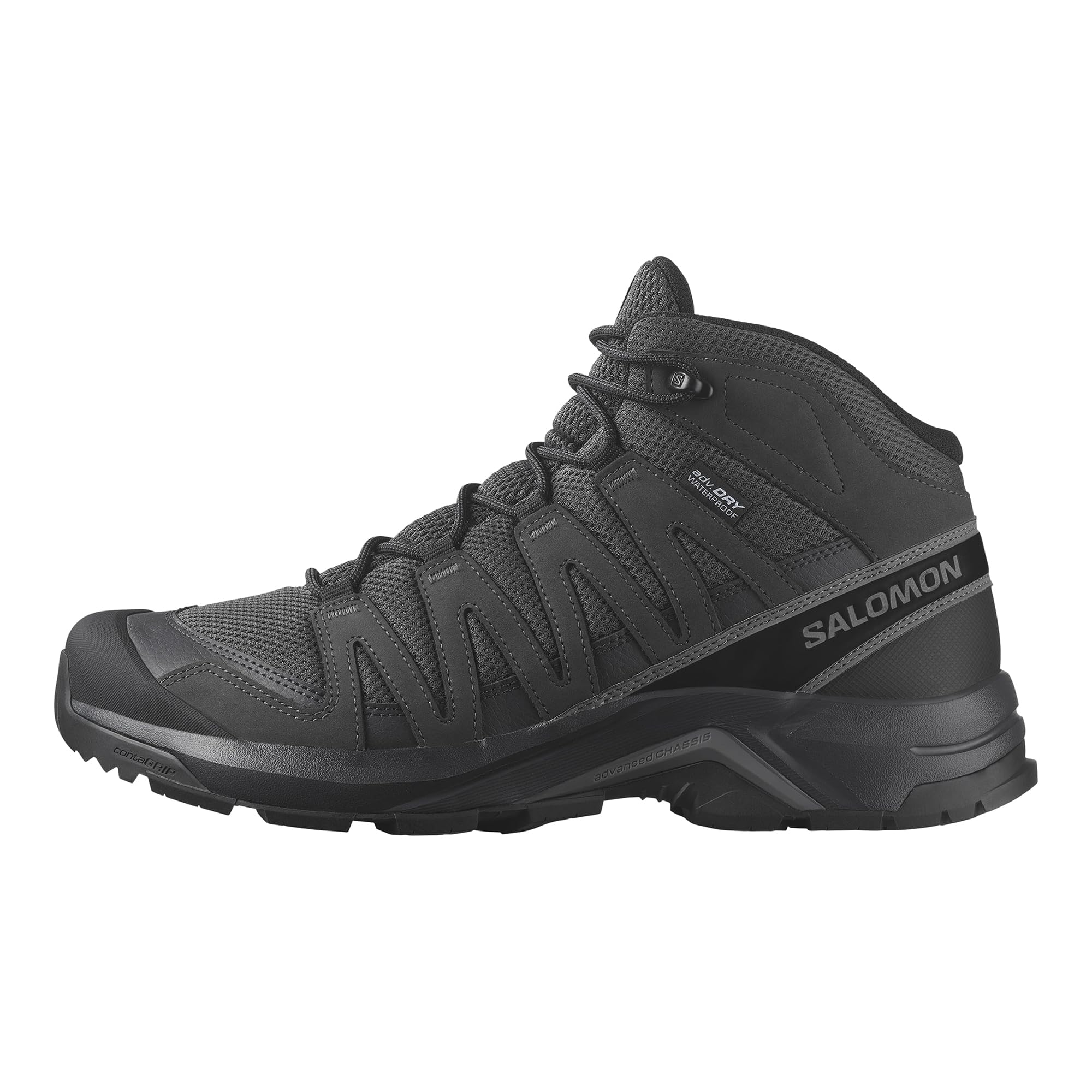
Salomon’s X-Adventure Recon Mid combines a full Gore-Tex membrane with a Contagrip outsole that excels on wet, angled rock. This is the boot to reach for when your Iceland day includes hiking behind Seljalandsfoss waterfall or scrambling up the side of a volcano crater. The mid-cut height provides excellent ankle support without feeling restrictive, and the boot breaks in quickly — users report zero blisters on a 27-mile, three-day hike right out of the box.
The Contagrip lug pattern uses a rubber compound formulated for mixed wet and dry traction. On icy sections, the multi-directional lugs bite well, and the relatively stiff shank helps prevent foot fatigue when carrying a day pack. Several reviewers wore these on ski trips in heavy snow, reporting completely dry feet and secure footing on slick chairlift platforms and packed snow trails.
If you plan to order a half-size up for thick socks, do it — the regular width is moderate. The boot lacks any substantial insulation, so for winter Iceland or cold days at Jökulsárlón lagoon, combine with a quality merino sock. It’s also not designed for deep snow, but for the majority of Iceland’s hiking routes, it’s a top contender.
Why it’s great
- Gore-Tex membrane offers reliable waterproofing with breathability.
- Excellent ankle support that prevented injuries on uneven terrain.
- Near-zero break-in period for blister-free multi-day hikes.
Good to know
- No insulation; requires thick wool socks for cold conditions.
- Not intended for deep snow or extreme winter subzero temperatures.
- Moderate width may not suit wide feet.
6. The North Face Clyffe Mid Insulated Waterproof Hiking Boot
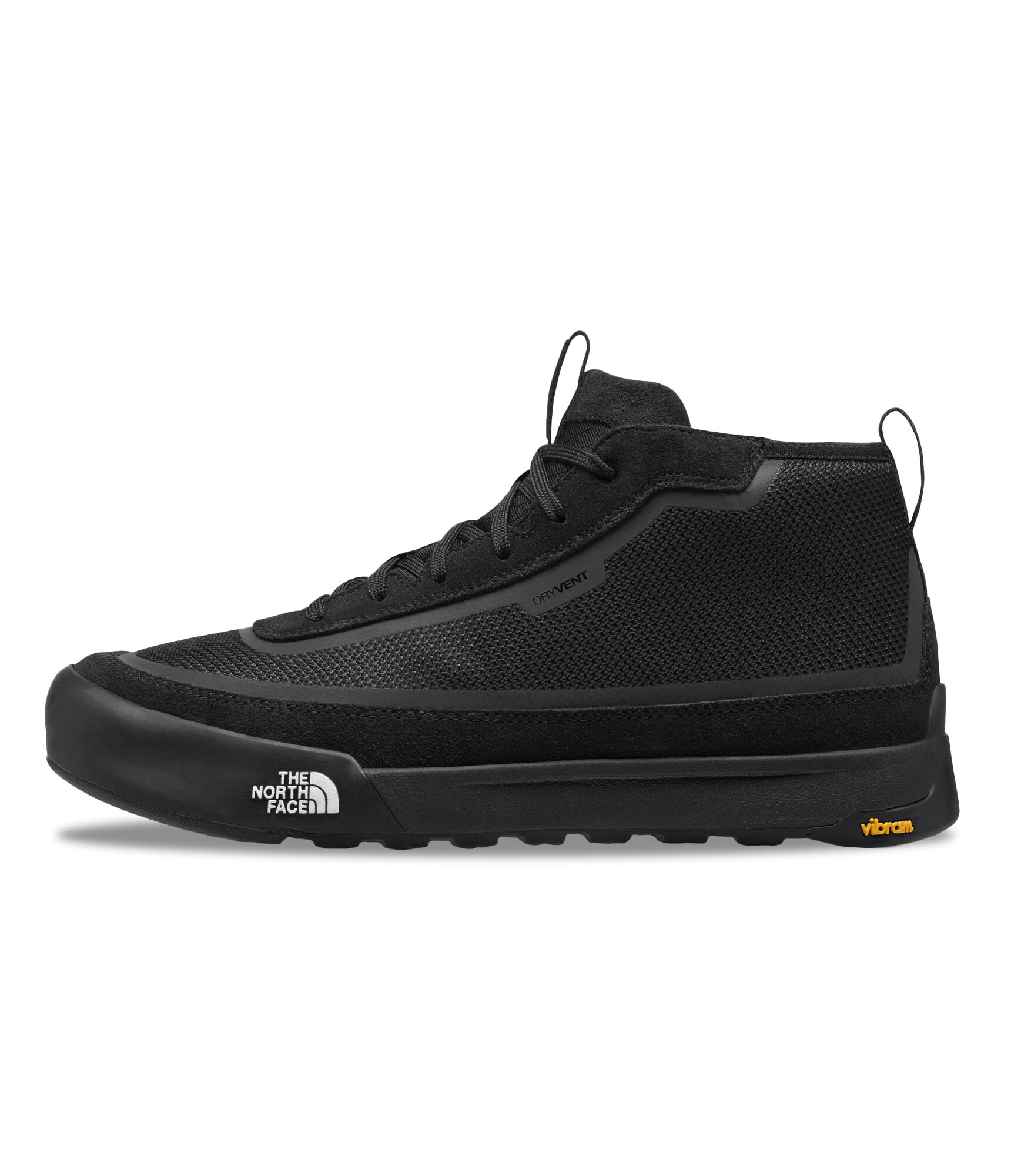
The North Face Clyffe Mid is a unisex insulated boot designed specifically for wet winter conditions. The Vibram Megagrip outsole is famous for its performance on ice and wet rock — a huge plus for Iceland’s frozen waterfalls and slick boardwalks near Geysir. The 200g insulation provides enough warmth for active winter days without overheating during uphill sections.
Reviewers consistently highlight the boot’s waterproof seal and superior traction on slush, wet grass, and packed snow. The style is more low-profile than a traditional snow boot, making it a good choice for urban-to-trail transitions like walking Reykjavik streets then heading out to the Reykjanes Peninsula. The mid-height collar offers good ankle support while keeping the boot relatively light.
Some wearers wish the outsole were slightly thicker for more cushioning on sharp lava rock, and the laces are on the shorter side. The boot runs true to size with standard socks; if you plan to wear heavy expedition-weight socks, order a half-size up. The insulation is not enough for hours of standing in subzero temperatures, but it’s ideal for active winter hiking.
Why it’s great
- Vibram Megagrip provides class-leading traction on ice and wet rock.
- 200g insulation is well-balanced for active winter days.
- Unisex design with a low-profile look that works in town and on trails.
Good to know
- Thicker soles would provide better cushioning on sharp volcanic rock.
- Laces are on the shorter side and may need replacement for thick socks.
- Not warm enough for extended stationary use in extreme subzero temps.
7. The North Face Men’s Hedgehog 3 Mid Waterproof Hiking Boot

The Hedgehog 3 Mid uses a ripstop leather upper that feels more like a rugged sneaker than a traditional hiking boot, making it an ideal option for Iceland travelers who want waterproof protection without the weight and stiffness of a full expedition boot. The rubber outsole provides good grip on wet trails, and the boot is comfortable enough for daily wear without a break-in period.
Multiple users report wearing them for full work weeks with no discomfort, and they note the boot makes little noise on hard surfaces — a minor but appreciated detail when walking through quiet lava fields. The mid cut provides sufficient ankle support for well-maintained trails but is less protective on steep, loose terrain.
Reviewers recommend ordering a half-size up, as the toe box can be snugger than expected. The waterproof membrane is reliable for rain and shallow puddles, but the boot lacks insulation, so it’s best suited for Iceland’s milder summer months (June through August) when combined with a good sock. It’s not intended for deep snow or icy stream crossings.
Why it’s great
- Lightweight ripstop leather construction reduces foot fatigue on long walks.
- Comfortable straight out of the box with zero break-in required.
- Quiet walking — no loud clomping on pavement or gravel.
Good to know
- No insulation; best for summer Iceland use only.
- Toe box runs slightly snug; order a half-size up.
- Not designed for deep snow, ice, or off-trail scrambling.
8. Merrell Men’s Wrapt Mid Waterproof
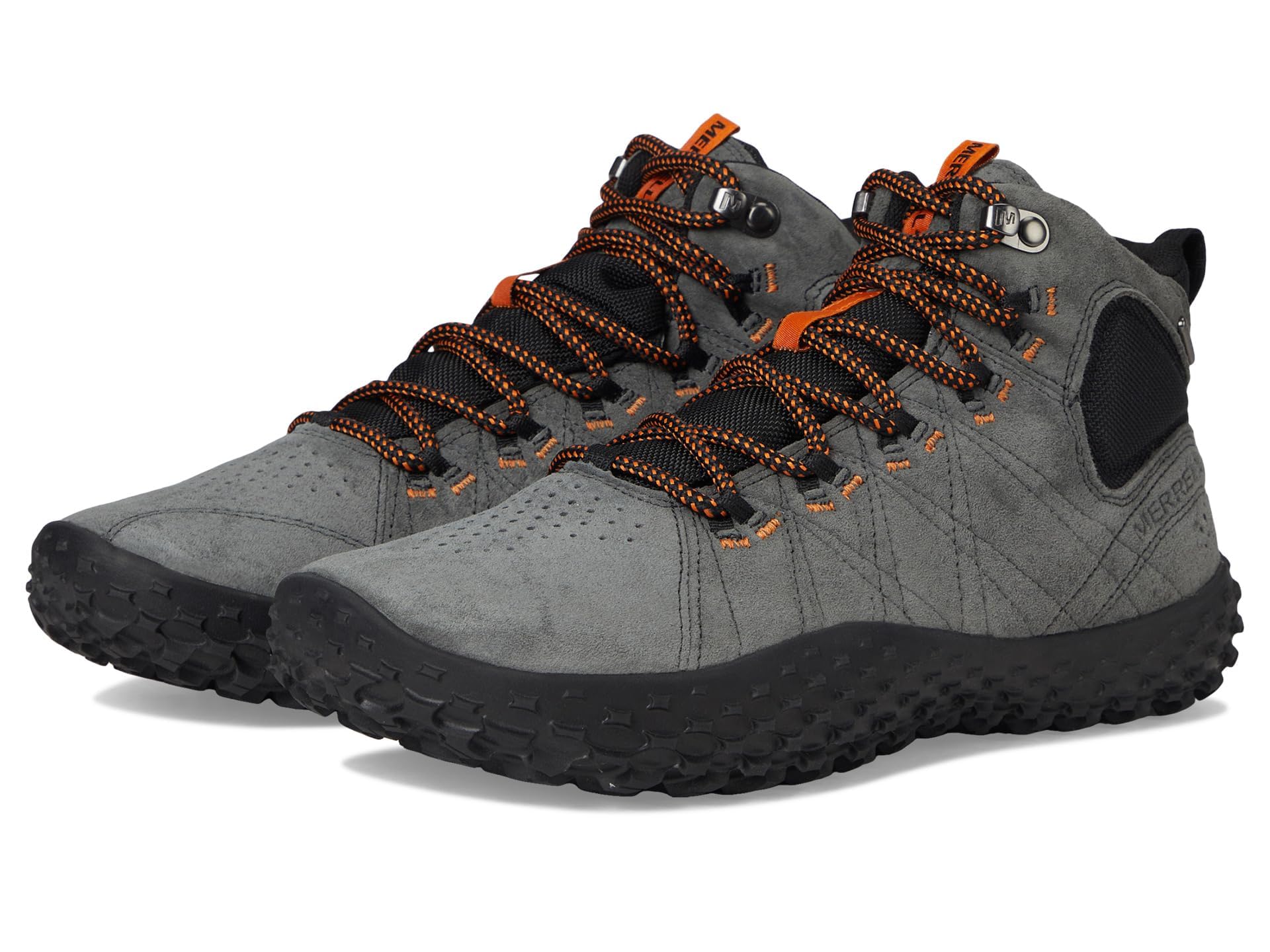
Merrell’s Wrapt Mid is a solid entry-level option for Iceland that balances waterproofing with breathability. The M Select DRY membrane keeps moisture out while allowing some airflow, which helps prevent sweaty feet on long uphill stretches. The Vibram outsole provides reliable grip on wet dirt and loose gravel, though it’s not in the same league as ice-specific compounds for frozen surfaces.
Users who wear these for work and hiking note the boot is extremely comfortable for low arches and doesn’t cause foot ache even after long wear days. The mid-height collar provides decent ankle support for well-marked trails. Several reviewers mention wearing them in Arizona’s dry heat as well as wet conditions, which speaks to their versatility for travelers who visit multiple climate zones.
Downsides include a fairly high arch support that some barefoot-style wearers found uncomfortable. The boot lacks any insulation, so it’s a fair-weather choice for Iceland’s summer months only. The fit is true to size, but the toe box is not especially wide. Avoid this model if you plan to hike on icy trails or need deep winter capability.
Why it’s great
- Breathable waterproof membrane reduces sweat buildup on active days.
- Comfortable low-arch support for all-day wear.
- Versatile performance across dry and wet conditions.
Good to know
- No insulation — not suitable for cold Icelandic weather.
- High arch support may be uncomfortable for some foot types.
- Outsole traction is below par on ice compared to premium options.
9. Sorel Women’s Tivoli V Waterproof Boot
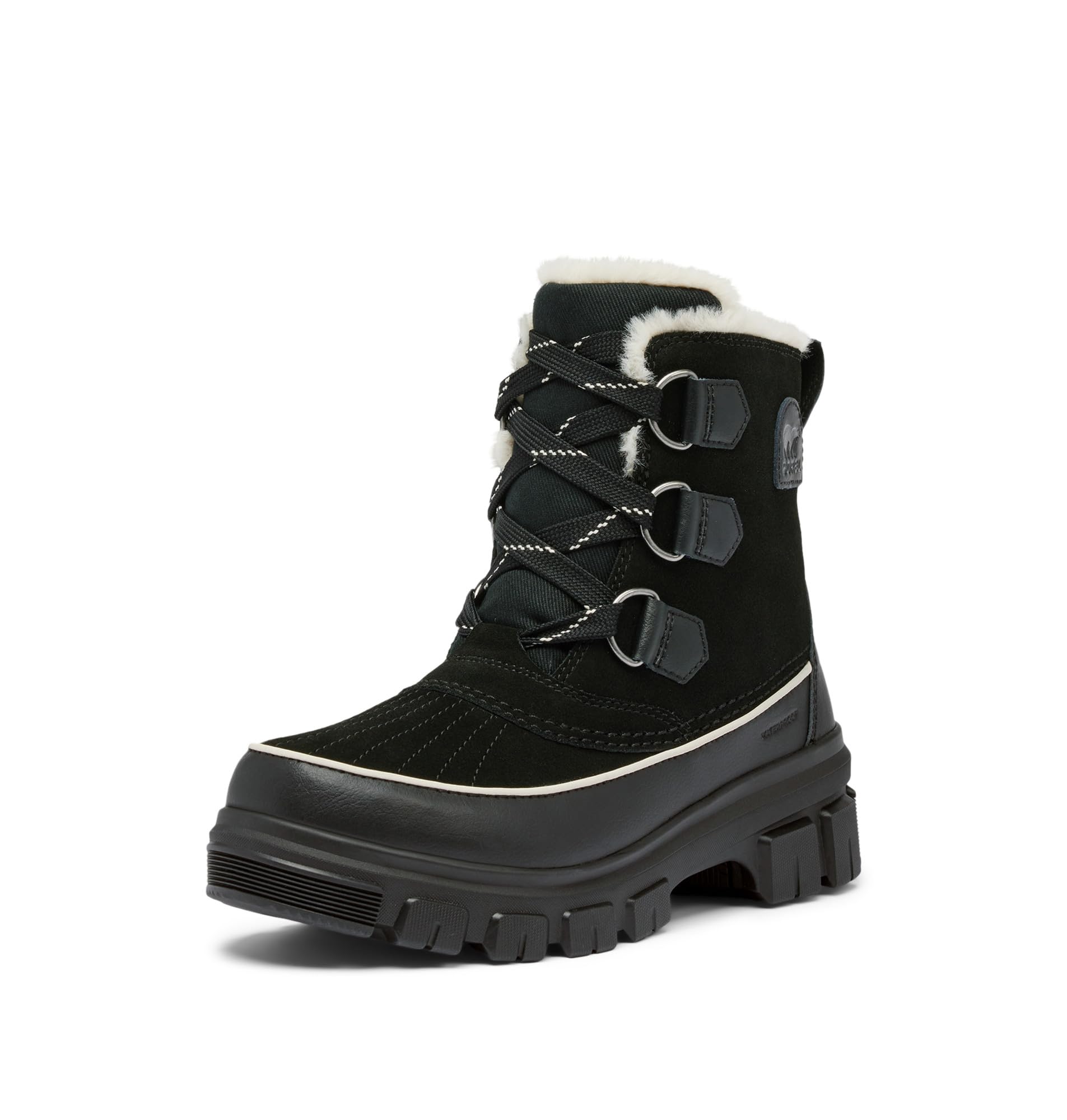
The Sorel Tivoli V is a budget-conscious women’s boot that performs well in slushy snow and wet pavement, making it a practical choice for Iceland’s urban and well-maintained trail environments. Its seam-sealed waterproof construction and 100g insulation are sufficient for mild winter conditions and spring travel. The style has a classic combat boot look that works well both on the trail and in Reykjavik.
Reviewers rave about the comfort, warmth, and nonslip performance in actual winter conditions. One-year durability appears solid based on consistent positive feedback across many users. The boot runs true to size, and the internal lining is soft and cozy without feeling bulky. It’s noticeably lighter than it looks, making it easier to pack for flights.
The modest insulation level means this boot is not built for deep winter or extended outdoor periods near glaciers. The outsole grip, while effective on snow and slush, is less confident on sheet ice. If your Iceland itinerary is primarily city-based with short outdoor excursions, this boot offers a strong value proposition.
Why it’s great
- Stylish design that transitions well from trail to town.
- Seam-sealed waterproofing keeps feet dry in slush and rain.
- Lightweight and comfortable for casual day walks.
Good to know
- 100g insulation is insufficient for serious winter or glacier visits.
- Outsole struggles on black ice and smooth wet rock.
- Not a technical hiking boot; lacks ankle support for rugged terrain.
FAQ
Should I get insulated or non-insulated boots for Iceland?
Can I use hunting boots like the Irish Setter Wingshooter for Iceland hiking?
Final Thoughts: The Verdict
For most visitors, the best boots for iceland is the Helly-Hansen Garibaldi VL because it combines reliable waterproofing, solid ice traction, and lightweight warmth in a package that transitions from town to trail. If your trip is focused on extreme winter conditions or long stationary periods, grab the Baffin Eiger for its unmatched thermal rating. And for active summer hiking on moderate trails, the Salomon X-Adventure Recon Mid GTX delivers excellent ankle support, fast break-in, and dependable waterproof protection.

Mo Maruf
I created WellFizz to bridge the gap between vague wellness advice and actionable solutions. My mission is simple: to decode the research and give you practical tools you can actually use.
Beyond the data, I am a passionate traveler. I believe that stepping away from the screen to explore new environments is essential for mental clarity and physical vitality.