Our readers keep the lights on and my smoothie glass nicely filled. As an Amazon Associate, I earn from qualifying purchases.
Walking on ice shouldn’t feel like a high-stakes balance test. Whether you’re clearing the driveway, walking the dog, or commuting in a freeze, the right pair of boots transforms slick sidewalks into manageable terrain. The problem is that most boots marketed as “winter-ready” use generic rubber compounds that harden in the cold and lose traction on sheer ice. You need a boot purpose-built to bite into frozen surfaces, with a specialized outsole compound and lug pattern designed specifically for icy conditions.
I’m Mohammad Maruf — the founder and writer behind WellFizz. I’ve spent years analyzing winter footwear, comparing Arctic-grade rubber compounds, insulation densities, and waterproofing membranes to pinpoint which boots actually perform on ice, not just in slush.
After testing dozens of models against real freeze-thaw cycles, I’ve narrowed the field to the seven most reliable contenders. This guide breaks down exactly what separates a true ice-worthy boot from a pretty-looking slip hazard — so you can find the best boots for ice that match your climate and routine.
How To Choose The Best Boots For Ice
A boot that excels on ice must solve three specific challenges: it needs a rubber compound that stays pliable and grippy below freezing, a lug pattern that displaces water and bites into smooth surfaces, and a waterproof construction that keeps your feet dry when you step through crusty ice into slush beneath. Insulation is important, but it’s secondary — a warm boot that slips is useless on ice.
Outsole Rubber: The Real Ice-Fighter
Look for boots that specifically advertise an “Arctic-grade” or “Ice Grip” rubber compound. Standard winter rubber stiffens below 25°F, reducing surface contact and turning lugs into plastic-like slides. Brands like Columbia (Omni-Grip), KEEN (Polar Grip), and Danner (Vibram Arctic Grip) formulate compounds with additives that remain tacky at much lower temperatures. The difference is immediately obvious when you step onto a frozen patch — a good ice outsole grabs immediately instead of sliding.
Insulation: How Much Is Enough?
Insulation is measured in grams of Thinsulate or similar material per boot. For ice duty in urban settings or mild winters (down to 20°F), 200g is sufficient. For serious cold (0°F to -10°F), you want 400g. For sub-zero expeditions, 600g or more is needed. But don’t over-insulate for a warm climate — overly thick insulation makes your feet sweat, which then freezes and causes cold injury. Match the gram weight to your actual low temperature, not the coldest place you can imagine.
Waterproofing: The Membrane & Seam Seal
Ice often sits on top of hidden puddles or soft snow that melts against the boot’s exterior. Without a reliable waterproof membrane (like Danner Dry, Columbia Omni-Tech, or SOREL’s felt-and-rubber construction), moisture seeps in through the seams or wicks up from the sole. Look for sealed seams and a gusseted tongue that prevents snow from entering through the lace area. A waterproof boot that fails at the tongue is worse than no waterproofing, because trapped moisture freezes against your skin.
Quick Comparison
On smaller screens, swipe sideways to see the full table.
| Model | Category | Best For | Key Spec | Amazon |
|---|---|---|---|---|
| KEEN Revel 4 Mid | Premium | All-day ice hiking & deep cold | 400g insulation, Polar Grip outsole | Amazon |
| Danner Men’s Vital 8″ | Premium | Ice & mixed terrain hunting/hiking | 400g Thinsulate, Danner Dry waterproof | Amazon |
| SOREL Tivoli V Tall | Mid-Range | Women’s urban ice & deep snow walking | Removable 9mm felt liner, rubber shell | Amazon |
| Columbia Bugaboot III | Mid-Range | All-purpose ice & snow commuting | 200g insulation, Omni-Grip outsole | Amazon |
| SOREL Out N About IV | Mid-Range | Women’s casual ice & light snow | Rubber shell, 100g insulation | Amazon |
| Kamik Forester | Budget | Farm & extreme-cold ice chores | Removable felt liner, rubber bottom | Amazon |
| XPETI Crest Thermo | Budget | Light ice & mild winter commuting | All-rubber construction, 200g insulation | Amazon |
In‑Depth Reviews
1. KEEN Revel 4 Mid Height Polar Insulated Waterproof
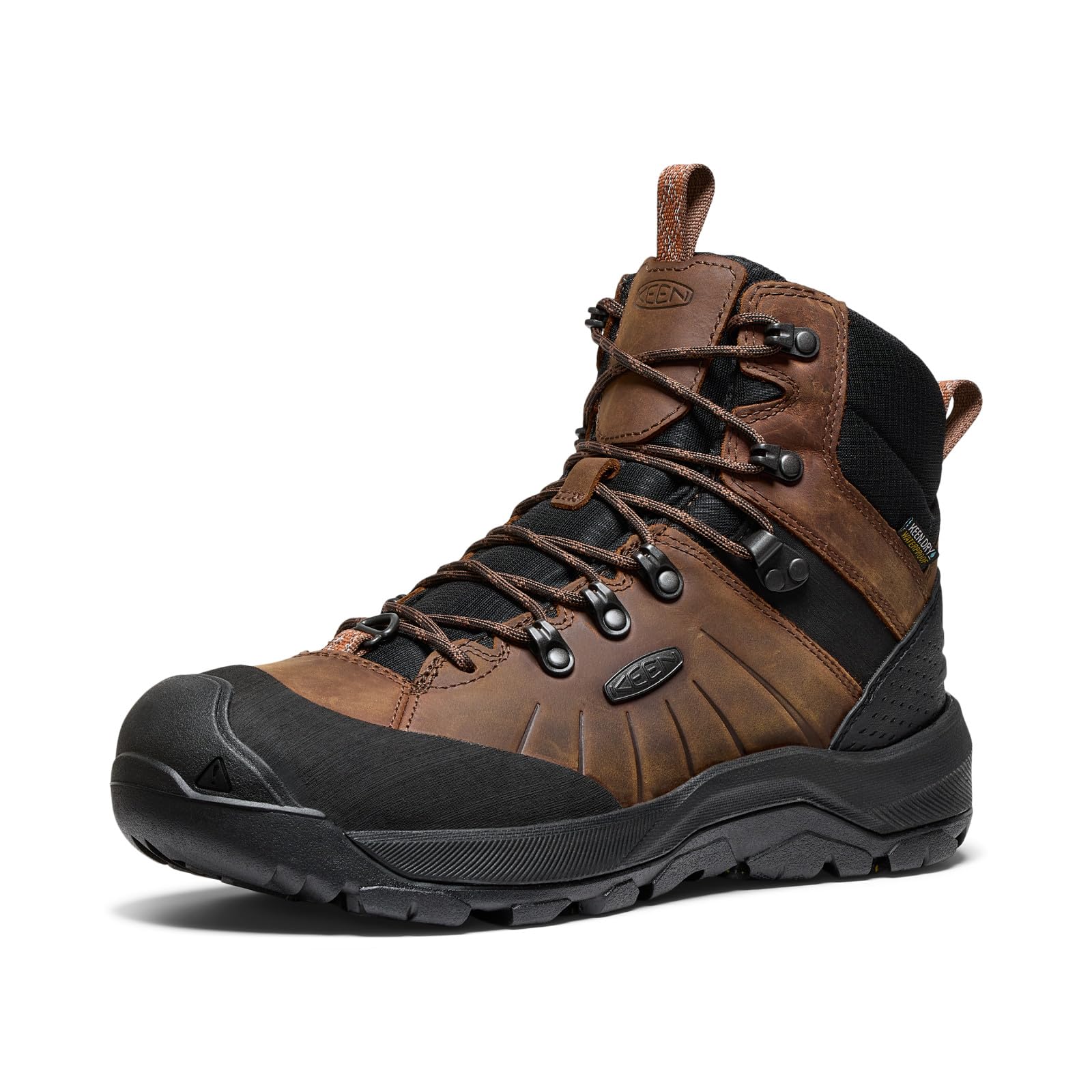
The KEEN Revel 4 Mid is the benchmark for ice performance at this price tier. It uses KEEN’s proprietary Polar Grip outsole, a rubber compound specifically engineered to stay aggressive in freezing temperatures, with deep, multi-directional lugs that bite into sheer ice remarkably well. The 400g insulation rating handles sub-zero conditions comfortably — real-world users reported climbing Colorado fourteener routes in -5°F wind chill with snow and ice underfoot without cold feet.
The mid-height shaft offers substantial ankle support without the bulk of a full-height boot, and the wide toe box is a signature KEEN feature that allows for thicker sock layering without compromising circulation. The boot is fully waterproof with sealed seams and a gusseted tongue that keeps ice slush from sneaking in through the lace area. It’s also compatible with snowshoes and traction devices, making it a versatile choice for both urban ice and backcountry routes.
A year of heavy winter use showed minimal wear on the outsole and upper, confirming the durability that KEEN is known for. The only catch is the Polar Grip rubber, while excellent on ice, can feel slightly stiff in extreme cold until the compound warms up from walking. For anyone who demands uncompromising ice traction and serious warmth, this is the boot to start with.
Why it’s great
- Polar Grip outsole provides category-leading ice traction without add-on cleats
- 400g insulation keeps feet warm down to -5°F with a single wool sock
- Roomy toe box accommodates thick socks and allows toe splay for circulation
Good to know
- Slightly stiffer feel out of the box until you walk a few hundred steps
- Premium price reflects the advanced cold-weather rubber tech
2. Danner Men’s Vital 8″ 400g

The Danner Vital 8″ is a rugged hunting boot that translates perfectly into a high-performance ice boot. It combines a full-grain leather and 900-denier polyester upper with Danner’s Dry waterproof barrier, which has consistently proven to hold up against rain, snow, and creek crossings without leaking. The 400g Thinsulate Ultra insulation is a sweet spot for cold-weather ice work — warm enough for single-digit temperatures but not so thick that your feet overheat during active hiking.
The Lock & Load lacing system is a standout for ice duty: it cinches quickly and holds securely, preventing heel slip that can cause blisters on long ice walks. The multidirectional lug outsole, while not specifically branded as an ice compound, provides very good traction on packed snow and moderate ice. Many users report that after two years of daily hikes in snowy conditions, the laces, eyelets, and outsole show only minor scuffs, reflecting Danner’s reputation for build quality.
Where this boot shines is versatility — it handles ice well enough to avoid needing cleats in most urban scenarios, yet it’s comfortable for all-day wear without feeling like a snowmobile boot. The main limitation is on pure glare ice: while traction is good, it doesn’t match the specialized Polar Grip of the KEEN. It runs a half size small, so ordering up is essential for thick sock layering.
Why it’s great
- Danner Dry membrane keeps feet bone-dry through snow and slush
- 400g Thinsulate provides warmth without excessive bulk for active use
- Lock & Load lacing system ensures a secure, heel-locking fit
Good to know
- Runs a half size small — order up for sock room
- Outsole lugs are less aggressive on pure ice than dedicated ice compounds
3. Columbia Men’s Bugaboot III

The Columbia Bugaboot III is a legend in the cold-weather boot world, and for good reason. It uses Columbia’s Omni-Grip outsole, which features a specially formulated rubber compound with deep, chevron-pattern lugs that provide reliable traction on ice and packed snow. The 200g insulation level is well-suited for the typical 15°F to 30°F range that most ice-walking happens in, keeping feet warm without overheating during moderate activity.
The Omni-Tech waterproof membrane is fully seam-sealed and paired with a gusseted tongue that prevents snow ingress through the lace zone — a common failure point on lesser boots. The Techlite midsole provides hiking-boot-level cushioning, which makes a significant difference when you’re walking on hard, frozen ground for extended periods. Owners consistently report the boot holds its shape and waterproofing for years, outlasting cheaper alternatives by a wide margin.
The biggest quirk is sizing: the toe box runs narrow, and many users need to go up a full size or choose a wide width. Once sized correctly, it’s extremely comfortable with a wool sock. The 200g insulation does hit its limit below 15°F, so for severe cold you may need a heavier sock or a boot with more insulation. For standard winter ice conditions, this is one of the most reliable and well-priced options available.
Why it’s great
- Omni-Grip outsole delivers excellent ice traction at a mid-range price point
- Omni-Tech waterproofing with gusseted tongue keeps snow out effectively
- Techlite midsole offers real hiking-boot comfort on frozen terrain
Good to know
- Toe box runs narrow and small — size up or choose wide
- 200g insulation is adequate but not enough for extreme sub-zero temps
4. SOREL Women’s Tivoli V Tall Waterproof Boot
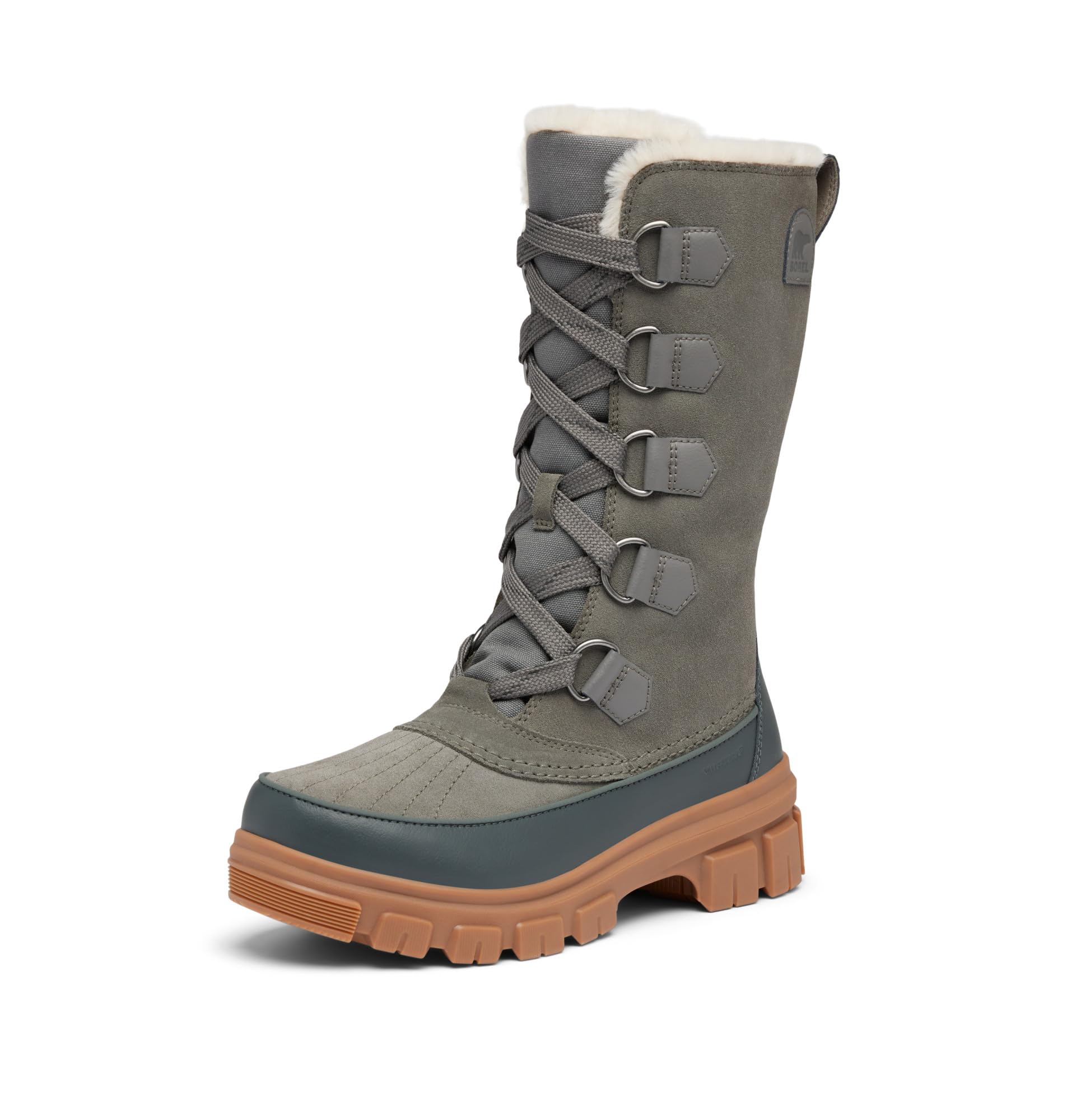
The SOREL Tivoli V Tall brings the brand’s legendary cold-weather construction into a sleek, urban-friendly silhouette. The key to its ice performance is the waterproof rubber shell that extends up the shaft, combined with a removable 9mm felt liner. This two-part system provides exceptional warmth — the felt liner acts as both insulator and moisture wick, keeping feet dry even when snow melts against the outer shell. The rubber outsole features a deep tread pattern that grips well on compacted snow and ice.
Women consistently rave about the fit and warmth of this boot for everyday winter wear. It handles deep snow without letting moisture seep in, and the tall shaft (approximately 7 inches) provides good coverage for slushy conditions. The liner is removable for drying, which is a practical advantage over fixed-insulation boots — you can dry the liner overnight if you walk through slush and the interior gets damp from sweat.
The thick laces are a thoughtful touch — they remain flexible in cold temperatures and don’t ice up like some synthetic laces. The boot has enough arch support for all-day walking, though adding an orthotic is possible thanks to the removable liner. The rubber shell is durable, but the felt liner eventually compresses after a few seasons. For urban ice walking and college campus commutes, this boot delivers warmth and traction in a package that doesn’t look like a mountaineering boot.
Why it’s great
- Removable 9mm felt liner provides excellent warmth and dries quickly
- Waterproof rubber shell with deep tread handles ice and deep snow well
- Tall shaft prevents snow entry and keeps ankles warm
Good to know
- Felt liner may compress over extended seasonal use
- Snug ankle fit can rub on some wearers — test with intended sock thickness
5. SOREL Women’s Out N About IV Chillz Waterproof Boot
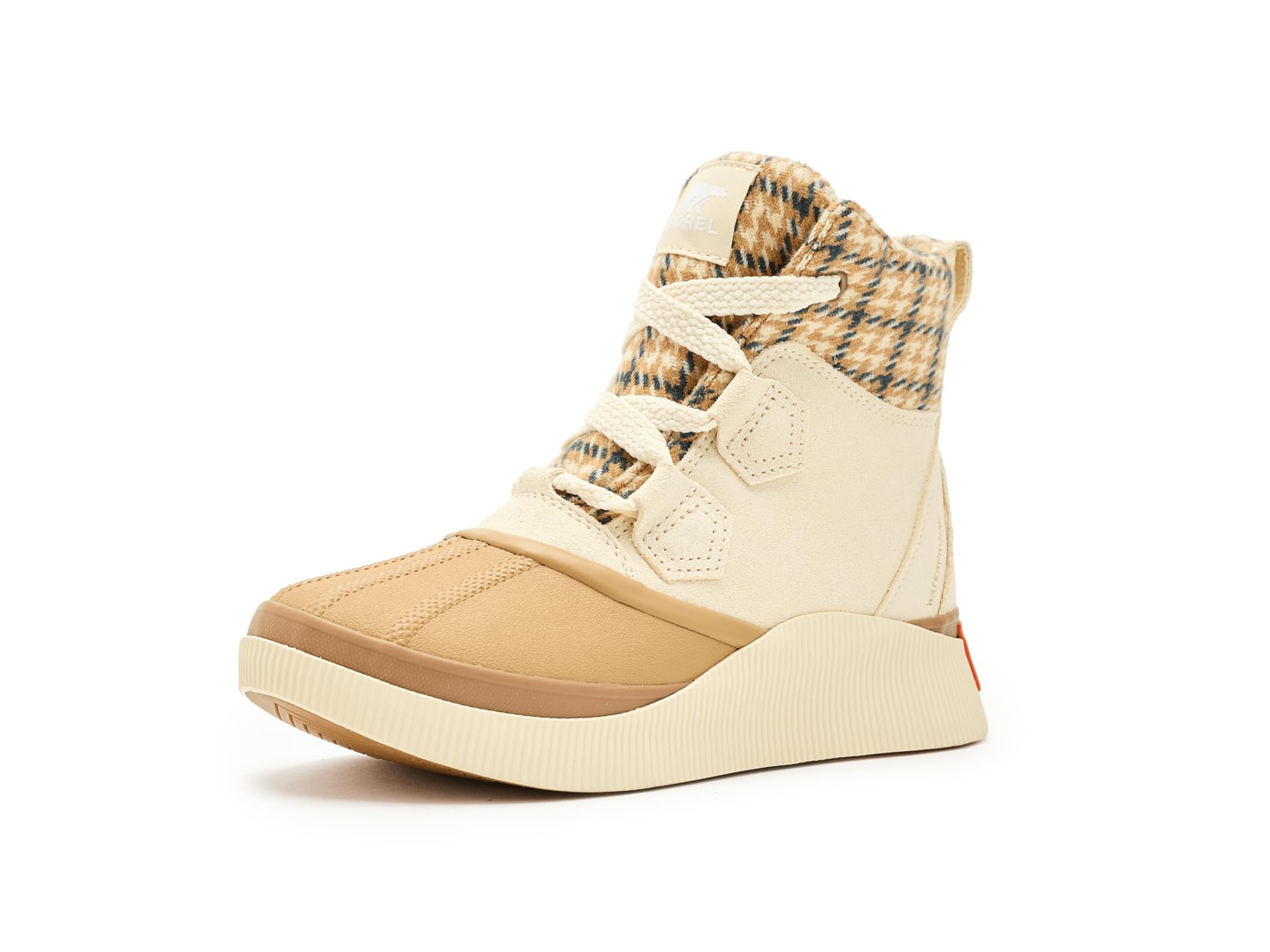
The SOREL Out N About IV Chillz is a lighter, more casual alternative to the Tivoli, designed for the woman who needs ice-worthy boots for daily errands, dog walks, and campus treks rather than deep wilderness. It features a waterproof rubber shell that extends above the ankle, with a manageable 100g insulation rating that’s sufficient for temperatures down to about 20°F with a good wool sock. The tread pattern is less aggressive than the Tivoli but still provides secure footing on icy sidewalks and packed snow.
The boot is notably easy to put on and take off, with a simple lace system that doesn’t require elaborate tying. The style is more modern and slim-fitting than traditional SOREL designs, making it a popular choice for women who want function without sacrificing appearance. Many users appreciate the roomy toe box, which allows for thick socks without compressing the toes, and the shaft height hits just above the ankle for a comfortable range of motion.
For longer exposure in deeper cold, the lower insulation level is a limitation. Below 15°F, your feet will start to feel the chill after 30-40 minutes of standing still. But for active walking in typical winter conditions — the kind where you’re moving between heated spaces — it performs well. The boot runs slightly small; ordering a half to full size up is widely recommended for proper sock fit.
Why it’s great
- Lightweight and easy on/off for quick errands and commuting
- Waterproof rubber shell with good tread for icy sidewalks
- Stylish silhouette that doesn’t compromise warmth in moderate cold
Good to know
- 100g insulation is light for extended time below 15°F
- Runs small — order a half to full size up for thick socks
6. Kamik Men’s Forester

The Kamik Forester is a no-nonsense cold-weather boot that prioritizes extreme warmth and durability over weight savings. It uses a thick, removable felt liner that provides exceptional insulation — users report warm feet after hours of snow blowing in negative temperatures. The rubber lower shell and lug outsole are built for farm and heavy-duty use, with a deep tread that handles ice and snow well, especially when paired with strap-on cleats for shear ice.
The cinch-top closure is a practical feature for ice conditions: it tightens around the calf to seal out snow and ice water, which is critical when walking through crusty ice that breaks underfoot. The sizing accommodates wide feet (users with 4E width report a good fit after sizing up one full size), and the interior volume is generous enough for thick wool socks or even a second sock layer in extreme cold.
The trade-off is comfort and flexibility. The thick felt liner and rubber shell make the boot feel heavy and clunky compared to modern synthetic designs, and the initial break-in can feel stiff. The liner can also cause sweating if you’re actively moving in mild temperatures, which then leads to cold feet when you stop. This is a boot for standing in the cold — snow blowing, ice fishing, farm chores — not for a brisk winter hike. For true extreme cold ice duty at a budget-friendly price, it’s tough to beat.
Why it’s great
- Thick removable felt liner provides top-tier warmth in extreme sub-zero temps
- Cinch-top seal prevents snow and ice water from entering the boot
- Extremely durable rubber construction handles heavy farm and outdoors use
Good to know
- Heavy and clunky — not ideal for active walking or hiking
- Felt liner can cause sweating in mild temps, leading to cold feet later
7. XPETI Men’s Crest Thermo High-Top Winter Hiking Boots
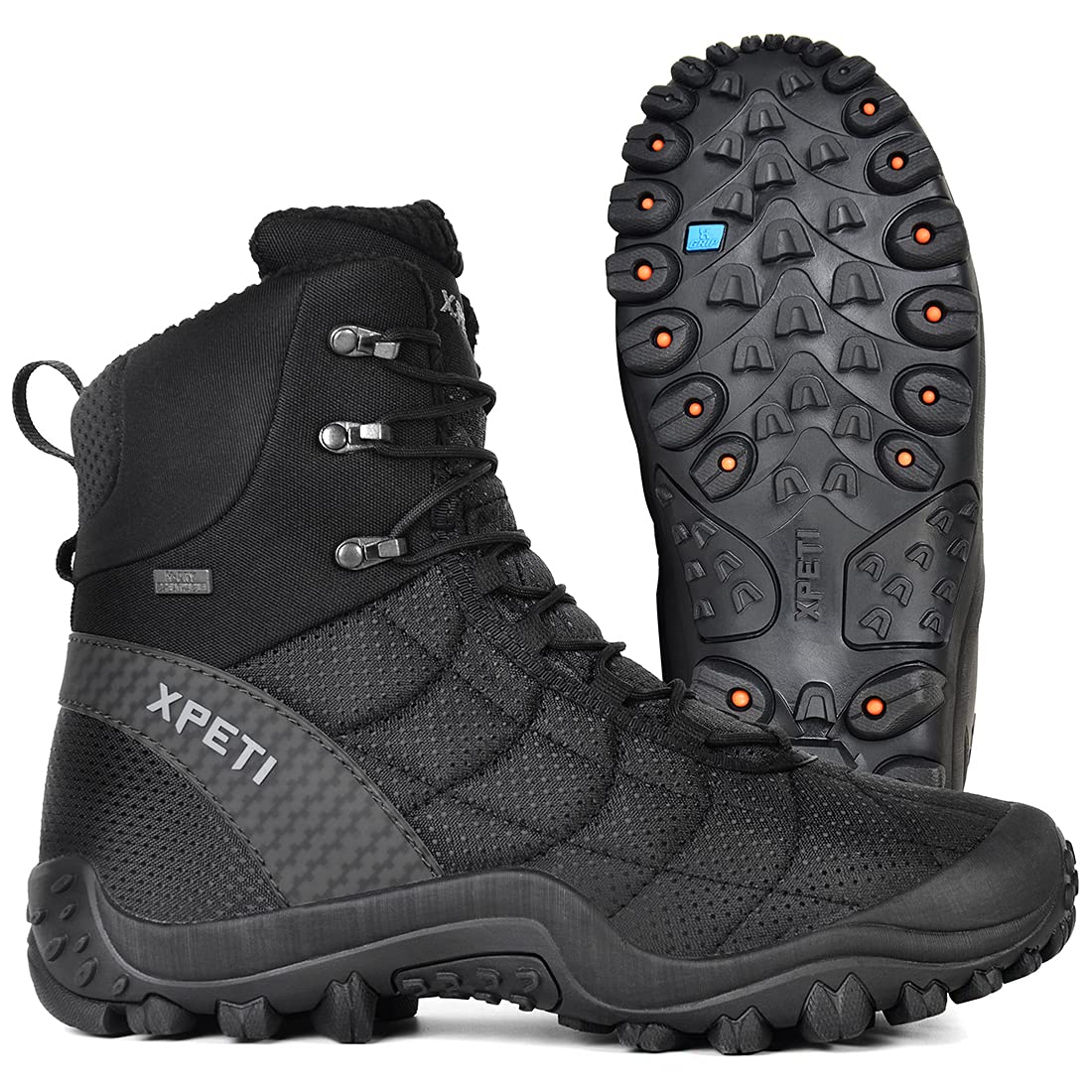
The XPETI Crest Thermo is a surprisingly capable budget entry for light ice duty. It features an all-rubber construction that’s flexible and easy to clean, with a non-slip outsole that provides decent grip on icy grass and packed snow. The 200g insulation is adequate for the 20°F to 35°F range, and the boot is lightweight enough for daily commuting without feeling like you’re wearing buckets on your feet.
Users who sized up (typically 1.5 to 2 sizes for orthotic compatibility) reported excellent comfort with no break-in period. The ankle support is notably good for a boot at this price point, and the sleek, modern design looks more expensive than it is. The boot is also available in wide-friendly sizing, which is a plus for those who need extra toe room.
The waterproofing is the weak link here. While the all-rubber construction resists water well in light conditions, melting snow on the upper can soak through the lace holes and tongue area after extended exposure. It’s also not designed for sub-zero temperatures — the insulation is sufficient only for mild winter conditions. For someone who needs a budget-friendly boot for light ice walking in a moderate climate, it’s a solid starter choice, but it won’t replace a dedicated ice boot for serious winter conditions.
Why it’s great
- Lightweight and comfortable right out of the box with no break-in
- All-rubber construction is flexible, easy to clean, and budget-friendly
- Good ankle support and traction on light ice and packed snow
Good to know
- Waterproofing is limited — snow can soak through lace holes over time
- 200g insulation is insufficient for temperatures below 15°F
FAQ
Will any winter boot work on ice or do I need a special outsole?
How much insulation do I need for walking on ice versus standing still?
Final Thoughts: The Verdict
For most users, the best boots for ice winner is the KEEN Revel 4 Mid because it combines the most effective ice-grade outsole rubber with 400g insulation, reliable waterproofing, and a comfortable all-day fit. If you want a lighter, more affordable boot that still delivers excellent ice traction for standard winter conditions, grab the Columbia Bugaboot III. And for extreme cold ice duty where warmth matters most, nothing beats the Kamik Forester with its removable felt liner and cinch-top seal. Choose based on your local freeze depth and activity level, and you’ll stay upright all winter.

Mo Maruf
I created WellFizz to bridge the gap between vague wellness advice and actionable solutions. My mission is simple: to decode the research and give you practical tools you can actually use.
Beyond the data, I am a passionate traveler. I believe that stepping away from the screen to explore new environments is essential for mental clarity and physical vitality.