Our readers keep the lights on and my smoothie glass nicely filled. As an Amazon Associate, I earn from qualifying purchases.
Choosing the wrong pair of boots can turn a scenic ridgeline into a painful slog. Blisters, rolled ankles, and wet feet are the quickest way to ruin a multi-day trip, and the market is flooded with options that prioritize looks over real-world performance on loose talus and wet creek crossings.
I’m Mohammad Maruf — the founder and writer behind WellFizz. I’ve spent years analyzing boot construction, outsole compounds, and waterproof membrane data to separate genuine backpacking gear from fashion boots masquerading as trail gear.
Whether you’re hauling 40 pounds up a granite slab or navigating miles of wet roots, the right pair changes everything. This guide breaks down the best boots for backpacking based on real user data, measurable specs, and terrain-specific demands.
How To Choose The Best Boots For Backpacking
Backpacking boots live at the intersection of support, weight, and waterproofing. Unlike trail runners or casual hikers, they need to stabilize a loaded pack while surviving thousands of steps over jagged rock and mud. Here’s what actually matters on the trail.
Ankle Height and Support Stiffness
A boot that flexes too much in the ankle offers no real protection when you’re carrying 30+ pounds on uneven ground. Mid-height (6-8 inch) collars provide the right balance of mobility and lateral support. Stiffness is measured by the boot’s torsion resistance — stiffer boots protect against ankle rolls but require a longer break-in. If your terrain is mostly gentle singletrack, a more flexible boot saves weight and reduces fatigue.
Outsole Rubber Compound and Lug Depth
Not all Vibram soles are equal. The sticky rubber formula used by brands like KEEN and Merrell differs significantly from the harder, longer-wearing compounds on tactical boots. For backpacking, look for lugs at least 4mm deep with a self-cleaning tread pattern that sheds mud. A boot that clogs with mud becomes a slick platform on wet rock — a dangerous combination on sidehills.
Waterproof Membrane vs. Breathability Trade-Off
Gore-Tex remains the gold standard for waterproof boots because it balances moisture protection with vapor permeability. Proprietary membranes often use thicker layers that trap heat and cause faster foot sweat accumulation. If you hike in consistently wet climates, prioritize a Gore-Tex liner. For dry, hot environments, a non-waterproof boot that drains and dries quickly is often the smarter choice to avoid macerated skin.
Quick Comparison
On smaller screens, swipe sideways to see the full table.
| Model | Category | Best For | Key Spec | Amazon |
|---|---|---|---|---|
| Lowa Zephyr GTX Mid | Premium | Fast & light backpacking | 11.2 oz per boot (size 9) | Amazon |
| Danner Acadia 8″ | Premium | Heavy loads & durability | 3.2 lbs per pair (size 9) | Amazon |
| KEEN Targhee 4 Mid | Mid-Range | Wide feet & wet conditions | PFAS-free waterproof membrane | Amazon |
| ASOLO TPS 520 GV Evo | Premium | Alpine & technical terrain | Full-grain leather, 2.2mm thick | Amazon |
| Merrell Moab 3 Tactical Mid | Mid-Range | Tactical & work use | Coated leather & mesh upper | Amazon |
| Merrell Moab 3 Prime Mid | Mid-Range | All-day comfort for wide feet | Vibram TC5+ outsole | Amazon |
| Timberland White Ledge Mid | Budget | Entry-level backpacking | 1.1 lbs per boot (size 9) | Amazon |
| Merrell Accentor 3 | Budget | Day hikes & light loads | Heel Air Cushion, 11 oz | Amazon |
In‑Depth Reviews
1. Merrell Moab 3 Prime Mid Waterproof
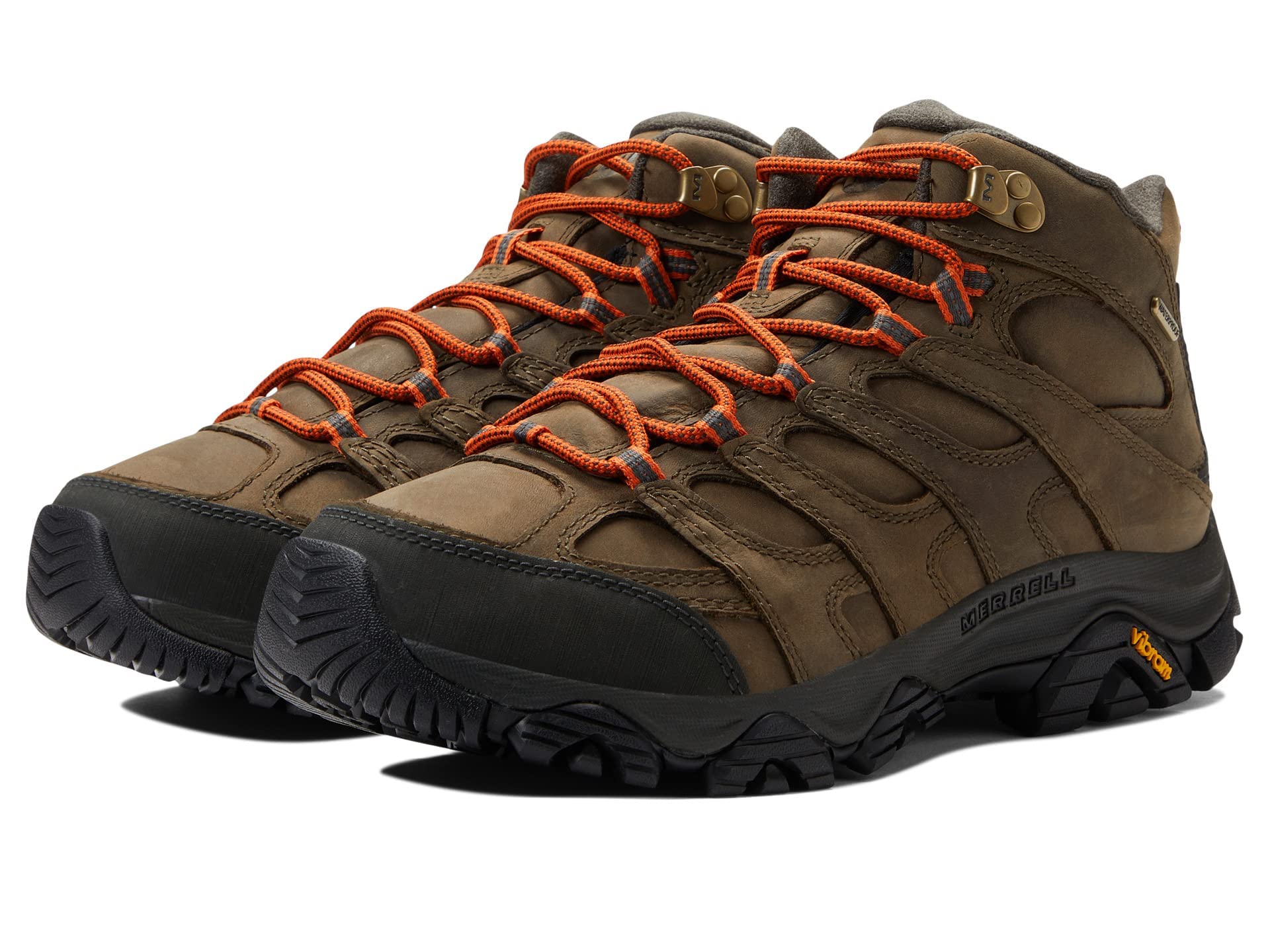
The Merrell Moab 3 Prime Mid is the benchmark for mid-range backpacking boots because it nails the essentials without charging a premium. The Vibram TC5+ outsole provides reliable grip on wet rock, metal grates, and polished concrete — a rare level of traction for boots in this tier. Multiple reviewers confirmed they were comfortable straight out of the box, with zero break-in period required even on long mountain hikes.
The boot accommodates wide feet and high arches exceptionally well, with a roomy toe box that doesn’t pinch even after miles of descent. The waterproof membrane holds up against shallow creek crossings and sustained rain, though it breathes less effectively than Gore-Tex in hot conditions. The square heel design has been noted as a tripping hazard on uneven trail surfaces, which is the single most common criticism across long-term reviews.
With its combination of immediate comfort, durable construction, and proven traction geometry, the Moab 3 Prime is the most reliable all-rounder for backpackers who need a boot that works on day one. The price-to-performance ratio is the strongest of any boot in this lineup.
Why it’s great
- Zero break-in period reported by nearly all users
- Excellent traction on wet and polished surfaces
- True wide sizing with generous toe box
Good to know
- Square heel shape can catch on roots and rocks
- Proprietary membrane less breathable than Gore-Tex
2. Lowa Zephyr GTX Mid Hiking Boot

The Lowa Zephyr GTX Mid is the lightest genuine backpacking boot in this guide, tipping the scales at just over 11 ounces per boot. That weight savings translates directly to less fatigue on long mile days — users report wearing them for 12+ hours with no foot pain. The Gore-Tex membrane offers reliable waterproofing in snow and slush, keeping feet warm and dry even when fully soaked in wet conditions.
However, the boot’s light weight comes from a softer sole construction that transmits sharp rocks noticeably on loose talus and scree. Reviewers who hike on smooth singletrack or dirt trails praise the comfort, but those on technical terrain note that the sole lacks the dampening needed to mask smaller rocks. The boot also has poor breathability, leading to moisture buildup and odor after extended wear.
For backpackers who prioritize fast movement over absolute foot protection, the Zephyr GTX is an outstanding choice. It excels on well-maintained trails and works well as a work boot, but it is less suited for heavy loads on jagged terrain where a stiffer platform would be safer.
Why it’s great
- Extremely lightweight for a mid-height boot
- Gore-Tex provides excellent waterproofing
- Comfortable out of box with no break-in
Good to know
- Soft sole transmits sharp rocks on talus
- Breathability is poor; moisture leads to odor
3. KEEN Men’s Targhee 4 Mid Height Waterproof Hiking Boots
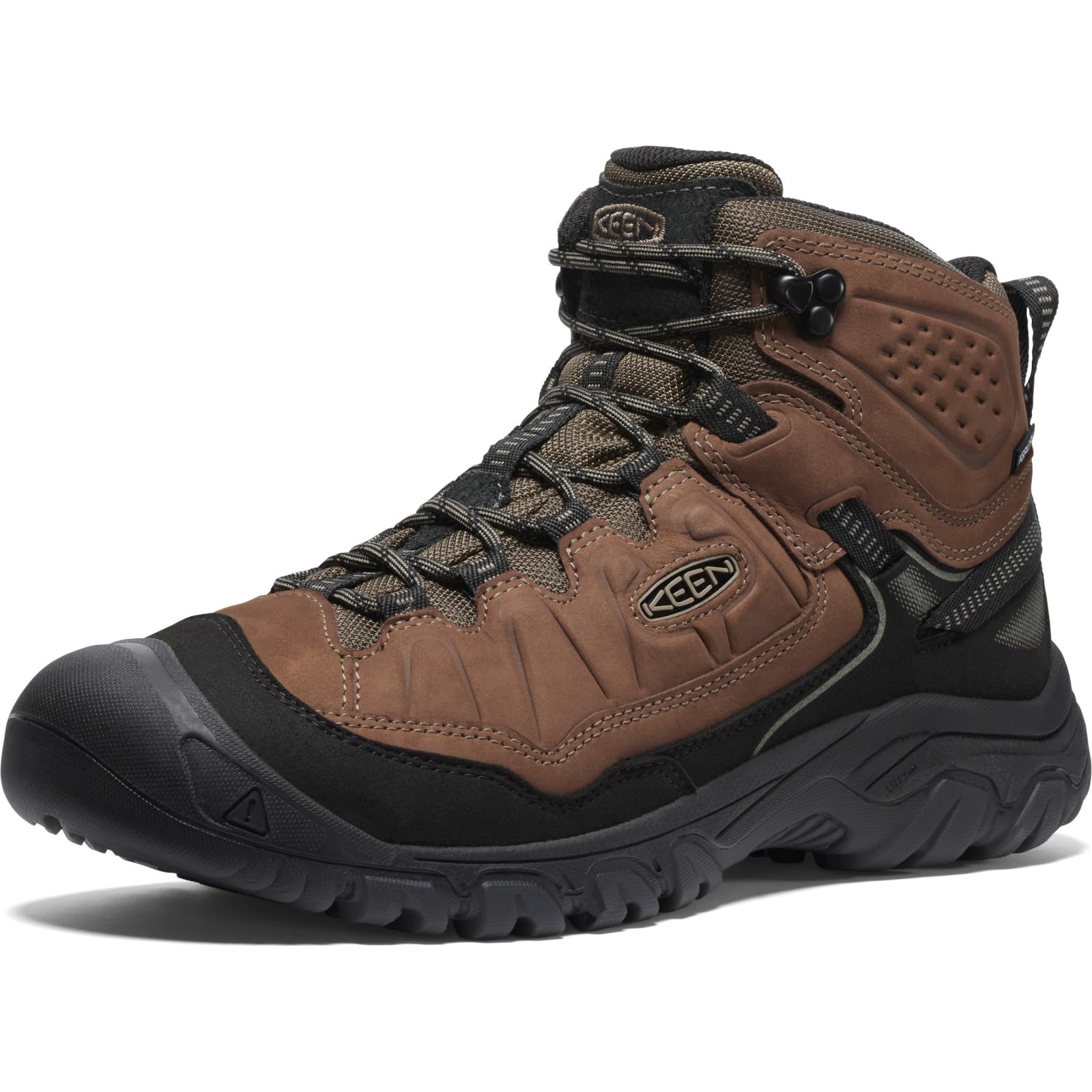
The KEEN Targhee 4 Mid represents a meaningful upgrade over its predecessors, with a PFAS-free waterproof membrane that meets modern environmental standards without sacrificing moisture protection. The boot features KEEN’s signature generous toe box, which accommodates splaying toes on steep descents and prevents blisters on the lateral side of the foot. Users consistently report that these are the most comfortable Keens they’ve owned.
Outsole traction is aggressive and self-cleaning, performing well on the rocky, high-elevation terrain of the southern Rockies. The mid-height collar offers genuine ankle support for uncertain terrain, though some users note that the heel cup can feel loose if you have narrow feet. The boot runs true to size and requires minimal break-in, with most users reporting full comfort within a few miles.
The Targhee 4 is the smartest buy for backpackers who need a wide-friendly boot with modern materials. It doesn’t match the absolute durability of the premium leather options, but for weekend trips and summer backpacking, it offers the best balance of comfort and environmental consideration.
Why it’s great
- PFAS-free membrane reduces environmental impact
- Excellent traction on rocky, high-elevation terrain
- Spacious toe box reduces lateral blister risk
Good to know
- Heel cup may feel loose for narrow feet
- Not as durable as full-grain leather boots
4. ASOLO Men’s TPS 520 GV Evo Boots

The ASOLO TPS 520 GV Evo is the heavy lifter of this lineup, built with 2.2mm full-grain leather and a Gore-Tex membrane that delivers uncompromising waterproofing. Users report wearing a single pair for 2-3 years of daily use before needing a resole — a durability benchmark that few boots in any category can match. The boot is stiff out of the box and requires a deliberate break-in period, but once molded to the foot, it provides exceptional ankle support on steep, loose terrain.
The boot runs approximately half a size large and is best suited for narrow to medium-width feet. The narrow last means users with wide feet may find the forefoot restrictive even after break-in. The Vibram outsole is aggressive and grips well on mud, scree, and wet rock, though the stiffness of the platform makes it less ideal for casual walking or flat terrain.
For backpackers tackling alpine routes, carrying heavy loads over technical ground, or expecting extended wet conditions, the ASOLO TPS 520 is the most reliable investment. The upfront cost is significant, but the per-year cost of ownership is lower than replacing cheaper boots every season.
Why it’s great
- Exceptional durability with resole potential
- Unmatched ankle support for technical terrain
- Fully waterproof Gore-Tex membrane
Good to know
- Narrow last may not suit wide feet
- Stiff sole requires deliberate break-in period
5. Merrell men’s Moab 3 Tactical Mid Waterproof Boots

The Merrell Moab 3 Tactical Mid takes the proven Moab platform and adds a coated leather and mesh upper designed for durability on shooting ranges, farms, and rough field work. Users consistently describe these as the most comfortable boots they’ve ever owned, with the same out-of-box comfort that defines the Moab family. The sole runs very hot on pavement in warm climates, a consideration for backpackers who hike road approaches or spend time on concrete.
The boot runs approximately half a size large, which is useful for adding thicker insoles or orthotics without crowding the toe box. The laces are a common complaint — they struggle to hold tension after repeated tightening, which can lead to heel slip on steep descents if not addressed with aftermarket laces. Despite this, the overall build quality is high, with users reporting no structural failures even after extended use.
This boot is best for backpackers who treat their footwear hard — whether that’s working in the field, hunting, or hiking through overgrown trails. It sacrifices some refinement for ruggedness, but the comfort level remains a standout feature.
Why it’s great
- Extremely comfortable for all-day wear
- Durable coated leather and mesh construction
- Runs large for easy orthotic insertion
Good to know
- Soles get very hot on pavement in warm climates
- Laces struggle to maintain tension
6. Merrell Women’s Moab 3 Mid Waterproof

The Merrell Women’s Moab 3 Mid delivers the same proven platform as the men’s version, tuned specifically for female foot anatomy. The boot fits 4E wide feet better than 90% of competitors, with a roomy toe box and ample volume for high insteps. Users report that the boot kept feet dry and warm through two days of continuous rain, thanks to the available Gore-Tex membrane that is well worth the small price increase over the standard model.
The Vibram outsole provides aggressive traction on loose dirt and rock, though the boot runs small compared to standard sizing — most users recommend going up half a size from your usual shoe size. The padding in the tongue is thick and comfortable, but the overall durability of the non-leather upper may not match full-grain options for those who frequently hike through abrasive brush or scree.
For backpacking trips where comfort and waterproofing are the top priorities, the Moab 3 Mid is a reliable choice. It lacks the long-term durability of premium leather boots but offers immediate comfort and solid performance at a fair price point.
Why it’s great
- Excellent for 4E wide feet
- Gore-Tex option provides reliable waterproofing
- Comfortable out of box with no break-in
Good to know
- Runs half size small; order up
- Upper durability less than full-grain leather
7. Danner Men’s Acadia 8″ Boot

The Danner Acadia 8” is the most durable boot in this guide, built with stitchdown construction that allows for multiple resoles and years of extended service. Users report original pairs lasting from 2014 to 2024 with one recraft — a lifespan that far outpaces any cemented construction boot. The full-grain leather and Cordura upper, combined with a Gore-Tex liner, provides 100% waterproof protection even in knee-deep water.
However, the boot runs large and narrow. Most users need to size down by half to a full size and increase width to achieve a proper fit. The break-in period is significant — approximately one month of regular wear before the leather fully conforms to the foot. The boot is also heavy at 3.2 pounds per pair, which can be fatiguing on long, flat miles but provides excellent stability under heavy loads on uneven terrain.
The Acadia is the best choice for backpackers who need uncompromising durability, especially in wet environments or for professional use. The initial cost is high, but the ability to resole the boot multiple times makes it a long-term value investment for serious users.
Why it’s great
- Stitchdown construction allows multiple resoles
- 100% waterproof in deep water conditions
- Exceptional long-term durability
Good to know
- Runs large and narrow; sizing can be tricky
- Requires extended break-in period
8. Timberland Men’s White Ledge Mid Waterproof Hiking Boots

The Timberland White Ledge Mid is the most accessible entry-level backpacking boot in this guide, offering solid construction and waterproof leather at a budget-friendly price point. Users report that the boot is extremely comfortable straight out of the box, with good ankle support and a smooth step that reduces fatigue on moderate hikes. The rubber outsole provides excellent grip on rock surfaces, though it struggles on algae-covered wet rock.
The boot has a large toe box that accommodates wider feet, but it lacks the ankle support needed for heavy loads or technical terrain — reviewers note that these are best suited for easy hiking and flat fields rather than steep, rocky backpacking routes. The waterproofing works well for light rain and creek crossings, but users caution that the boot is not truly waterproof when fully submerged. Regular mink oil treatment is required to maintain the leather’s water resistance.
For weekend backpackers on maintained trails or those just starting out, the White Ledge Mid provides reliable performance without a major financial commitment. It won’t survive the abuse of premium boots, but it offers impressive value for the price.
Why it’s great
- Comfortable out of box with minimal break-in
- Good traction on dry rock surfaces
- Large toe box fits wider feet
Good to know
- Not truly waterproof when fully submerged
- Limited ankle support for heavy loads
9. Merrell Men’s Accentor 3 Hiking Shoe
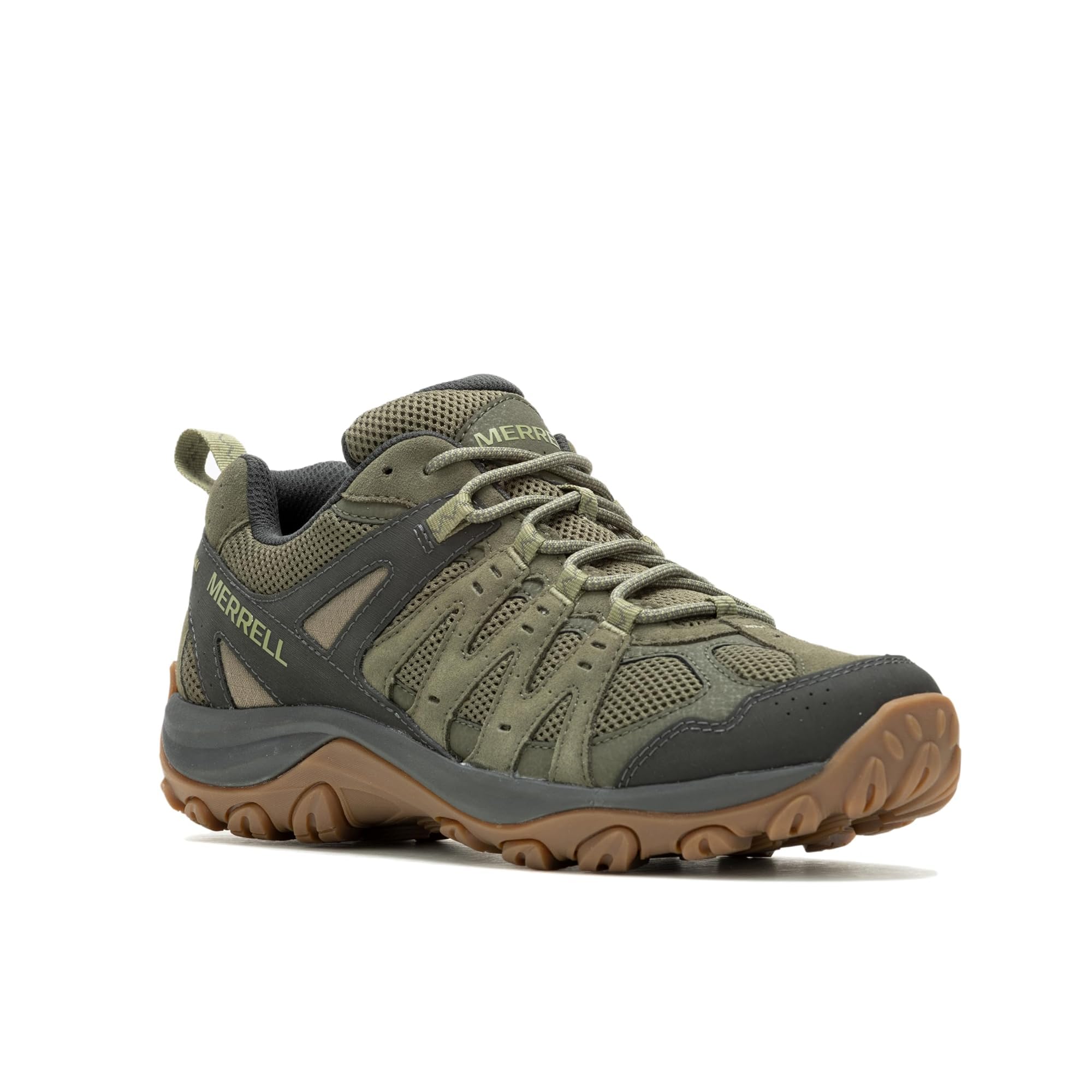
The Merrell Accentor 3 is a lightweight hiking shoe rather than a full backpacking boot, but its low weight and excellent traction make it a viable option for fast-and-light backpacking on well-maintained trails. The suede and mesh upper with a rubber toe cap withstands rain, mud, and temperature changes without significant wear. The sticky rubber outsole provides reliable year-round traction on both wet rocks and dry dirt.
The shoe runs slightly large with a roomy toe box, which is ideal for users who need to add aftermarket insoles for extra comfort. The heel cushioning is well regarded, but the forefoot lacks padding, leading some users to recommend replacing the insole for longer trips. The shoe is not suitable for heavy loads above 25 pounds due to the lack of ankle support, but it excels as a day hiker or approach shoe.
For backpackers who prioritize weight savings and are willing to sacrifice ankle support, the Accentor 3 is a solid, affordable option. It breaks in quickly and remains comfortable mile after mile, making it a dependable choice for trips where every ounce counts.
Why it’s great
- Very lightweight for its durability
- Excellent traction on wet and dry surfaces
- Roomy toe box accommodates custom insoles
Good to know
- Forefoot padding is minimal
- No ankle support for heavy loads
FAQ
How much ankle support do I need for backpacking?
Should I size up for thick socks and orthotics?
Final Thoughts: The Verdict
For most users, the boots for backpacking winner is the Merrell Moab 3 Prime Mid because it delivers proven comfort, excellent traction, and wide-foot accommodation without demanding a premium price. If you want a lightweight boot for fast miles, grab the Lowa Zephyr GTX Mid. And for alpine durability and resoleable construction, nothing beats the ASOLO TPS 520 GV Evo.

Mo Maruf
I created WellFizz to bridge the gap between vague wellness advice and actionable solutions. My mission is simple: to decode the research and give you practical tools you can actually use.
Beyond the data, I am a passionate traveler. I believe that stepping away from the screen to explore new environments is essential for mental clarity and physical vitality.