Our readers keep the lights on and my smoothie glass nicely filled. As an Amazon Associate, I earn from qualifying purchases.
Alaska winter isn’t a season—it’s a proving ground for gear. When the thermometer drops to -40°F and the wind whips across frozen tundra, the line between a good day and a dangerous one is drawn at your ankles. The wrong boot doesn’t just mean cold toes; it means compromised safety, lost mobility, and a constant battle against frostnip. This guide is built to separate boots that merely claim cold-weather performance from those that actually deliver it in the brutal reality of an Alaskan winter.
I’m Mohammad Maruf — the founder and writer behind WellFizz. I spend my time dissecting technical specifications, analyzing thermal layering systems, and cross-referencing customer field data from extreme environments to find the gear that genuinely holds up when conditions turn hostile.
After digging into insulation ratings, rubber compound flexibility, and real-world traction data from users who regularly face sub-zero conditions, this analysis cuts through the marketing to reveal the best boots for alaska winter that actually earn their keep on the frozen ground.
How To Choose The Best Boots For Alaska Winter
Choosing a winter boot for Alaska demands a shift in thinking. Suburban snow boots designed for slush and 20°F mornings will fail catastrophically when the mercury plummets past -20°F. You need to focus on measurable specs that directly correlate to survival and comfort in extreme cold. Here are the critical factors to prioritize.
Insulation Weight and Type
Insulation is measured in grams (200g, 400g, 1000g), and this number directly translates to warmth. For stationary activities like ice fishing or snowmobiling, 800g to 1000g or more is non-negotiable. For active pursuits like hiking or snowshoeing, 400g to 600g provides a good balance to prevent sweat buildup, which can be deadly in extreme cold. Look for boots with multi-layer systems, including removable liners that use materials like B-Tek Heat or Thinsulate, which trap air without adding excessive bulk.
Waterproofing and Moisture Management
In Alaska, wet feet freeze. Full waterproofing is mandatory, but equally important is the boot’s ability to manage internal moisture. A boot that seals water out but traps sweat inside will leave your feet wet and dangerously cold. Look for a waterproof membrane (like the ones used in the Baffin ICEFIELD) combined with a moisture-wicking lining (like Thermaplush). Avoid boots that rely solely on rubberized shells without breathable liners for extended wear.
Traction and Outsole Compound
Standard rubber outsoles turn into hockey pucks below -20°F. The outsole compound must remain flexible in extreme cold to maintain grip. Polar Rubber and Arctic Rubber are specialized compounds designed to stay pliable and grippy on ice and hard-packed snow. Lug pattern is also critical—look for deep, aggressive lugs that shed snow and mud, and consider that some boots are compatible with aftermarket traction devices like YakTracs for true ice climbing.
Boot Height and Closure System
Alaska snow is deep. A boot with a shaft height of 10 inches or more is essential to keep snow from dumping in over the top. A tall, wind-resistant upper with a drawstring collar or locking gaiter is a major advantage. The closure system should allow for a secure fit without being a struggle—pull-on designs with toggle lacing are popular for their ease, but lace-up systems offer a more customizable fit to prevent heel slip and hot spots.
Quick Comparison
On smaller screens, swipe sideways to see the full table.
| Model | Category | Best For | Key Spec | Amazon |
|---|---|---|---|---|
| Baffin ICEFIELD | Women’s Polar | Arctic Treks & Ice Fishing | -148°F Temp Rating | Amazon |
| Irish Setter Elk Tracker | Men’s Hunting | Sub-Zero Camping & Snow Removal | 1000g Insulation | Amazon |
| Keen Revel IV High Polar | Men’s Active | Active Hikes & Snowshoeing | 400g Insulation | Amazon |
| Baffin Control Max | Men’s PAC | Heavy Duty Outdoor Work | Removable Inner Boot | Amazon |
| UGG Adirondack III Tall | Women’s Fashion/Performance | Daily Commute & Urban Snow | Sheepskin Fleece Lining | Amazon |
| Dryshod Arctic Storm Hi | Women’s Farm/Work | Barn Chores & Wet Snow | 7-Layer Protection System | Amazon |
| Muck Arctic Sport | Unisex Utility | Rainy/Snowy Ranch Work | Neoprene Upper with Fleece Lining | Amazon |
| North Face Chilkat V Lace-up | Men’s Daily Driver | Light Snow & Suburban Use | 200g Insulation | Amazon |
| Kenetrek Mountain Extreme 400 | Men’s Expedition | Extended Backcountry Hunts | 10″ Full Grain Leather Upper | Amazon |
In‑Depth Reviews
1. Baffin Women’s ICEFIELD Tall Waterproof Polar-Rated Snow Boots
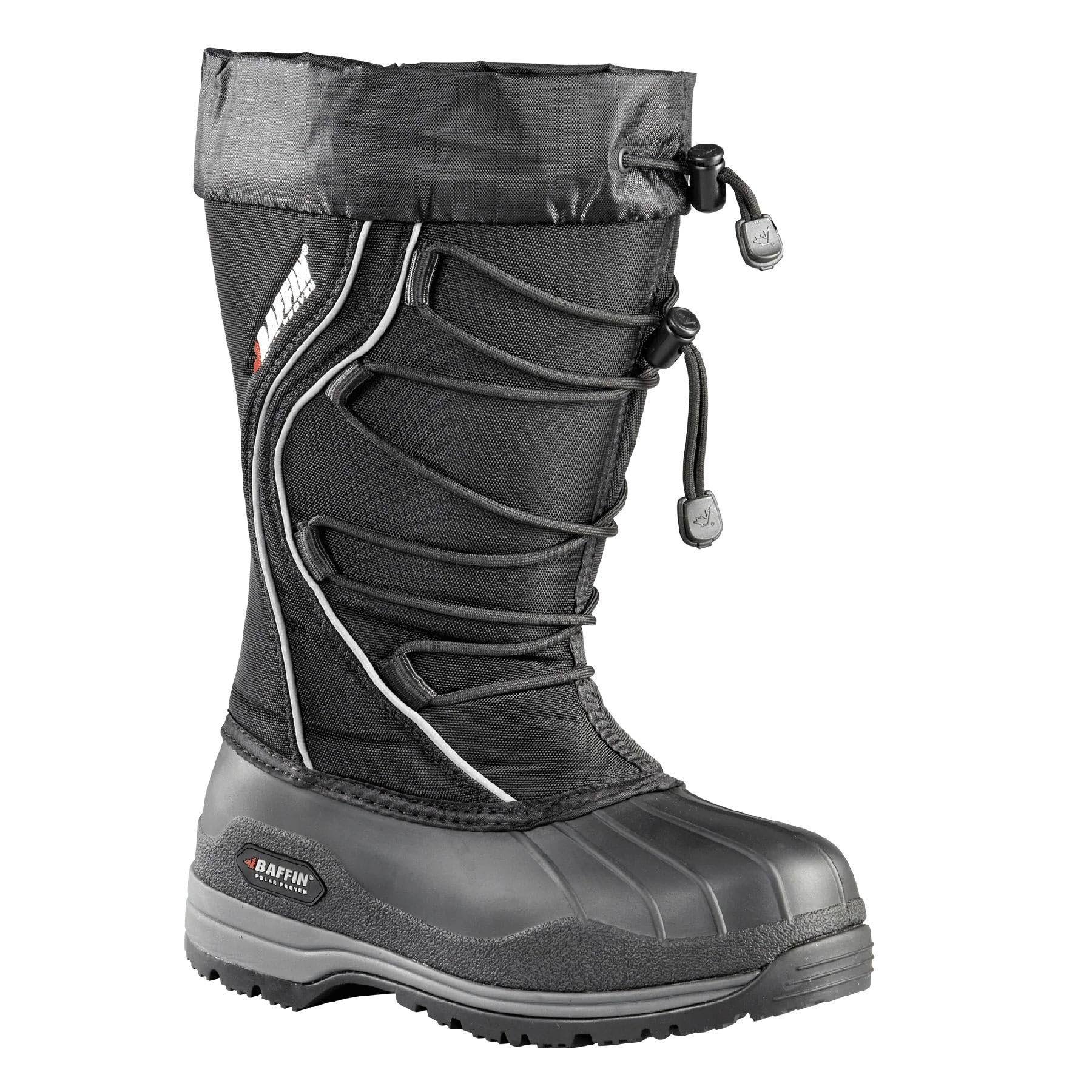
The Baffin ICEFIELD is a benchmark for polar-grade footwear. Its multi-layer insulation system—featuring B-Tek Foam, dual layers of B-Tek Heat, and a Thermaplush lining—is a technical fortress against cold. The removable Comfort-Fit inner boot adds versatility for drying and cleaning, a crucial feature for multi-day expeditions. The Polar Rubber outsole remains flexible at temperatures where standard rubber shatters, providing reliable grip on ice.
What sets the ICEFIELD apart is its specific engineering for extended inactivity in extreme cold. The waffle-comb footbed traps warm air, while the double aluminum insole reflects body heat back into the foot. This is not a boot for a quick walk to the car; it is designed for standing on a frozen lake or watching the northern lights for hours. The drawstring collar locks out snow effectively, and the tall 12-inch shaft provides deep snow protection.
The boot runs slightly narrow in the toe, so sizing up is widely recommended by users. It is also quite warm for active use—if you plan to hike aggressively, you may find your feet overheating. However, for its intended purpose of extreme-cold stationary wear, this boot is in a class of its own.
Why it’s great
- Extraordinary -148°F temperature rating for the most extreme conditions.
- Removable multi-layer inner boot for drying and custom fit.
- Polar Rubber outsole stays flexible and grippy in deep sub-zero temps.
- Lightweight for a boot with this level of insulation.
Good to know
- Toe box is narrow for some; sizing up a full size is often necessary.
- Overheats quickly during high-output activities.
- Drawstring collar can be difficult to tighten around slender calves.
2. Irish Setter Elk Tracker Men’s 12″ Waterproof 1000g Hunting Boot

The Irish Setter Elk Tracker is a purpose-built beast for the coldest hunting and outdoor work. With 1000 grams of insulation, it handles -40°F with authority, as verified by users engaged in sub-zero camping and snow removal. The 12-inch full-grain leather upper provides exceptional durability and deep snow protection, while the waterproof construction keeps moisture at bay even when postholing through crusted snow.
Comfort out of the box is a standout feature—users consistently report minimal break-in time, which is rare for a boot of this stiffness and protection level. The fit is accommodating for wide feet, with EE widths available, a critical detail for those who need to layer thick wool socks. The outsole is aggressive and provides solid traction on snow and loose terrain, though some users note it can be slick on pure ice without additional traction aids.
The boot is heavy, no two ways about it. This is not a boot for fast-paced hiking or casual strolls. Its massive build and stiffness can feel like “tanks for the feet.” For stationary activities like ice fishing, deer stands, or heavy snow shoveling, the trade-off is worth it for the unmatched warmth and durability. The soles can crack under extreme conditions after extended use, but the customer service has been praised for replacements.
Why it’s great
- 1000g insulation provides serious warmth for sub -40°F conditions.
- Minimal break-in required despite heavy-duty construction.
- Available in wide (EE) sizing for thick sock layering.
- 12-inch height offers excellent snow intrusion protection.
Good to know
- Very heavy; not suitable for high-output hiking.
- Outsole can be slippery on bare ice.
- Stiff platform may feel overly rigid for casual use.
3. KEEN Revel IV High Polar
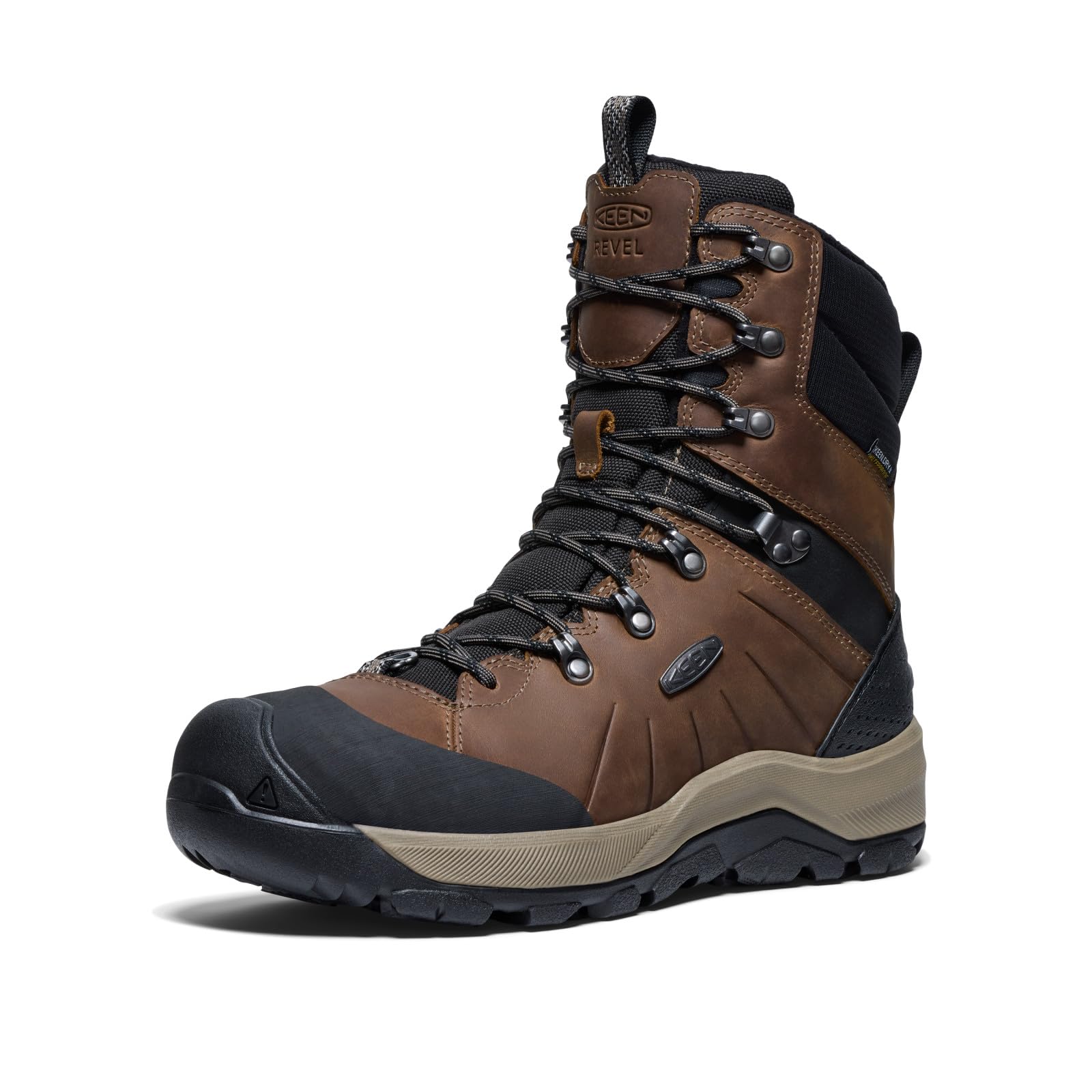
The KEEN Revel IV High Polar strikes a rare balance: genuine cold-weather capability without the bulk of a true expedition boot. Its 400g insulation is perfect for active winter pursuits like snowshoeing, winter hiking, or even a brisk walk in -2°F air. Users report excellent warmth during movement, with toes only getting chilly when sitting still for extended periods, which is expected for this insulation weight.
The boot excels in fit and comfort, particularly for those with wider feet. KEEN’s classic roomy toe box is present, and users note zero heel slippage with a snug fit. The high-top cut keeps snow out effectively, and the waterproof membrane combined with a snowseal treatment provides reliable wet-weather performance. The outsole tread is aggressive and provides solid purchase on packed snow and icy trails.
The Revel IV is not ideal for stationary use in extreme cold, like ice fishing. If you are standing still in -30°F, you will want more insulation. Some users reported that the 400g insulation is not adequate at the extreme end of its rating when inactive. The boot’s platform is stiff, which is great for side-hilling and rock scrambling but may feel too rigid for flat walking.
Why it’s great
- Excellent warmth-to-weight ratio for active winter use.
- Great out-of-box comfort with no break-in.
- Wide toe box accommodates thick socks and wider feet.
- Stiff platform provides excellent support on uneven terrain.
Good to know
- 400g insulation insufficient for prolonged stationary use below -10°F.
- Stiff sole is less comfortable on hard flat surfaces.
- Not recommended for ice fishing or long periods of inactivity in deep cold.
4. Baffin Men’s Control Max Snow Boot
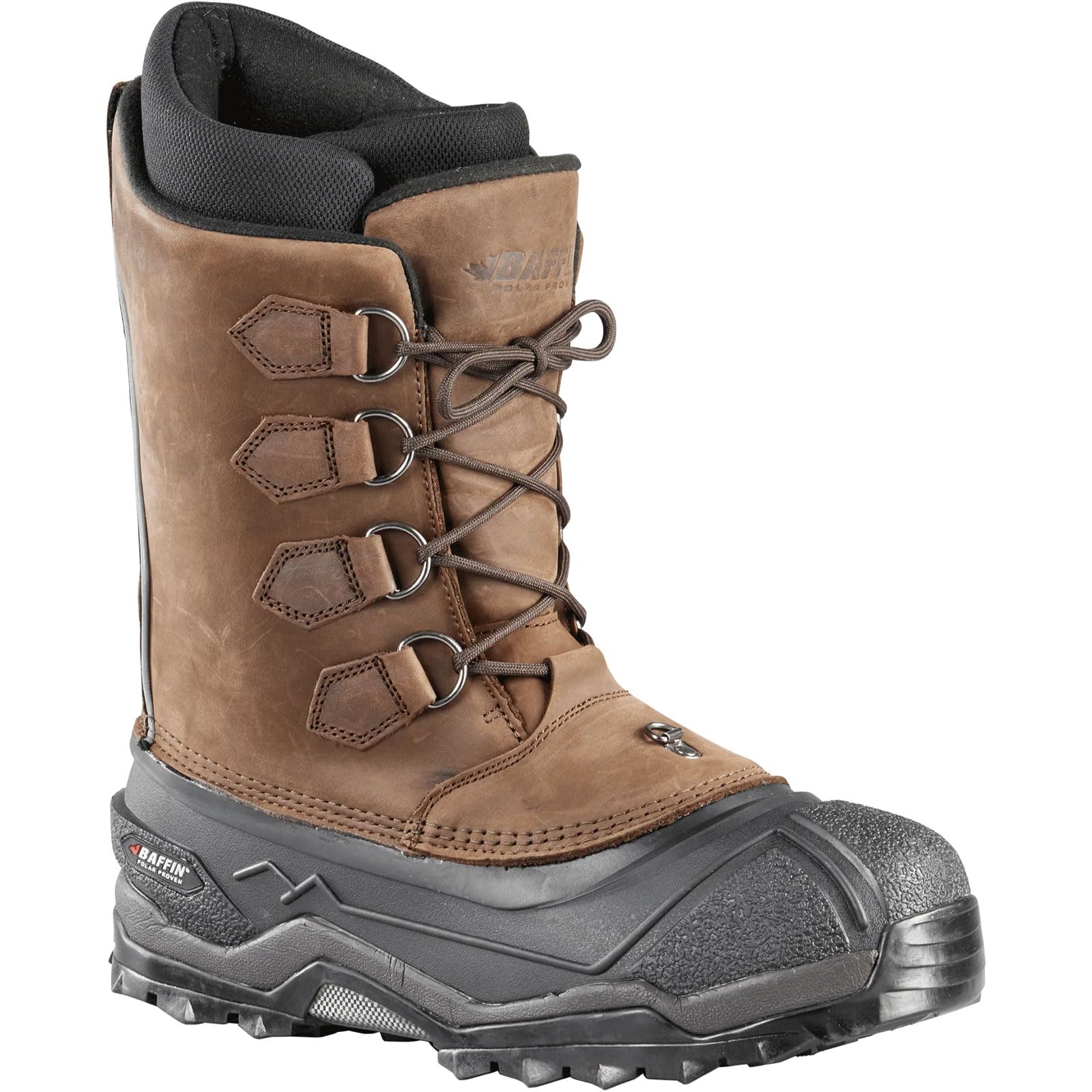
The Baffin Control Max is a classic PAC (Pac) boot design, featuring a removable inner boot system that is the gold standard for extreme-cold performance. This design allows for the inner boot to be removed for drying, a critical feature for multi-day expeditions where sweat and moisture accumulation can become dangerous. Users consistently report that the boot is “extremely warm” and provides a “pillow-like” feel underfoot, thanks to its thick, cushioned insole.
The boot is built like a fortress, with a tall upper and thick insulation around the calf. This bulk provides unparalleled warmth but creates a practical challenge: getting pants cuffs over the top of the boot is difficult. The boot is best suited for use with snow pants or gaiters. Traction is solid, with a rugged outsole that handles snow and ice well, but the boot’s size and weight make it more of a dedicated snow tool than a casual winter shoe.
Sizing is a common pain point. Baffin does not offer half sizes, and users with feet between sizes often find one option too tight or too loose. Most recommend ordering a half size up if you are on the border. The bulkiness is the main limiting factor. One user described it as “too bulky for suburban use” and returned them for a slimmer option. These are serious boots for serious cold.
Why it’s great
- Removable inner boot for drying and enhanced warmth.
- Extremely high warmth rating for the coldest conditions.
- Very comfortable, with a plush, cushioned feel underfoot.
- Built to last with high-quality materials and construction.
Good to know
- Very bulky; difficult to wear with regular pants.
- No half sizes available, making fit tricky for some.
- Overkill for casual winter use or mild climates.
5. UGG Adirondack Boot Tall III Womens Boot
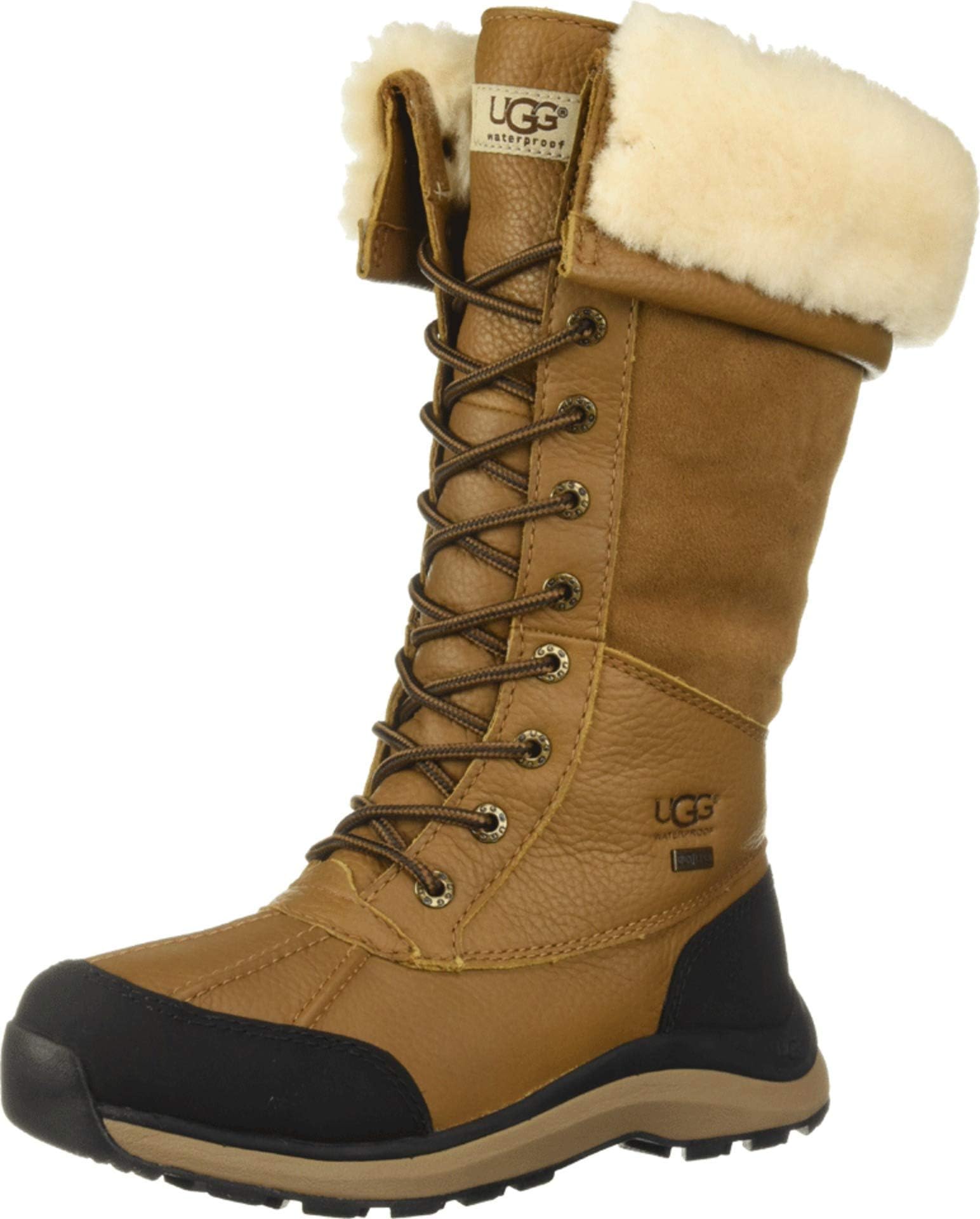
The UGG Adirondack III Tall is the rare boot that successfully bridges the gap between high-end fashion and genuine winter performance. Fully lined with sheepskin fleece, it offers exceptional warmth without the need for thick, bulky socks. The leather upper is high-quality and waterproofed effectively, handling slush, snow, and rain with poise. The outsole provides respectable traction for city and suburban winter conditions.
Comfort is the headline feature. Users report that the boots are “extremely comfortable and warm” right out of the box, with sizing that is true to standard shoe sizes. The tall shaft accommodates a range of calf sizes, including wider calves, thanks to generous lacing. The aesthetic appeal is undeniable—these are boots you can wear to the office, to a winter market, or on a snowy walk without looking like you are heading to a glacier.
The Adirondack III is not designed for deep backcountry or extreme sub-zero temperatures. The sheepskin lining, while warm, will compress over time, reducing its insulating effectiveness. The outsole is not as aggressive as true winter boots, and some users find it slippery on ice. This is a premium winter boot for style-conscious individuals who face moderate to cold winter conditions, not an expedition tool for Alaska’s interior.
Why it’s great
- Luxuriously comfortable sheepskin lining provides instant warmth.
- Elegant design suitable for daily wear in town.
- True-to-size fit with room for various calf widths.
- Waterproof leather upper handles typical winter wetness.
Good to know
- Not suitable for extreme cold or deep backcountry use.
- Sheepskin can compress over time, reducing insulation.
- Traction is adequate for snow but not ideal for ice.
6. Dryshod Arctic Storm Hi Extreme Cold Conditions Women’s Winter Boot
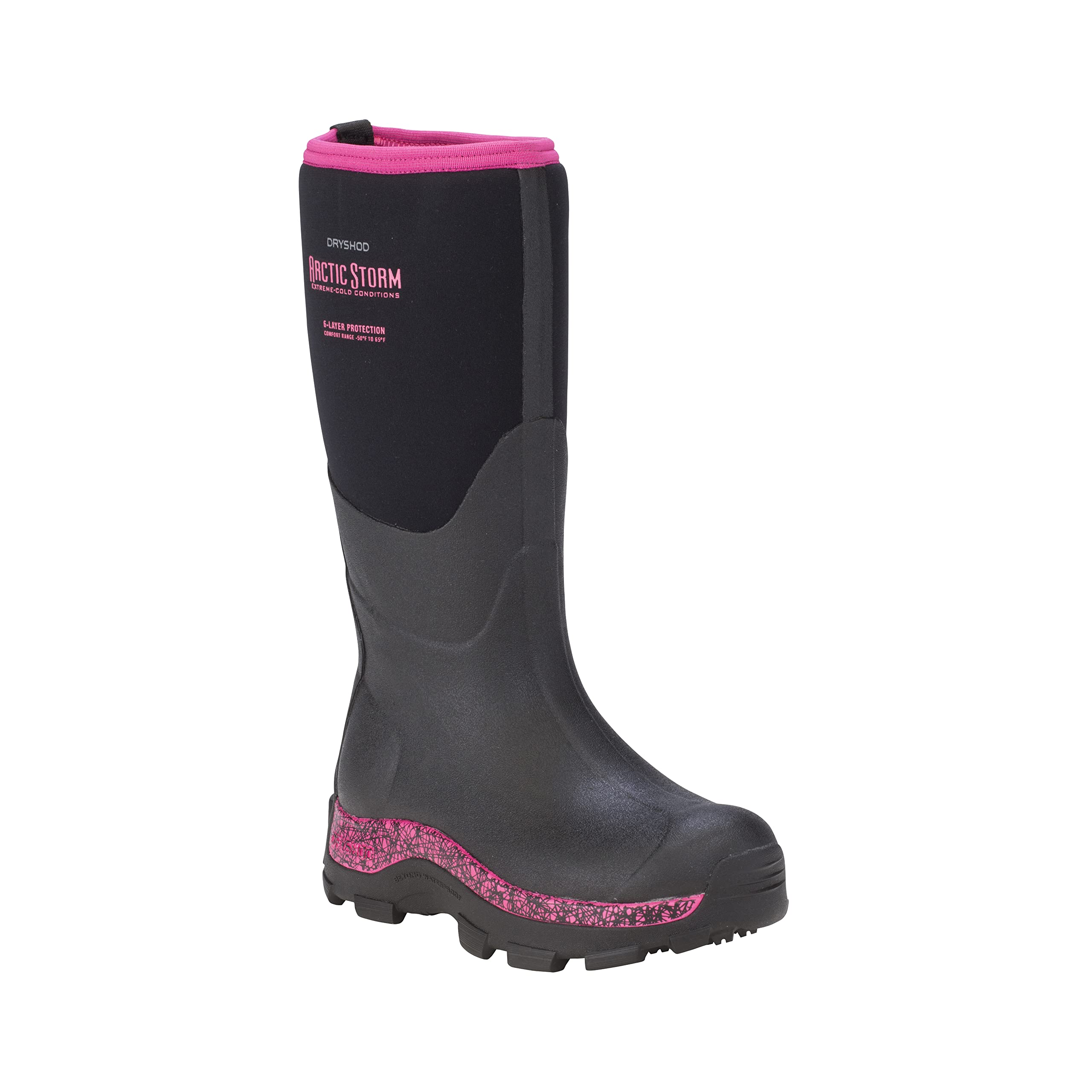
The Dryshod Arctic Storm Hi is engineered for demanding outdoor work in extreme cold. Its 7-layer protection system—including 5.5mm bootie, 2.5mm Densoprene XD foam, and a warm fleece lining—provides a comfort range down to -50°F. Users in Maine and Wisconsin praise its ability to keep feet warm during barn chores and snow removal in single-digit temperatures with brutal wind chills. The genuine hand-laid natural rubber overlays make it 100% waterproof.
The traction system is a standout feature. The DS1 Premium Outsole uses a two-piece design with a high-traction rubber outsole and a cold-blocking EVA midsole. The inner lugs are designed for maximum any-angle grip, while the outer lugs provide lateral and medial stability. The lug design also sheds mud and debris, a crucial feature for farm work. The boot is easy to put on and take off, thanks to the stretch airmesh lining and reinforced heel kick.
The main trade-off is weight. Users note these are heavier than standard snow boots, which is a given given the level of insulation and rubber layering. The pull tab durability has been a minor concern for some. The boot is also quite warm for temperatures above freezing, so its best use is strictly in deep cold. For anyone who works or spends significant time outdoors in northern winters, these are a durable, high-performance option.
Why it’s great
- 7-layer thermal system rated down to -50°F.
- 100% waterproof with hand-laid natural rubber overlays.
- Excellent multi-directional traction on snow and mud.
- Easy on/off design with generous calf opening.
Good to know
- Heavier than many snow boots due to insulation layers.
- Too warm for temperatures above freezing.
- Pull tab could be more durable over long-term use.
7. MUCK Men’s Arctic Sport Boot Outdoors Equipment

The Muck Arctic Sport is a staple for outdoor workers who need a reliable, warm, and waterproof boot for wet, cold conditions. Its neoprene upper with a fleece lining provides excellent insulation and flexibility, making it easy to wear for long hours. Users report that with proper fit, feet “stay warm and dry” even in -8°F snow. The boot is particularly popular for wet work like horse corral maintenance, snow plowing, and rainy farm chores.
The boot is true to size with room for heavy socks, a necessity for maximizing warmth. The neoprene shaft folds down for easy entry, a feature that is practical for getting in and out of the boot quickly. The outsole provides good footing in a variety of conditions, from wet grass to packed snow. Users note the boot can be “a tad warm” in higher temperatures, but this is a trade-off for its cold-weather performance.
The Muck Arctic Sport is not designed for extreme cold with long periods of inactivity. Some users report the upper material can tear over time from heavy brush and repeated wear, though this is after years of use. For Alaska’s most demanding winter conditions, especially deep sub-zero temperatures, a boot with higher insulation weight or a removable liner (like the Baffin or Dryshod options) would be a better choice. This is a solid, everyday winter work boot.
Why it’s great
- Excellent all-around winter work boot for wet and cold conditions.
- Comfortable and flexible neoprene upper with fleece lining.
- Fold-down shaft for easy on/off.
- True-to-size fit with good room for sock layering.
Good to know
- Upper material can tear from heavy brush contact over time.
- Not insulated enough for long periods of inactivity in extreme cold.
- Can be too warm for use in above-freezing temperatures.
8. The North Face Men’s Chilkat V Lace-up Waterproof Snow Boot

The North Face Chilkat V is a lightweight, budget-friendly option for milder winter conditions or as a spare pair. Its 200g insulation is sufficient for temperatures around freezing down to about 20°F with active movement. The waterproof construction and rubber outsole provide decent protection against snow and slush. Users report it is comfortable and lightweight, making it a good choice for daily errands and light snow.
The boot features a heel ridge for snowshoe and crampon compatibility and a D-ring for gaiters, hinting at more technical aspirations. In practice, the 200g insulation and the boot’s overall build limit it to mild winter use. One user who upgraded to the 400g version specifically noted the 200g was insufficient for their needs. The traction is adequate for light snow but users report it “slides in heavier snow and uneven terrain.”
A notable durability concern is the potential for the rubber to separate from the leather uppers and the top heel pull loops tearing out. This boot is best suited for someone in a milder climate who needs a lightweight snow boot for occasional use. For Alaska’s true winter, this boot lacks the insulation, aggressive traction, and durability needed. It is an entry-level option that will disappoint in serious cold.
Why it’s great
- Lightweight and comfortable for casual winter wear.
- Features heel ridge for snowshoe/crampon compatibility.
- Good waterproofing for light to moderate snow.
- Affordable entry-level winter boot.
Good to know
- 200g insulation is insufficient for Alaskan winter cold.
- Poor traction on heavier snow and icy terrain.
- Durability concerns with rubber separation and pull loop tearing.
9. Kenetrek Men’s Mountain Extreme 400 Hiking Boots
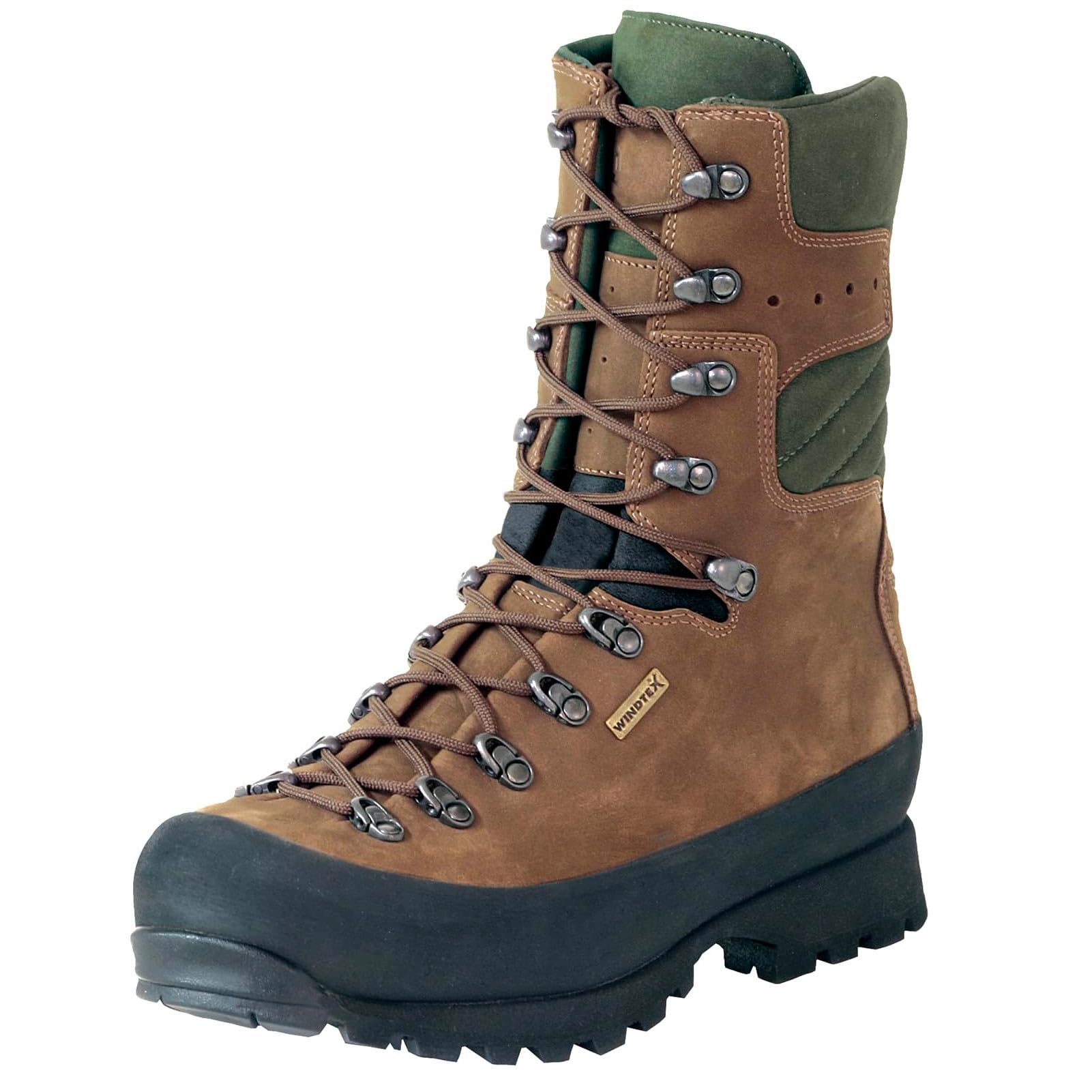
The Kenetrek Mountain Extreme 400 is the pinnacle of boot craftsmanship, built for those who demand the absolute best in support, durability, and comfort for extended backcountry pursuits. The 10-inch full-grain leather upper is rugged, providing excellent ankle support and protection from brush and rocks. The 400g insulation is targeted at active users who hike and hunt in cold conditions, not for stationary extreme cold. The boot’s reputation for comfort is legendary, with users reporting a “perfect fit and unbelievably comfortable” feel right out of the box.
The boot’s construction is world-class. The leather, loops, and laces are all top-tier, and the boot is designed to be rebuilt, extending its life significantly. The high-traction outsole is excellent on snow and rocky terrain. Users with foot issues like rheumatoid arthritis report that the Kenetrek provides the best support they have ever experienced, making it a medical godsend for active people. The boot is fully waterproof and mud-proof, handling the worst of winter slop.
The price point is the most significant barrier. This is a premium boot, and the cost reflects the quality. The 400g insulation means it is not suitable for deep cold stationary use, and some users find the soles wear out faster than the boot itself, though the boot can be resoled. This boot is for the serious hiker, hunter, or outdoor professional who values performance and longevity over cost and needs a boot that can handle extreme abuse in cold but active environments.
Why it’s great
- Unmatched build quality and comfort, feel broken in from the start.
- Superb ankle support from 10-inch full-grain leather upper.
- Rebuildable design extends lifespan significantly.
- Excellent traction on snow, mud, and rock.
Good to know
- Very expensive; a significant investment.
- 400g insulation is not for extreme cold stationary use.
- Soles may wear out faster than the upper, requiring resoling.
FAQ
Is 400g of insulation enough for an Alaska winter?
Can I use regular hiking boots with thick socks in Alaska winter?
What is the difference between a PAC boot and a standard winter boot?
How much should I size up for winter boots in Alaska?
Final Thoughts: The Verdict
For most users facing the brutal reality of an Alaska winter, the best boots for alaska winter winner is the Baffin ICEFIELD because it offers unmatched polar-grade warmth, a reliable removable liner, and an outsole engineered for extreme sub-zero traction. If you need a boot for active winter hikes and snowshoeing, grab the KEEN Revel IV High Polar. And for the most demanding, all-day outdoor work in severe cold, nothing beats the warmth and durability of the Irish Setter Elk Tracker.

Mo Maruf
I created WellFizz to bridge the gap between vague wellness advice and actionable solutions. My mission is simple: to decode the research and give you practical tools you can actually use.
Beyond the data, I am a passionate traveler. I believe that stepping away from the screen to explore new environments is essential for mental clarity and physical vitality.