Our readers keep the lights on and my smoothie glass nicely filled. As an Amazon Associate, I earn from qualifying purchases.
Nothing kills a summit push faster than a wet, slipping sock inside a stiff boot. The wrong pair traps sweat, bunches under the arch, and turns every mile into a heel-blister negotiation. Hikers obsess over shell fabric and tread pattern while forgetting the layer that actually touches their foot — the boot sock is the only thing standing between your skin and a 10-mile friction disaster.
I’m Mohammad Maruf — the founder and writer behind WellFizz. I’ve spent months analyzing consumer reviews, fabric blends, cushion profiles, and temperature ratings across dozens of hiking sock brands to separate genuine trail performers from marketing fluff.
Whether you’re pushing through wet spring switchbacks or crunching across frozen ridgelines, finding the right pair means balancing moisture control, cushion placement, and thermal performance without sacrificing durability. This guide cuts through the noise to deliver the definitive best boot socks for hiking ranked by real-world toughness and comfort.
How To Choose The Best Boot Socks For Hiking
Boot socks are not one-size-fits-all. Trail conditions, boot volume, and personal blister history all dictate which cushion weight, fiber blend, and height profile actually work for you. Ignoring these factors is the fastest route to trench foot and black toenails.
Cushion Thickness and Placement
Light-cushion socks (thin throughout) suit tight-fitting boots and fast day hikes where you need maximum ground feel. Medium-cushion socks pack padding under the heel and forefoot while keeping the instep thin — ideal for multi-day treks with a loaded pack. Heavy-cushion socks are reserved for winter expeditions or loose-fitting mountaineering boots. The wrong cushion density creates pressure points that cause hot spots within the first three miles.
Fiber Blend and Moisture Management
Merino wool is the gold standard because its natural crimp traps air for insulation while wicking vapor away from the skin. A 50-70 percent merino blend balances warmth with nylon durability. Avoid 100 percent cotton — it absorbs sweat like a sponge, loses all insulating value when wet, and accelerates blister formation. Polyester blends dry faster but lack wool’s odor resistance, so expect ripe boots by day two of a backcountry trip.
Shaft Height and Boot Compatibility
Crew-length socks (8-10 inches from heel) pair with mid-cut hiking boots and prevent the boot tongue from rubbing your shin. Over-the-calf socks (12-14 inches) are necessary for high-cut mountaineering boots and gaiters, providing a seal against debris. Too-short socks slip down inside the boot, causing bunching that abrades the achilles tendon. Measure your boot shaft height before picking a sock length.
Quick Comparison
On smaller screens, swipe sideways to see the full table.
| Model | Category | Best For | Key Spec | Amazon |
|---|---|---|---|---|
| Smartwool Women’s Hike Light Cushion Crew | Premium Merino | Long-distance backpacking, women’s fit | Light cushion, 55-60% merino wool blend | Amazon |
| COOVAN Men’s Hiking Crew Socks 5 Pairs | Mid-Range Cushion | Day hikes and weekend treks | Medium cushion, moisture-wicking polyester blend | Amazon |
| EBMORE Womens Merino Wool Hiking Socks 5 Pairs | Value Merino Pack | Cold-weather day hikes, budget-conscious buyers | Medium cushion, merino wool blend, 5-pack | Amazon |
| Timberland PRO Mens Sorbtek Moisture Control Socks 6 Pairs | Work-Ready Durability | Wet conditions, all-day standing in boots | Medium cushion, Sorbtek moisture control, arch support | Amazon |
| Dickies Men’s Dri-Tech Essential Moisture Control Crew Socks 6-12 Pairs | Budget Work & Hike | Daily wear, budget multi-pack | Medium cushion, Dri-Tech moisture wicking, reinforced heel/toe | Amazon |
In‑Depth Reviews
1. Smartwool Women’s Hike Light Cushion Crew Socks
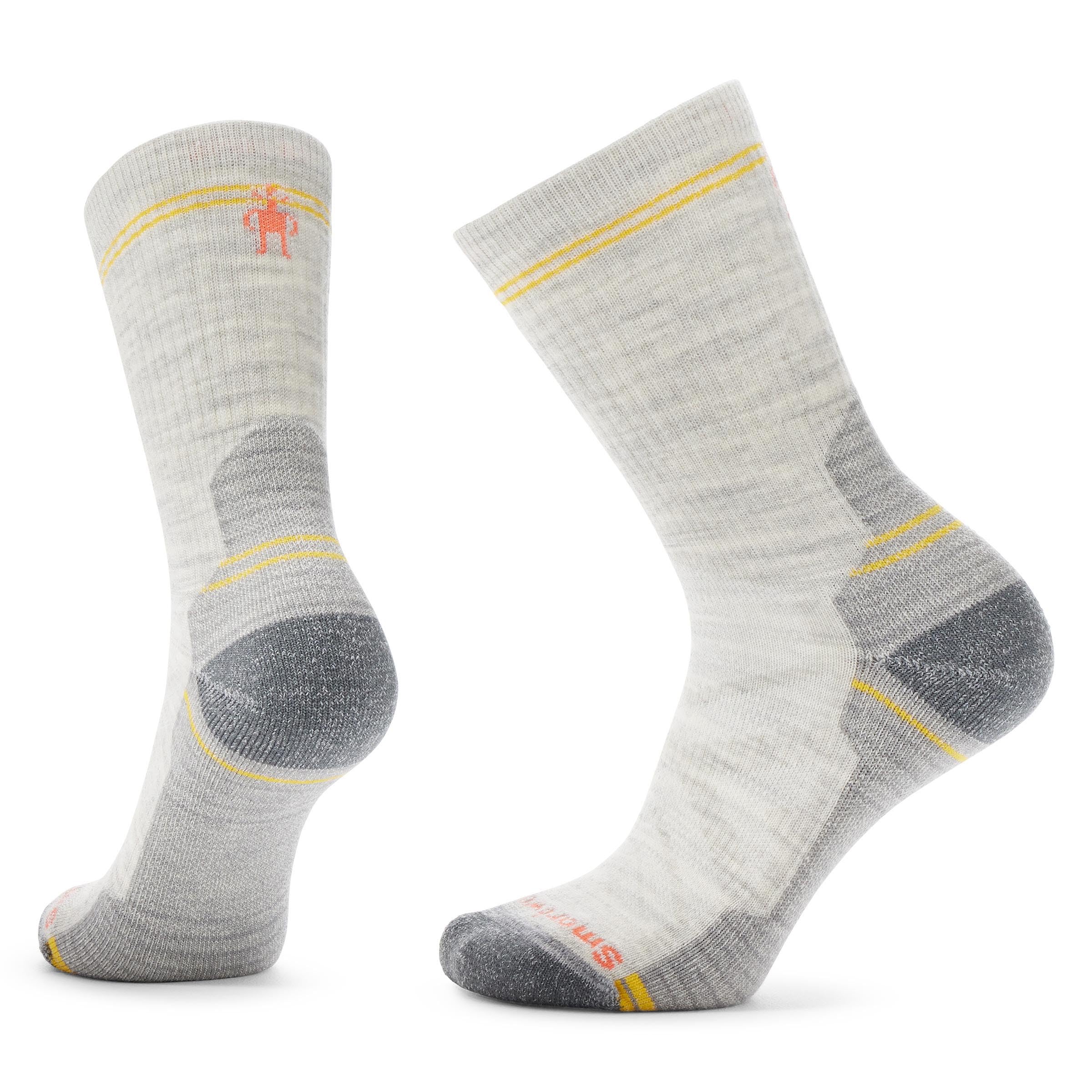
Smartwool’s Hike Light Cushion Crew is the benchmark for multi-day backpacking socks. The light-cushion profile targets padding only under the heel and forefoot while leaving the instep thin — this prevents bunching inside snug-fitting boots and reduces pressure over the top of the foot. The merino blend (55-60 percent) provides natural temperature regulation that keeps feet warm at 40°F and still breathable at 70°F.
Testers reported zero blister formation across 15-mile days, thanks to the smooth toe seam and the sock’s ability to stay put without sagging. The medium size fits US women’s 7.5-8.5 perfectly, though some reviewers noted that the top band leaves a calf indent after prolonged wear — a minor trade-off for a sock that refuses to slide down during steep descents.
After multiple wash cycles, the socks retained their shape without shrinking or pilling, a testament to the nylon reinforcement woven into the heel and toe. These are not the cheapest socks on the shelf, but the per-wear cost drops dramatically given they survive two-plus seasons of heavy trail use. Ideal for thru-hikers who demand gear that performs predictably mile after mile.
Why it’s great
- Light cushion eliminates hot spots in tight boots
- Merino blend stays odor-free for days on trail
- Zero shrinkage or pilling after repeated washing
Good to know
- Calf band can feel constrictive for some wearers
- Higher cost per pair compared to multi-packs
2. COOVAN Mens Hiking Crew Socks 5 Pairs
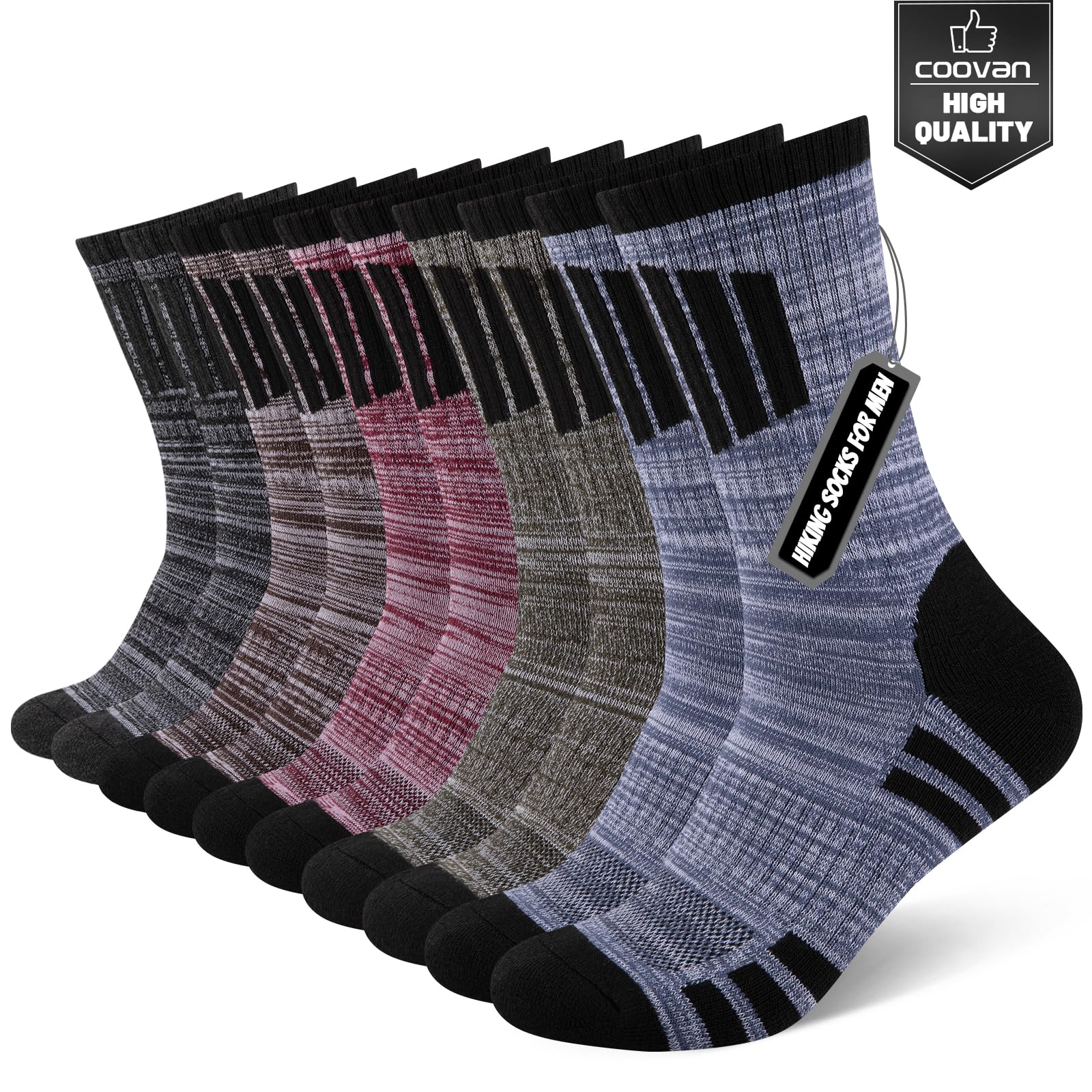
COOVAN’s crew socks hit the sweet spot between price, durability, and trail-specific design. The medium-cushion build provides enough padding underfoot for rocky terrain without making boots feel overstuffed — a common complaint with thick socks that compress your toes against the boot wall. The polyester-nylon blend wicks sweat effectively, and the reinforced heel and toe extend the lifespan well beyond what you’d expect from a five-pack at this level.
Multiple reviewers who switched from Gold Toe noted that COOVAN holds its shape better after repeated wears, with no sagging at the ankle or bagging out around the arch. That shape retention translates directly to blister prevention: a sock that stays put doesn’t create friction folds. Some users felt the 5-pair length runs slightly shorter than true boot-sock height, making them better suited for mid-cut boots than tall mountaineering shells.
One reviewer clocked over 50 miles on a single pair with no loose threads or thinning at the heel. The colors add a welcome break from monotone black or gray, though the real value is the consistent performance across all five pairs in the pack. For day hikers who rotate socks weekly and don’t want to shell out premium dollars per pair, this is the rational choice.
Why it’s great
- Excellent shape retention prevents bunching and blisters
- Medium cushion works for both trail and casual boot use
- Five-pair pack delivers strong per-sock value
Good to know
- Length may fall short for tall boots or gaiters
- Polyester blend lacks merino’s odor resistance
3. EBMORE Womens Merino Wool Hiking Socks 5 Pairs

EBMORE’s merino blend socks deliver wool’s thermal and moisture benefits at a price that undercuts most single-pair merino competitors. The medium cushion provides adequate warmth for late-fall hikes while remaining thin enough to fit inside trail runners or low-cut hiking shoes. The knit construction is fine and dense, which prevents the scratchiness that turns some hikers off from wool entirely.
Reviewers who logged around 50 trail miles reported zero shrinkage and no fading in the color patterns — a common failure point for budget wool blends. The socks stretch well without losing recovery, meaning the cuff stays up around the calf without constant tugging. The breathability allows air circulation that keeps feet from overheating during uphill slogs, a direct result of the merino fiber’s natural moisture-wicking structure.
A few hikers noted that these are not as thick as heavy-cushion expedition socks, but for the vast majority of three-season day hiking, the density hits the sweet spot. The five-pack format means you can dedicate one pair to a multi-day trip while keeping the rest in rotation. A solid entry point into merino sock ownership without the sting of premium pricing.
Why it’s great
- Merino blend offers natural warmth and odor control
- No shrinkage or fading after multiple washes
- Excellent value for a 5-pack of wool socks
Good to know
- Not heavy enough for deep winter or mountaineering
- Cushion level may feel thin for very rocky terrain
4. Timberland PRO Mens Sorbtek Moisture Control Socks 6 Pairs
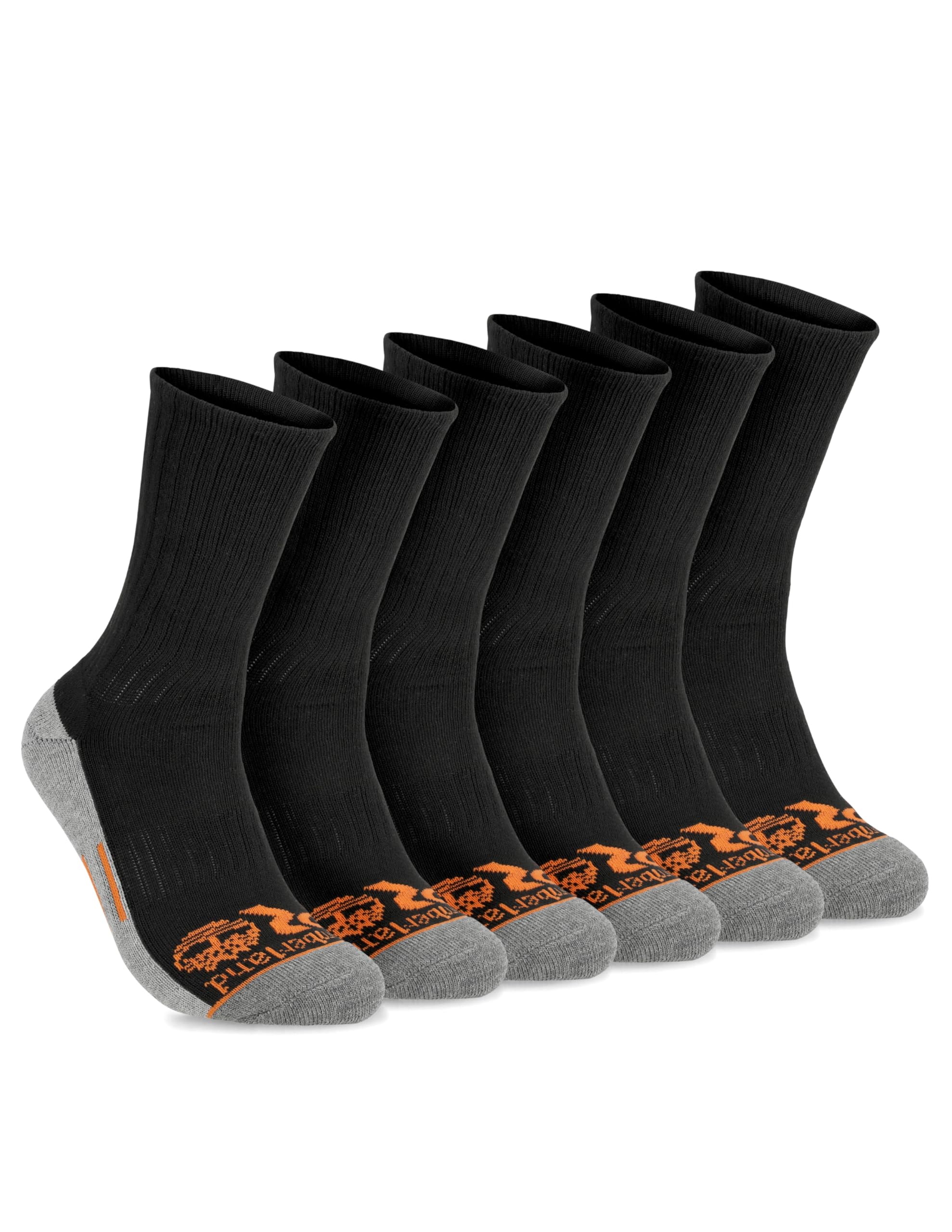
Timberland PRO’s Sorbtek socks bridge the gap between work boot durability and hiking sock performance. The arch support is noticeably more pronounced than in standard crew socks, wrapping the midfoot to reduce fatigue during all-day standing or walking on hard-packed trails. The Sorbtek moisture control fibers pull sweat away from the skin efficiently, a critical feature when your boots are sealed tight for eight hours straight.
The cushion runs thicker than average — about what you’d expect from a boot sock designed for concrete and steel toes. This provides welcome shock absorption on rocky descents but can make tight-fitting hiking boots feel cramped. One reviewer noted that their feet still felt damp at the end of a hot day walking on concrete, indicating the moisture control has limits in high-humidity conditions.
Durability is the standout here: after multiple wash cycles, the socks maintained their cushion loft and didn’t develop holes at the heel. A few units showed seam separation at the ankle after several uses, which suggests batch inconsistency. For hikers who prioritize burly construction and arch support over featherlight feel, these are a strong mid-range option.
Why it’s great
- Integrated arch support reduces foot fatigue on long days
- Thick cushioning absorbs shock on rocky trails
- Very durable construction through repeated washing
Good to know
- Thick fit may crowd narrow or tight boots
- Some units had seam issues at the ankle
5. Dickies Men’s Dri-Tech Essential Moisture Control Crew Socks 6-12 Pairs
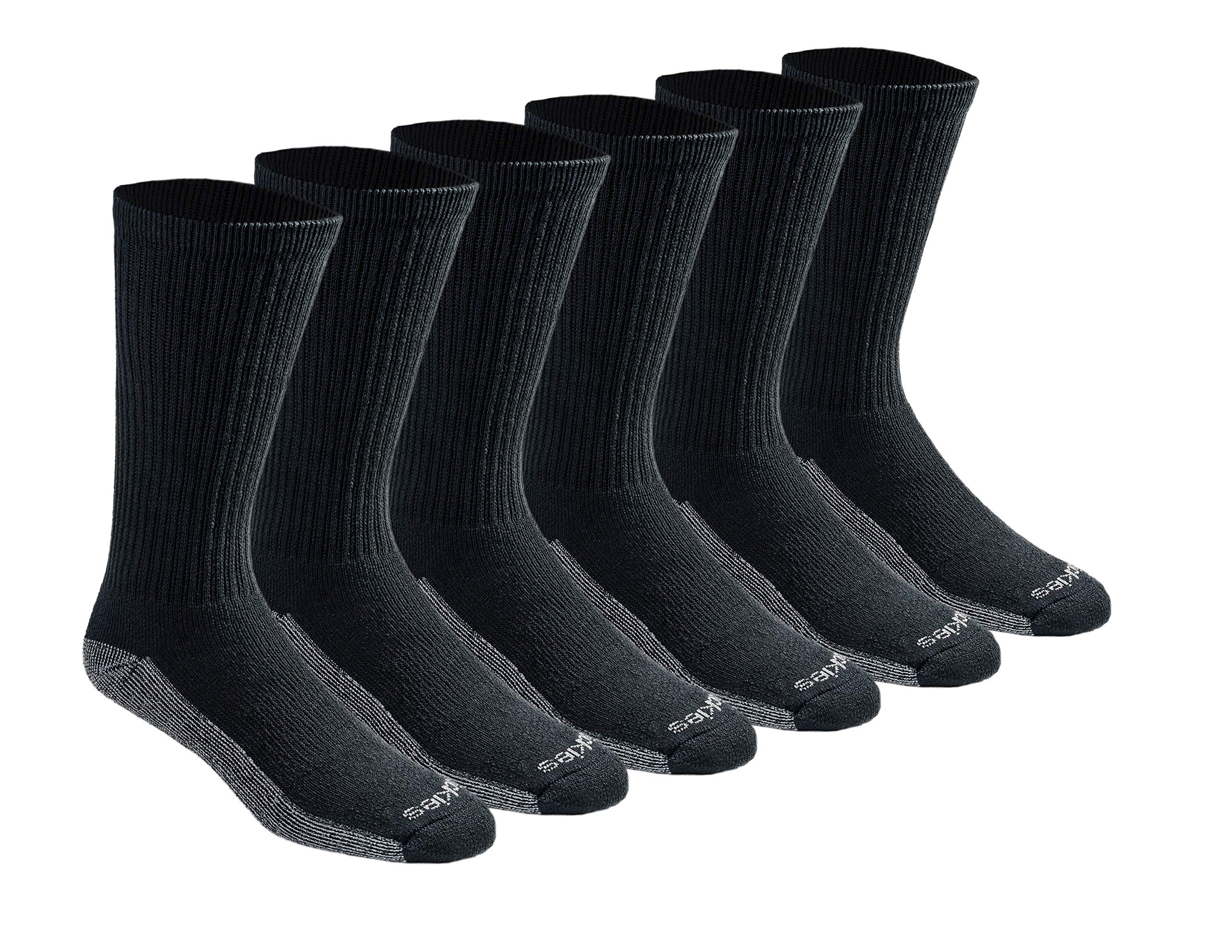
Dickies Dri-Tech socks are the workhorse option for hikers who burn through socks quickly and need a reliable multi-pack. The medium cushion provides enough comfort for day hikes, and the Dri-Tech moisture control system keeps feet drier than standard cotton blends — a meaningful upgrade if you’re used to cheap tube socks. The reinforced heel and toe extend the lifespan well into double-digit wears without developing holes.
Reviewers consistently praised the thickness-to-comfort ratio, noting that the socks feel substantial without being bulky. The fit for the largest size accommodates up to US 13 easily, and the fabric stays snug around the calf without drooping over the boot tongue. While the polyester-nylon blend won’t provide the same thermal regulation as merino wool, it dries faster if you need to rinse and hang them overnight at camp.
The trade-off for the low multi-pack price is that the moisture-wicking performance plateaus in sustained wet conditions. On a rainy day with water seeping into boots, these socks will stay damp longer than a merino alternative. For fair-weather hikers or those who treat socks as consumable gear, the Dickies pack delivers unbeatable value per pair.
Why it’s great
- Very durable reinforced heel and toe construction
- Great fit for larger foot sizes up to US 13
- Excellent value as a budget multi-pack option
Good to know
- No merino blend means less odor resistance
- Moisture control struggles in sustained wet conditions
FAQ
Should I wear a liner sock under my boot socks?
How often should I replace hiking boot socks?
Do expensive merino wool socks last longer than synthetic blends?
Can I machine dry boot socks without ruining them?
Final Thoughts: The Verdict
For most hikers, the best boot socks for hiking winner is the COOVAN Men’s Hiking Crew Socks 5 Pairs because they deliver medium cushion, reliable shape retention, and strong durability at a five-pack price that makes rotating socks painless. If you prefer a lighter, premium merino feel for long-distance backpacking, grab the Smartwool Women’s Hike Light Cushion Crew Socks. And for cold-weather day hikes on a budget, nothing beats the EBMORE Womens Merino Wool Hiking Socks 5 Pairs for warmth without breaking the bank.

Mo Maruf
I created WellFizz to bridge the gap between vague wellness advice and actionable solutions. My mission is simple: to decode the research and give you practical tools you can actually use.
Beyond the data, I am a passionate traveler. I believe that stepping away from the screen to explore new environments is essential for mental clarity and physical vitality.