Our readers keep the lights on and my smoothie glass nicely filled. As an Amazon Associate, I earn from qualifying purchases.
Indoor gardening brings a unique tension: the desire for vibrant, colorful flowers clashes with the reality of limited light, dry air, and busy schedules. Most houseplants either refuse to bloom or require precise greenhouse conditions to flower indoors. The distinction between foliage plants and reliable blooming specimens determines whether your windowsill becomes a source of pride or frustration.
I’m Mohammad Maruf — the founder and writer behind WellFizz. My research focuses on matching indoor plant physiology to real household environments, analyzing root system maturity, light requirements, and bloom cycle consistency across popular houseplant genera.
After evaluating dozens of specimens against the criteria that actually matter for indoor success, these selections represent the most reliable best blooming indoor plants for homes with natural light constraints and varying care commitment levels.
How To Choose The Best Blooming Indoor Plants
Selecting a flowering houseplant that actually performs indoors requires more than picking the prettiest nursery photo. Three factors separate plants that bloom reliably from those that just survive: light tolerance, bloom cycle duration, and root system maturity at purchase. Understanding these lets you choose a plant that matches your home’s conditions rather than fighting against them.
Light Tolerance vs. Bloom Trigger
Many beginners assume flowering plants need direct sunlight. In reality, most indoor bloomers thrive in bright indirect light, and some — like the Peace Lily — flower reliably in low to medium light. The mechanism matters: plants like Kalanchoe are photoperiodic, meaning they require specific day-length triggers to initiate blooms. Others, like the Maranta, produce flowers as a natural response to healthy growth rather than light manipulation. Match the plant’s light trigger to your room’s actual exposure, not the ideal scenario.
Root System Maturity at Arrival
A plant with immature roots will prioritize foliage growth over flowering for its first season. Specimens shipped in 4-inch pots with well-developed root balls visible at the drainage holes are far more likely to bloom within weeks of arrival. Smaller pots (2-inch) often require months of growth before they reach flowering maturity. Check pot size and root descriptions in the product listing — mature root systems are the hidden variable separating same-season bloomers from year-long foliage projects.
Pet Safety and Bloom Toxicity
Flowering plants can pose hidden risks to pets. Peace Lily contains calcium oxalate crystals that cause oral irritation in dogs and cats. In contrast, Prayer Plants (Maranta) are ASPCA-recognized as non-toxic, making them safe for homes with curious nibblers. Always cross-reference the plant genus with ASPCA toxicity lists before purchase — a blooming plant that harms your pet is not a win regardless of flower quality.
Quick Comparison
On smaller screens, swipe sideways to see the full table.
| Model | Category | Best For | Key Spec | Amazon |
|---|---|---|---|---|
| Peace Lily | Tropical Perennial | Low light flowering | Year-round white blooms | Amazon |
| Lemon Lime Maranta | Prayer Plant | Pet safe indoor blooms | Folds leaves at night | Amazon |
| Florist Kalanchoe 3 Pack | Succulent Bloomer | Drought tolerant color | Year-round blooming | Amazon |
| Bird of Paradise 4 Pack | Tropical Perennial | Exotic tropical decor | Orange and white blooms | Amazon |
| Succulent Ceramic Pots 3 Pack | Succulent Mix | Gift ready decor | Pre-potted in ceramic | Amazon |
In‑Depth Reviews
1. Peace Lily Live Spathiphyllum Plant, 6-Inch by American Plant Exchange
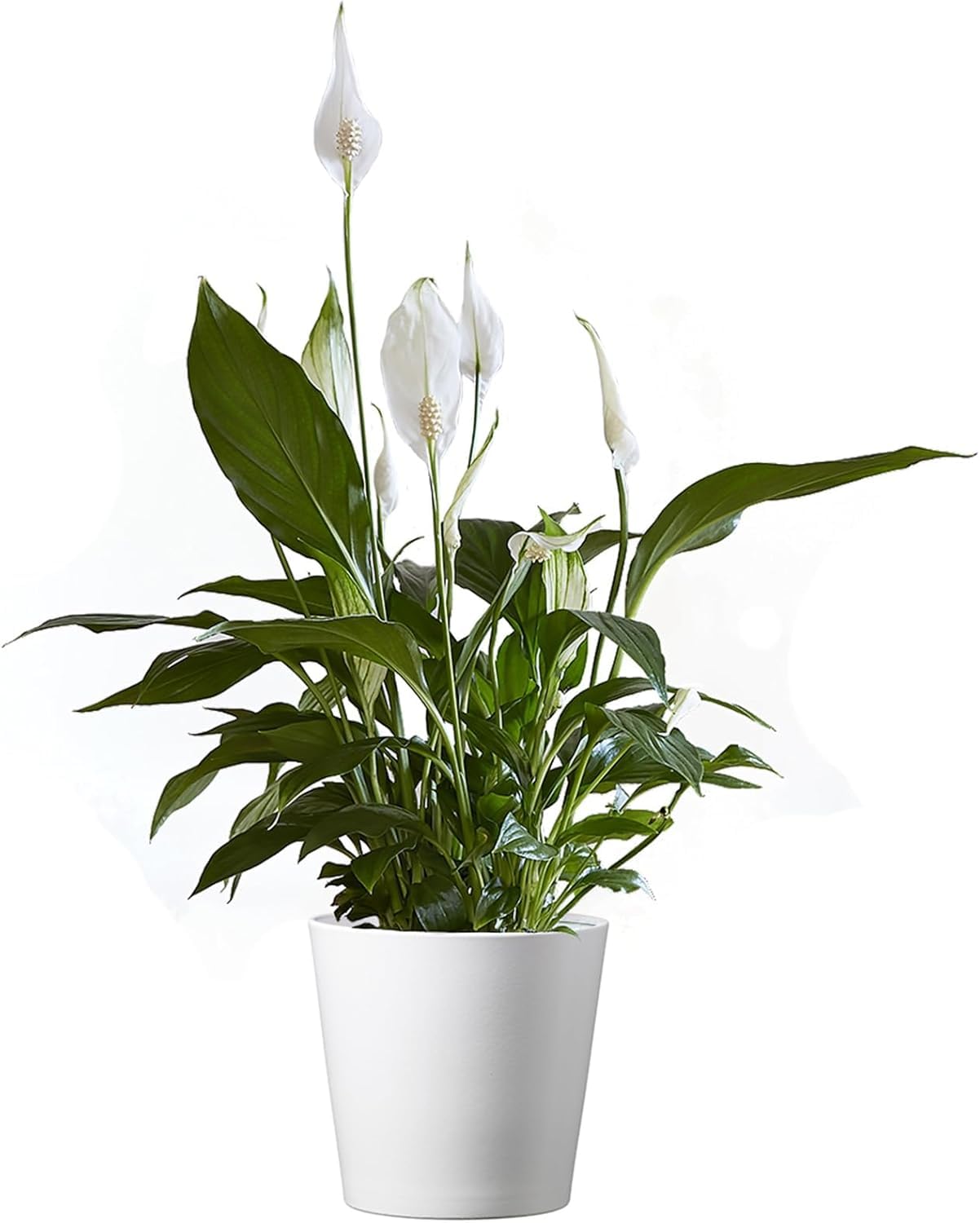
The Peace Lily earns the top spot because it solves the fundamental indoor problem: producing striking white spathe flowers in low to medium light where most other bloomers refuse to perform. This dwarf specimen arrives in a 6-inch nursery pot — a mature root ball that triggers flowering within weeks of acclimation rather than months. Its 3-pound weight at shipping reflects a substantial plant with multiple growing points, not a starter cutting.
The year-round bloom cycle sets this apart from seasonal houseplants. While many indoor flowers require specific photoperiods or temperature drops, the Spathiphyllum produces its signature white blooms periodically throughout the entire year when given consistent moisture and indirect light. The drought-wilt recovery mechanism — leaves droop dramatically when thirsty, then bounce back within hours of watering — provides clear visual feedback that makes it forgiving for beginners.
Air purification claims hold weight here: Peace Lily ranks highly in NASA studies for removing benzene, formaldehyde, and trichloroethylene from indoor air. Its compact footprint fits desks, shelves, and window ledges without overcrowding. The partial shade requirement means north-facing rooms or office cubicles with fluorescent lighting still produce flowers — a rare combination of visual payoff and environmental tolerance.
Why it’s great
- Blooms reliably in low light conditions where most flowering plants fail
- Dramatic wilt recovery provides clear watering cues for beginners
- Substantial 6-inch pot size ensures mature root development at arrival
Good to know
- Sensitive to cold shipping without insulation — winter orders risk frost damage
- Contains calcium oxalate crystals toxic to pets if ingested
2. Lemon Lime Maranta Prayer Plant by Hopewind Plants Shop

The Maranta Prayer Plant delivers the most unique visual experience in this category: its leaves fold upward at night like hands in prayer, then open flat during the day. This nyctinastic movement creates a living rhythm that makes the plant feel interactive. The lemon lime variegation — vivid green leaves brushed with yellow and dark vein patterns — provides color even when the small white flowers are not actively blooming.
ASPCA recognition as non-toxic makes this the safest option for homes with cats and dogs. The 12-16 inch height range at delivery from a 4-inch pot indicates mature growth with multiple leaf nodes, increasing the likelihood of flowering within the first season. The organic material and low maintenance tag reflect the plant’s natural resilience: it thrives in bright indirect light with watering every 1-2 weeks when the top half of soil feels dry.
Customer reports consistently note the plant’s health upon arrival, with some receiving specimens that surpassed size expectations. The prayer plant’s air purification capability adds functional value beyond aesthetics. For households that prioritize pet safety without sacrificing the experience of indoor blooms, this represents the most complete package available in the mid-range price tier.
Why it’s great
- ASPCA-recognized as non-toxic — safe around cats and dogs
- Dramatic leaf movement at night provides interactive visual interest
- Established 12-16 inch height in 4-inch pot indicates mature root system
Good to know
- Requires consistent humidity — misting needed in dry indoor air
- White flowers are small and less showy compared to Peace Lily or Kalanchoe
3. Florist Kalanchoe Live Succulent Plants 3 Pack by Plants for Pets
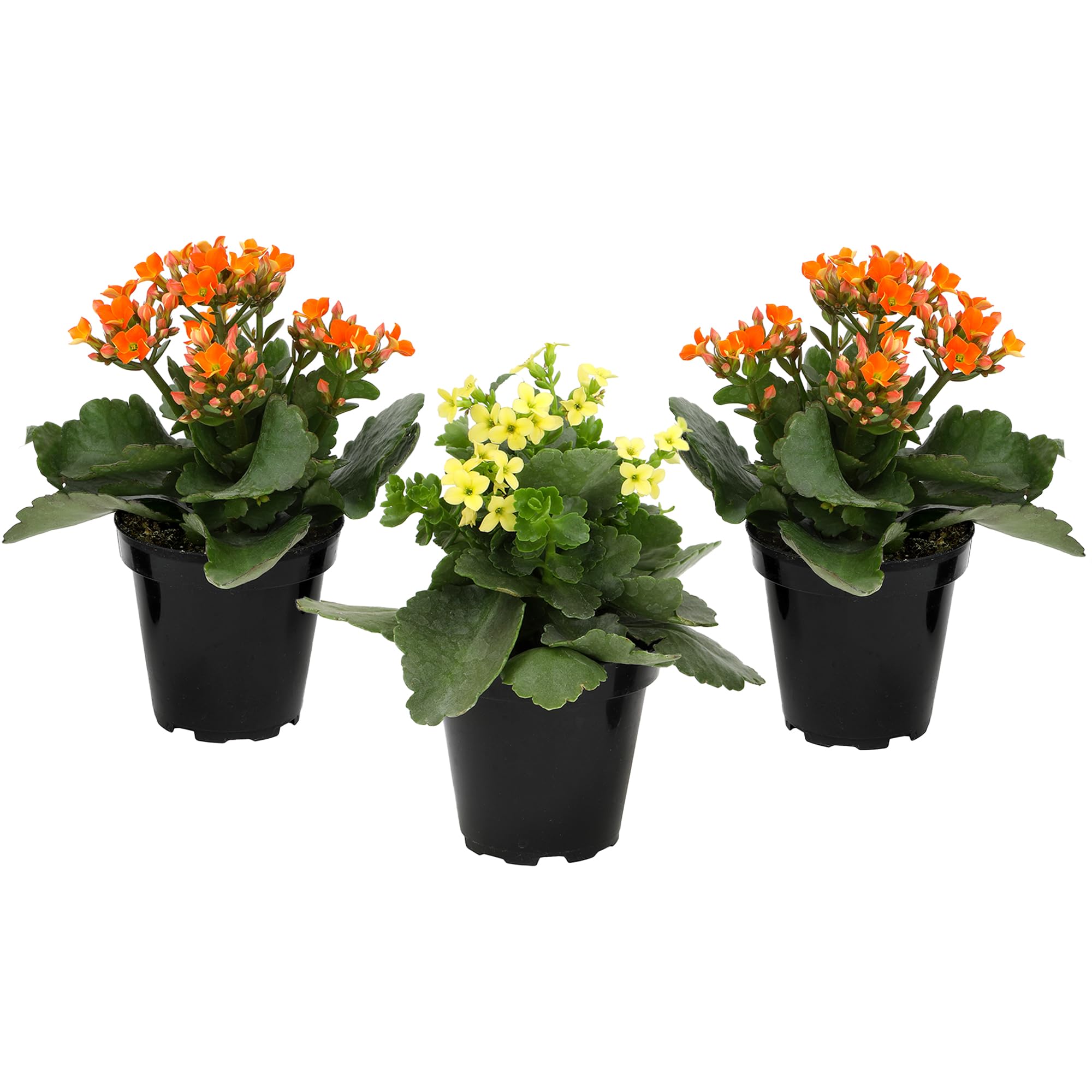
The Kalanchoe three-pack delivers immediate color impact with three separate plants producing red, orange, and yellow flower clusters. Each specimen arrives approximately 7 inches tall in a 3.5-inch grower pot — the compact size allows grouping on a single windowsill for a multicolor display. The succulent nature means these plants tolerate drought periods that would kill tropical species, making them ideal for forgetful waterers.
The year-round blooming claim holds up because Kalanchoe is a photoperiodic succulent: it initiates flower buds in response to shorter winter days, then reblooms when day length decreases again. This natural cycle produces multiple flowering periods annually rather than a single show. The biodegradable material feature in the pots makes transplanting straightforward — the grower pots can be placed directly into decorative containers without disturbing the root ball.
A portion of each purchase goes to shelter animal placement, adding charitable value to the purchase. Customer feedback confirms these plants survive cold shipping when packed with heat packs, though the blooms may arrive with minor petal damage that recovers within a week. The drought tolerance means weekly watering suffices in most indoor conditions, and the compact form fits seamlessly into succulent arrangements or standalone display.
Why it’s great
- Three distinct bloom colors in a single purchase for immediate visual variety
- Drought tolerant succulent structure survives watering lapses without leaf loss
- Year-round blooming cycle triggered by natural photoperiod changes
Good to know
- Flowers may arrive with minor smush damage from shipping
- Requires bright direct light for optimal reblooming — not suitable for low light rooms
4. Bird of Paradise 4 Pack by Fam Plants

The Bird of Paradise four-pack offers the most dramatic long-term payoff in this category, with each plant capable of reaching 5 feet at maturity and producing orange and white flowers shaped like cranes in flight. The package includes two orange and two white specimens, ensuring a balanced tropical display. Each plant arrives in a 2-inch pot at 6-10 inches tall — these are starter plants that require patience before the iconic blooms appear.
The perennial nature means these plants provide years of return after a single purchase. The glossy banana-like leaves provide lush foliage even before flowering begins, so the aesthetic value is immediate even if blooms take a season to develop. The loam soil requirement indicates these prefer well-draining potting mixes, and the moderate watering needs align with typical indoor plant care routines. The Feng Shui association with positivity adds decorative intent for intentional home styling.
Customer reports confirm the plants arrive well-wrapped with healthy roots and no dead foliage, though the small starter size means flowering in the first year is uncertain. The care instructions and QR code included with each order help first-time Bird of Paradise owners navigate the transition from pot to garden or larger container. For buyers willing to invest in the long game, this four-pack delivers the highest ceiling for visual impact when the plants reach blooming maturity.
Why it’s great
- Four plants for the price of one — balanced orange and white bloom varieties
- 5-foot mature height creates dramatic floor-plant presence over time
- Well-developed root system at shipping ensures vigorous growth from day one
Good to know
- Small 2-inch starter pots require months to reach blooming maturity
- Indoor flowering requires bright direct light near south-facing windows
5. Live Low Light House Plants in Ceramic Succulent Pots 3 Pack by Plants for Pets

The succulent three-pack solves the “I want color but I have zero light” problem. Each plant arrives pre-potted in a white ceramic pot with pebble topping — no repotting required, no messy soil transfer. The assortment includes Gasteria, Haworthia cooperi, and a zebra plant variety, providing textural variety without requiring the bright light that most succulents demand. The partial shade tolerance makes these functional on north-facing desks and dim bookshelves.
The ceramic pot presentation elevates this beyond bare-root nursery stock. These arrive as complete decor pieces, making them the strongest gift option in this lineup. The drought tolerant nature means weekly watering suffices, and the succulent physiology stores water in fleshy leaves for periods of neglect. The compact 2.5-inch pot size fits tight spaces but limits the long-term growth potential compared to larger pot options in this guide.
Customer feedback confirms healthy arrival with good packaging, though one review noted insufficient soil cover caused a plant to die. The cactus and succulent mix style means blooms are not the primary feature — these are foliage plants that may produce small flowers under ideal conditions but are valued more for sculptural form than floral display. For decorative greenery with occasional bloom potential in low-light conditions, this set delivers convenience and visual consistency.
Why it’s great
- Pre-potted in ceramic with pebble topping — zero assembly or repotting needed
- Partial shade tolerance works in low-light rooms where most succulents fail
- Drought tolerant structure survives weeks without watering
Good to know
- Primarily foliage plants — blooms are small and infrequent indoors
- Small 2.5-inch pots limit root expansion for long-term growth
FAQ
Why do my indoor flowering plants stop blooming after the first cycle?
Can I keep a blooming Peace Lily in a room with no windows?
How do I know if a blooming plant is safe for my cat?
How often should I fertilize indoor flowering plants for maximum blooms?
Final Thoughts: The Verdict
For most users, the best blooming indoor plants winner is the Peace Lily from American Plant Exchange because it produces showy white blooms in low light conditions where other flowering houseplants fail, backed by a mature 6-inch pot size that ensures immediate flowering. If you need pet-safe blooms, grab the Lemon Lime Maranta Prayer Plant for its ASPCA non-toxic certification and mesmerizing leaf movement. And for drought-tolerant color that blooms year-round with minimal care, nothing beats the Florist Kalanchoe 3 Pack.

Mo Maruf
I created WellFizz to bridge the gap between vague wellness advice and actionable solutions. My mission is simple: to decode the research and give you practical tools you can actually use.
Beyond the data, I am a passionate traveler. I believe that stepping away from the screen to explore new environments is essential for mental clarity and physical vitality.