Our readers keep the lights on and my smoothie glass nicely filled. As an Amazon Associate, I earn from qualifying purchases.
The sharp bite of a hot spot three miles into a long run or an afternoon hike can wreck your entire day. The pain isn’t just distracting — it creates a raw, open wound that forces you to stop, adjust, and limp home. Blisters form when moisture and friction collaborate against your skin, and the right sock is your only reliable defense against that one-two punch. Standard cotton socks trap sweat, create folds, and slip against the shoe, guaranteeing blisters. The best blister prevention socks are engineered to do exactly one thing: keep your skin sliding against the sock’s inner layer instead of rubbing against itself or the shoe’s interior.
I’m Mohammad Maruf — the founder and writer behind WellFizz. I’ve spent thousands of hours cross-referencing materials, weave patterns, and real-user feedback on performance footwear layers, specifically zeroing in on how fiber composition, double-layer construction, and moisture-wicking ratings translate into measurable blister reduction for runners, hikers, and all-day walkers.
After analyzing dozens of technical socks through the lens of friction physics and sweat management, I focused on the five proven performers that actually deliver on their blister prevention promises. This guide to the best blister prevention socks breaks down what the raw engineering specs mean for your feet, so you can stop guessing and start moving pain-free.
How To Choose The Best Blister Prevention Socks
The difference between a sock that causes blisters and one that prevents them often comes down to three engineering decisions: how the fabric is layered, what fibers touch your skin, and where the padding is placed. Ignoring any of these three pillars means you’re effectively wearing a standard athletic sock that happens to have a marketing claim on the label.
Double-Layer vs. Single-Layer Construction
A single-layer sock relies entirely on the material’s surface friction against your skin. If that single layer bunches, stretches thin, or absorbs sweat, the friction spikes immediately. Double-layer socks — like the Wrightsock design with an inner liner that moves against an outer shell — separate the two sliding surfaces so the friction happens fabric-on-fabric rather than fabric-on-skin. This is the single most effective mechanical blister prevention strategy available, and it’s the primary reason serious hikers and marathoners swear by it.
Fiber Composition and Moisture Management
Cotton holds moisture against the skin like a wet paper towel, dramatically increasing the coefficient of friction and softening the skin until it tears. Blister-prevention socks use fine Merino wool, polyester, or a proprietary nylon blend that actively wicks moisture away and dries quickly. The fiber mix also determines breathability — a tightly woven synthetic may trap heat, while a looser Merino blend breathes but can be too warm for summer conditions. Look for a fabric that feels dry to the touch even after extended activity, not just “soft.”
Padding Zones and Foot-Specific Fit
Cushioning should be targeted, not uniform. A sock with heavy padding everywhere adds unnecessary bulk inside the shoe, increasing pressure points and actually creating new friction areas. Effective blister prevention socks place terry-loop cushioning only in high-strike zones: the heel pocket, the ball of the foot, and sometimes the toes. A good heel-lock design (a contoured heel pocket that cups the calcaneus) prevents the sock from shifting inside the shoe, which is the root cause of Achilles blisters. Similarly, left-and-right-specific shaping, as found on the Feetures socks, eliminates the fabric twist that creates ridges under the arch.
Quick Comparison
On smaller screens, swipe sideways to see the full table.
| Model | Category | Best For | Key Spec | Amazon |
|---|---|---|---|---|
| Wrightsock Running II Lo Quarter | Double-Layer | Long-distance running & cleat sports | Internal liner + outer shell weave | Amazon |
| Feetures Trail Max Cushion Mini Crew | Anatomic Fit | Hiking & technical trail | Left/right specific shaping | Amazon |
| Balega Ultralight No Show | Lightweight Run | Road running & warm-weather training | 15-micron fiber blend density | Amazon |
| Gonii Blister Defense Ankle | Cushioned | Everyday sports & gym | Full terry cushion from heel to toe | Amazon |
| Saucony RunDry Heel Tab Athletic | Value Pack | Long walks & casual fitness | RunDry moisture transfer panel | Amazon |
In‑Depth Reviews
1. Wrightsock Running II Lo Quarter Running Socks
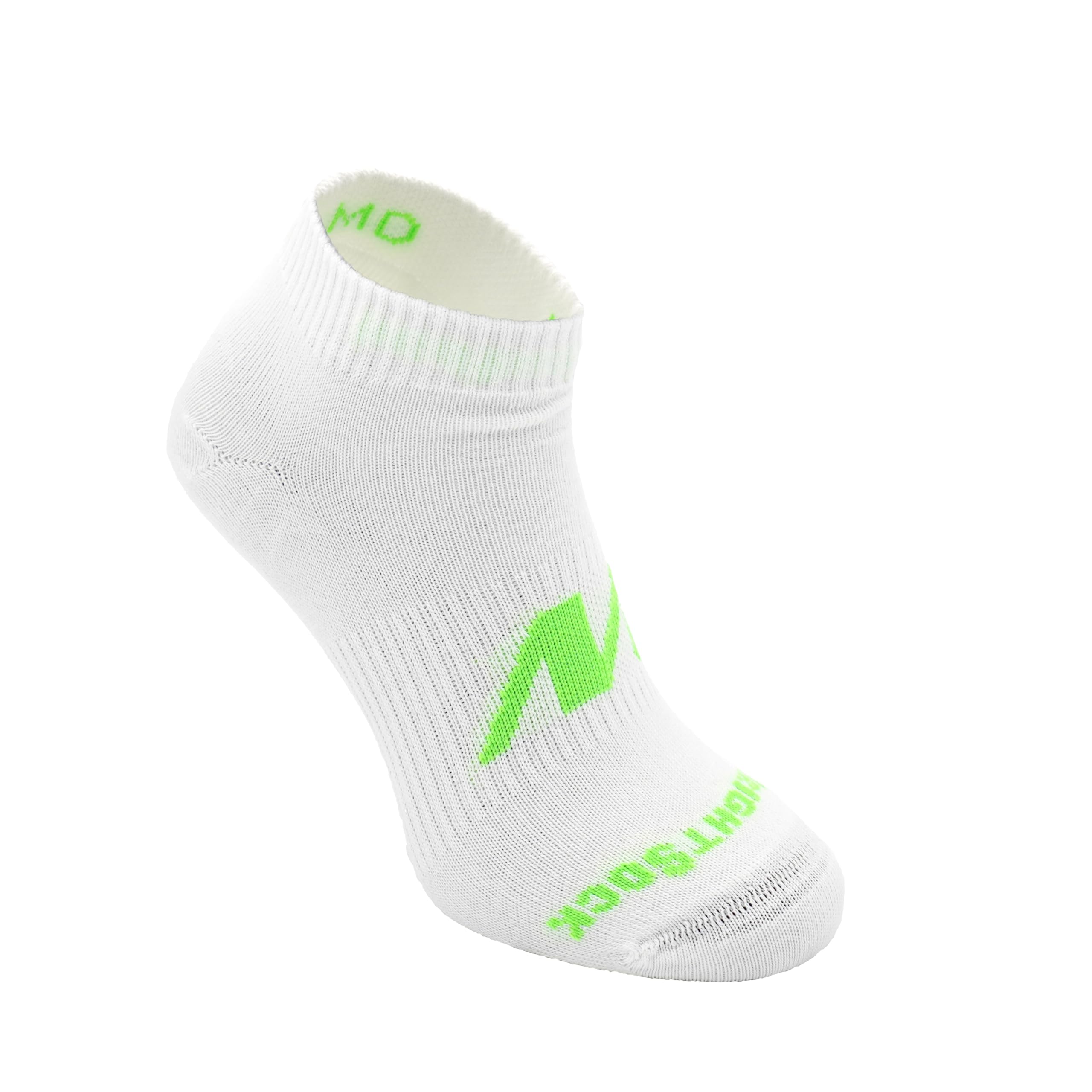
The Wrightsock Running II uses a patented double-layer weave where a thin inner sock liner moves independently against a snug outer shell. This is not cushioning — it’s a friction-splitting architecture that forces the sliding to happen between two fabric layers instead of between the fabric and your skin. After a decade of consistent use, long-time customers report zero heel blisters even during multi-hour runs in cleats and hiking boots. The fabric is a dense Coolmax-polyester blend that breathes far better than cotton, and the low-rise quarter cut keeps the sock hidden under running tights or pants without rolling down.
Multiple reviewers called out the snug heel pocket that prevents the sock from migrating toward the toes mid-run. One user with a narrow heel from a past ankle injury noted that generic socks always left loose fabric behind the calcaneus, which folded and caused blisters; the Wrightsock’s contoured heel eliminated that issue entirely. After 15 years of exclusive use, another customer still considers it the only sock that works for their blister-prone feet. The quarter height also keeps debris out during trail runs, though it lacks the extended shin coverage of a crew cut for high-shaft hiking boots.
Some buyers expected a compression-like snugness around the arch and found the sock’s fit more neutral than compressive. The price point is a clear step above budget multi-packs, but the lifespan is proportionally longer — owners report three to four years of regular running before the outer shell shows any thinning. If your primary goal is blister elimination through friction separation, this remains the gold-standard design.
Why it’s great
- Double-layer construction nearly eliminates friction blisters on the heel and ball of the foot
- Snug heel pocket prevents bunching that creates hot spots
- Retains shape and moisture-wicking performance through hundreds of wash cycles
Good to know
- Quarter height may not protect the shin from debris in high-top boots
- Not suitable for users seeking a compressive arch support feel
2. Feetures Trail Max Cushion Mini Crew Sock
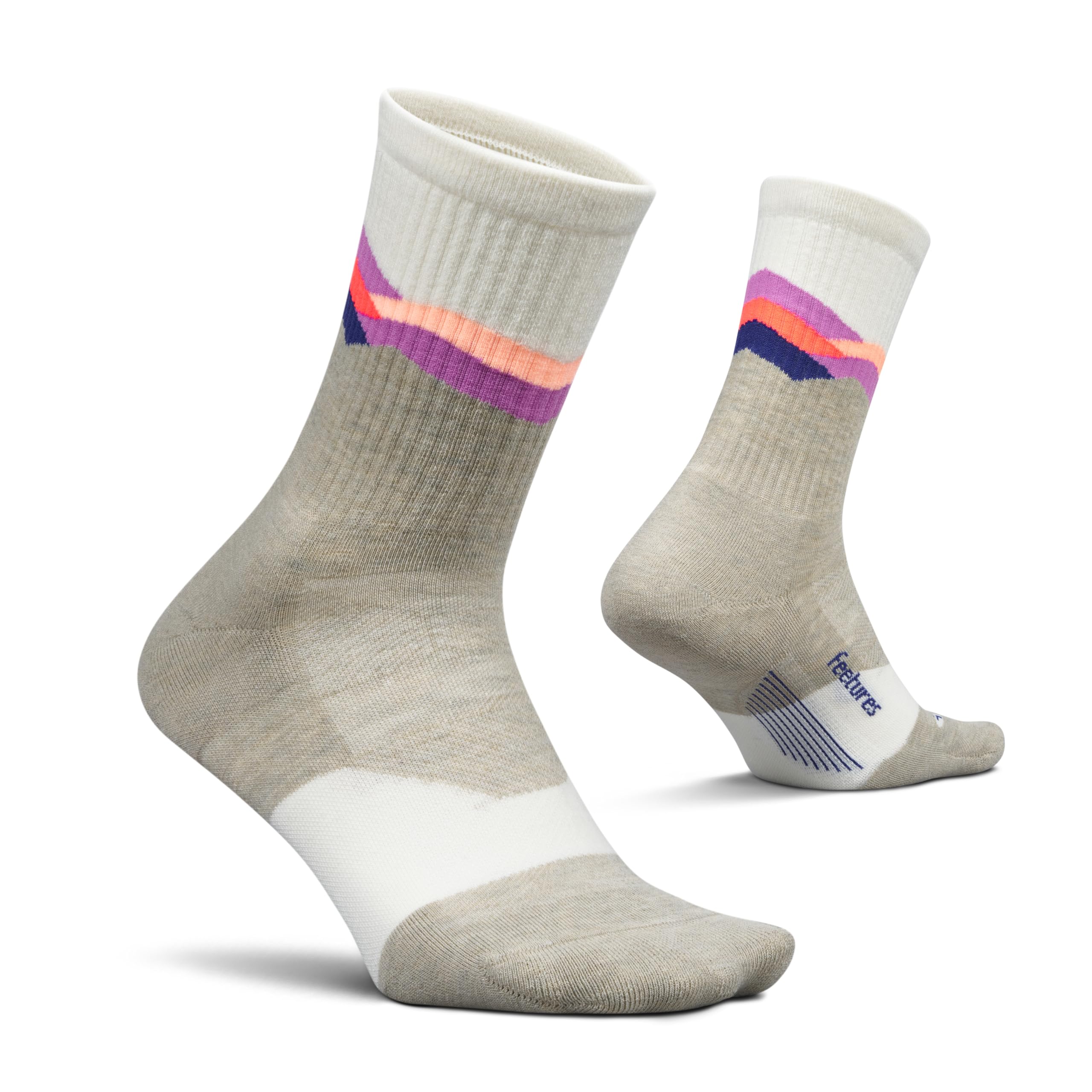
Feetures designed the Trail Max Cushion around an anatomical left-and-right-specific fit, meaning each sock is individually shaped for the subtle asymmetry of the human foot. This eliminates the fabric twist that often forms under the arch and the big-toe seam that rubs during lateral movements on uneven terrain. The mini-crew height sits high enough to keep gravel, sand, and trail debris out of the shoe collar, and the cushion uses targeted terry loops in the heel and forefoot without adding bulk across the top of the foot where it could bloat inside a snug boot.
The fiber blend is a proprietary nylon-and-polyester mix that feels soft against the skin but holds up to repetitive washing without turning scratchy. One reviewer noted that after the initial wash, the sock softens further, but after several cycles it can feel thinner and less plush — however, the structural fit remains intact, so the friction protection does not degrade. The integrated arch band is subtle enough to avoid a tourniquet effect but provides enough tension to keep the sock from sliding during steep ascents or descents.
For cold-weather applications, the Trail Max is not a heavy Merino insulator; reviewers recommended pairing it with waterproof shoes for warmth. The price is among the highest in this class, but the left/right engineering is a real advantage for hikers who cover 10-plus miles and need the sock to stay exactly where it was placed at the trailhead. For technical trail work where foot stability and debris control matter as much as blister prevention, this is the clear choice.
Why it’s great
- Anatomic left/right fit eliminates fabric bunching under the arch that causes blisters
- Mini-crew height keeps trail debris out while allowing extra ankle mobility
- Targeted cushion in strike zones without excessive bulk under the laces
Good to know
- Fabric may feel thinner after multiple washes, though structural integrity remains
- Not warm enough alone for cold-weather backpacking without insulated boots
3. Gonii Mens Athletic Ankle Socks 5-Pairs – Blister Defense & Cushioned

The Gonii Blister Defense socks take a straightforward approach: full terry-loop cushioning from the heel to the toe, with a snug ankle fit that stays in place without elastic bite. The cushion is dense enough to absorb shock but some users in hot climates found it slightly heavy for summer use, rating it better for cooler days or gym sessions where breathability is less demanding. The heel design earned praise for fitting a size 9 foot without the excess fabric that usually gathers under the Achilles in poorly graded “one-size” socks.
Multiple buyers ordered additional sets after the first pair, citing the cushion-to-fit ratio as superior to generic athletic socks in the same price bracket. The fiber composition is a polyester-spandex blend that resists pilling and retains shape after washing, though the moisture-wicking performance is not as immediate as thinner synthetic blends. The ankle cut is true to the shinbone — it clears the top of most walking shoes and low-cut running trainers without peeking out.
The 5-pair configuration at this quality level makes rotating a breeze, and the Blister Defense name is backed by enough positive feedback to suggest genuine friction reduction for moderate activity. However, the heavier terry cushion means these socks occupy more volume inside a shoe, which could create a tighter fit in already-snug running shoes and produce hot spots rather than prevent them. Best suited for walkers, gym-goers, and casual hikers who want immediate cushioning comfort in a multi-pack format.
Why it’s great
- Full-length terry cushioning provides immediate shock absorption and friction damping
- True ankle fit prevents the bunching that causes Achilles blisters
- 5-pair set is a solid value for daily rotation without sacrificing quality
Good to know
- Heavy cushion creates more volume inside the shoe, potentially causing tightness
- Less breathable than thinner options for use in hot weather
4. Balega Ultralight Lightweight Performance No Show Athletic Running Socks
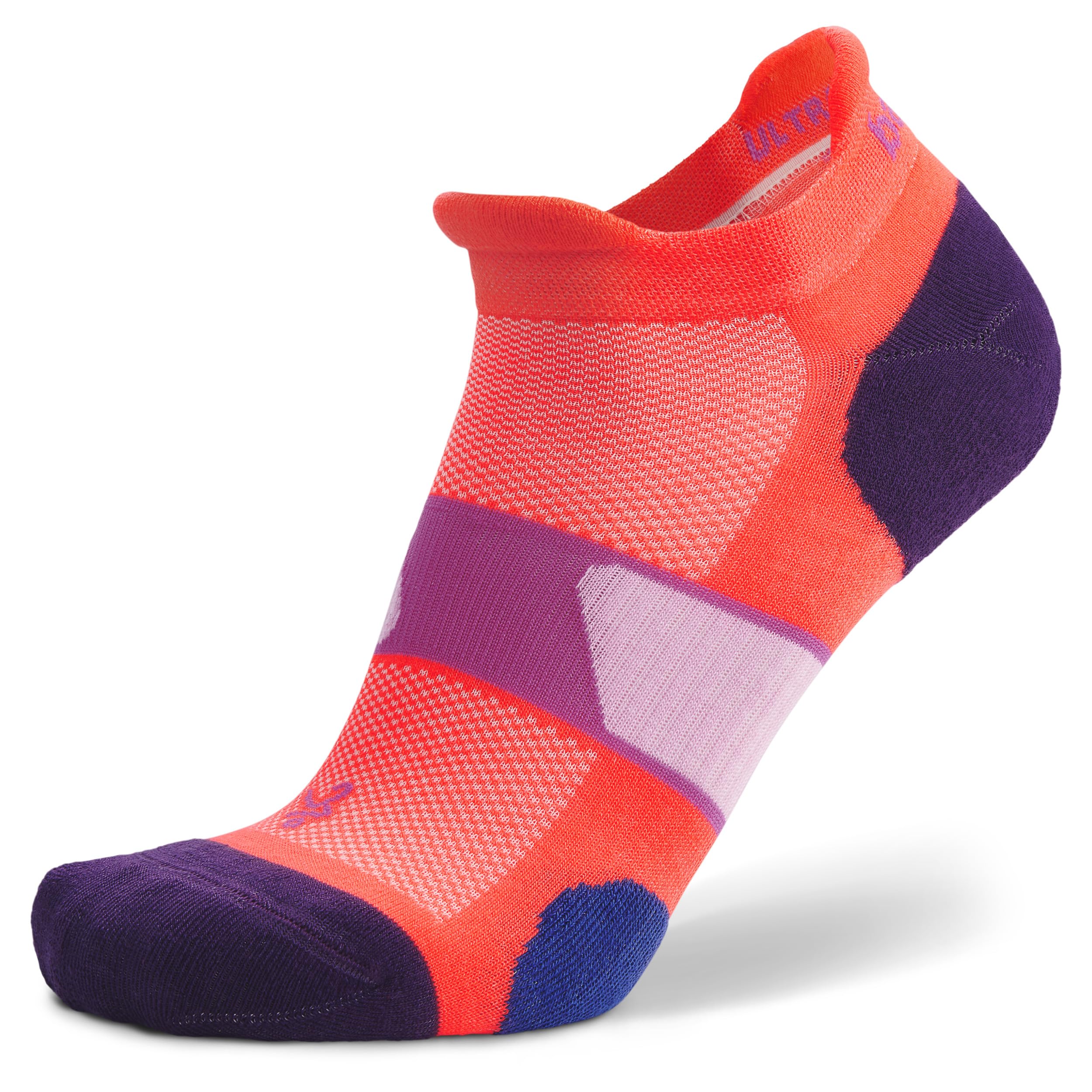
The Balega Ultralight is engineered for runners who refuse to sacrifice feedback from the road. With a 15-micron fiber blend that skews toward high-density nylon for durability and moisture transfer, the sock sits extremely low on the foot — rising just above the ankle collar — and uses a seamless toe closure to eliminate the seam ridge that can dig into the nail bed. The construction is blister-prone until it isn’t: the thinness means there is no cushion layer to absorb friction, so the material itself must slide efficiently against the skin. Reviewers reported zero blisters even after five-mile walks, attributing it to the fabric’s low-friction surface and the anatomical heel pocket that locks the sock in place.
A common complaint about ultralight socks is that they stretch out after a few wears and begin to slide. Balega’s density control holds shape through repeated washes, and owners who bought multiple pairs confirmed that the socks do not lose their elastic grip over time. However, the price per single pair is steep compared to multi-packs, and the sock provides virtually no insulation or cushioning, making it unsuitable for cold weather or rugged trail terrain. It is designed for the runner who wants a second-skin feel with minimal interference.
Some users misinterpreted the “performance” label as indicating compression support. The Ultralight has no graduated compression; it simply fits snugly without constricting. For blister prevention, the absence of fabric bunching and the rapid moisture transfer are the primary mechanisms. If your hot spots form from sweat-soaked socks that lose their shape, this design directly addresses that specific failure point — but only for road running and warm-weather training where minimal coverage is acceptable.
Why it’s great
- Ultra-thin 15-micron fiber blend reduces friction and maximizes sensory feedback from the road
- Seamless toe construction eliminates the ridge that causes subungual blisters
- Anatomic heel pocket stays locked in place without stretching over time
Good to know
- No cushion or insulation, making it impractical for cold weather or technical trails
- Single-pair packaging is expensive relative to multi-pack alternatives
5. Saucony Women’s RunDry Performance Heel Tab Athletic Socks

The Saucony RunDry sock is the multi-pack champion for blister prevention on a budget. The RunDry moisture transfer panel sits across the top of the foot, drawing sweat away from the forefoot where blisters commonly form under the ball. The heel tab extends above the back of the shoe collar to prevent the sock from sliding down into the heel pocket, a common cause of Achilles friction blisters. The medium-thickness fabric feels substantial enough to absorb light shock without adding the bulk that the Gonii cushion provides.
Reviewers gave consistent 5-star ratings for fit retention and colorfastness after repeated washes, a strong sign that the blend of polyester, nylon, and spandex resists the pilling and fading common in budget athletic socks. However, one important detail emerged from a reviewer who specifically experienced toe sweating in these socks, indicating that while the RunDry panel works on the dorsal surface, the fiber density may still trap humidity between the toes for some foot types.
For everyday walking, short runs, and gym workouts, this is a practical, low-cost hedge against friction. The heel lock is real, the moisture panel is functional, and the massive multi-pack covers the whole household. But if your blister problem is severe — recurring hotspots on long-distance hikes or marathon-paced runs — the single-layer construction and less aggressive moisture management may not be enough. This is the entry-level tier that still beats cotton by a wide margin.
Why it’s great
- RunDry moisture panel actively moves sweat away from the forefoot strike zone
- Extended heel tab prevents the sock from sliding and creating Achilles friction
- Large pair-count options provide exceptional per-sock value
Good to know
- Single-layer design offers less friction separation than double-layer models
- Some wearers experience toe sweating due to fiber density in the toe box
FAQ
Do double-layer socks work better than thick single-layer socks for preventing blisters?
What fiber blend is best for preventing blisters in hot weather?
How often should I replace my blister prevention socks?
Final Thoughts: The Verdict
For most users, the best blister prevention socks winner is the Wrightsock Running II Lo Quarter because the double-layer architecture is a decisive mechanical advantage that friction-based single layers cannot replicate. If you want a specific left-and-right fit with premium trail protection, grab the Feetures Trail Max Cushion Mini Crew. And for a budget-friendly multi-pack that still outperforms cotton, the Saucony RunDry Heel Tab covers the whole family without compromising heel security.

Mo Maruf
I created WellFizz to bridge the gap between vague wellness advice and actionable solutions. My mission is simple: to decode the research and give you practical tools you can actually use.
Beyond the data, I am a passionate traveler. I believe that stepping away from the screen to explore new environments is essential for mental clarity and physical vitality.