Our readers keep the lights on and my smoothie glass nicely filled. As an Amazon Associate, I earn from qualifying purchases.
Biofeedback devices have moved from clinical labs into daily wellness routines, offering real-time data on heart rate variability, brainwave activity, and muscle tension that most people cannot perceive on their own. These tools translate invisible physiological signals into acoustic cues, visual indicators, or haptic vibrations, effectively giving you a mirror for your nervous system so you can learn to regulate stress, improve focus, and sleep more deeply through deliberate practice.
I’m Mohammad Maruf — the founder and writer behind WellFizz. I spend my time analyzing hardware specifications, app ecosystems, and sensor accuracy across hundreds of wellness electronics to separate tools that genuinely train physiological awareness from those that merely decorate your nightstand.
Whether you are a meditation beginner or a biohacker tracking sleep architecture, finding the best biofeedback devices means understanding which sensor type, feedback modality, and software ecosystem actually fits your daily routine.
How To Choose The Best Biofeedback Devices
Biofeedback technology spans several distinct sensor classes, each targeting a different physiological signal. Choosing the wrong type for your primary goal leads to data that feels interesting but never translates into a skill you can use without the device.
Sensor Type: EEG vs. HRV vs. Electromyography vs. Galvanic Skin Response
EEG devices measure electrical activity in the brain and are ideal for meditation practice and focus training because they provide direct feedback on brainwave states. Heart rate variability (HRV) sensors track the time interval between heartbeats and are more useful for stress resilience and sleep optimization. Electromyography (EMG) sensors detect muscle tension and are typically used for rehabilitation or pelvic floor training. Galvanic skin response measures sweat gland activity and reflects emotional arousal. Pick the sensor type that matches your primary use case — a heart-rate tracker will not teach you to quiet racing thoughts during meditation, and an EEG headband will not help with muscle recovery.
Feedback Modality: What You Actually Experience
The feedback mechanism determines whether you can integrate the device into your routine without friction. Visual feedback (LED colors or on-screen graphs) works well seated at a desk but fails during sleep. Auditory feedback (changing sounds or music volume) is the most common in meditation devices because you can close your eyes. Haptic feedback (vibrations or pulses) works in any position and is preferred for wearable sleep aids and stress relief tools. Devices that combine multiple modalities generally produce faster skill acquisition because they engage more sensory channels.
App Ecosystem and Subscription Costs
The sensor hardware is only half the equation. Without a well-designed app that offers personalized training programs, session history, and guided exercises, raw data becomes noise. Many premium devices require a subscription after the first year to access the full library of guided sessions, advanced insights, or AI coaching features. Calculate the total cost of ownership over two years before committing — a mid-range device with a reasonable subscription often delivers better long-term value than an entry-level unit that requires a paid upgrade to be useful beyond the first week.
Quick Comparison
On smaller screens, swipe sideways to see the full table.
| Model | Category | Best For | Key Spec | Amazon |
|---|---|---|---|---|
| SereniBrain EEG Headband | EEG Headband | Neurofeedback meditation training | 10 Hz real-time brainwave graphing | Amazon |
| Muse 2 | EEG Headband | Meditation with progress tracking | SmartSense EEG + heart rate sensors | Amazon |
| Muse S Athena | EEG + fNIRS Headband | Deep sleep boost and recovery | EEG + fNIRS combined sensors | Amazon |
| Reflect Orb | GSR Handheld | Stress awareness and emotional regulation | Galvanic skin response + LED feedback | Amazon |
| Sensate Relaxation Device | Infrasonic Resonance | Vagus nerve toning for calm | 20-70 Hz infrasonic vibration on sternum | Amazon |
| Pulsetto FIT (V2) | Transcutaneous VNS | Brief daily stress and sleep sessions | 4-10 min programmable pulse sessions | Amazon |
| Apollo Neuro Wearable | Wearable Vibration | All-day nervous system support | 8-hour battery, wrist/ankle wear | Amazon |
| Chirp Halo Wireless EMS | EMS Muscle Stimulator | Post-workout recovery and pain relief | Wireless pucks with 5-6 session battery life | Amazon |
| Perifit Care + | Pelvic Floor Biofeedback | Pelvic floor strengthening with games | Dual pressure sensor for contraction accuracy | Amazon |
In‑Depth Reviews
1. SereniBrain EEG Neurofeedback Headband
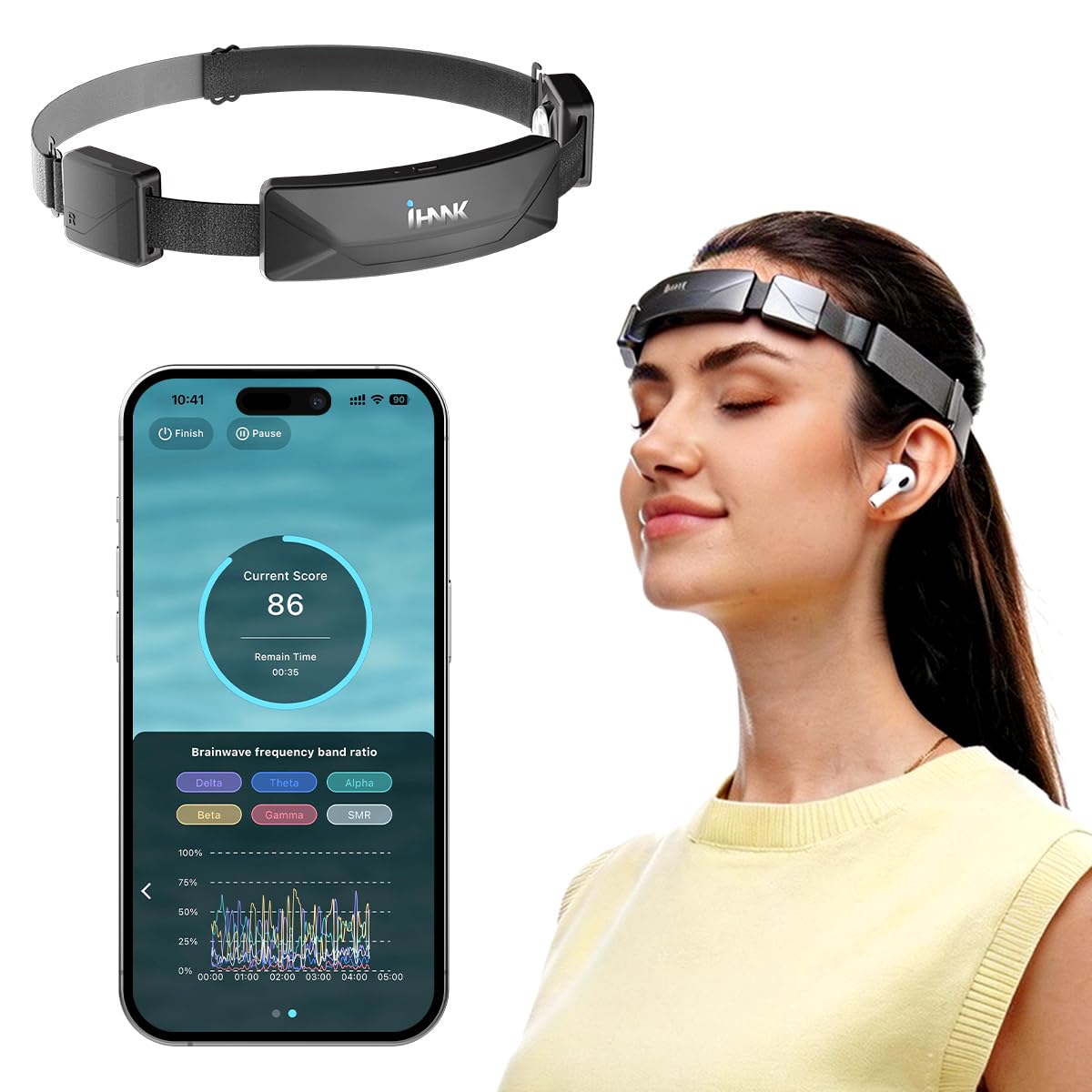
The SereniBrain headband uses hydrogel forehead sensors that offer better signal stability and comfort than the metal-contact electrodes found on older-generation EEG devices. Its real-time brainwave graph updates with no perceptible lag, and the “Practice State Curve” immediately shows whether your mind is settling into alpha or drifting into beta — feedback that is precise enough to use as a training tool rather than a novelty.
The companion app offers three listening modes: guided sessions, free-form audio, and a unique “Raisin Meditation” that builds theoretical understanding alongside practice. Users report stable Bluetooth connections and zero signal dropout during sessions, a substantial improvement over other consumer EEG headsets that frequently lose contact when the wearer shifts position. The 8-hour battery life covers multiple sessions across several days without needing a recharge.
One limitation is the 30-minute maximum session length, which may frustrate experienced meditators who prefer hour-long sits. The app also stores data on Chinese servers, which some privacy-conscious users have flagged. Still, for the combination of sensor accuracy and no-subscription-required access to core neurofeedback, it edges ahead of more expensive alternatives.
Why it’s great
- Hydrogel sensors produce stable EEG signals with minimal noise
- No subscription required for real-time brainwave feedback
- Three distinct listening modes for varied practice styles
Good to know
- Session length capped at 30 minutes per session
- Data stored on servers in China per the privacy policy
2. Reflect Orb Smart Tracker

The Reflect Orb takes a tactile approach to biofeedback by measuring skin conductance through your fingers and translating it into warm, color-shifting LED light that you can watch while holding the device. This makes it unusually intuitive — you do not need to interpret a graph or listen for auditory cues; the orb simply glows warmer as your parasympathetic system engages and cooler when stress rises.
The included one-year subscription unlocks guided training programs, session journaling, and community access. Users with ADHD specifically report that the physical orb provides a tangible focus anchor that abstract meditation apps cannot replicate. The 6.7-inch diameter sphere fits comfortably in two hands and the lithium-ion battery lasts through multiple guided sessions before needing a recharge.
The initial Bluetooth pairing process has been the most common complaint, with several users requiring a firmware update to get consistent connectivity. The orb also loses calibration if set down mid-session, forcing you to restart the exercise. For those who respond better to visual and tactile feedback than to audio-guided meditation, this is a uniquely effective gateway device.
Why it’s great
- Visual LED feedback requires no interpretation skill
- Tangible form factor works well for ADHD and tactile learners
- Full year of guided training programs included
Good to know
- Bluetooth pairing can be finicky until firmware is updated
- Device must remain still during sessions to maintain calibration
3. Muse 2 Brain Sensing Headband

The Muse 2 is the most research-backed consumer EEG device on the market, with published studies from neuroscience institutions validating its SmartSense sensor accuracy. It tracks brainwaves, heart rate, and body movement simultaneously, and translates them into an auditory soundscape that shifts from windy to calm as your mind settles — a feedback loop that many users describe as addictive for building a consistent meditation habit.
The device works out of the box without any subscription, providing core meditation sessions, session scoring, and progress tracking. The optional premium subscription adds AI Coach insights and access to over 500 guided meditations, but the free tier is substantial enough for sustained daily use. The USB-C charging and 10-hour battery life make it practical for travel and daily practice.
Build quality concerns have emerged with the newer revision, with some clinic users reporting that units fail within a few months of regular use. The headband requires proper sensor contact with the forehead, which can be finicky for those with thicker hair or oily skin. The one-year warranty is standard, but third-party purchases may complicate replacement claims.
Why it’s great
- Strongest scientific validation of any consumer EEG headband
- Core features work fully without a subscription
- Combines EEG, heart rate, and movement sensors in one band
Good to know
- Recent build quality issues reported with frequent use
- Warranty support depends on purchase channel
4. Perifit Care + Pelvic Floor Exerciser
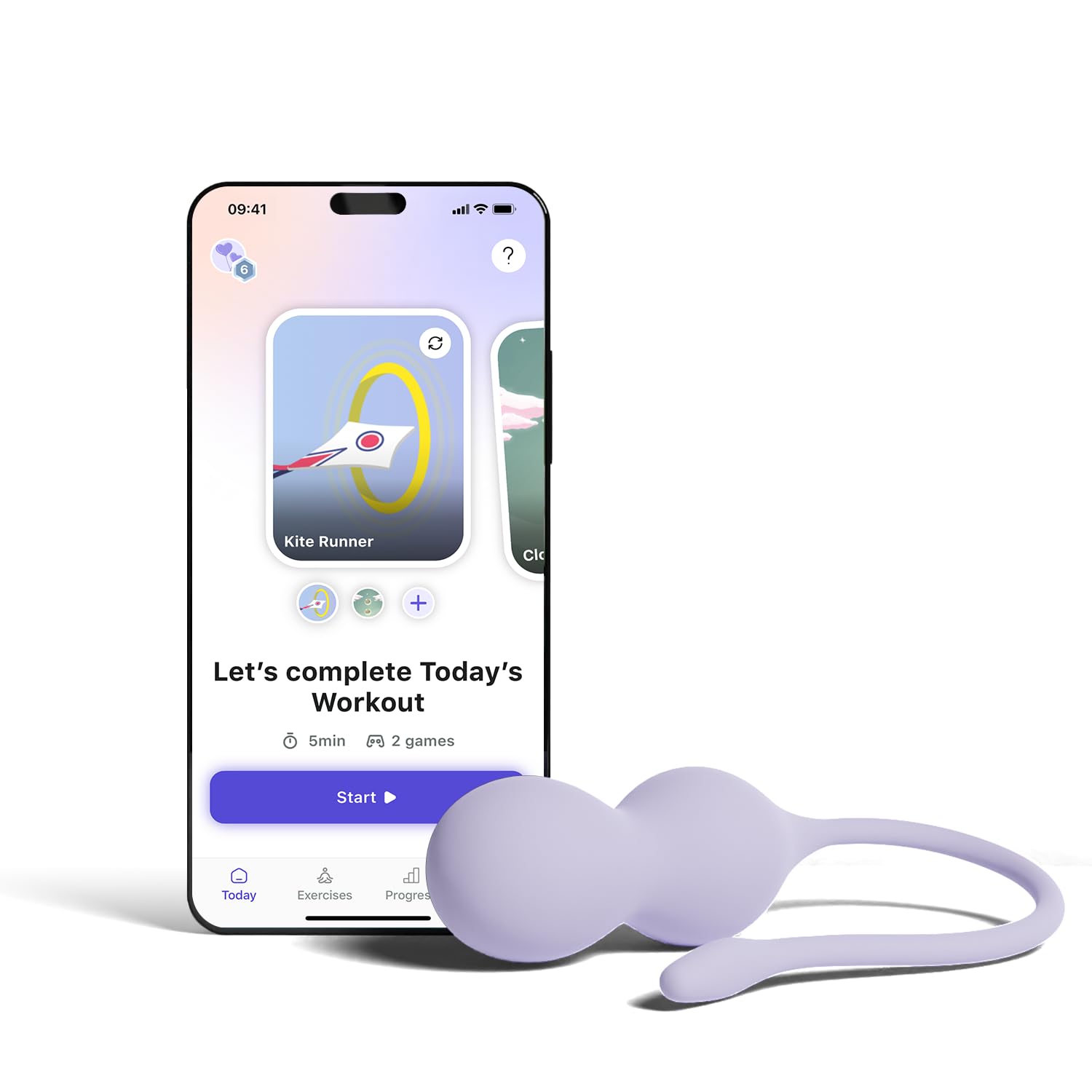
The Perifit Care + addresses a specific biofeedback niche — pelvic floor rehabilitation — with a dual-sensor probe that detects whether you are performing Kegel exercises correctly. The patented dual pressure sensor technology identifies defective contractions, which is critical because studies show roughly 30% of women perform Kegels inaccurately, potentially straining the pelvic floor rather than strengthening it.
The app gamifies the training with progressively challenging games that track strength, endurance, precision, contraction quality, and speed — the 5D analysis system. Users report visible improvements in urinary urgency within two weeks of daily use. The device calibration and fitness test at setup ensure the training matches your baseline strength level, and the app offers personalized reinforcement programs targeting specific weaknesses.
The non-rechargeable battery lasts up to two years with regular use, which is actually a design advantage since water-resistant probes cannot easily accommodate charging ports without compromising hygiene. The 1.76-ounce probe is comfortable in any position and easy to clean. The price may seem high for a single-use device, but it is eligible for HSA and FSA reimbursement, and the results are measurable and durable.
Why it’s great
- Dual sensor identifies and corrects improper Kegel form
- Gamified training makes daily exercises genuinely engaging
- HSA and FSA eligible for pre-tax purchase
Good to know
- Non-rechargeable battery requires replacement after roughly two years
- Limited to pelvic floor training only
5. Sensate Relaxation Device
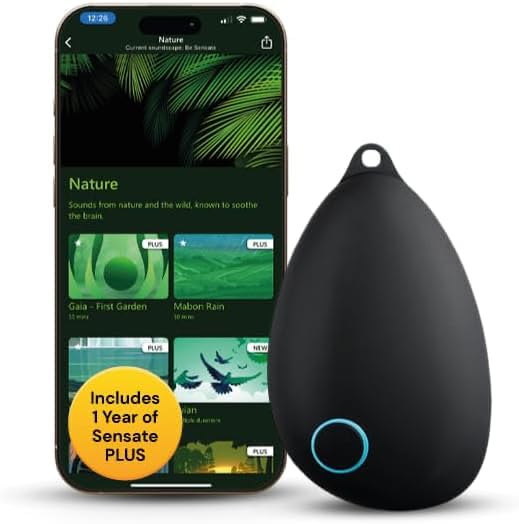
Sensate uses patented infrasonic resonance technology that sends gentle vibrations between 20 and 70 Hz through your sternum, targeting the vagus nerve without electrical stimulation. The user experience involves lying down with the pebble-shaped device placed on your chest while listening to specially designed audio tracks through the app. The tactile sound vibrations create a somatic relaxation response that many users find more effective than breathing exercises alone.
Clinical development based on 30 years of practice and five years of R&D gives Sensate credibility over newer, less researched devices. Users report heart rate drops from 70 to 53 bpm within a single 10-minute session, and those with chronic anxiety describe it as a reliable tool for preventing stress spirals. The device won The Times Health Tech Invention of the Year award and has a loyal user base who use it twice daily for years.
The primary drawbacks are the sensory feedback quality — some users notice a rattling noise from internal components during use, and the bright LED on the power button can be distracting in a dark room. The subscription model requires an annual fee after the first year to access the full library of soundscapes, and the base unit is made of lightweight plastic that feels less premium than the price suggests.
Why it’s great
- Clinically developed vagus nerve toning without electrical pulses
- Produces measurable HRV improvements within minutes
- Lightweight and comfortable for chest-worn use
Good to know
- Annual subscription required after first year for full access
- Plastic build can feel less substantial than the price tier suggests
6. Pulsetto FIT (V2) Wellness Wearable
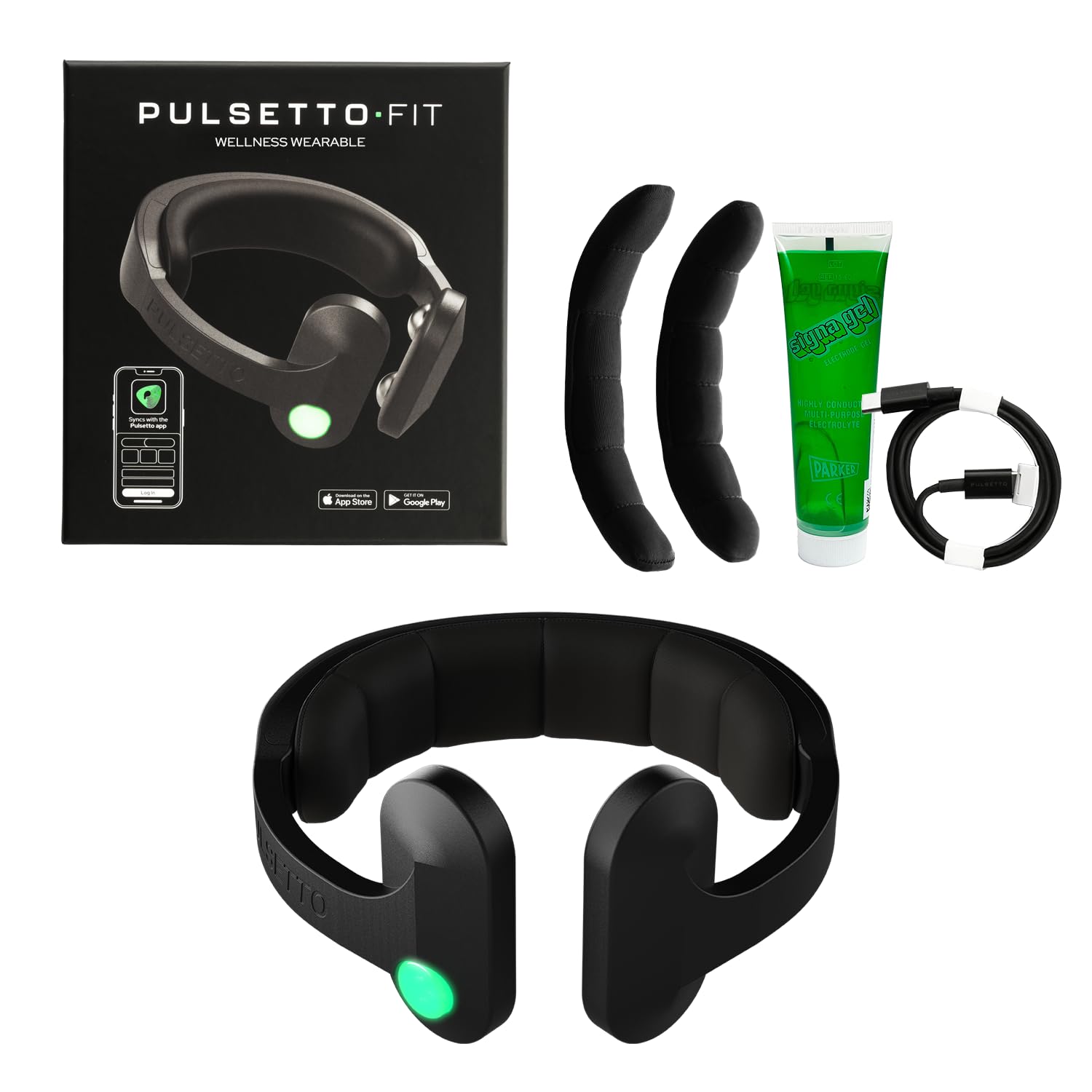
The Pulsetto FIT applies transcutaneous vagus nerve stimulation through gel-coated electrodes placed on the neck, delivering gentle pulses that range from a subtle tingling sensation to more noticeable rhythmic contractions depending on the intensity level. The sessions are deliberately short — four to ten minutes — making this one of the most time-efficient biofeedback devices for people who want stress relief without a long meditation commitment.
The app offers five core programs targeting sleep, stress, focus, and energy, with an optional premium tier for expanded customization. Users report noticeable improvements in sleep onset and morning restfulness after two weeks of twice-daily use. The ergonomic design includes interchangeable pad sizes for different neck anatomies, and the device itself is lightweight at 14.8 ounces including the battery.
The critical downside is that the advertised 7-day free trial for the app actually converts to a annual fee after only five days, which has caught many users off guard. The stimulation is not precisely targeted to the vagus nerve — some users experience muscle spasms soreness in surrounding neck muscles. The device also requires conductive gel, which is a consumable cost and adds friction to daily use.
Why it’s great
- Very short session length fits easily into a packed day
- Interchangeable pad sizes accommodate different neck shapes
- Five core programs cover stress, sleep, and focus
Good to know
- App subscription trial converts after 5 days, not 7
- Stimulation can cause muscle twitching beyond the intended area
7. Apollo Neuro Wearable with 12-Month SmartVibes AI
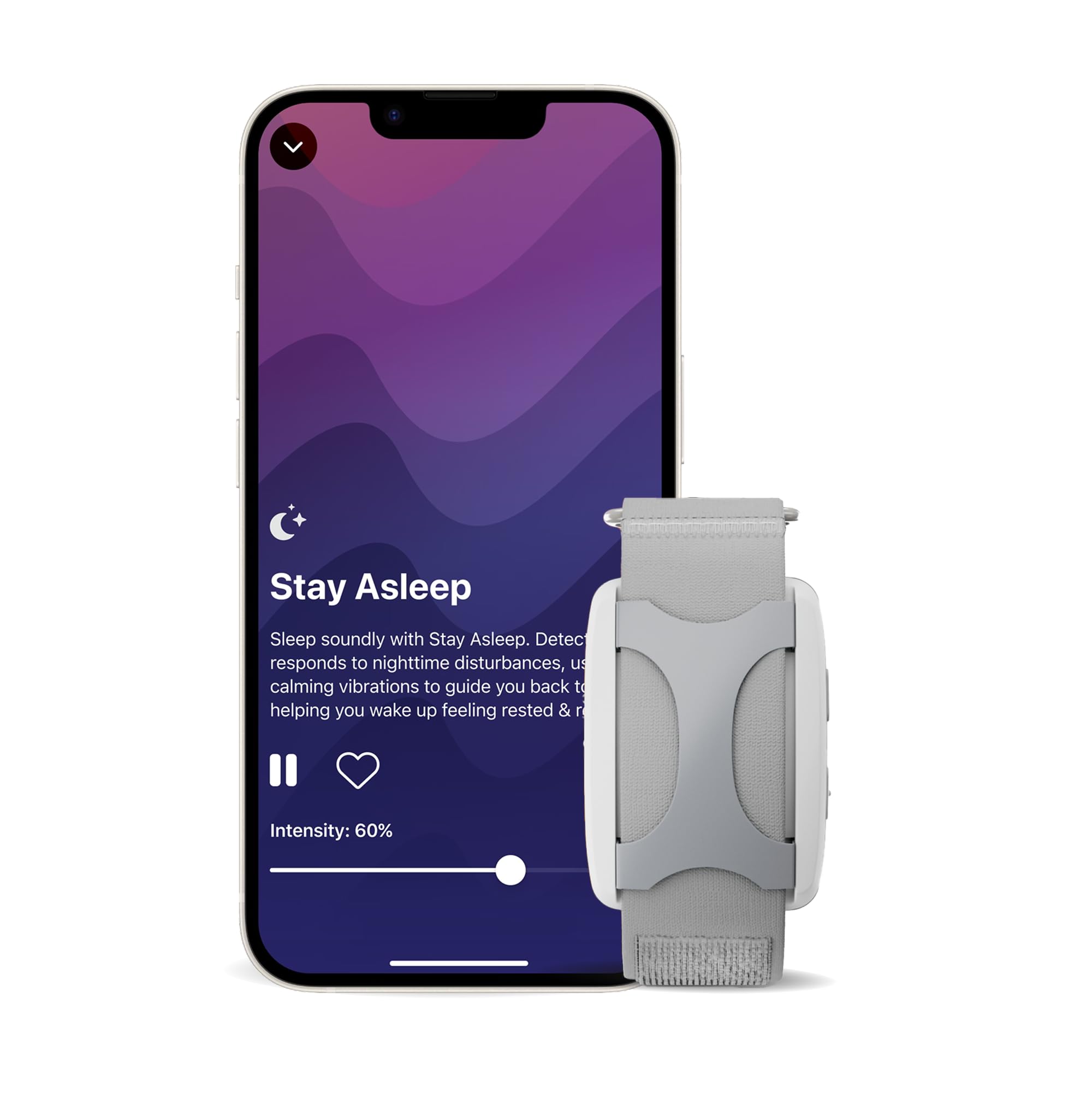
The Apollo Neuro takes a fundamentally different approach from session-based devices — it is designed to be worn throughout the day and night, delivering gentle vibrations that support nervous system regulation without requiring your active attention. The wearable can be secured on your wrist, ankle, or clipped to clothing, and the SmartVibes AI adapts the vibration patterns in real time based on your activity level and time of day.
The 12-month SmartVibes membership is pre-activated and included in the purchase, giving you access to vibration modes for sleep, focus, calm, recovery, and meditation. Users report falling asleep faster, waking up fewer times throughout the night, and feeling less reactive in high-pressure meetings. The integration with Oura Ring allows the device to pull sleep data and adjust nighttime vibrations for deeper rest.
The 8-hour battery life requires daily charging, and the use of a micro-USB port instead of USB-C feels dated on a device at this tier. The lack of FDA clearance and reliance on subjective outcome measures rather than controlled clinical trials means the mechanism of action remains debated. The wristband is comfortable but collects sweat and needs regular cleaning to prevent irritation.
Why it’s great
- Passive all-day wear requires no active session time
- SmartVibes AI adapts vibrations to your real-time needs
- Integrates with Oura Ring for combined sleep optimization
Good to know
- Micro-USB charging port is outdated
- Limited independent clinical validation for claimed mechanisms
8. Muse S Athena Brain Sensing Headband
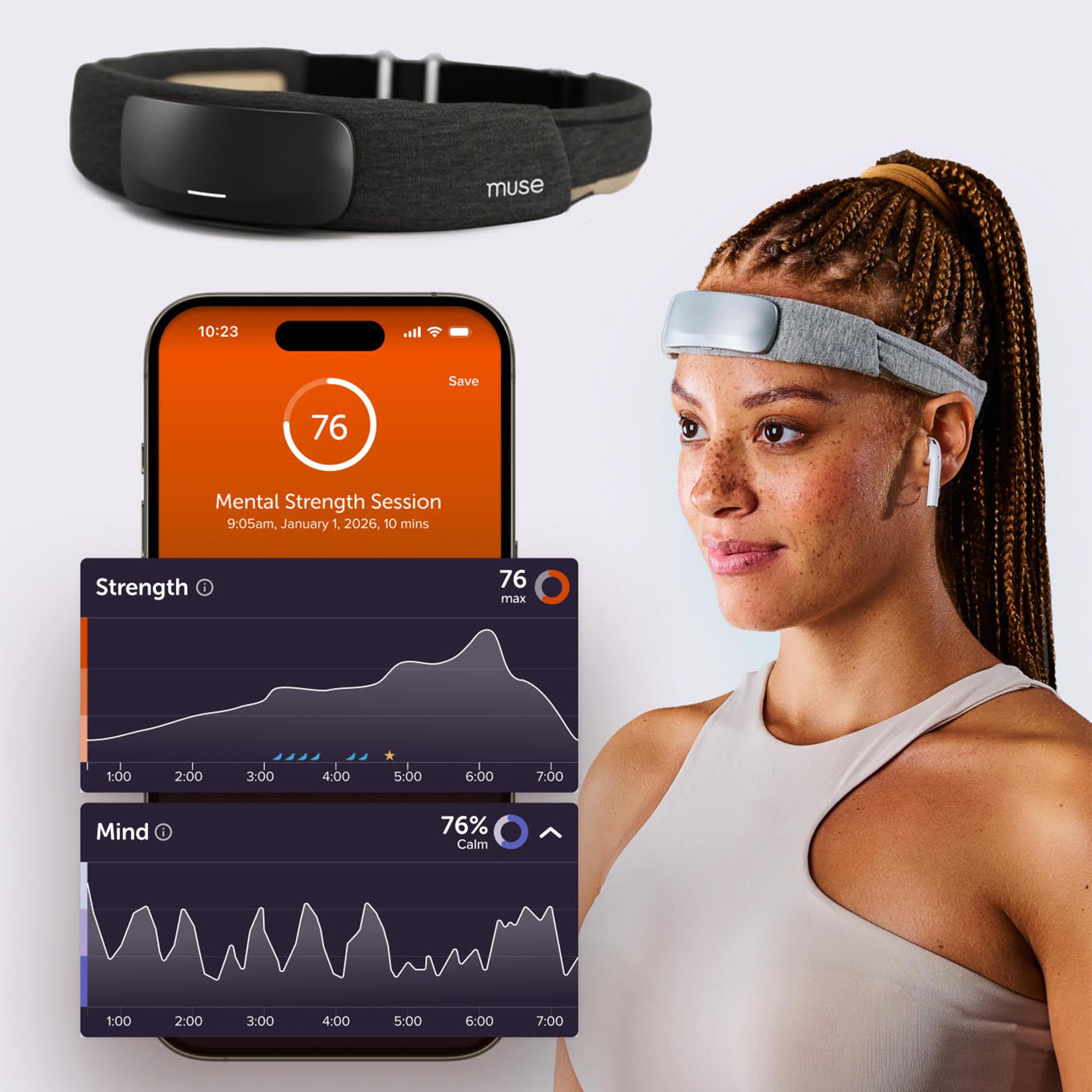
The Muse S Athena represents the most advanced consumer brain-sensing wearable available, combining EEG sensors for brainwave monitoring with fNIRS sensors that measure blood oxygenation in the prefrontal cortex — a dual-modality approach previously reserved for research-grade equipment. The headline feature, Deep Sleep Boost, detects slow-wave sleep and delivers subtle auditory cues to sustain that stage longer, which directly addresses the common problem of waking up after only a few hours.
The headband is designed for sleep use with a soft, adjustable fabric strap that is lighter than the original Muse S headband. The Sleep Assist feature helps you fall asleep faster with guided wind-down exercises, while the meditation and focus modes work the same way as the Muse 2 but with the added accuracy of fNIRS data. Users report feeling more rested after waking and noticing improved mental clarity during the day.
The practical limitations are significant for side sleepers — the band compresses the ear against the pillow, causing discomfort that disrupts the very sleep it aims to improve. The EEG sensors require wetting the forehead contact points, which is inconvenient before bed. The fabric headband also raises long-term durability questions, as constant washing and stretching may degrade the sensor alignment over time.
Why it’s great
- Combined EEG and fNIRS sensors for more accurate brain monitoring
- Deep Sleep Boost actively sustains slow-wave sleep
- Lighter and softer fabric band than previous Muse versions
Good to know
- Uncomfortable for side sleepers due to ear compression
- Sensors require wetting before each use for proper contact
9. Chirp Halo Wireless Muscle Stimulator
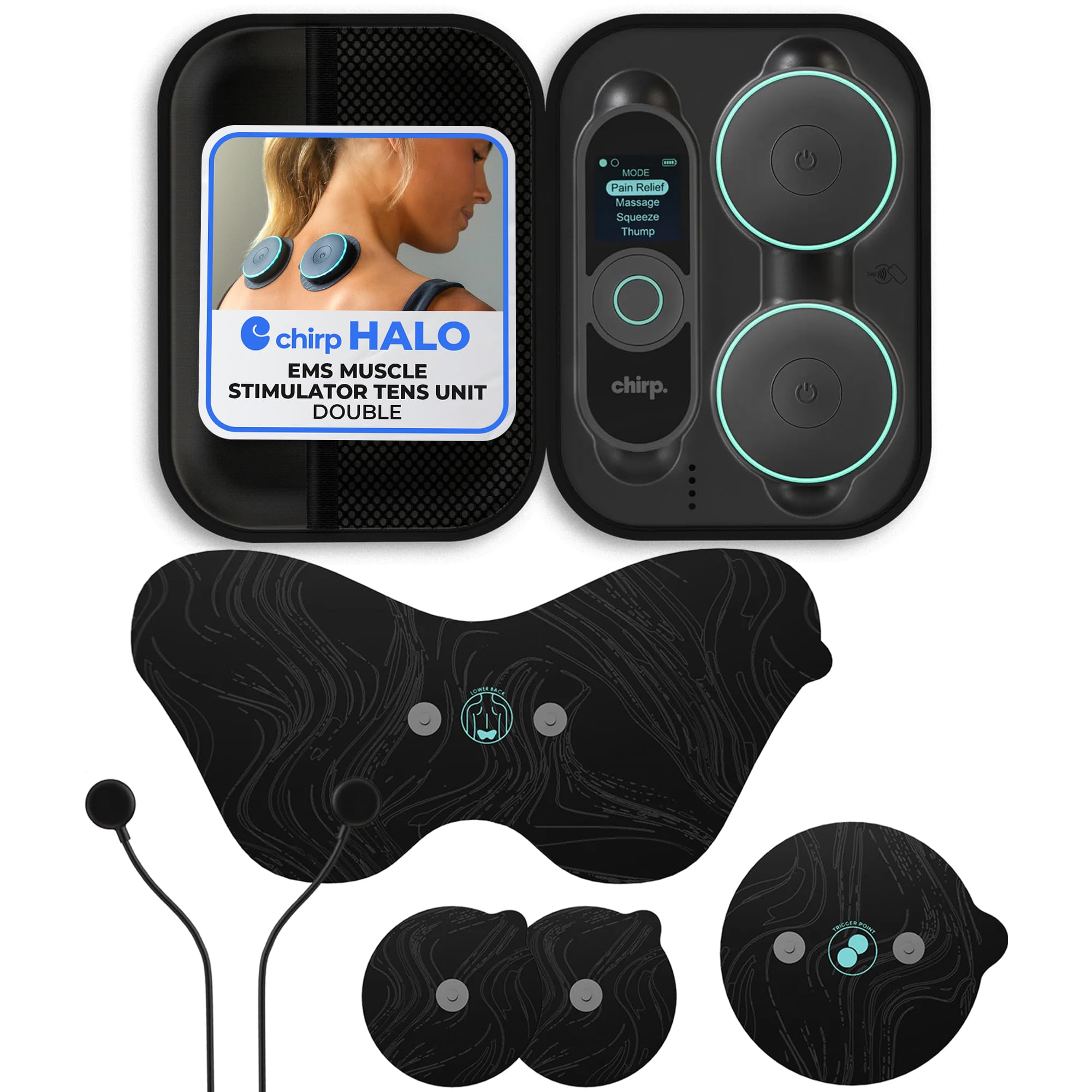
The Chirp Halo is an electrical muscle stimulation (EMS) device that targets muscle recovery and pain relief rather than nervous system regulation, making it a different subclass of biofeedback. The dual wireless pucks connect to a remote control and can be placed on any major muscle group, delivering customizable intensity levels through reusable adhesive pads. The wireless design eliminates the cord tangling that makes traditional TENS units frustrating to use during movement.
The companion app guides pad placement based on your specific pain location, which reduces the guesswork for first-time users. Battery life delivers five to six 15-minute sessions at low to moderate intensity before needing a recharge, and replacement pads cost under . Users describe the build quality as noticeably higher than standard drugstore TENS units, with durable puck housings and strong adhesive that lasts through multiple applications.
The primary reliability issue involves the wireless connection between the pucks and the remote. Several users report that the pucks fail to sync after charging, rendering the device unusable until customer support intervenes. The warranty replacement process requires a fee for third-party purchases, which adds a hidden cost. For pure pain relief and recovery, the EMS technology is effective, but the wireless connectivity adds an unnecessary point of failure.
Why it’s great
- True wireless design allows full range of motion during use
- App-guided pad placement eliminates guesswork
- Replaceable pads are affordable and widely available
Good to know
- Wireless sync between pucks and remote can fail intermittently
- Warranty replacements require a processing fee
FAQ
Can biofeedback devices replace therapy or medication for anxiety?
How long does it take to see results from regular biofeedback training?
Do I need to shave my head or wear gel with EEG headbands?
Are there different biofeedback devices for different brainwave types such as alpha theta and beta?
What is the difference between biofeedback and neurofeedback?
Final Thoughts: The Verdict
For most users looking to build a meditation habit and train focus, the best biofeedback devices winner is the SereniBrain EEG Neurofeedback Headband because it delivers hospital-grade hydrogel sensor stability and real-time brainwave graphing without requiring a subscription. If you want a more passive, vibration-based approach to nervous system support that works while you sleep or go about your day, grab the Apollo Neuro Wearable. And for targeted pelvic floor rehabilitation that uses gamified biofeedback to correct form and build strength, nothing beats the Perifit Care +.

Mo Maruf
I created WellFizz to bridge the gap between vague wellness advice and actionable solutions. My mission is simple: to decode the research and give you practical tools you can actually use.
Beyond the data, I am a passionate traveler. I believe that stepping away from the screen to explore new environments is essential for mental clarity and physical vitality.