Our readers keep the lights on and my smoothie glass nicely filled. As an Amazon Associate, I earn from qualifying purchases.
That sad, browning houseplant on your nightstand isn’t a failure of your character — it’s probably a mismatch in light, humidity, or care rhythm. Bedrooms present a brutal trifecta for most greenery: inconsistent watering schedules, lower light than south-facing windows provide, and dry air from HVAC systems. The right bedroom plant shrugs off all three and rewards you with cleaner air and a calm corner of life.
I’m Mohammad Maruf — the founder and writer behind WellFizz. I analyze the real specs, customer outcomes, and survival rates of hundreds of indoor plants to find the ones that thrive where our actual living spaces are, not where the glossy catalog assumes they are.
Whether you have a bright bay window or a dim corner that sees only morning light, choosing the right bedroom plant comes down to matching leaf structure with your room’s microclimate rather than falling for a pretty picture online.
How To Choose The Best Bedroom Plant
A bedroom is not a greenhouse. The choice is not about which plant looks most impressive on Instagram — it’s about which plant’s natural rhythm fits your light, your schedule, and your landlord’s no-bugs policy. Here are the factors that actually matter when you’re buying a live plant for a sleep space.
Light Tolerance — The Non-Negotiable
Bedrooms average far fewer foot-candles than living rooms. A north-facing bedroom with sheer curtains might deliver only 50–100 foot-candles for a few hours. Plants like Philodendrons and Pothos thrive in this range. Prayer plants (Marantas) need slightly brighter indirect light — 150–250 foot-candles — and will show you they’re unhappy by fading leaf color. Never trust a tag that says “low light” without reading the leaf type: thick, waxy leaves handle shade better than thin, delicate ones.
Watering Rhythm — Match Your Lifestyle
The most common cause of bedroom plant death is overwatering. Plants in low-light bedrooms use water slowly. Philodendrons and Pothos should be watered only when the top two inches of soil are dry — typically every 10 to 14 days in a bedroom. Prayer plants prefer the soil to dry only halfway down. If you travel often or have a scattered schedule, pick a plant with thicker leaves (Pothos, Philodendron) that stores water and recovers from missed waterings better than a Maranta will.
Pet Safety — The ASPCA Shortlist
If your cat or dog shares your bedroom, toxicity is the first filter. Maranta (Prayer Plant) is recognized by the ASPCA as non-toxic to cats and dogs. Philodendron, while beautiful, is toxic to both — so if you have a nibbler, skip the heart-leaf varieties unless you hang them out of reach. Always cross-reference a plant’s scientific name against the ASPCA database rather than trusting a generic “pet safe” label.
Air Purification Claims — What’s Real
NASA’s Clean Air Study identified several houseplants that remove volatile organic compounds like benzene and formaldehyde. Philodendrons and Pothos appear on that list. But one 4-inch plant in a bedroom will make a negligible difference — you need one plant per 100 square feet of floor space to see measurable air quality improvement. The real benefit of a bedroom plant is the psychological effect and the slight increase in humidity from transpiration, which can help with dry sinuses overnight.
Quick Comparison
On smaller screens, swipe sideways to see the full table.
| Model | Category | Best For | Key Spec | Amazon |
|---|---|---|---|---|
| Lemon Lime Prayer Plant (Thorsen’s) | Premium | Bright indirect light, pet owners | ASPCA non-toxic, 5-8 inch height | Amazon |
| Philodendron Micans (BubbleBlooms) | Premium | Velvet leaf lovers, small desks | Air purification feature, 1 foot height | Amazon |
| Lemon Lime Maranta Prayer Plant (Hopewind) | Mid-Range | Pet-friendly, medium light rooms | 12-16 inch height, organic material | Amazon |
| Philodendron Heartleaf Brasil (Hopewind) | Mid-Range | Low light, beginner plant parents | Low maintenance, partial shade | Amazon |
| Pothos N’joy Satin (Hopewind) | Budget | Trailing plant, very low light spaces | Variegated leaves, sandy soil type | Amazon |
In‑Depth Reviews
1. Thorsen’s Greenhouse Lemon Lime Prayer Plant
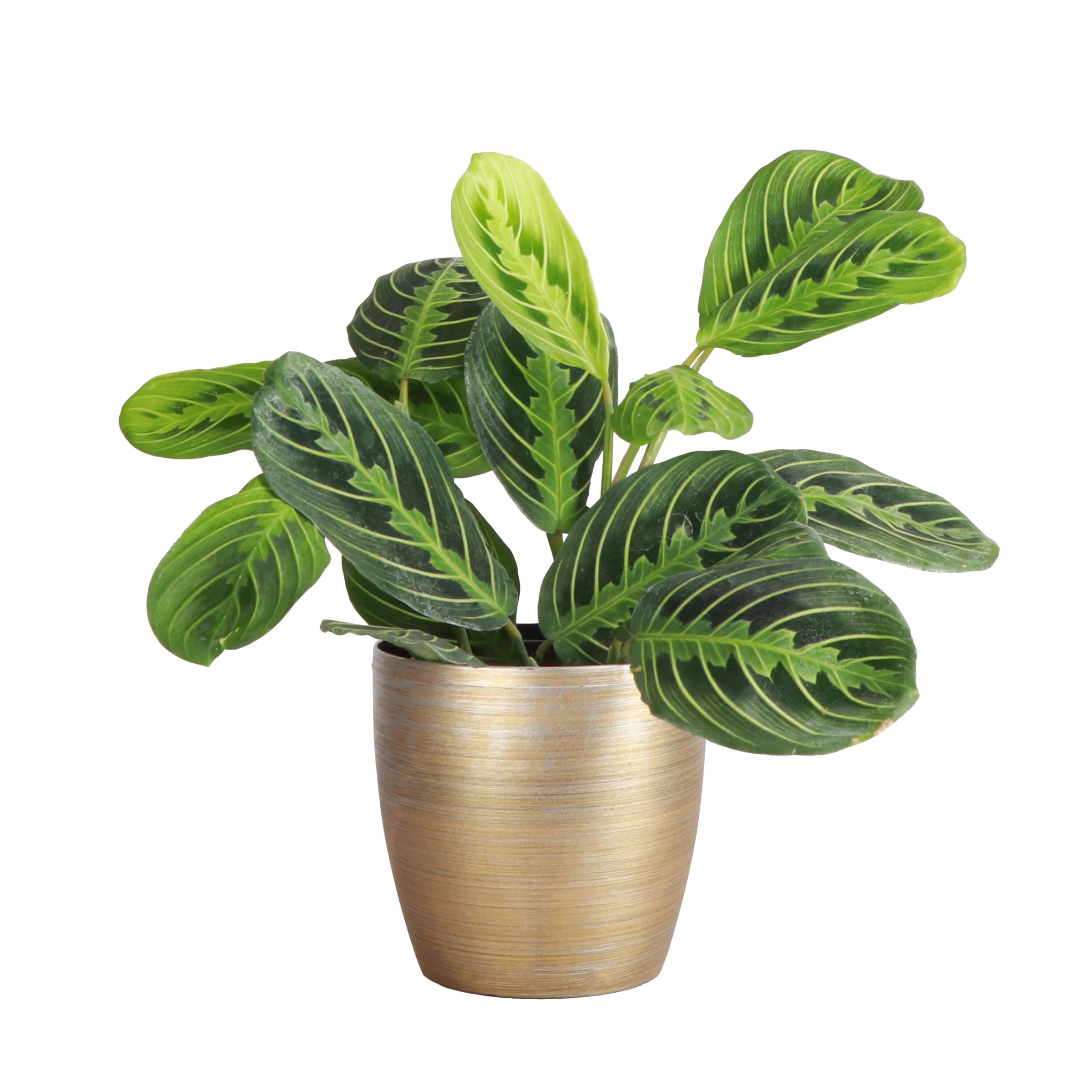
This Lemon Lime Prayer Plant from Thorsen’s Greenhouse hits the sweet spot of everything a bedroom plant should be. It arrives in a 4-inch diameter pot at roughly 5 to 8 inches tall — compact enough for a nightstand or bookshelf but with enough leaf mass to immediately register as a living presence in the room. The bright green leaves with dark green stripes fold upward at night (the nyctinastic “praying” motion), giving you a visible daily rhythm that syncs with your own sleep-wake cycle.
What makes it the best overall choice for most bedrooms is the combination of pet safety and moderate light needs. The ASPCA recognizes Maranta leuconeura as non-toxic to cats and dogs, so you don’t have to stress about a nibble during the night. It prefers bright indirect light — think an east-facing windowsill or a spot a few feet back from a south window — but multiple verified buyers report it thriving under a cheap plant light in dimmer rooms. The leaves follow the sun throughout the day, adding subtle movement to your space.
Customer feedback is overwhelmingly positive, with several reviewers noting the plant doubled in size within two months and one mentioning it actually bloomed indoors. The lavender nursery pot from the listing is small, so plan to repot into something with drainage after the first week. Water it when the top half of the soil is dry, which in a typical bedroom works out to once every 7 to 10 days. The plant ships at roughly 4 inches in diameter and 5–8 inches tall — each one is unique, so expect natural variation.
Why it’s great
- ASPCA recognized as non-toxic, safe for cats and dogs in the bedroom
- Visible nyctinastic leaf movement creates a calming daily rhythm
- Multiple buyers report vigorous growth and even indoor blooming
- Compact 4-inch pot size fits nightstands and small shelves
- Shade resistant and air purifying according to NASA study criteria
Good to know
- Needs bright indirect light — not suitable for very dim corners
- Comes in a small nursery pot; most owners repot within the first week
- Leaves are delicate and may show minor edge damage from shipping
- Individual plants vary in height and fullness at time of delivery
2. BubbleBlooms Philodendron Micans Hederaceum
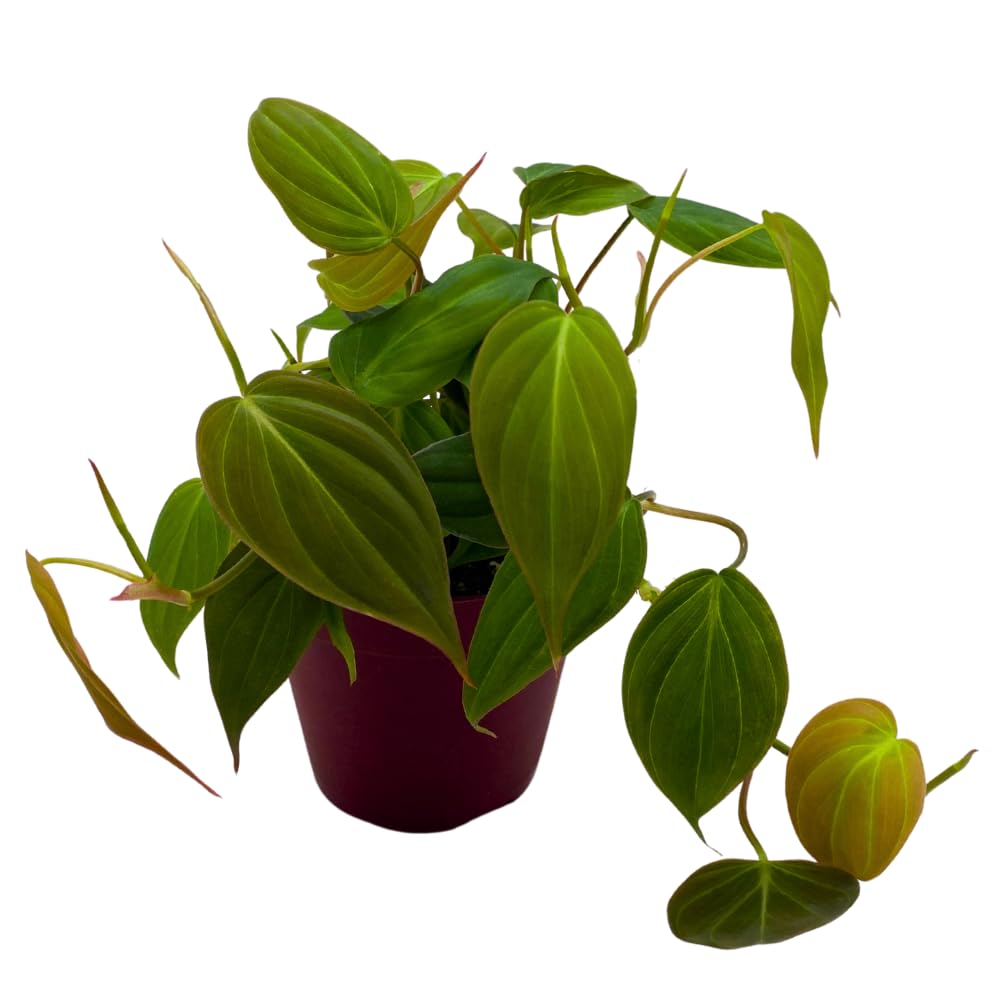
The Philodendron Micans from BubbleBlooms is the velvet-textured option in this roundup — its heart-shaped leaves have a soft, almost suede-like finish that catches light differently than any other plant on this list. The leaves emerge bronze-green and mature into a deep green with subtle iridescence, making it a visually interesting choice for a bedside table or dresser where you’ll see it up close every morning and evening. It arrives in a 4-inch nursery container at roughly 1 foot in height, with multiple vines that will trail or climb depending on how you support them.
This plant tolerates lower light better than the Prayer Plants do. Philodendron hederaceum is a classic low-light survivor — it will grow in a north-facing bedroom or a corner that only gets indirect morning light. The tradeoff is toxicity: Philodendrons contain calcium oxalate crystals that are harmful if ingested by pets. If your bedroom is cat-free or your cat doesn’t chew on leaves, this is a stellar choice. If you share your sleep space with a curious nibbler, hang it high or choose the Maranta instead.
Buyers consistently comment on the packaging quality from BubbleBlooms — plants arrive healthy, well-hydrated, and with substantial root systems. The main complaint across reviews is that the plant can be smaller than expected at first glance, but multiple customers note that the Micans grows vigorously once settled and produces new leaves quickly. Water it when the top inch of soil dries out — typically every 10 to 14 days in a bedroom environment. The manufacturer offers a 7-day warranty, so inspect upon arrival and report any issues promptly.
Why it’s great
- Velvet leaf texture offers a unique tactile and visual experience
- Excellent low-light tolerance for dimmer bedrooms
- Trailing growth habit works well on shelves or in hanging pots
- Vigorous grower once established, with fast new leaf production
- Air purification listed as a special feature
Good to know
- Toxic to cats and dogs if ingested — not suitable for free-roaming pets
- Some buyers found the plant smaller than expected on arrival
- Requires consistent moisture but not soggy soil
- 7-day warranty window is short — inspect promptly upon delivery
3. Hopewind Lemon Lime Maranta Prayer Plant

Hopewind’s Lemon Lime Maranta is the entry-level pet-friendly option that gives you the full Prayer Plant experience without the premium price tag. It arrives in a 4-inch nursery pot at 12 to 16 inches tall — noticeably taller than the Thorsen’s version at delivery, which means you get an immediate visual presence. The leaves are bright lemon-lime with darker green veins, and the plant displays the same nyctinastic “praying” motion at night. It’s recognized by the ASPCA as non-toxic to cats and dogs.
Where this plant differs from the premium Thorsen’s offering is in the maturity and fullness at time of shipment. Multiple verified reviews describe this plant as “bigger than expected” and “the healthiest plant I have ever ordered online.” The Hopewind brand ships from a certified California facility and packages each plant with eco-friendly materials. Customer service has a strong reputation — one buyer ordered eight plants and said every single one arrived in excellent condition. The Lemon Lime variety is particularly vibrant and holds its color well in bright, indirect light.
One caveat is that this plant needs slightly more attention to watering than a Philodendron or Pothos. The care instructions recommend watering every 1 to 2 weeks when the top half of the soil feels dry. In a bedroom with average humidity, that usually lands on the 7- to 10-day side. If you tend to forget watering for weeks at a time, the Maranta will let you know with drooping leaves that bounce back quickly once hydrated. The plant also benefits from occasional misting to maintain the humidity it craves.
Why it’s great
- Taller at delivery (12–16 inches) than many comparable Prayer Plants
- ASPCA recognized as non-toxic, safe for homes with cats and dogs
- Vibrant lemon-lime variegation that holds color well in indirect light
- Excellent packaging reviews — plants arrive healthy and well-hydrated
- Organic material features and low-maintenance care profile
Good to know
- Needs more consistent watering than Pothos or Philodendron
- Prefers bright indirect light — not suitable for very low-light corners
- Leaves can show shipping stress if left too long in a mailbox
- Repotting recommended to a larger container within the first few weeks
4. Hopewind Philodendron Heartleaf Brasil

The Philodendron Heartleaf Brasil from Hopewind is the set-it-and-forget-it option for bedroom plant buyers who don’t want to think about their plant. This is a variegated Philodendron with lime-green and dark-green heart-shaped leaves that thrives in conditions that would kill a fussy Calathea or a Fern. It handles partial shade, low humidity, and irregular watering with remarkable resilience. The plant ships in a 4-inch pot with the soil moist and is ready for a spot on a nightstand or dresser immediately.
What sets this apart from other low-light options is the striking variegation. The Brasil cultivar has irregular patches of bright lime that contrast against the darker green base, creating a visual pop even in dim conditions. Multiple verified buyers call it “gorgeous” and “the best plant I’ve bought on the internet” — specifically noting the full, healthy leaves and solid variegation. The plant arrived to one customer after six days in transit and was still healthy. The Hopewind brand packages with care and offers a satisfaction guarantee that doesn’t require returning the plant.
Watering is simple: check the soil every 7 to 10 days, and only water when the top two inches are dry. In a low-light bedroom, that might stretch to every 14 days. The plant is toxic to pets, so keep it out of reach of cats and dogs. One reviewer noted the plant wasn’t as “full” as the listing photos suggested, but after several months it grew into a lush shape. This is a trailing plant by nature, so it works beautifully in a hanging pot or on a high shelf where the vines can cascade down.
Why it’s great
- Thrives in partial shade and low light conditions
- Stunning lime-green variegation adds visual interest
- Forgiving of irregular watering — ideal for forgetful plant parents
- Trailing growth habit works well in hanging baskets or on high shelves
- Hopewind offers strong customer service and a no-return satisfaction policy
Good to know
- Toxic to cats and dogs if ingested
- May arrive less full than listing photos suggest — needs time to grow
- Not a fast grower in very low light; brighter indirect light speeds up growth
- Bare-root option may look smaller and needs potting to show true size
5. Hopewind Pothos N’joy Satin
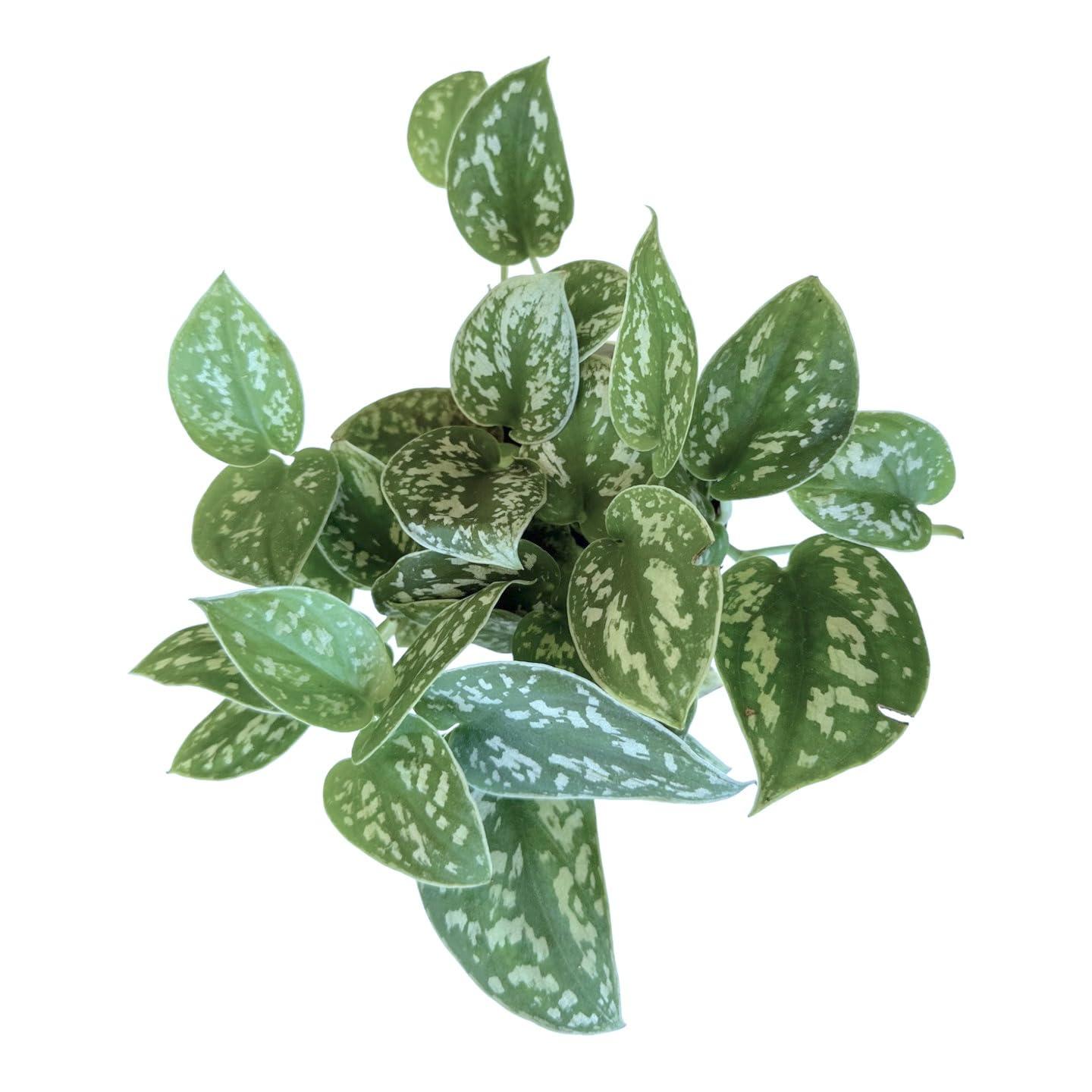
The Pothos N’joy Satin from Hopewind is the ultimate beginner-friendly bedroom plant. Epipremnum aureum ‘n’joy’ is a variegated Pothos with white and green marbled leaves that tolerate lower light than almost any other indoor plant. This is the species that lives in office cubicles, dorm rooms, and windowless bathrooms — it survives conditions that would kill 90 percent of other houseplants. The plant arrives in a 4-inch pot and is ready to sit on a nightstand or be tucked into a corner bookcase.
The white variegation in the N’joy cultivar is what makes it visually distinct from standard Golden Pothos. Each leaf is a unique pattern of cream and green, creating a bright, airy feel in a bedroom. The plant has a trailing habit that works well in hanging pots or allowed to cascade over the edge of a shelf. Care is minimal: water when the top two inches of soil are dry — typically every 10 to 14 days in a bedroom. It prefers bright indirect light but will tolerate low light, though the white variegation may fade in dimmer spots as the plant produces more chlorophyll.
Customer reviews highlight how healthy and full the plants arrive, with strong roots and vibrant leaves. One buyer noted that some soil was lost in transit (not the seller’s fault) and found minor root rot upon repotting, suggesting the seller might avoid watering immediately before shipping. The plant is toxic to pets, so if you have a cat or dog that enjoys chewing on greenery, this is not the right bedroom plant for you. For pet-free homes, this is the most forgiving, longest-living option in the roundup.
Why it’s great
- Extremely forgiving of low light, irregular watering, and temperature shifts
- Beautiful white and green variegation adds brightness to dark corners
- Trailing habit makes it ideal for hanging pots and high shelves
- Strong root systems and healthy plants reported by most buyers
- Very low maintenance — perfect for first-time plant owners
Good to know
- Toxic to cats and dogs if ingested
- White variegation may fade in very low light conditions
- One review noted minor root rot from pre-shipping watering
- Sandy soil mix may need amending for better water retention
FAQ
Can any bedroom plant survive with no natural light at all?
What’s the difference between a Prayer Plant and a Philodendron for bedroom air quality?
How do I know if my bedroom has enough light for a Prayer Plant?
Is it safe to have a plant in the bedroom while I sleep?
How long does it take for a shipped plant to recover from transport stress?
Final Thoughts: The Verdict
For most people looking for a bedroom plant, the winner is the Thorsen’s Greenhouse Lemon Lime Prayer Plant because it balances pet safety, visible daily movement, and the satisfaction of a plant that talks back to you through its leaves. If you want a velvet-textured statement piece and don’t have pets, grab the BubbleBlooms Philodendron Micans. And for a dim corner where everything has died before, nothing beats the Hopewind Pothos N’joy Satin — it will outlive your lease.

Mo Maruf
I created WellFizz to bridge the gap between vague wellness advice and actionable solutions. My mission is simple: to decode the research and give you practical tools you can actually use.
Beyond the data, I am a passionate traveler. I believe that stepping away from the screen to explore new environments is essential for mental clarity and physical vitality.