Our readers keep the lights on and my smoothie glass nicely filled. As an Amazon Associate, I earn from qualifying purchases.
Waking up to a dead fitness tracker on the morning of your long run is the kind of frustration that sends people back to their old habit of nightly charging. When your tracker dies mid-week, it stops being a tool for health and starts being another device you have to manage. The real measure of a tracker that fits your life isn’t the feature list on the box—it’s whether you can forget you’re wearing it for days on end without hunting for the charging cable.
I’m Mohammad Maruf — the founder and writer behind WellFizz. I analyze battery chemistries, power-management firmware, and real-world drain patterns across dozens of wearables to separate marketing claims from honest endurance. The best trackers here are the ones that survive your routine, not the other way around.
What follows is a focused breakdown of the best options in the current market, designed to help you find a battery life fitness tracker that stays on your wrist and out of your charging drawer.
How To Choose The Best Battery Life Fitness Tracker
The single biggest mistake buyers make is trusting the manufacturer’s “max battery” number printed on the box. That number is almost always recorded with the display off, GPS idle, and minimal notifications. To find a tracker that genuinely lasts, you have to look past the headline and understand the three factors that drain your battery in real life: screen type, GPS usage, and sensor polling frequency.
Screen Type: The Dominant Drain
An always-on AMOLED display is visually gorgeous but consumes power every second it’s lit. Trackers like the Amazfit Bip 6 and Garmin Vivoactive 5 manage this with ambient light sensors and raise-to-wake gestures, but the backlight still pulls energy. Screenless trackers such as the MIDDOW Smart Bracelet and Google Fitbit Air eliminate this drain entirely, which is how they reach 35-day battery life. If you absolutely need a screen, look for a model with a customizable always-on display timer and a transflective panel (rare in this price segment) or a model that lets you toggle the feature off.
GPS and Connected GPS: Two Very Different Numbers
Built-in GPS constantly pings satellites and can cut your battery life in half during a run. All the trackers here except the MIDDOW and Fitbit Inspire 3 have integrated GPS. The MIDDOW and Fitbit Inspire 3 use “Connected GPS,” which borrows your phone’s GPS signal—saving your wrist battery but requiring you to carry your phone. If you train for marathons or trail runs without your phone, a watch with efficient multiband GPS (like the Amazfit Active Max) matters more than the total battery number.
Health Sensor Polling and Smart Features
Continuous heart rate, SpO2, and stress monitoring sample several times per minute. Some trackers let you set the polling interval to “every 10 minutes” in power-save mode, dramatically extending battery at the cost of granular sleep data. Similarly, Bluetooth calling, music playback, and onboard storage are luxury drains—every call you take on your wrist costs about five minutes of battery life. Decide which health metrics you genuinely need tracked every second versus which you’re fine seeing as daily averages.
Quick Comparison
On smaller screens, swipe sideways to see the full table.
| Model | Category | Best For | Key Spec | Amazon |
|---|---|---|---|---|
| Amazfit Active Max | Mid-Range Smartwatch | Week-Long Endurance & Bright Screen | 3000-nit AMOLED, 25 days, Offline Maps | Amazon |
| MIDDOW Smart Bracelet | Screenless Tracker | Maximum Battery Life | 35 days, No Screen, SpO2 & HRV | Amazon |
| Amazfit Bip 6 | Mid-Range Smartwatch | 14-Day Battery on a Budget | 14 days, 1.97″ AMOLED, GPS & Maps | Amazon |
| Garmin Vivoactive 5 | Premium Smartwatch | Serious Training & Sleep Analysis | 11 days, AMOLED, Body Battery, HRV | Amazon |
| Fitbit Charge 6 | Mid-Range Smart Tracker | Google Ecosystem & Gym Integration | 7 days, Built-in GPS, ECG, Google Pay | Amazon |
| Google Fitbit Air | Screenless Tracker | Minimalist Design & AI Coaching | 7 days, No Screen, Quick Charge | Amazon |
| Fitbit Inspire 3 | Entry-Level Tracker | Pure Activity & Sleep Tracking | 10 days, Color Touchscreen, Stress Score | Amazon |
In‑Depth Reviews
1. Amazfit Active Max
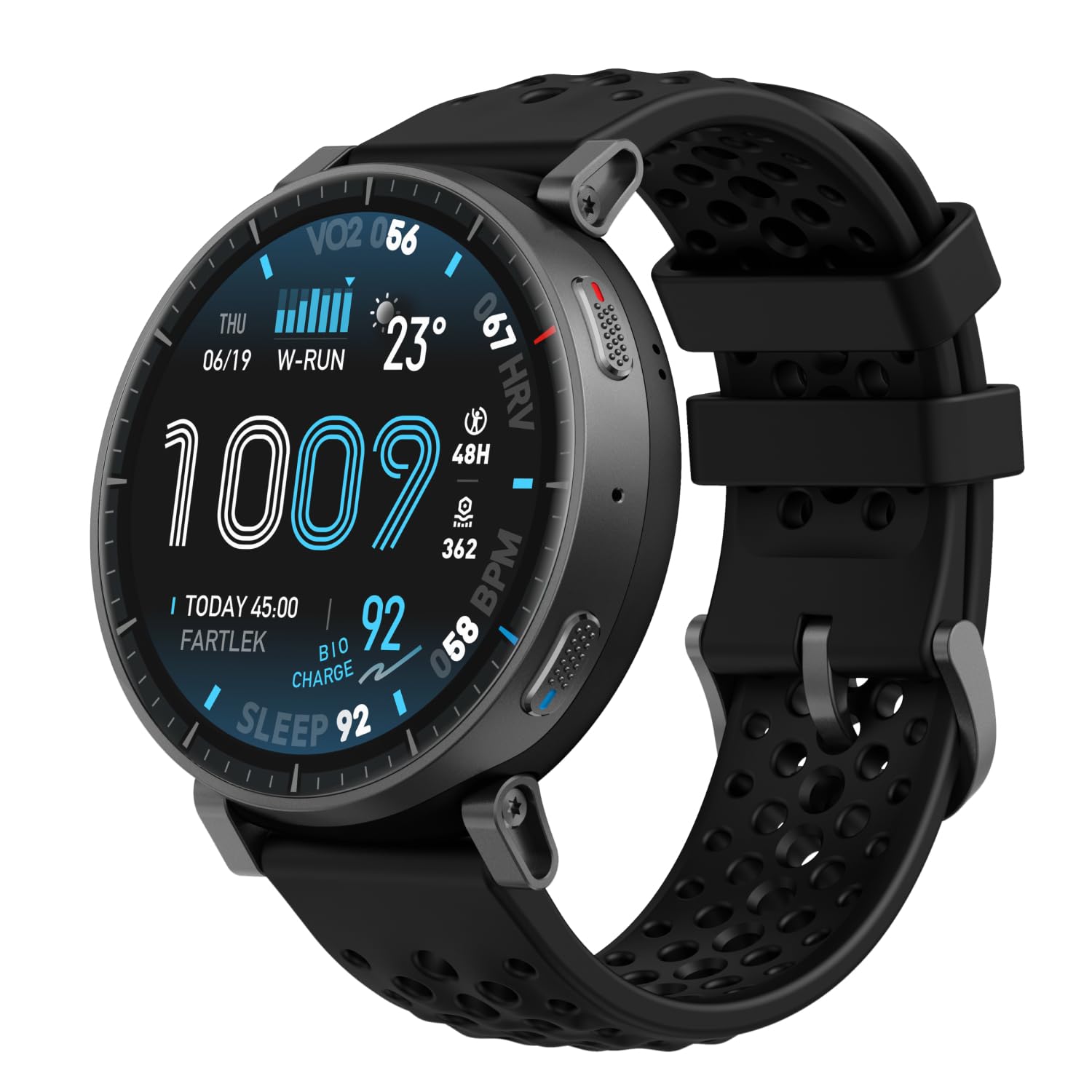
The Amazfit Active Max strikes the hardest balance between a vivid AMOLED experience and real-world endurance. Its 3000-nit display is readable in direct sunlight—a rarity among trackers at this tier—while the 25-day battery claim holds up well under typical mixed use. Real-world testing from multiple buyers confirms 20-plus days of battery with notifications, heart-rate monitoring, and occasional GPS workouts active. The 4GB of onboard storage for music and offline maps adds a level of independence that heavy GPS users will appreciate during long trail runs.
Connectivity is robust, with five satellite systems enabling fast GPS lock and reliable Bluetooth calling via the built-in speaker and mic. The Zepp Coach adaptive training plans inject a layer of structure for runners targeting 5K to marathon distances, and the BioCharge energy monitoring score helps guide recovery timing. The magnetic charger is fast but proprietary—pack it if you travel. Buyers consistently note the bright screen and multi-week endurance as the standout reasons to choose this over the similarly priced Garmin Vivoactive 5.
The silicone strap is comfortable for all-day wear and the 5 ATM water resistance handles pool swims and showers without issue. The included magnetic charging base lacks a USB-C cable, which is a minor irritation if you’ve standardized on Type-C. Overall, this is the mid-range champion that refuses to compromise on screen quality for battery life.
Why it’s great
- Brightest AMOLED in its class, readable outdoors
- 20+ days real-world battery with GPS usage
- Offline maps and music storage for phone-free workouts
Good to know
- Proprietary magnetic charger, no USB-C cable included
- Zepp flow voice replies require an Android phone
2. MIDDOW Smart Bracelet
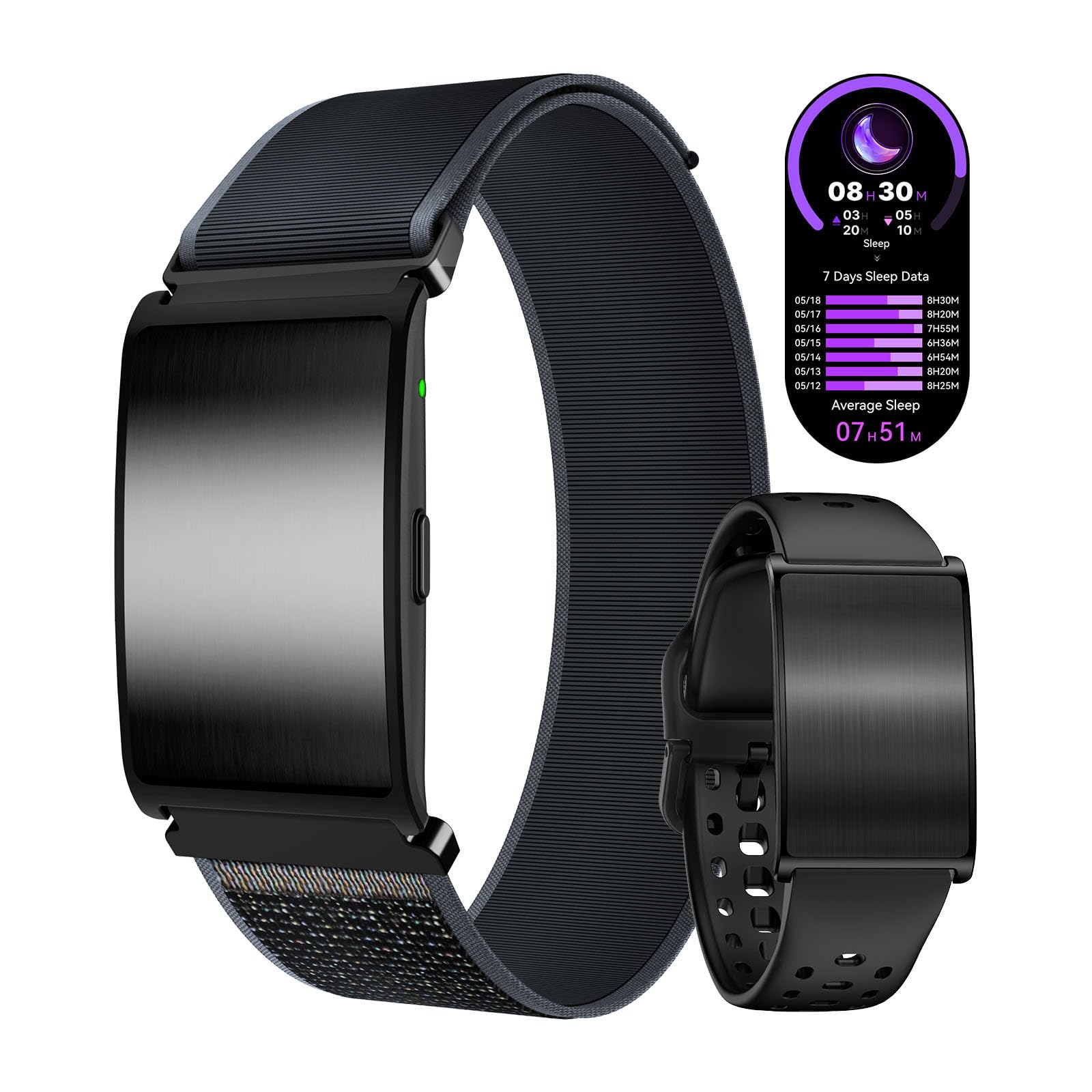
The MIDDOW Smart Bracelet is the undisputed endurance champion of this list, offering up to 35 days of use on a single charge. Its screenless design eliminates the display as a power drain entirely, which is precisely how it achieves such a long-lasting charge. The tracker relies on a companion app for all data visualization, so you won’t glance at your wrist for stats—but you also won’t worry about charging it during a two-week vacation. It tracks heart rate, SpO2, HRV, and sleep stages (light, deep, REM) with the same core sensor array found in pricier alternatives.
The package includes two straps (a breathable woven nylon and a silicone band) with a quick-release connector for swapping without tools. IP68 water resistance covers sweat, rain, and handwashing, though multiple buyers report it cannot handle pool swimming or high-speed water activities. The companion app tracks 176 sport modes and requires no monthly subscription fee for standard data access—a welcome relief from the premium subscription models pushed by larger brands. The vibration alarm is gentle enough not to wake a partner yet firm enough to rouse you from deep sleep.
Connected GPS via your smartphone provides route tracking during runs, but the lack of onboard GPS or a display means you must carry your phone for mapping. The UI on the app is clean, with trend analysis for daily activity and rest patterns. Some users note the sleep-stage detection can misread quiet rest as light sleep, though this is common across this price bracket. If your top priority is a device you can wear for a month without touching a charger, this is the pick.
Why it’s great
- 35-day real-world battery is class-leading
- No monthly subscription fees for core tracking data
- Two interchangeable straps (nylon and silicone) included
Good to know
- Screenless design requires phone for data viewing
- Not suitable for swimming; IP68 is splash-only for this unit
3. Amazfit Bip 6

The Amazfit Bip 6 delivers a 1.97-inch AMOLED display and 14-day battery at a price that undercuts almost every other screen-equipped tracker in this comparison. The large display is bright enough to read outdoors, and the lightweight aluminum case (with a 22mm silicone band) makes it comfortable for sleep tracking—a critical feature given its battery can handle a full two-week wear cycle. It supports GPS tracking with five satellite systems, fast GPS lock, free downloadable maps, and turn-by-turn directions, all without needing your phone in hand.
Health monitoring includes 24/7 heart rate, blood oxygen, sleep stage tracking, and stress analysis via the Zepp app. The Bip 6 covers 140 workout modes, including HYROX Race events, and adds personalized AI coaching that adjusts based on your recent performance. Buyers consistently praise the 10–14 day real-world battery, with some reporting it drains only 2–3% per day with the always-on display disabled. The magnetic charger is proprietary but charges the 340mAh battery quickly during a shower.
There are a few notable omissions: the built-in microphone and speaker handle Bluetooth calls well, but you cannot respond to text messages directly from the watch, and there is no onboard ECG or fall detection. The metal edge scratches relatively easily if knocked against a doorframe, so a screen protector is a wise addition. Still, for the price, the Bip 6 offers an outrageous feature-to-battery ratio that makes it the strongest budget-friendly smartwatch option here.
Why it’s great
- 14-day battery with a large, bright AMOLED display
- Built-in GPS with free downloadable maps
- Aggressive price for the feature set
Good to know
- Metal edges scratch easily; consider a protector
- Cannot reply to texts; notification-only
4. Garmin Vivoactive 5

Garmin’s Vivoactive 5 focuses on actionable training insights and recovery metrics rather than pure battery endurance, though its 11-day smartwatch mode still outperforms most AMOLED competitors. The AMOLED display is vibrant and responsive, and the slate aluminum bezel gives it a more refined look than the plastic alternatives. The real strength here is Garmin’s ecosystem: Body Battery energy monitoring, HRV status, sleep score with personalized coaching, and a morning report that summarizes recovery readiness before your feet hit the floor.
With over 30 built-in sports apps including a dedicated wheelchair mode that tracks pushes instead of steps, the Vivoactive 5 is one of the most inclusive fitness trackers available. It supports music playback from Spotify, Amazon Music, and Deezer (via Bluetooth headphones), and includes built-in GPS that is accurate and locks quickly. The 5 ATM water resistance makes it pool and ocean-safe, but buyers should note that the touchscreen locks automatically in water to prevent ghost taps. The silicone band is comfortable enough for 24/7 wear, and the lightweight build (about 36g without strap) is barely noticeable during sleep.
Smartwatch features are intentionally lean: there is no voice assistant, no onboard speaker for calls, and no cellular option. Notifications are mirrored from your phone, and you cannot reply to texts on iOS. The Garmin Connect app is free with no subscription requirement—a major advantage over Fitbit’s premium tier. If you want a tracker that prioritizes training analytics and recovery science over smartwatch gimmicks, and you can accept a battery that lasts roughly 7 days with intensive GPS use, this is the premium pick.
Why it’s great
- Body Battery and HRV provide deep recovery insights
- Free Garmin Connect app; no subscription required
- Wheelchair mode and inclusive sport profiles
Good to know
- No voice assistant or on-wrist calling
- Cannot reply to text notifications on iPhone
5. Fitbit Charge 6

The Fitbit Charge 6 differentiates itself with seamless integration into the Google ecosystem. It pairs with compatible gym equipment (treadmills, ellipticals) to display real-time heart rate on the machine’s console—a genuinely useful feature for zone-based training. The 7-day battery life is shorter than the Amazfit alternatives, but the charge time is quick, and the slim profile makes it one of the most discreet trackers on this list. It includes built-in GPS, Google Maps turn-by-turn directions, and Google Wallet for contactless payments, effectively replacing your wallet and phone for short runs.
Health monitoring is comprehensive: ECG app for atrial fibrillation detection, SpO2 tracking, 24/7 heart rate with high/low notifications, skin temperature variation, and menstrual health tracking. The triple-tap gesture enlarges text, and the physical button on the side makes navigation more reliable than touch-only interfaces during sweaty workouts. The onboard GPS is accurate enough for most suburban runs, but some users report distance discrepancies compared to dedicated running watches, particularly on ellipticals or indoor tracks.
The main drawbacks are the premium subscription: advanced analytics like your Daily Readiness Score, Sleep Profile, and deep-dive insights require a Google Health Premium membership (3 months included, then paid). The proprietary charging cable is easy to misplace, and the small screen can be fiddly for users with larger fingers. For gym-goers who want connected equipment metrics, Google Pay, and are comfortable with a weekly charge cadence, the Charge 6 is a solid choice.
Why it’s great
- Real-time heart rate on compatible gym machines
- ECG, GPS, and Google Wallet in a slim package
- Physical button for reliable navigation during workouts
Good to know
- 7-day battery is shorter than most alternatives here
- Premium insights require paid subscription after trial
6. Google Fitbit Air
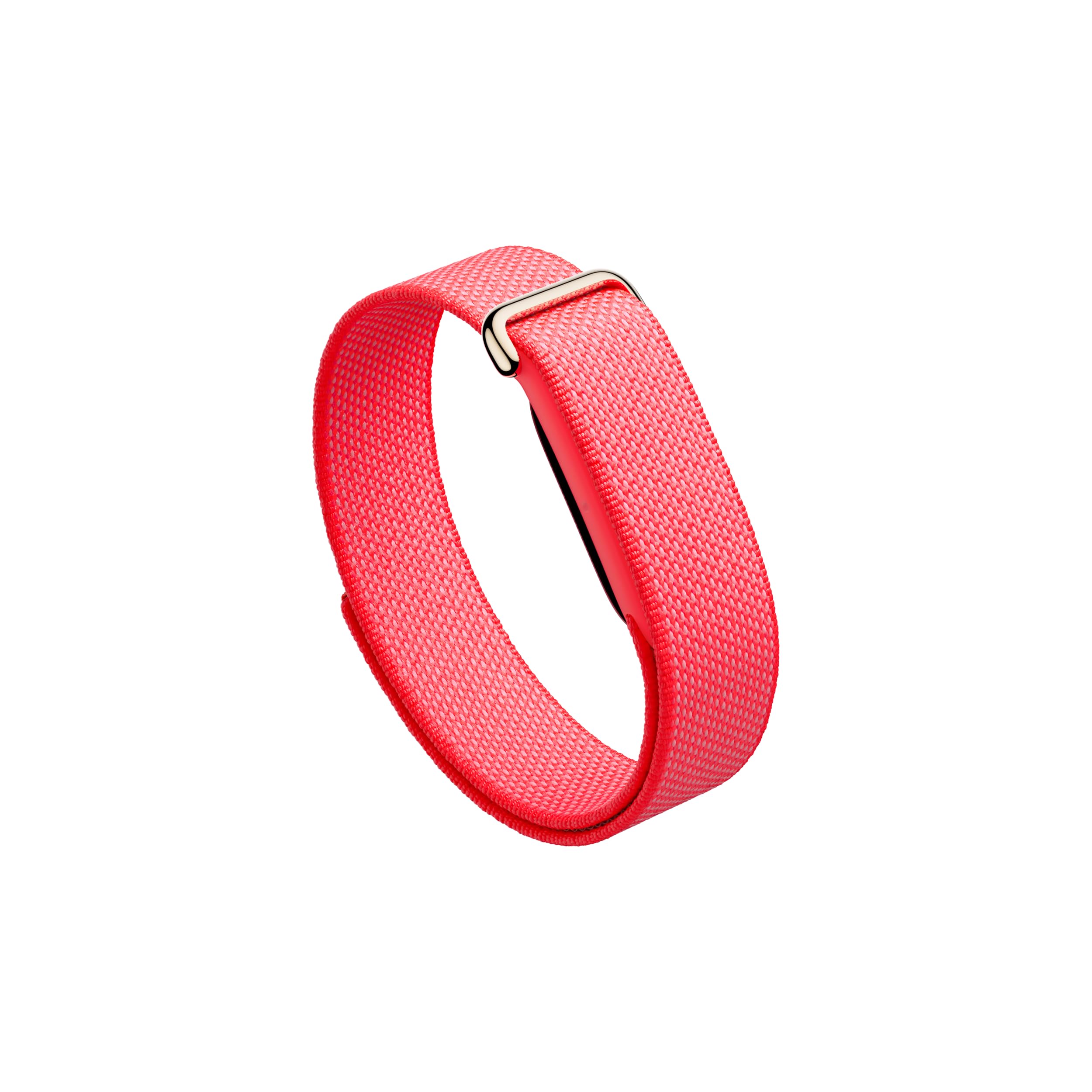
The Google Fitbit Air is a screenless tracker designed to be worn like a bracelet, blending health tracking into your daily outfit without the look of a fitness device. The lightweight, micro-adjustable woven band sits at 18.2mm wide and feels more like a hair tie than a tracker. It tracks heart rate, SpO2, HRV, sleep stages, and irregular heart rhythm notifications, and syncs effortlessly with the Google Health app. The 7-day battery life is reasonable for a screenless device, and the fast-charge feature gives you a full day of battery in just five minutes—perfect for that morning rush when you realize it’s about to die.
The key hook here is Google Health Premium’s Gemini-powered AI coaching, which provides adaptive fitness plans and sleep guidance. However, some users have flagged that the AI commentary can occasionally be unactionable or even concerning (for example, flagging an old ACL tear as an ongoing injury). The tracker is also deeply integrated with the Google Health ecosystem, meaning it can write data to Apple Health but may not sync seamlessly with third-party platforms. The lack of a screen means no glanceable stats or notifications on your wrist—you rely entirely on your phone for updates.
Buyers consistently praise the comfort and nearly invisible profile, with many wearing it alongside a traditional wristwatch. The vibration alarm is strong and discreet, and the waterproof rating (50 meters) is verified by reviewers who have worn it in the pool. The main complaint is that distance tracking for outdoor runs is noticeably inaccurate compared to GPS-enabled smartwatches, as it relies on your phone’s paired GPS. This is strictly a wellness companion for casual fitness, not a training tool for serious runners.
Why it’s great
- Extremely comfortable; barely noticeable on the wrist
- 5-minute fast charge provides a full day of battery
- Gemini AI coaching offers personalized workout plans
Good to know
- No screen; all data viewed via phone app
- Inaccurate distance tracking for outdoor runs
7. Fitbit Inspire 3

The Fitbit Inspire 3 is the entry-level champion for those who prioritize simplicity and battery life over smartwatch features. With up to 10 days of battery life on a single charge—and real-world reports consistently landing at 8–9 days with the always-on display turned off—it comfortably outlasts the Apple Watch and most Android Wear OS devices by a factor of three. The small touchscreen interface is color but not AMOLED, which helps preserve power. It tracks steps, heart rate, sleep stages, SpO2, stress levels, and menstrual health, all within the familiar Fitbit ecosystem that includes a free 6-month Premium membership.
The Inspire 3 is comfortable enough to wear while sleeping, and its 5 ATM water resistance means it survives showers and swimming. The automatic exercise detection works well for walking and running, and the smart wake vibrating alarm wakes you gently during light sleep. The screen is small (about 1.5 inches) and the touch response can be sluggish, particularly when wet or sweaty. Users report that the strap hinge can fail after 8–10 months of daily wear, though replacement straps are inexpensive and widely available.
It lacks built-in GPS, so for accurate outdoor route tracking you must carry your phone. Notification support is limited to reading them on your wrist—you cannot respond to texts or calls. And, like the Charge 6, deeper analysis like Sleep Profile and Daily Readiness Score is locked behind a Premium subscription. For anyone who just wants a reliable, no-fuss step and sleep tracker that they charge twice a month, the Inspire 3 delivers the best battery-to-price ratio in the Fitbit lineup.
Why it’s great
- 10-day battery with 8–9 days real-world endurance
- Lightweight and comfortable for sleep tracking
- Excellent value for core activity and health tracking
Good to know
- No built-in GPS; requires phone for route tracking
- Advanced analytics require Premium subscription
FAQ
Why does my fitness tracker’s advertised battery life not match real-world usage?
Can a screenless fitness tracker give me accurate heart rate and sleep tracking?
How fast does GPS drain the battery on these trackers?
Final Thoughts: The Verdict
For most users looking for a battery life fitness tracker, the winner is the Amazfit Active Max because it combines a brilliant AMOLED display with 20+ days of real-world endurance and offline mapping. If your absolute priority is maximum charge duration, the MIDDOW Smart Bracelet at 35 days is the unbeatable choice. And for those who want premium training analytics and recovery science with a polished build, the Garmin Vivoactive 5 is the investment that keeps your data subscription-free and your runs accurately tracked.

Mo Maruf
I created WellFizz to bridge the gap between vague wellness advice and actionable solutions. My mission is simple: to decode the research and give you practical tools you can actually use.
Beyond the data, I am a passionate traveler. I believe that stepping away from the screen to explore new environments is essential for mental clarity and physical vitality.