Our readers keep the lights on and my smoothie glass nicely filled. As an Amazon Associate, I earn from qualifying purchases.
Old, rusty, or dented baseboard heater covers can turn a well-furnished room into an eyesore, and worse, they can become a safety hazard for kids and pets who get too close to exposed heating elements. Replacing them with a clean, slip-on cover instantly restores a room’s look without the mess or cost of a full heater replacement.
I’m Mohammad Maruf — the founder and writer behind WellFizz. I’ve spent years analyzing home renovation product specs, focusing on the materials, gauge thickness, and installation methods that separate a lasting upgrade from a quick disappointment.
This guide breaks down the essential specs, material choices, and actual user experiences to help you find the best baseboard heater covers for your home, whether you need a simple refresh for a single bathroom or a whole-house upgrade.
How To Choose The Best Baseboard Heater Covers
Baseboard heater covers aren’t complicated hardware, but picking the wrong material or size can lead to poor heat flow, a sloppy fit, or rust within a single season. Focus on these three factors to narrow your options.
Match the Material to Your Environment
Galvanized steel is the standard for hydronic (hot water) systems because it conducts heat efficiently, resists rust, and won’t warp under constant low-level warmth. Plastic covers are lighter and cheaper but can become brittle over time and may trap heat, reducing a heater’s efficiency in high-output rooms.
Measure Height, Depth, and Length Carefully
A slip-on cover must clear the backplate top and fit over the heating element’s depth. Most covers list a max floor-to-backplate height (often around 7.5 inches) and a max element depth (around 3.25 inches). The cover length must match or slightly exceed the heater’s visible section; end caps disguise small gaps.
Verify Compatibility With Your Heating System
Hydronic (hot water) and electric baseboard heaters have different internal shapes. Covers designed for hydronic systems typically slide over a slim fin-and-tube element. Electric heaters are bulkier, and slip-on covers may hide the knob or disrupt airflow. Always check whether a cover is labeled for electric or hydronic use before buying.
Quick Comparison
On smaller screens, swipe sideways to see the full table.
| Model | Category | Best For | Key Spec | Amazon |
|---|---|---|---|---|
| Baseboarders Elliptus 6 ft | Premium Steel | Long runs & whole-home upgrades | 6 ft length, 22–24 ga steel | Amazon |
| Baseboarders Basic 3 ft | Premium Steel | Rust-prone bathrooms & kitchens | 3 ft length, 22–24 ga steel | Amazon |
| 4ft Steel Slip-On (SDSNTE) | Mid-Range Steel | Simple tear-off & replace | 21-gauge steel, 4 ft total | Amazon |
| TruAire 48 Inch Register | Forced-Air Steel | Forced-air systems with damper control | 48 in, steel w/ built-in damper | Amazon |
| Redants 4 ft Galvanized | Mid-Range Steel | Oversized slots for cooler surface | 4 ft, 24-ga powder-coated steel | Amazon |
| 2 ft Stainless Cover (Gandeer) | Value Stainless | Small bathroom or tight spaces | 2 ft, stainless steel w/ paint | Amazon |
| NeatHeat 6ft Plastic Front Cover | Budget Plastic | Hydronic only, quick cosmetic fix | 6 ft, plastic, 2 lb weight | Amazon |
In‑Depth Reviews
1. Baseboarders Elliptus Series 6 ft
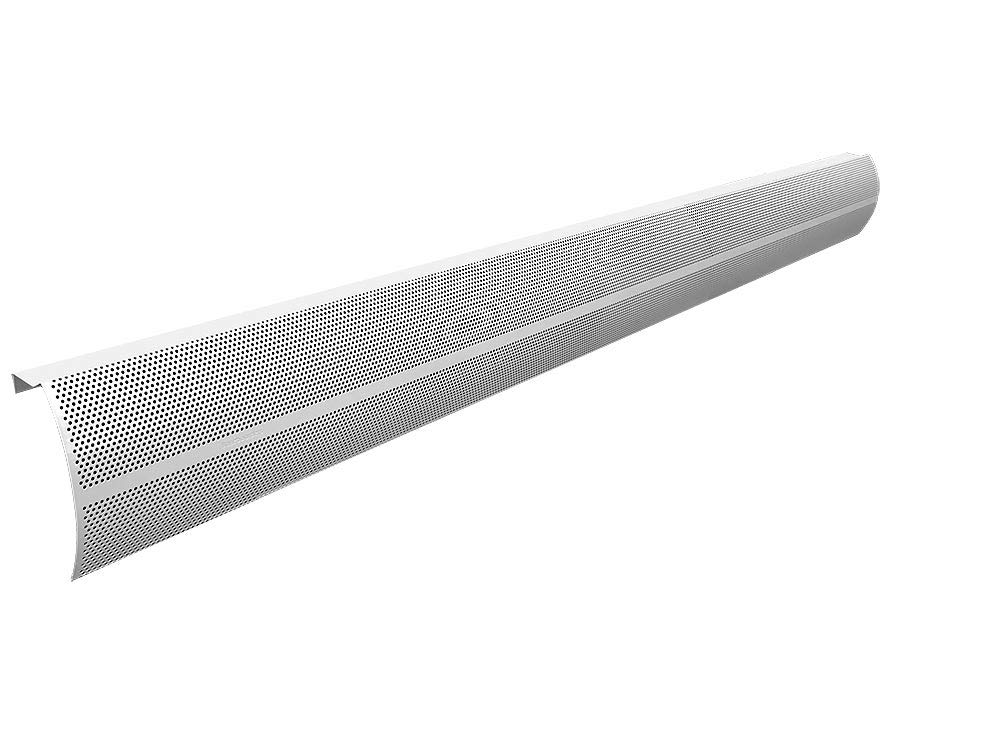
The Baseboarders Elliptus line is the closest thing to a permanent solution for hydronic systems. At 6 feet, it’s ideal for long living room or bedroom runs where seam mismatches would be obvious. The 22–24 gauge galvanized steel feels substantial in hand and resists denting better than the thinner 26-gauge covers found in budget options.
What sets this cover apart is the elliptical face pattern, which gives a more modern, built-in look than the boxy industrial profile of basic panels. The white stoved enamel finish is thicker than what you’ll find on entry-level steel covers, and the lifetime rust guarantee backs up the quality promise.
Installation is truly tool-free — it slides right over the existing backplate and sits flush against the wall. The only caveat is the price, which is the highest on this list. For a single-room fix, it’s an investment; for a whole-house refresh, you’ll want to budget carefully. Some reviewers also note that cutting to exact length requires a metal blade if your heater is under 6 feet.
Why it’s great
- Thick 22–24 gauge steel resists dents and warping.
- Lifetime rust protection guarantee from the manufacturer.
- Modern elliptical face blends with contemporary trim.
Good to know
- Premium price point; best for whole-home projects.
- No end caps included by default; sold separately.
2. Baseboarders Basic Series 3 ft
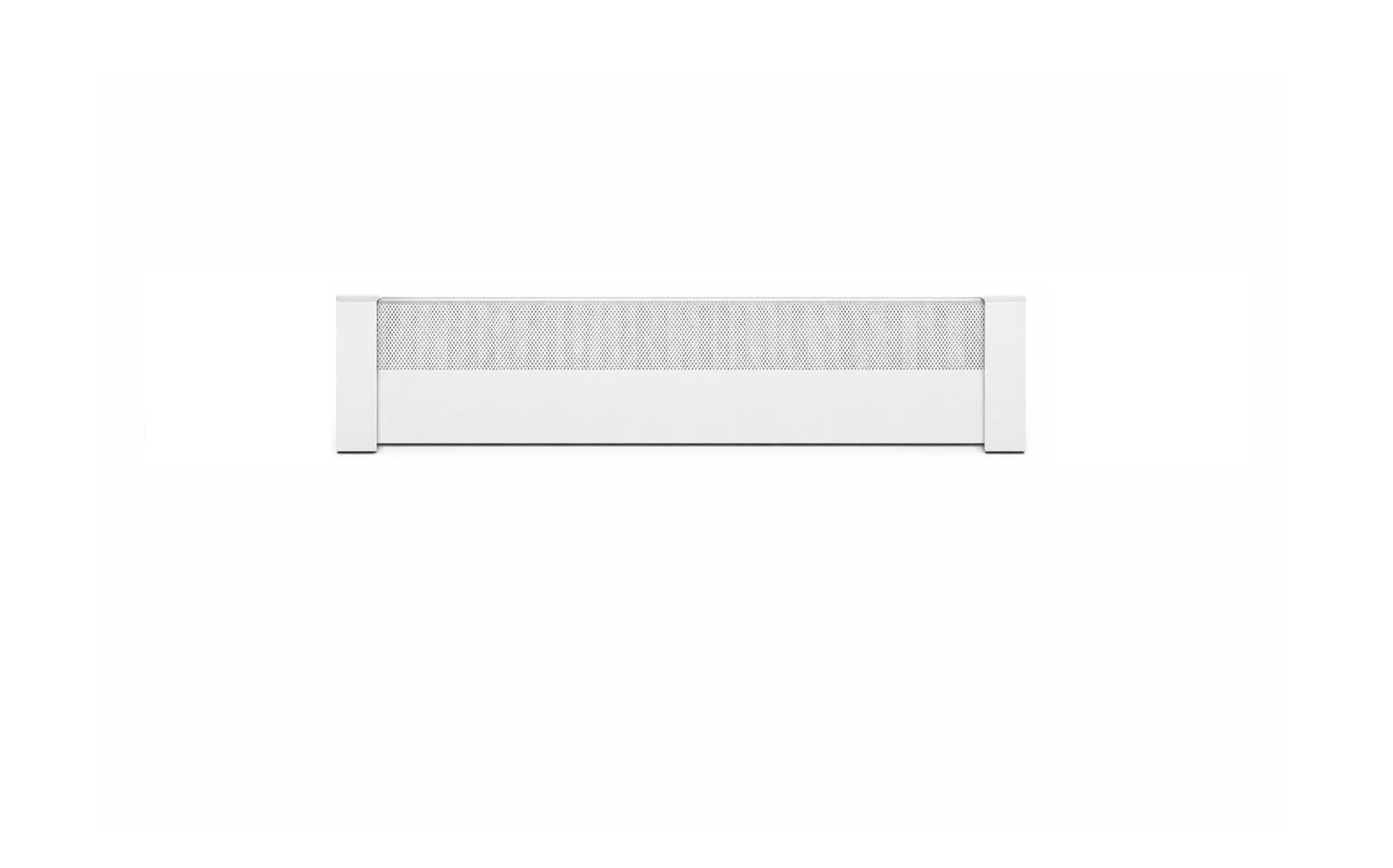
The Basic Series shares the same 22–24 gauge galvanized steel and lifetime rust guarantee as the Elliptus but keeps the face style simple and flat. At 3 feet, it’s the perfect length for small bathrooms, laundry rooms, or under windows where a shorter cover is needed. Buyers praise the included end caps, which give a finished look that many competitors leave as an extra purchase.
User reports highlight how the slip-on design transforms a rusted, chipped heater in under five minutes with zero tools. The conductive steel surface allows the hydronic heat to radiate naturally; one reviewer noted heat dissipation equal to the old vented cover. The white finish is clean but may show minor paint imperfections upon close inspection.
The mid-range cost sits above budget plastic options but below the full premium line. For homeowners replacing a single rusted cover, this is the sweet spot — you get steel durability without paying for a 6-foot panel you don’t need.
Why it’s great
- Same heavy-duty steel and warranty as the premium Elliptus line.
- End caps included for a seamless finish.
- Effortless tool-free installation in minutes.
Good to know
- Flat design may not match modern decor as well as elliptical patterns.
- Shorter 3-ft length only; multiple panels needed for longer heaters.
3. 4ft Steel Easy Slip-On (SDSNTE)
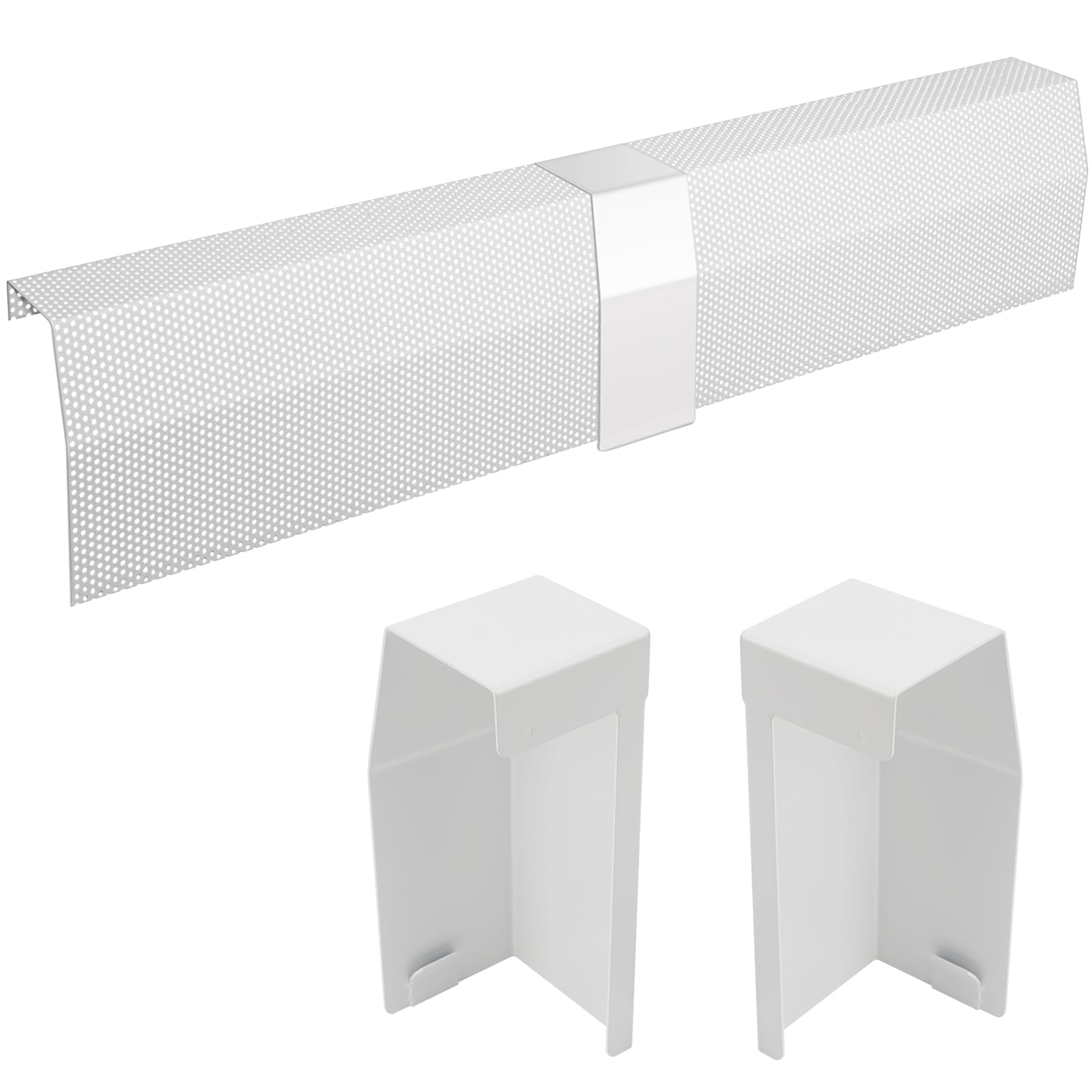
This SDSNTE cover feels noticeably heavier than the typical 24-gauge competitor because it uses 21-gauge steel — a meaningful difference in dent resistance, especially in high-traffic hallways or kids’ rooms. The package comes as two 2-foot panels with a coupler and end caps, offering flexibility for odd-length heaters.
Buyers consistently describe the installation as straightforward: remove the old cover, slide the two panels into place, connect them with the coupler, and snap on the caps. The white stoving varnish finish holds up well against heat without yellowing. A few users note that the coupler can be slightly tight, and one reviewer had to trim the panels’ width with tin snips for a perfect fit.
At a cost between budget plastic and premium steel, this is a strong middle-ground option. The 21-gauge thickness is a genuine upgrade for anyone who has ever accidentally dented a thin cover with a vacuum cleaner.
Why it’s great
- Thicker 21-gauge steel for superior dent resistance.
- Modular two-panel design fits non-standard heater lengths.
- Full set includes coupler and end caps.
Good to know
- Coupler fit can be tight; may require slight trimming.
- Sold as 2x 2-ft sections, not one solid 4-ft panel.
4. TruAire 48 Inch Baseboard Register

This is an important distinction: the TruAire register is designed for forced-air HVAC systems, not hydronic or electric baseboard heat. It functions as a floor or wall vent cover with a built-in damper to control airflow. If you have central air conditioning and heating with floor-level ductwork, this is a direct replacement for old, rusty registers.
The all-steel body is sturdy and holds up well to foot traffic, though the included white screws for the faceplate are soft and can strip if overtightened. The damper mechanism operates smoothly, giving you easy on-the-fly airflow adjustments. At 48 inches long, it covers long duct openings that standard 12- or 24-inch registers can’t handle.
At a premium price relative to standard registers, this is a niche pick. It solves a specific problem — replacing an unusually long forced-air register — and does so with solid build quality. Just be absolutely sure your system is forced-air before ordering.
Why it’s great
- 48-inch length covers extra-long forced-air duct openings.
- Built-in damper lets you fine-tune airflow per room.
- All-steel construction for long-term durability.
Good to know
- Not compatible with hydronic or electric baseboard heat.
- Small faceplate screws strip easily — use a light touch.
5. Redants 4 FT Baseboard Heater Covers
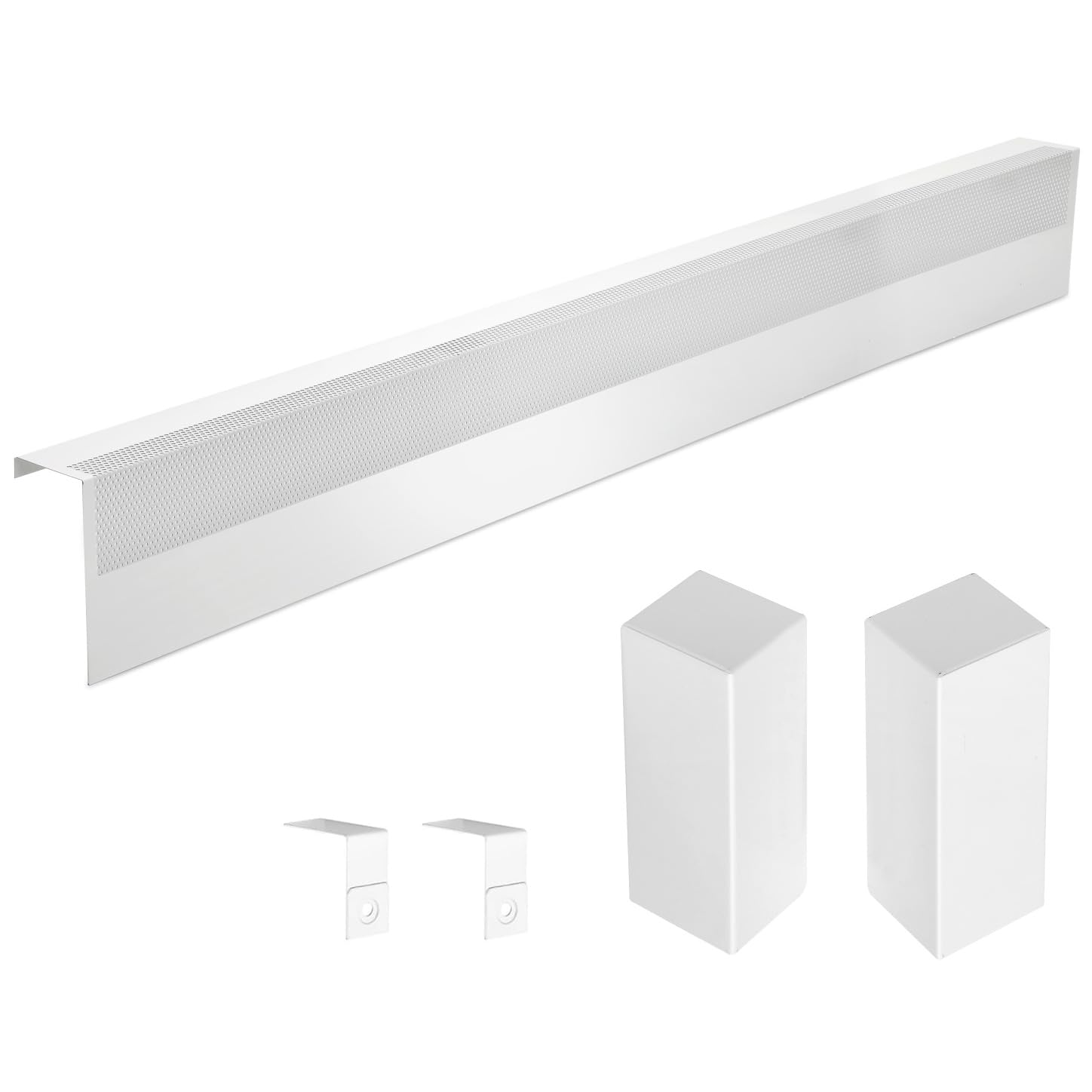
Redants focuses on a specific engineering detail: oversized vent slots. By increasing the open area of the cover, they reduce the surface temperature of the steel, making it cooler to the touch — a real safety benefit for families with toddlers or pets. The 24-gauge powder-coated steel holds up well against moisture in bathrooms and basements.
The slide-on installation takes about three minutes: you lift the old cover off, slide this one over the existing backplate, and secure it with the included wall brackets if needed. The end caps are pre-attached in the box, saving a separate assembly step. Some buyers wish the paint was slightly thicker, as minor scratches can appear during installation.
Priced in the upper-mid range, this cover offers a focused safety feature that few competitors highlight. If your main concern is preventing accidental burns rather than purely aesthetics, this is a compelling choice.
Why it’s great
- Oversized vents keep surface temperature lower for safety.
- Tool-free slide-on install with pre-attached end caps.
- Includes extra wall brackets for stability.
Good to know
- Paint finish can scratch during installation — handle carefully.
- Not designed for electric baseboard heaters; knob will be hidden.
6. 2 Ft Baseboard Heater Cover (Gandeer)
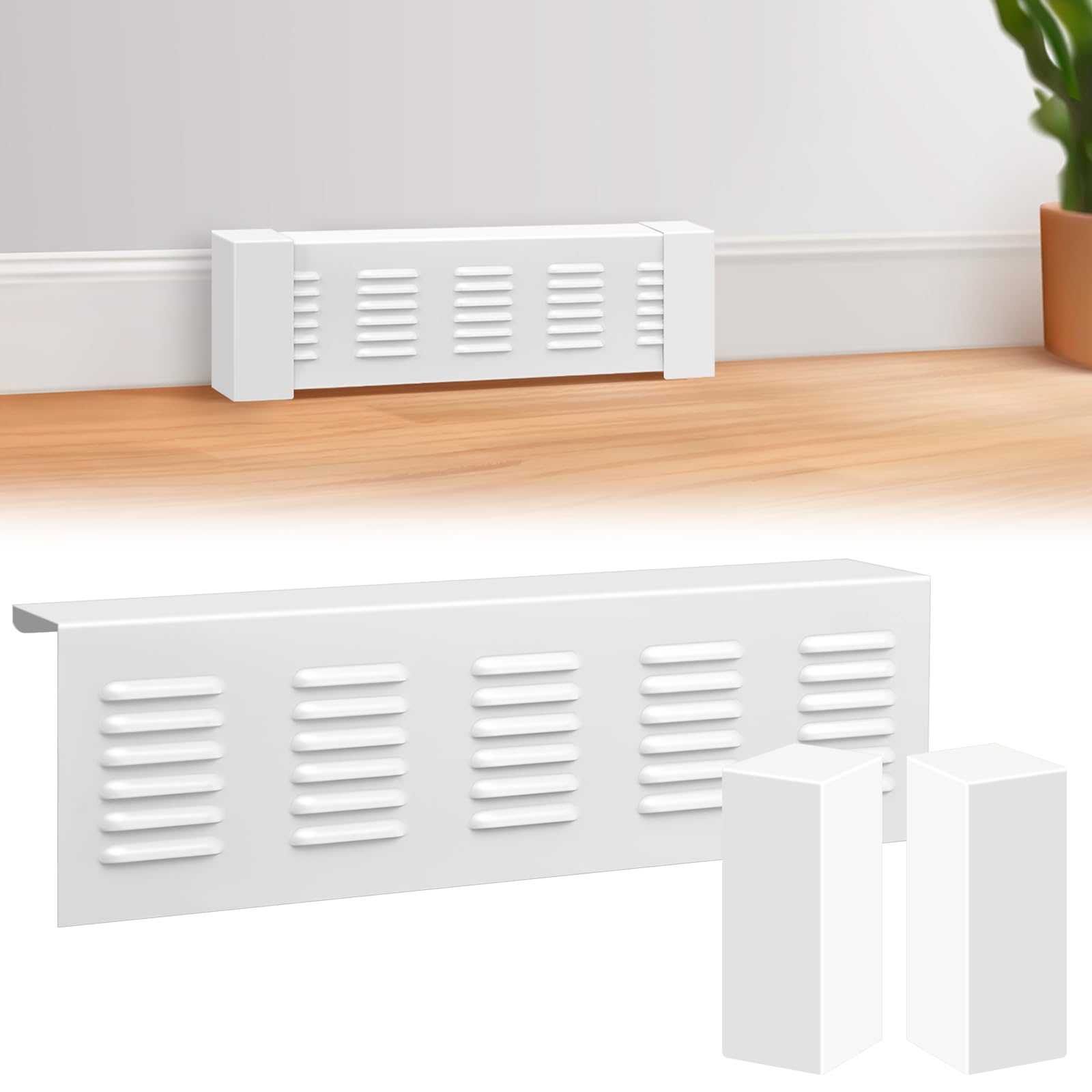
At 2 feet, this Gandeer cover is the shortest option on the list, making it ideal for the tight spaces found in half-baths, powder rooms, or between cabinetry. The material is stainless steel with a white baking paint finish, offering a step up from plain galvanized steel in terms of moisture resistance — a real plus in bathrooms where humidity is constant.
The installation follows the same slip-on principle: remove the old cover, slide the new one over the element, and snap the two included end caps into place. The end caps are pre-shaped to match the cover profile, so there’s no awkward mismatch. One buyer initially thought the cover was plastic due to the paint quality but confirmed it’s metal after handling it. A few users find the unit slightly overpriced for its length, but the build quality justifies the cost for a targeted replacement.
If you only have a 2-foot section of rusted heater, buying a full 4-foot panel and cutting it down is wasteful. This is the precise length for that exact job.
Why it’s great
- Compact 2-ft length perfect for small bathrooms and tight spaces.
- Stainless steel with baked paint resists bathroom humidity.
- Easy snap-on end caps give a clean finish.
Good to know
- Price per foot is higher than longer panels.
- Paint appearance can be mistaken for plastic at first glance.
7. NeatHeat 6ft Baseboard Heat Front Cover

The NeatHeat cover is the budget-friendly entry in this roundup, and it serves a very specific niche: hydronic systems where budget and ease of cutting are the top priorities. At only 2 pounds for a 6-foot panel, it’s far lighter than any steel equivalent, and the plastic polymer can be cut with standard household scissors or a utility knife.
Buyers praise it for instantly transforming eyesores in bathrooms and kitchens, especially where rust had become a persistent problem. The material resists odors and stains — one reviewer with a family of boys specifically noted it solved smell issues from urine splatter. However, the plastic construction is not suitable for electric baseboard heat, as it can trap heat and deform over time.
This is the lowest-cost full-length cover on the list. It’s a fantastic quick fix for rental properties or rooms where you don’t want to invest heavily, but expect a lighter feel than steel and be aware that it won’t withstand the same level of physical impact or sustained high heat.
Why it’s great
- Very lightweight at 2 lbs for a 6-ft panel; easy to handle.
- Can be cut with ordinary scissors for a perfect fit.
- Resists moisture, odors, and stains in bathroom environments.
Good to know
- Not for electric heat — plastic can warp under high temperatures.
- Feels less substantial than steel; can dent or crack under impact.
FAQ
Can I install a steel slip-on cover over my electric baseboard heater?
How do I measure my baseboard heater for a replacement cover?
Will a plastic cover reduce my heater’s output or trap heat?
What does a lifetime rust guarantee actually cover?
Final Thoughts: The Verdict
For most homeowners looking to replace a single rusty cover, the Baseboarders Basic Series 3 ft is the best overall pick because it combines heavy-duty galvanized steel, a lifetime rust guarantee, and included end caps at a fair price — offering a true one-time upgrade. If you need a long 6-foot panel for a master bedroom or living room, the Baseboarders Elliptus Series 6 ft delivers a modern look with the same build quality. And for a tight budget or a temporary fix in a rental, the NeatHeat 6ft Plastic Cover gets the job done with zero cutting tools and a clean white finish.

Mo Maruf
I created WellFizz to bridge the gap between vague wellness advice and actionable solutions. My mission is simple: to decode the research and give you practical tools you can actually use.
Beyond the data, I am a passionate traveler. I believe that stepping away from the screen to explore new environments is essential for mental clarity and physical vitality.