Our readers keep the lights on and my smoothie glass nicely filled. As an Amazon Associate, I earn from qualifying purchases.
A base layer is the single most important piece of cold-weather kit — it’s the moisture-wicking, heat-trapping engine that determines whether you stay dry and warm or end up damp and shivering by midday. The wrong choice—scratchy wool, poor fit, or inadequate fabric weight—turns any outdoor activity into a lesson in regret.
I’m Mohammad Maruf — the founder and writer behind WellFizz. I’ve spent years analyzing textile specifications, merino micron counts, and thermal ratings to understand what separates a high-performing base layer from a disposable one.
Whether you’re braving single-digit temps on the slopes or layering for a frigid morning commute, finding the right base layers comes down to fabric composition, weight, and fit strategy — not just brand hype.
How To Choose The Best Base Layers
Selecting a base layer isn’t about picking the warmest-looking shirt on the shelf. You need to match fabric type, weight, and fit to your specific activity and climate. Here are the three most critical factors to evaluate.
Fabric Composition: Merino Wool vs. Synthetic
Merino wool is the gold standard for active cold-weather use because it naturally wicks moisture, resists odor, and regulates temperature even when damp. Synthetic blends dry faster and cost less, but they trap odor quickly and offer less consistent insulation as conditions change. For extended trips or sensitive skin, merino is the clear winner.
Fabric Weight: Lightweight, Midweight, or Heavyweight
Lightweight (150–200 g/m²) works best for high-output activities like running or skiing in mild cold. Midweight (200–250 g/m²) is the most versatile—great for hiking, snowboarding, and everyday winter wear. Heavyweight (300–400+ g/m²) is for static or extreme cold below freezing, but it can cause overheating during intense activity.
Fit and Seam Construction
A base layer should be snug but not restrictive, with enough length to stay tucked in. Flatlock or seamless construction prevents chafing under outer layers. Pay attention to sleeve length and torso coverage—too short, and you’ll get a cold gap; too loose, and you lose insulation efficiency.
Quick Comparison
On smaller screens, swipe sideways to see the full table.
| Model | Category | Best For | Key Spec | Amazon |
|---|---|---|---|---|
| Smartwool Classic Thermal Merino | Men’s / Unisex | All-around cold weather layering | 200 g/m² merino wool | Amazon |
| Helly-Hansen LIFA Merino Midweight | Men’s | Winter sports & breathability | 57% merino / 43% polypropylene | Amazon |
| MERIWOOL Men’s 400g Heavyweight | Men’s | Extreme cold & static wear | 400 g/m² merino wool | Amazon |
| Icebreaker 175 Everyday Crew | Women’s | Travel & transitional weather | 150 g/m² merino wool | Amazon |
| Merino Wool Half Zip Women | Women’s | Skiing & active cold weather | 250 g/m² merino wool (mid/heavy) | Amazon |
| LAPASA Men’s Merino Wool Shirt | Men’s | Budget-conscious merino buyers | 100% merino wool (light/mid) | Amazon |
| Dalavch 4-Pack Thermal Shirts | Women’s | Budget multi-pack value | Fleece-lined synthetic compression | Amazon |
In‑Depth Reviews
1. Smartwool Men’s Classic Thermal Merino Base Layer Crew
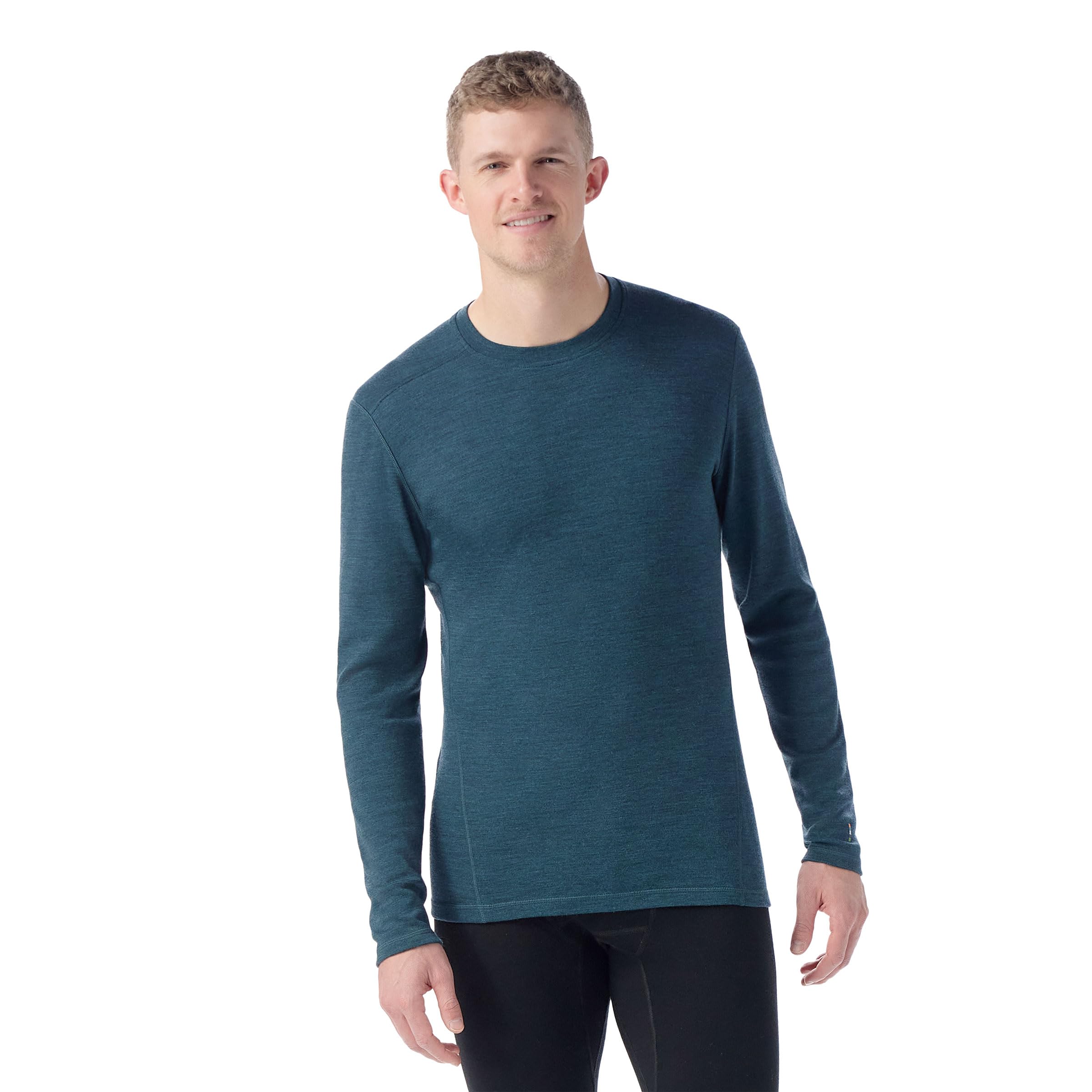
The Smartwool Classic Thermal Crew hits the perfect balance of warmth and breathability with its 200 g/m² merino construction. It’s thick enough for brisk fall hikes and cold-weather layering yet light enough to avoid overheating during moderate activity. The long cut tucks in easily and blocks wind at the lower back—a small design detail that makes a big difference on windy days.
Owners consistently praise the soft, non-itchy feel and the fact that it washes well without pilling or fading. The black color has held up across multiple seasons, and the fabric retains its shape after repeated laundering. For anyone looking for a single base layer that works across a wide temperature range, this is a proven choice.
The price sits at the premium end, but the long-term durability and versatility justify the investment. If you’re building a one-and-done layering system for hiking, skiing, or everyday winter comfort, the Smartwool Classic Thermal is the benchmark other layers are measured against.
Why it’s great
- Consistent warmth without overheating during active use
- Long cut prevents cold gap and stays tucked in
- Washes well with no pilling or fading over time
Good to know
- Premium pricing compared to mid-range options
- Some users find sleeves slightly long for shorter arms
2. Helly-Hansen LIFA Merino Midweight Crew Base Layer

Helly-Hansen’s LIFA Merino employs a hybrid construction: a 57% merino wool outer paired with a 43% polypropylene interior that sits against the skin. This unique LIFA technology is designed to move moisture away from the body faster than pure merino, making it ideal for high-sweat activities like skiing, snowboarding, and winter running.
The midweight fabric hits a sweet spot for cold-weather sports—it’s warm enough for sub-freezing lift rides yet breathable enough for aggressive downhill runs. The fit is athletic without being restrictive, and the flatlock seams reduce chafing under a shell. Users describe the temperature regulation as excellent, crediting the dual-layer system for keeping them comfortable through fluctuating output levels.
The main trade-off is the synthetic interior, which doesn’t have the same natural odor resistance as pure merino. If you’re active for hours at a time or expect multi-day use without washing, you may notice a faster onset of smell compared to a fully natural wool layer.
Why it’s great
- Hybrid construction wicks moisture faster than pure merino
- Excellent temperature regulation during high-output sports
- Athletic fit with flatlock seams for chafe-free layering
Good to know
- Synthetic inner layer reduces odor resistance
- Premium price point for a hybrid blend
3. MERIOWOOL Men’s Base Layer 100% Merino Wool Heavyweight 400g
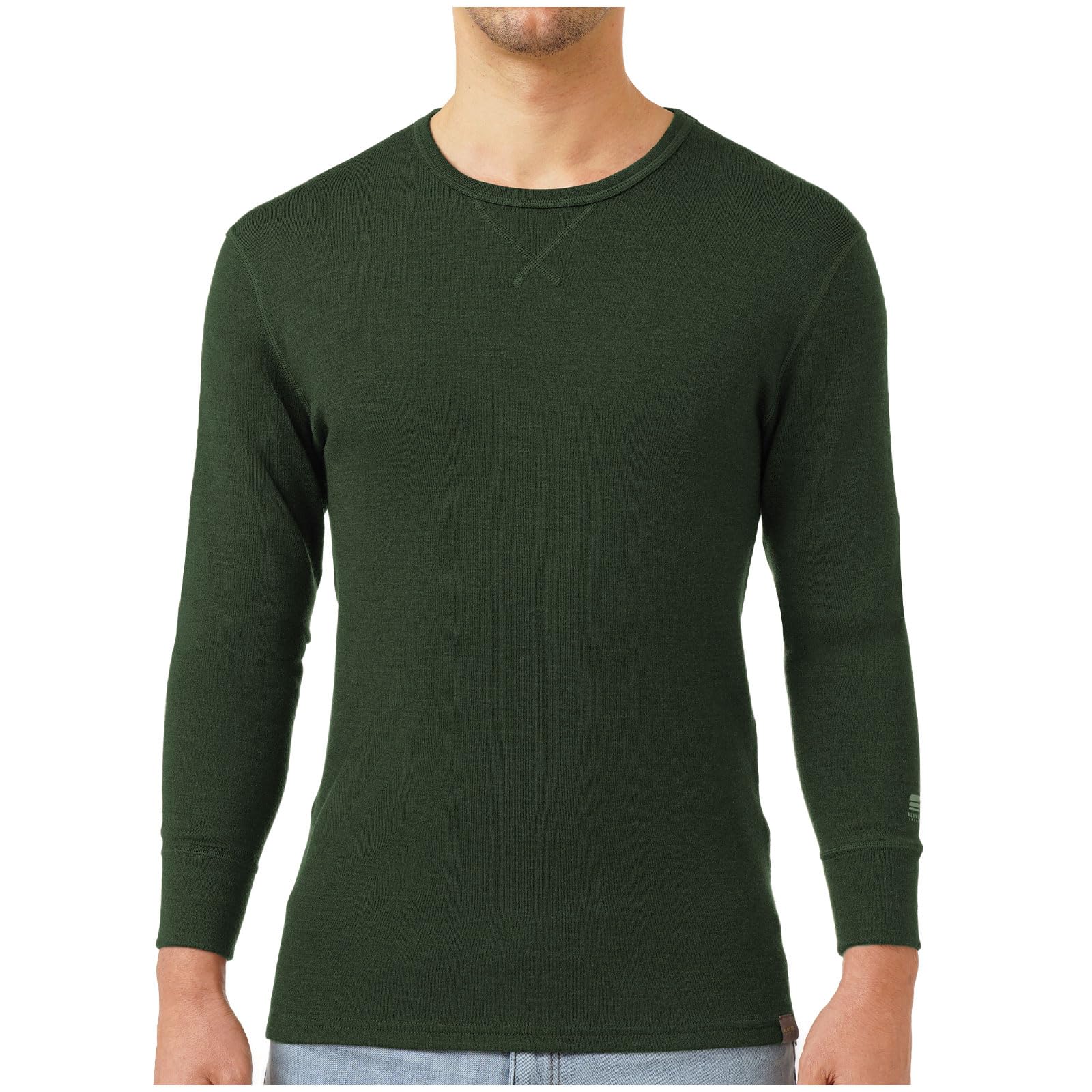
At 400 g/m², the MERIWOOL heavyweight is essentially a sweater-grade base layer built for sub-freezing static conditions. It’s thick, dense, and incredibly warm—several reviewers describe it as closer to a lightweight fleece than a traditional base layer. If you’re standing around in single-digit temps or ice fishing, this is the layer that keeps you comfortable.
The 100% merino construction is soft and non-itchy, with a trim fit that works under a shell. However, sizing runs small; most buyers recommend going up one or two sizes for a proper fit. The fabric is substantial enough to feel durable, but the knit can snag if brushed against rough surfaces.
The primary limitation is its warmth ceiling—this is not a layer for high-output activity. Users report overheating quickly during hiking or rowing. The glued size tag and an elastic band on the back of the neck are minor annoyances noted by several reviewers.
Why it’s great
- Extreme warmth for static cold exposure below freezing
- Soft, dense merino with a sweater-like feel
- Naturally odor-resistant for multi-day wear
Good to know
- Runs small—size up at least one full size
- Too warm for high-output activities like hiking or running
4. Icebreaker Merino Women’s 175 Everyday Cold Weather Base Layer Crew

Icebreaker’s 175 Everyday Crew uses 150 g/m² lightweight merino, making it the go-to choice for transitional weather, travel, and moderate layering. It’s thin enough to wear under a dress shirt or a light jacket, but warm enough for 40–60°F conditions. The cut is relaxed and flattering, especially for curvier body types—the XL fits a size 10/12 comfortably without being baggy.
Users praise the fabric as soft as cotton without any itch, and the natural merino properties allow rewearing between washes without odor. It’s also held up well through years of use—one reviewer reported three years with no fading or pilling in the black color. The slight sheerness is the only fit concern noted, particularly in lighter colors.
This is not a layer for extreme cold or high-output sports. But for daily winter comfort, travel, and low-to-moderate outdoor activity, the Icebreaker 175 is lightweight merino at its best. The premium price reflects the brand’s reputation for quality and sustainability.
Why it’s great
- Soft, non-itchy lightweight merino perfect for everyday wear
- Flattering relaxed fit for curvier figures
- Excellent durability and color retention over multiple seasons
Good to know
- Lightweight—not suitable for sub-freezing temps alone
- Lighter colors can be slightly sheer
5. Merino Wool Base Layer Women – 100% Merino Half Zip (250 g/m²)

This women’s merino half-zip from an established specialty brand offers 250 g/m² density that sits between midweight and heavyweight. It’s the layer you reach for when the thermometer dips below 30°F and you need reliable insulation without the bulk of a 400g piece. The half-zip design adds venting flexibility—zip down when you’re generating heat, zip up when you stop.
Reviewers confirm the fabric is remarkably soft and non-itchy, with good stretch for mobility. The heavyweight variant has performed well for snowboarding in below-freezing conditions, keeping wearers dry and warm throughout a full day on the slopes. The socks included in some bundles have also received strong reviews for warmth and quality.
The main drawbacks are minor pilling after a handful of wears and sleeve length complaints from taller users. At 5’9″, a size small yielded sleeves that were slightly too short. The knit also feels prone to snagging compared to denser merino weaves, so it requires a bit more care during wear and washing.
Why it’s great
- Soft, non-itchy 100% merino with excellent warmth-to-weight ratio
- Half-zip allows on-the-go temperature adjustment
- Kept wearers warm and dry during full-day snowboarding
Good to know
- Minor pilling reported after limited wears
- Sleeves may run short for taller women
6. LAPASA Men 100% Merino Wool Shirt Base Layer
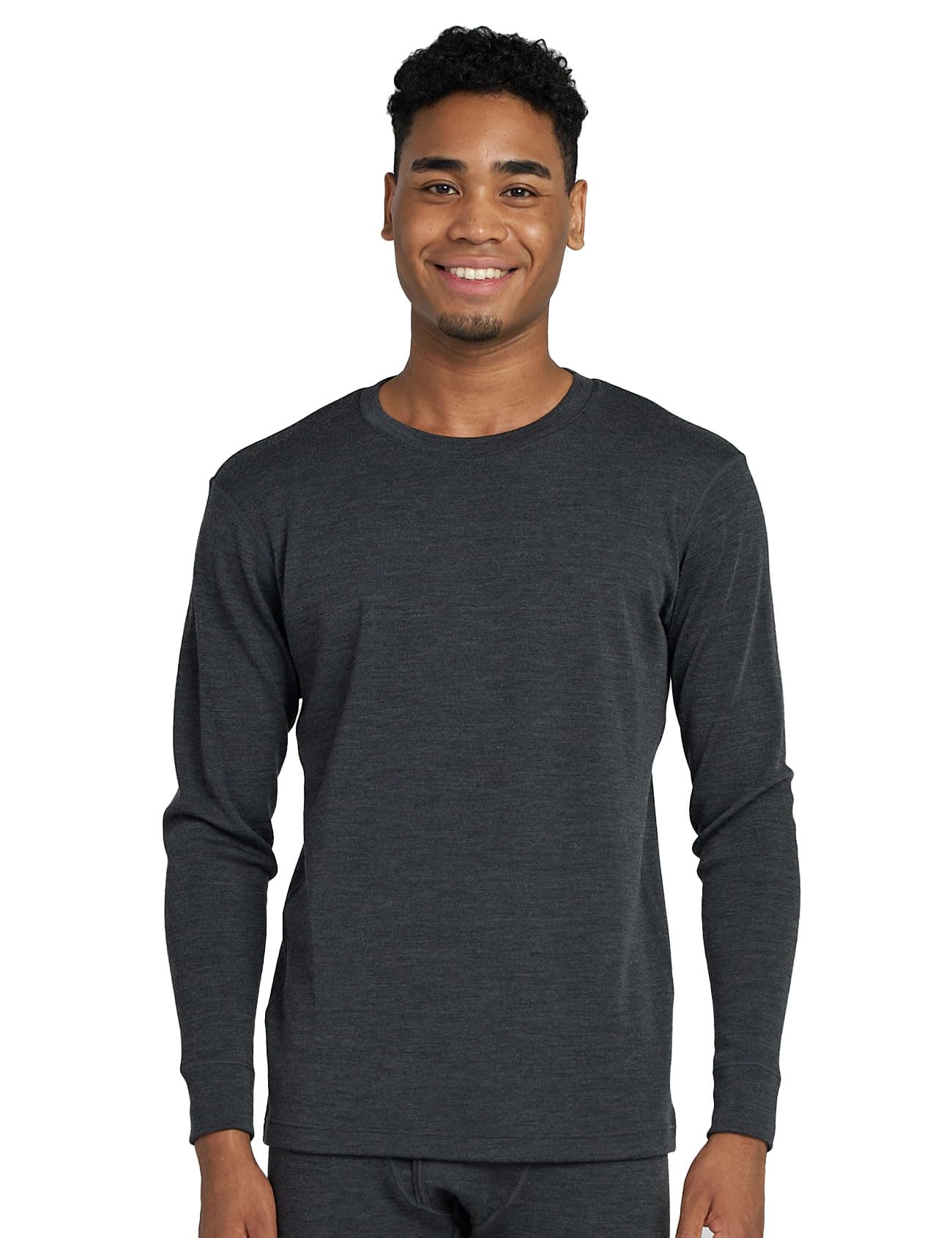
The LAPASA Men’s Merino Wool Shirt delivers 100% merino at a mid-range price point that undercuts most big-brand options. It’s lightweight to midweight in feel—ideal for hiking, cycling, or everyday wear in temperatures from the 30s to 50s. The fabric is soft, stretchy, and comfortable against the skin with none of the scratchiness associated with lower-grade wool.
Reviewers consistently note that the fit runs slightly large and loose, which some prefer for lounging or casual wear. At 6’1″ and 185 lbs, a size medium fits as expected. The black color looks sharp enough to wear under a suit or sport coat, making it more versatile than a strictly athletic base layer.
The main trade-off is that the knit is not as dense or durable as premium midweight options like Smartwool or Icebreaker. It’s a great entry point into merino, but heavy users may find the fabric wears faster with frequent use and washing. For the price, it’s an excellent starter or backup layer.
Why it’s great
- Affordable 100% merino without the scratchiness
- Soft, stretchy fabric works for both layering and standalone wear
- Loose fit adds comfort for lounging and casual use
Good to know
- Runs slightly large—may not suit those wanting a snug fit
- Knit density lower than premium brands; may wear faster
7. Dalavch 4 Pack Women’s Thermal Shirts (Fleece-Lined)
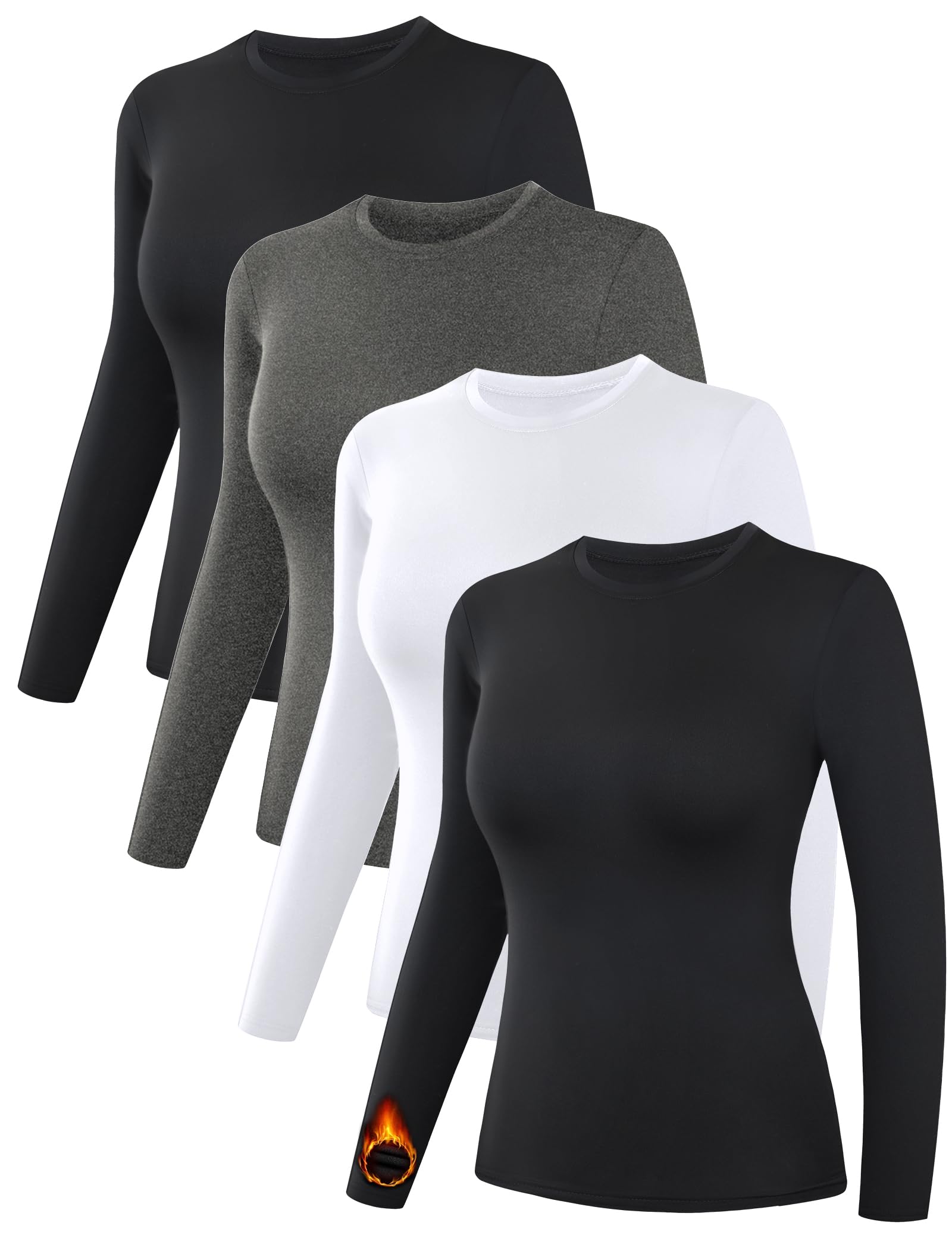
The Dalavch 4-pack offers a fleece-lined synthetic base layer that prioritizes value and warmth without merino pricing. Each shirt features a compression fit with a soft inner fleece that traps heat effectively, making it a solid option for budget-conscious buyers who need multiple layers for daily winter wear. The four-pack format means you get a full week’s worth of thermal rotation at a fraction of the cost of a single merino shirt.
Buyers report the shirts are warm, comfortable, and stretchy with a snug fit that stays in place under outerwear. The fleece interior is noticeably soft on the skin, and the exterior has a smooth, non-cheap appearance that can pass as a standalone top. One reviewer took them to Alaska for -30°F conditions and found them effective under a proper shell system.
The most consistent feedback is that the shirts run small—ordering up a size is strongly recommended. Some shrinkage was also reported after the first wash. These are not comparable to merino for odor resistance or breathability, but for basic insulation at a low multi-pack price, the Dalavch delivers impressive warmth.
Why it’s great
- Exceptional value with four shirts per pack
- Soft fleece interior provides reliable warmth
- Compression fit works well under outer layers
Good to know
- Runs small—size up for proper fit
- Synthetic fabric lacks odor resistance of merino
FAQ
What weight base layer do I need for skiing?
Can I wear a merino base layer as a standalone shirt?
How do I wash merino wool base layers without damaging them?
Final Thoughts: The Verdict
For most users, the base layers winner is the Smartwool Classic Thermal Merino Crew because it blends the right 200 g/m² weight with proven durability, softness, and temperature regulation across a wide range of cold-weather activities. If you want maximum breathability for high-output sports, grab the Helly-Hansen LIFA Merino Midweight. And for extreme cold or static exposure, nothing beats the MERIWOOL 400g Heavyweight.

Mo Maruf
I created WellFizz to bridge the gap between vague wellness advice and actionable solutions. My mission is simple: to decode the research and give you practical tools you can actually use.
Beyond the data, I am a passionate traveler. I believe that stepping away from the screen to explore new environments is essential for mental clarity and physical vitality.