Our readers keep the lights on and my smoothie glass nicely filled. As an Amazon Associate, I earn from qualifying purchases.
A good hike starts before you lace your boots—it starts with what you put next to your skin. The wrong base layer traps sweat, chills you on a ridge, or bunches under your pack straps, turning a beautiful day on the trail into a constant adjustment session. That thin layer is the difference between feeling fresh at mile ten and shivering during a rest break.
I’m Mohammad Maruf — the founder and writer behind WellFizz. I’ve spent years analyzing fabric weights, moisture-wicking rates, and thermal efficiency claims across hundreds of outdoor apparel spec sheets to separate marketing language from real trail performance.
After digging through customer feedback and technical data on merino wool blends, synthetic grid fabrics, and heavyweight options, this guide breaks down the top contenders for the best base layer for hiking. Each pick here earned its spot based on warmth-to-weight ratio, odor resistance, and durability under a pack.
How To Choose The Best Base Layer For Hiking
Selecting a hiking base layer is a balance of three variables: fabric type, weight, and fit. Get these right, and you stay dry, warm, and comfortable from the trailhead to the summit. Get them wrong, and you are fighting your own clothing all day.
Fabric: Merino Wool vs. Synthetic
Merino wool is the gold standard for multi-day trips because its natural protein structure resists odor buildup far longer than polyester. Synthetics dry faster and handle abrasion better under a heavy pack, but they trap bacteria smell after one solid day of sweat. For daily hikes and high-output activities (trail running, fastpacking), a synthetic grid base layer like the Carhartt Force offers better moisture transport. For overnight trips and cold-weather comfort, merino is the clear winner.
Weight: Lightweight, Midweight, or Heavyweight
Lightweight fabrics (150-200 g/m²) work for summer hikes and high-output winter days when you run hot. Midweight (200-250 g/m²) is the all-season sweet spot—warm enough for shoulder-season mornings but breathable when the sun comes out. Heavyweight (250-400 g/m²) belongs in deep winter and static camp use; under a hardshell on a windy ridge, it’s unbeatable, but it’s too warm for anything above freezing with moderate exertion.
Fit: Next-to-Skin Without Restriction
A base layer must be snug enough to trap a layer of warm air against your skin without cutting off circulation or restricting your shoulder range. Look for flat-lock seams that won’t dig in under a pack strap and long enough torso lengths that stay tucked in when you bend or reach. Sleeve length matters too—thumb loops keep the sleeves down when you layer a midlayer over them.
Quick Comparison
On smaller screens, swipe sideways to see the full table.
| Model | Category | Best For | Key Spec | Amazon |
|---|---|---|---|---|
| Smartwool Men’s Classic Thermal | Midweight Merino | Cold-weather hiking, all-day warmth | 250 g/m² merino | Amazon |
| Smartwool Women’s Thermal Bottom | Midweight Merino Bottom | Extreme cold, below-zero conditions | 250 g/m² merino bottom | Amazon |
| MERIWOOL Mens Heavyweight Pants | Heavyweight Merino Bottom | Static camp, deep winter insulation | 400 g/m² merino | Amazon |
| Helly Hansen LIFA Crew | Synthetic Crew | High-output sports, moisture management | LIFA synthetic fiber | Amazon |
| Carhartt Force Grid Crew | Synthetic Grid Crew | Cold-weather work, active layering | Grid polyester | Amazon |
| Merino Protect Women’s V-Neck | Lightweight Merino Top | Three-season hiking, travel layering | Lightweight merino | Amazon |
| Merino Wool Base Layer Mens (250) | Midweight Merino | Versatile year-round merino at value | 250 g/m² merino | Amazon |
In‑Depth Reviews
1. Smartwool Men’s Classic Thermal Merino Base Layer Crew
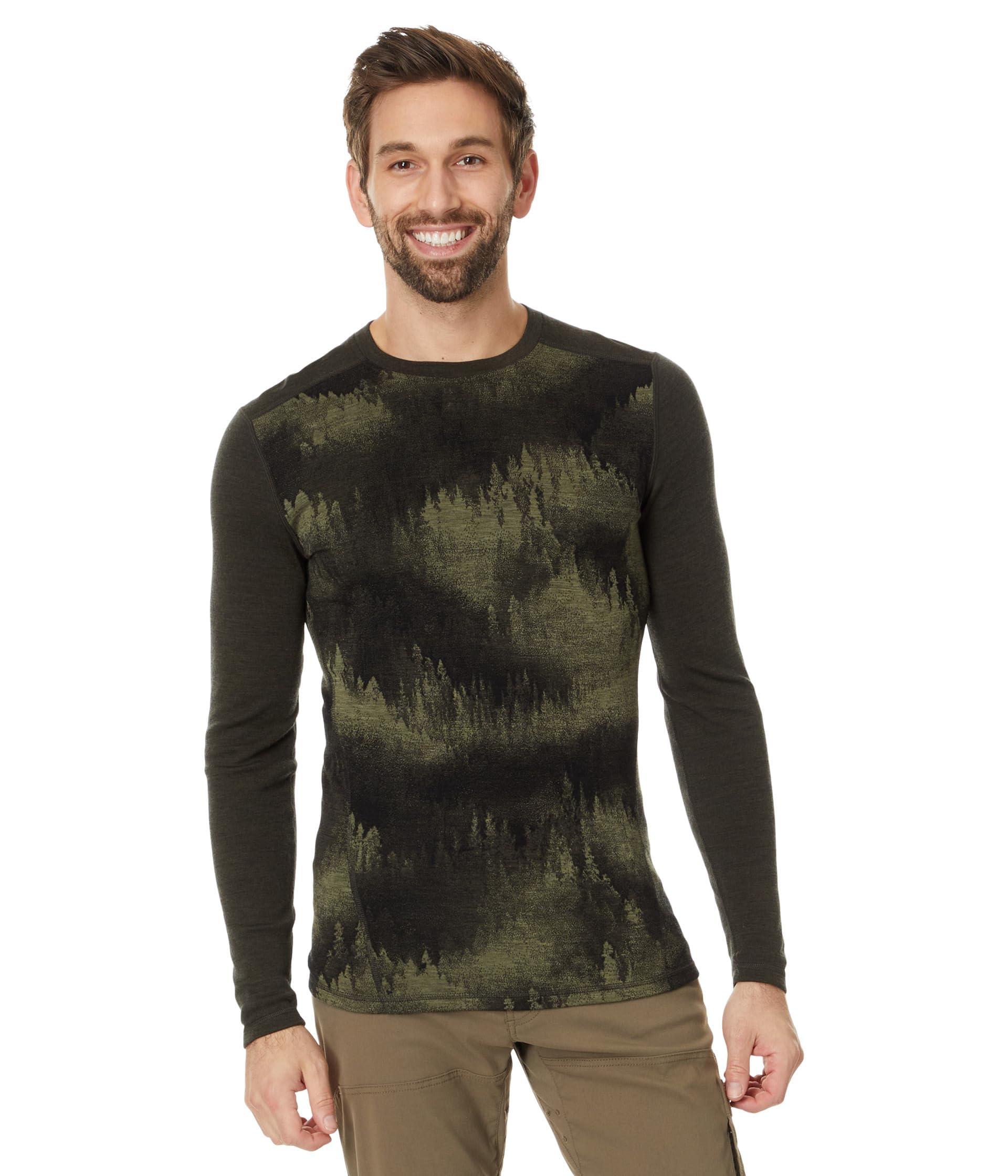
The Smartwool Classic Thermal Crew hits the exact performance-to-comfort ratio that experienced hikers look for in a midweight merino layer. At 250 g/m², it provides substantial warmth without the bulk that forces you to oversize your midlayer. The merino fibers effectively manage moisture vapor, keeping you dry during ascents and warm when you stop for a break—a critical quality for multi-hour hikes with variable exertion.
Customer feedback consistently highlights the long torso length, which stays tucked in under a pack belt, and the snug-yet-flexible fit that doesn’t restrict shoulder rotation when reaching for handholds. Several users report washing it on low heat in the dryer without shrinkage, a practical edge over pure merino layers that require air drying. The fabric resists odor noticeably longer than any synthetic layer in this guide, making it a solid choice for multi-day trips.
On the downside, the price reflects the premium merino sourcing and brand reputation. For hikers who need one do-everything base layer for fall through spring, this is the benchmark. It is not the lightest option for summer use, but as a primary winter layer that also works in shoulder seasons, it justifies its premium position in this roundup.
Why it’s great
- Ideal 250 g/m² weight for year-round versatility
- Long torso and sleeves stay put under a pack
- Odor-resistant merino handles multi-day use
- Washes well with minimal shrinkage on low heat
Good to know
- Premium price; more than double entry-level options
- Not suitable for high summer heat; best for cool to cold conditions
2. Smartwool Women’s Classic Thermal Merino Base Layer Bottom
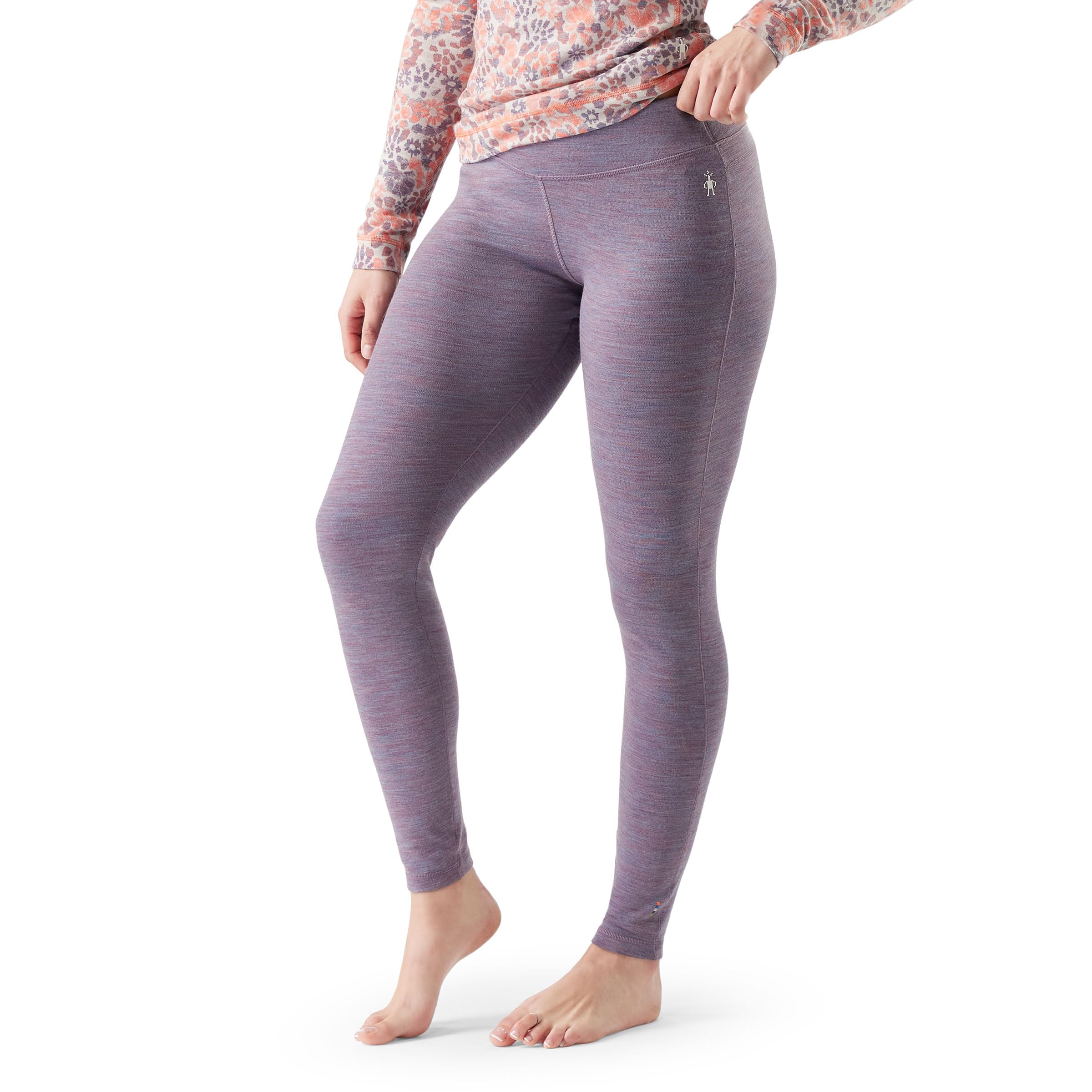
When the mercury drops below zero, this Smartwool bottom is the piece experienced winter hikers reach for. The 250 g/m² merino fabric provides dense insulation that maintains warmth even under a single softshell pant layer, which is exactly what you need on exposed ridgelines in the dead of winter. Customer reviews from users in -10°F conditions confirm these leggings hold warmth without the clammy feeling that synthetics produce at those extremes.
The gusseted crotch and wide waistband improve comfort during active movement—critical when you are scrambling over snow-covered terrain or post-holing through deep powder. The fabric has a soft, almost pajama-like feel against the skin, which matters when you spend extended hours in the same layer. Multiple tall users at 5’8″ report the length is generous enough to stay in place inside tall hiking boots.
The main tradeoff is that these are pure base layers; they are not designed as standalone leggings for casual wear due to their light sheerness. For hikers who prioritize warmth on extreme cold days and value Smartwool’s reliable build, these bottoms are a proven investment that lasts multiple seasons with proper care.
Why it’s great
- Excellent insulation at sub-zero temperatures (-10°F)
- Gusseted crotch and wide waistband for movement
- Soft, comfortable merino against the skin
- Accurate sizing chart; generous length
Good to know
- Not suitable for standalone wear; slightly sheer
- Premium price point
3. MERIWOOL Mens Base Layer 100% Merino Wool Heavyweight 400g Thermal Pants

The MERIWOOL heavyweight pant is the most thermally dense base layer in this guide, built specifically for hikers who get cold easily or spend significant time in static camp conditions below 20°F. At 400 g/m², this is the kind of insulation that allows you to wear a thin shell pant over it in deep winter and still feel warm when the wind picks up. Early adopters report wearing these comfortably at 16°F under light jeans, turning standard pants into cold-weather gear.
The fabric is noticeably soft and non-itchy compared to traditional wool, a direct benefit of the 100% merino construction. The pants have held up to regular wear over several months without pilling or significant thinning, though some users note the crotch area can wear faster under high activity. The main functional complaint is the lack of a drawstring waist, which can cause the pants to slide down during active hiking—this is a stationary-to-light-motion piece, not a high-output climbing layer.
If you run cold or plan to sit around a campfire after a winter hike, this heavyweight option beats midweight layers hands down. For active hiking in the same conditions, the bulk and sliding issue means you may prefer the Smartwool bottom or a midweight alternative. The value proposition is strong for the warmth it delivers per dollar.
Why it’s great
- Maximum warmth with 400 g/m² merino density
- Soft, non-itchy 100% merino construction
- Excellent value for heavyweight insulation
- Works well under jeans or thin shells in winter
Good to know
- No drawstring; can slide down during active hiking
- Too warm for any exertion above freezing
4. Helly Hansen LIFA Crew Base Layer for Women

Helly Hansen’s proprietary LIFA fiber sits in a unique spot—it is a permanent moisture-wicking synthetic that does not lose its hydrophilic properties after repeated washing. This matters because most synthetic base layers use chemical coatings that degrade over time, but LIFA is engineered directly into the fiber itself. For high-output activities like rowing, bike touring, or ski touring, this crew moves sweat off the skin faster than any merino layer in this comparison, keeping you dry when you are working hard.
Customer reviews consistently note the lightweight feel and stretchy fit, which allows full range of motion without the fabric pulling tight across the shoulders or chest. Users who wore this for five consecutive days on a bike tour reported no odor after three days, which is unusually good for a synthetic and approaches merino-level odor resistance. The patterned arm design adds a stylish touch that stands out on group outings.
The main limitation is fit: multiple reviews indicate it runs small, particularly around the chest and underarms, so sizing up is recommended for anyone between sizes. For hikers and outdoor athletes who prioritize moisture management during high-exertion activities and prefer a synthetic’s faster dry time, this is the top synthetic contender in the guide.
Why it’s great
- Permanent moisture-wicking LIFA fiber technology
- Lightweight and stretchy for athletic movement
- Surprisingly good odor resistance for a synthetic
- Stylish design suitable for on-trail and off
Good to know
- Runs small; sizing up recommended
- Not as warm as midweight merino options
5. Carhartt Men’s Force Lightweight Stretch Grid Base Layer Crew
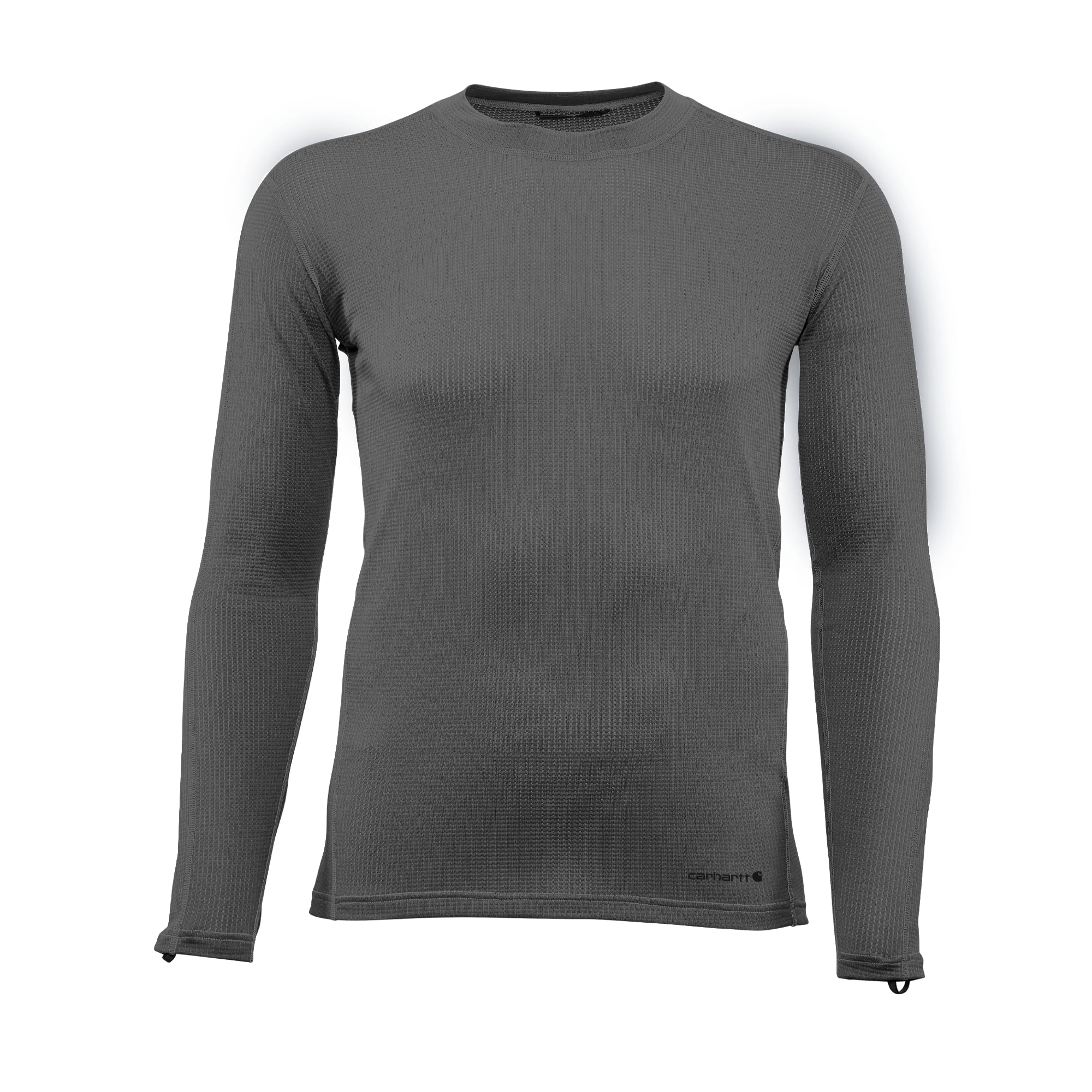
The Carhartt Force Grid Crew stands out for one specific reason: it solves the “ride-up” problem that plagues many synthetic base layers during active use. The internal grid texture and thumb loops keep the sleeves planted even when you layer a heavy midlayer over them, and the torso hem stays put when you bend or reach. That stability makes it a dependable choice for hikers who want a budget-friendly synthetic that works reliably under a pack.
The 100% polyester construction is lightweight enough for cool-to-warm conditions, and users report it works well as a base layer under a long sleeve wool shirt or as a standalone layer on mild spring days. The moisture-wicking performance is solid for its price tier, moving sweat away quickly during ascents. Several tall users (6’4″) confirm the Tall-Large size delivers the sleeve and torso length that big-and-tall hikers often cannot find in merino layers at this price point.
The main drawback is the thickness; this is a lightweight layer designed for moderate cold, not deep winter. For hikers who need a single layer for 20°F wind chill, the Carhartt will require a heavier midlayer over it. For spring and fall use, or as a high-output winter base layer for those who run hot, it earns its spot as a practical, durable synthetic option.
Why it’s great
- Thumb loops and grid texture prevent riding up under layers
- Excellent moisture wicking for high-output hiking
- Tall sizes available for taller hikers
- Durable polyester construction at a budget-friendly price
Good to know
- Requires additional layering for cold conditions below 20°F
- Not as odor-resistant as merino options
6. Merino Protect 100% Merino Wool V-Neck Base Layer for Women
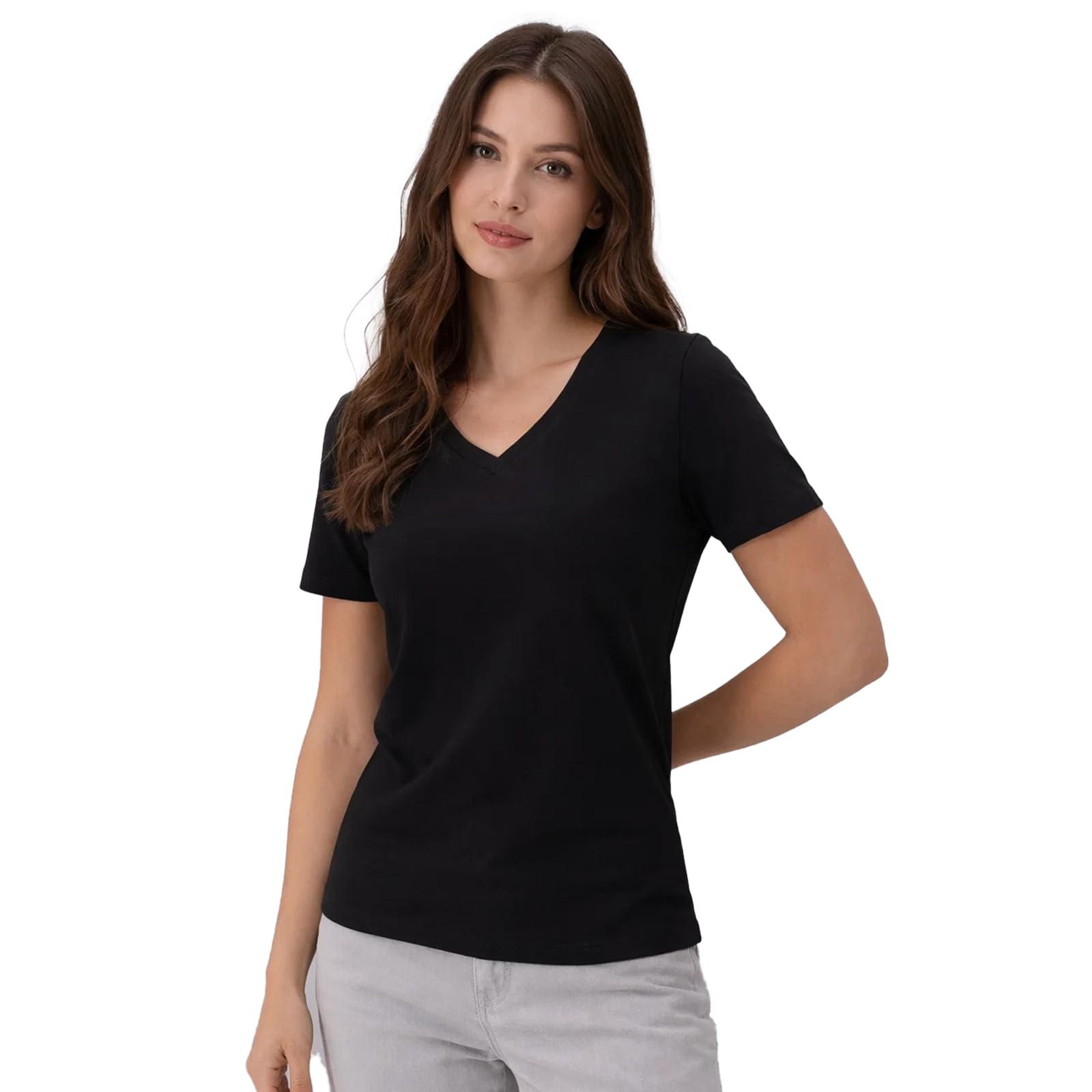
The Merino Protect V-Neck is a lightweight base layer built for hikers who run warm and want the natural odor resistance of merino without the bulk of a 250 g/m² layer. The thin fabric makes it ideal as a next-to-skin layer under a breathable midlayer or even as a standalone top for evening camp wear. The V-neck cut and feminine silhouette give it a more versatile appearance than traditional crew base layers, easily transitioning from trail to dinner without looking like technical gear.
Customer feedback highlights the excellent temperature regulation—wearers report staying comfortable across a wide range of conditions, from chilly mornings to warm afternoons, without needing to shed the layer. The odor resistance is genuine; users on multi-day trips note the shirt remains fresh after days of continuous wear. The fabric is also slightly sheer, which is common with lightweight merino, so it works best as a layering piece rather than a standalone top.
The durability is the main concern here. Several reviews report holes developing after 7-8 gentle wears, which places this below the heavier merino options in long-term reliability. For hikers who prioritize weight savings and odor control on multi-day trips over maximum durability, this is a solid lightweight choice that punches above its price tier in comfort and fit.
Why it’s great
- Very lightweight, ideal for warm-weather hiking
- Excellent natural odor resistance for multi-day trips
- Flattering V-neck and feminine cut for trail-to-town wear
- Good temperature regulation across variable conditions
Good to know
- Durability concerns; some users report holes after several wears
- Sheer fabric; best worn as a layer, not standalone
7. Merino Wool Base Layer Mens – 100% Merino Wool Thermal Underwear Long Sleeve (250g/m²)
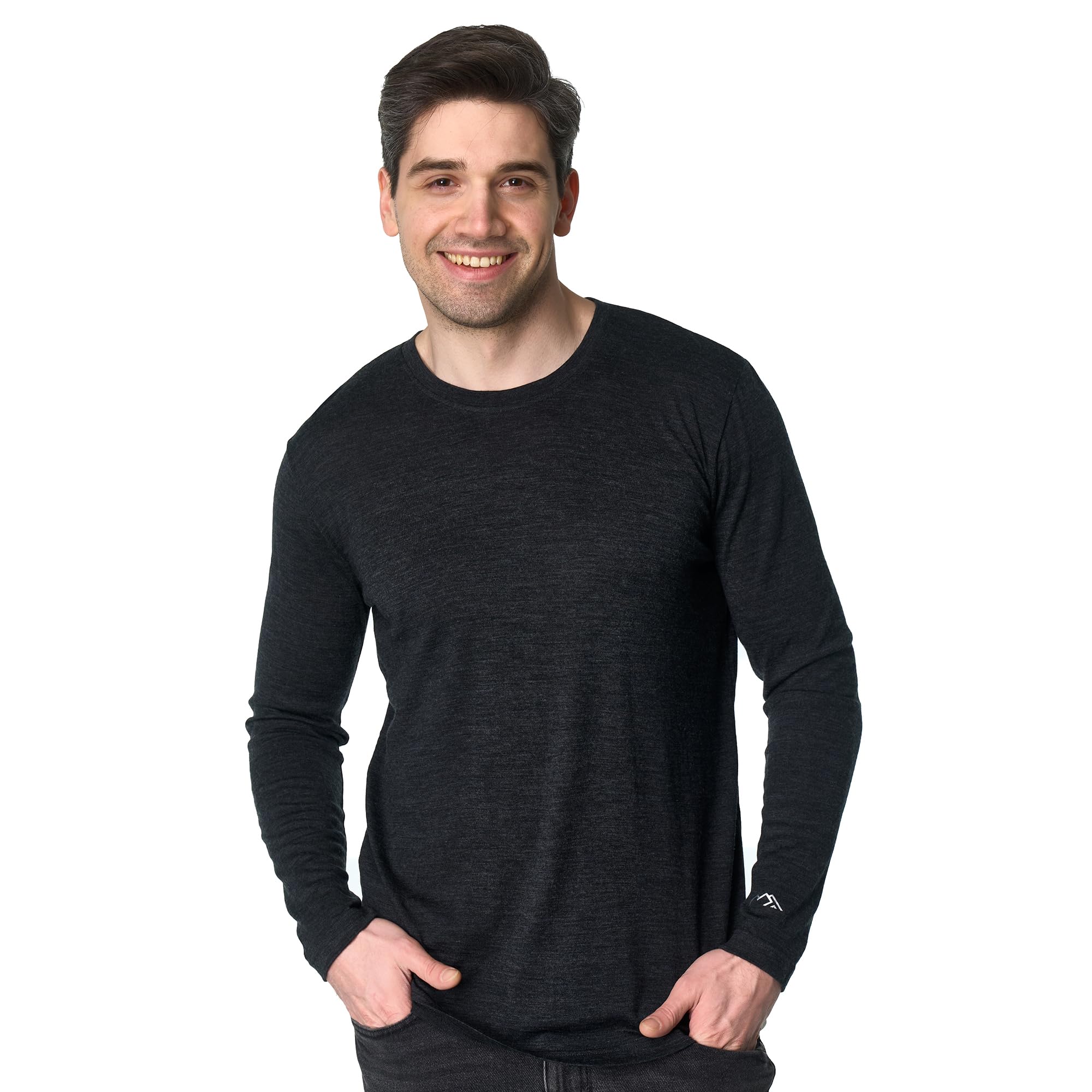
This entry-level 250 g/m² merino layer from Merino Protect delivers the core warmth and moisture management of midweight merino at a fraction of the premium brand price. The Henley design adds a practical button placket that allows extra ventilation on warm sections or steep climbs, a feature not found on standard crew neck base layers. Users consistently describe the fabric as soft and non-itchy, with a lightweight feel that belies its warmth.
Customer feedback confirms that this layer works well across 10 months of the year for most moderate climates, handling cold offices, chilly morning hikes, and even mild winter days with the right midlayer. The construction has held up well after a year of regular wear, with no notable pilling or seam failures reported. The fit runs true to size, offering a close-to-skin feel that doesn’t constrict movement—essential when reaching for trekking poles or scrambling over rocks.
The main considerations are the sleeve length and color accuracy. Taller users with longer arms may find the sleeves slightly short, and the listed colors sometimes appear darker or different from the product images. For hikers who want the proven benefits of a 250 g/m² merino base layer—moisture management, temperature regulation, odor resistance—without paying Smartwool prices, this is the strongest value option in the guide.
Why it’s great
- Midweight merino warmth at an excellent value
- Henley button placket allows active ventilation
- Soft, non-itchy 100% merino construction
- Durable build holds up well to regular washing
Good to know
- Sleeves may be slightly short for users with long arms
- Actual fabric color can differ from product images
FAQ
Should I choose a crew neck or a zip-neck base layer for hiking?
How many base layers should I own for a hiking trip longer than three days?
Is a 250 g/m² merino base layer too warm for summer hiking?
Final Thoughts: The Verdict
For most hikers, the best base layer for hiking winner is the Smartwool Men’s Classic Thermal Crew because its 250 g/m² midweight merino construction offers the broadest temperature range, excellent odor resistance, and durable construction that holds up to pack abrasion. If you want active ventilation for high-output winter hikes, grab the Merino Wool 250 Henley for its button placket and strong value. And for extreme cold below 20°F where staying warm is the only priority, nothing beats the MERIWOOL 400g Heavyweight Pants for stationary camp and deep winter insulation.

Mo Maruf
I created WellFizz to bridge the gap between vague wellness advice and actionable solutions. My mission is simple: to decode the research and give you practical tools you can actually use.
Beyond the data, I am a passionate traveler. I believe that stepping away from the screen to explore new environments is essential for mental clarity and physical vitality.