Our readers keep the lights on and my smoothie glass nicely filled. As an Amazon Associate, I earn from qualifying purchases.
Conventional shoes pinch your toes together, weaken your arches, and leave you with chronic knee pain. Barefoot toe shoes fix this by mimicking the natural shape and movement of your foot — dropping the heel, widening the toe box, and removing stiff cushioning to let your feet move as nature intended.
I’m Mohammad Maruf — the founder and writer behind WellFizz. I’ve spent years analyzing the structural engineering behind minimalist footwear, dissecting everything from outsole rubber compounds via Shore durometer ratings to the zero-drop stack heights and footbed widths that separate genuine foot-health tools from marketing gimmicks.
This guide compares seven serious contenders so you can stop guessing and start buying smarter. If you’re looking for best barefoot toe shoes that actually strengthen your feet, this is your playbook.
How To Choose The Best Barefoot Toe Shoes
Switching to barefoot shoes is not a style upgrade — it is a biomechanical correction. Choose wrong and you risk joint strain during the transition, premature sole wear, or a toe box that still crams your toes. Here is what actually matters.
Stack Height and Zero Drop
Genuine barefoot shoes have a stack height (the distance between your foot and the ground) of 8mm to 15mm, with zero-drop from heel to toe. This forces your foot to roll naturally through the gait cycle instead of relying on a cushioned heel strike. Any shoe with more than 15mm of stack or a visible heel rise is a transitional shoe, not a true barefoot shoe.
Toe Box Shape and Volume
A wide toe box is non-negotiable. Your toes need room to splay with each step. Look for shoes that allow a thumb’s width of space beyond your longest toe and a lateral width that doesn’t pinch the pinky toe. Brands like Vivobarefoot and Xero Shoes use anatomical lasts that taper minimally, while others offer a rounder toe silhouette that accommodates foot conditions like Morton’s neuroma or hammer toes.
Outsole Durability and Tread Pattern
Outsole rubber hardness matters. A durometer of 60-70 Shore A provides excellent grip without excessive wear on pavement. For trail running and wet hiking, look for deep lugs (4mm+) and sticky rubber compounds. For everyday wear, a flat or low-profile tread (2-3mm) delivers better ground feel and won’t pick up mud during city walks.
Closure System and Lacing
Most barefoot shoes use traditional laces, but some models feature bungee or rapid-lace systems for quick adjustment. Laces that run too long can come undone during walks, so pay attention to materials and tie security. A few premium models use a one-pull lockdown system that cinches evenly across the midfoot.
Quick Comparison
On smaller screens, swipe sideways to see the full table.
| Model | Category | Best For | Key Spec | Amazon |
|---|---|---|---|---|
| Vivobarefoot Primus Lite 3.5 | Premium | Training / Daily Steps | Stack: 7mm / Zero Drop | Amazon |
| Astral Brewer 3.0 | Premium | Wet / Water Sports | Drying Time: Overnight | Amazon |
| FLUX FOOTWEAR Adapt Runners | Premium | Long Walking / Travel | Stack: ~10mm / Zero Drop | Amazon |
| Xero Shoes Women’s Prio Neo | Mid-Range | Walking / Slow Running | Insole: Removable | Amazon |
| Xero Shoes Men’s Prio Suede | Mid-Range | Everyday / City | Upper: Suede Leather | Amazon |
| NORTIV 8 Whitney | Budget-Friendly | Trail Running / Value | Drop: 5mm Low-Drop | Amazon |
| Grounding Barefoot Shoes | Budget-Friendly | Casual Errands | Copper Plug: Grounding | Amazon |
In‑Depth Reviews
1. Vivobarefoot Primus Lite 3.5

The Vivobarefoot Primus Lite 3.5 is the benchmark for true minimalist training and everyday wear. With a 7mm stack height and flexible outsole, it delivers exceptional ground feel without sacrificing protection. The upper is breathable mesh with a seamless construction that eliminates hotspots, and the zero-drop platform forces your calves and arches to engage naturally.
Users report it handles 10,000-plus steps daily with no break-in pain. The wide anatomical toe box accommodates splay even during dynamic movement like CrossFit or lunges. You will feel the ground texture beneath you — pebbles, pavement, dirt — without discomfort. Sizing runs slightly long, so many buyers size down by half from their Brannock measurement for a snug lock.
The white colorway stains easily, which is the only recurring complaint. If you prioritize foot strength and gym versatility, this shoe delivers. It is not the cheapest option, but for premium barefoot engineering, it justifies every dollar.
Why it’s great
- Excellent ground feel and breathability
- Durable for long daily use and CrossFit
- True zero-drop anatomical shape
Good to know
- White fabric stains easily
- Size down half from Brannock
2. Astral Brewer 3.0
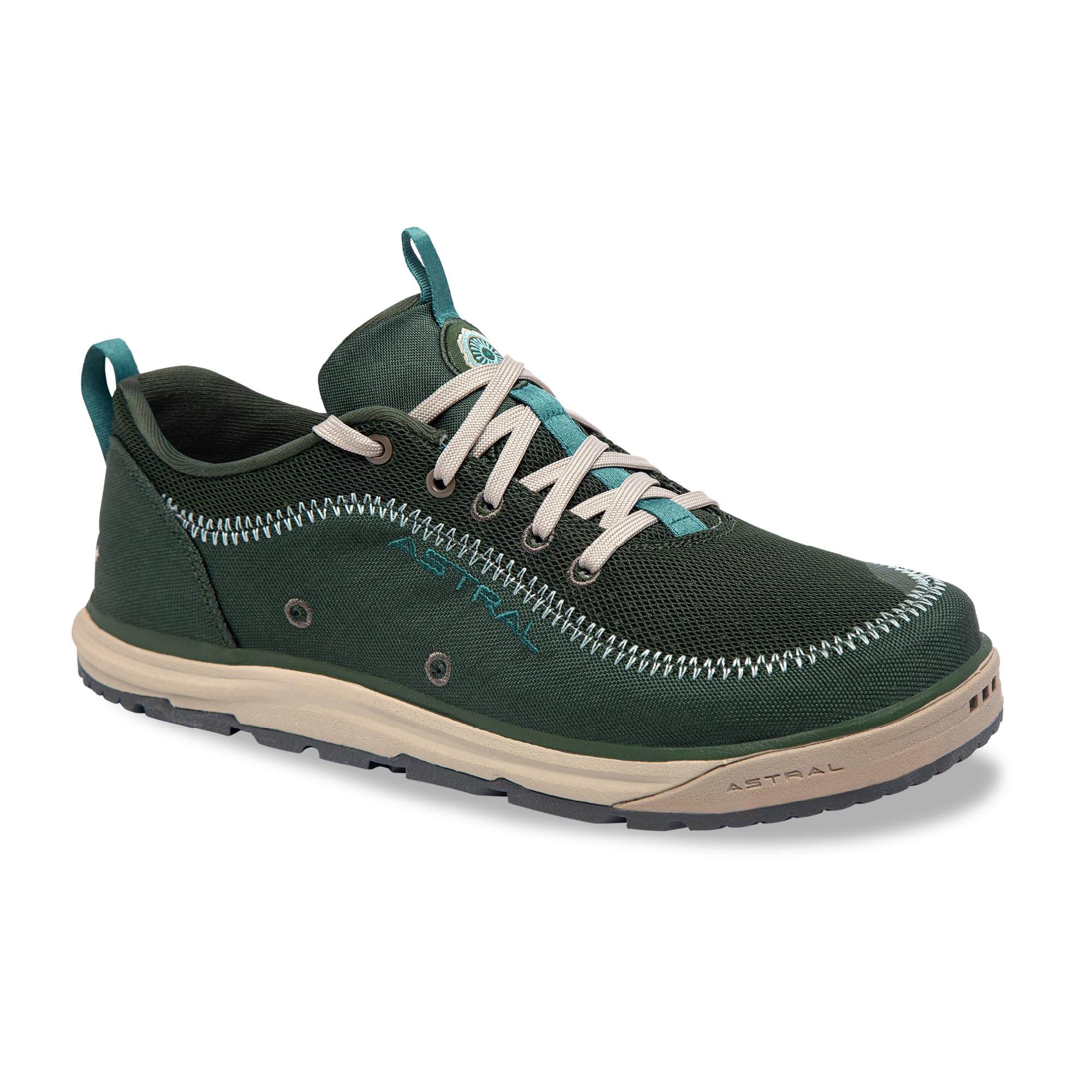
The Astral Brewer 3.0 is the go-anywhere barefoot shoe built for wet environments. The outsole uses a sticky rubber compound with deep lugs that grip slimy rocks and muddy trails, while the upper mesh is engineered to drain water and dry overnight. A wide forefoot accommodates bunions and Morton’s neuroma without pressure points.
Reviewers have used these for 5-6 mile waterfall hikes, beach swims, and all-day travel in warm climates. The shoe feels sure-footed on technical terrain, with enough padding to prevent bruising from sharp rocks. It runs about half a size small, so consult the European size chart before ordering. The silhouette looks like a casual sneaker, which is great for vacation packing.
Drying time can lag in high humidity unless you remove the insole. But for anyone who regularly hits water crossings, canyons, or tropical trips, this shoe is unmatched. No other barefoot shoe on this list combines ground feel with that level of aquatic-specific traction.
Why it’s great
- Superb grip on wet, rocky surfaces
- Dries quickly for water crossover use
- Roomy toe box for foot conditions
Good to know
- Size down based on EU chart
- Drying slower in humid climates
3. FLUX FOOTWEAR Adapt Runners
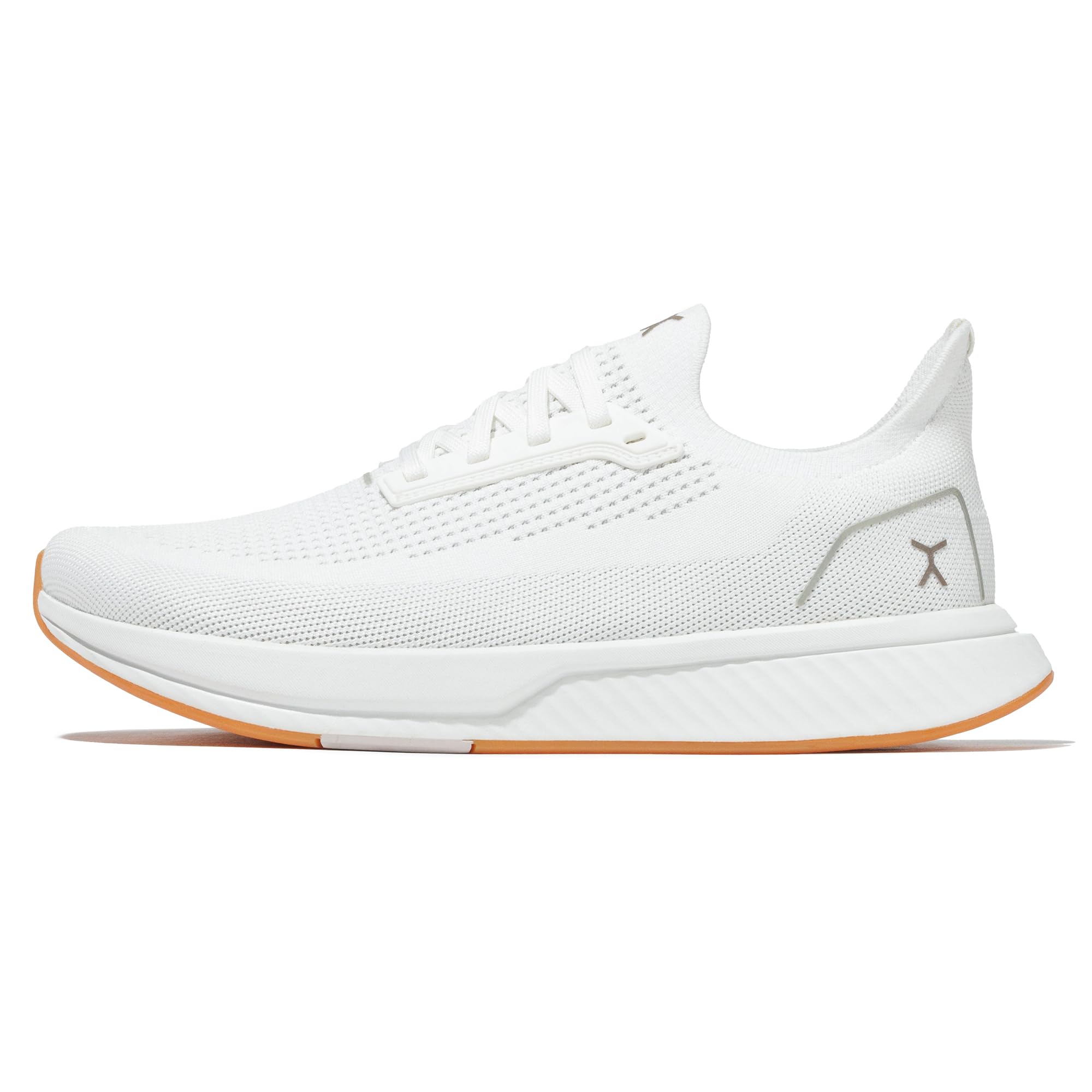
The FLUX FOOTWEAR Adapt Runners are engineered for high-mileage days where comfort and ground feel coexist. With a roughly 10mm stack height and a wide anatomical toe box, they provide more underfoot protection than the Vivobarefoot while still maintaining a zero-drop profile. The upper is a durable knit that breathes well and wraps the foot securely.
Users who log 12,000-15,000 steps per day on hard floors report reduced knee, back, and foot pain compared to traditional shoes. The insole is removable, allowing you to gradually reduce cushion as your foot strength builds. Some reviewers note an initial stiffness that takes about two weeks to break in, but after that the shoe molds comfortably to the foot.
The ankle collar can feel tight for some users — the lacing system does not loosen that area independently. If you have high-volume ankles, this may be a fit issue. However, for travelers or professionals on their feet all day, the Adapt Runner delivers a compelling mix of durability and minimalist function.
Why it’s great
- Great for long walking days on hard surfaces
- Removable insole for transition flexibility
- Durable construction with break-in period
Good to know
- Ankle collar may feel too tight
- Initial stiffness requires break-in
4. Xero Shoes Women’s Prio Neo
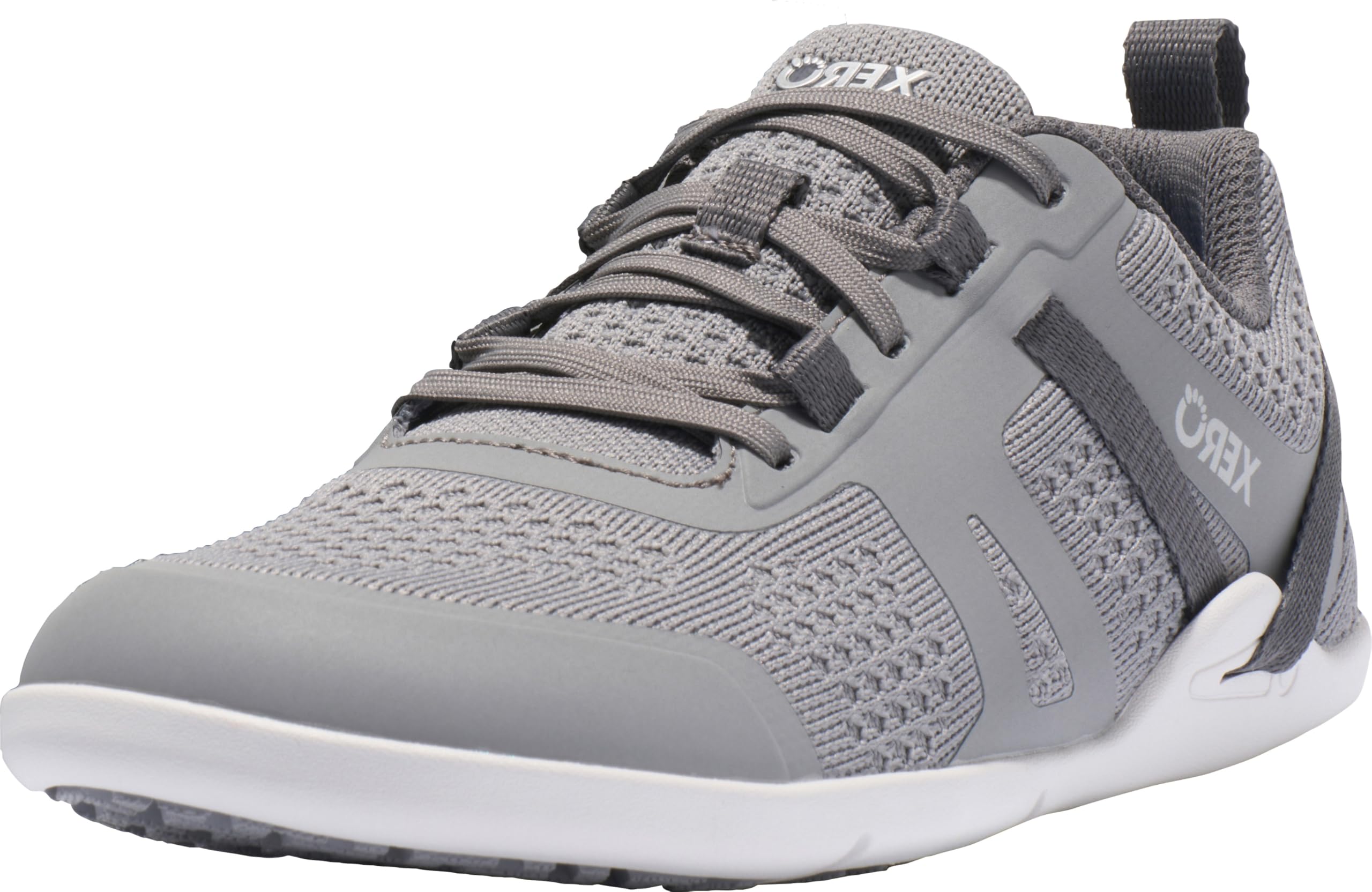
The Xero Shoes Women’s Prio Neo is a straightforward, effective barefoot training shoe that does not overcomplicate. It has a zero-drop platform, a non-elevated heel, and a flexible sole with a wide toe box. The insole is fully removable, letting you dial in the amount of protection depending on your transition stage.
Reviewers transitioning from heavily cushioned shoes like the Brooks Glycerine GTS 20 noted calf and knee soreness during the first week, which is expected when switching to a minimalist shoe. Those who persisted found the Prio Neo more stable and comfortable, especially for walking the dog or light gym work. It accommodates Morton’s toe and hammer toes without issue.
Sizing appears smaller than expected but still fits with proper toe room. The shoelaces are extremely long and prone to unraveling if not double-knotted. For the price, this is the most accessible entry point into true barefoot footwear, and it delivers a genuine foot-strengthening experience.
Why it’s great
- Removable insole for gradual transition
- Wide toe box fits deformed toes
- Stable and comfortable after adjustment
Good to know
- Shoelaces are too long
- Transition soreness expected first week
5. Xero Shoes Men’s Prio Suede
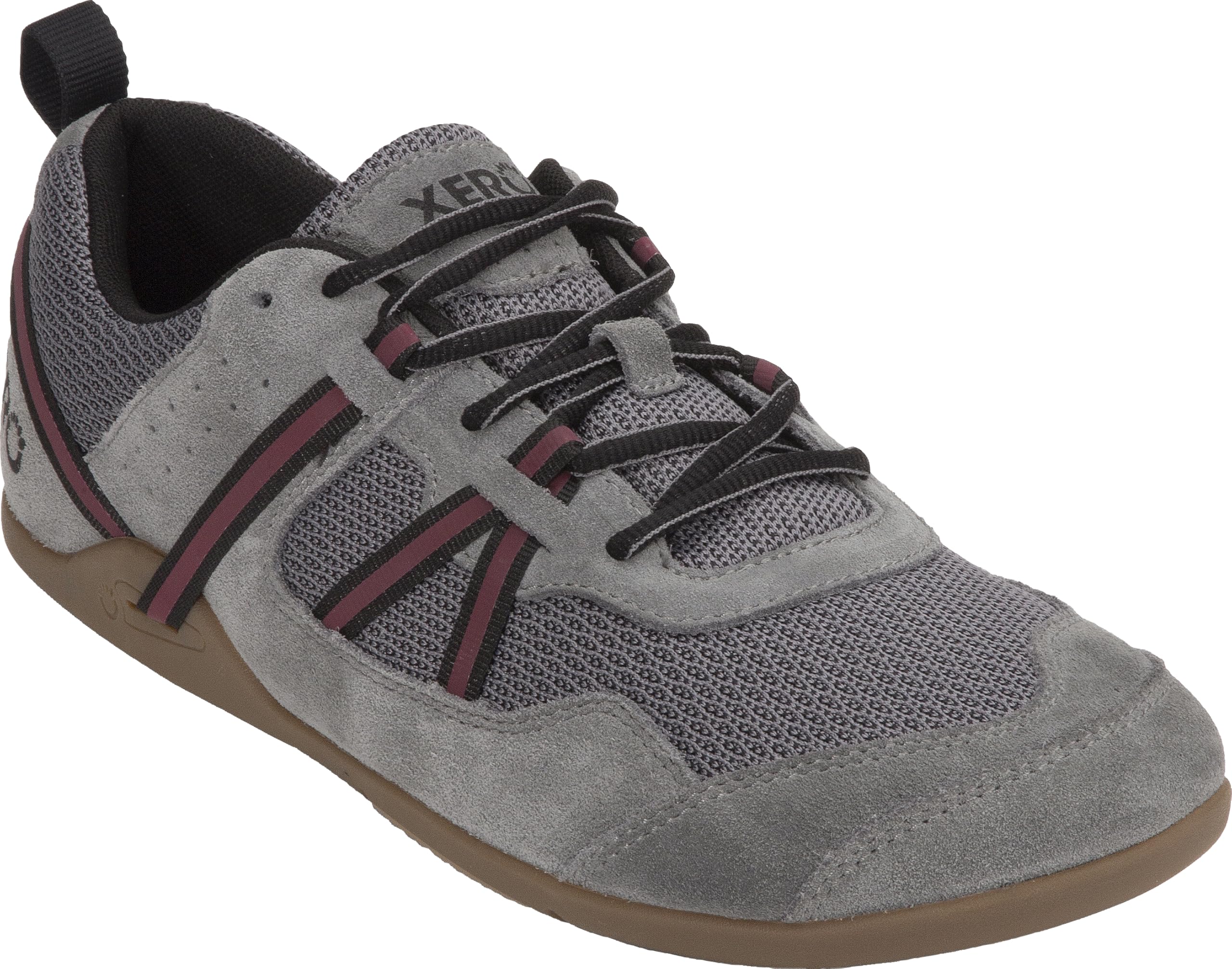
The Xero Shoes Men’s Prio Suede replaces the mesh upper with a premium suede material, making it one of the most stylish barefoot options for daily city wear. The zero-drop sole remains the same as the standard Prio, with a barefoot feel that has helped users improve scoliosis-related tightness and reduce joint pain on concrete floors.
After seven months of use, one reviewer noted a reduction in limp and better postural alignment. The wide shape works well for splay, though the fit is described as tube-like rather than contoured for high-volume feet. The suede upper is breathable but not suitable for heavy rain or cold weather due to lack of insulation.
The huarache-style straps are weaker than the rest of the shoe, so be cautious with the lacing. For deadlifts and gym work, it provides a stable, grounded base. If you want a barefoot shoe that passes as a casual sneaker, this is the pick.
Why it’s great
- Stylish suede upper for everyday wear
- Helps improve posture and joint pain
- Good ground feel for gym and city
Good to know
- Not ideal for high-volume feet
- Weak huarache strap attachment
6. NORTIV 8 Men’s Wide Toe Box Trail Running Shoes Whitney
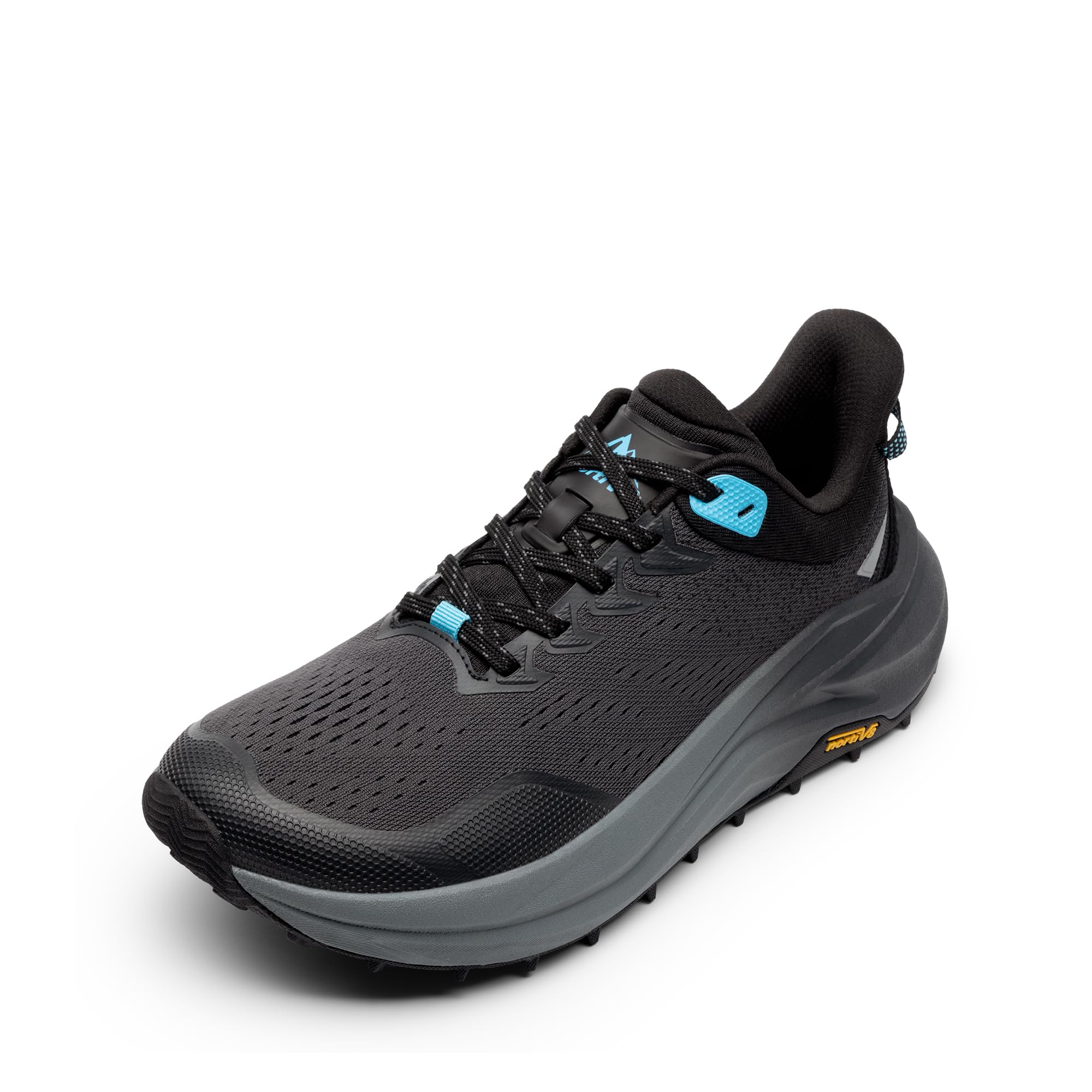
The NORTIV 8 Whitney is a budget-friendly entry into the wide-toe-box trail running category. It features a 5mm low-drop (not zero-drop) platform, making it a transitional shoe rather than a true barefoot shoe. The midsole is firmer than typical cushioned runners, offering good rock protection and stability on technical terrain.
Reviewers have logged over 300 trail miles without significant tread wear or upper breakdown. The toe bumper is welded and does not split like glued bumpers on pricier competitors. The shoe has a roomy forefoot that reduces toe friction by roughly 75%, and the drainage ports work well for wet or muddy conditions.
It is heavier than premium options like the Hoka Speedgoat or Altra Olympus, and the styling leans toward “grandpa shoe” aesthetics. Also, there are no gaiter attachments — a minor DIY fix. If you want a trail runner with a wide toe box on a tight budget, this is a smart compromise.
Why it’s great
- Exceptional trail durability at low cost
- Wide toe box reduces friction significantly
- Good traction and water drainage
Good to know
- 5mm drop is not zero-drop
- Heavy and limited style
7. Grounding Barefoot Shoes with Copper
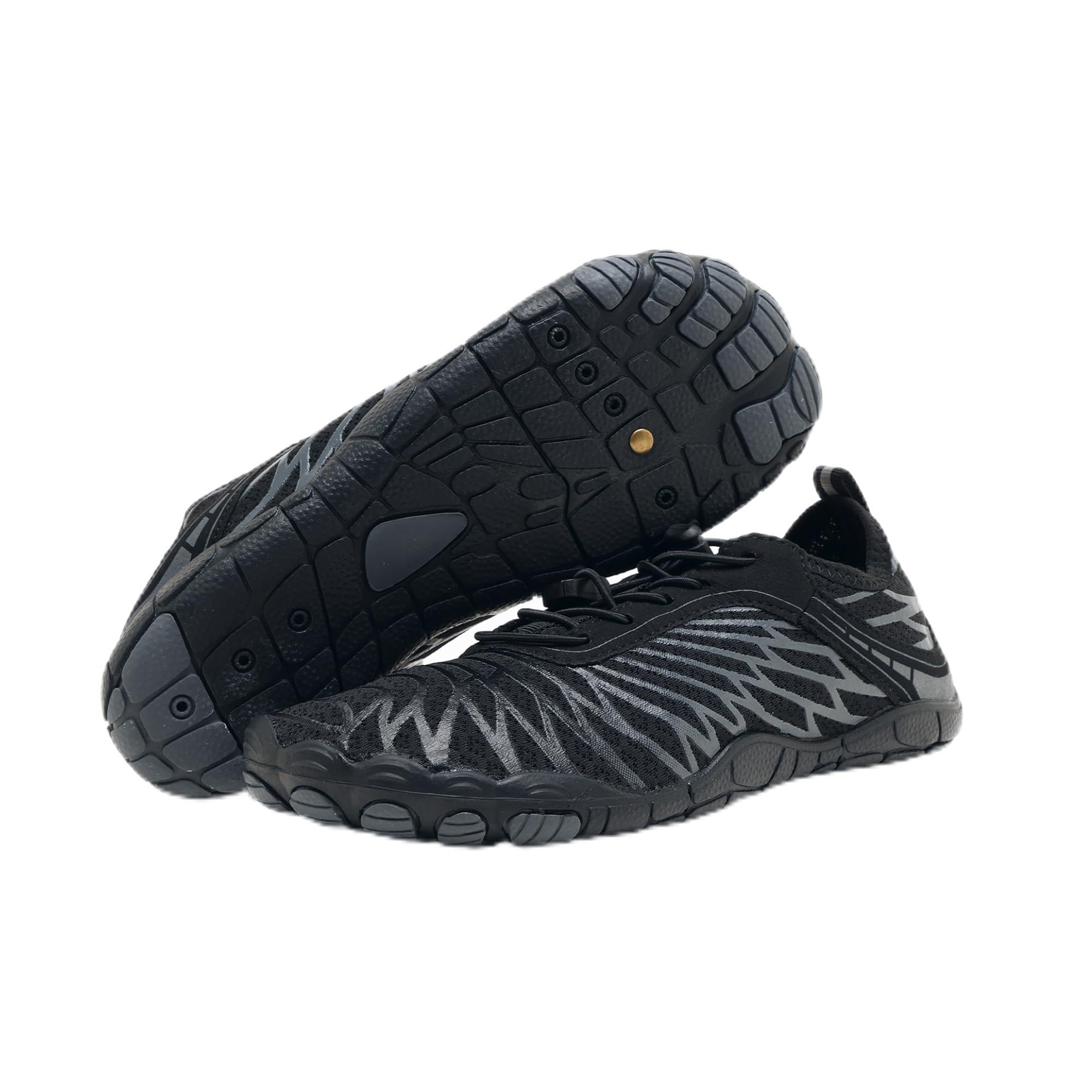
The Grounding Barefoot Shoes with Copper are the most affordable barefoot option here, and they include an integrated copper plug designed for grounding or earthing. The thin sole provides a weightless feeling and excellent flexibility, while the wide toe box accommodates malformed or bunioned feet that normally struggle with fit.
Users with rheumatoid arthritis reported noticeable knee relief and better walking mechanics. For daily errands, the lightweight design and good traction are sufficient. However, the thin sole lacks the protection needed for long walks on hard pavement or sharp rocky trails — you will feel every pebble.
Color accuracy is inconsistent, with some buyers receiving gray instead of black. The grounding feature may be gimmicky — one reviewer noted a foot bruise from the copper plug. For a barefoot-curious buyer on a strict budget who does not do distance walking, this shoe works. For serious foot health, skip and spend more.
Why it’s great
- Extremely lightweight and flexible
- Roomy toe box for malformed feet
- Affordable entry to barefoot concept
Good to know
- Thin sole unsuitable for long walks
- Copper plug may cause foot irritation
FAQ
How long does the transition to barefoot shoes usually take?
Can I use the NORTIV 8 Whitney for zero-drop training?
Are copper grounding plugs in shoes scientifically proven to help?
Final Thoughts: The Verdict
For most users, the best barefoot toe shoes winner is the Vivobarefoot Primus Lite 3.5 because it combines true 7mm zero-drop engineering with exceptional breathability and gym-level durability. If you want wet-weather adventure capability, grab the Astral Brewer 3.0. And for a high-mileage daily driver with transition flexibility, nothing beats the FLUX FOOTWEAR Adapt Runners.

Mo Maruf
I created WellFizz to bridge the gap between vague wellness advice and actionable solutions. My mission is simple: to decode the research and give you practical tools you can actually use.
Beyond the data, I am a passionate traveler. I believe that stepping away from the screen to explore new environments is essential for mental clarity and physical vitality.